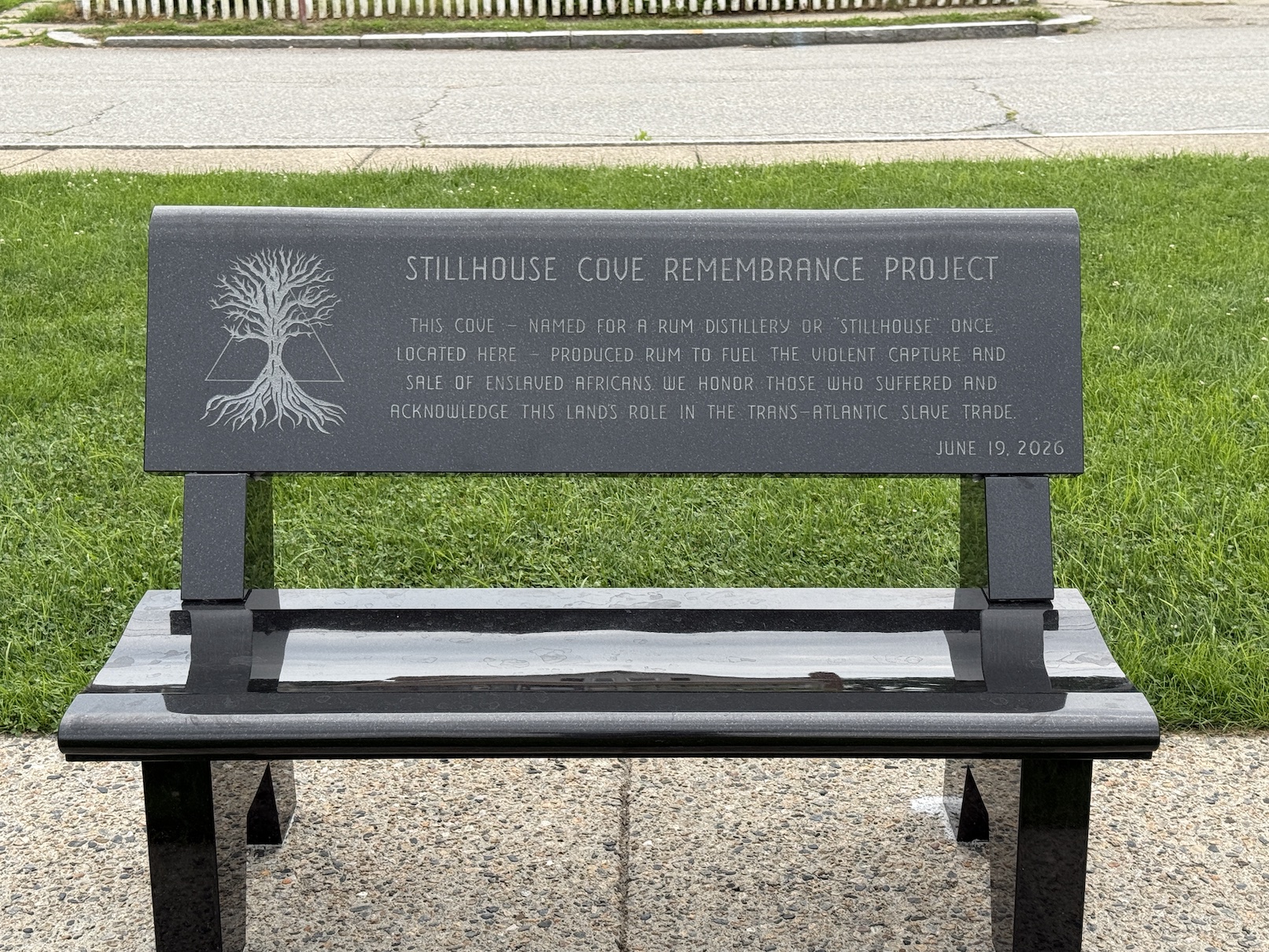
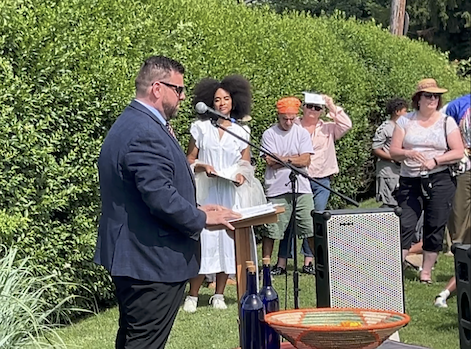
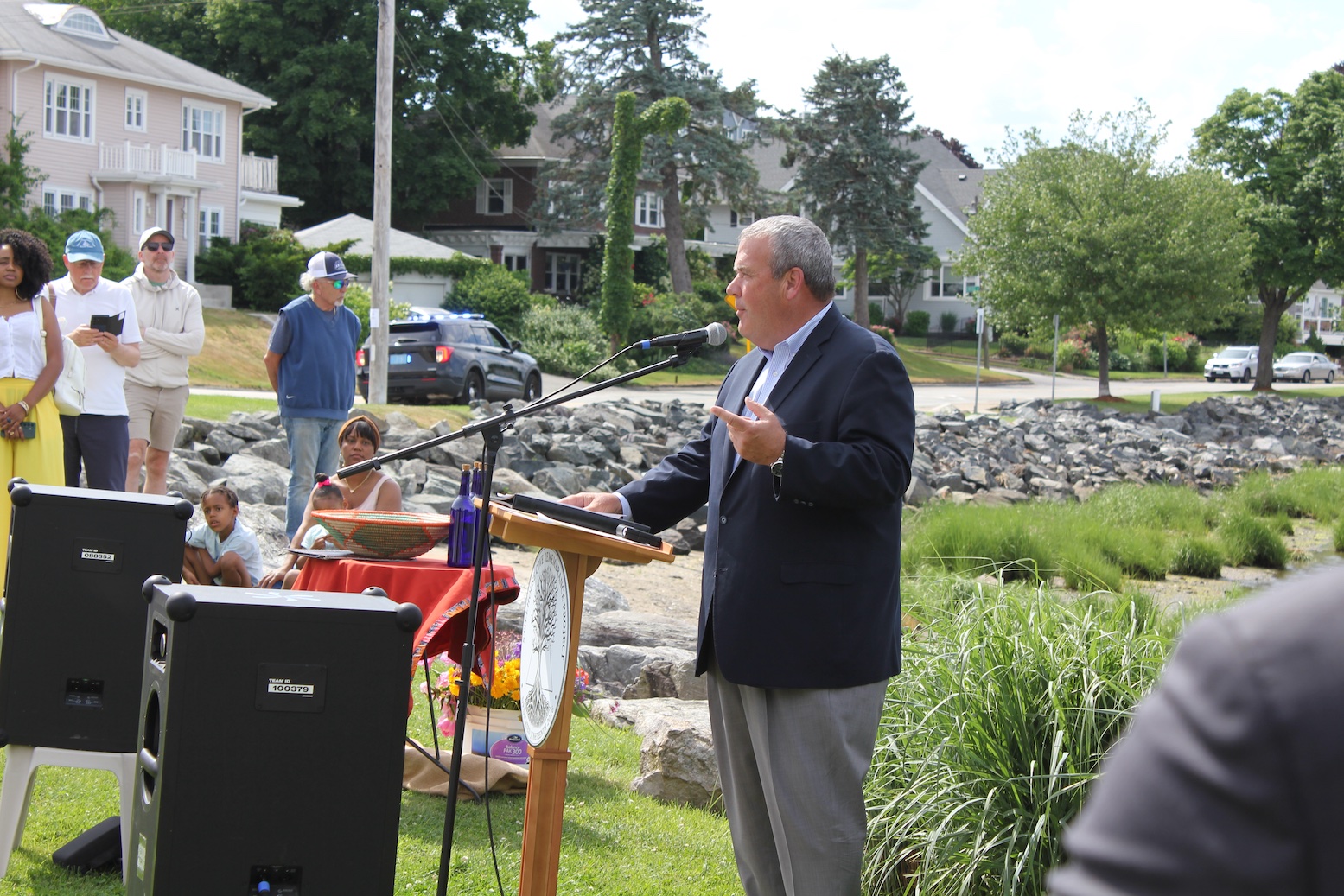
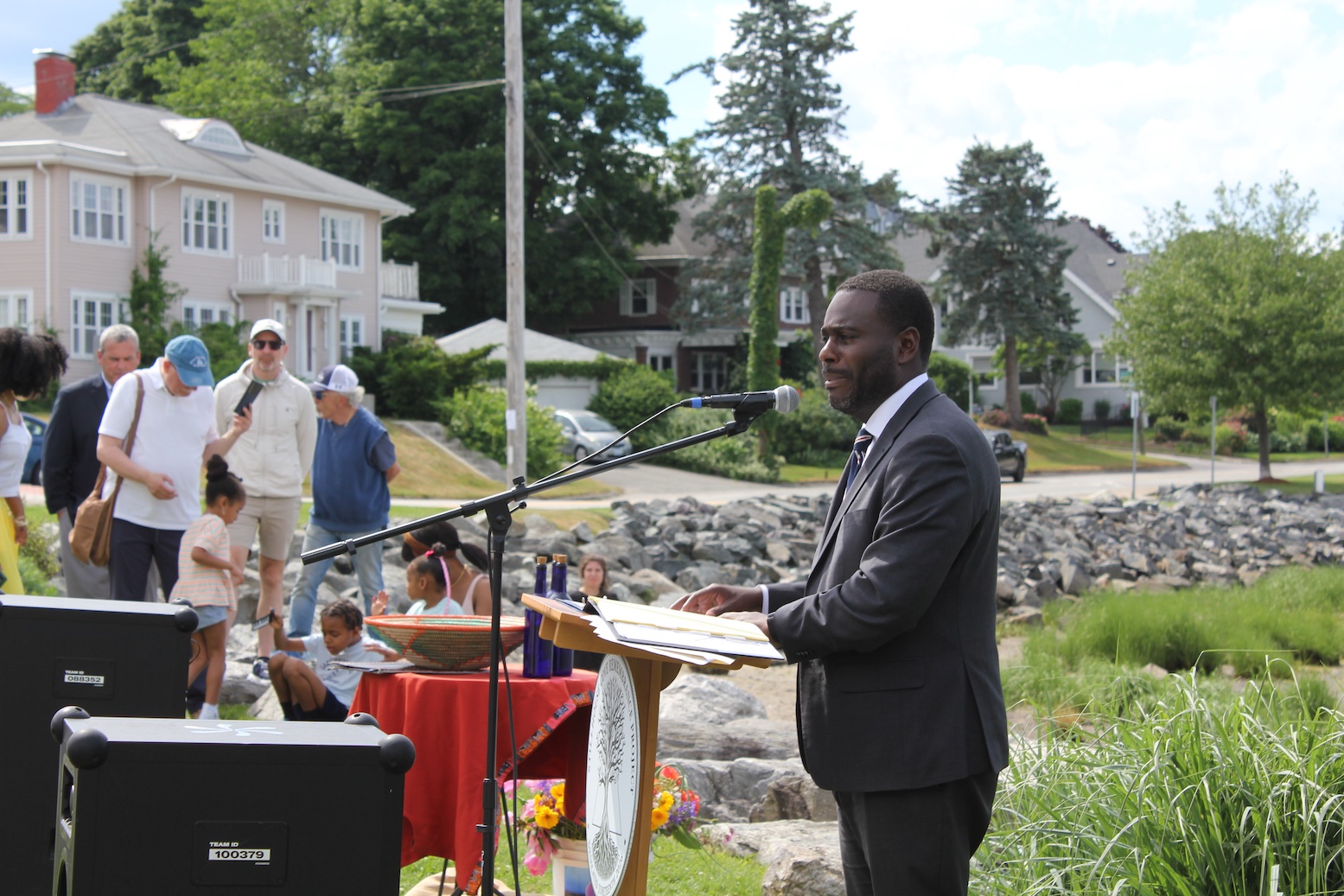
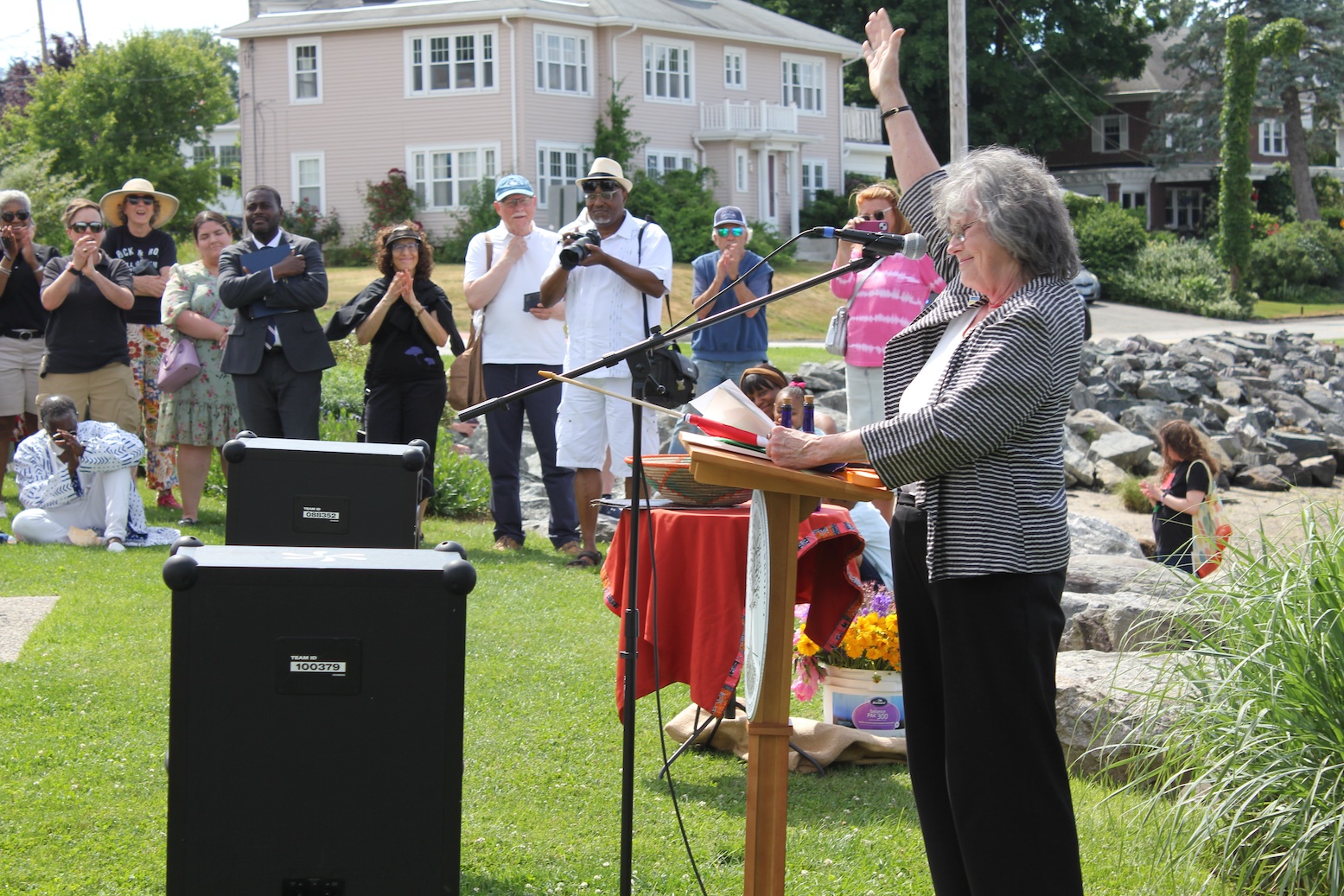
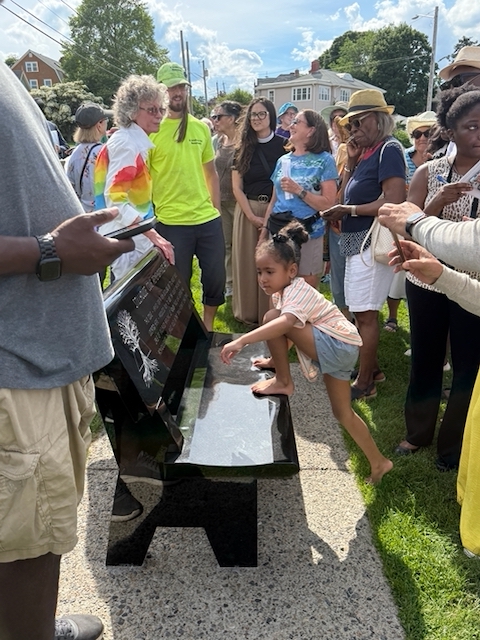
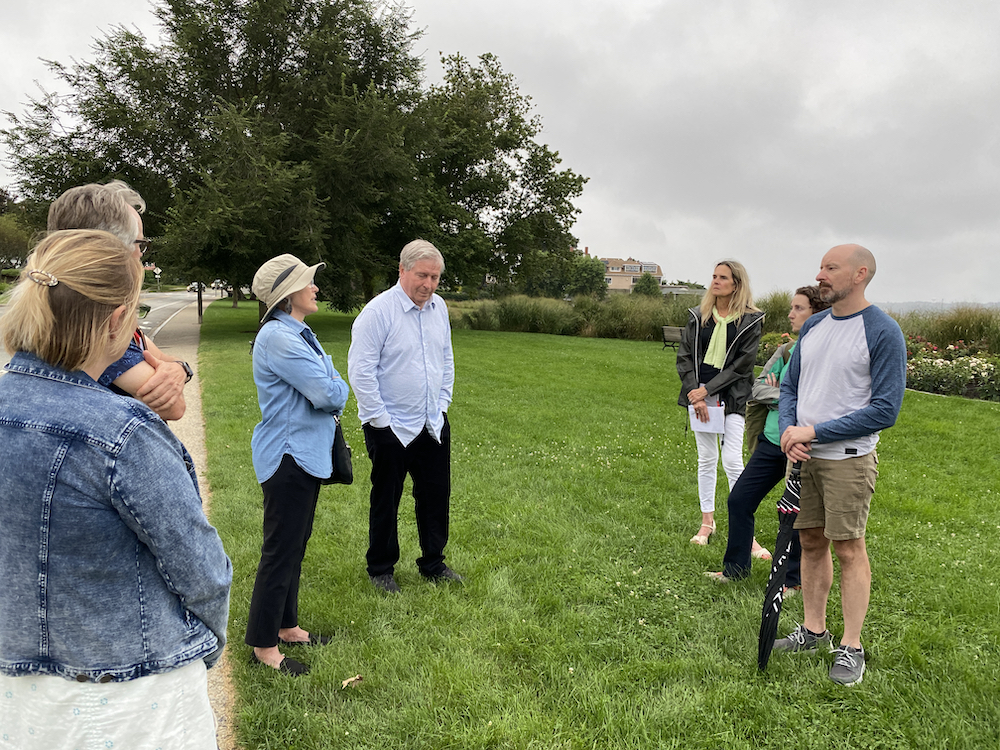
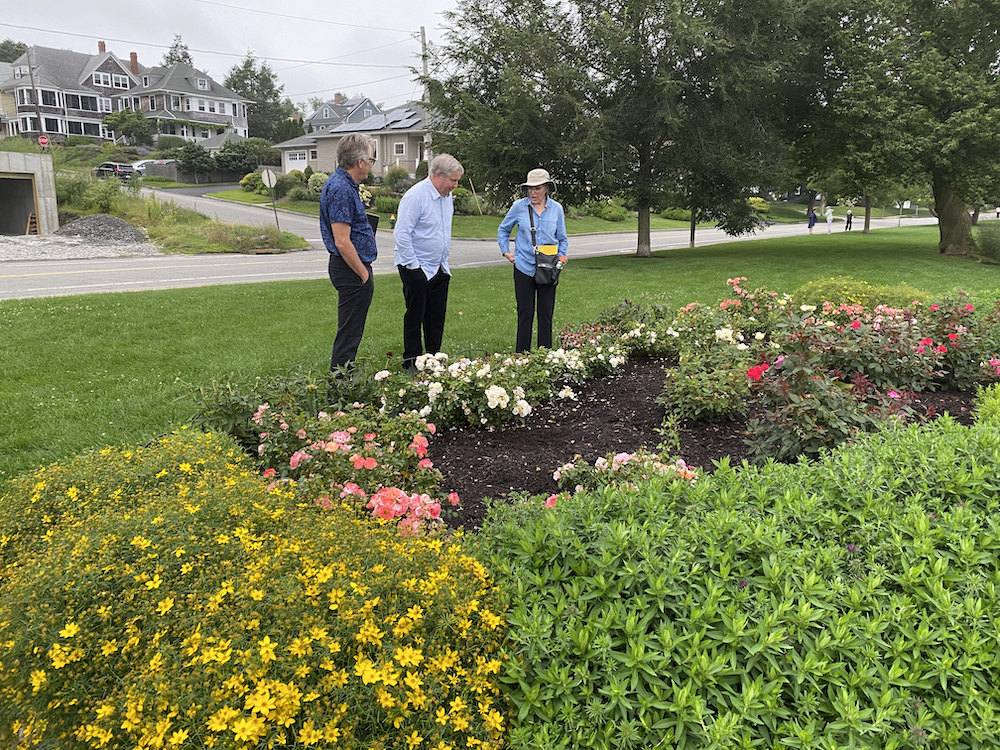
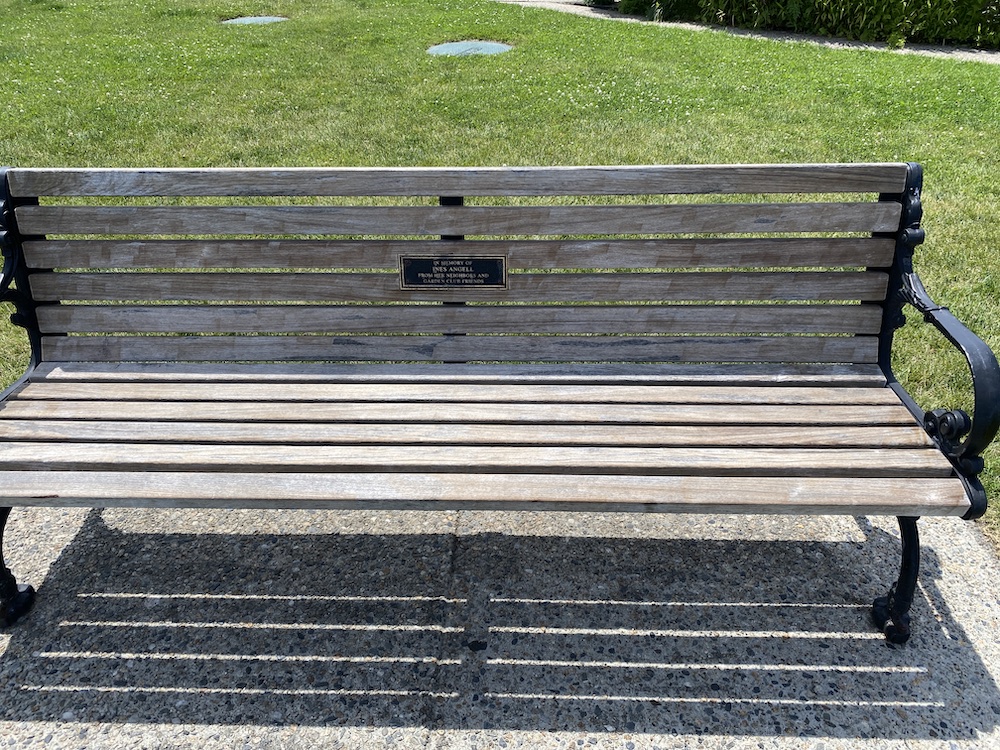
Earlier this year, at a neighborhood EWPA presentation, a participant asked about the historic location of the “stillhouse” on the Cove. Barbara Rubine replied that it was approximately where the Ocean Avenue roundabout now stands. “I wish it was still there,” the individual joked. Now a black marble bench reminds us of the terrible role played by that stillhouse and many others up and down the shores of Narragansett Bay in the 18th century. Those distilleries produced rum from molasses grown on Caribbean plantations where the average lifespan of slaves was only seven to nine years after their arrival. The rum produced along the shore of our beautiful cove was then loaded into barrels manufactured in Pawtuxet village and placed on ships that embarked for West Africa to be exchanged for more slaves.
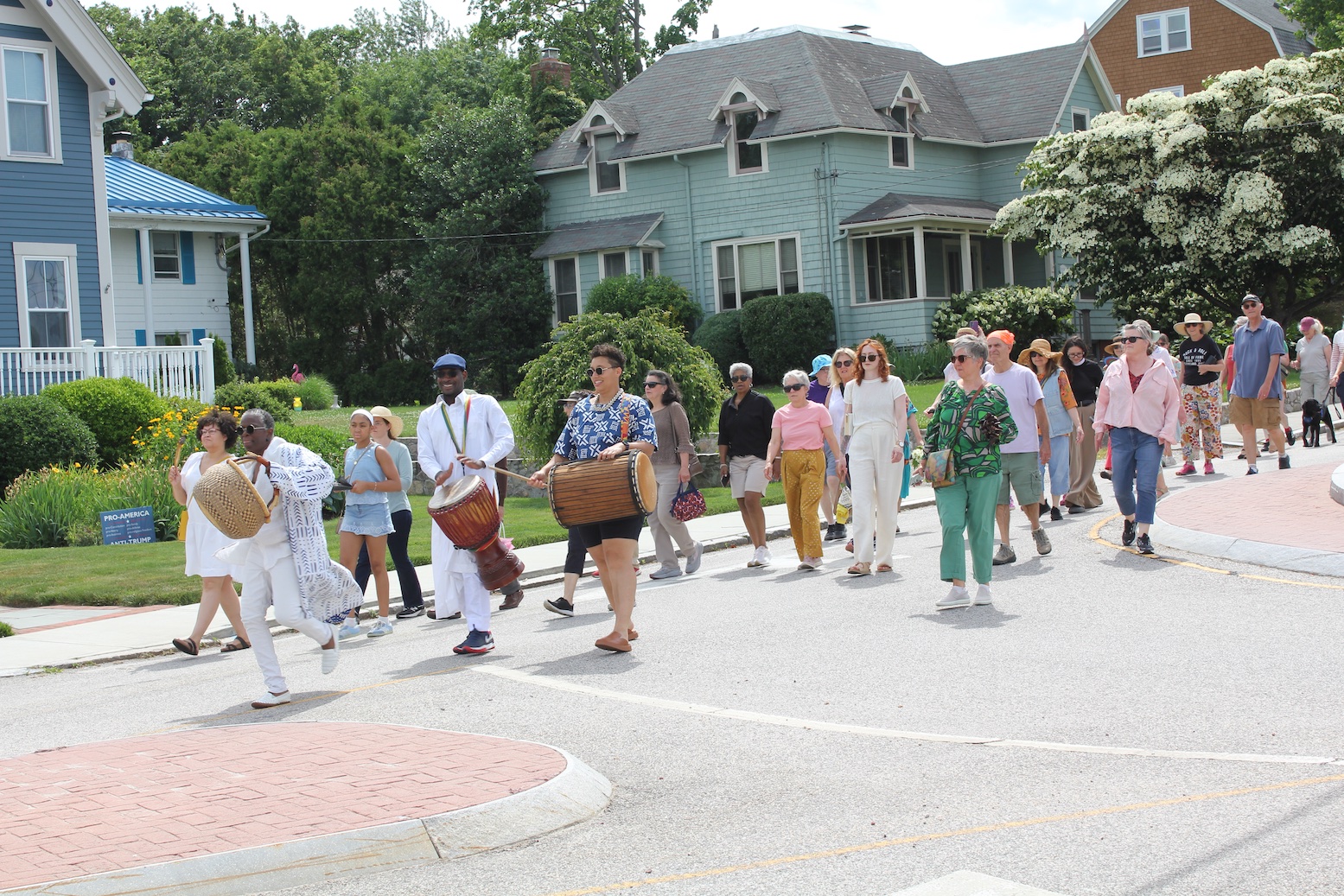
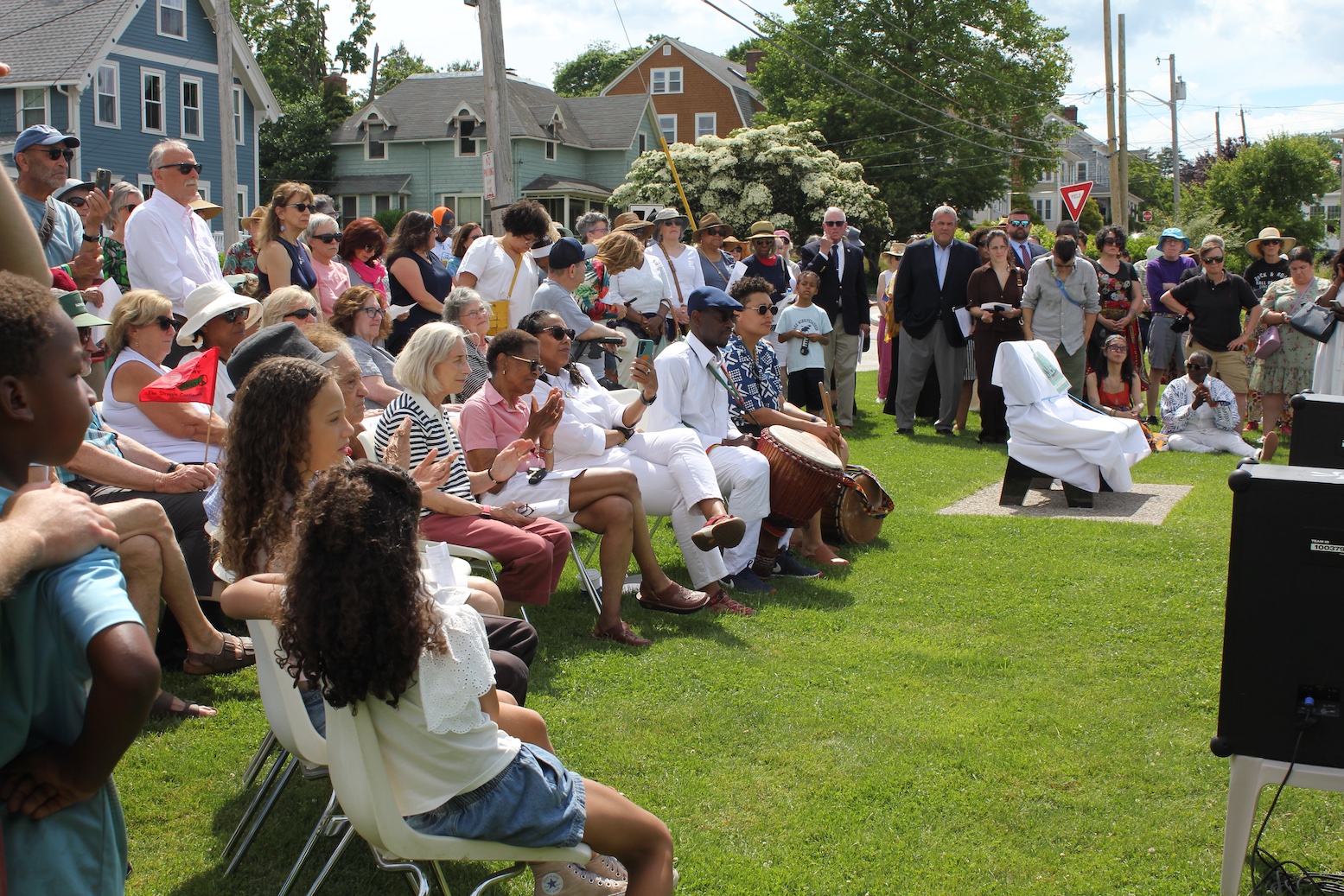
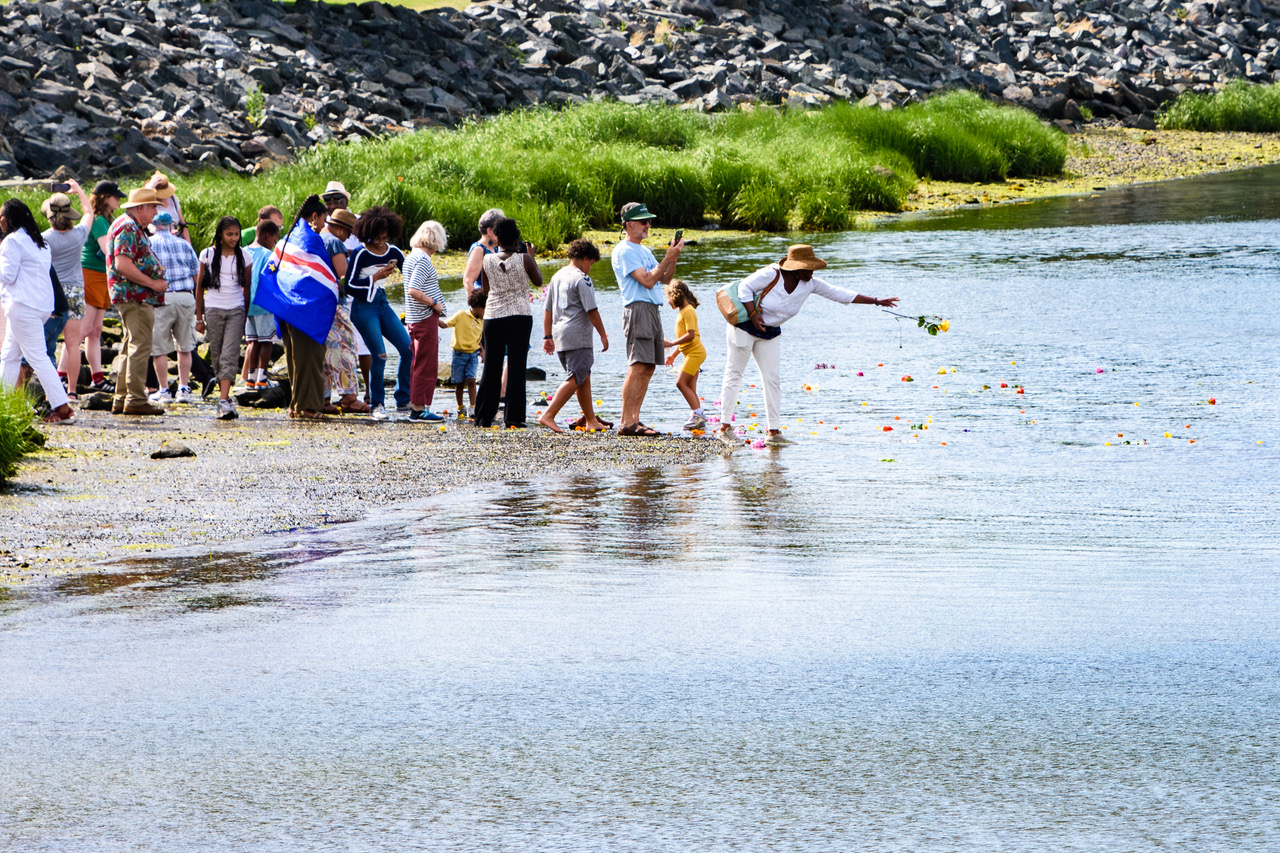
Tasuma Goodwin (SCRP) leads the procession
In other parts of the country, Rhode Island’s prominent role in the Atlantic Triangle Slave Trade is well recognized and documented, but here we have been reluctant to face the truth. At the June 19th unveiling, speaker after speaker pointed out the terrible irony of the sinking of the Gaspee in 1792. We celebrate it each year as a first strike for American freedom, but ignore the fact that its most prominent leaders were slave traders.
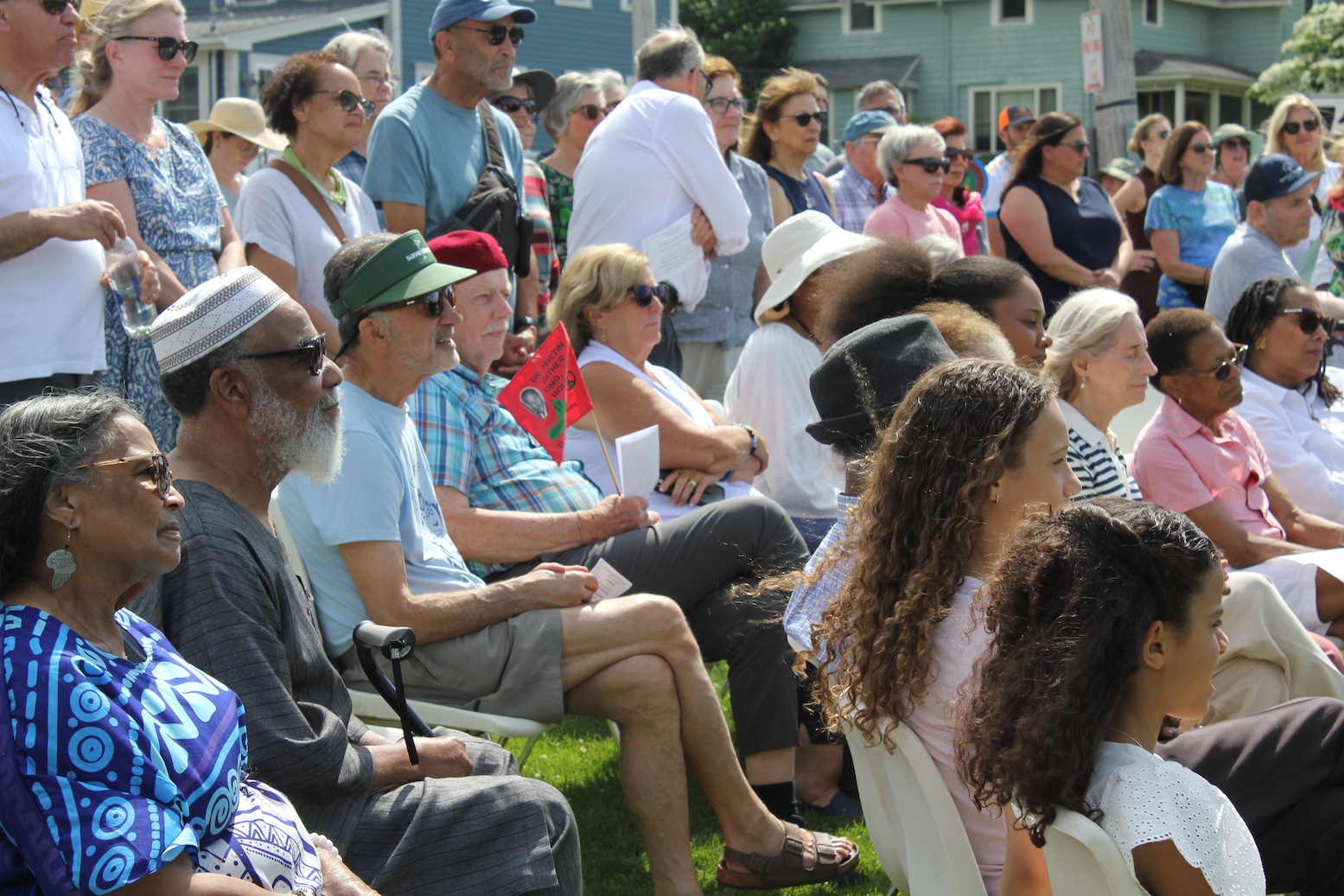
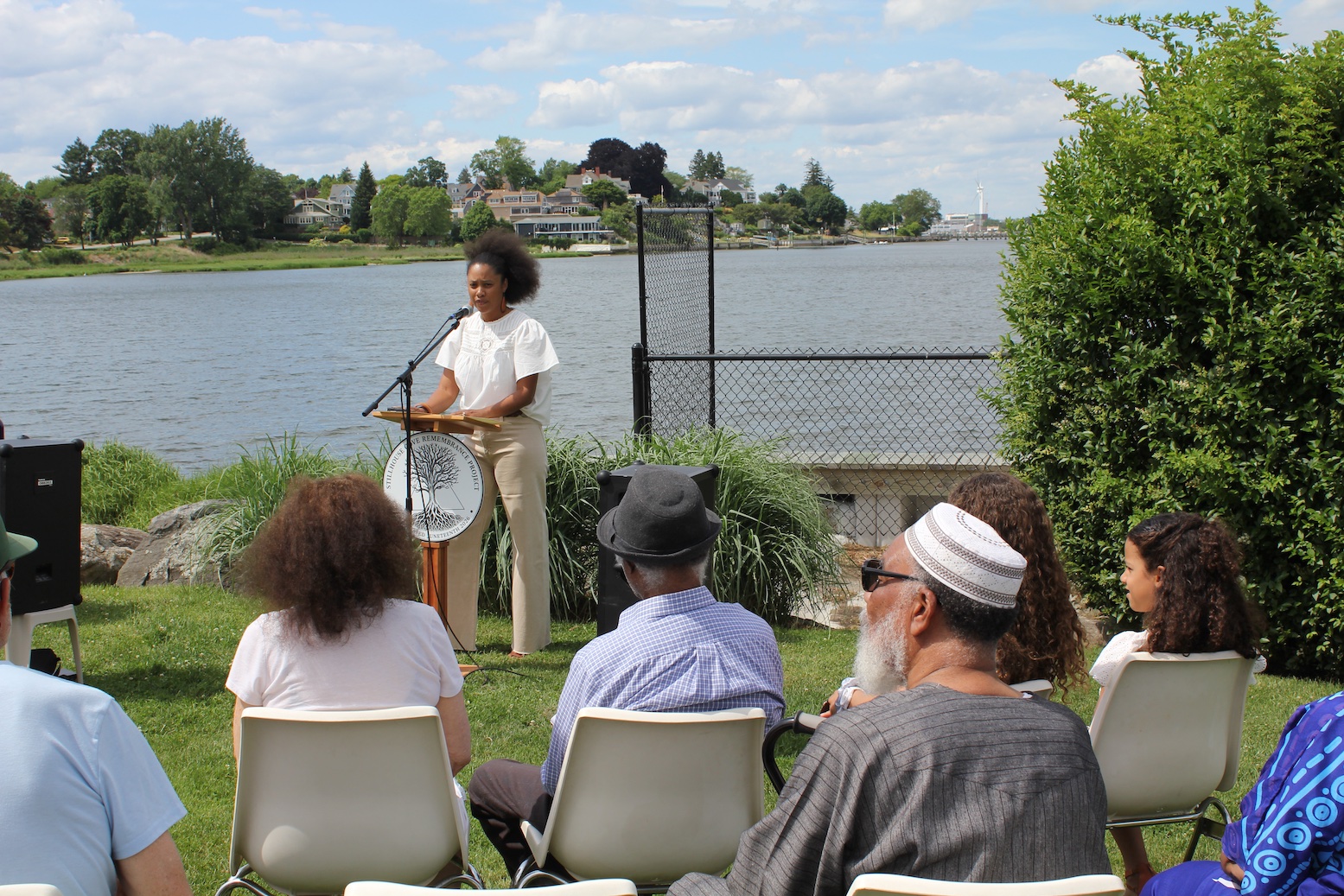
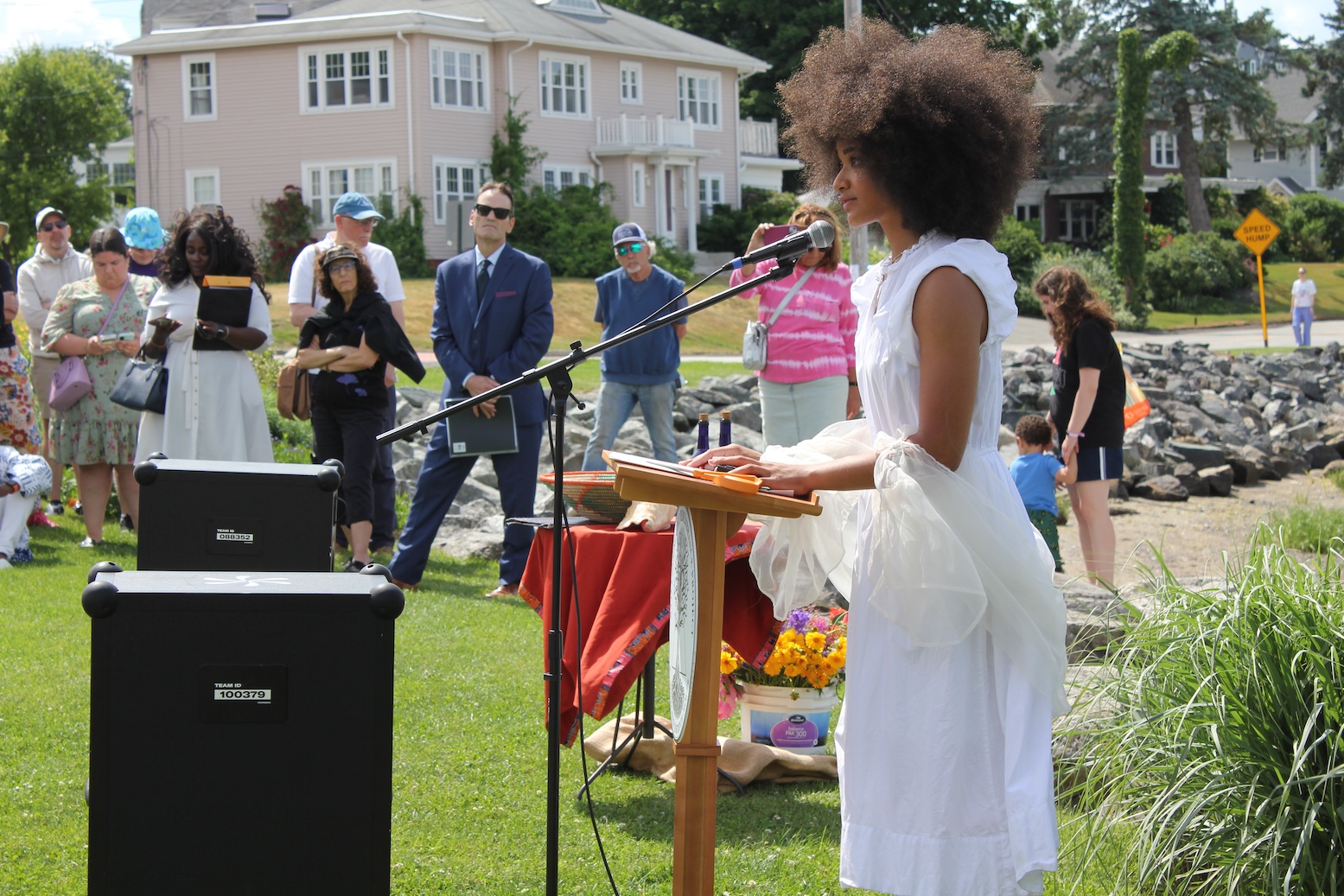
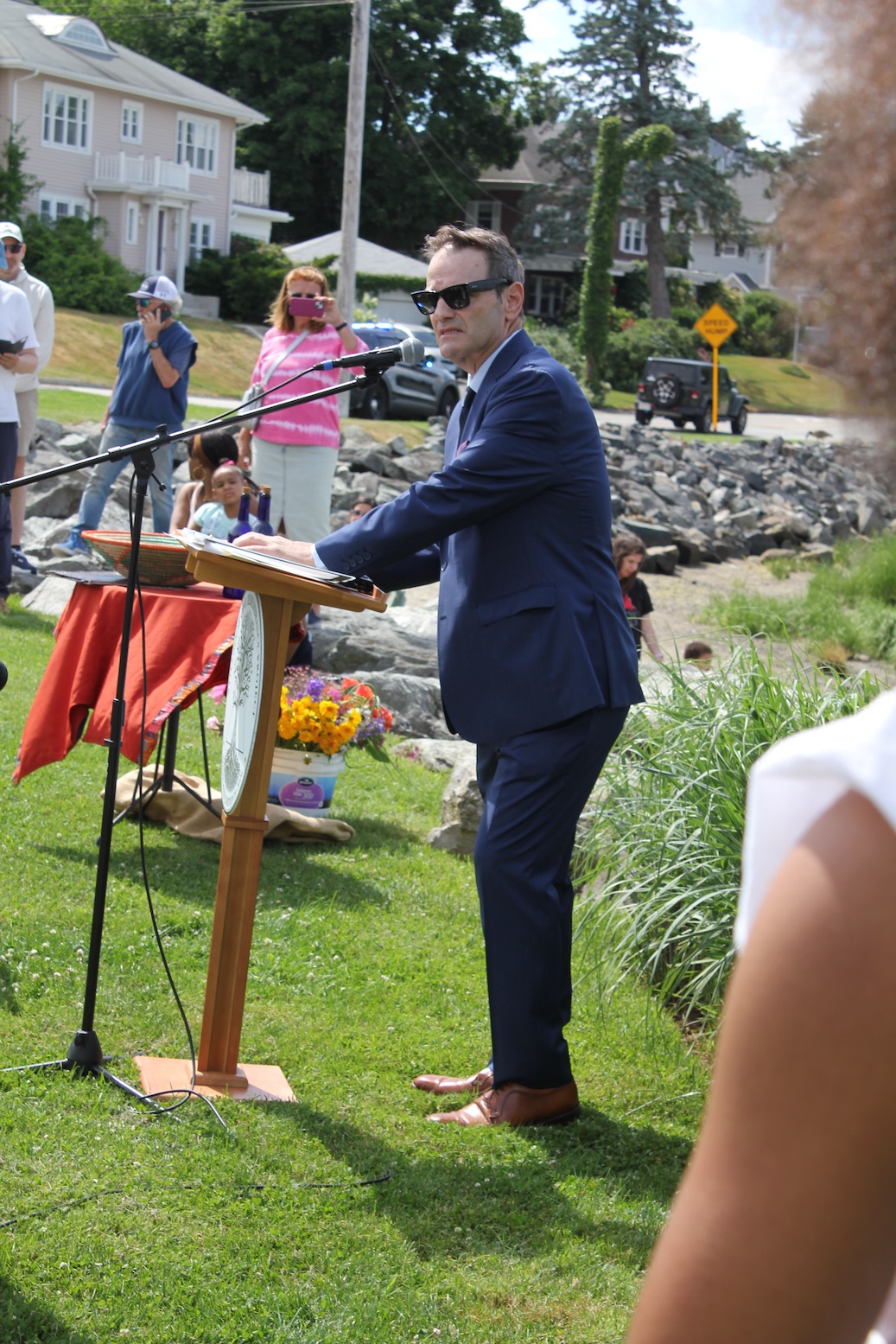
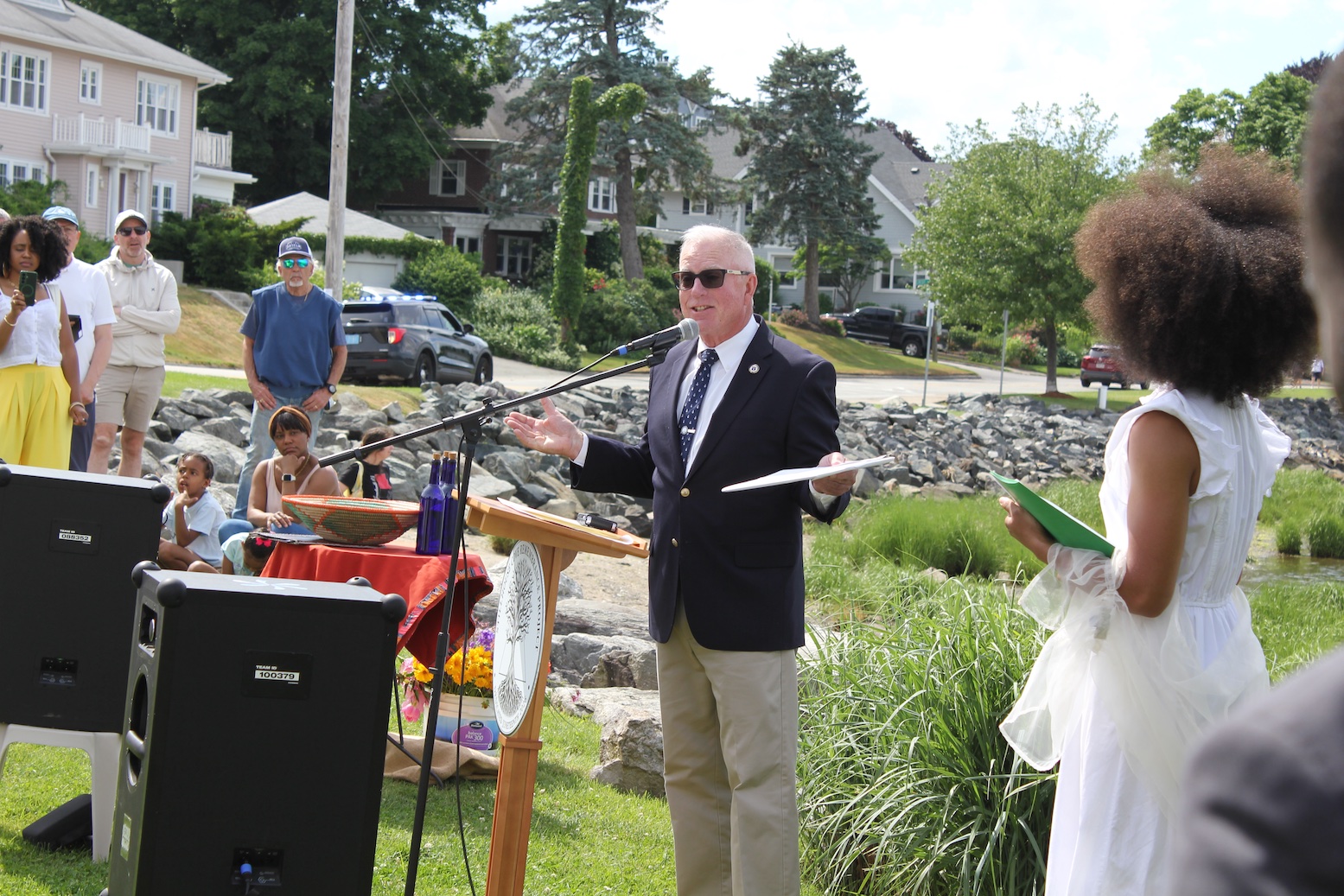
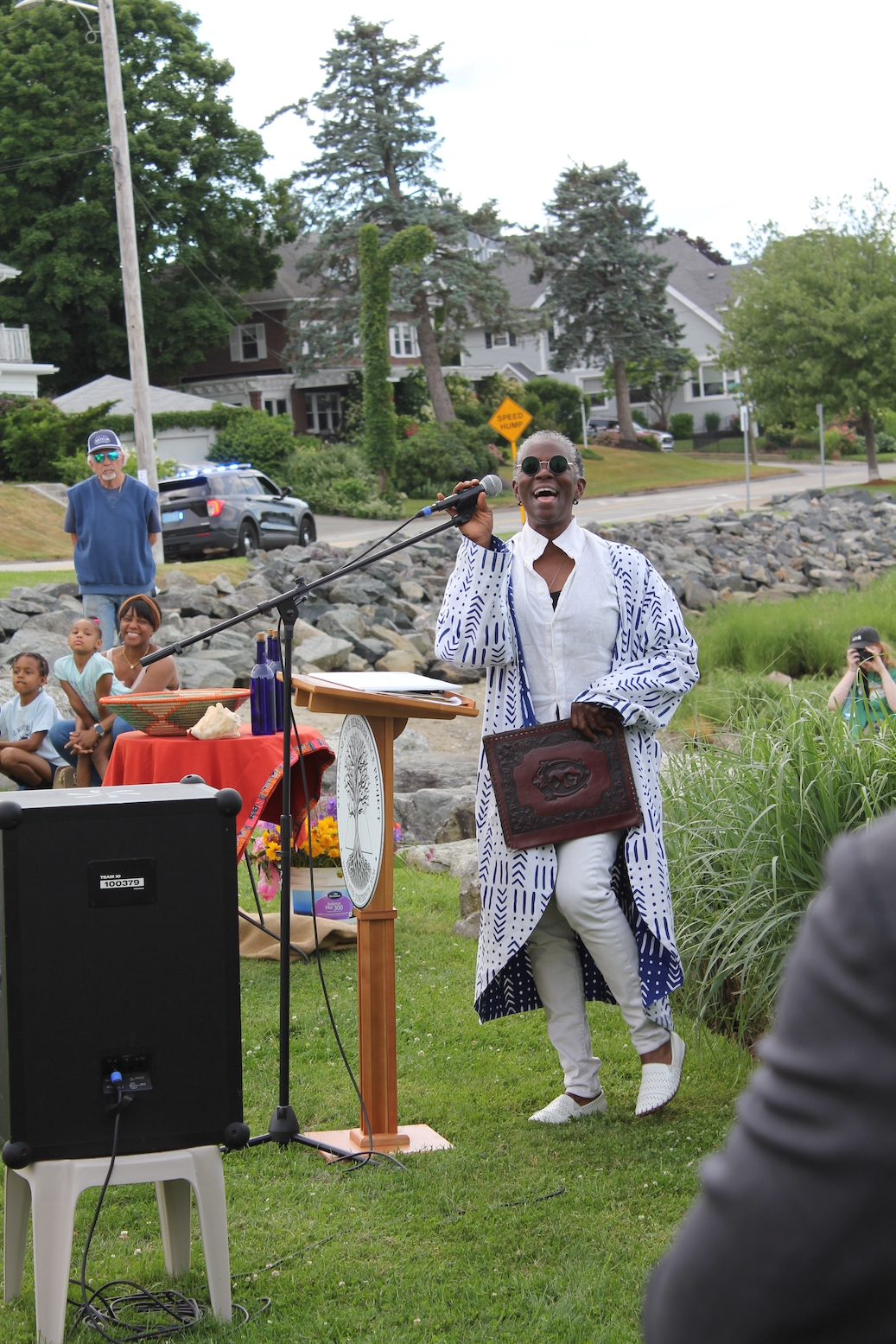
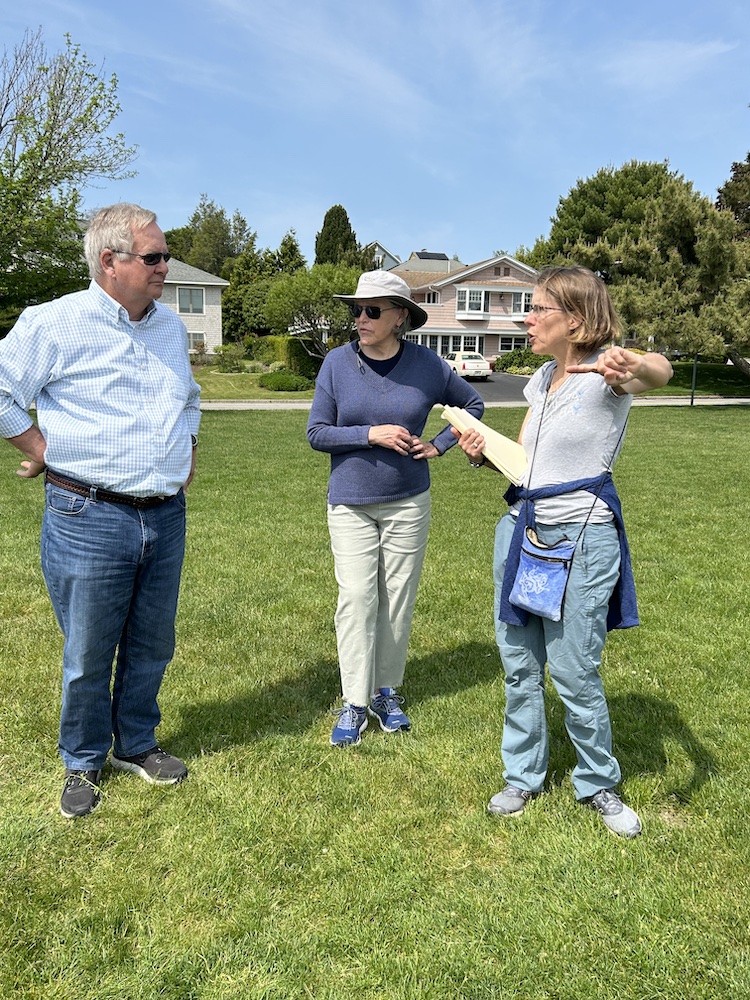
For a number of years, a coalition of academics, activists, and neighbors fought for a local recognition of our complex historical heritage. The Stillhouse Cove Remembrance Project(SCRP) worked with the Edgewood Waterfront Preservation Association (EWPA) and the City of Cranston to make it happen. On Juneteenth, 2026 a procession took place from Broad Street down to Stillhouse Cove where a large number of people gathered for the unveiling of the remembrance bench designed by Jheneire Loreus. A commitment was made to bring this lesson to our schools and to ensure that future generations learn from it.
Emlyn Whipple of the SCRP opens the ceremonyMelaine Ferdinand-King (SCRP) of the African-American Museum of RIBrian Moretti (EWPA)Chris Paplauskas, City of CranstonGregg Amore, Secretary of State, RIGabe Amo, Congressman, RICarolyn Fleur-Lobban (SCRP)Joe McNamara, RI House
Tasuma Goodwin (SCRP) closed the ceremony with a very moving account. She is the owner of the last standing still house in Pawtuxet village on North Fair Street. As a descendant of slaves, she recounted the personal pain of living in a place that produced the liquid that was traded for her own forbearers. One room in the house was a blacksmith’s shop that probably produced rum barrel staves and the manacles used to bind recently free people during the Middle Passage.
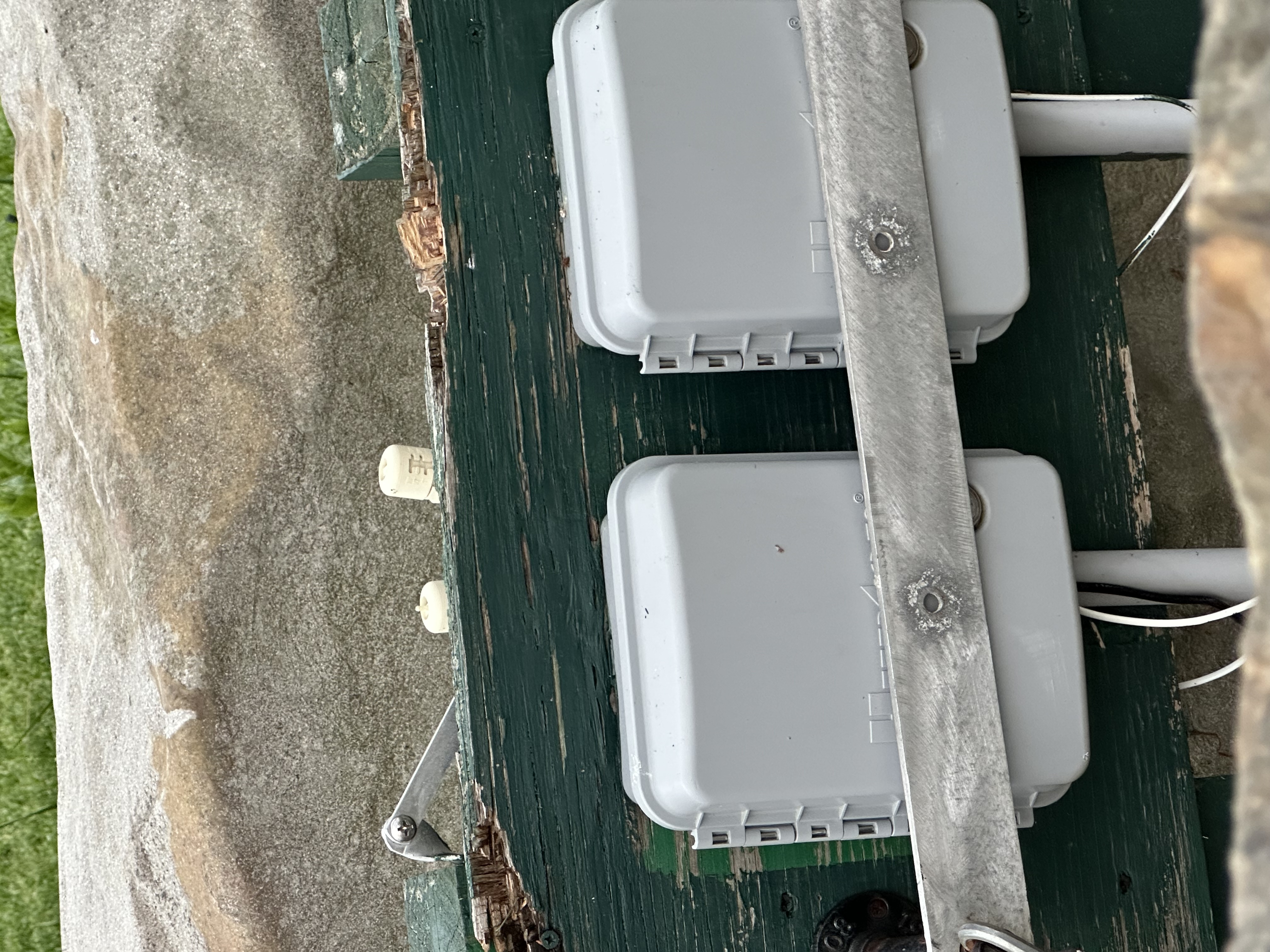
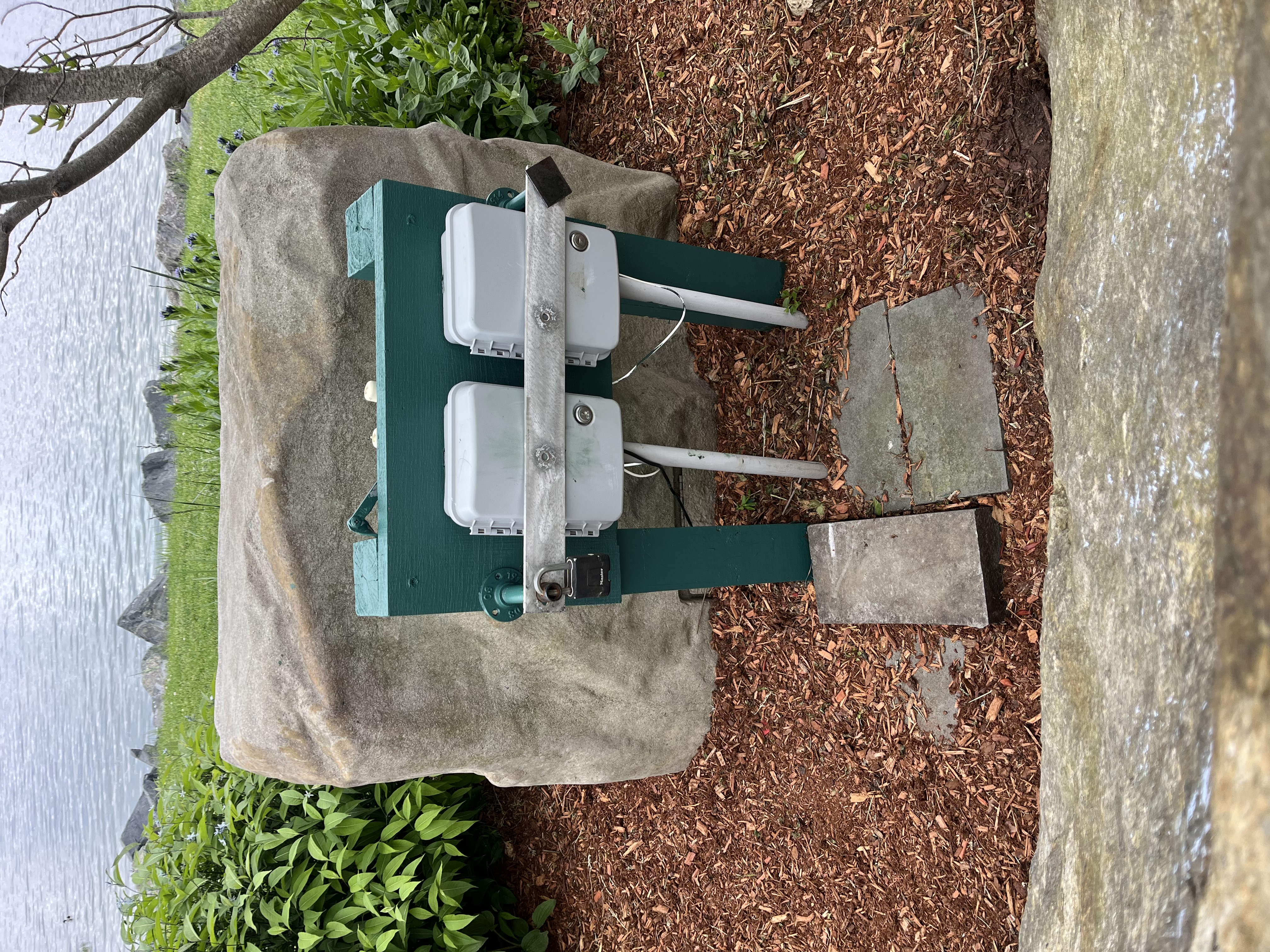
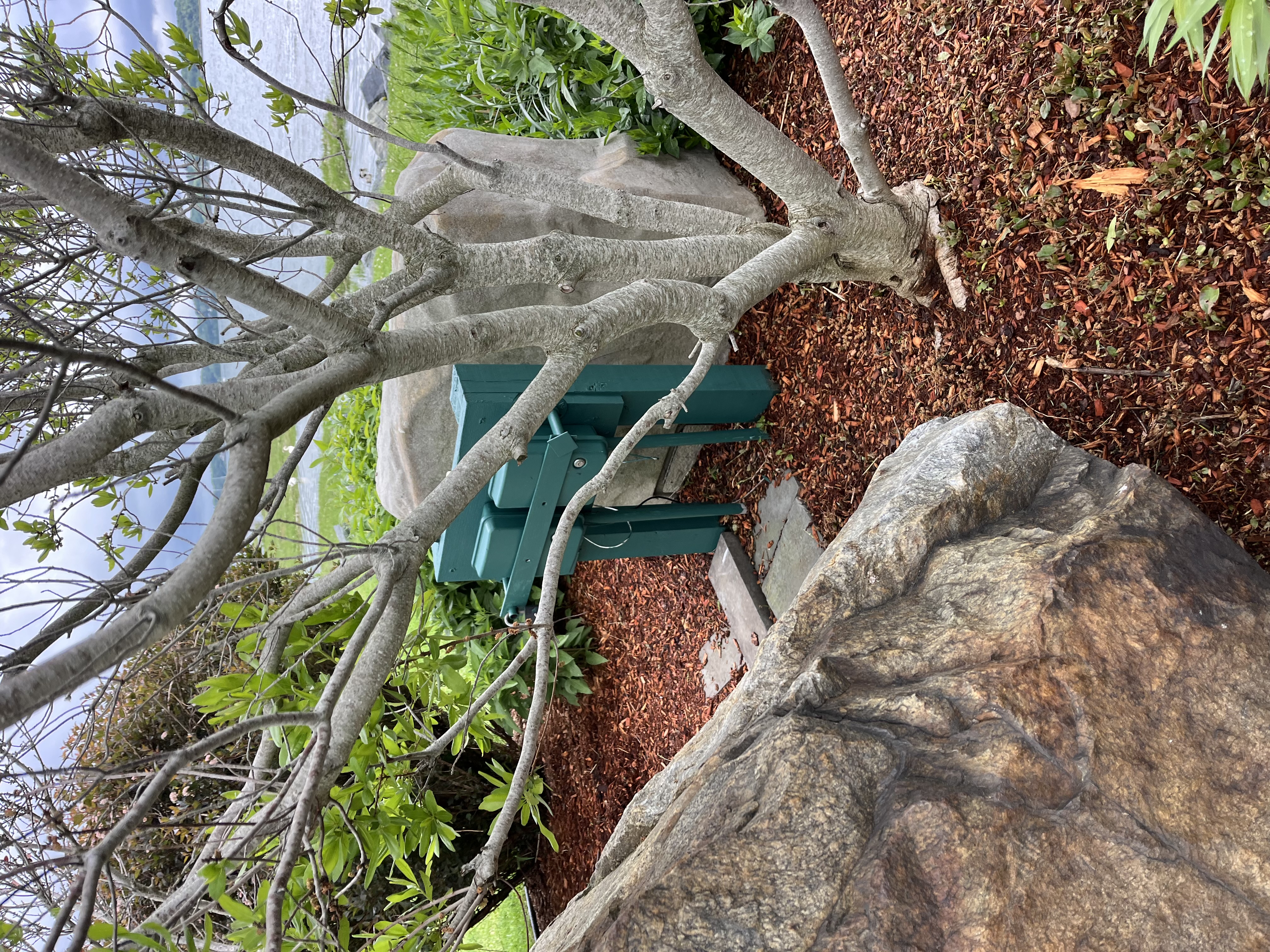
One of our erstwhile volunteers (who prefers to remain anonymous) recently repaired the supports for the sprinkler support boxes located near the Gaspee memorial.
The old degraded wooden supportThe beautiful new supportThe location of the water meters behind the Gaspee Memorial
Something new coming to Ocean Avenue
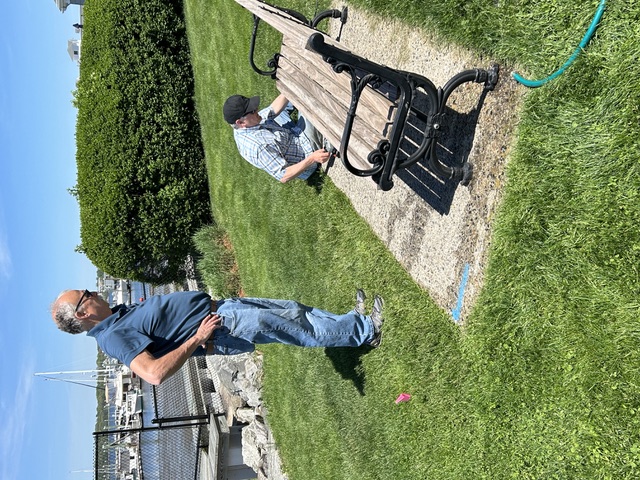
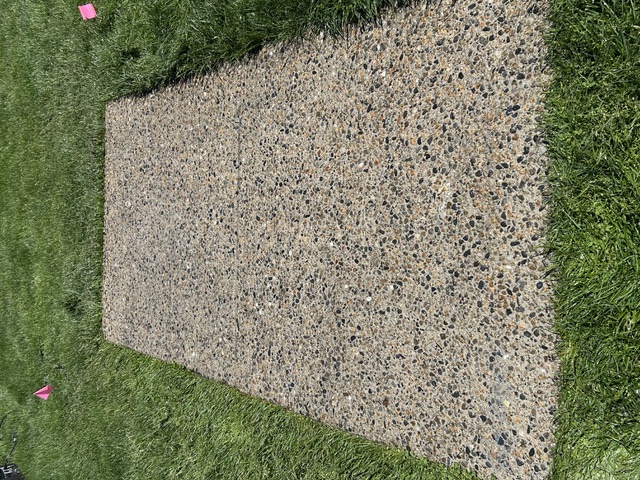
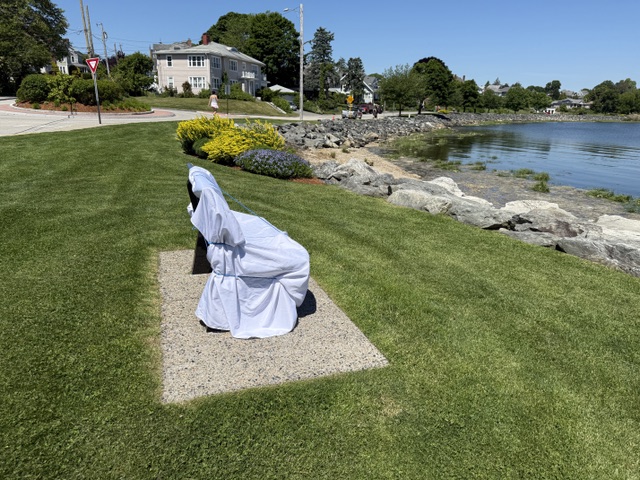
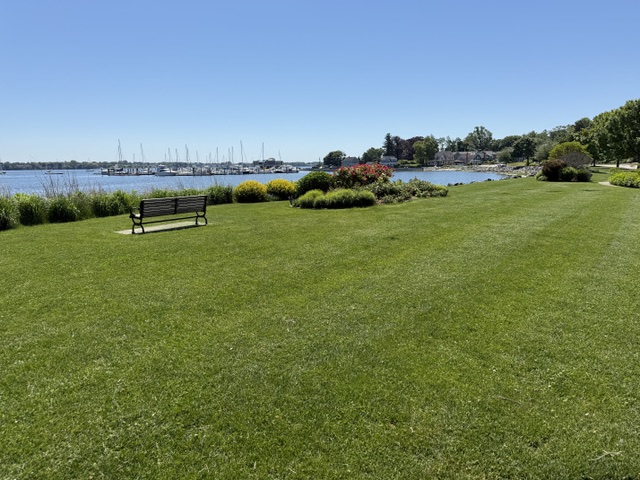
The existing bench at the southern end of Stillhouse Cove Park was recently removed to make way for a new memorial bench that will be unveiled at a June 19, 2026 ceremony. Volunteers, including board members Doug Shemin, Donna Fieldman, Richard Finley, and Colin Murphy disconnected the old bench and power washed the stone pad making way for delivery a new marble bench. The old bench will be stored until July and placed on a new cement pad near the rose garden.
Disassembling the old benchThe freshly cleaned padThe recently delivered memorial benchThe old bench will be placed south of the rose garden in July.
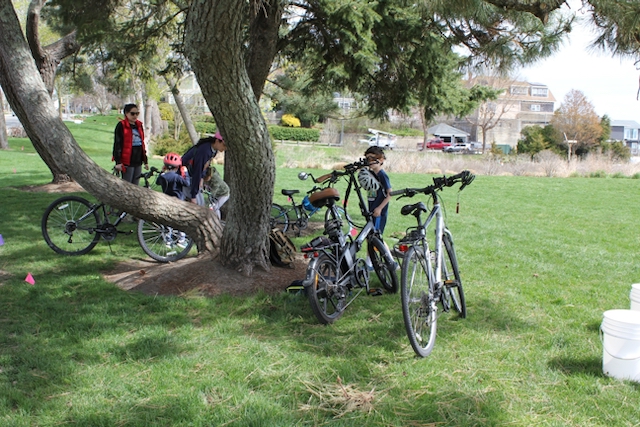
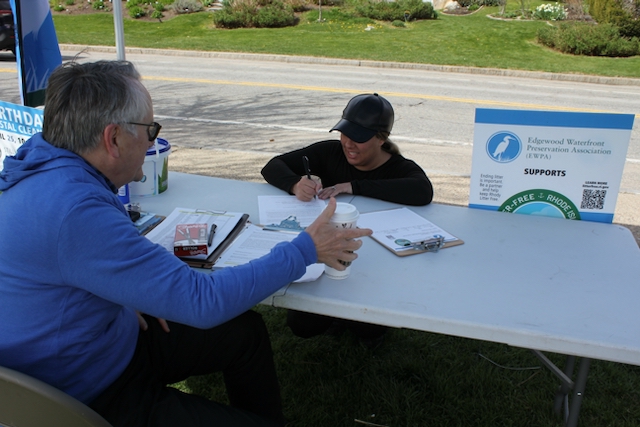
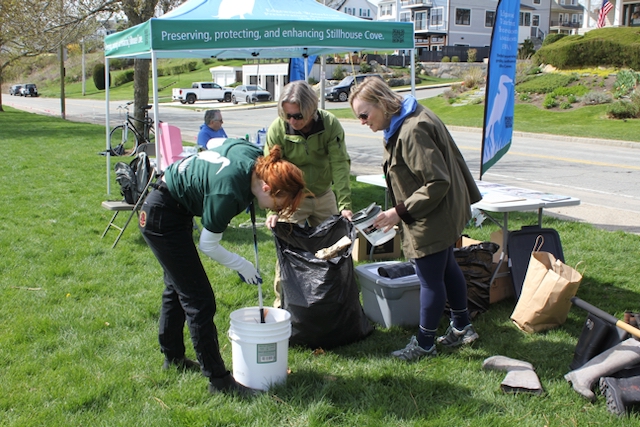
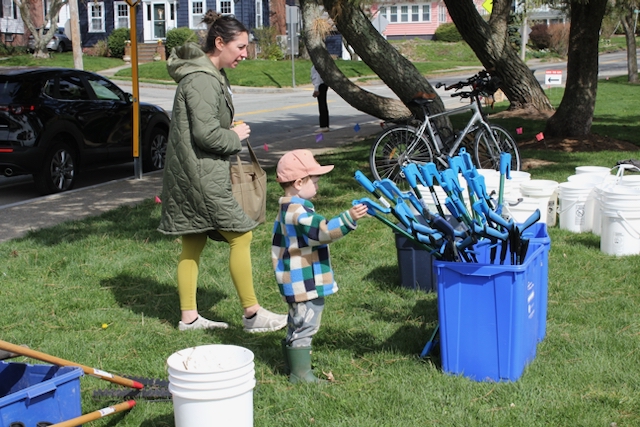
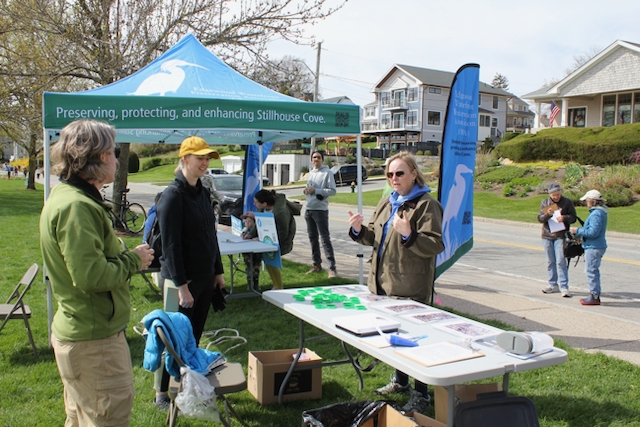
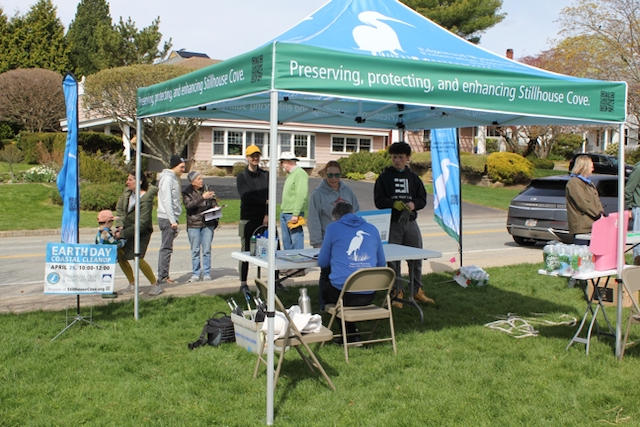
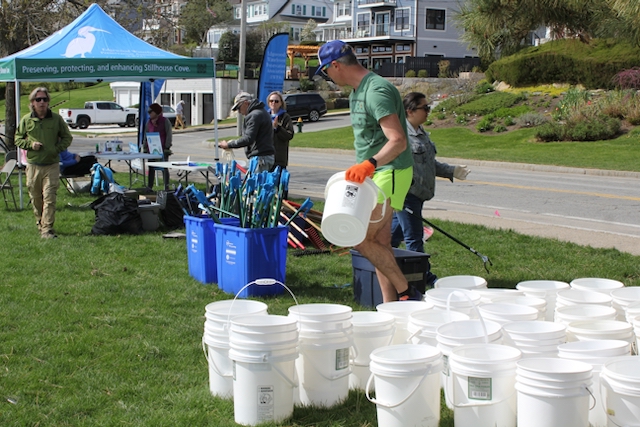
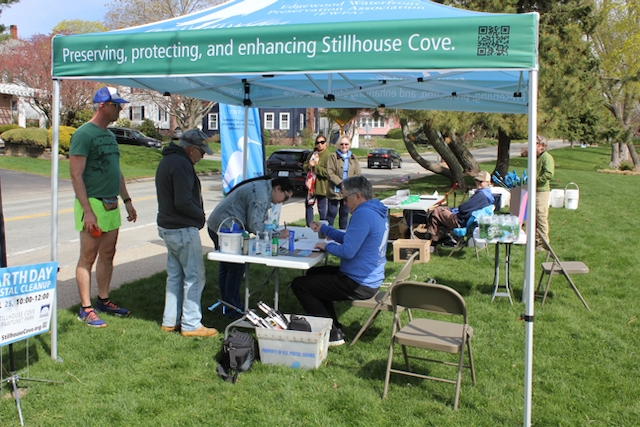
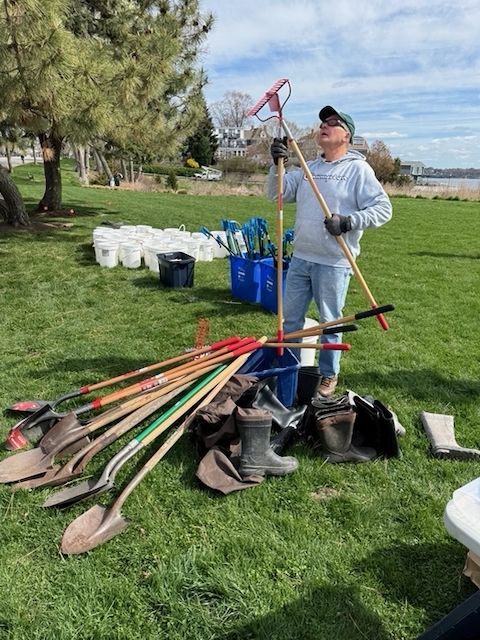
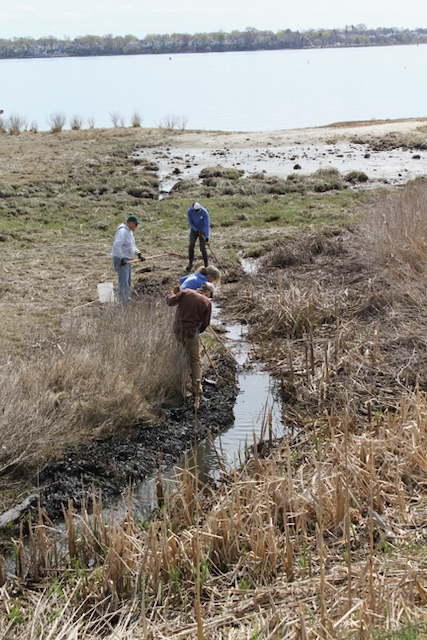
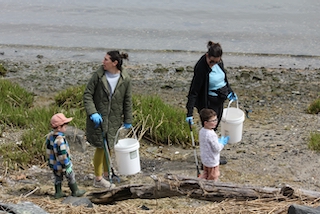
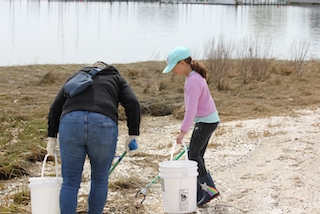
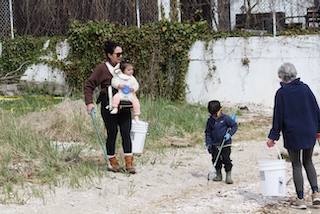
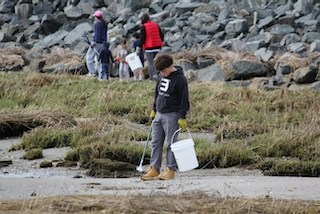
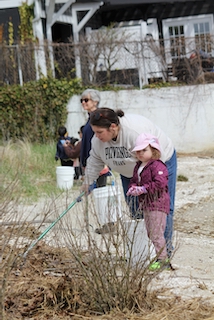
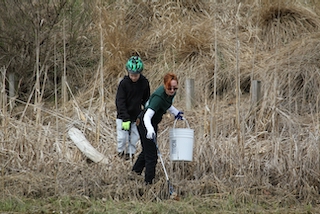
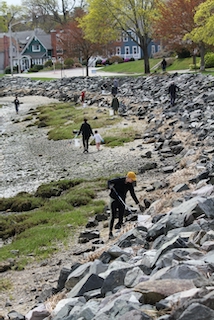
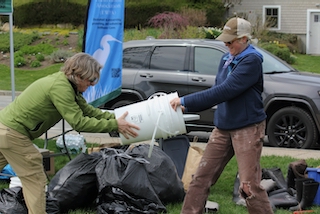
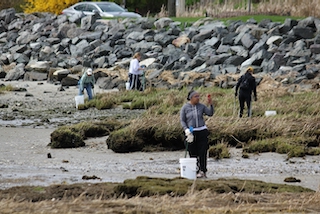
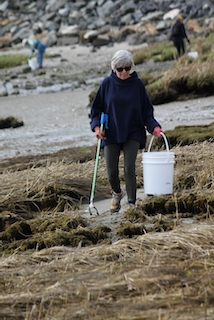
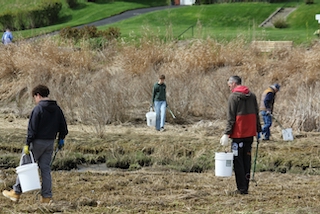
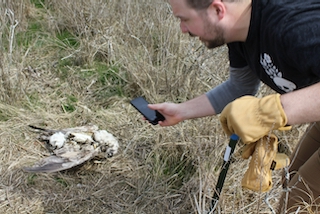
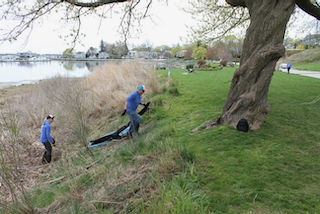
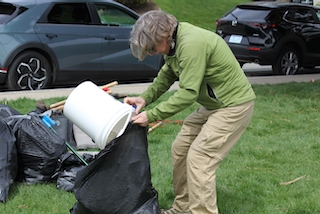
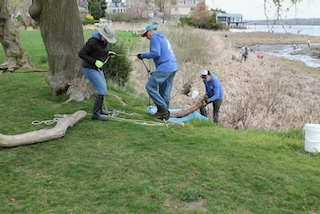
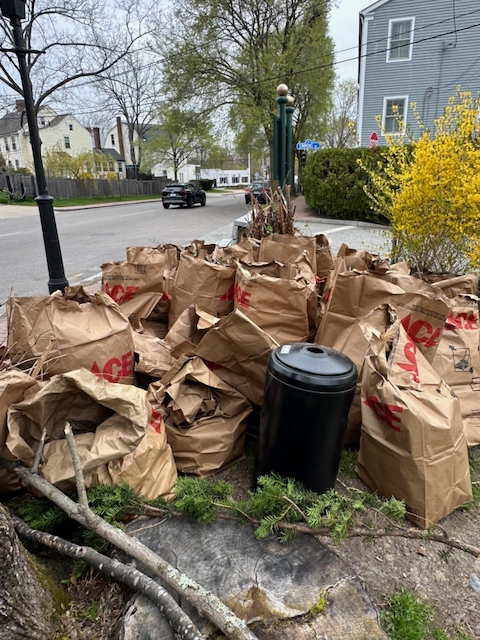
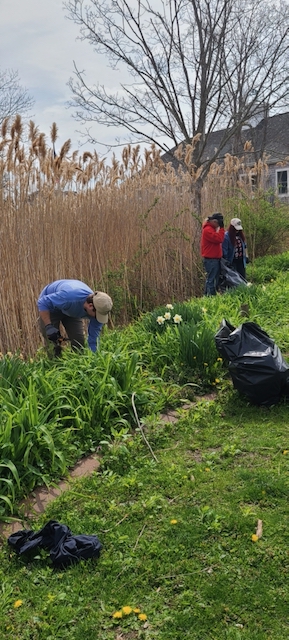
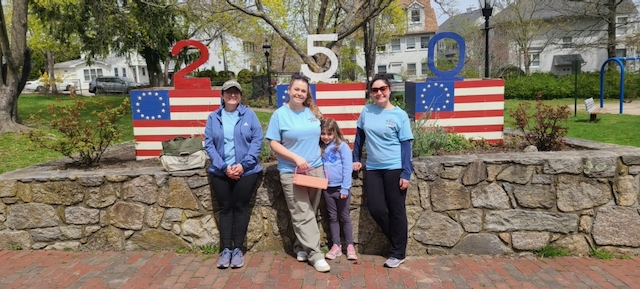
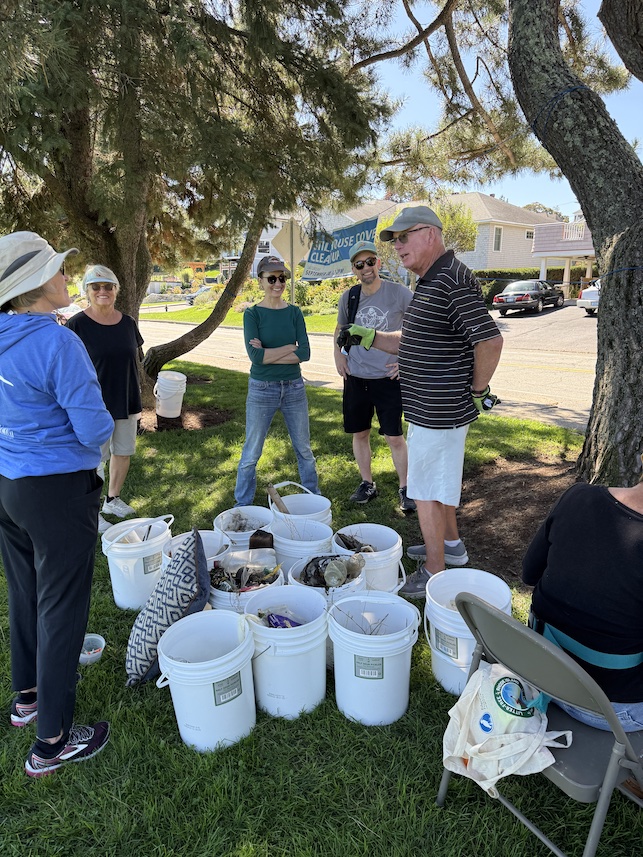
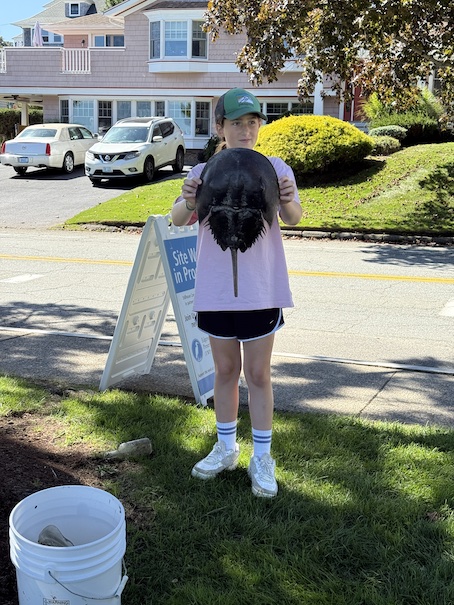
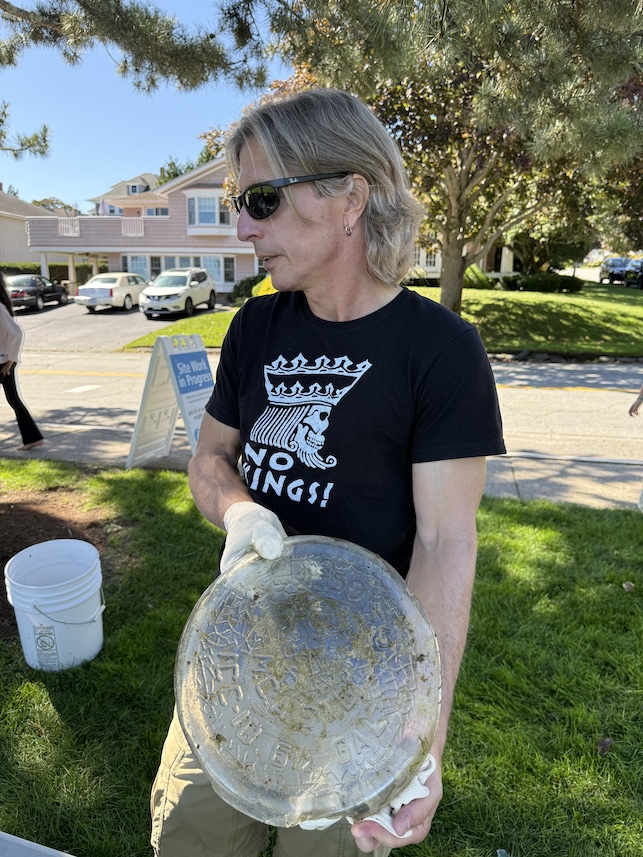
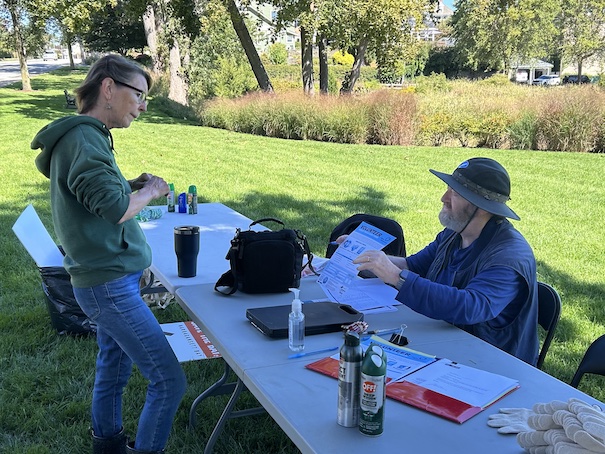
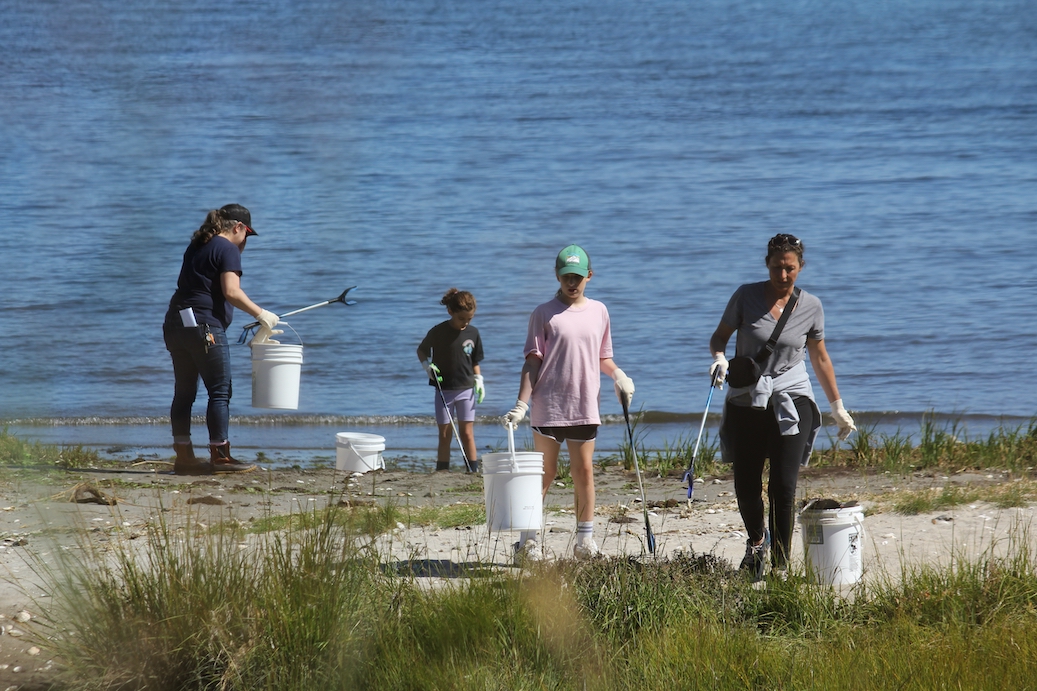
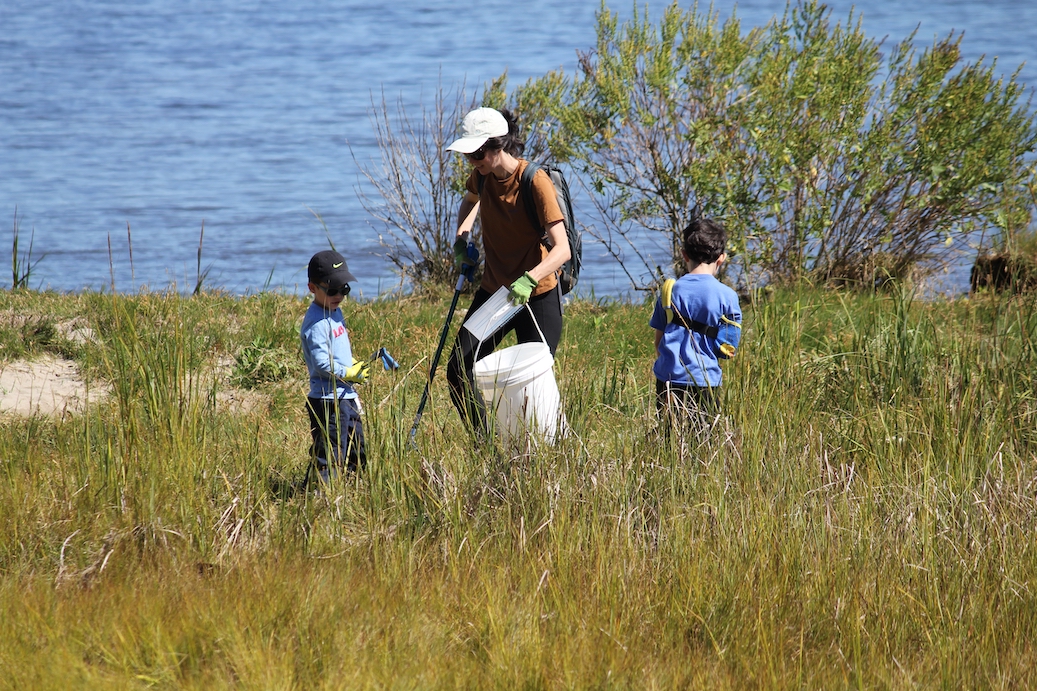
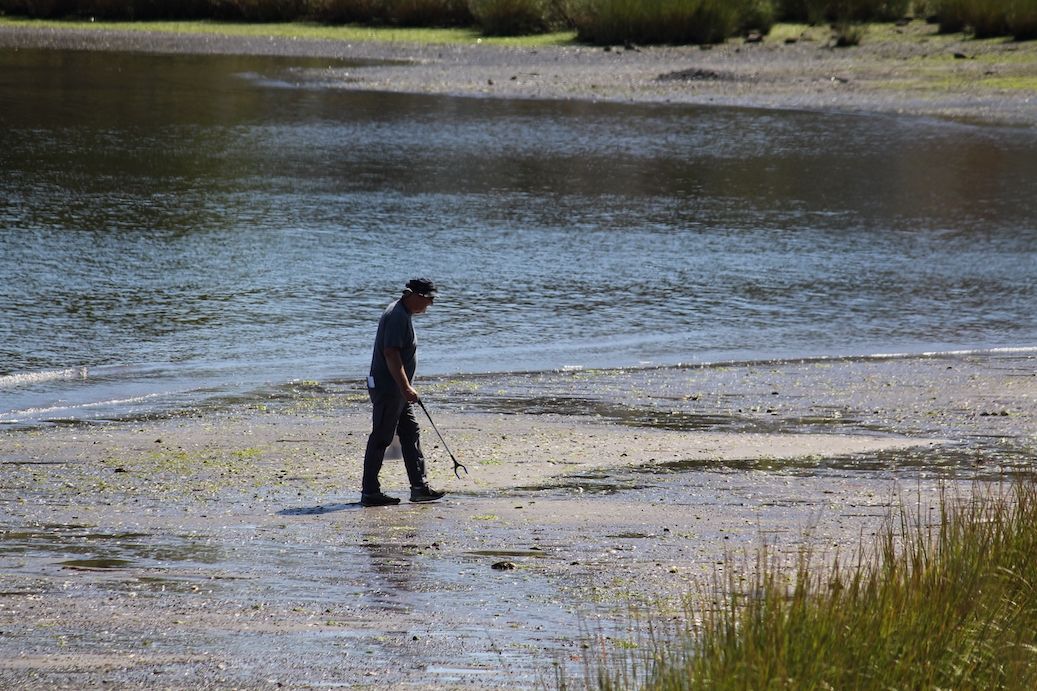
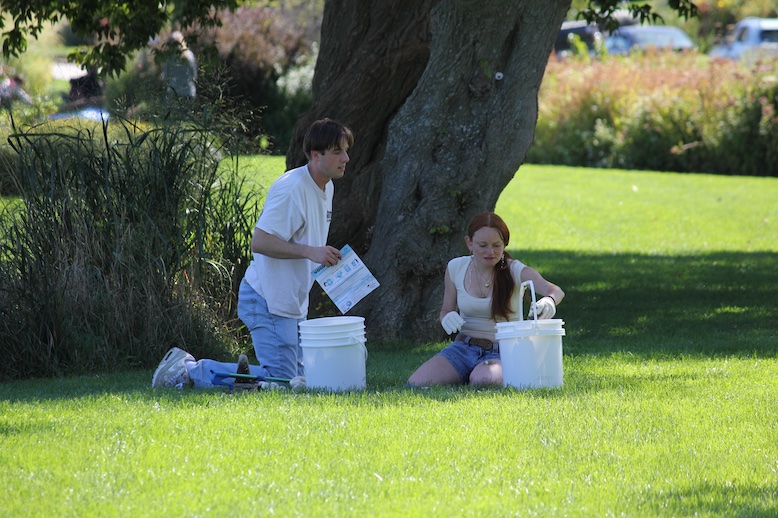
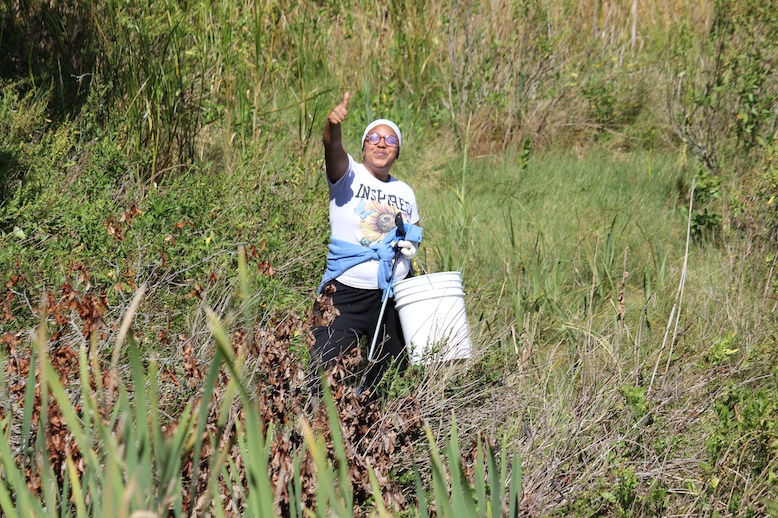
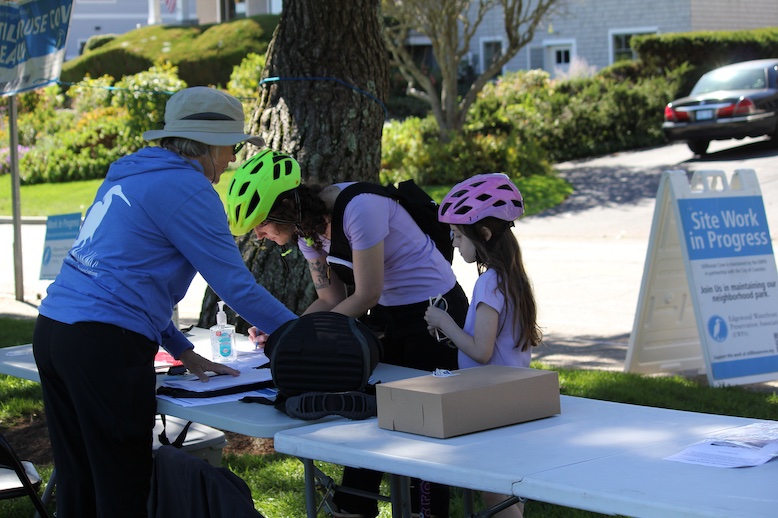
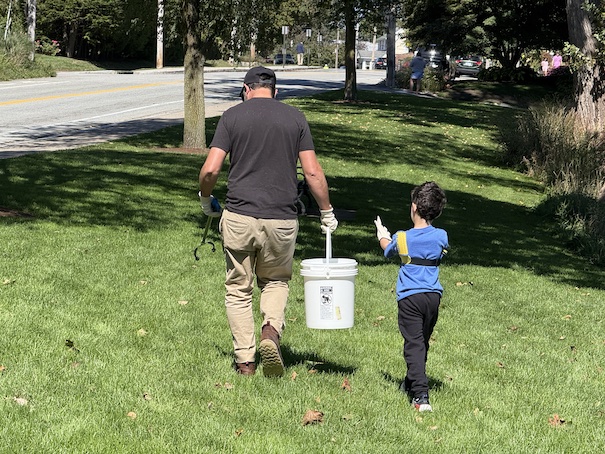
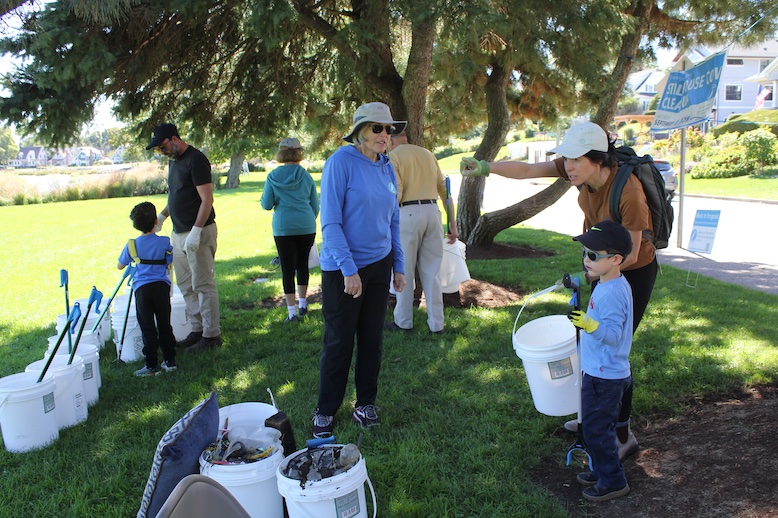
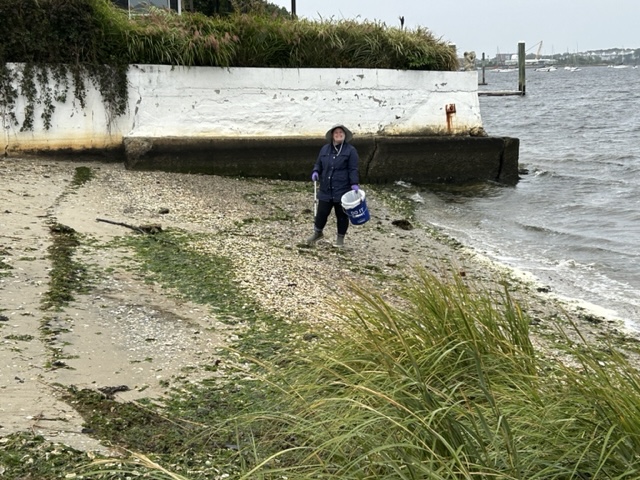
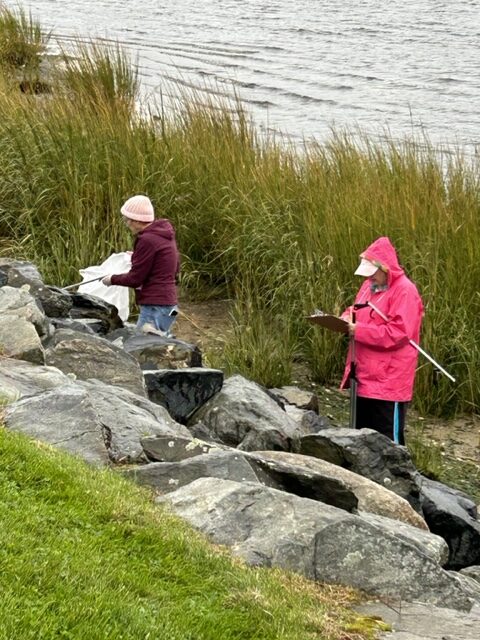
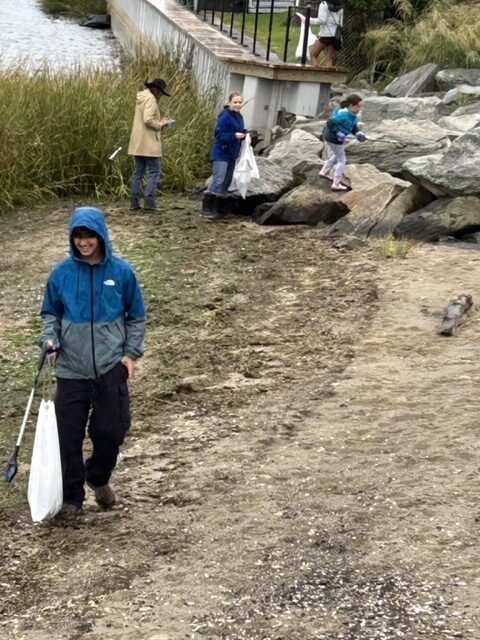
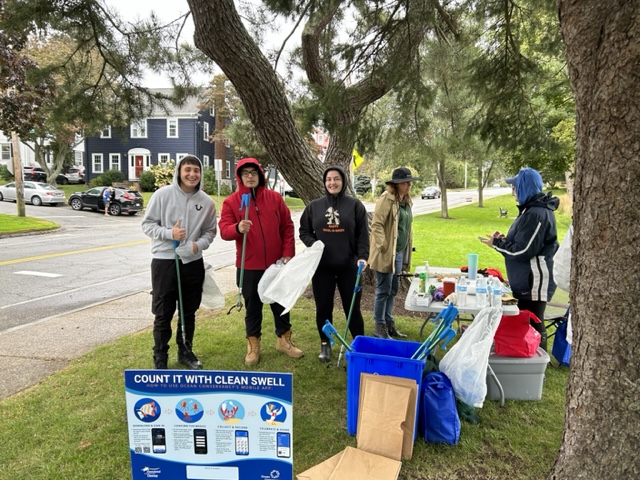
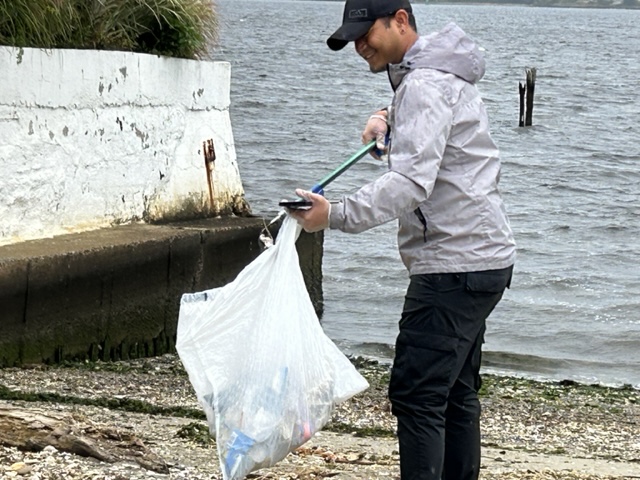
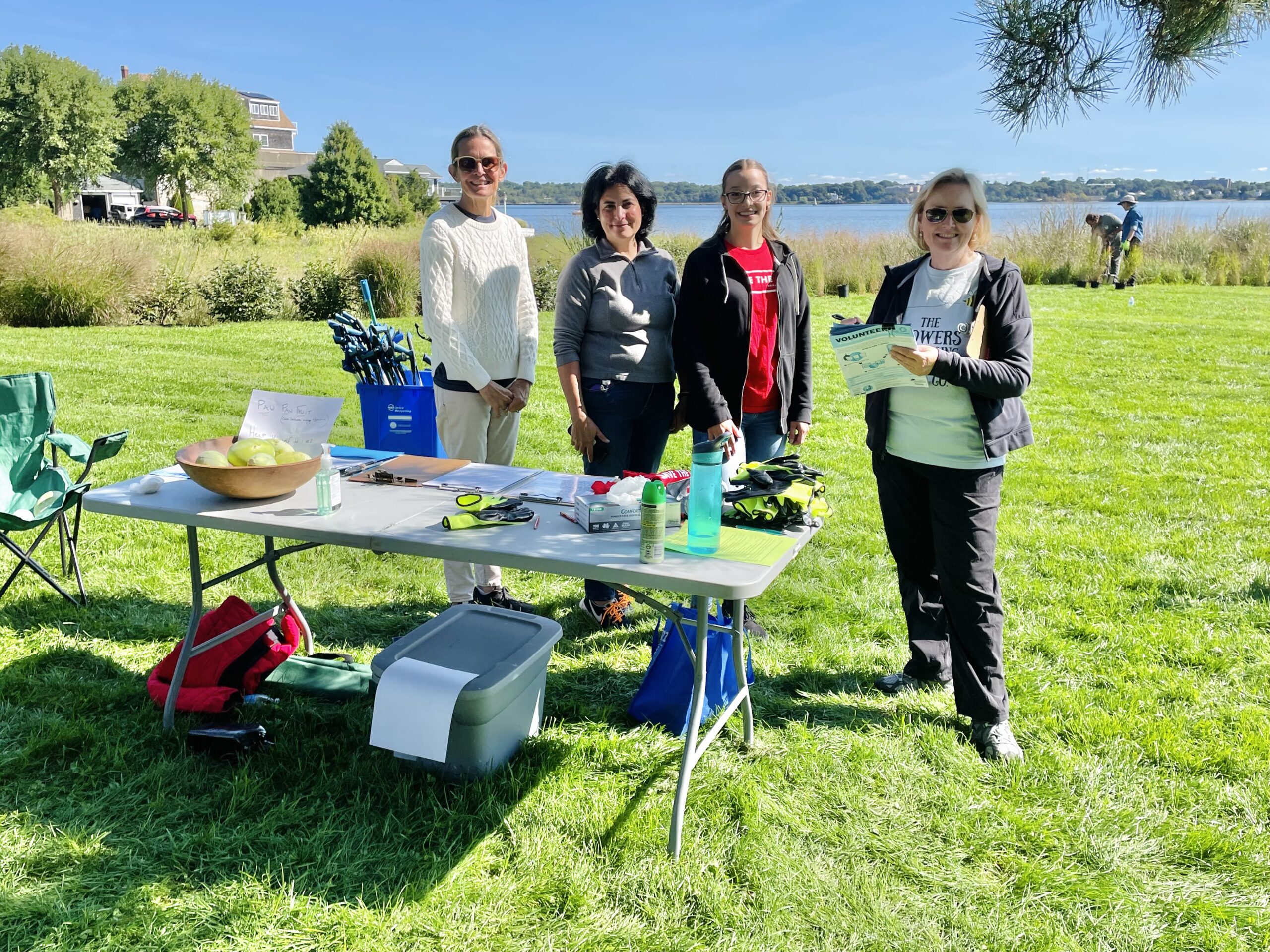
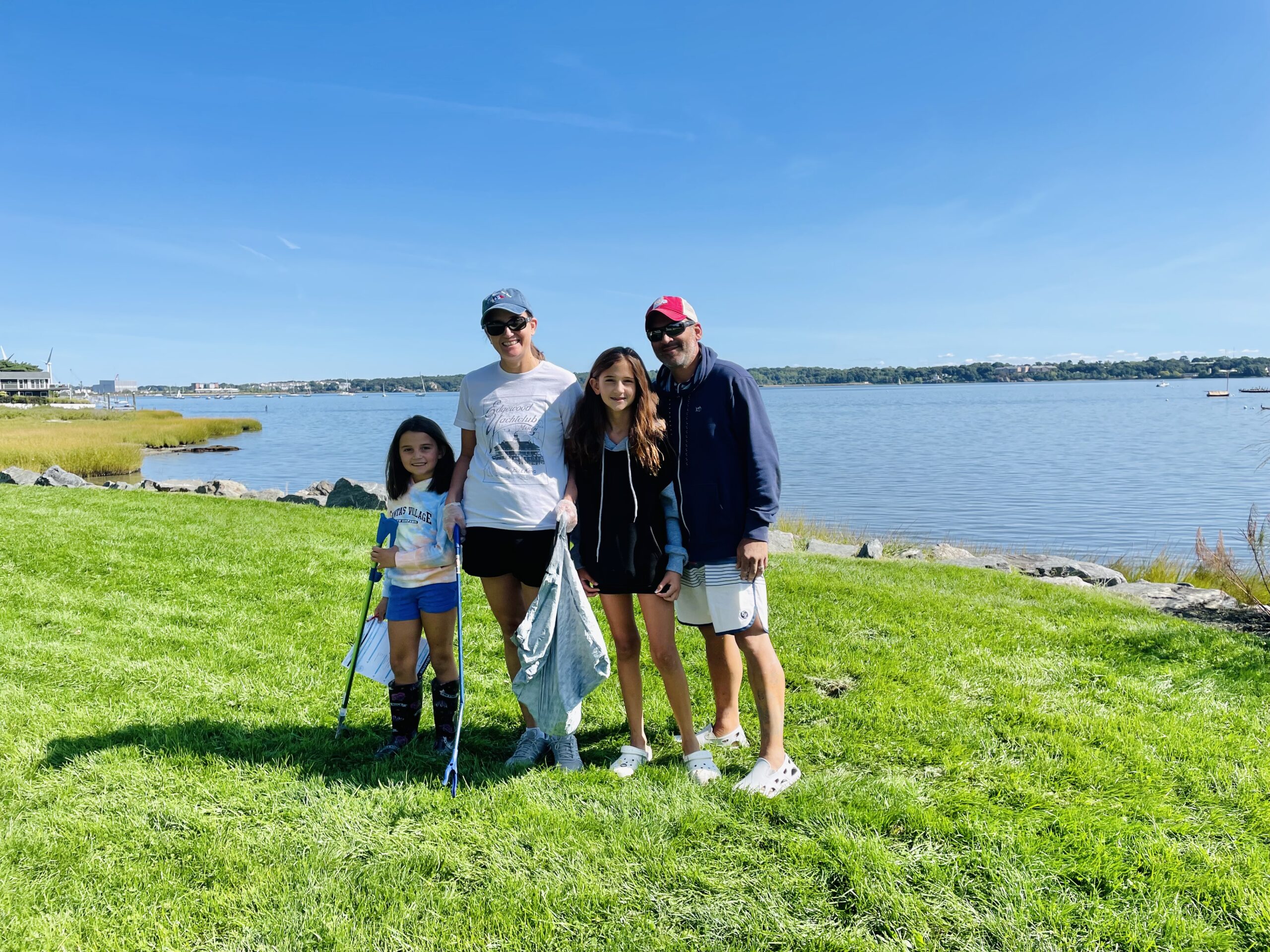
After several years of rainy cleanups, we were blessed with sunshine. On April 25, 2026, seventy-one volunteers (including a number of children) showed up to retrieve all manner of plastics and other non-degradable waste from the Stillhouse Cove Marsh and beach areas. Most volunteers had registered online, but we also had a number of walk ups. The photos below depict the registration and orientation process.
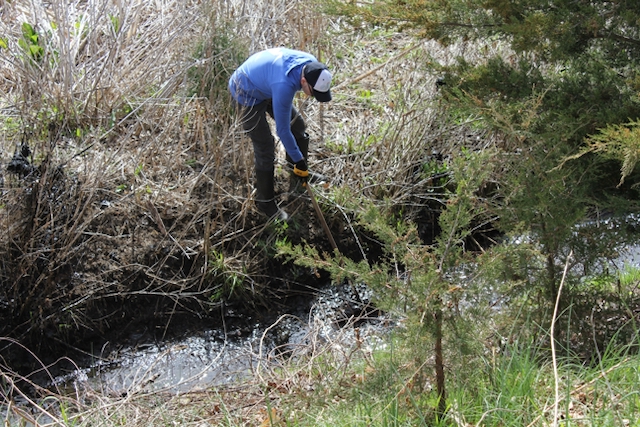
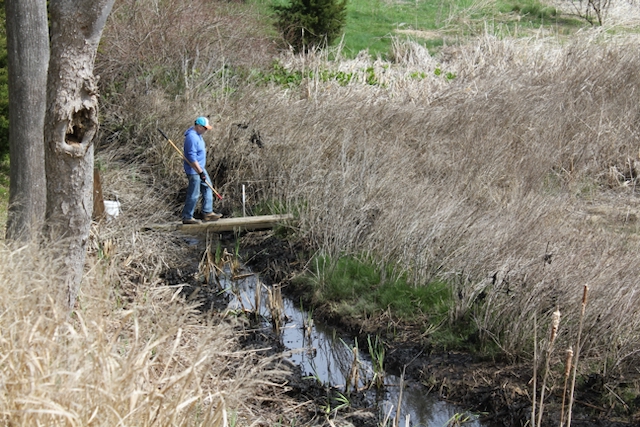
A critical aspect of every cleanup in the Stillhouse Cove Marsh is the clearing of the drainage channel that allows water that enters the marsh from an underground stream to flow out to the Bay. The photos below depict the process of raking materials from the channel.
Richard beginsChannel bridgeLower channelLower channel
It was great to see the number of children and youth who enthusiastically participated in the cleanup.
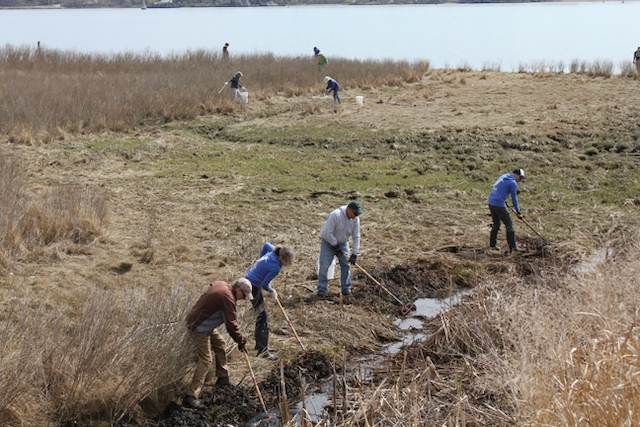
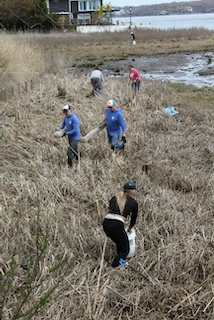
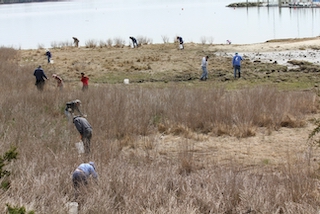
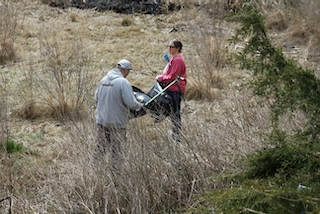
We had enough volunteers to cover all areas of the Marsh and the beaches.
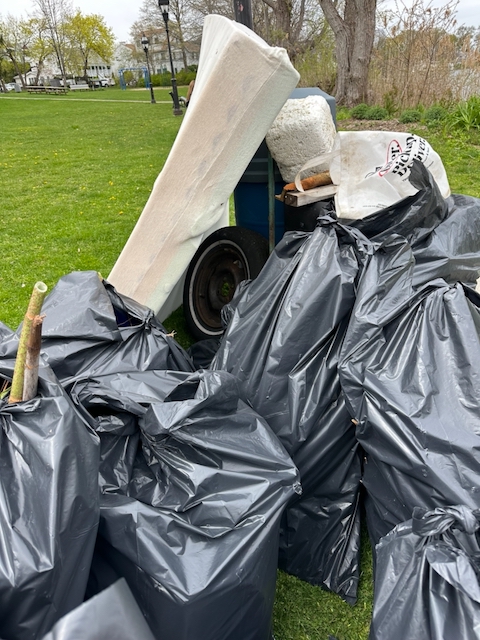
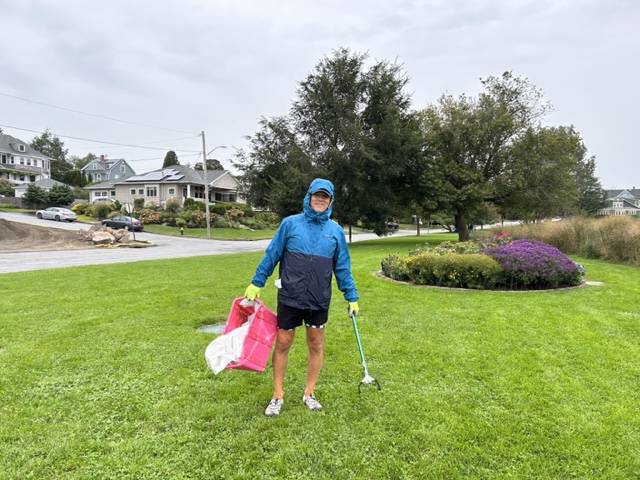
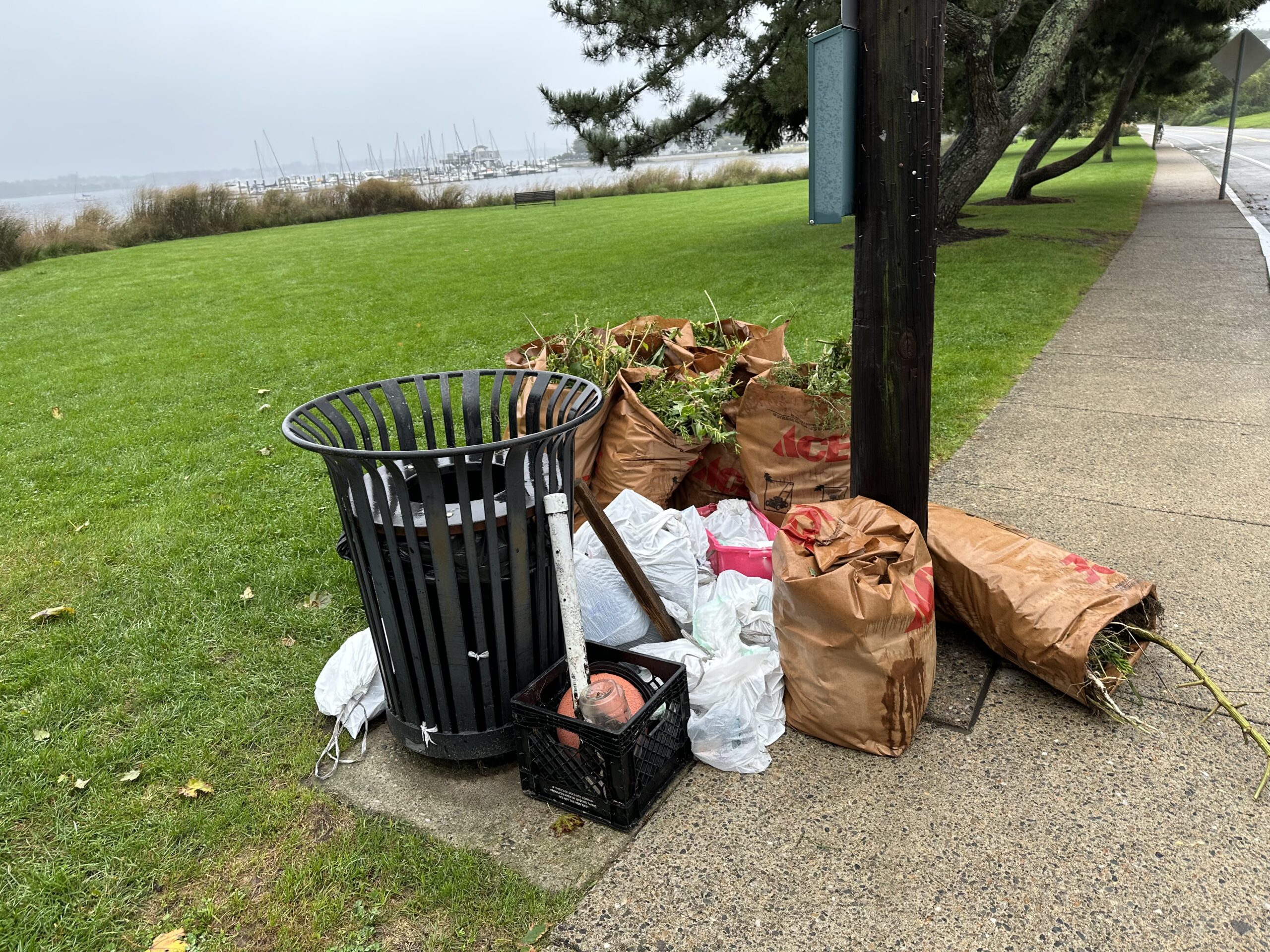
The April 25th Earth Day Cleanup of Stillhouse Cove was a joint venture with that of nearby Pawtuxet Park which attracted 43 volunteers. The photos below show the result of their efforts.
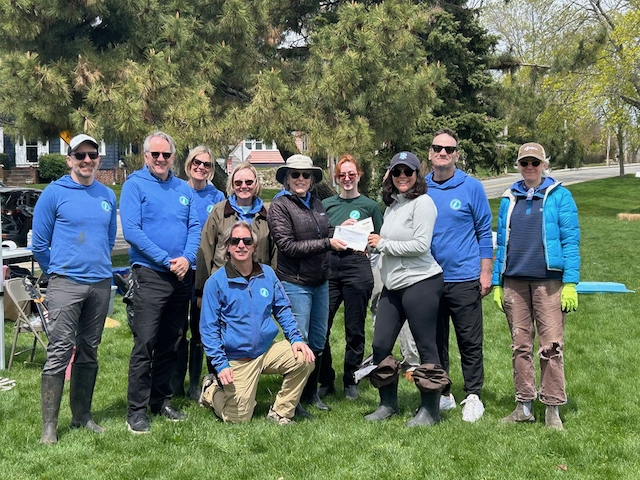
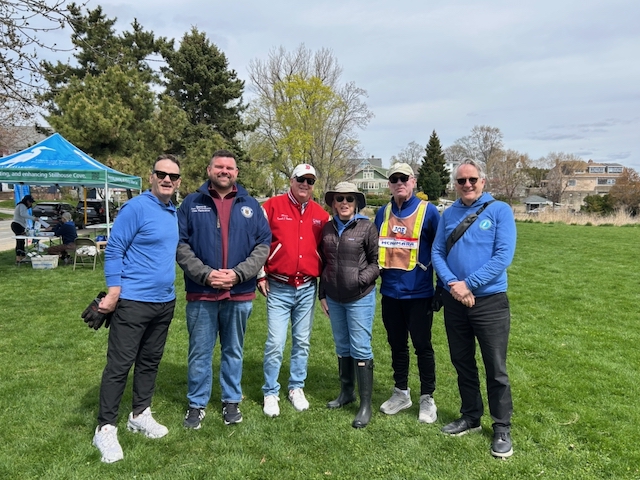
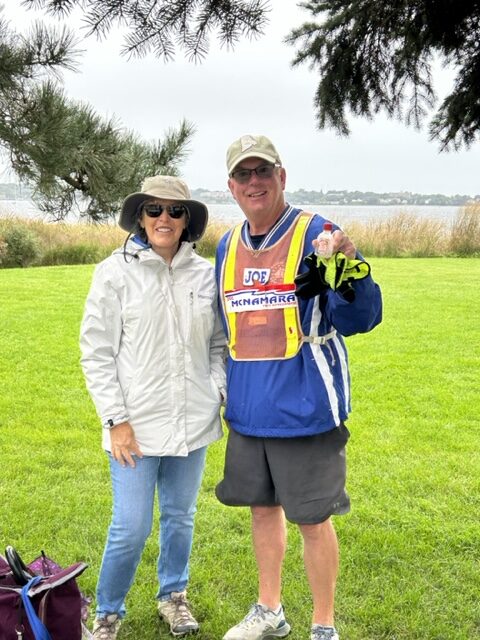
Representative Joe McNamara and Senator Llamas Vargas pitched in with the cleanup and Vargas added a welcome check from a RI Senate grant. Mayor Hopkins came by to provide support.
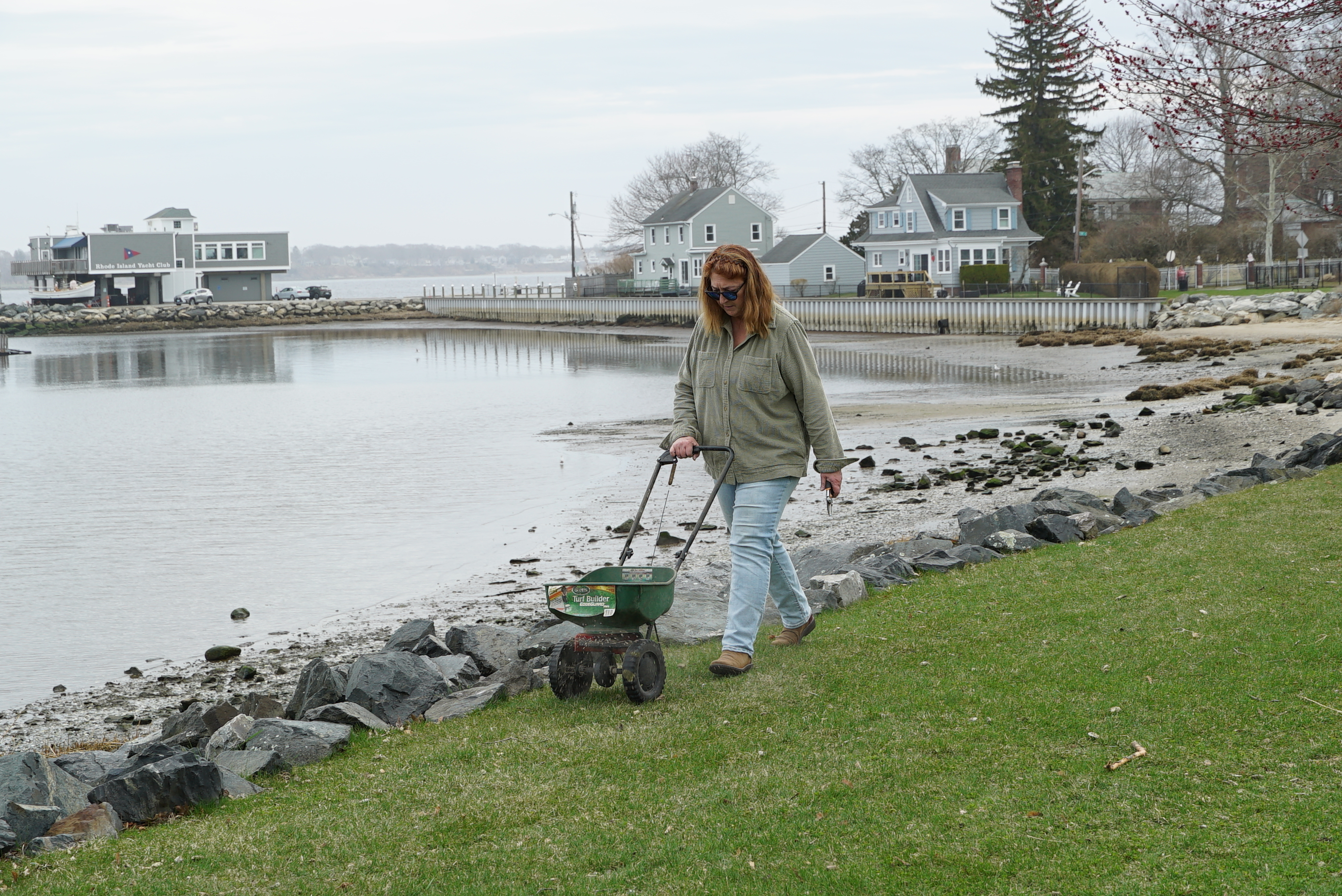
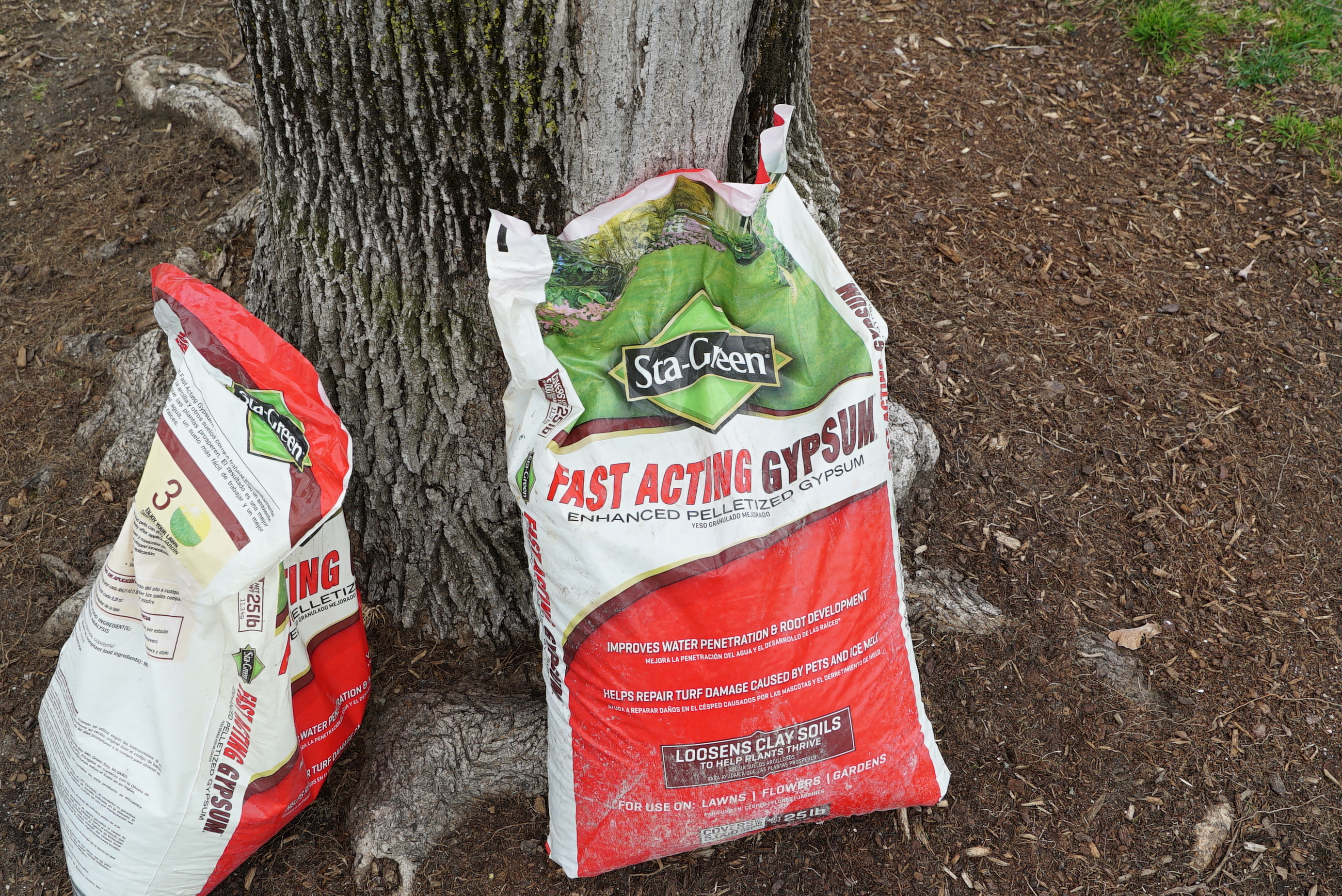
After a particularly rough winter, Stillhouse Cove Park and its surroundings need treatment. In particular, the mounds of snow deposited in the Park left behind salt, grit, and damaged turf. In the photo below, Donna Fieldman, EWPA board member, is seen spreading gypsum to mitigate the effects of road salt and ice melt and encourage the grass root system.
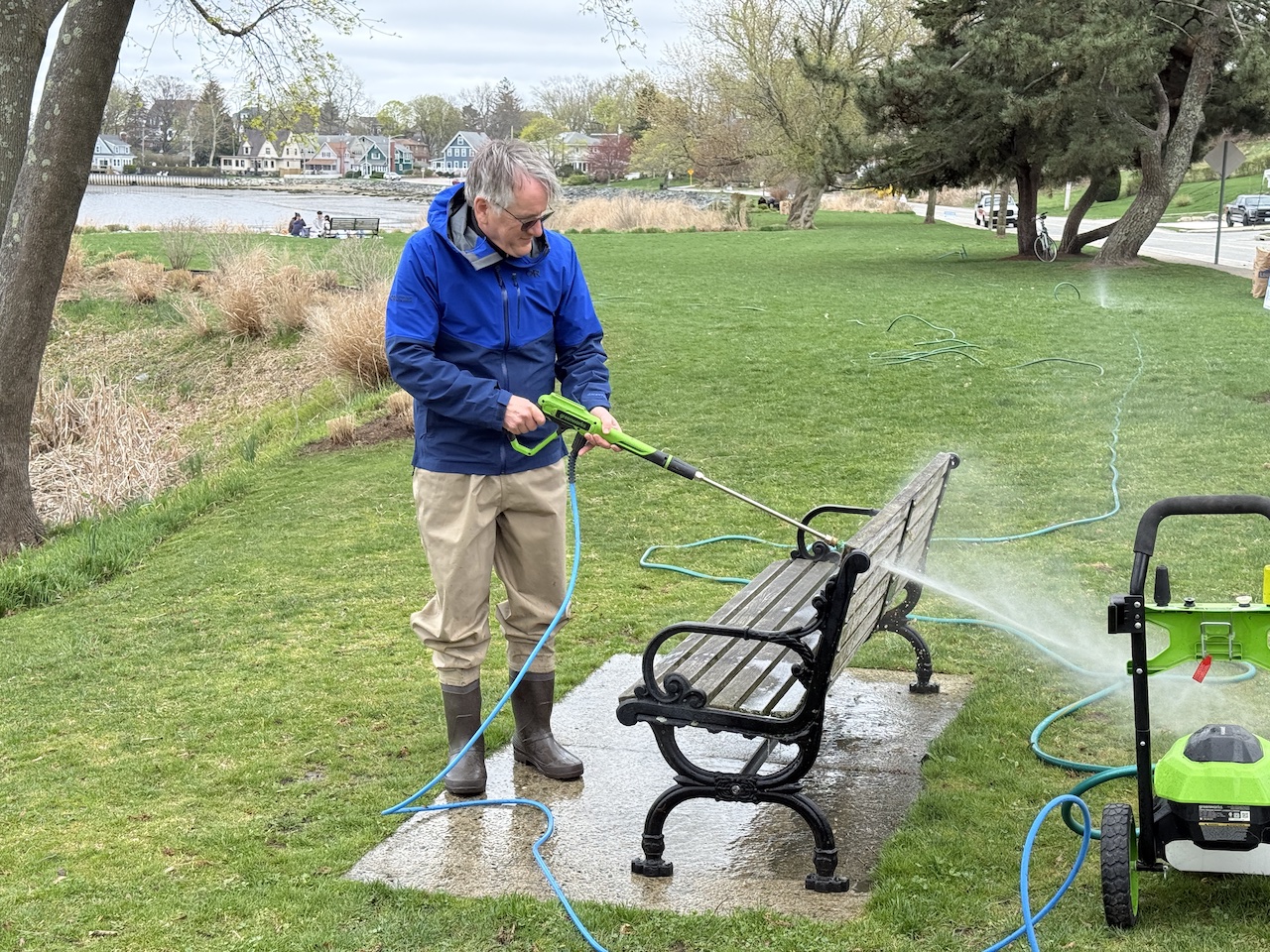
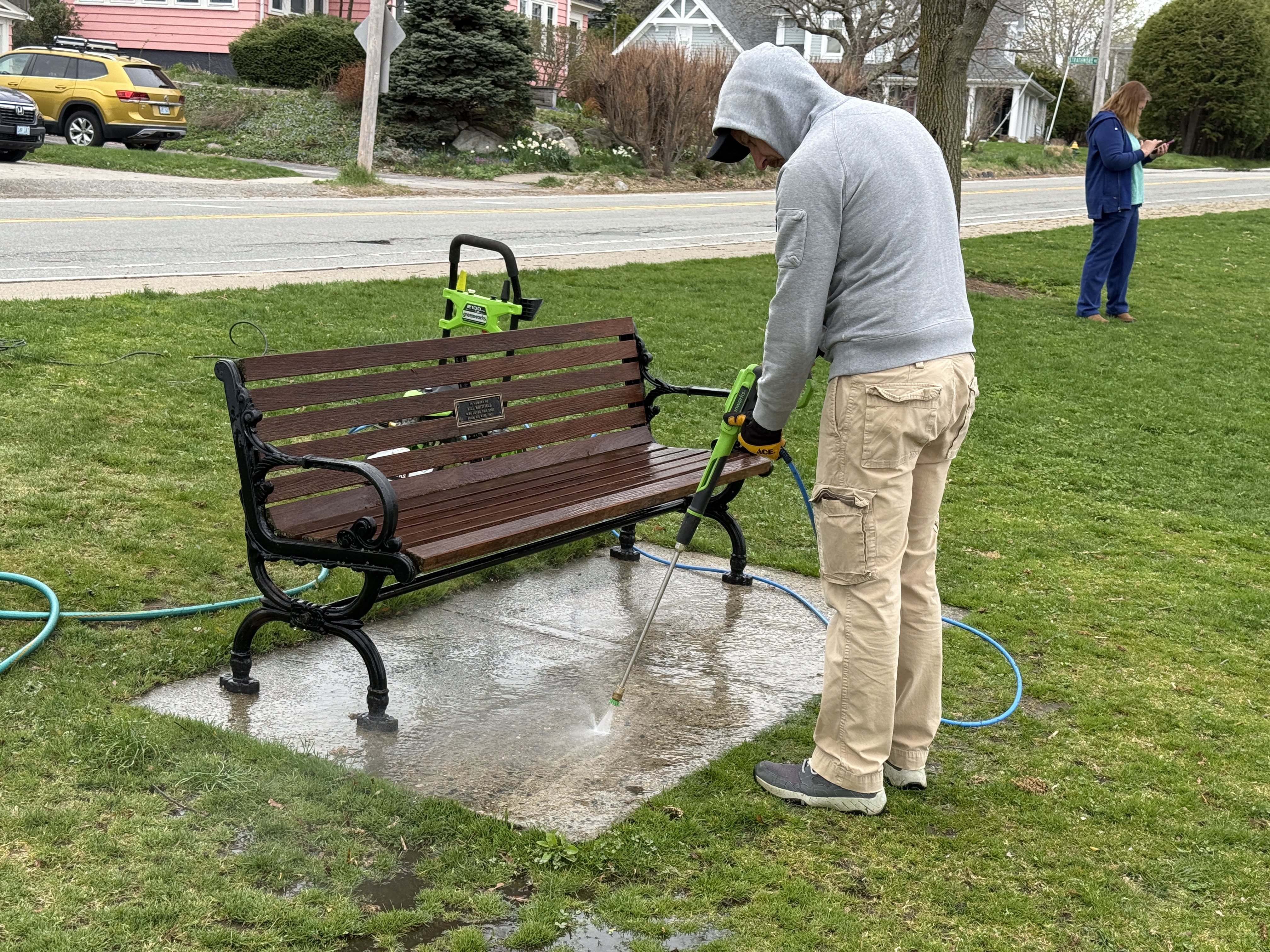
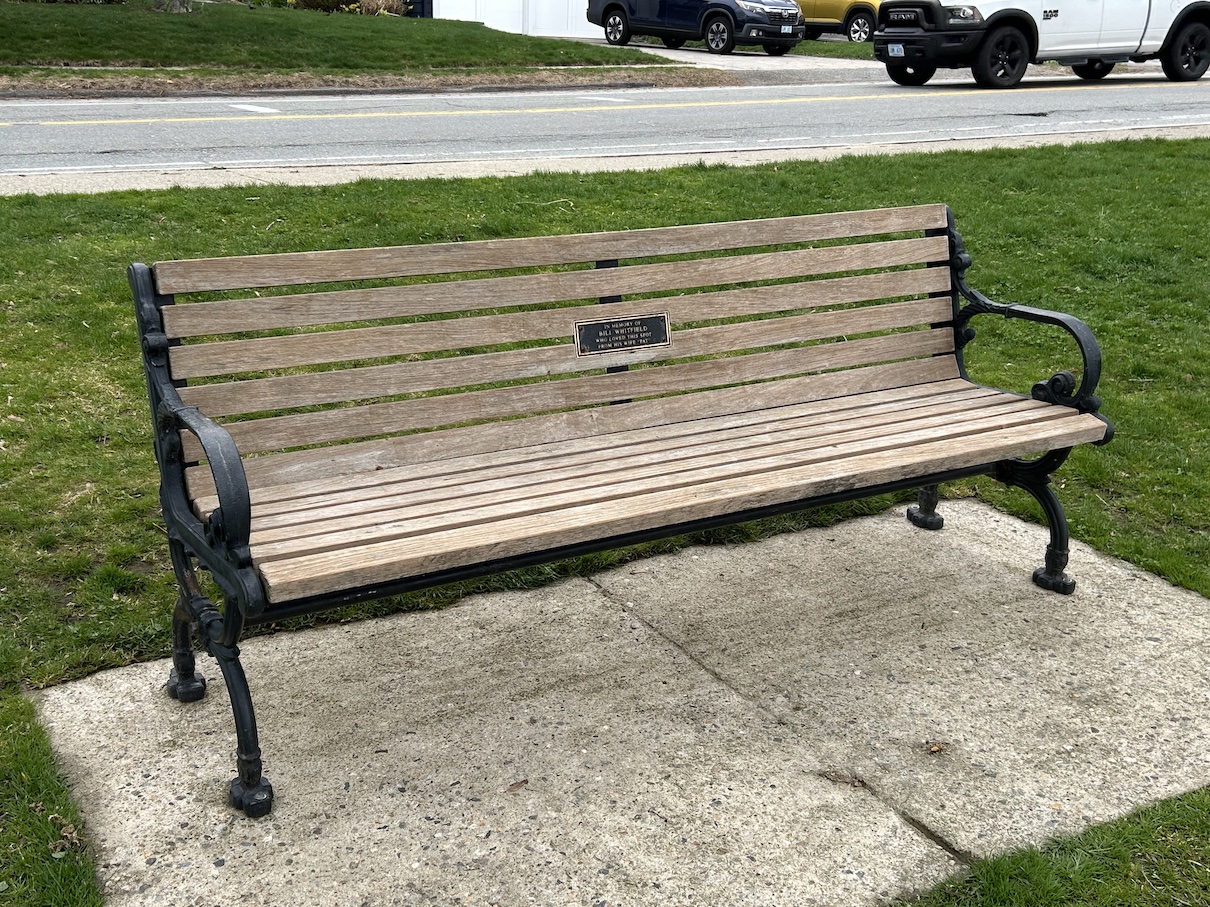
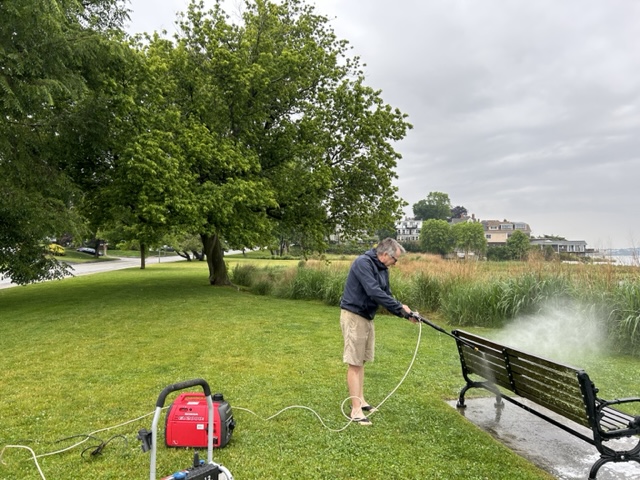
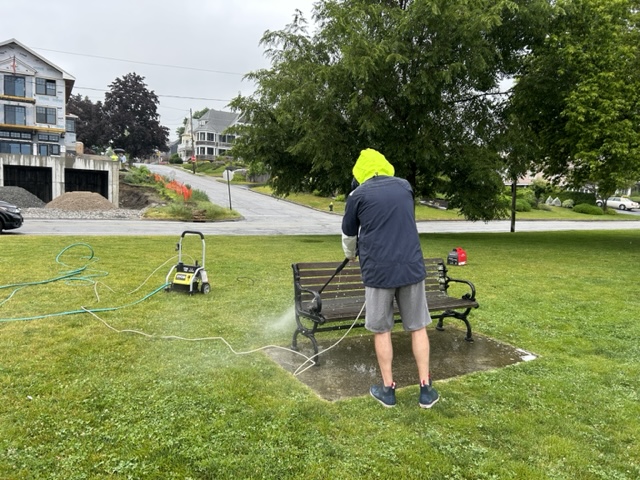
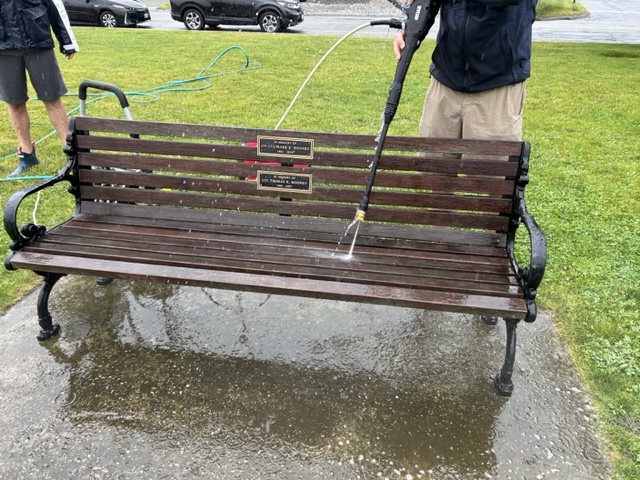
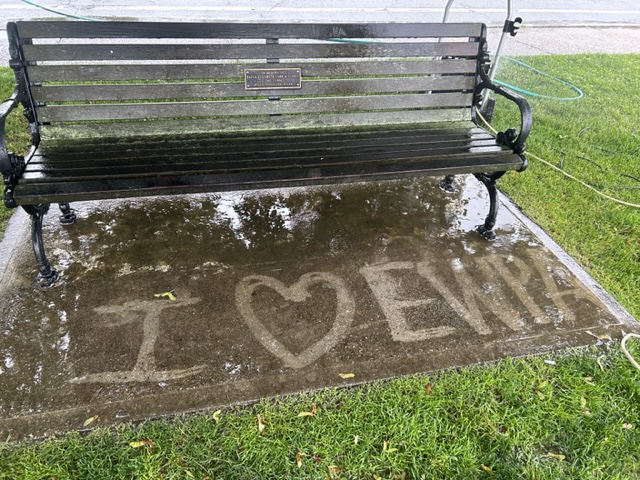
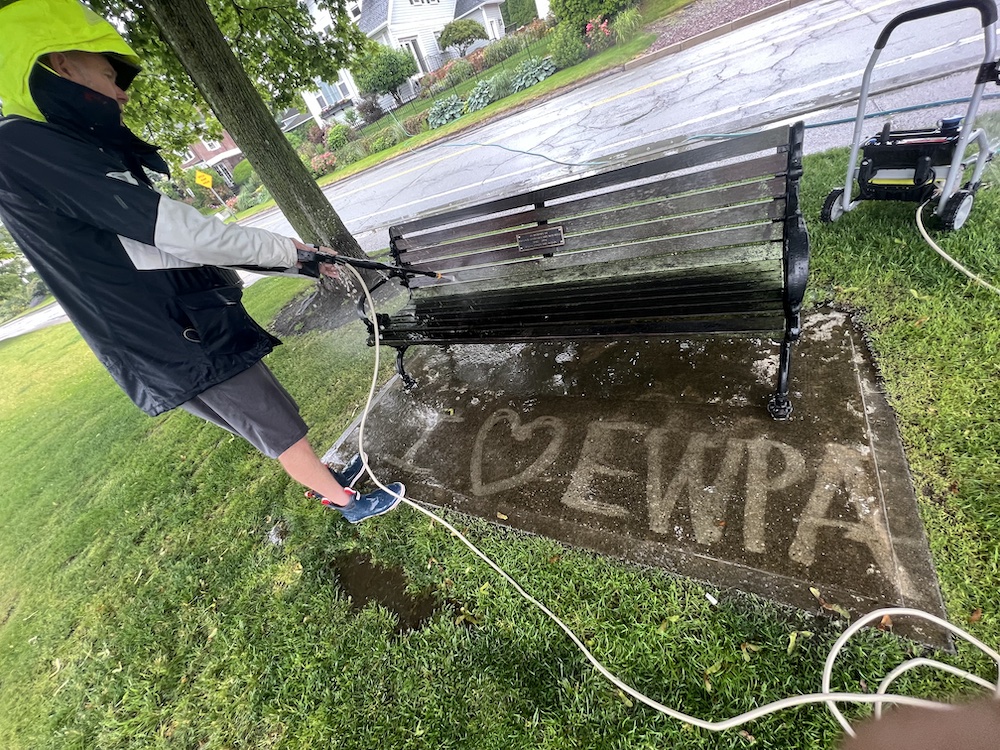
Every two years or so, EWPA must clean the Stillhouse Cove Park benches that our neighbors so enjoy. Below, we see Colin Murphy and Richard Finlay, of the EWPA board, power washing the lichen that has accumulated on a bench and its base.
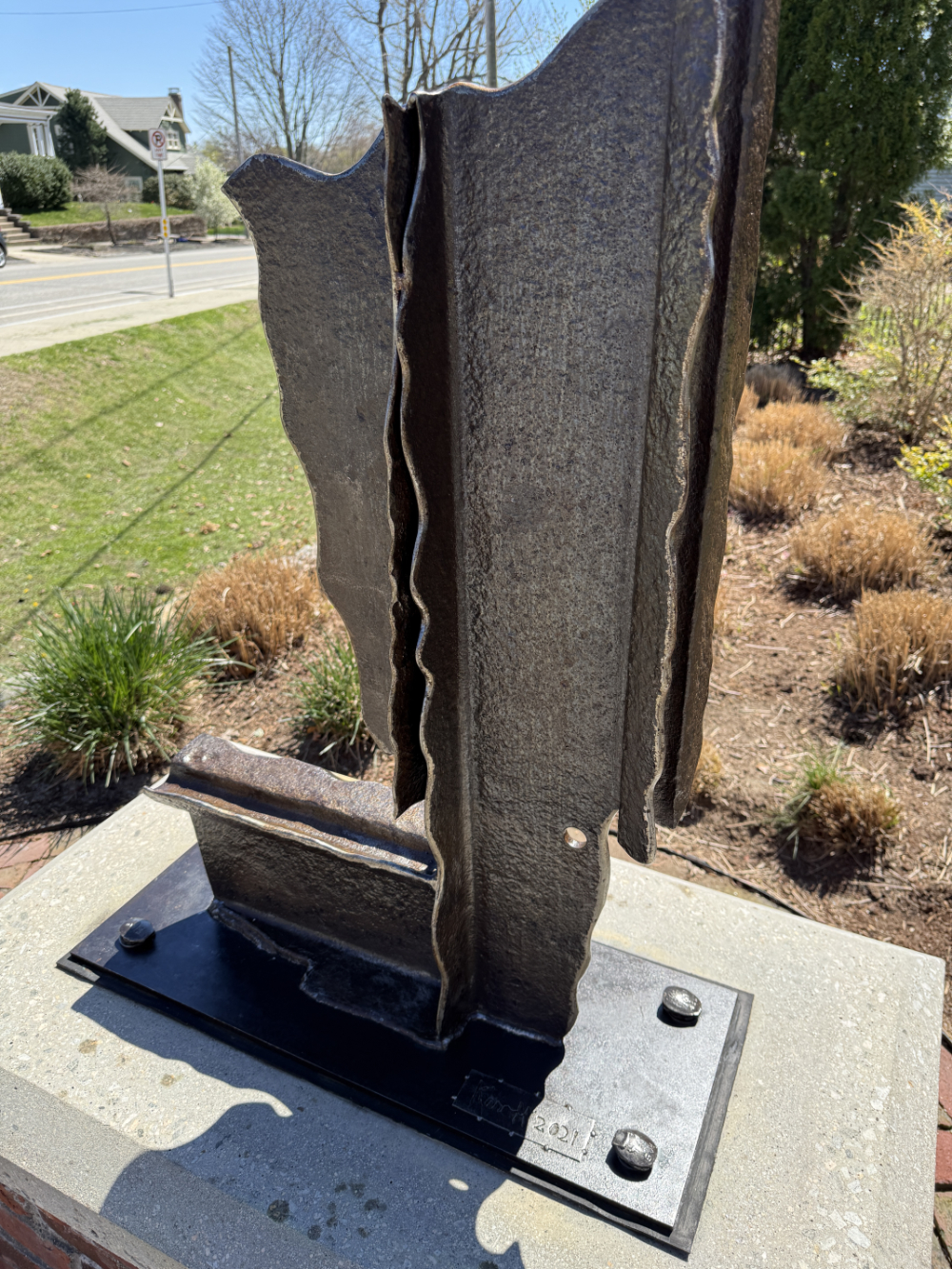
It has been almost four years since we unveiled the End of the Line trolley monument and the weather has taken its toll on the metal sculpture. We just had it sanded and recoated and it looks as good as new.
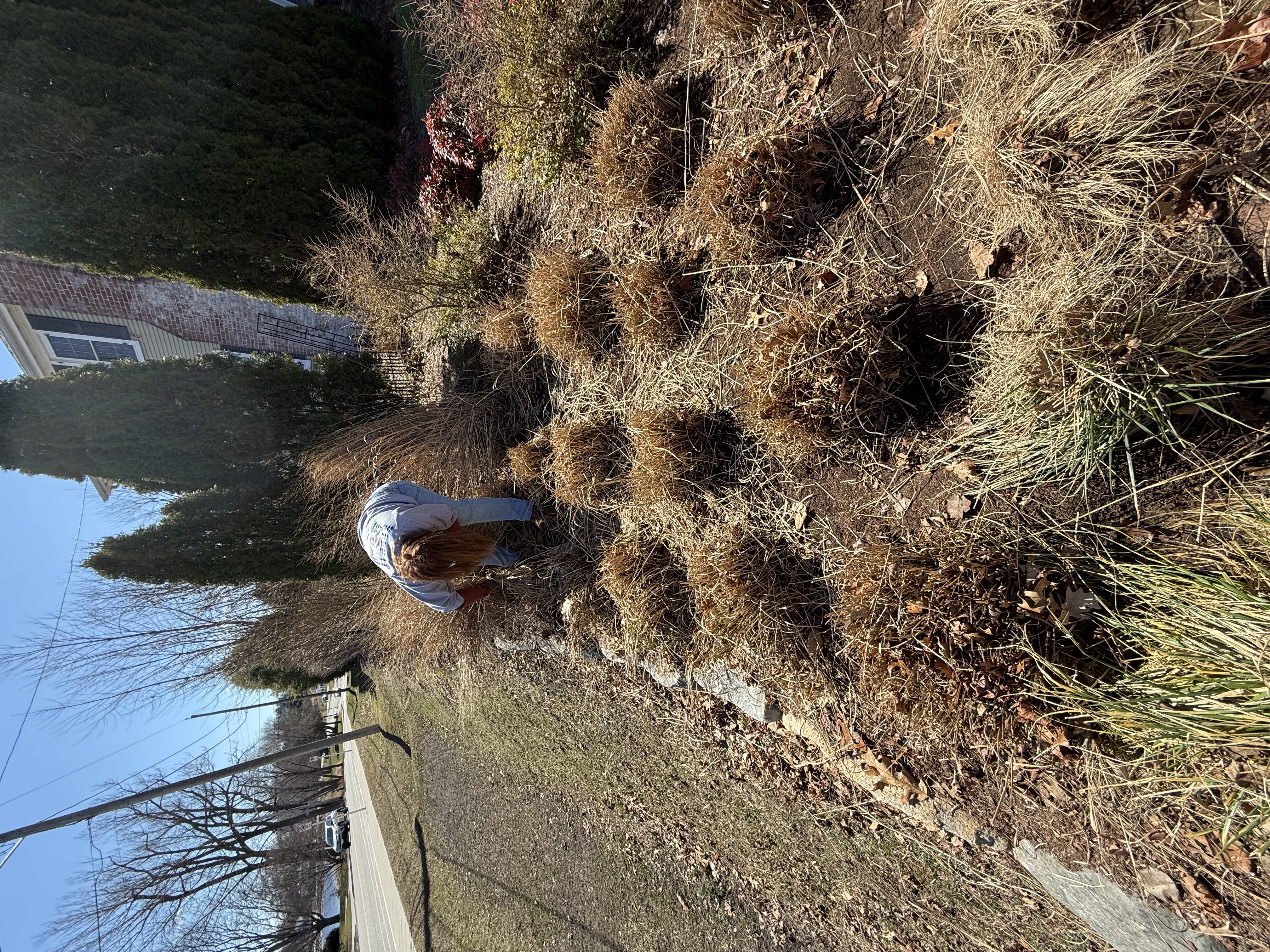
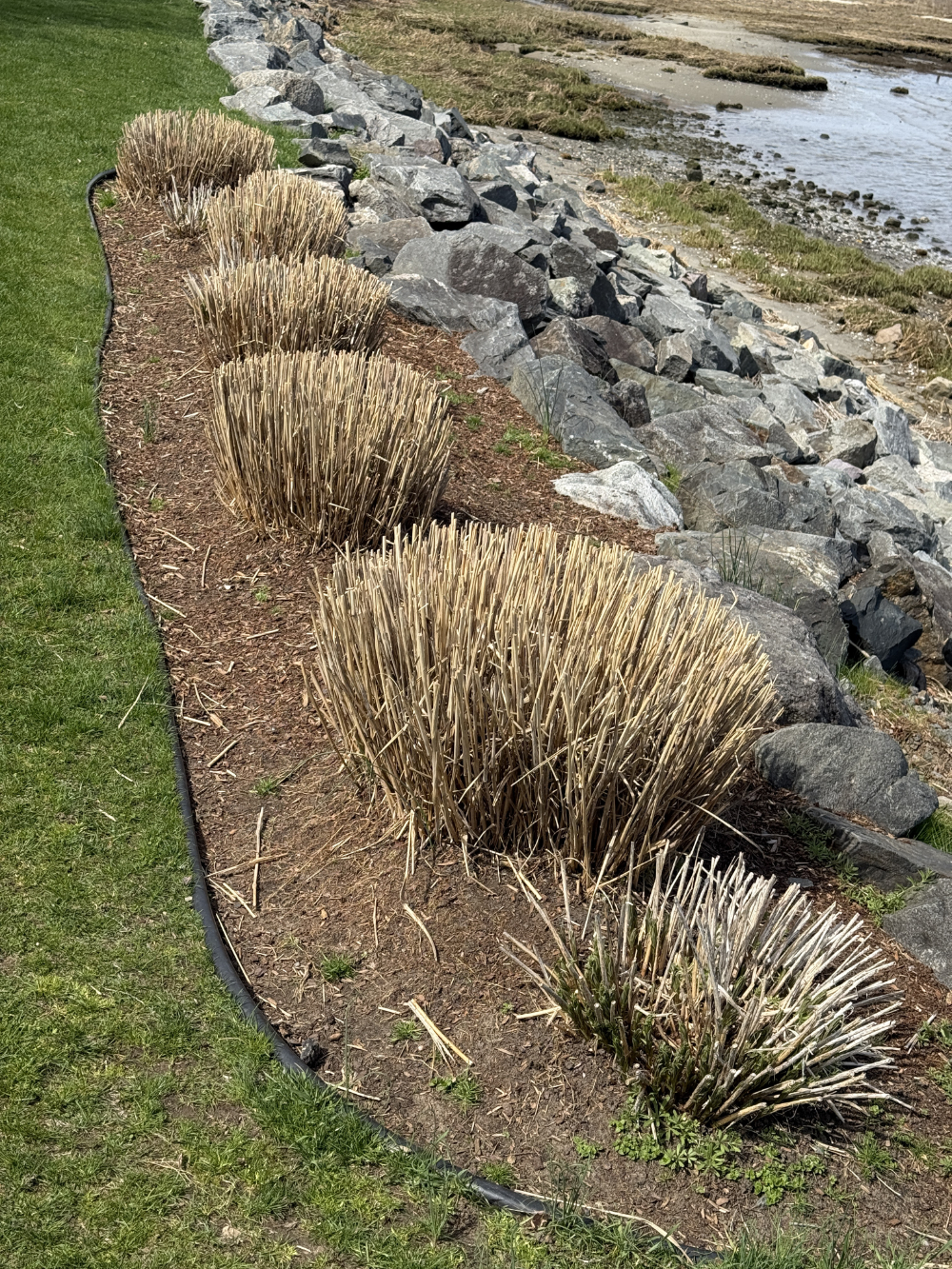
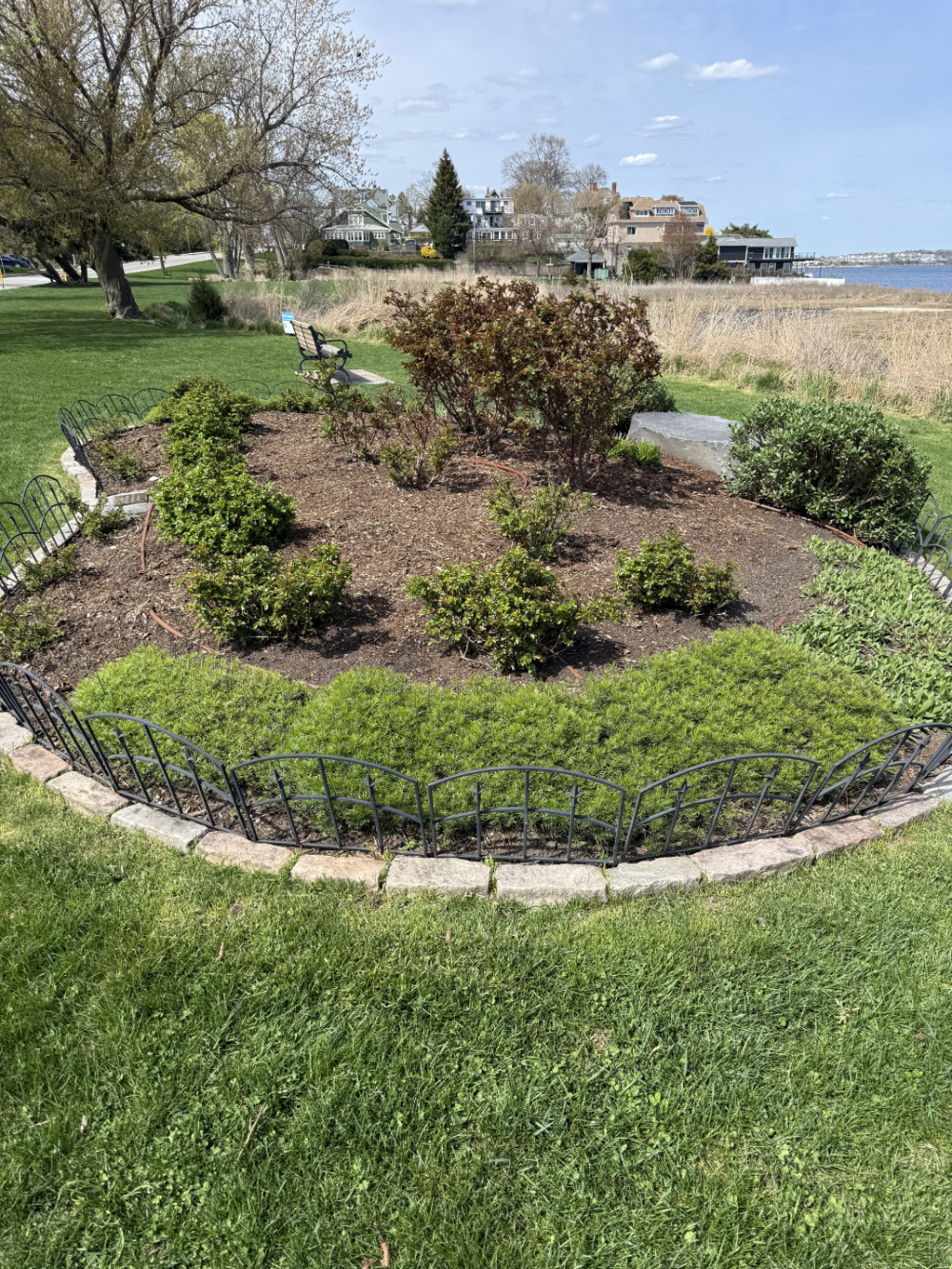
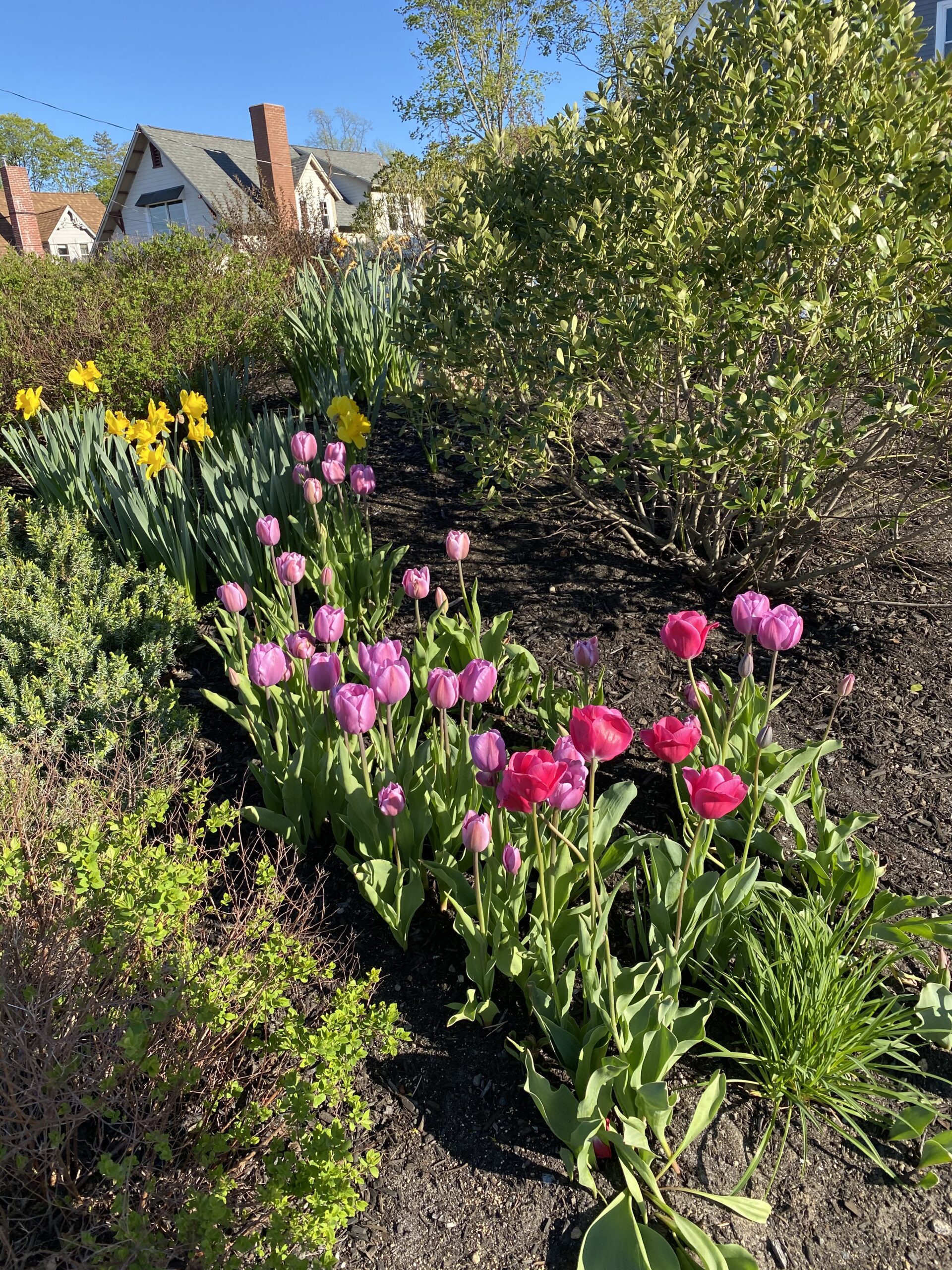
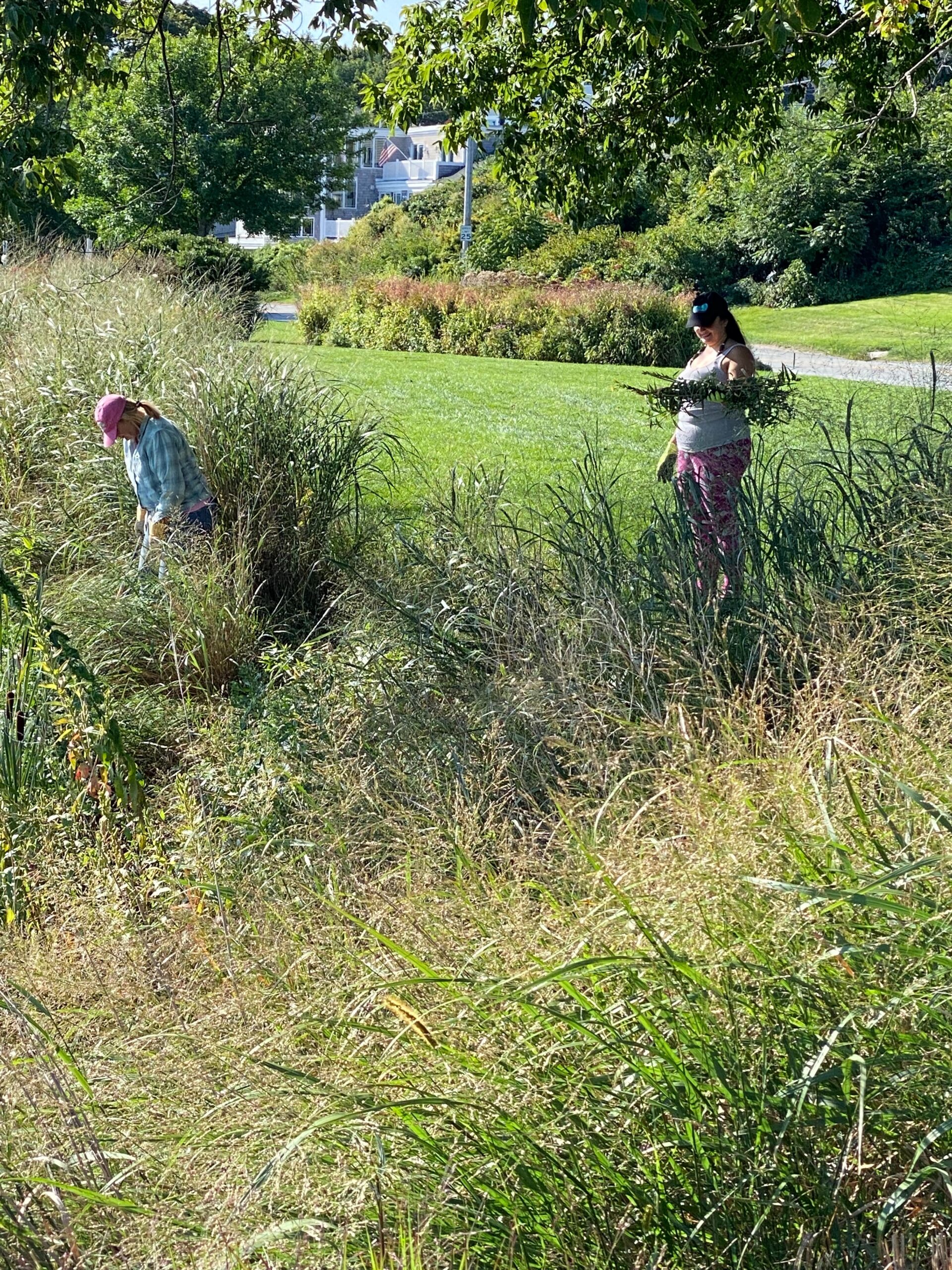
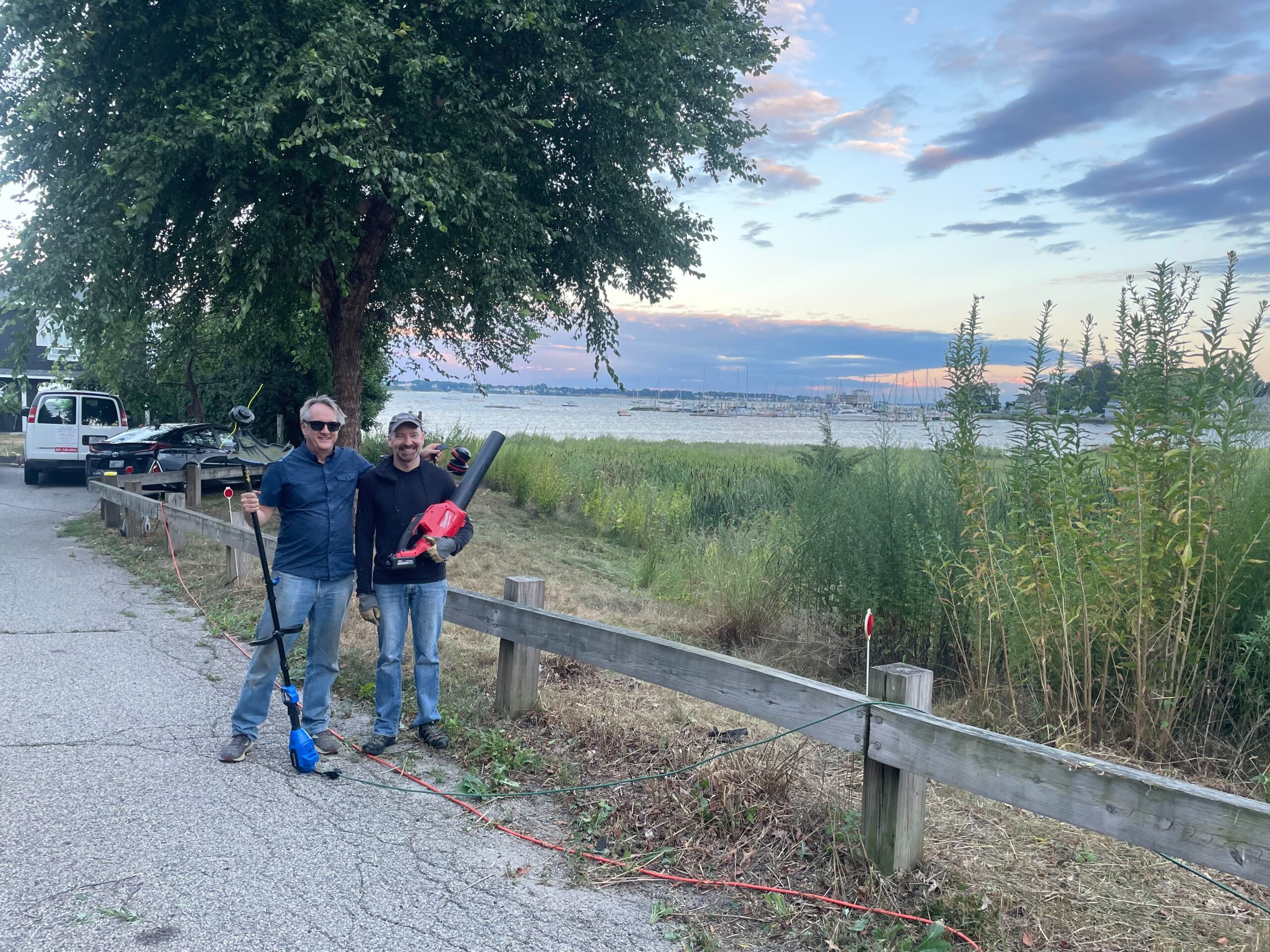
Early Spring is also time to cut back the ornamental grasses that line the Cove and are present in the Ocean Avenue rotary and behind the End of the Line monument. In the photo below, Donna is trimming the Shenandoah Switch Grasses at the End of the Line. But Donna, Colin, and Richard cannot do this work alone. EWPA needs volunteers to join its site committee and get their hands dirty. There are critical tasks to be fulfilled from Spring to Fall. If you are interested, fill out the form here: https://stillhousecove.org/volunteer-with-us/
Earlier this year, EWPA President Barbara Rubine and Vice-President Colin Murphy gave a presentation at the Edgewood Yacht Club detailing the work that our organization does all along Stillhouse Cove. Press the link belowfor a video of their talk which provides excellent background on EWPA’s history as well as the ongoing challenges that we face. https://vimeo.com/1133612774
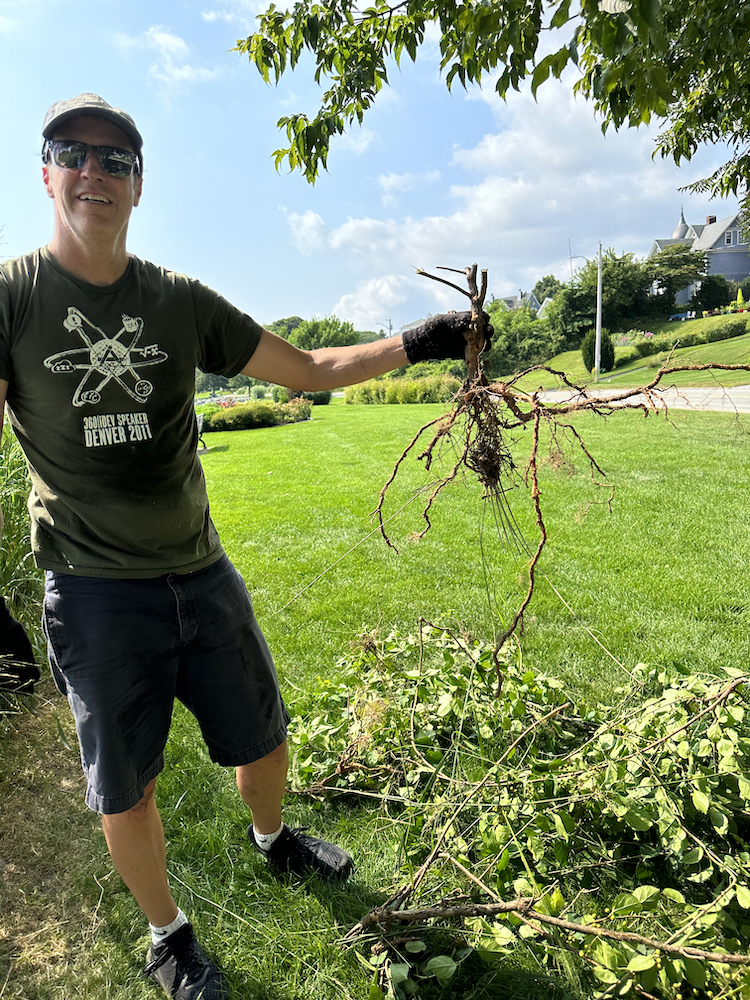
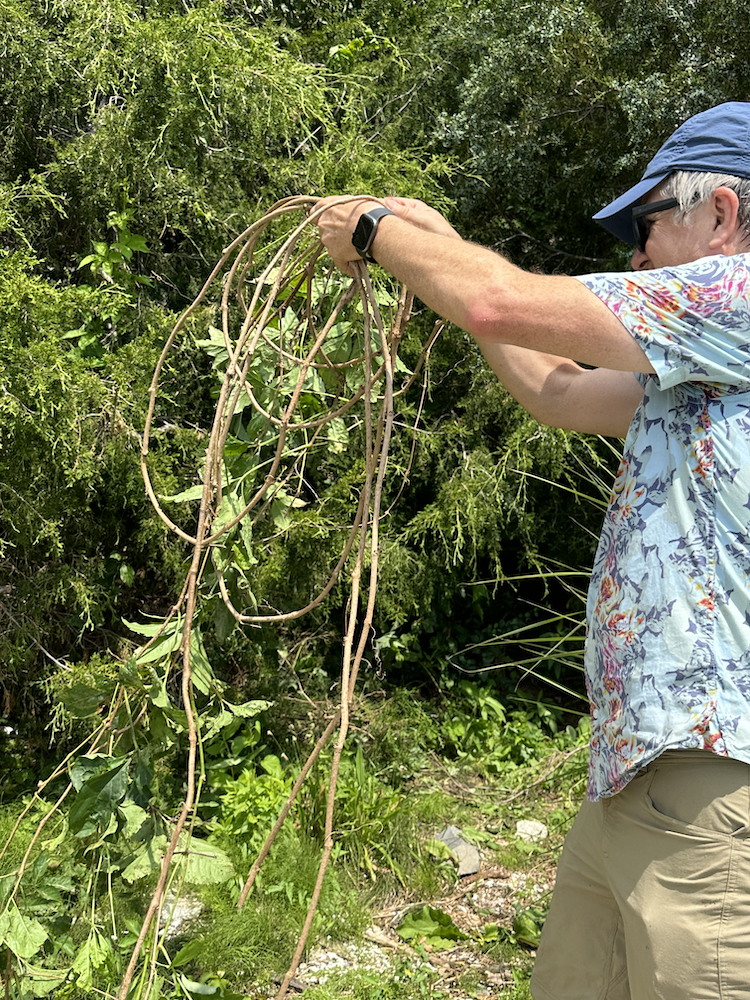
We will be digging up invasive tree seedlings along the Park’s embankment and in the marsh. No need to sign up. But, if you are planning to come, it would be helpful if you emailed barbara.rubine@stillhousecove.org or donna.fieldman@stillhousecove.org
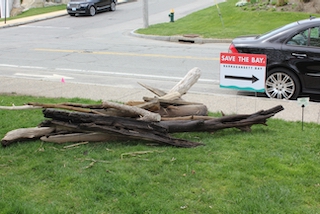
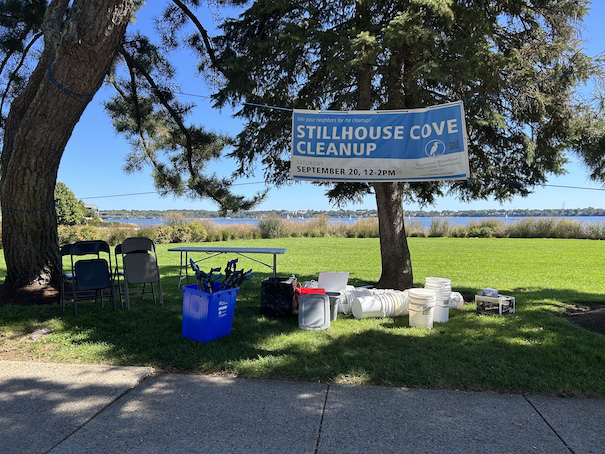
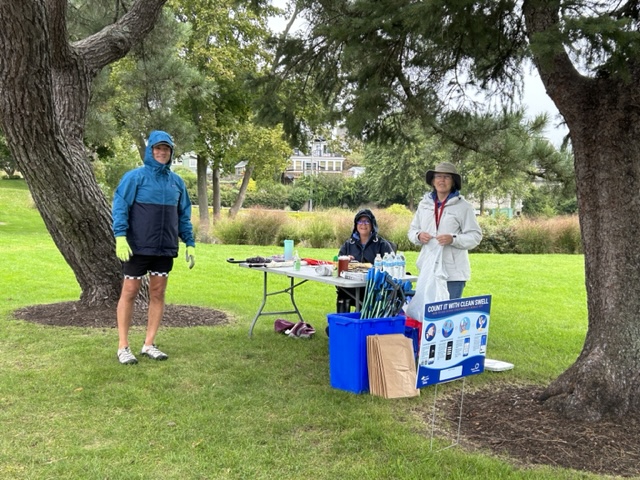
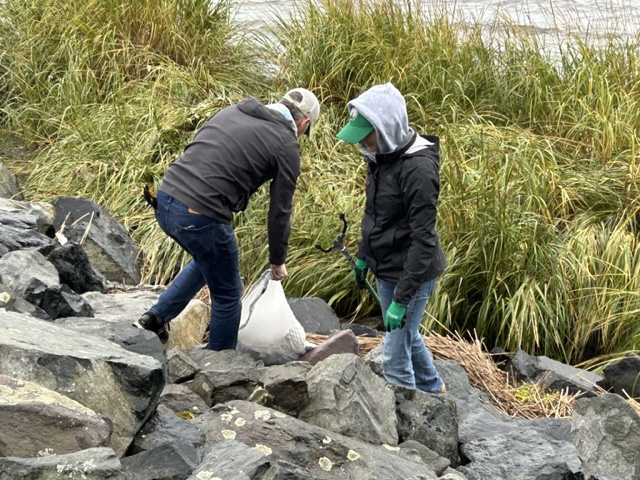
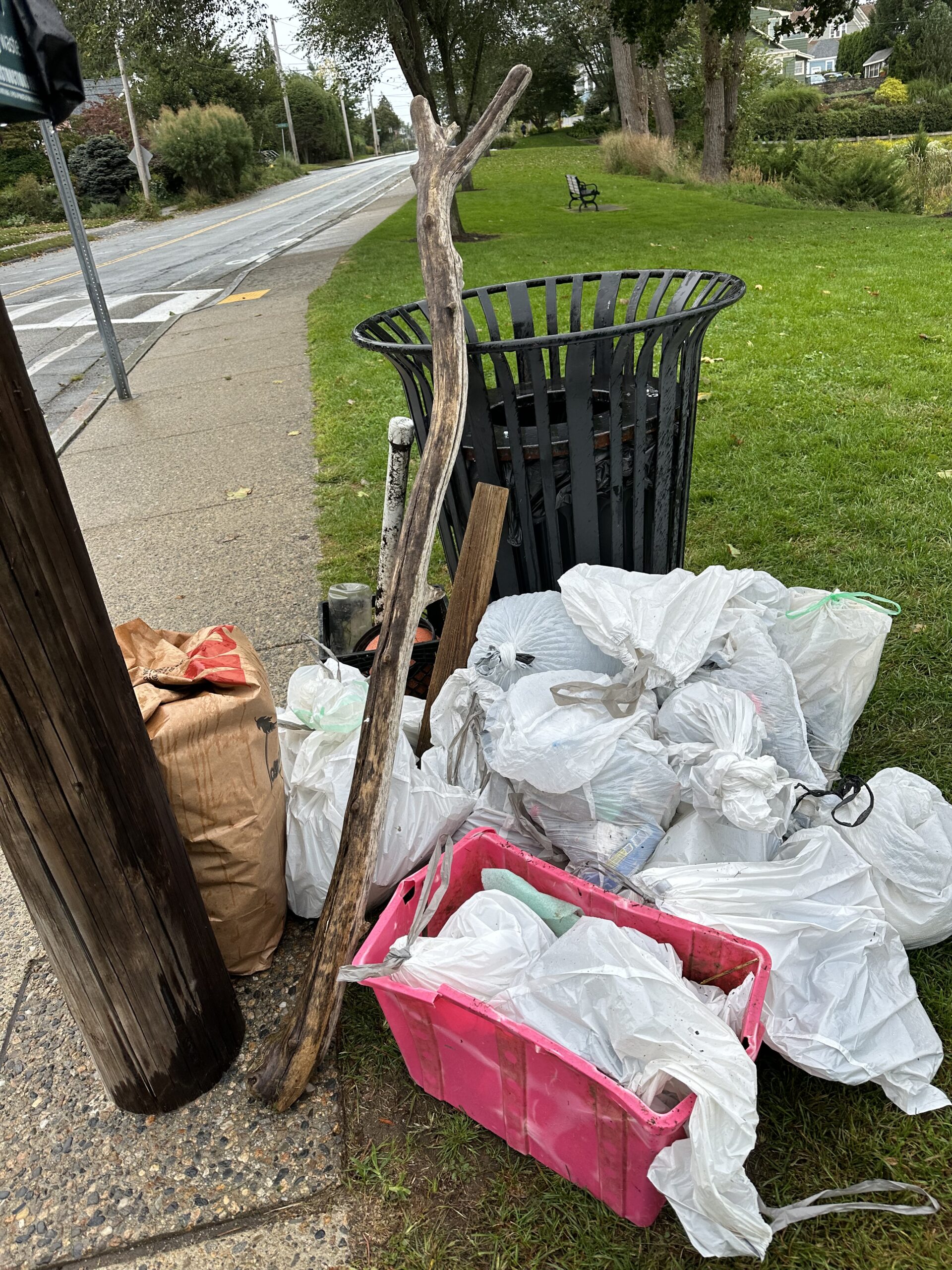
We had a spectacular day on September 20 for the EWPA’s annual International Coastal Cleanup (ICC) conducted in coordination with Save the Bay. Forty-four volunteers of all ages showed up at Stillhouse Cove to scour the beach areas, shoreline, and riprap for glass, plastics, and other items of pollution. And they recorded their findings on a data form so that the information can be compared to previous years and entered into an international data base. In all, one hundred and fifty pounds of solid waste was collected, not counting wood waste. Items included a laundry tub, syringes, bottle caps, plastic and glass bottles, and a pillow.
On June 24, 2025, Save the Bay’s Executive Director Topher Hamblett and Restoration Coordinator Wenley Ferguson hosted a site visit to Stillhouse Cove by members of the national board of Restoring America’s Estuaries who were visiting Rhode Island for their national conference.
Members of the group from Texas, San Francisco, Maryland, North Carolina, Long Island, and other distant coastal communities learned about the decades- long collaborative effort of EWPA and STB to preserve Stillhouse Cove’s salt marsh and improve the water quality of Narragansett Bay.
Senator Lammis J. Vargas met with members of the Edgewood Waterfront Preservation Association board on June 25, 2025 to present a RI Senate grant to support their work at Stillhouse Cove.
American beach grass (Ammophila breviligulata) helps preserve the sandy areas that guard the salt marsh at Stillhouse Cove. Erstwhile members of the EWPA board, Donna Fieldman, Greta Francis, and Colin Murphy and former board member Joe Cooney, recently planted 200 “plugs” of beach grass in an exposed area near Strathmore Place. These will have to be nurtured and watered during the coming summer to turn into established plants such as those pictured above.
THE INFILTRATION AREA ON NARRAGANSETT BLVD., BELOW THE TROLLEY MONUMENT, POSES CONSTANT CHALLENGES.
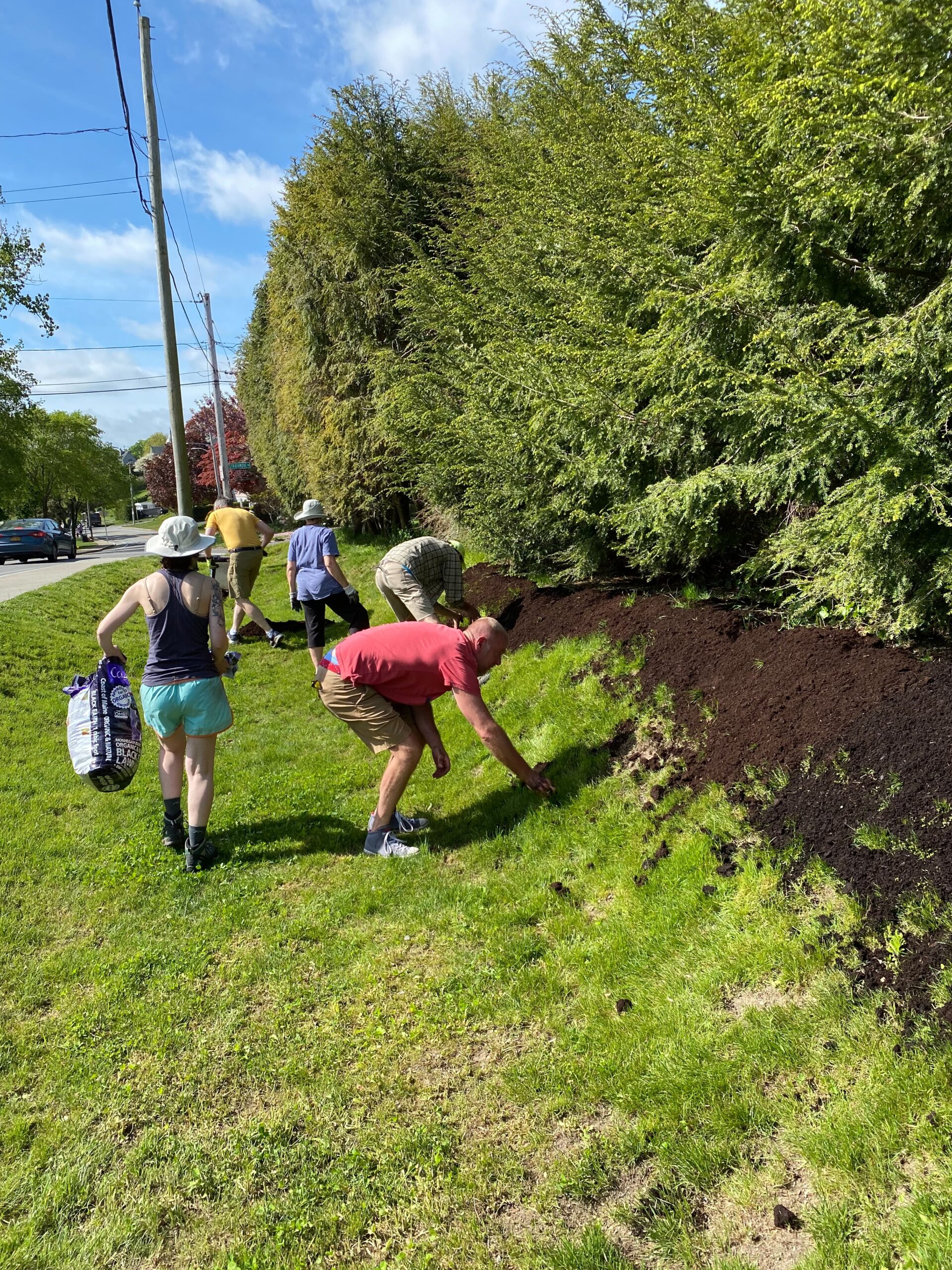
Because of its steep banks, it very difficult to maintain the grass on the area. In an experiment, the EWPA just planted several plugs of special drought resistant Zoysia grass. We will monitor their survival in the coming months.
EWPA LOOKS TO THE CITY OF CRANSTON TO ADDRESS TREE SAFETY AT STILLHOUSE COVE.
At its December meeting, the EWPA Board discussed the dangers posed by untreated tree limbs in Stillhouse Cove Park. Ironically, at that very moment, two very large Cottonwood tree limbs crashed to the ground from a great height, startling a couple who were out walking their dogs.
Stillhouse Cove is a Cranston City Park. While the EWPA works on protecting the salt marsh and beautifying the Park, basic maintenance of the Park is the responsibility of the City. Concerned citizens should contact their representatives and the City administration about the danger posed by the lack of maintenance of the Park trees. Other tree limbs overhang the roadway or pose a threat pedestrians.
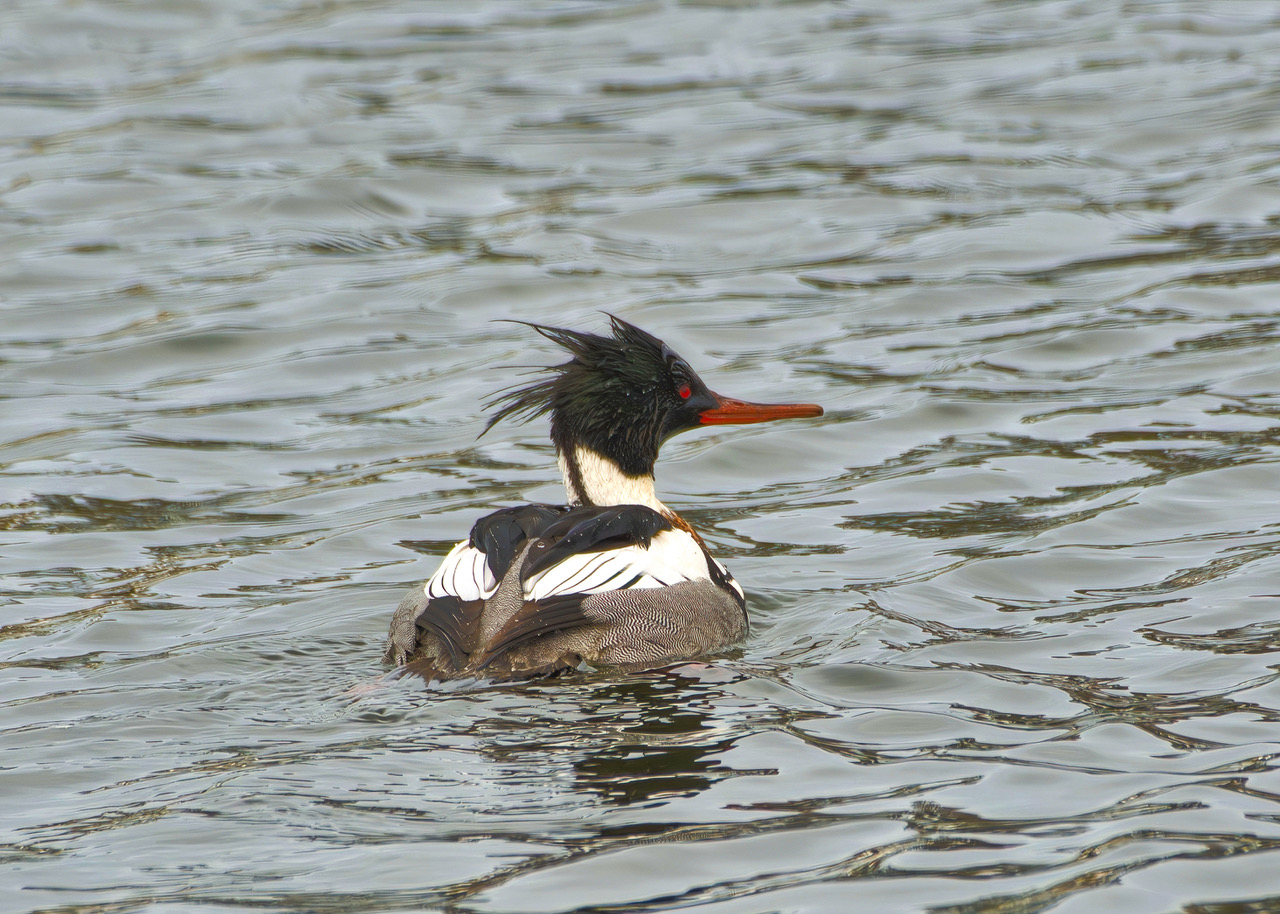
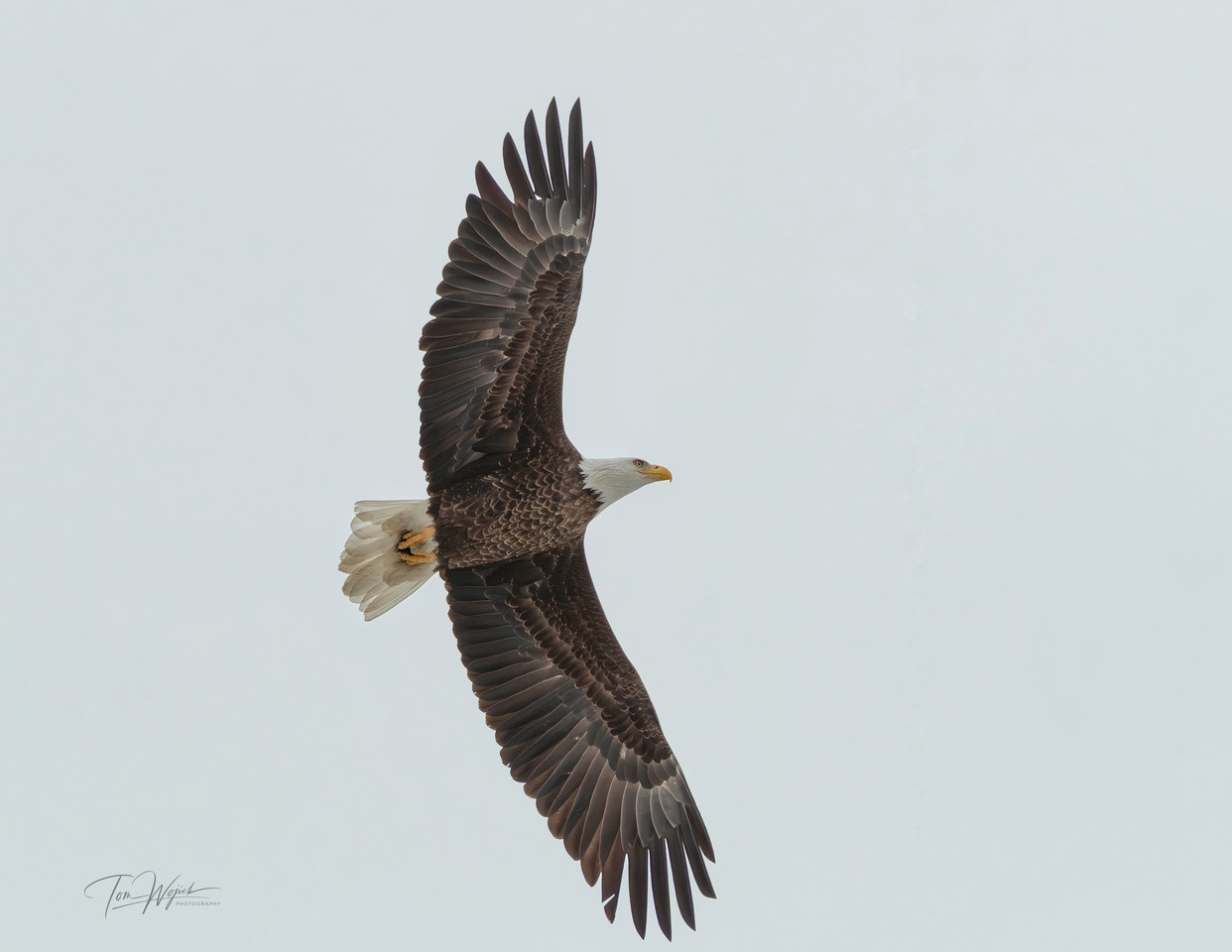
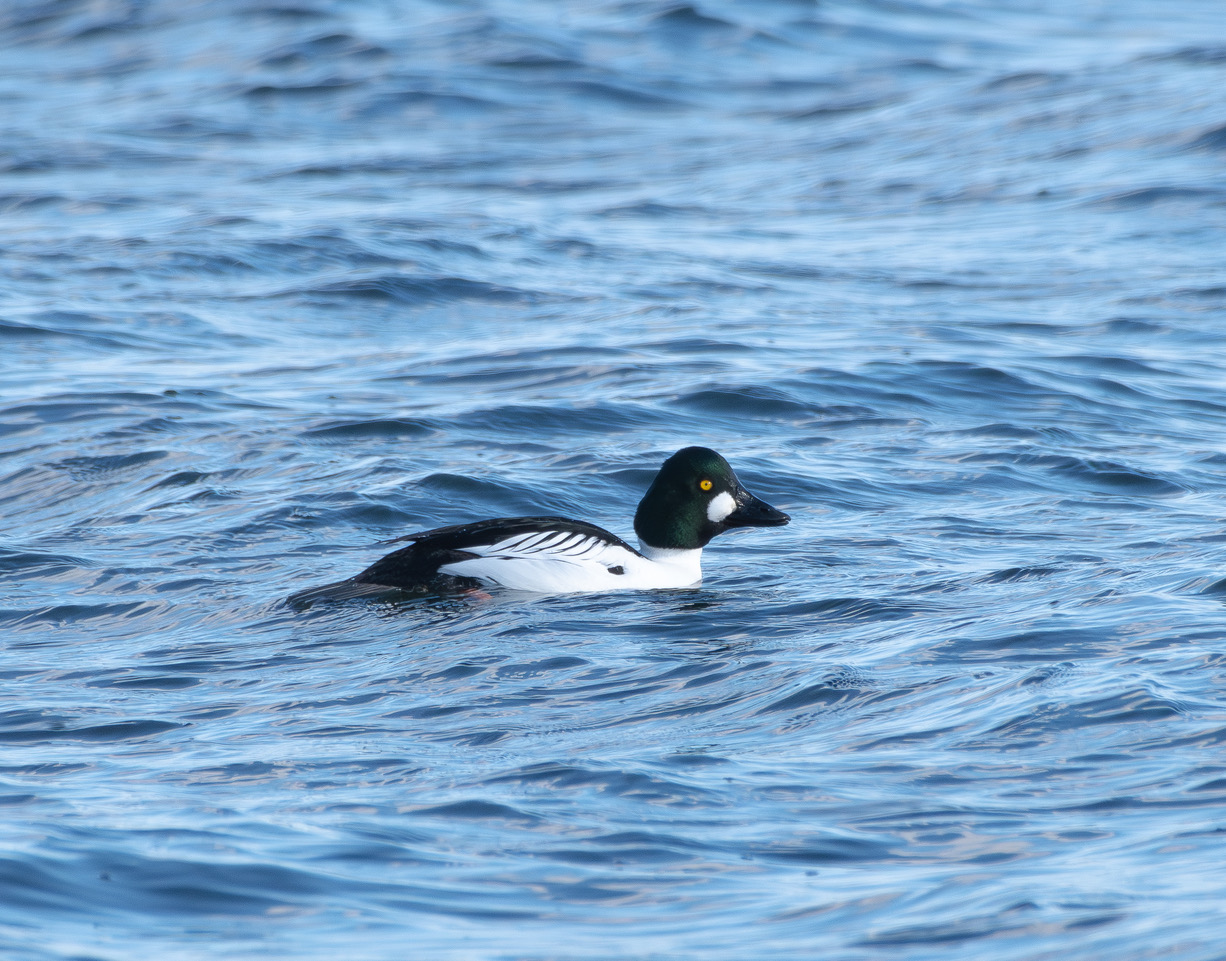
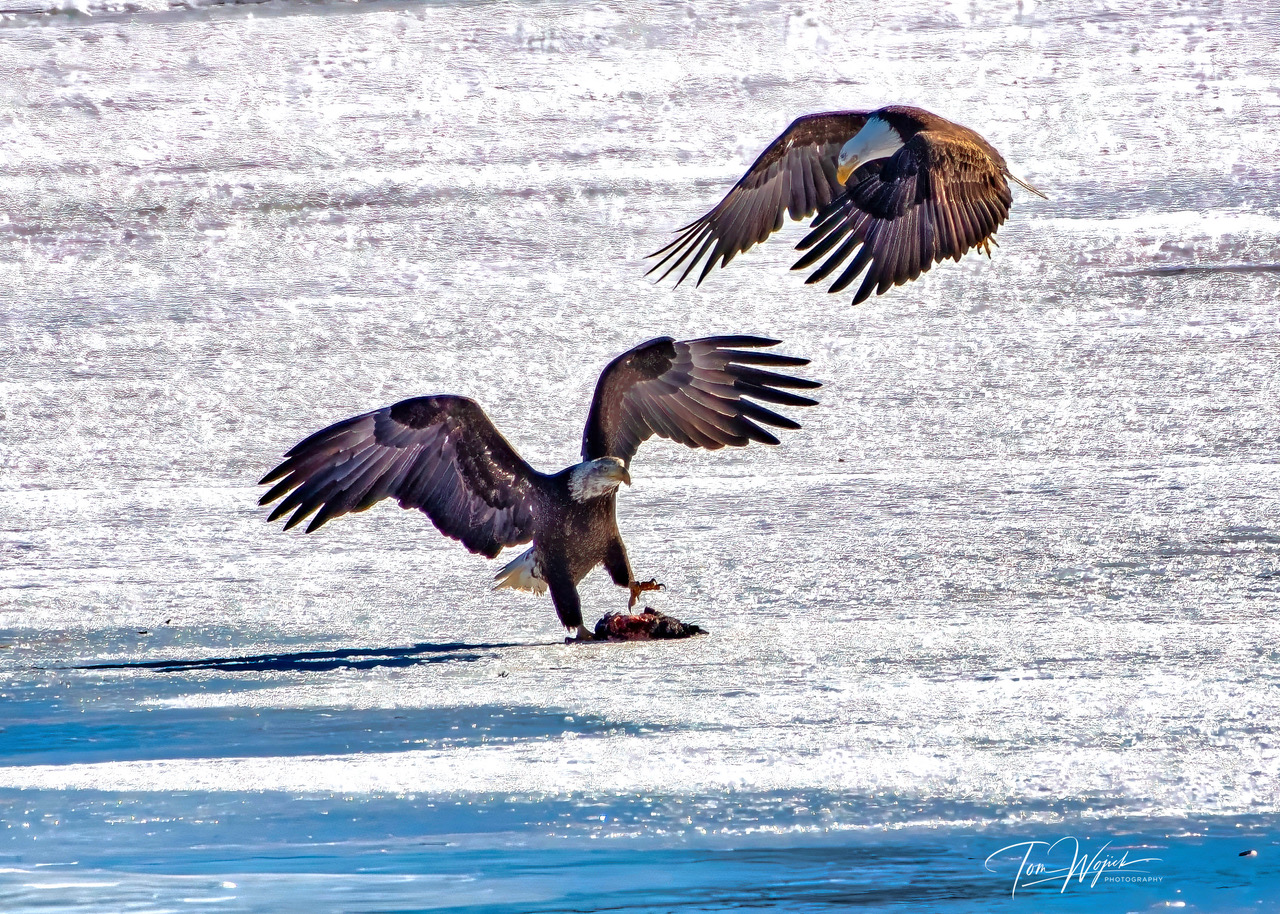
When friends view Tom Wojick’s spectacular photos of bird life, they imagine them taken in South County or some other exotic locale. But no, these were all shot right here in Stillhouse Cove. You can find Tom’s best images at https://www.heartofresiliency.com/wildlife.
CormorantMallardsEgretEgret on Osprey platformGoldfinchesGreat Blue w EgretGreat BlueGoldfinchEgretDark winged TernSparrowOyster CatcherMonet’s Redgwing BlackbirdMonet’s Redgwing BlackbirdOsprey Osprey with fishGreat Blue taking wing
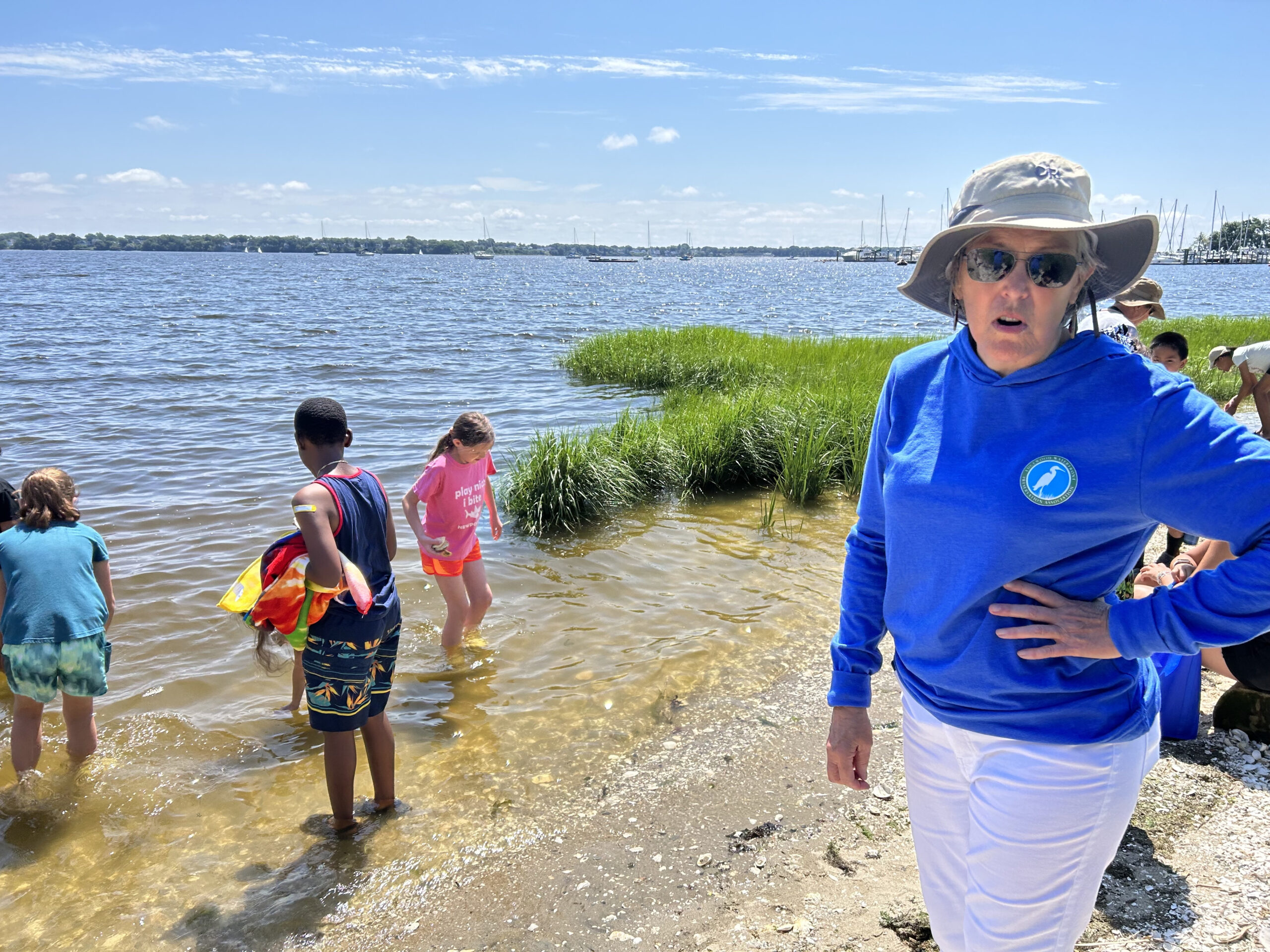
Keisha of Mystic Aquarium describes the ecology of Stillhouse Cove.
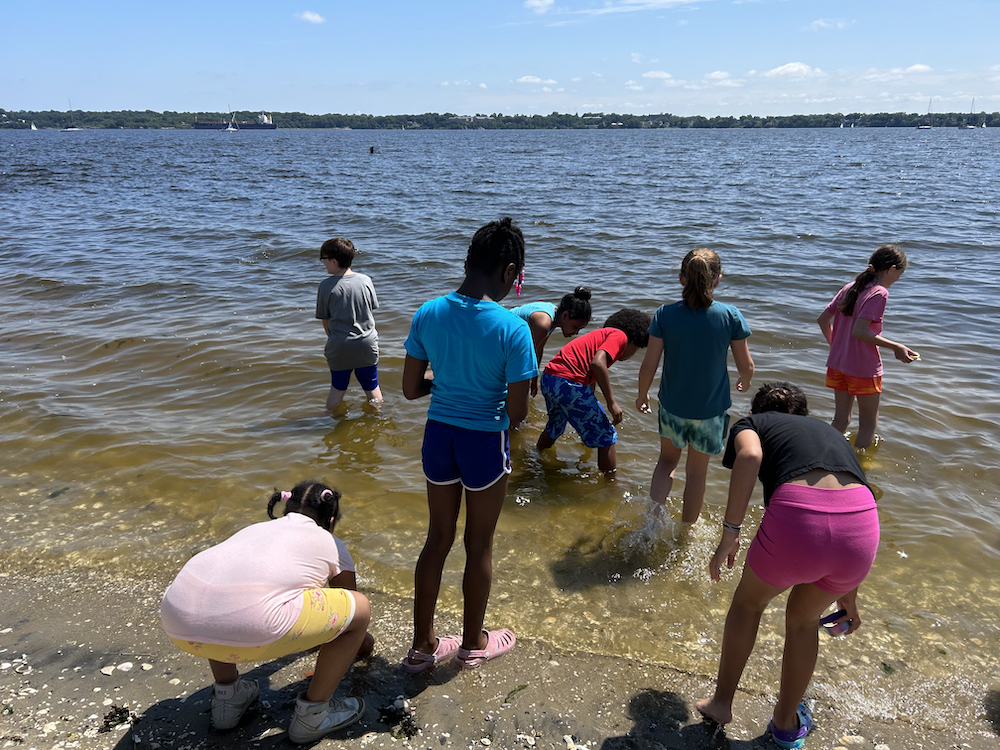
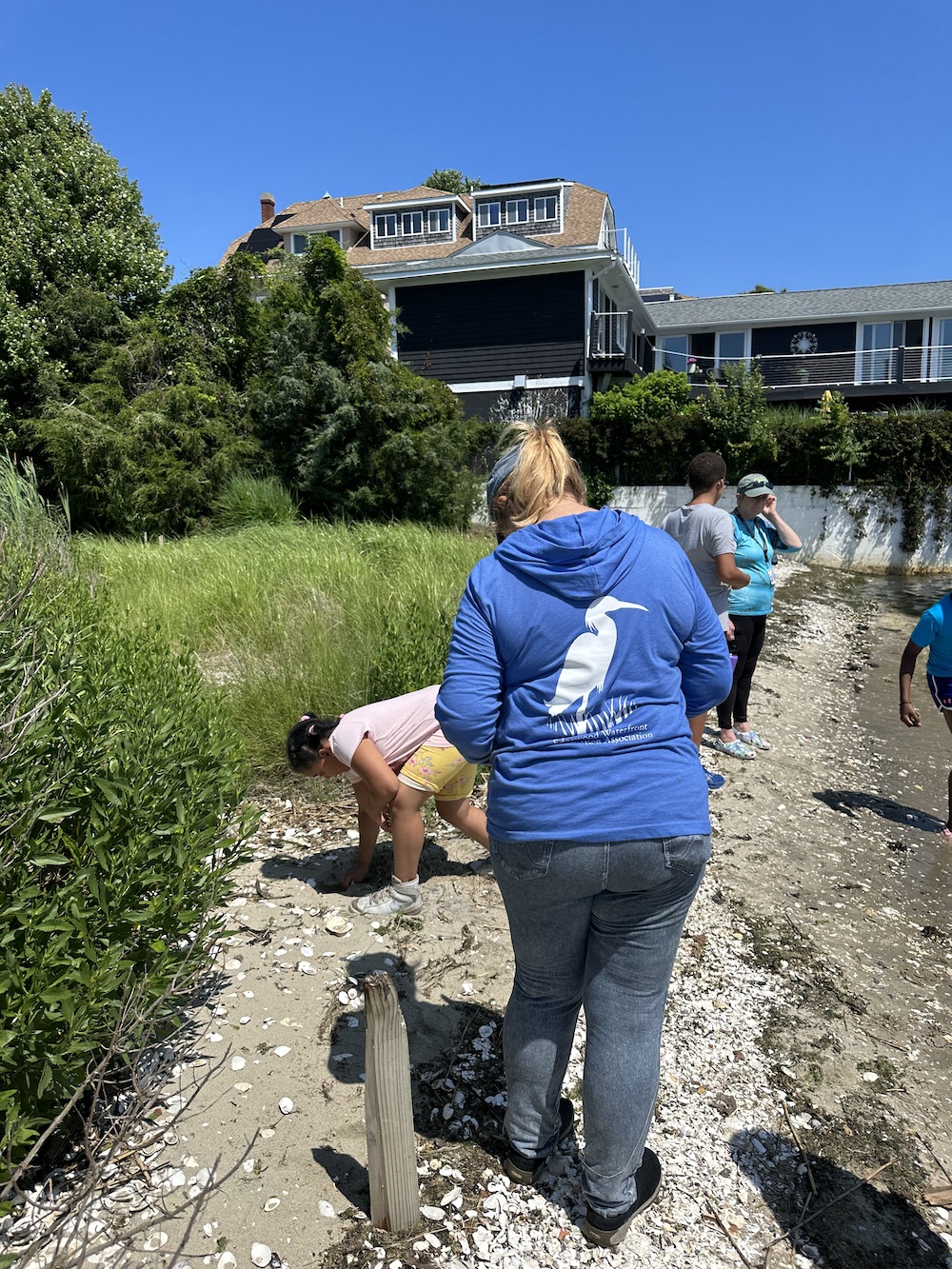
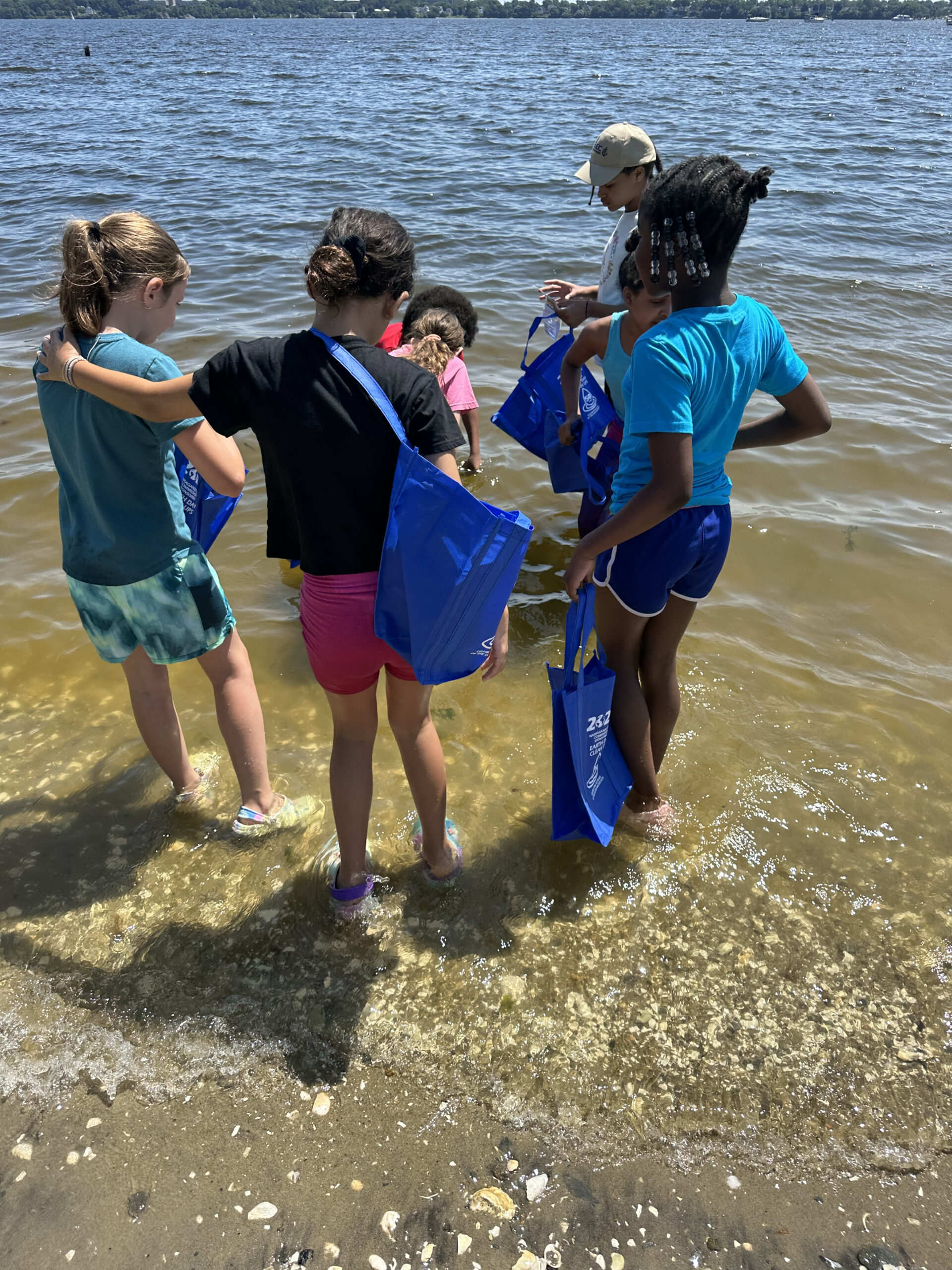
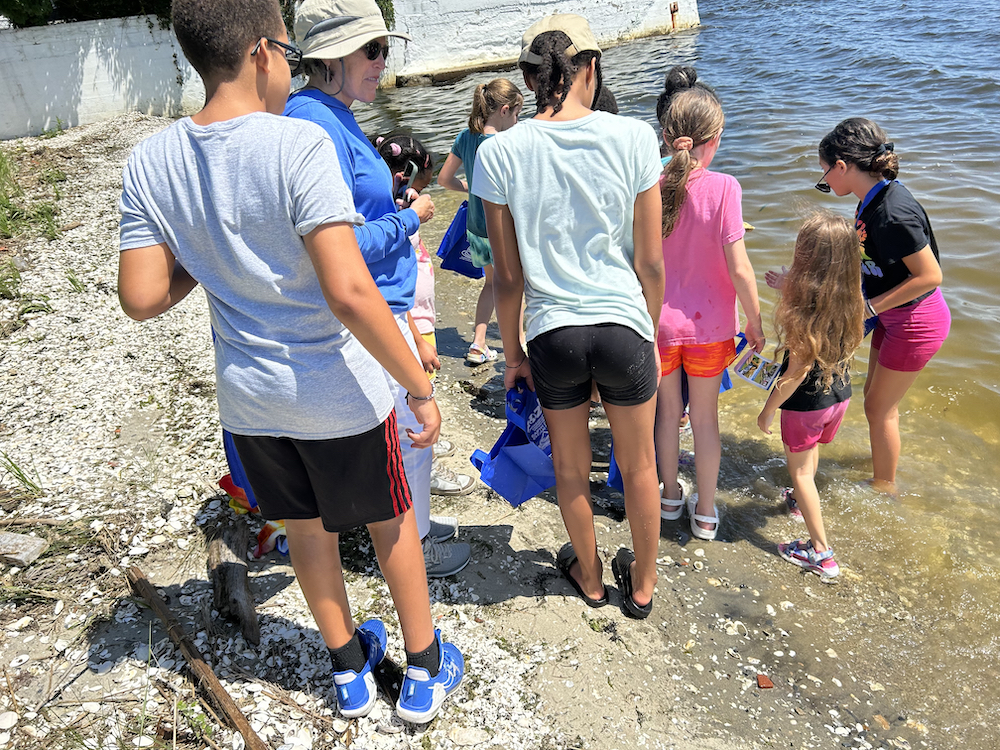
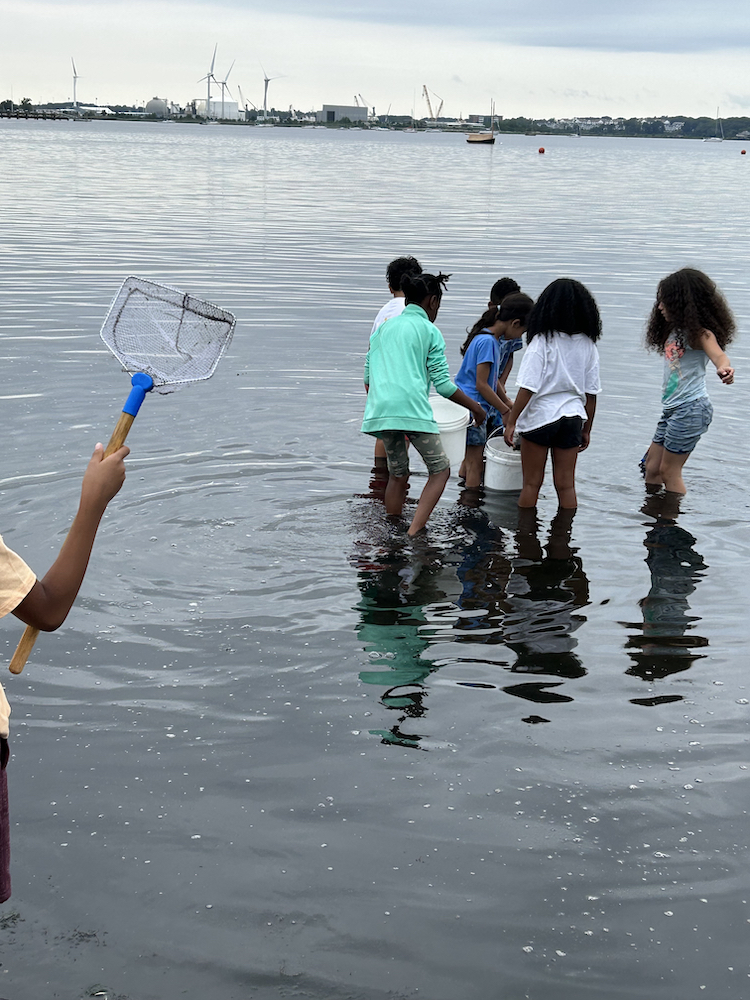
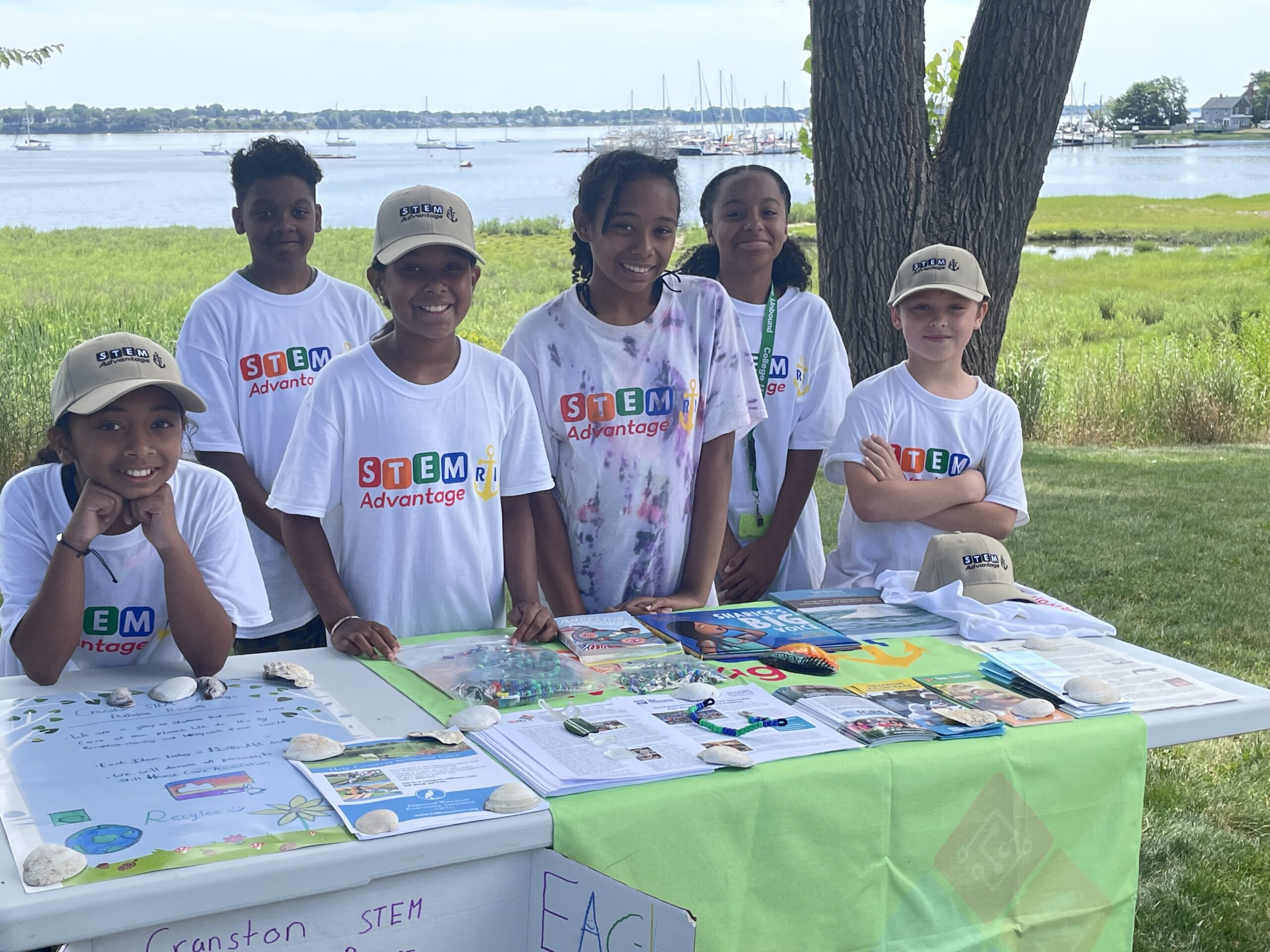
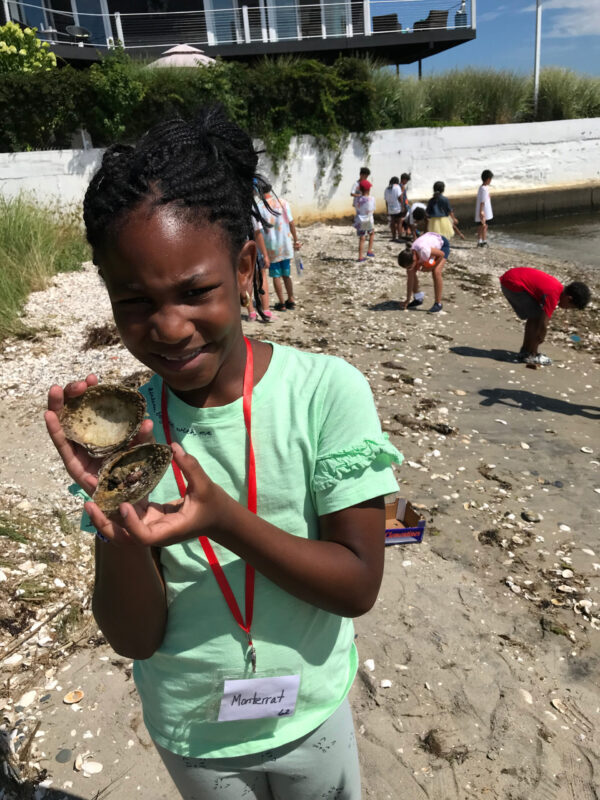
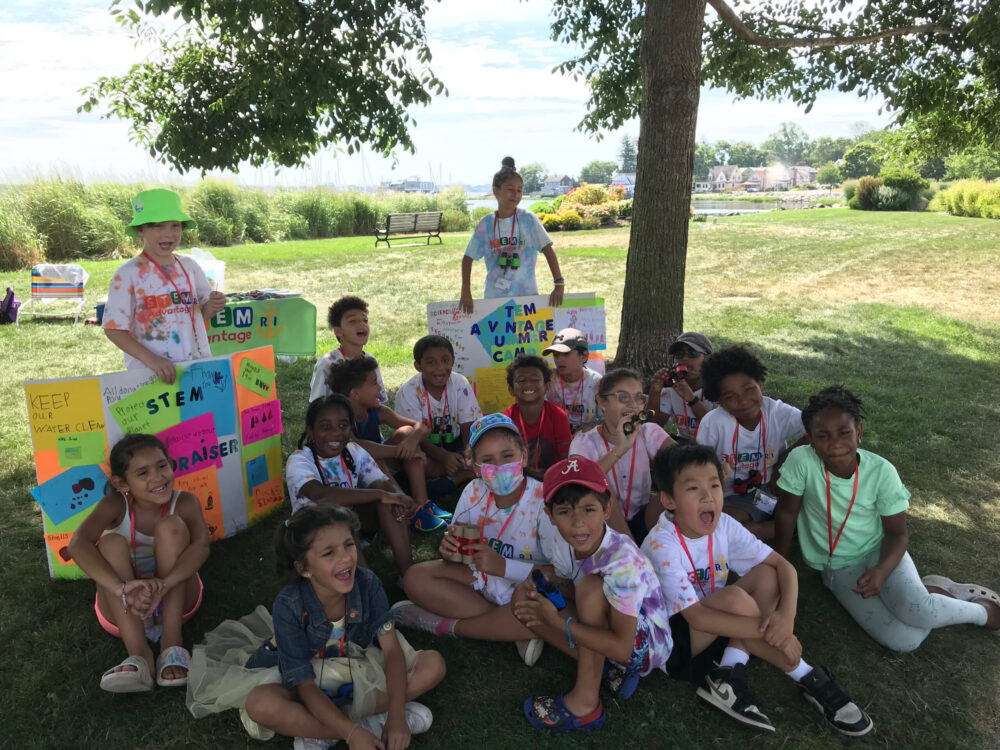
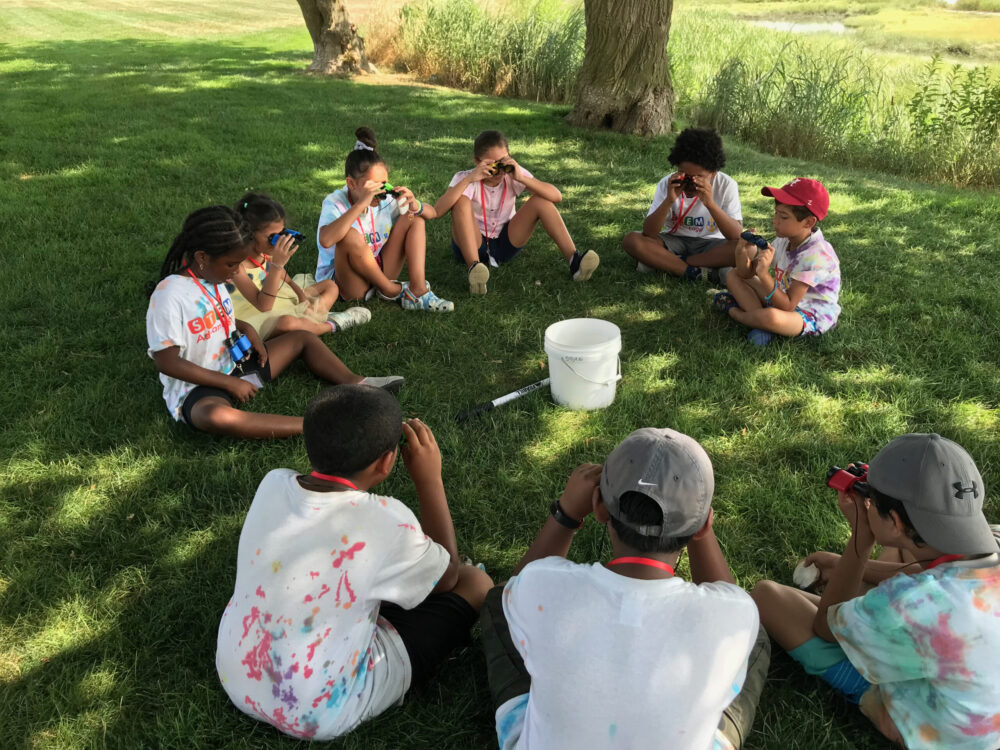
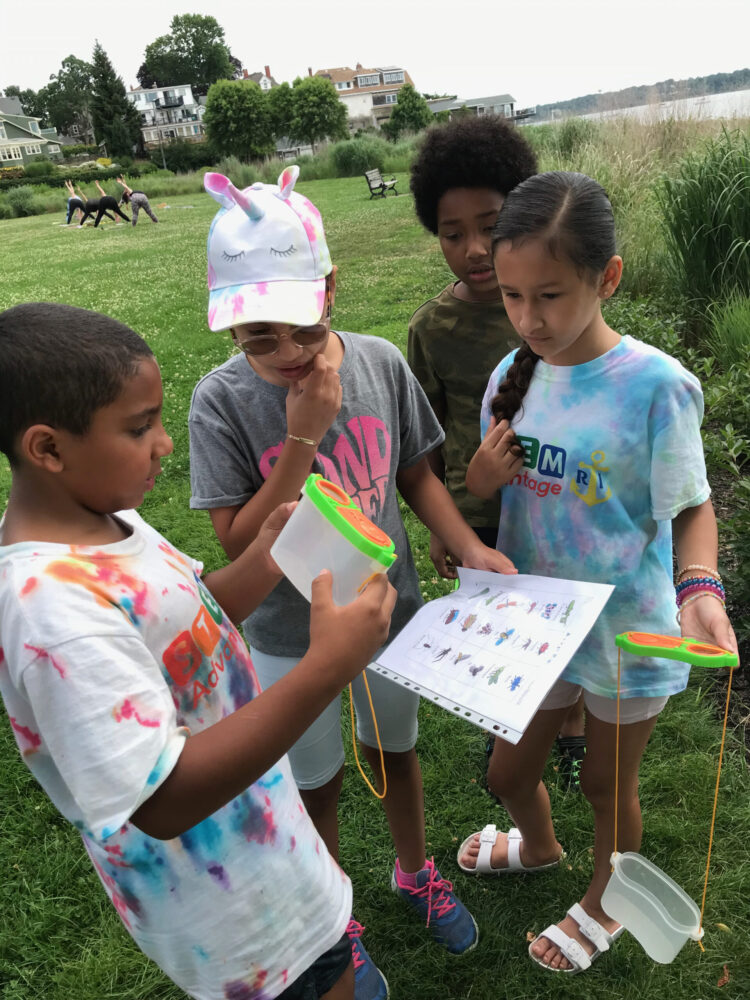
Every Friday morning for the last six weeks, approximately 40 Cranston school kids from all over the city (grades K -6) came to Stillhouse Cove as part of a the Cranston Parks and Recreation Department’s summer STEM (Science, Technology, Engineering & Mathematics) camp program. Their teachers used the Cove as a laboratory regarding local ecology. EWPA’s Barbara Rubine and Donna Fieldman explained the challenges that erosion poses to the marsh and park and highlighted the different ways the problem is addressed at this location.
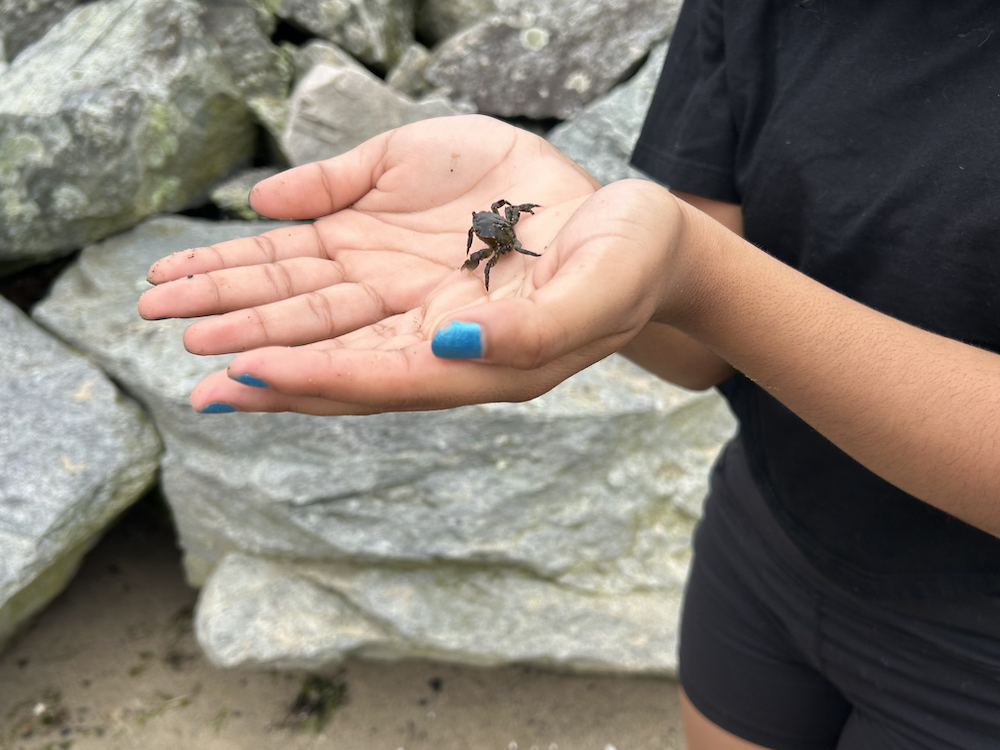
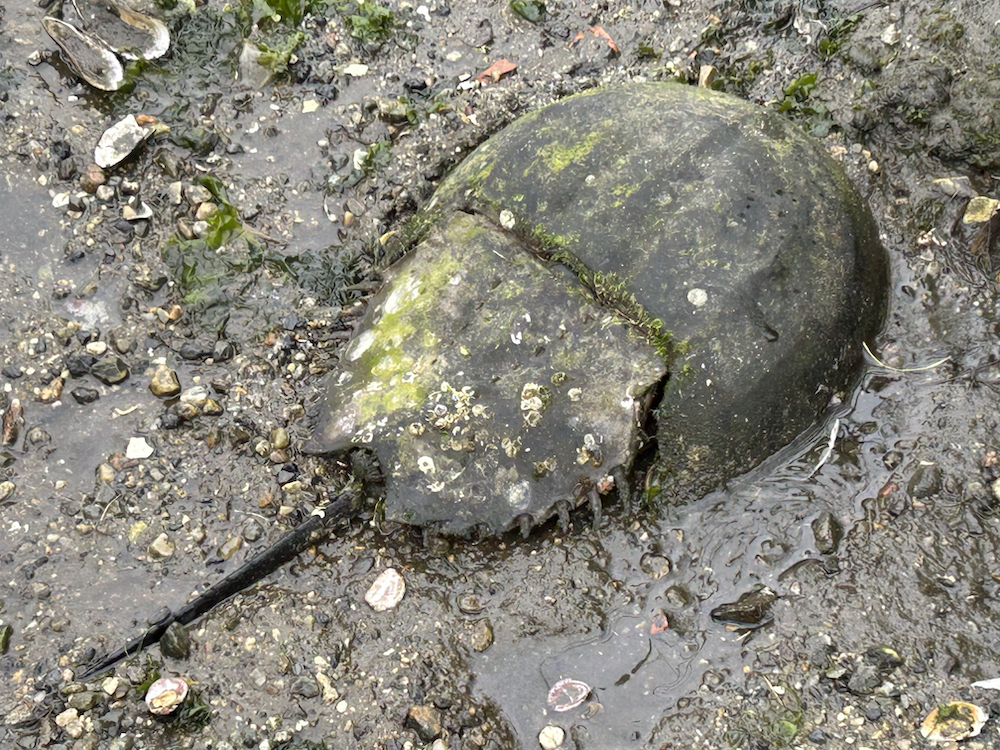
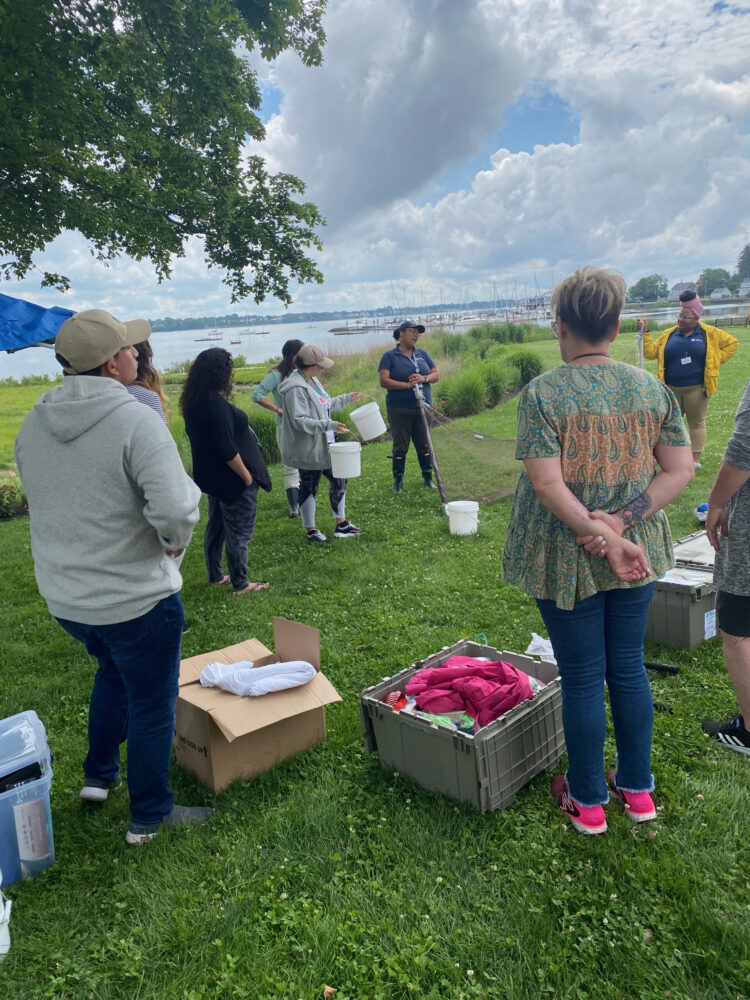
On July 26, two educators from Mystic Aquarium led the group in collecting and analyzing samples from the marsh and cove. This is the fourth consecutive year that Stillhouse Cove has hosted a STEM program.
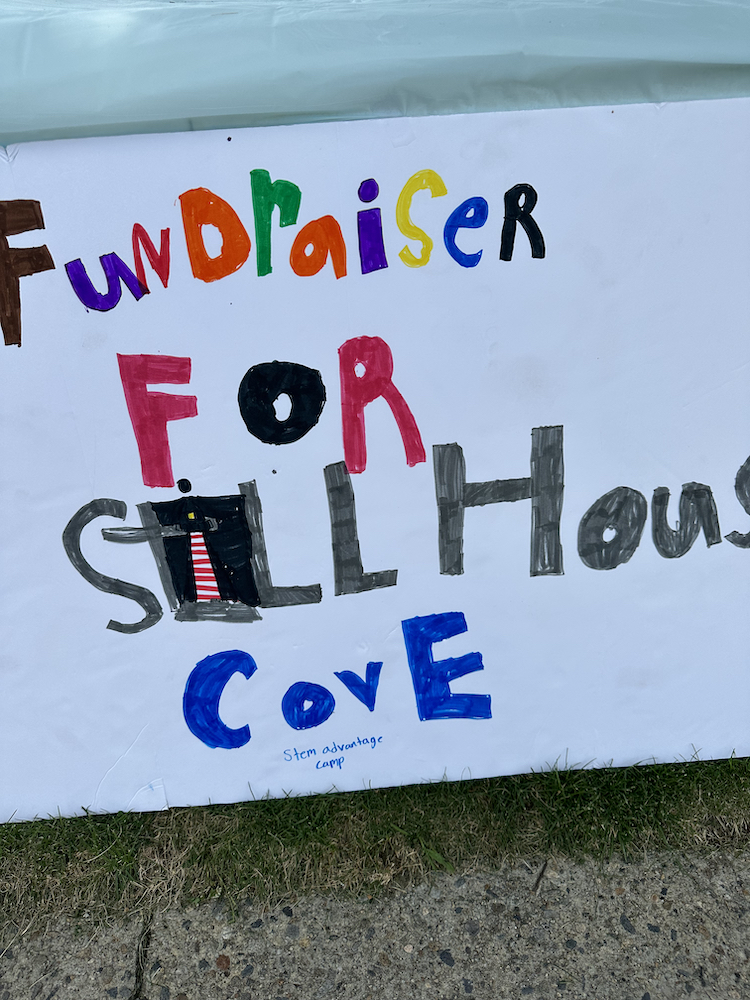
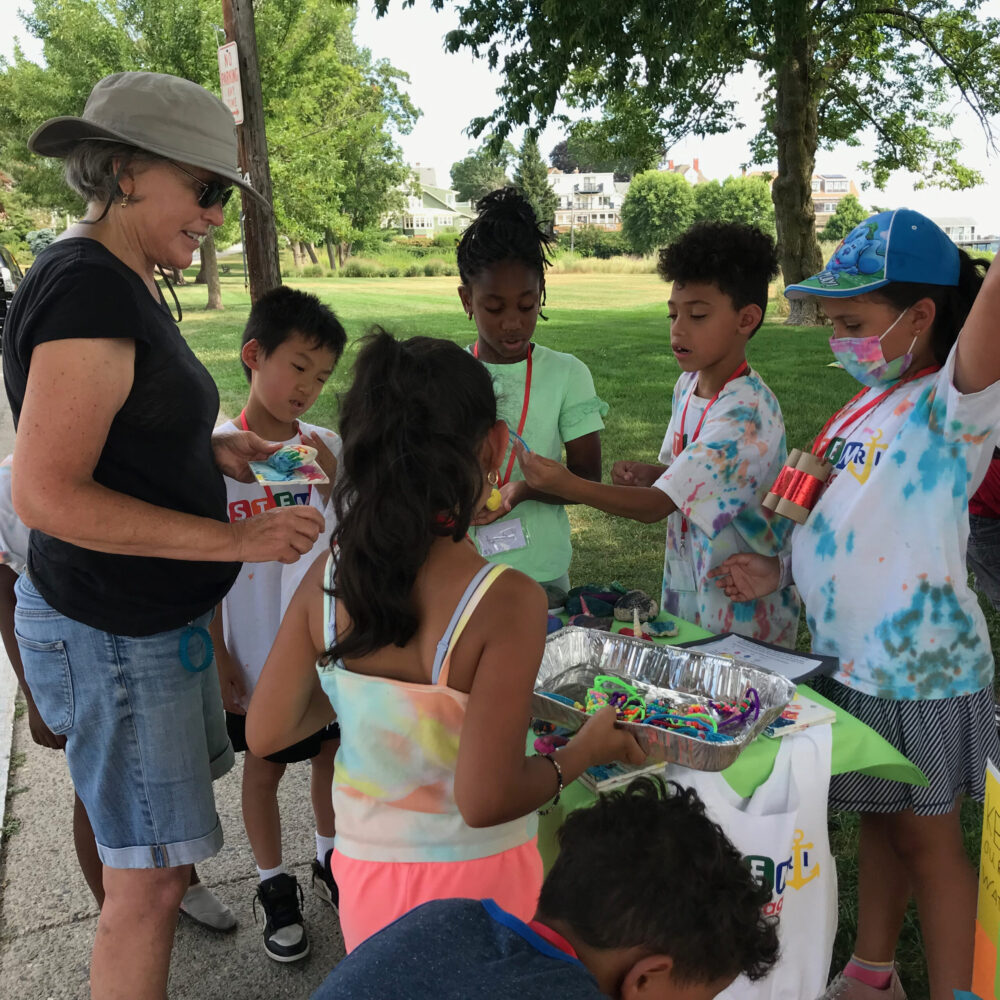
STEM participants gathering samples.Kyle of Mystic Aquarium explains the significance of a sample (held by Keisha) taken by the campers.Fundraising keychains made by the STEM campers.
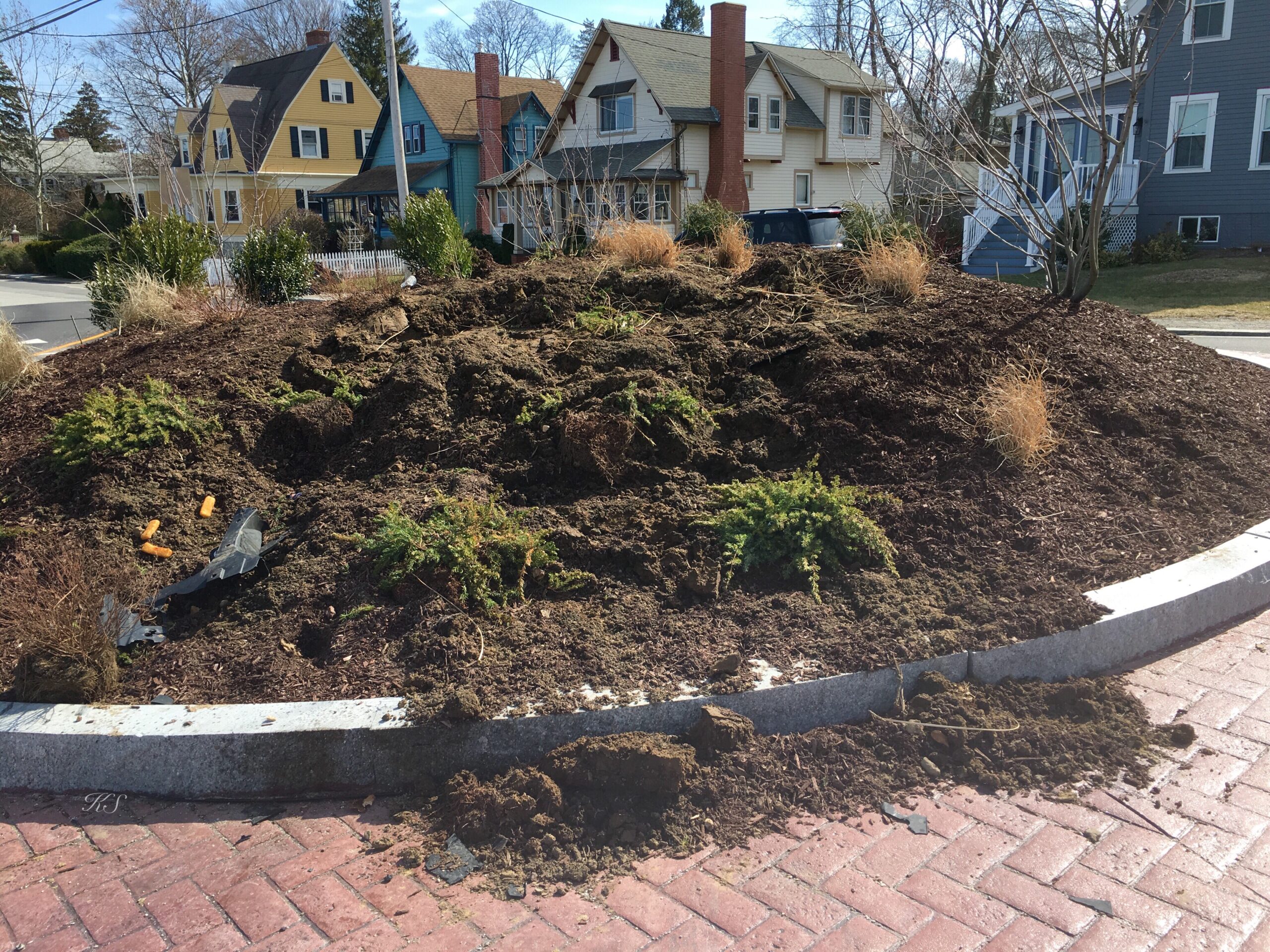
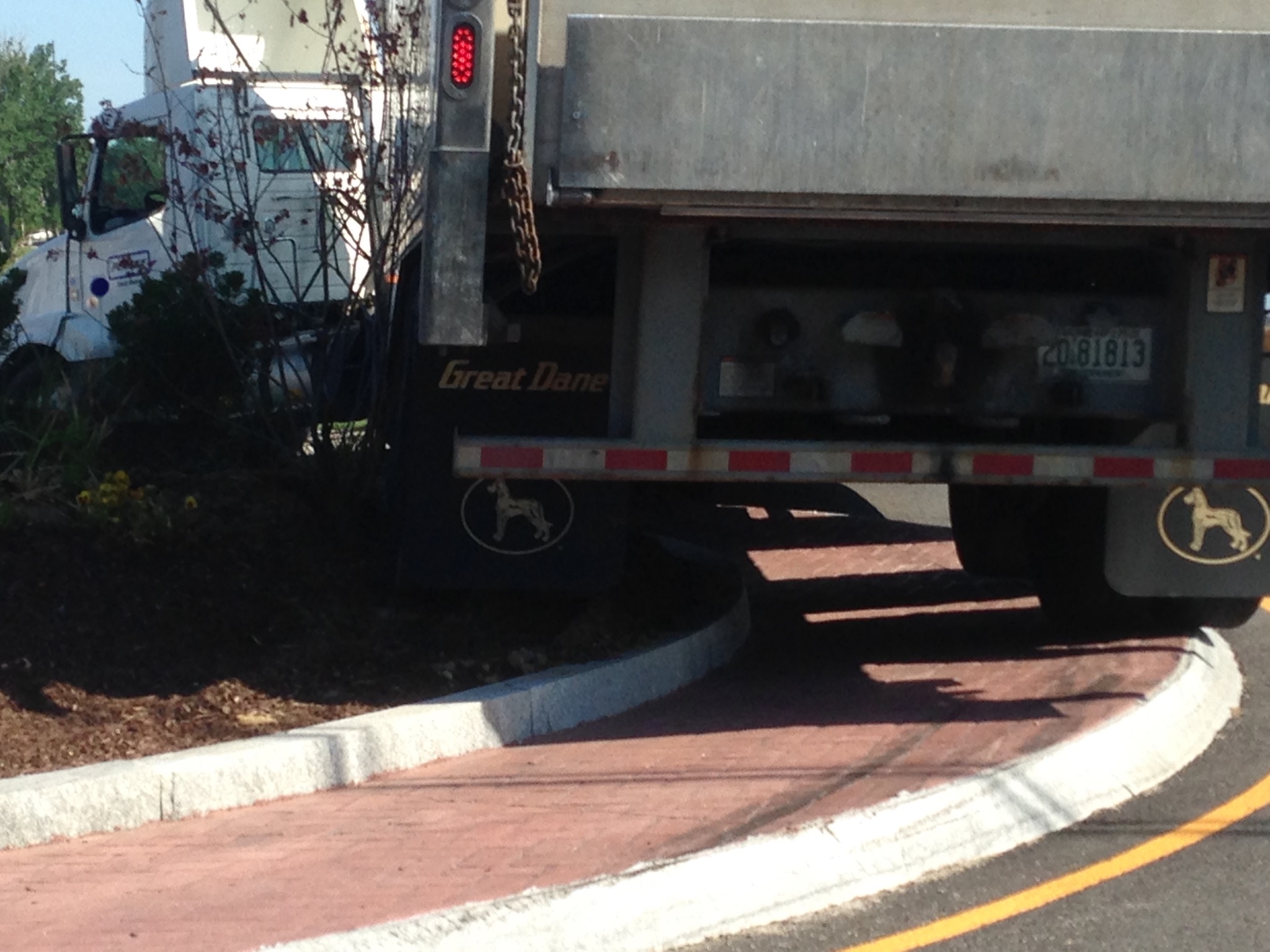
DATELINE MAY, 2024. Once again, the beautifully landscaped rotary at the end of Narragansett Blvd. ( managed by EWPA) has been abused by trucks and even a pedestrian.
45 Volunteers cleared logs and wood debris that could clog the wetland creeks in Stillhouse Cove. Some wood was taken by private parties for their use, but the City of Cranston stilled hauled away 1200 lbs. of collected waste. This was in addition to more than 700 lbs. (most of it plastics) collected on April 20. Students from Cranston’s Gladstone Street Elementary School participated in the cleanup as part of a school project.
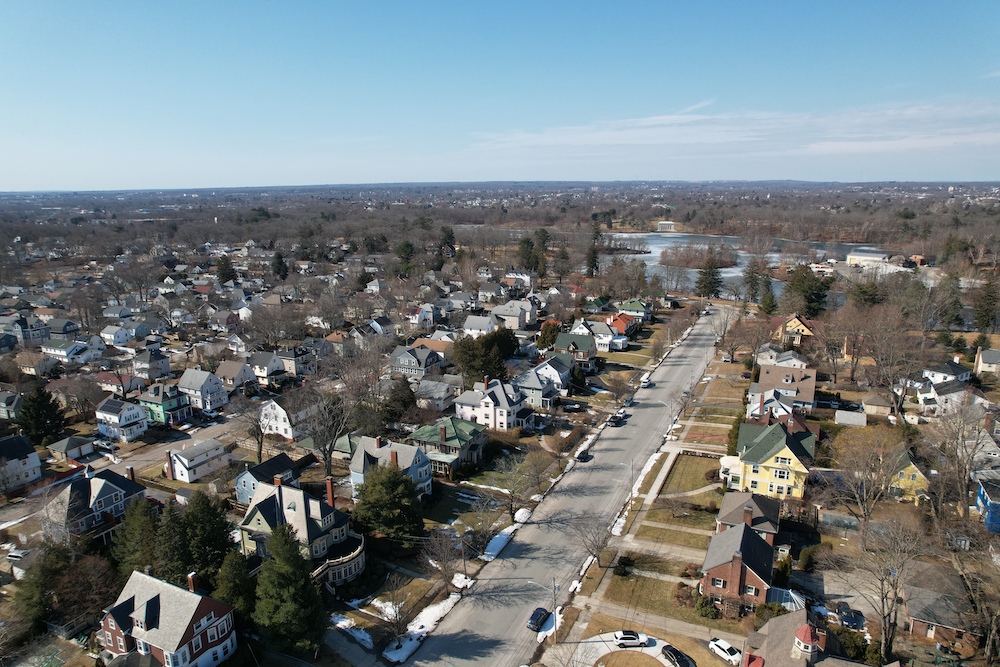
Most of Edgewood’s 1,621 street trees were judged to be in relatively good condition. However, a vast majority suffer from conflicts with power lines and sidewalks. There is a paucity of young trees on our streets indicating that many older trees will not be replaced. And there is a striking lack of diversity among our public trees. More than fifty-five percent of the trees are comprised of just two invasive and exotic species: Norway Maples (32%) and Callery Pears (24%). This means that the canopy is highly vulnerable to disease and pests. Whatever their shortcomings, these trees are crucial to the health of our community by providing the following:
These are some of the conclusions of a recent inventory of the trees along our neighborhood’s roadways that was initiated by the Edgewood Waterfront Preservation Association (EWPA).
Edgewood’s street trees
TO ACCESS THE FULL REPORT OF THE EDGEWOOD TREE INVENTORY, CLICK BELOW:
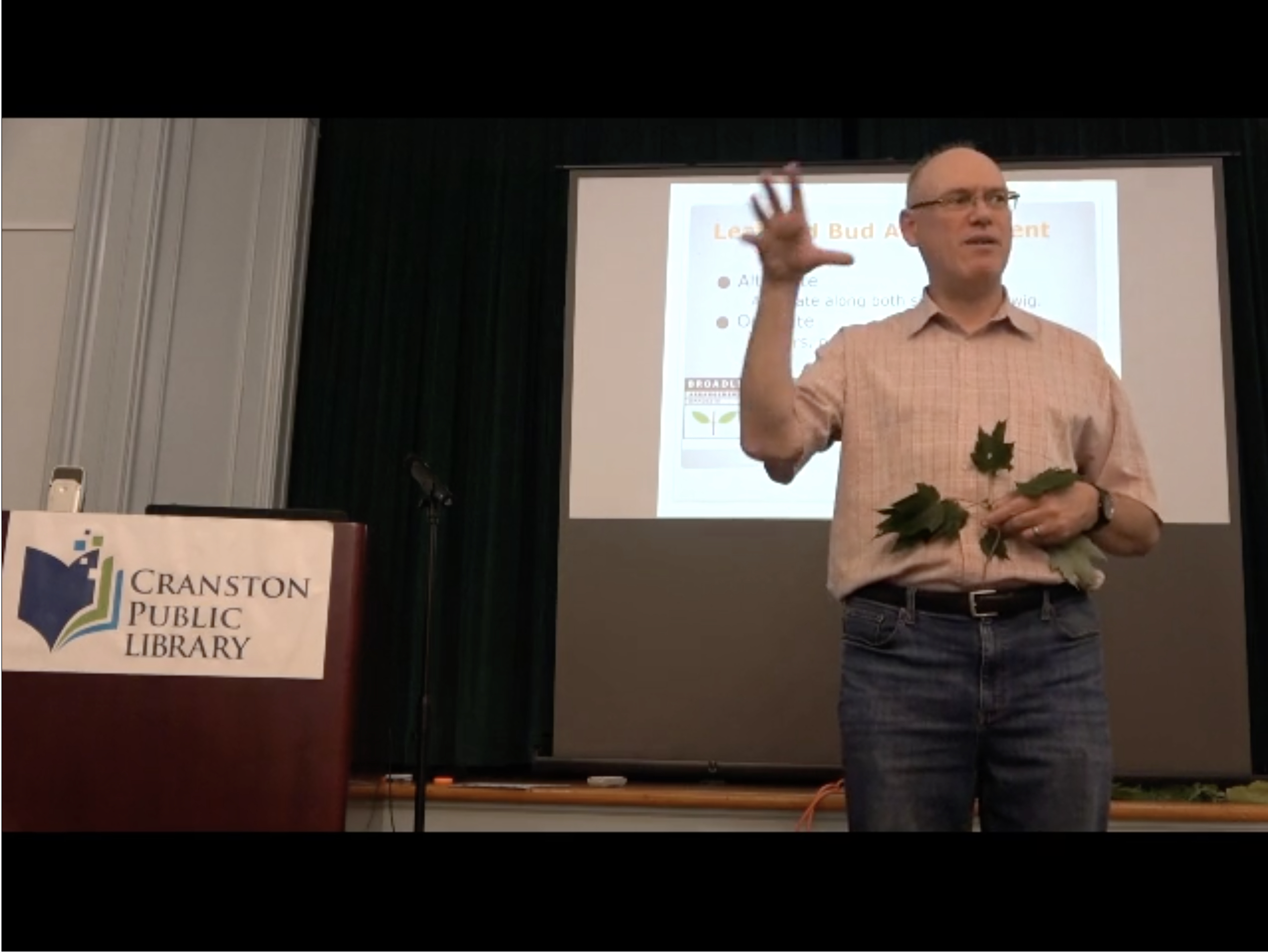
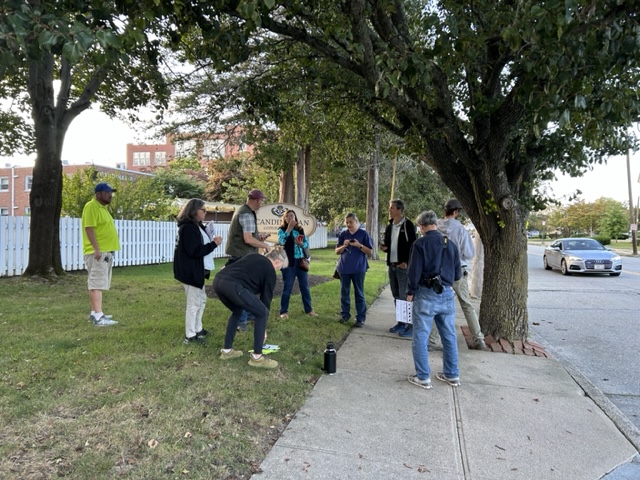
In the Fall of 2023, the EWPA recruited eighteen neighborhood volunteers to conduct an inventory of the area’s “public trees”. Funded by an Urban & Community Forestry Grant from the RI Department of Environmental Management, Doug Still of This Old Tree Consulting trained the volunteers in tree identification, measurement, and assessment as well as the use of the Forest Metrix tree inventory software on mobile devices. For purposes of the 2023 Edgewood tree inventory, “city-owned trees” were defined as being within six feet of the street curb. Cranston’s Tree Warden, John Skorupski, participated in the training. The inventory results will be provided to the City of Cranston to populate a database to be used by the Tree Warden and Engineering Department to manage existing trees, and will be GIS compatible. The data will also serve as a baseline for future assessment of the growth or decline of Cranston’s tree resource. While this was a pilot project, EWPA hopes that the street tree inventory effort will be extended to all neighborhoods in Cranston in future years. The City has recently applied to the RIDEM for an RI Urban Forests for Rhode Island Technical Assistance grant that would address Cranston’s entire tree canopy, especially its disadvantaged communities. Cranston’s “tree equity” score of 86 (out of 100) is one of the lowest in the State. If accepted, the city would receive funds for assessment, planning, and tree planting.
Doug Still describing the leaf bud patterns of different tree species.
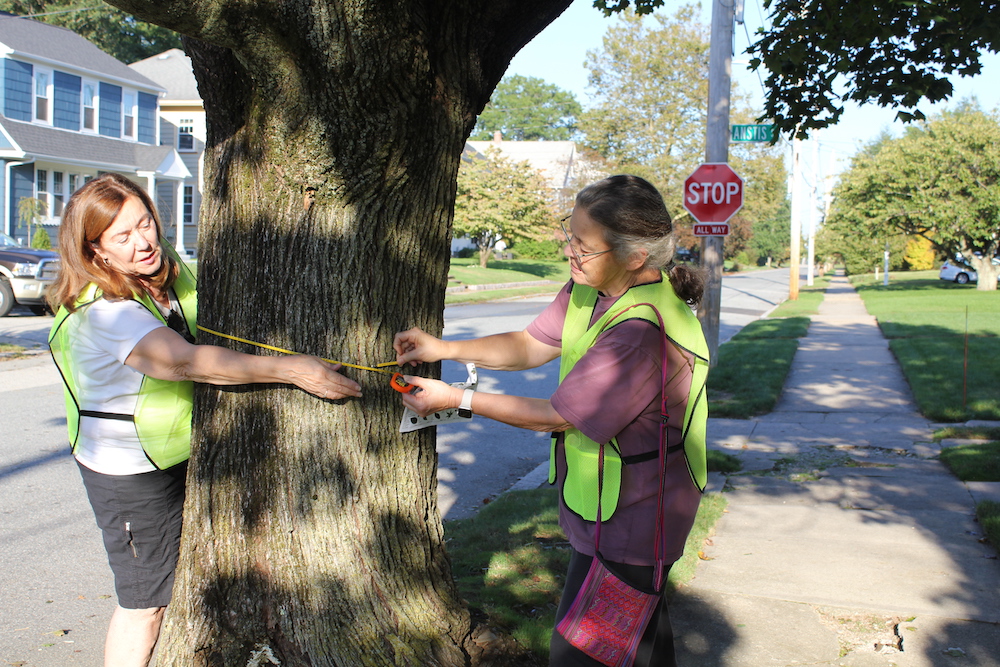
The inventory covered the Cranston neighborhood between the Providence line and the Pawtuxet River, and between Narragansett Bay and Interstate 95. The area was mapped and divided into 9 different survey zones. The survey did not include trees on private property, at public institutions, or in parks. Each pair of volunteers was assigned a zone of contiguous streets typically requiring a total of approximately 20 – 24 hoursto complete. To supplement their tree identification skills, surveyors made use of flora identification applications on their phones.
Doug Still providing training to the volunteers
Lessons Learned from the Inventory Process
The Volunteers all complained of the challenge posed entering the Forest Matrix software data using a small phone screen and strongly recommended using tablets in the future. Some found judging tree condition challenging so that will merit more attention in future trainings. As the inventory crews worked their zones wearing their safety vests, they encountered a range of responses from local inhabitants. Most were very interested and supportive of the project. However, in some cases, suspicions were voiced: What were they doing there? Were they going to cut down the trees? During future inventories in other Cranston neighborhoods, advance public education should be a key component.
Maria Wall and Andrea Klimt measure a maple tree on Glen Avenue
Findings of the Tree Inventory
Edgewood’s street tree canopy lacks diversity. This makes the area’s trees vulnerable to disease and other threats. For example, Edgewood could lose 48.9% of its trees to the Winter Moth. As a rule, it is recommended that an urban forest should not be made up of more than 10% of a single species, 20% of a single genus, and 30% of single family. In Edgewood, more than 55% of the trees are comprised of just two invasive and exotic species: Norway Maples (32%) and Callery Pears (24%). Maples as a family dominate with approximately 45% of Edgewood’s public trees. Forty-seven percent of the neighborhood’s inventoried “leaf area” is made up of invasive species. Despite their shortcomings, the trees have a replacement value of $3.41 million.
The area’s trees are in relatively good condition. Two-thirds of the trees were judged to be in either excellent or good condition. However, twenty-five dead trees were found.
The size of Edgewood’s trees does not portend well for the future of the canopy. Tree size was measured by DBH (diameter at breast height). For replacement purposes, the smallest class of trees (0 – 6 inches DBH) should predominate. In Edgewood’s case, these young trees constitute only 18% of those inventoried.
Most of Edgewood’s trees suffer from conflicts. Trees are challenged by utility wires, sidewalk incursion, and other factors.
The majority of the area’s trees do not have sufficient room to grow. Only Twenty-six percent of Edgewood’s street trees have room to grow properly. 54% of trees are constrained within 4’ by 4’ plots.
If you interested in getting involved in the crucial issue of Cranston’s tree canopy, contact Donna at donna.fieldman@stillhousecove.org
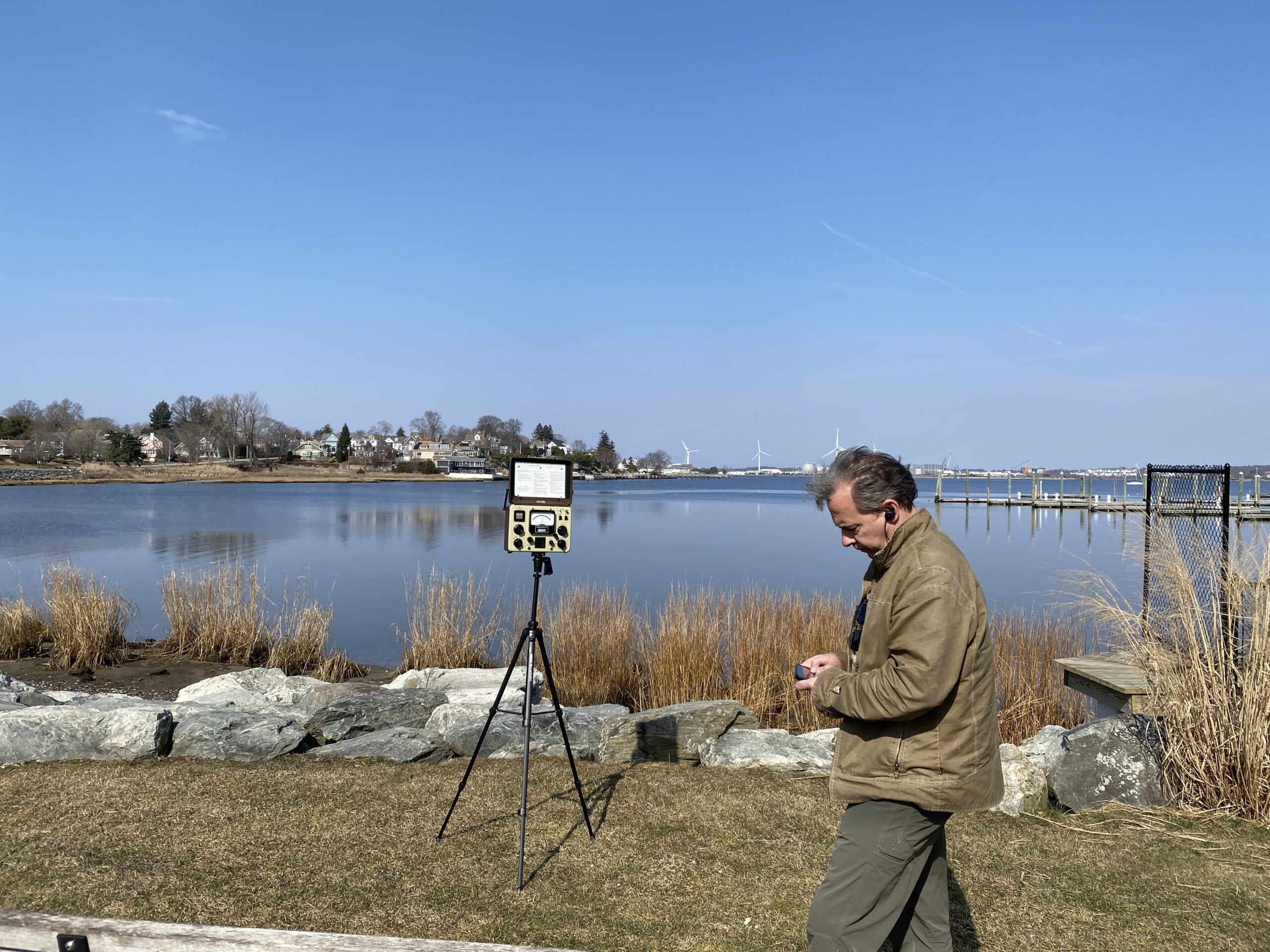
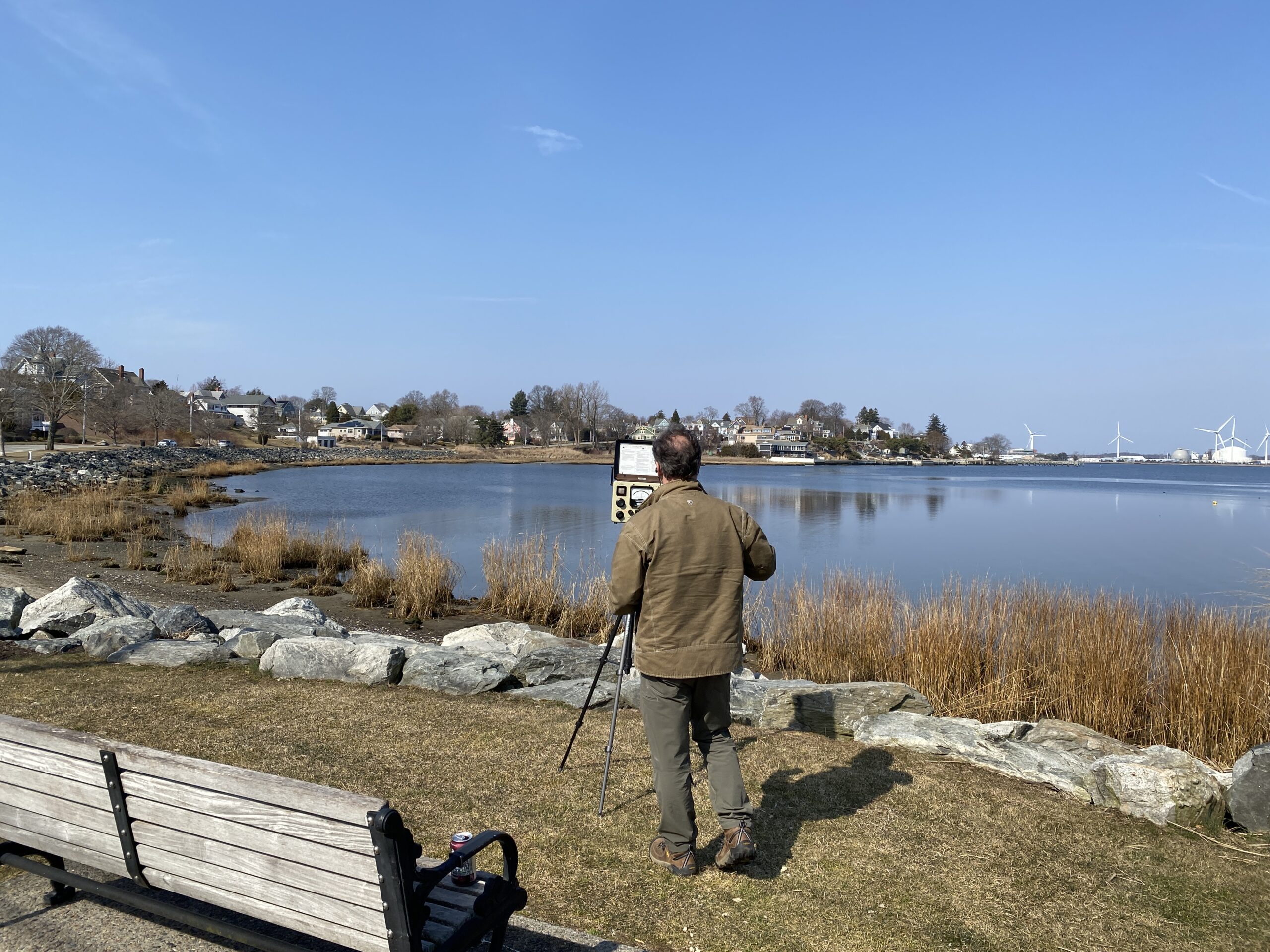
Did you know that for years Stillhouse Cove Park has been used as a site to test the strength of radio station signals in compliance with the Federal Communications Commission?
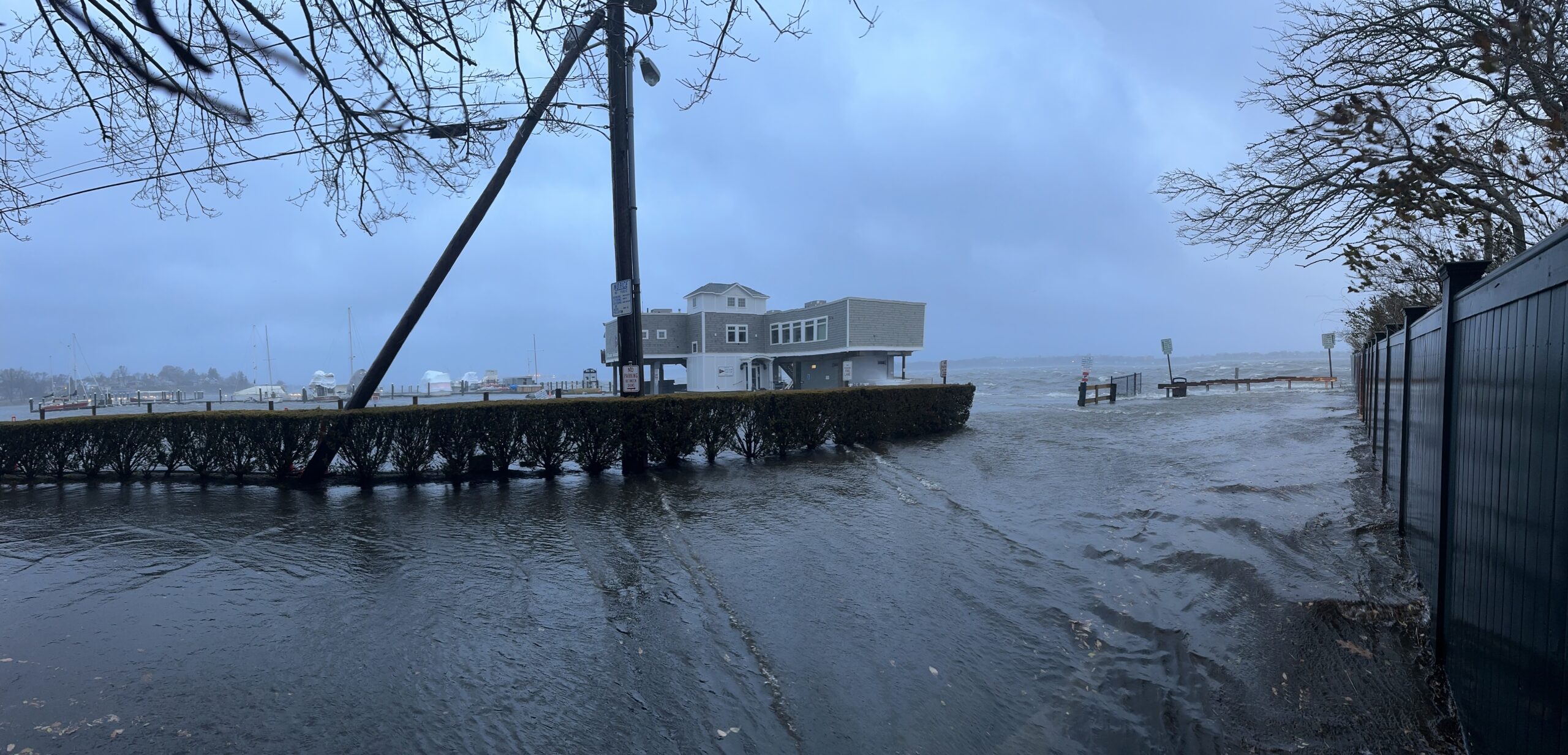
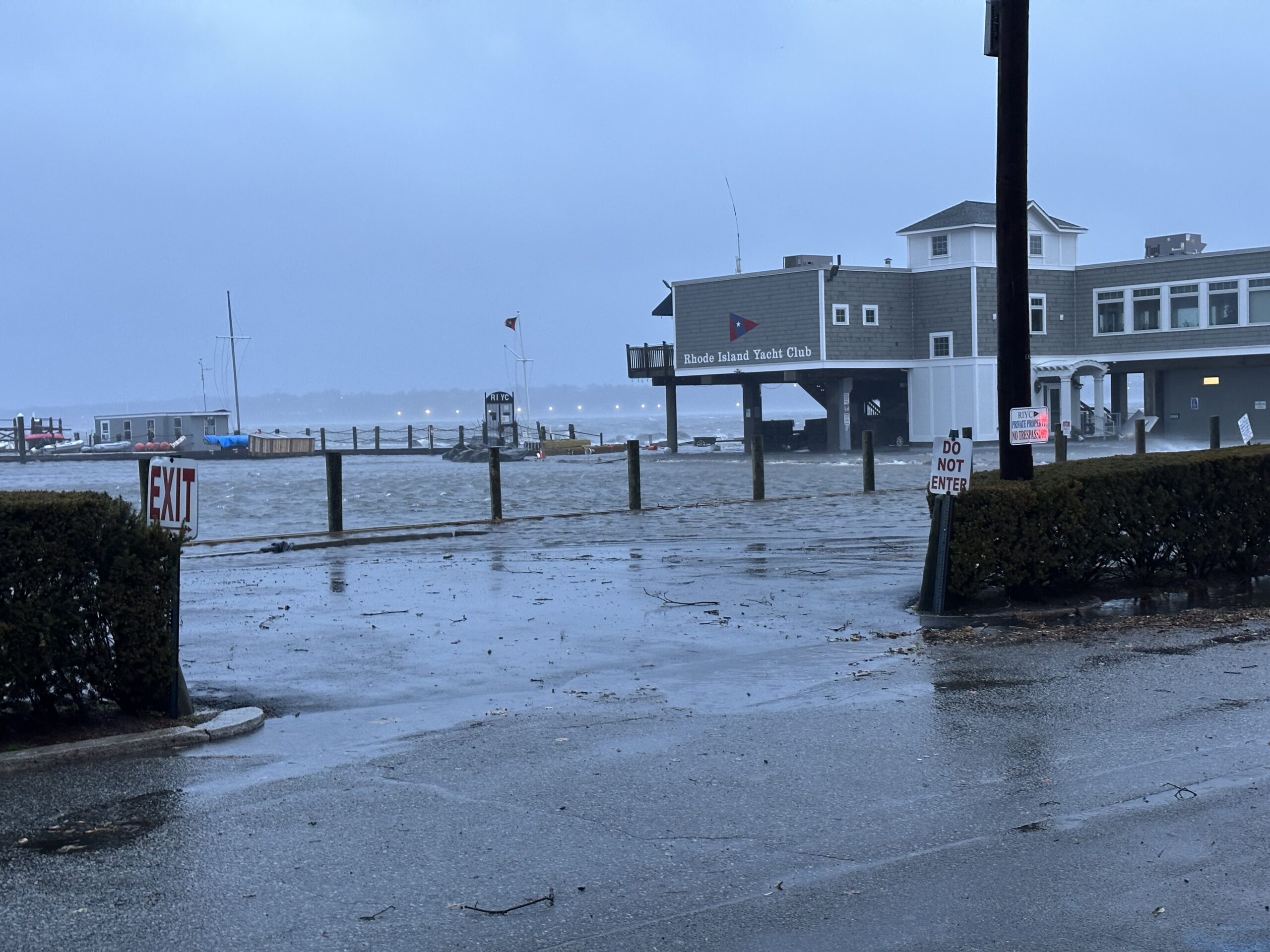
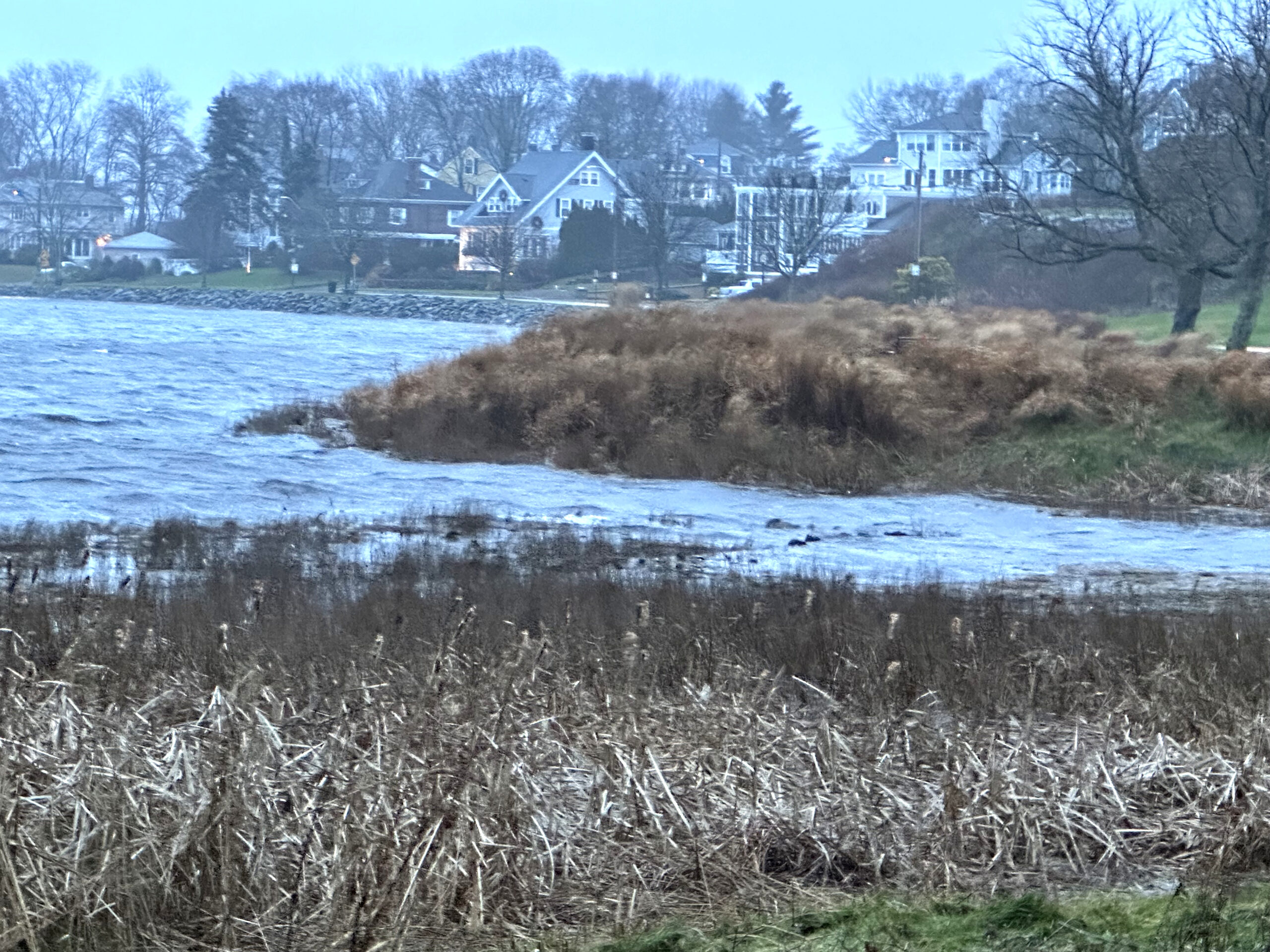
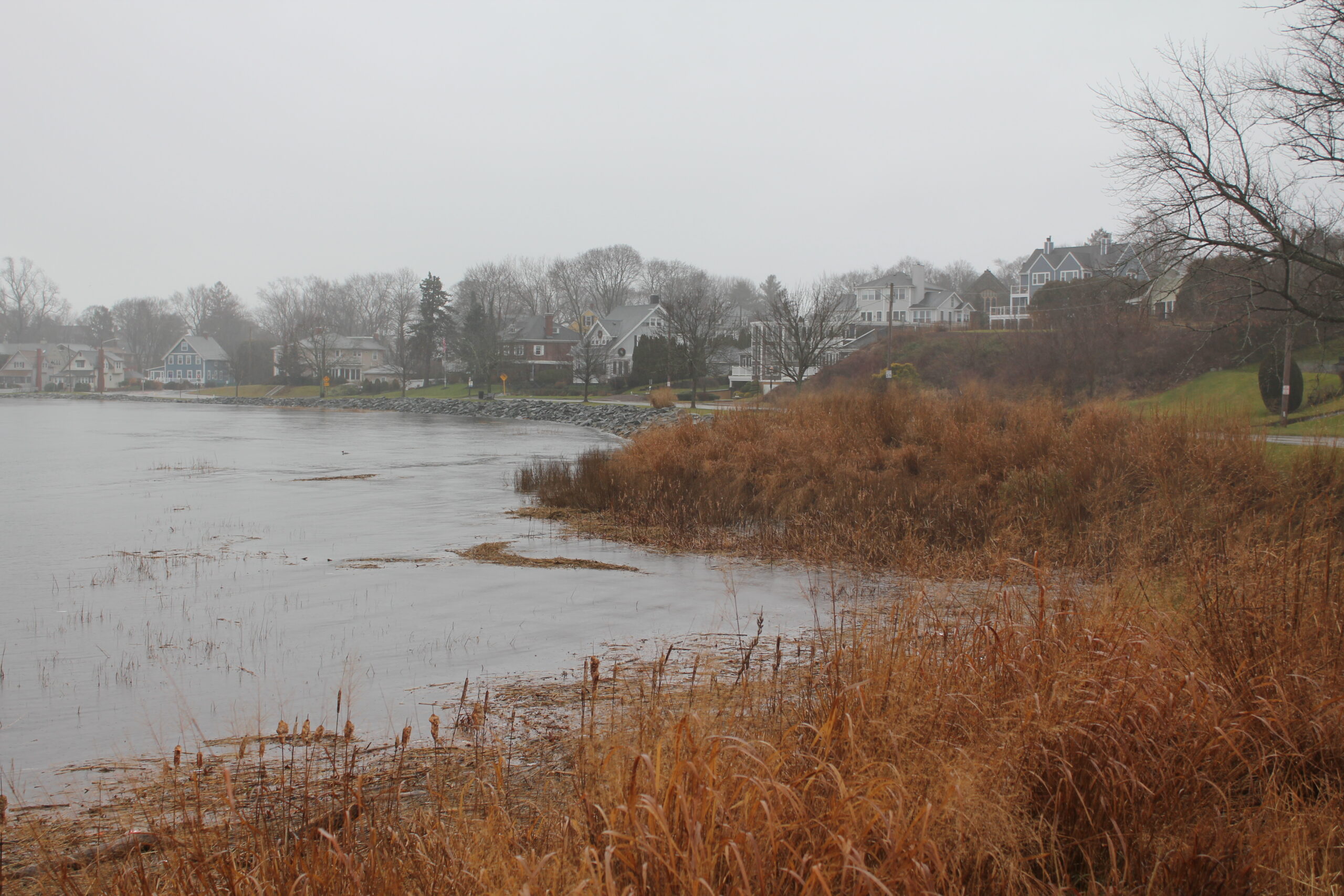
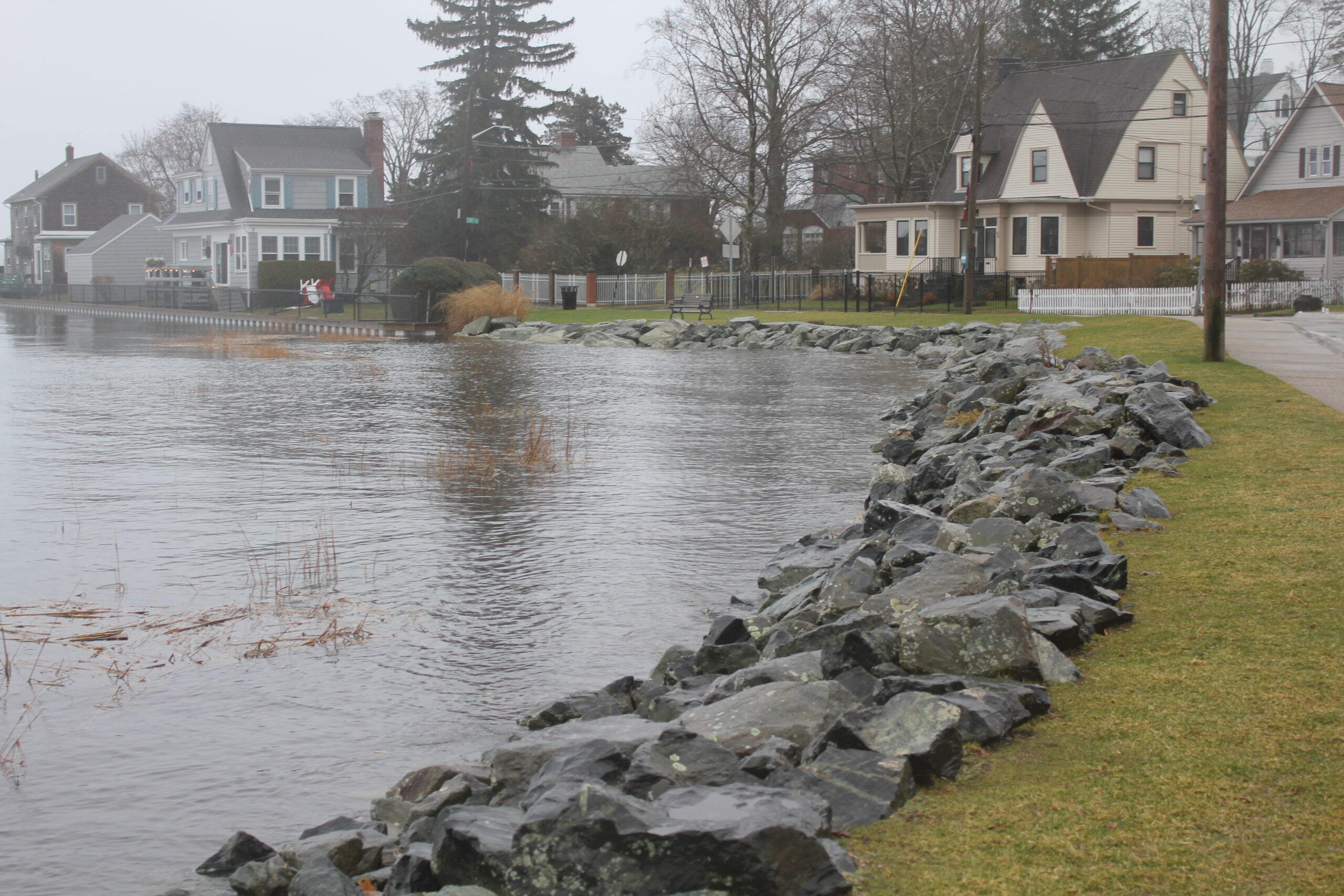
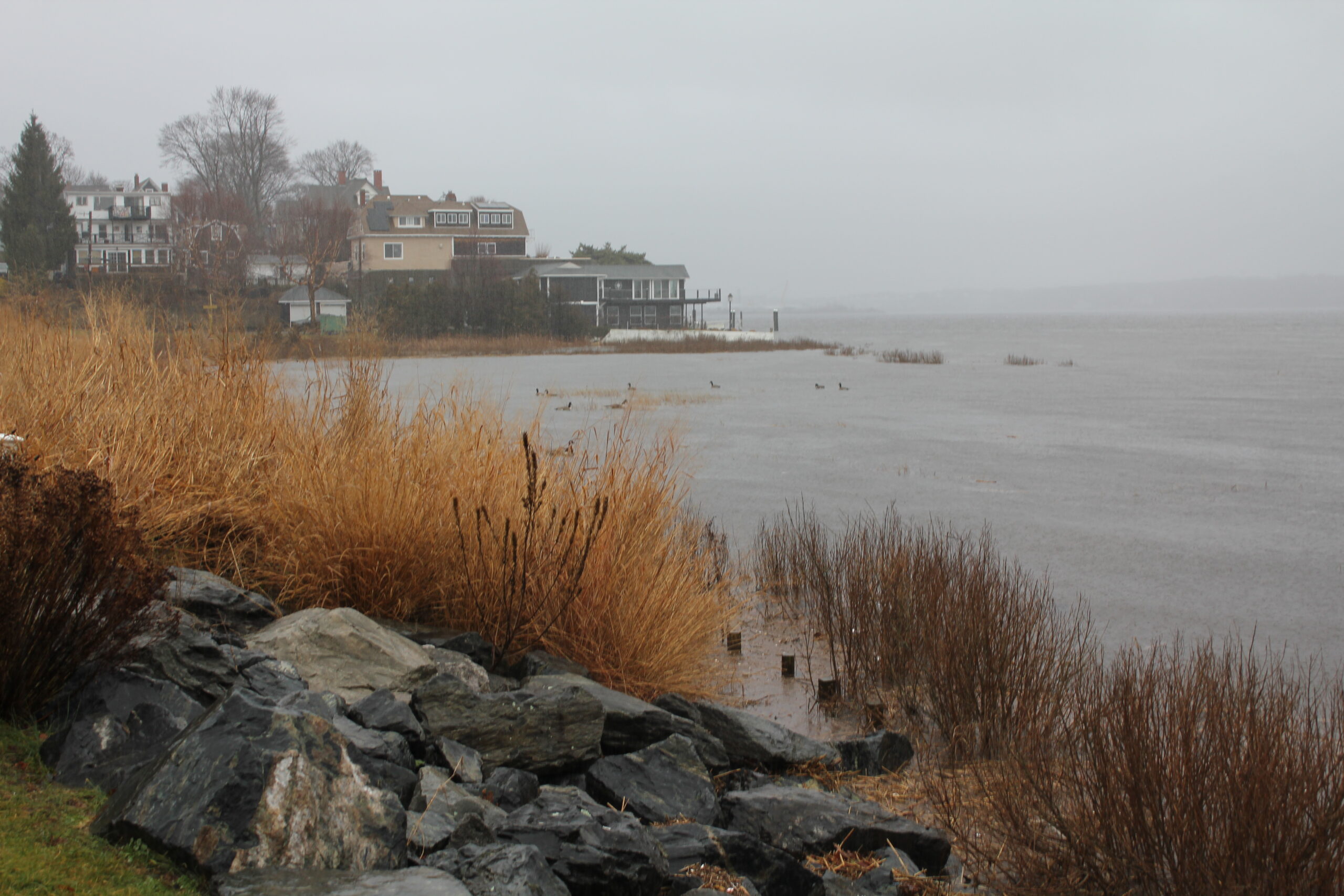
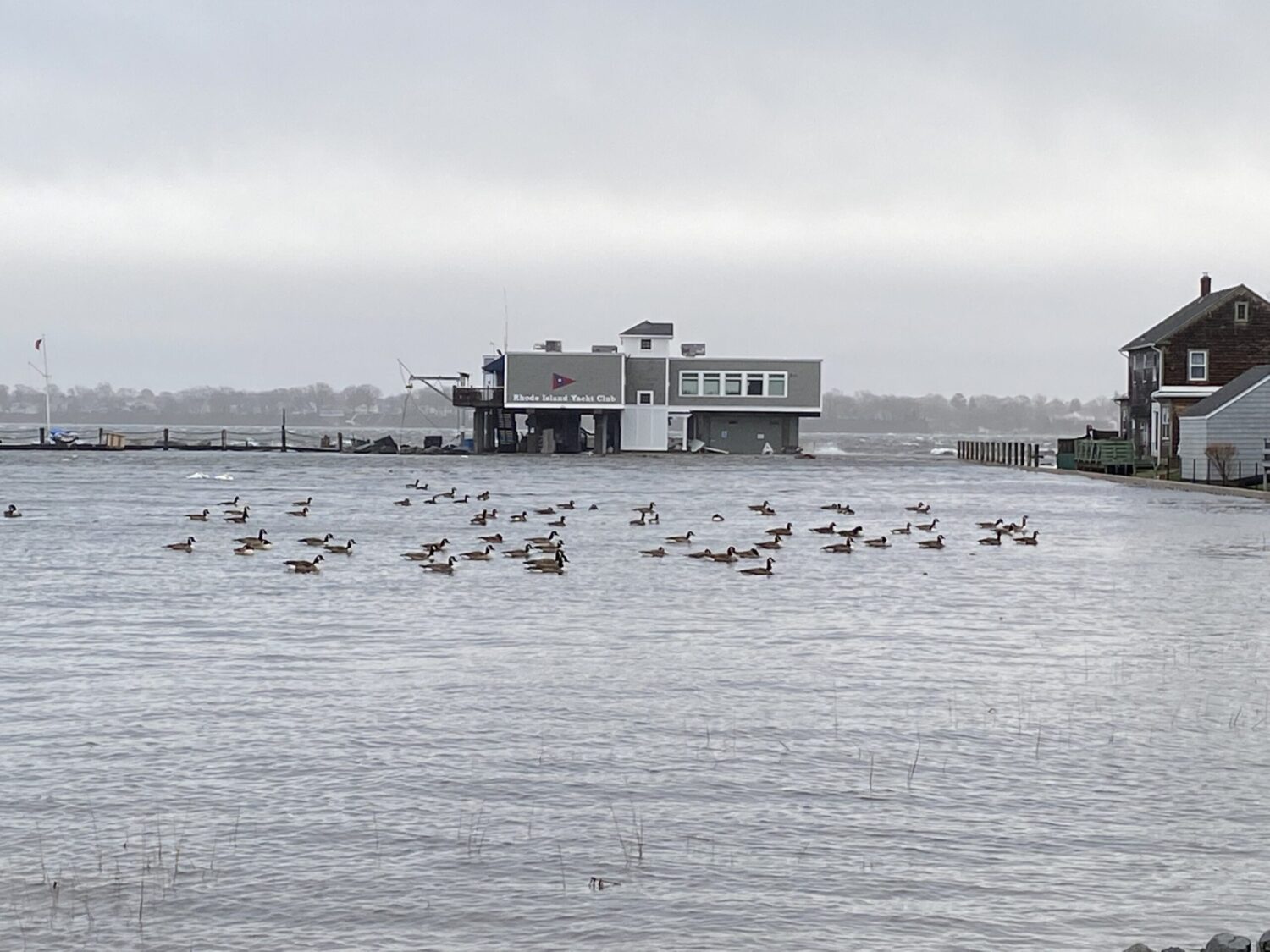
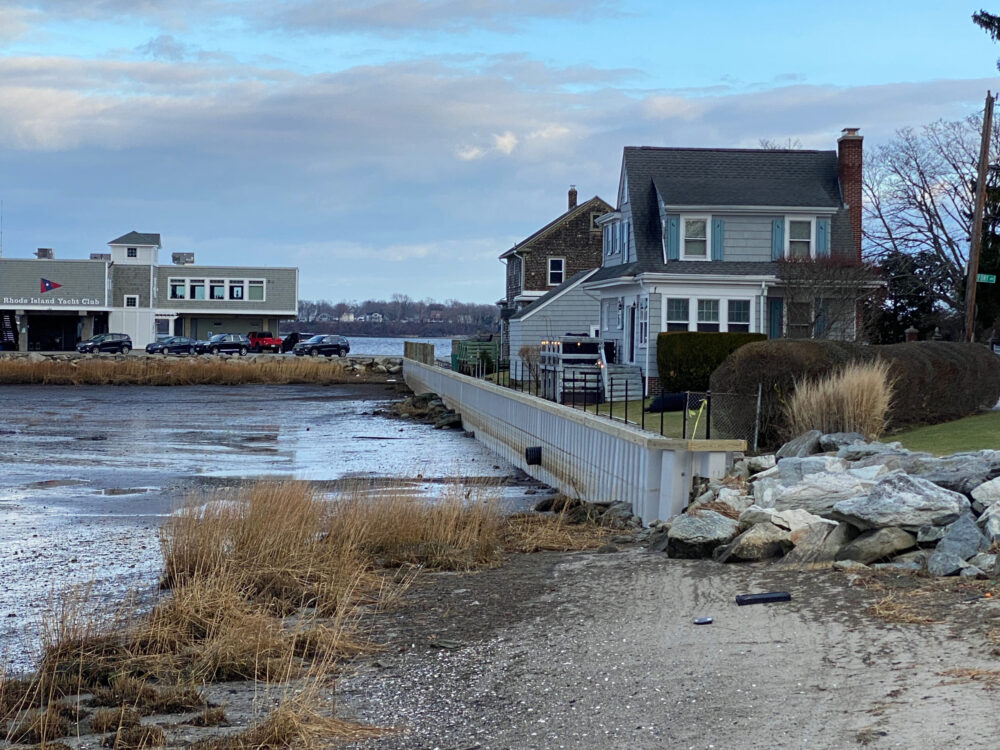
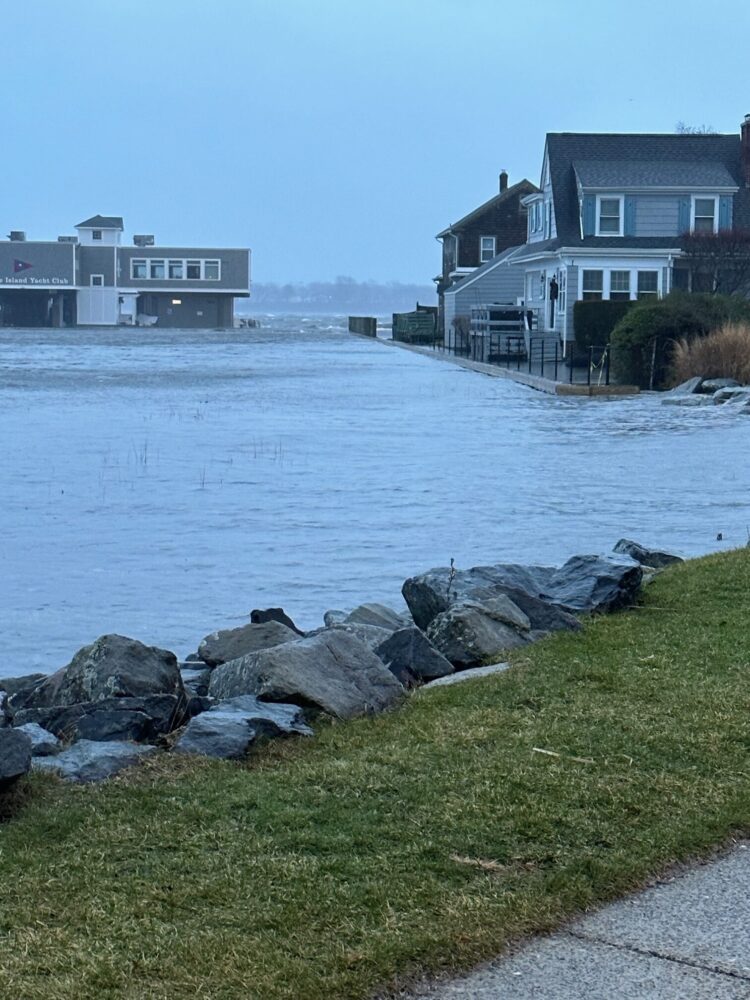
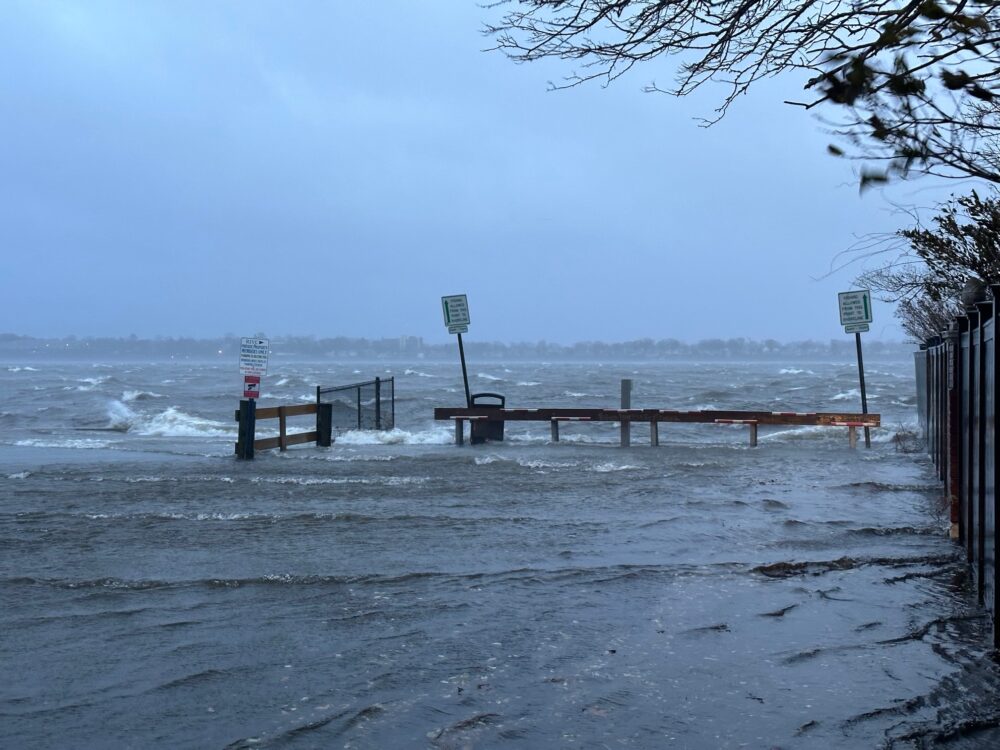
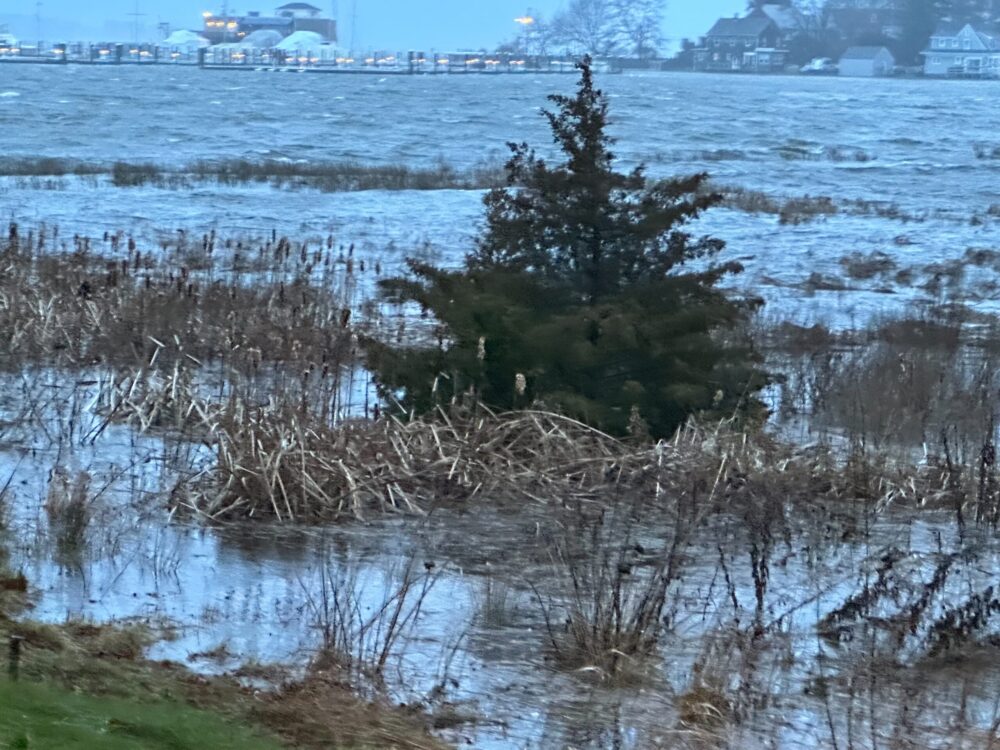
The high water levels and winds of the December 23, 2022 storm drew parallels to Super Storm Sandy in 2012. We voiced our concern that it had undermined Stillhouse Cove Park’s embankment. But this winter, within less than two months, we have experienced three storms with almost equivalent tide levels and flooding. The storms took place on November 22 and December 18, 2023 and January 13, 2024.
Ocean Avenue is floodedRhode Island Yacht Club is engulfed.The Park’s vulnerable bank is inundated.
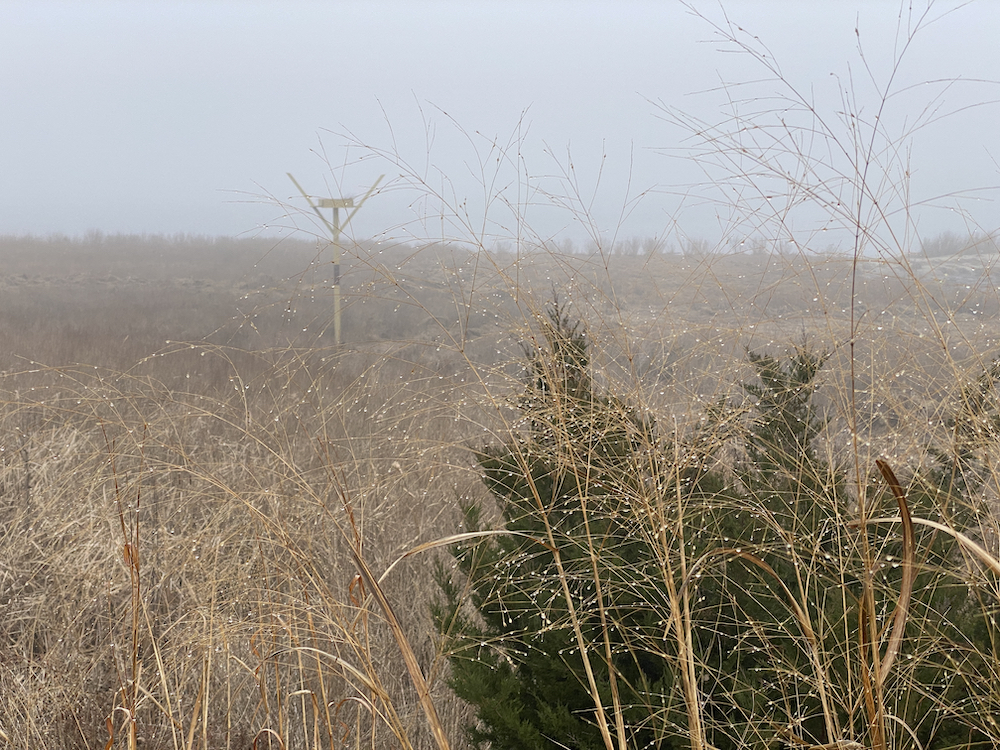
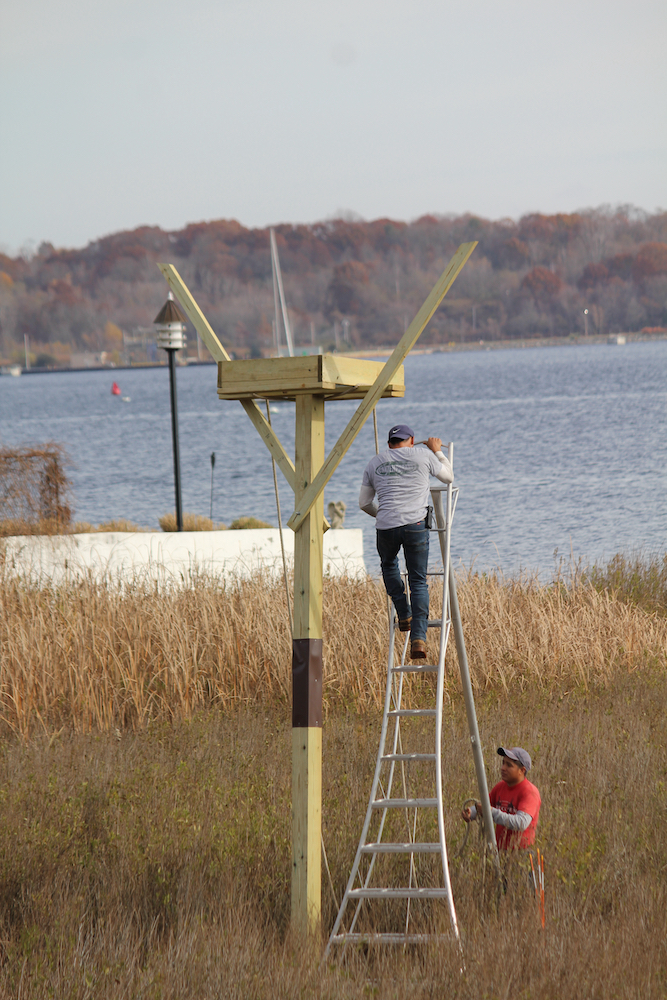
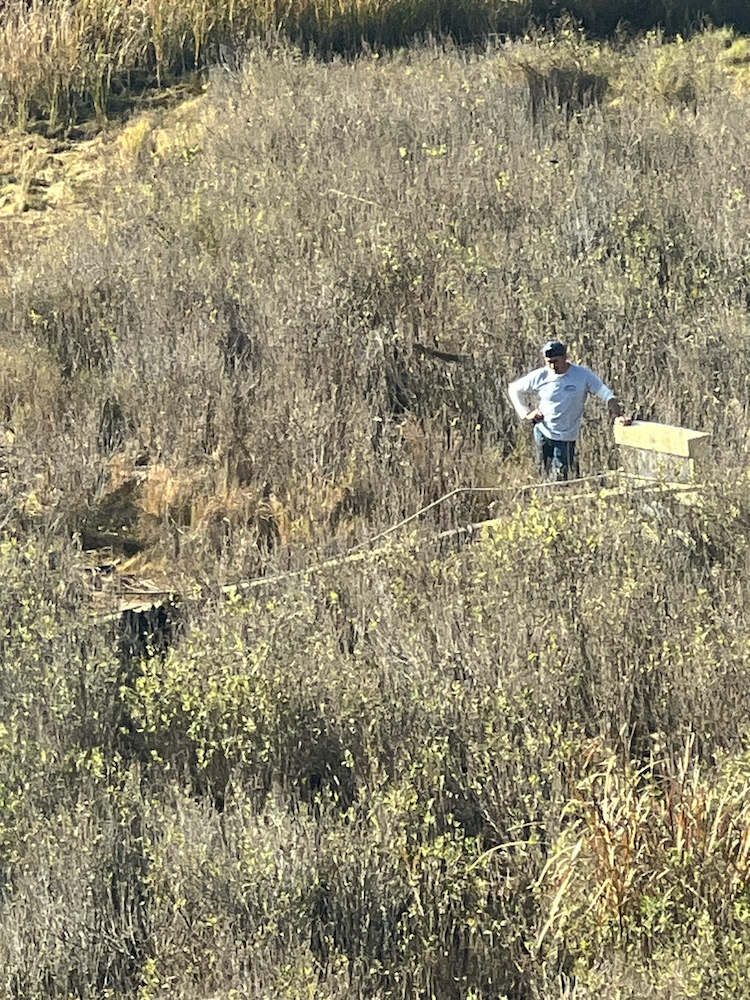
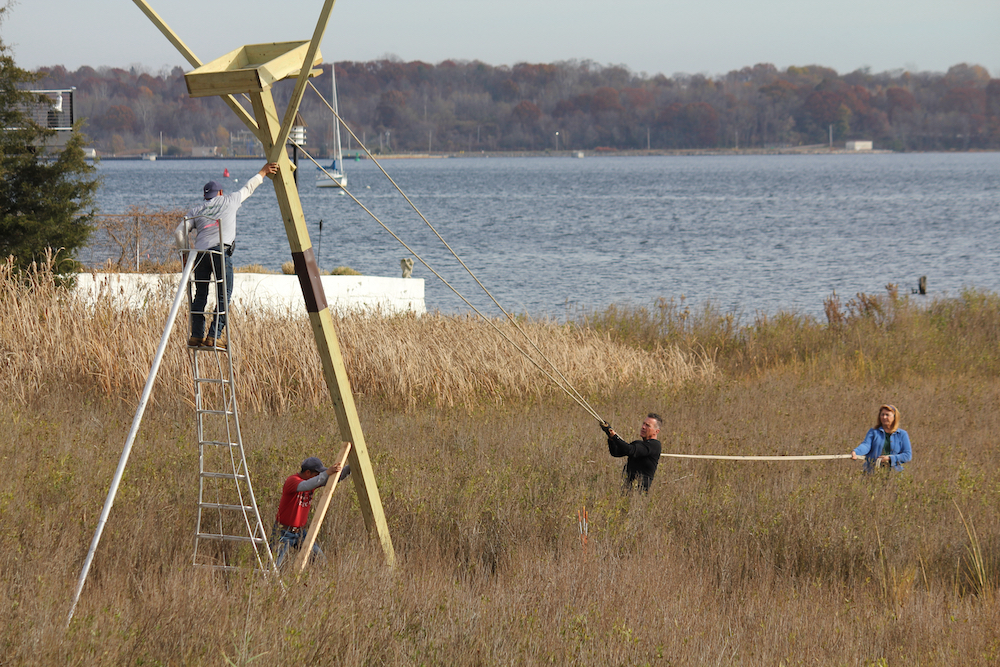
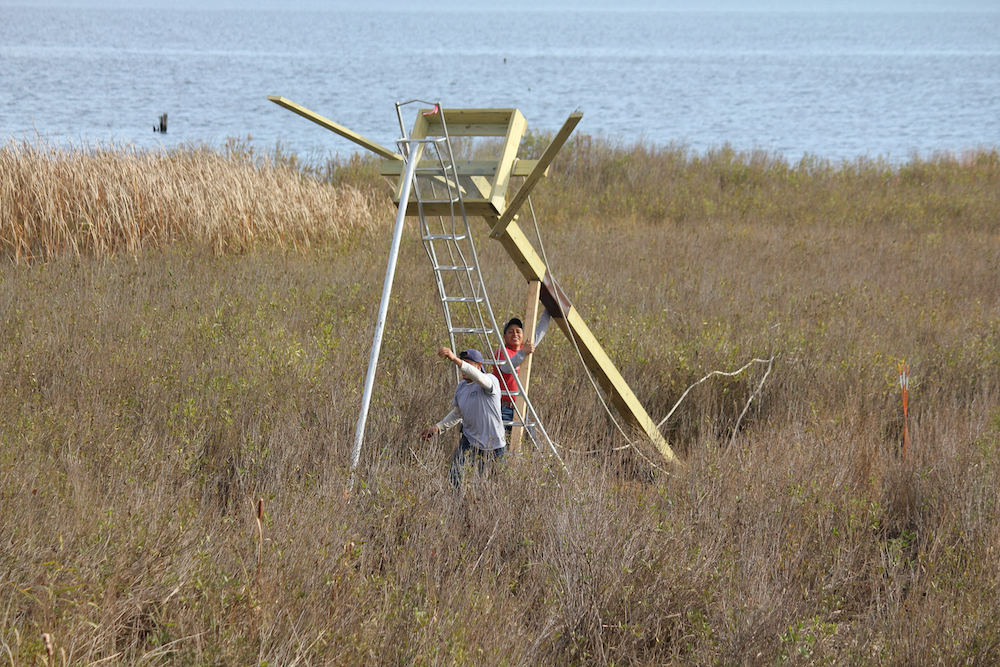
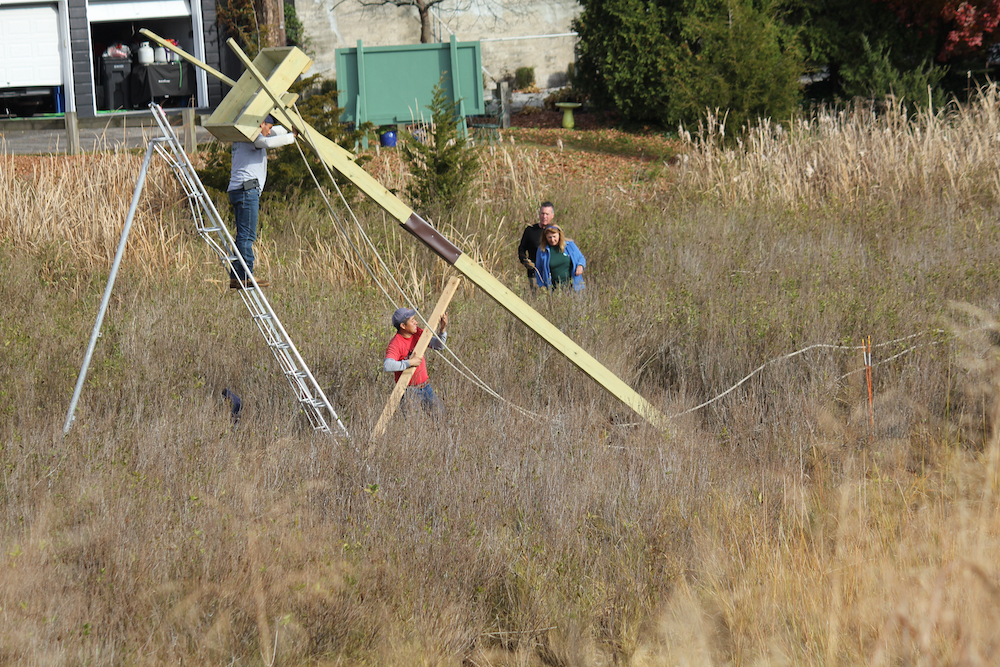
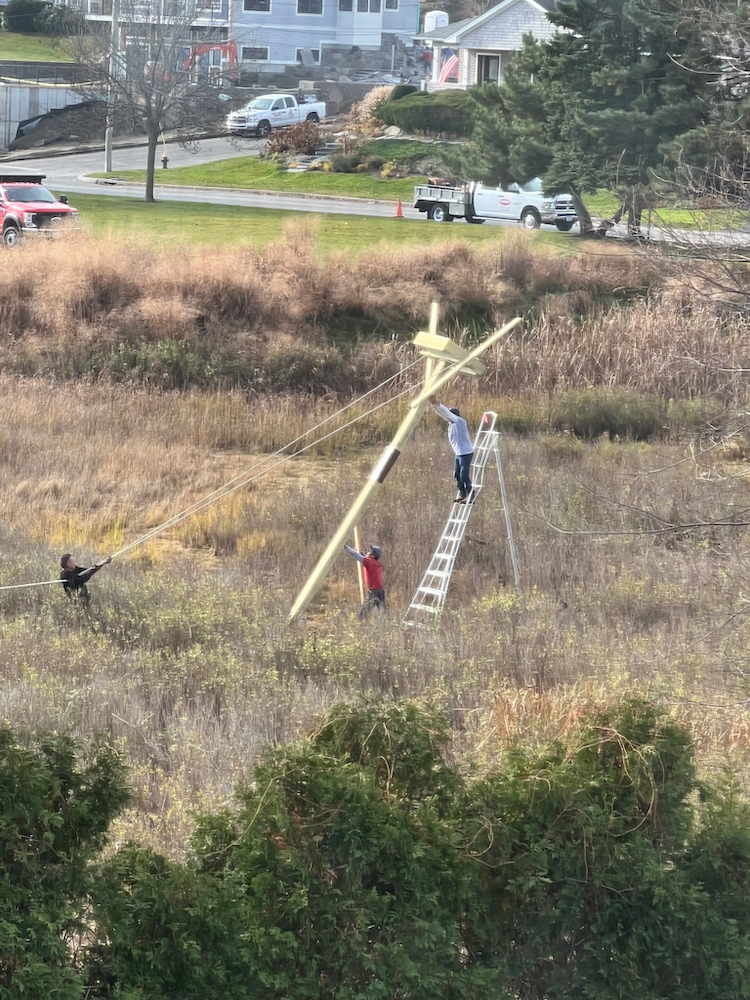
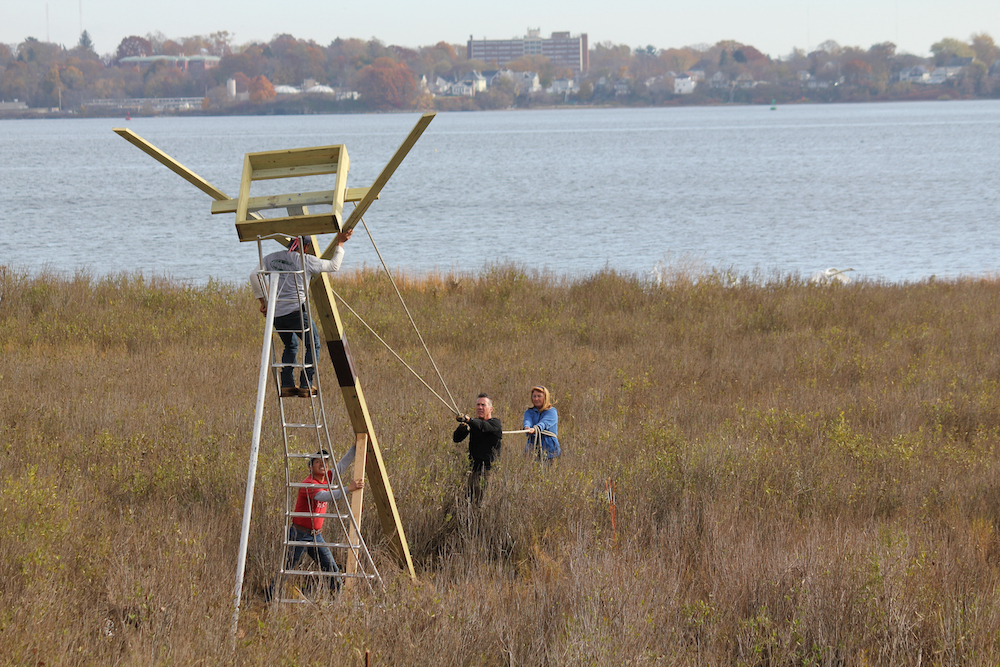
We’ve all heard of Rhode Island’s housing shortage. According to the Rhode Island Audubon Society, it also applies to our local water raptors. Consequently, the Edgewood Waterfront Preservation Association (EWPA) recently erected a nesting tower in Stillhouse Cove Marsh. Qualified tenants will be welcomed next Spring.
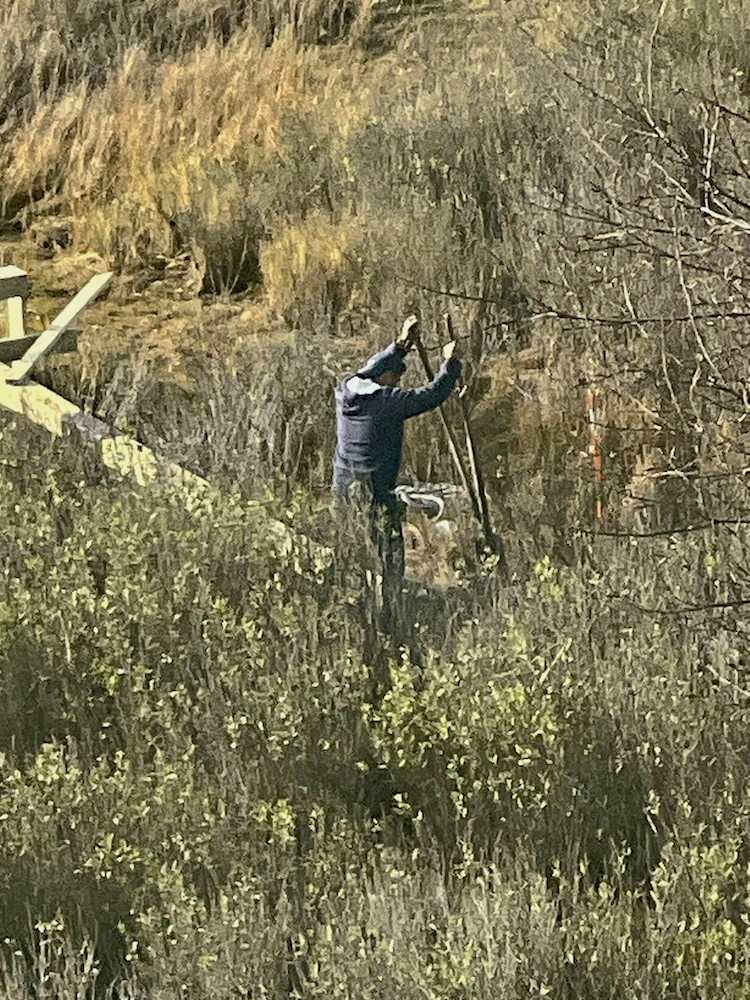
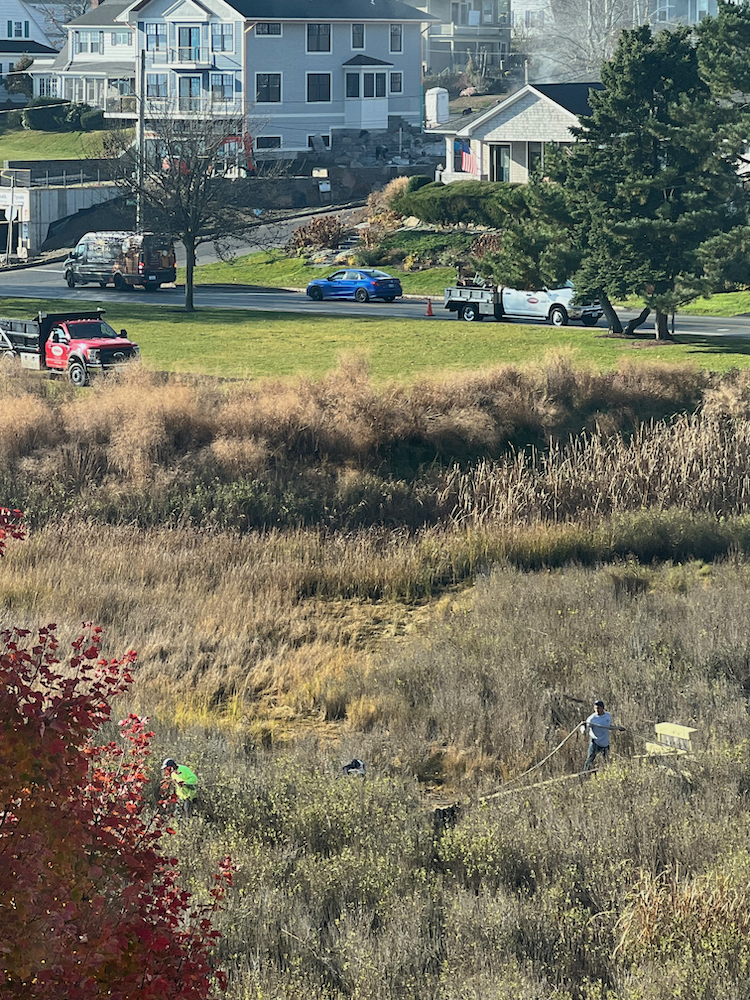
EWPA worked with Charles Clarkson from RI Audubon and Wenley Ferguson of Save the Bay to identify the most suitable site in the Marsh. EWPA purchased the materials and volunteer Charlie assembled the platform and post. We obtained a permit from the RI Coastal Resources Management Council (CRMC). And just prior to Thanksgiving, Eddy and Augusto from Contemporary Landscaping dug a hole for the post and erected it during a low tide with strong assistance from EWPA board member Donna and new neighbor John.
We need your help to reinforce the embankment of the Park that has been eroded due to recent flooding. This will be EWPA’s major focus during 2024.
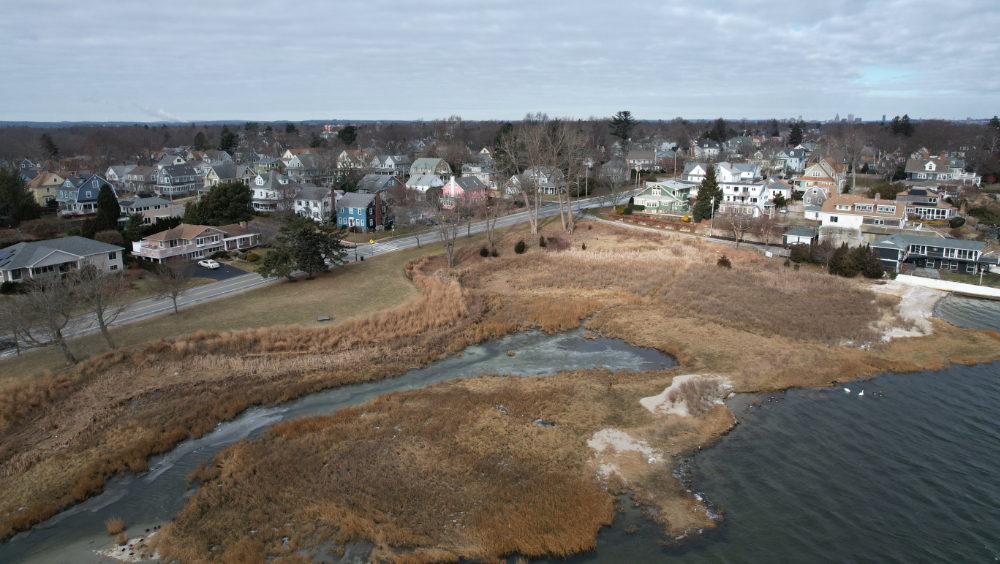
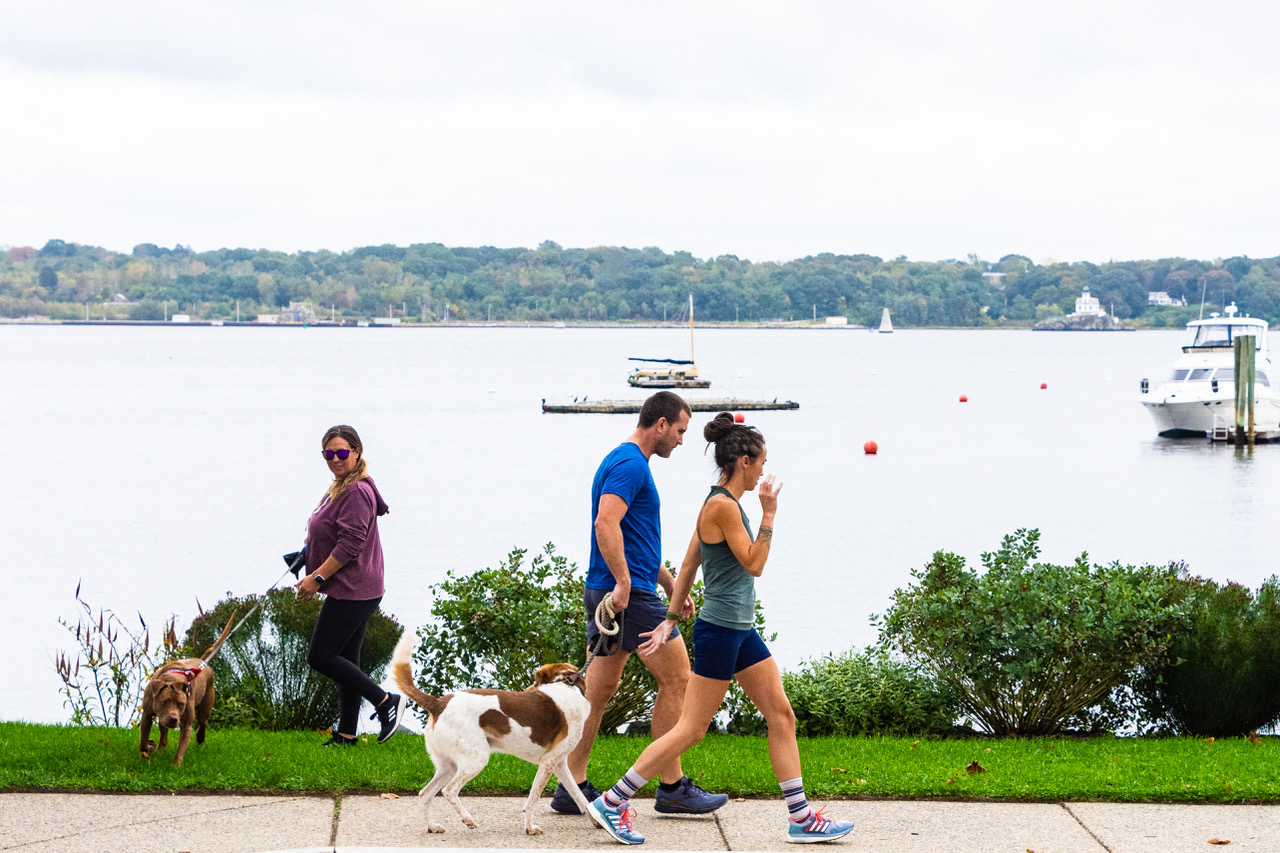
On any given day, our neighbors and friends from Cranston and the surrounding communities enjoy Stillhouse Cove in many ways. They participate in yoga classes, walk dogs, take prom pictures, and access the shoreline or Narragansett Bay via the boat ramp. The Park and Salt Marsh are the focal point of the neighborhood and its popularity grows each year due to environmental restorations and landscape improvements made to this property over the years.
Stillhouse Cove Park and Salt Marsh
While we all enjoy the beautiful views this site provides, what most visitors don’t see is the hidden damage to the shoreline and marsh from increasingly common extreme weather. The daily news of the consequences and dangers of climate change seem to happen elsewhere, not here. But that is not the case. Coastal erosion is putting our own salt marsh and cove at risk in places not visible to local residents and daily visitors. As stewards of Stillhouse Cove for almost three decades, the Edgewood Waterfront Preservation Association (EWPA) wants you to know about it and to ask for your help.
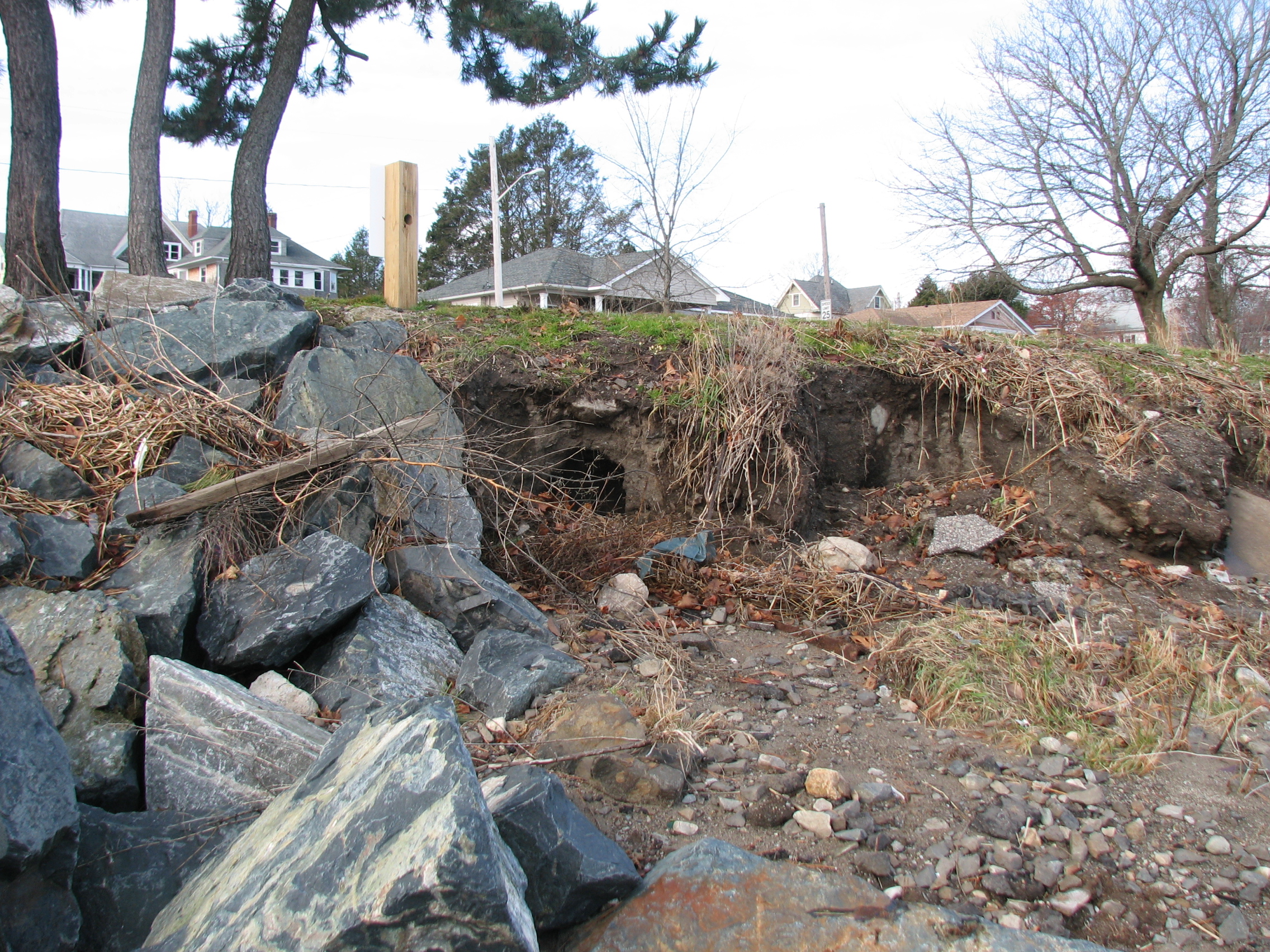
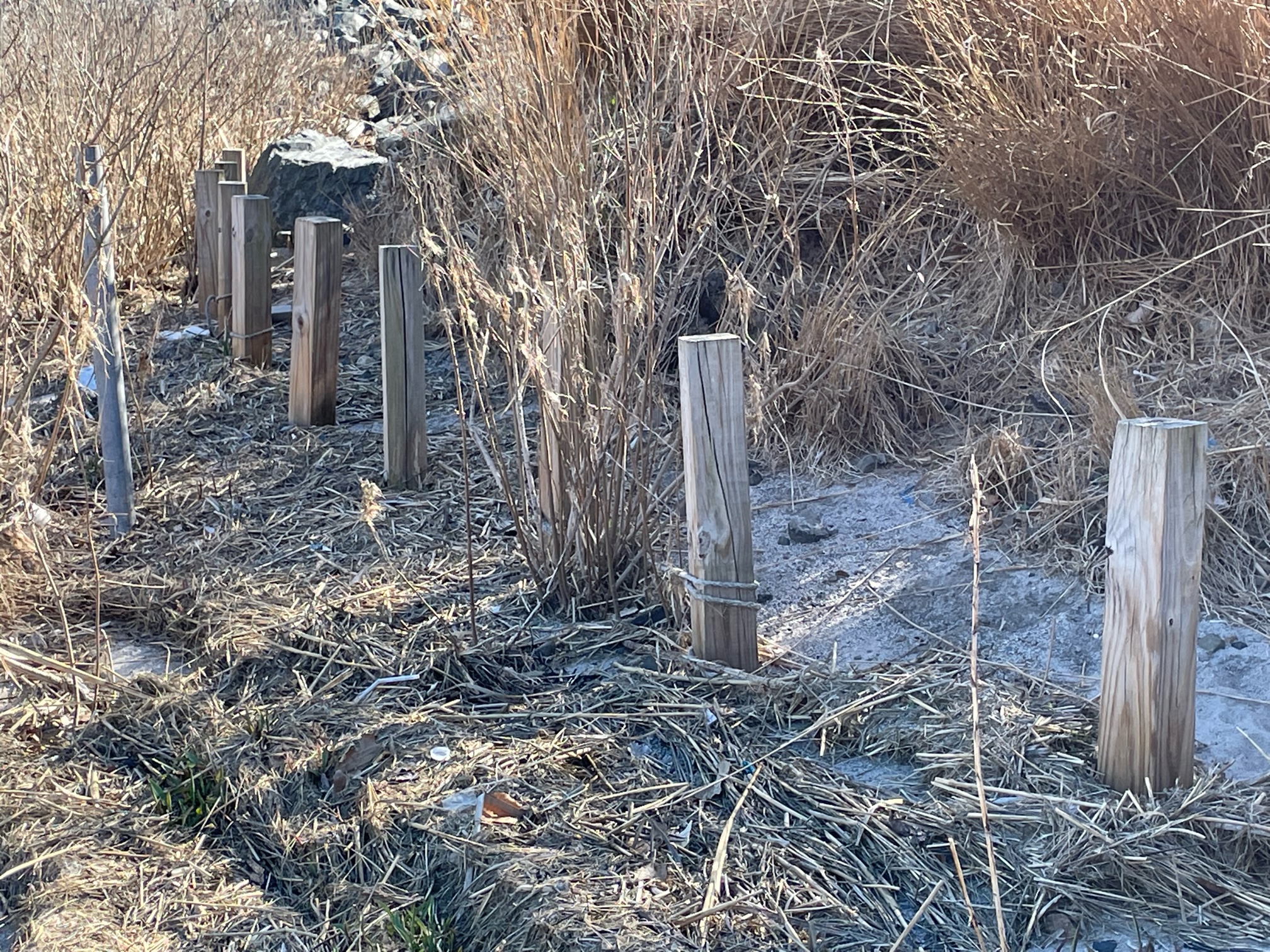
In December of 2022, the extreme storm that flooded the RI Yacht Club and lower Ocean Avenue pounded the salt marsh. Waves crashed against the banks of the Park, topped the seawall recently installed by the Yacht Club, and flooded the eastern end of the Park at Ocean Avenue. The high tide and crashing waves caused extensive hidden damage to the embankment and the underlying infrastructure that preserves it. In 2013 the EWPA obtained Federal funding to repair damage from Superstorm Sandy that had washed away ten feet of the Park shoreline. With technical input from the Coastal Resources Management Council and Save the Bay, funds were used as part of a “pilot” project to change the slope of the embankments and stabilize the area with custom designed “coir envelopes” that project partners hoped would protect the area from worsening erosion. And it worked for ten years, until it didn’t.
2012 Damage to the embankment caused by Super Storm Sandy
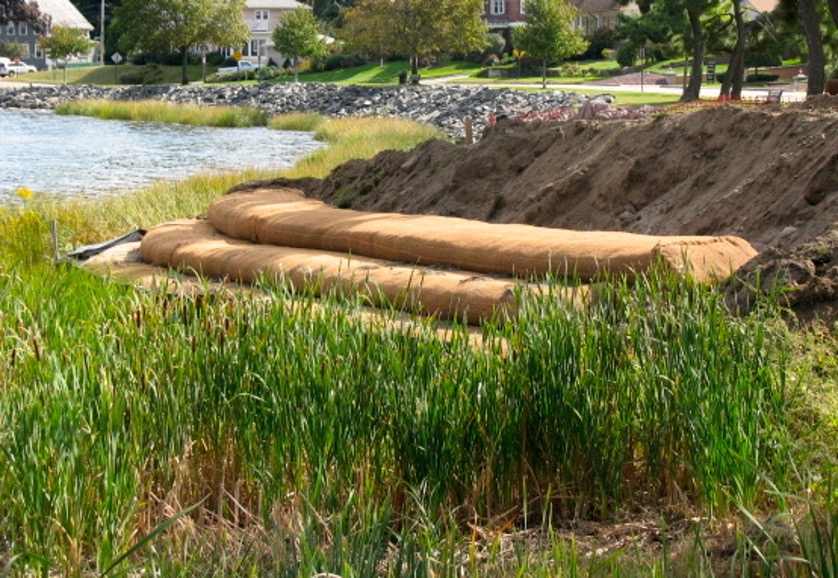
Coir is a natural material made from coconut fibers that is biodegradable. The fibers are woven together to form rolls of fabric that are then turned into custom designed sand filled envelopes that are strategically contoured along the shoreline. Starting at the level of the marsh, each of these envelopes, or “burritos” (as we called them back then) are stacked one upon another with a setback of a few feet. It is the setback that creates a “staircase” like structure that ultimately creates a slope that is more dissipated and a stronger defense against wind-driven waves and rising tides. The bottom coir envelope forms the foundation for the subsequent steps that reconstruct the walls of the Park. The storm that occurred on December 23, 2022 washed away the bottom step of our hidden staircase and this extensive hidden damage now puts the embankment holding up the Park at risk.
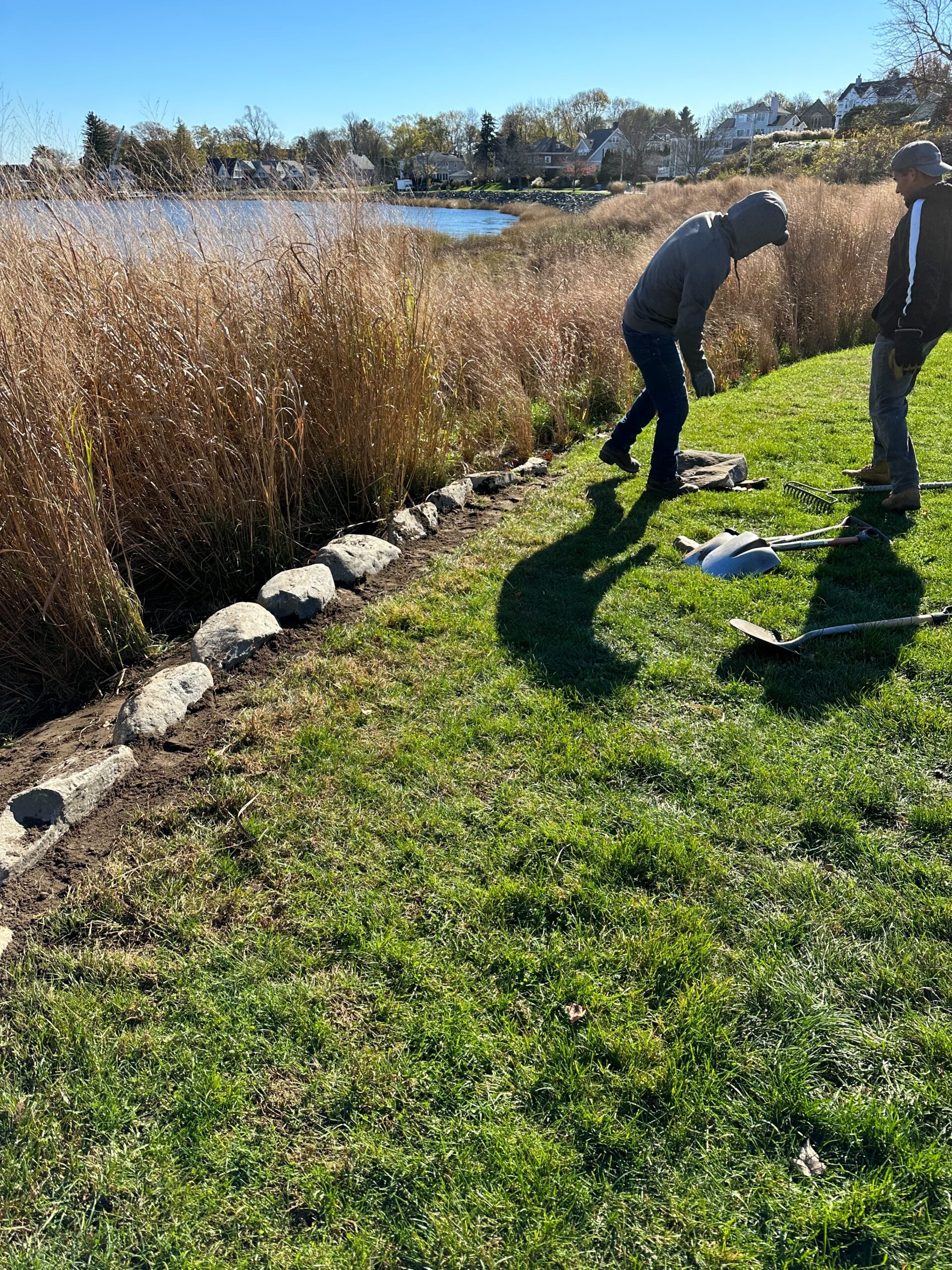
The embankment and damaged coir envelopes need important repairs to avoid significant damage to the Park. We need to create a new “bottom step” that is secure enough not to wash away. Two years ago, when a northeast storm was predicted, the EWPA tried to shore up the bottom of the embankment with another product made from coir, coir logs. The logs, bought in New Hampshire and transported by Ray Mooney of Pawtuxet Cove Marina, were installed by a contractor hired by EWPA. Dislodged during a severe storm, they were reinstalled by EWPA volunteers and neighbors during one of our shoreline cleanups. Given all the maintenance performed on the embankments over the past ten years by EWPA, the coir envelopes worked longer than anticipated but were no match for the storm on December 23, 2022.
This past spring EWPA reached out to some of our previous partners from 2013 and sought opinions on the damage we observed. The contractor who installed the coir envelopes in 2013 came to the site to meet with us and Save the Bay to assess the impacted areas. A plan to repair the embankment with an estimate to do the work was generated that day and the costs are significant and need to be done as soon as possible. The work to protect the banks again will be more challenging this time because the slopes are already vegetated and no machinery is allowed in the tidal zone of the marsh. New material will need to be installed in front of what remains of the coir envelopes. The materials will be either new coir envelopes or larger, more substantial coir logs that are secured with stronger supports to keep everything in place.
Wenley Ferguson of Save the Bay and Dave Lager, Team Leader at SUMco, assess the damage.
Plants will need to be installed into the new structures and in front of them to add more protection from strong waves and higher tides. Since coir is biodegradable and sunlight hastens its deterioration, covering the structures with soil and planting into them again will help prolong their effective life. All of this work must be done by hand or done with machinery positioned at the top of the bank.. We will not know until construction begins how much of the Park will be impacted from this repair. It is safe to assume from our previous experience that there will be damage to the lawn and that some portion of the Park will be off limits for a while.
Although we don’t know when the next severe storm is coming, we know it is inevitable and we have an obligation to do all we can to save this beautiful spot which is enjoyed by so many in our community. Please visit www.stillhousecove.org to follow the work being done by your neighbors and friends who donate their time and resources to protect this historic property that is so environmentally fragile. Stillhouse Cove Reservation was created in 1915 by the Metropolitan Park Commission. It has been owned by the City of Cranston since 1984 and officially adopted by the Edgewood Waterfront Preservation Association since 1996.
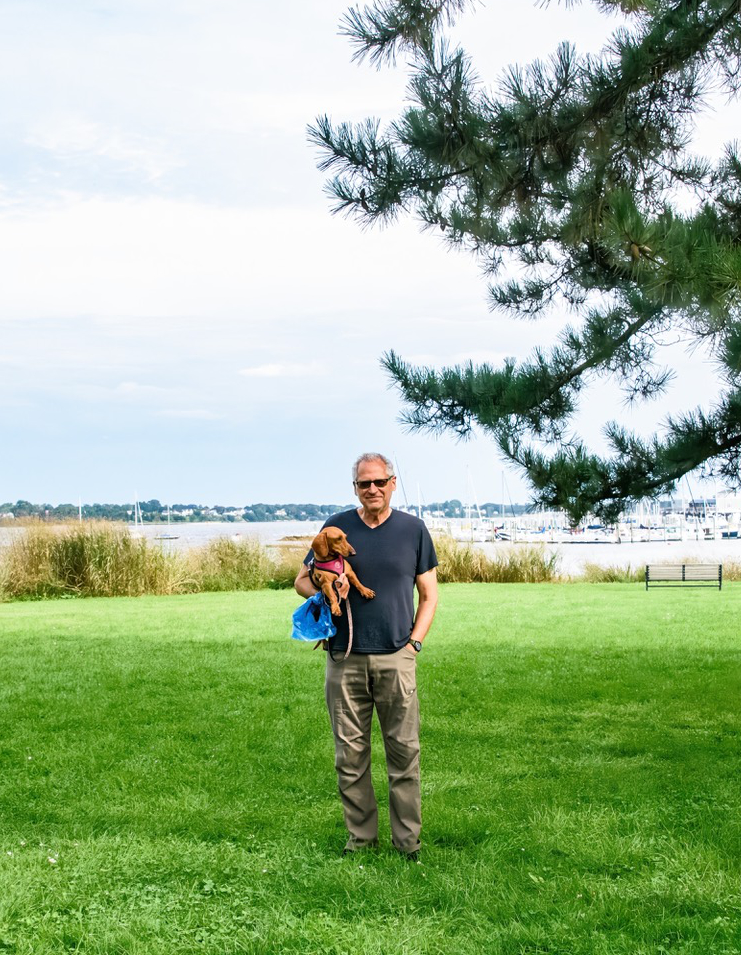
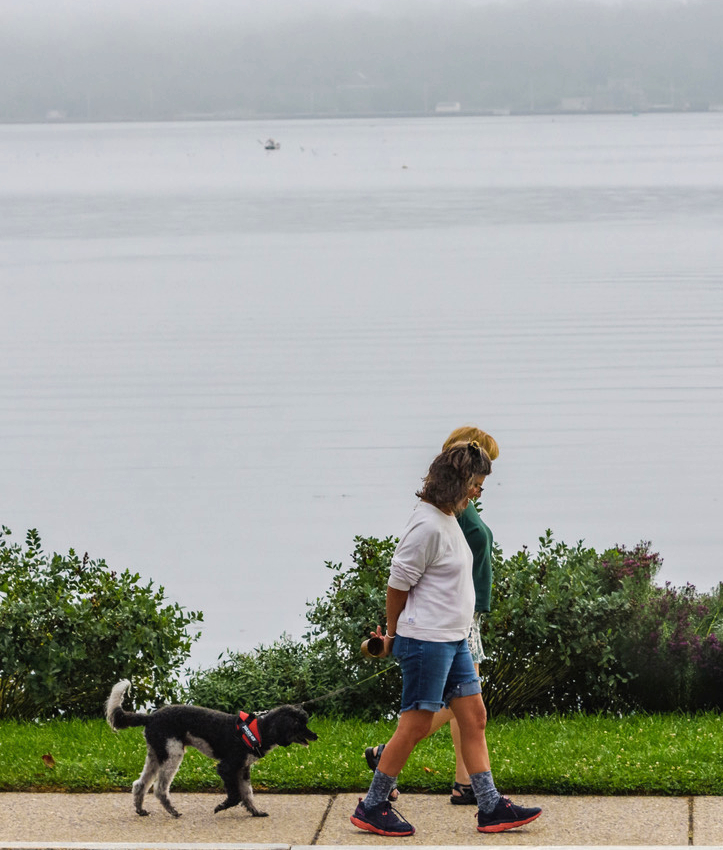
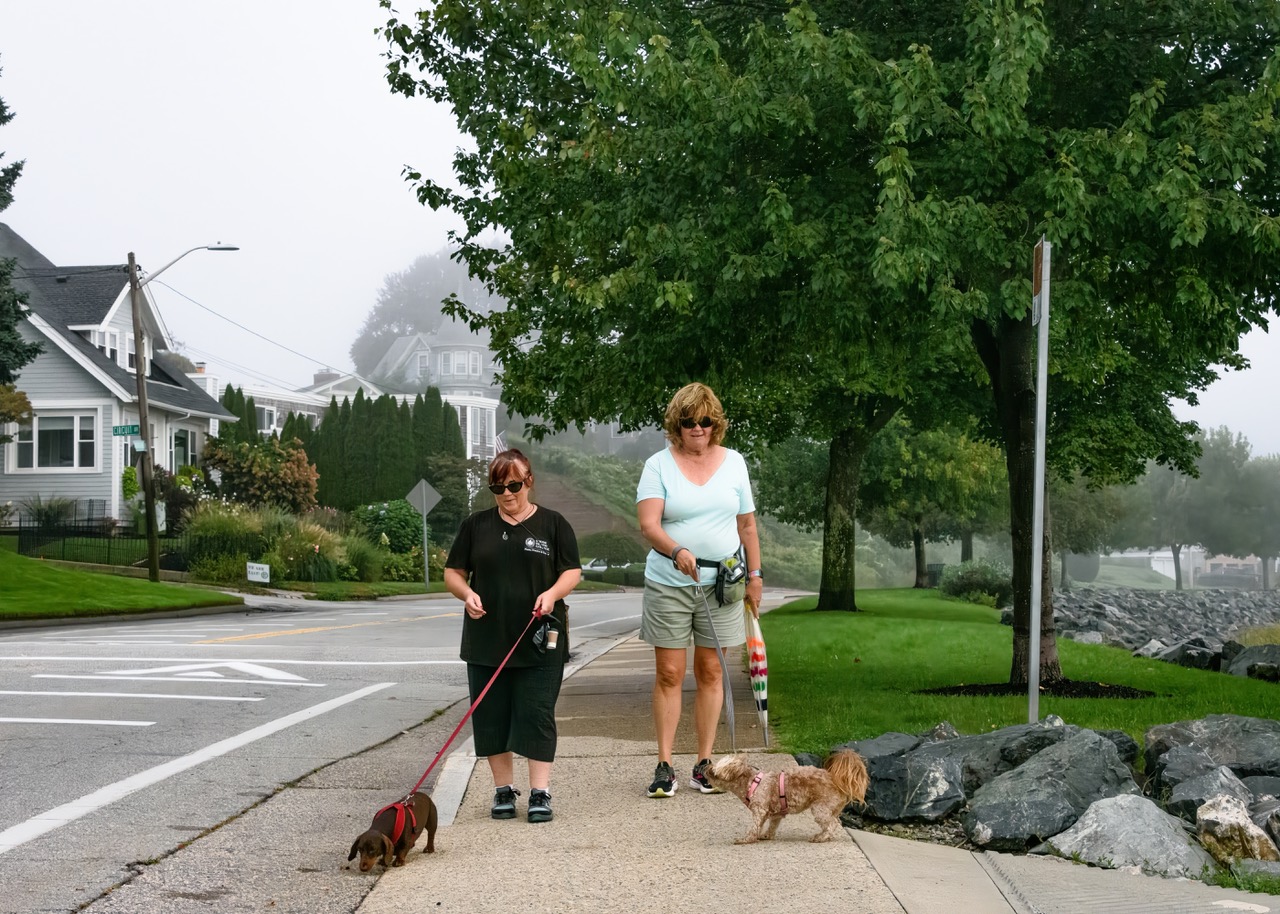
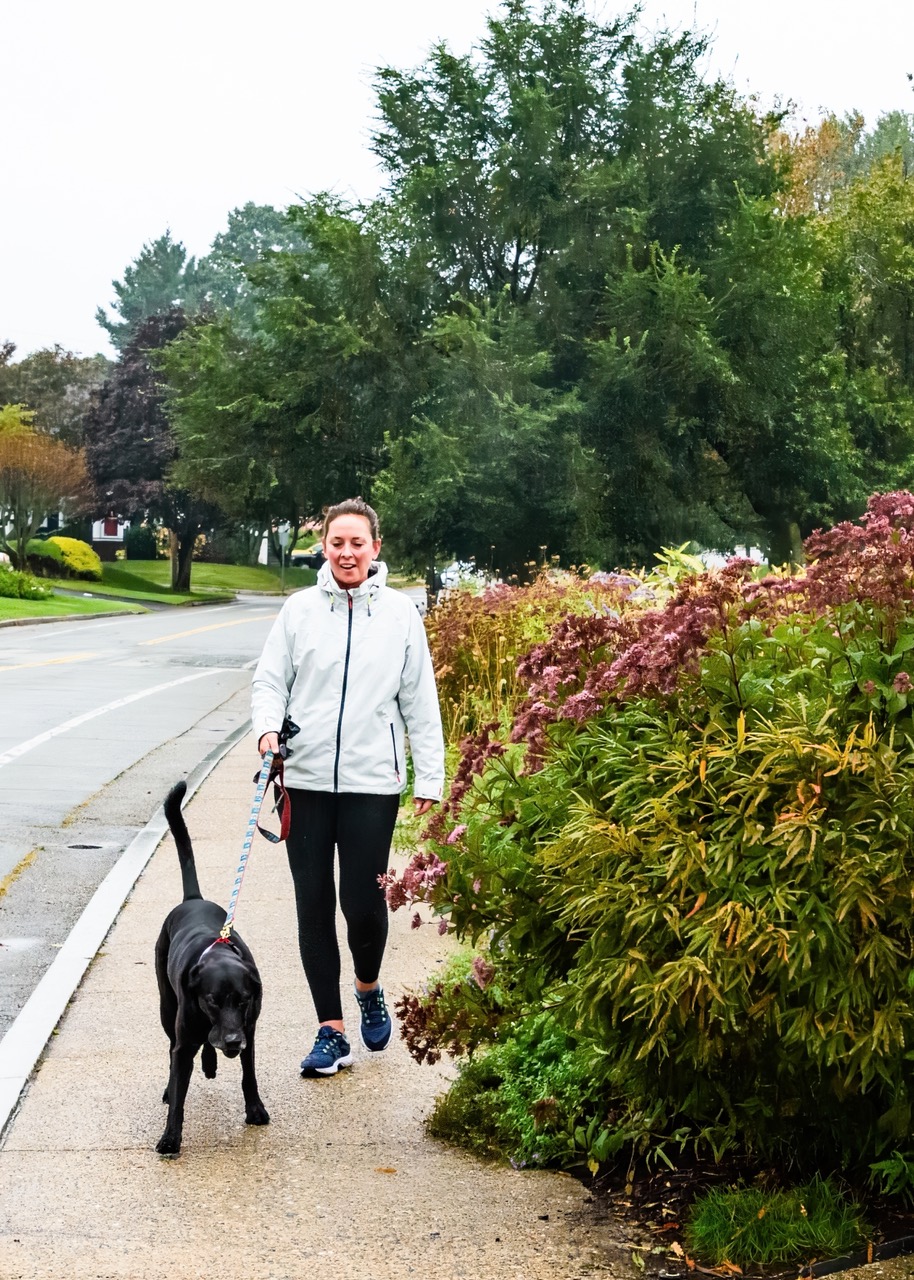
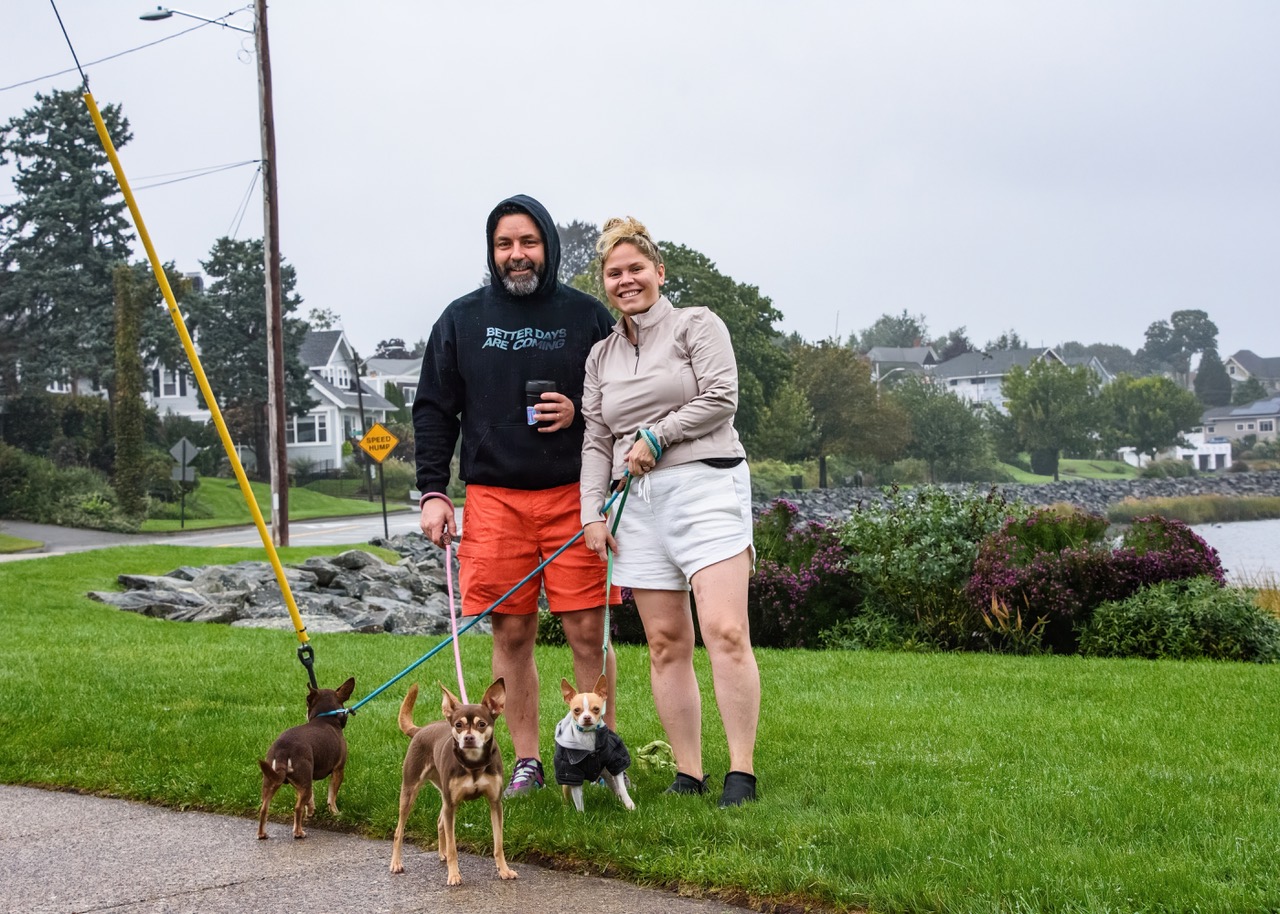
According to the AVMA, Rhode Island ranks 46th in the nation in dog ownership with only 26% of households having a mutt (Idaho is first with 58%). You certainly wouldn’t know that in this neighborhood! Every day, Stillhouse Cove Park is the destination for multitudes of Edgewood’s dogs and their owners who know each other through their pets. EWPA volunteer Ray Mooney regularly stocks the dog waste bags in the several dispensers next to the Park. Some of us can remember a time when owners did not pick up after their dogs. Thankfully that practice is long gone and everyone participates in keeping the beloved waterfront area pristine.
On September 23, more than 33 volunteers braved the rain and showed up to clean the shoreline at Stillhouse Cove. The event was one of many such cleanups throughout Rhode Island coordinated by Save the Bay.
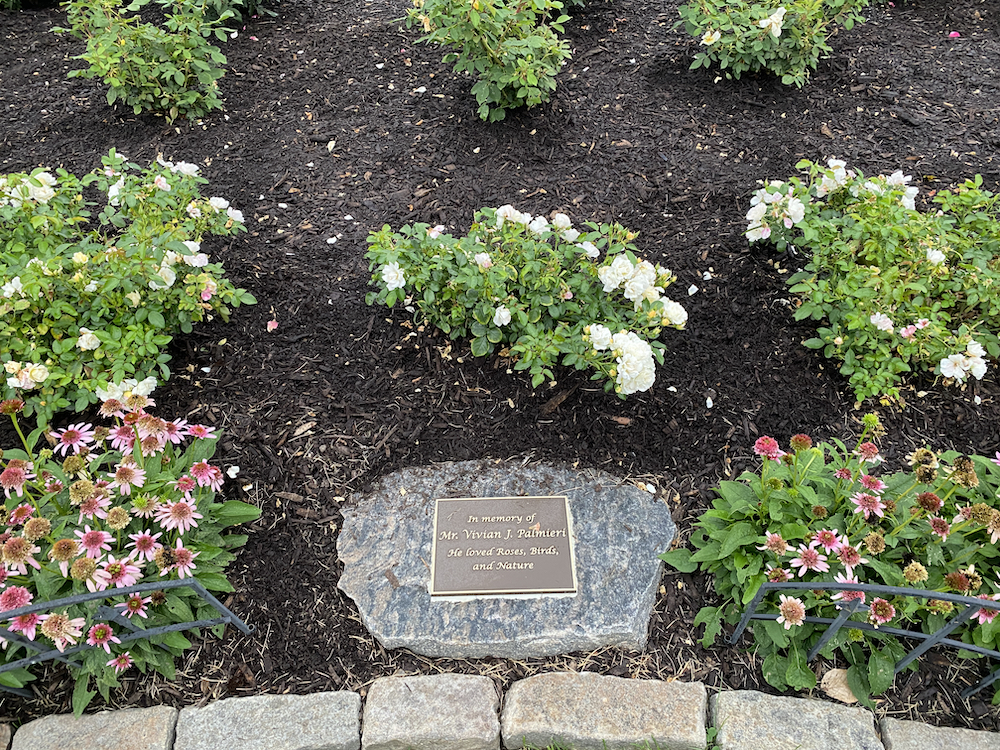
On August 15, 2023, John Murphy, a trustee of the Palmieri Trust, met with the EWPA board to review current work and to hear about upcoming projects at Stillhouse Cove. The Trust funded the rose garden and has been a generous supporter of our efforts to improve and maintain the park for several years. Mr. Murphy, a former resident of Edgewood with deep roots in the community, is very familiar with the history of Stillhouse Cove and commented on the transformation of the park and wetland area over recent years. The entire board was present and appreciated the opportunity to meet with Mr. Murphy.
The trees in Stillhouse Cove Park that provide us with shade and beauty require constant care and EWPA and its partners have recently performed several critical tasks.
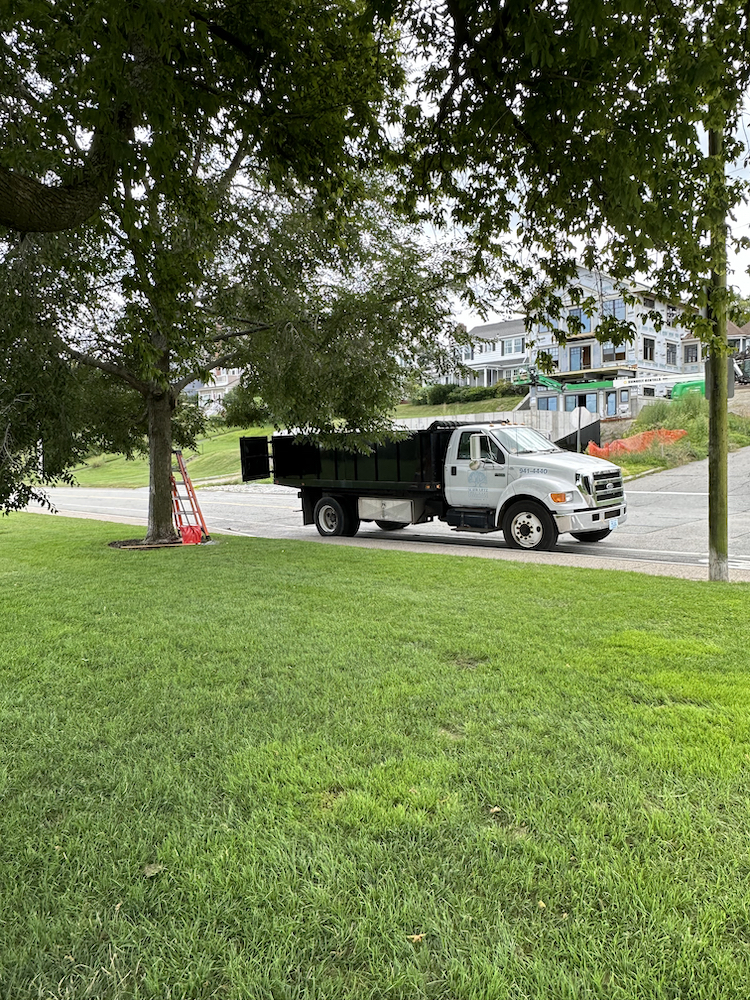
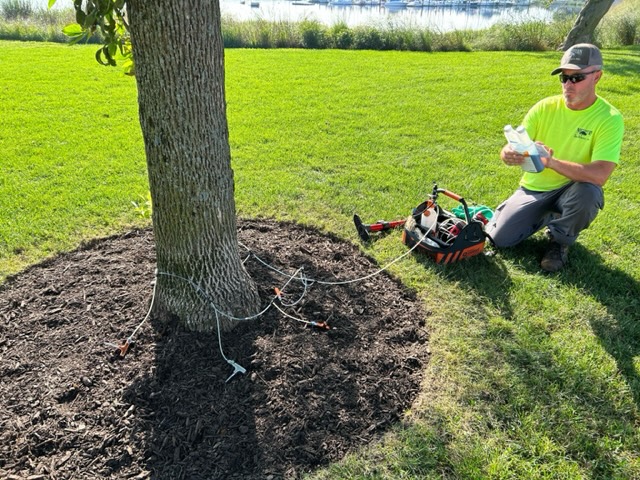
Three Ash trees were treated on 8.12.23 for Emerald Ash Borer. One tree was already infected, but treatment should help prevent further damage. Damaged parts will need to be pruned to make the damage less noticeable. Steve and Scott of Northeast Tree made the injections which were paid for by City of Cranston through the funds available to the City Tree Warden John Skorupski.
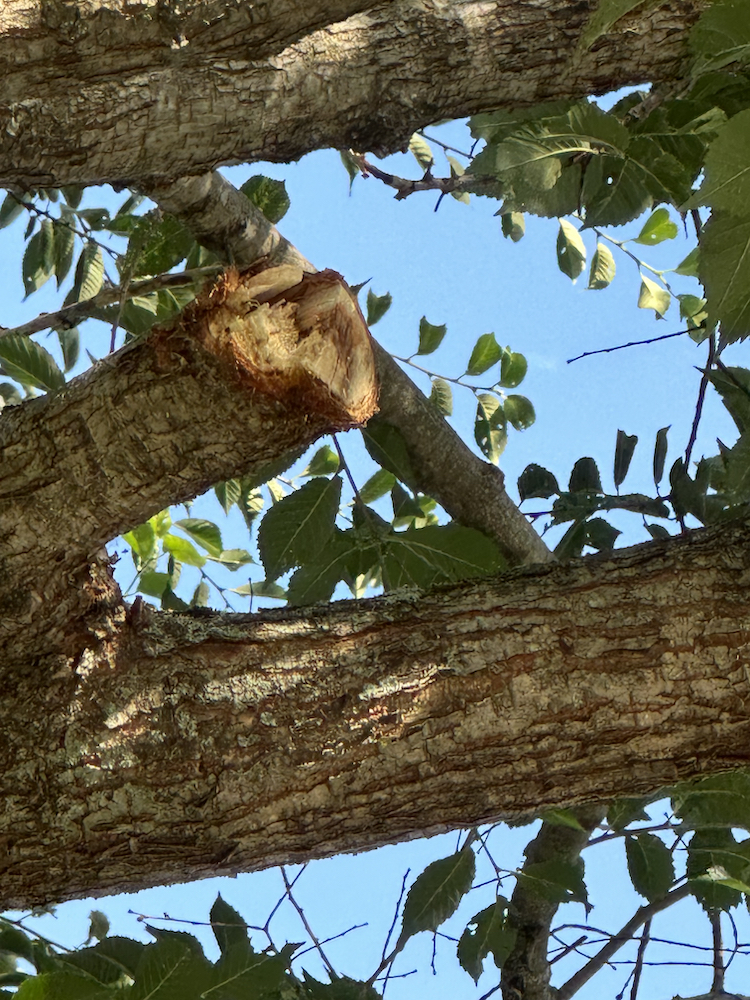
Schwartz Tree and Landscaping donated services trying to repair several bad pruning cuts performed at some point on these same Ash trees in an effort to limb up low lying branches.
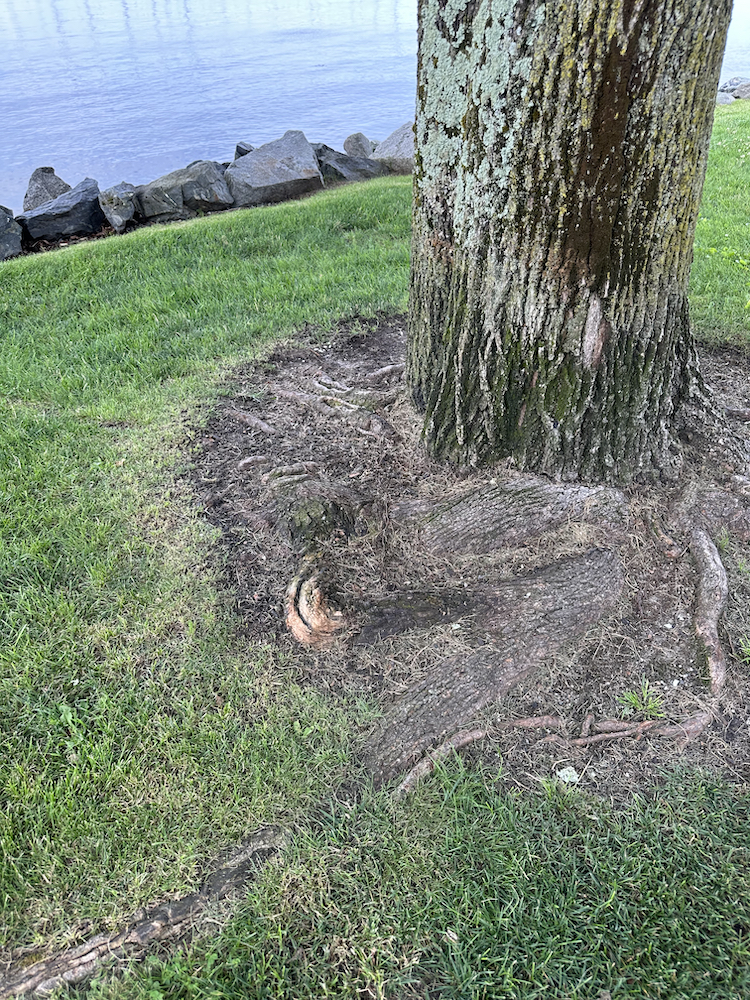
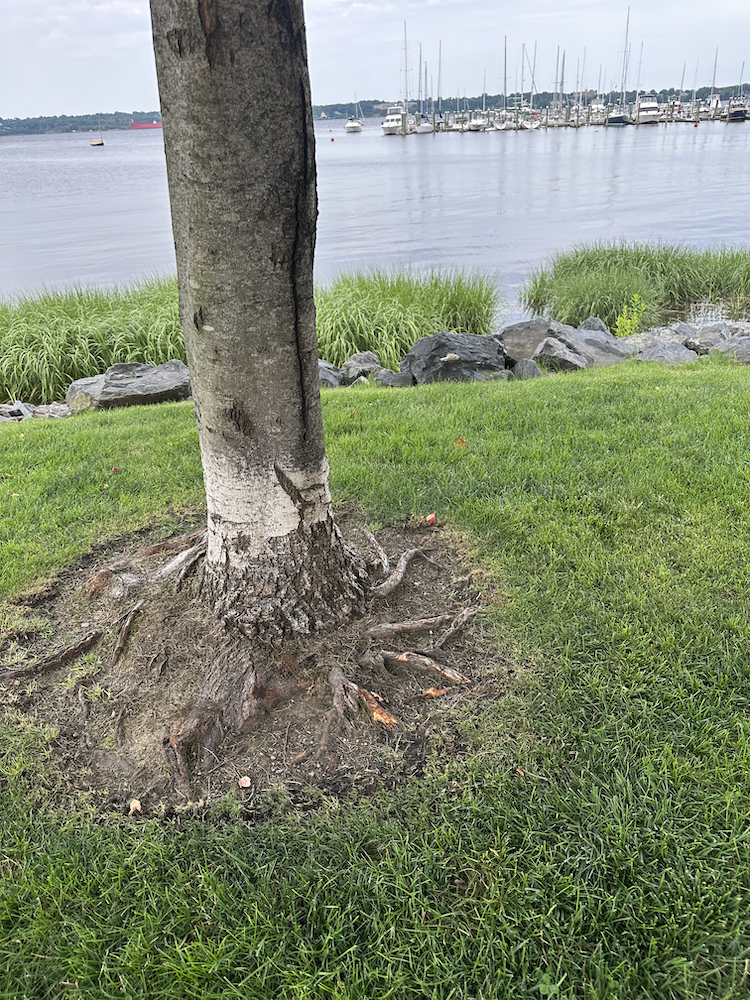
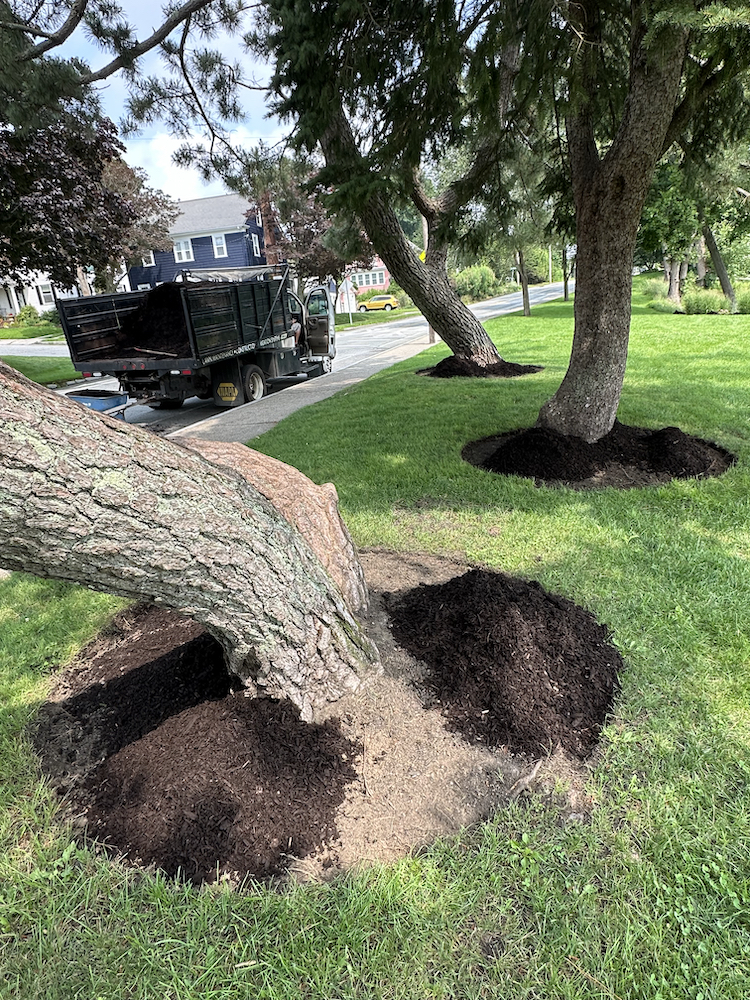
For the first time EWPA invested in mulching around almost all of the trees in the park. This was done at the recommendation of the RI Tree Council to create a larger ring around the trees to protect their surface roots. The effort is more than aesthetic mulching: mulching encourages insect activity and protects the roots from damage from mowing, and it does look nice. Mulch also keeps the soil moist which hydrates the trees and enables the trees to absorb stormwater better than dry compacted soil.
It was observed that several juniper trees that self seeded on the banks under the cottonwood trees were subjected to unauthorized pruning. The person who did this cut the tops off of the trees and threw the branches into the creeks behind the trees in an effort to hide the branches. The Cranston Tree Warden has been notified of the unauthorized cutting of native juniper virginiana trees growing on the edges of the salt marsh that are vital to erosion control. EWPA has a healthy working relationship with City personnel and seeks authorization every time we need to address tree issues that include, but are not limited to, removing invasive trees and seedlings, spraying trees for infestations, and limbing up trees that cause issues for vehicles and pedestrians, etc.
We will also be working on removing invasive white pear trees and Tree of Heaven seedlings at our October cleanup. Approval from the Tree Warden will be sought in advance.
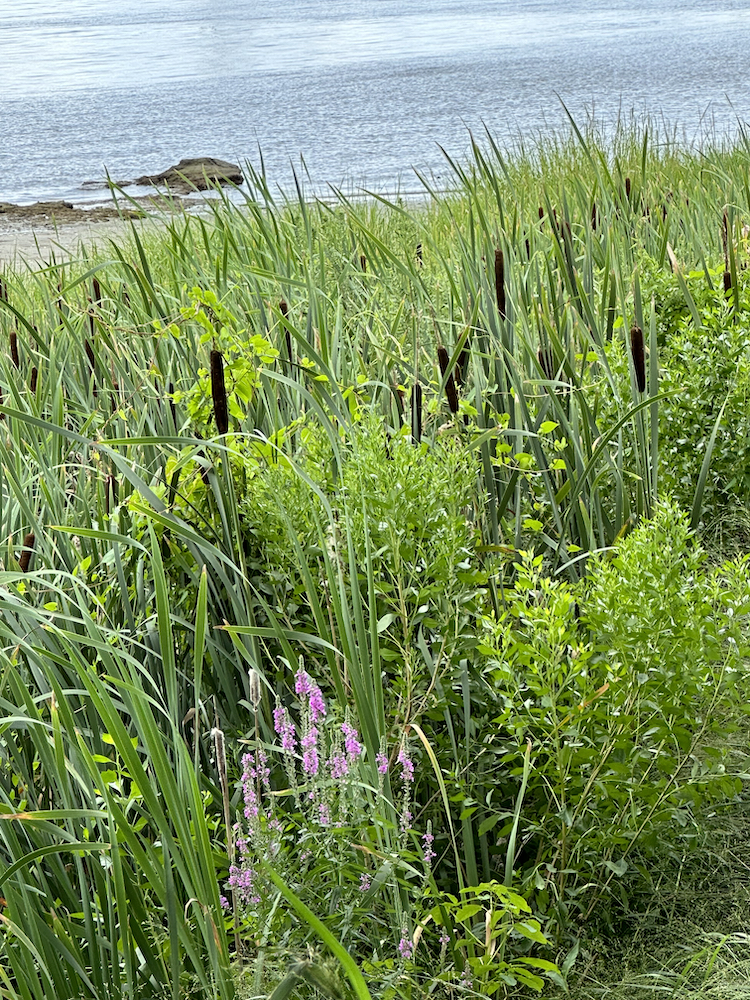
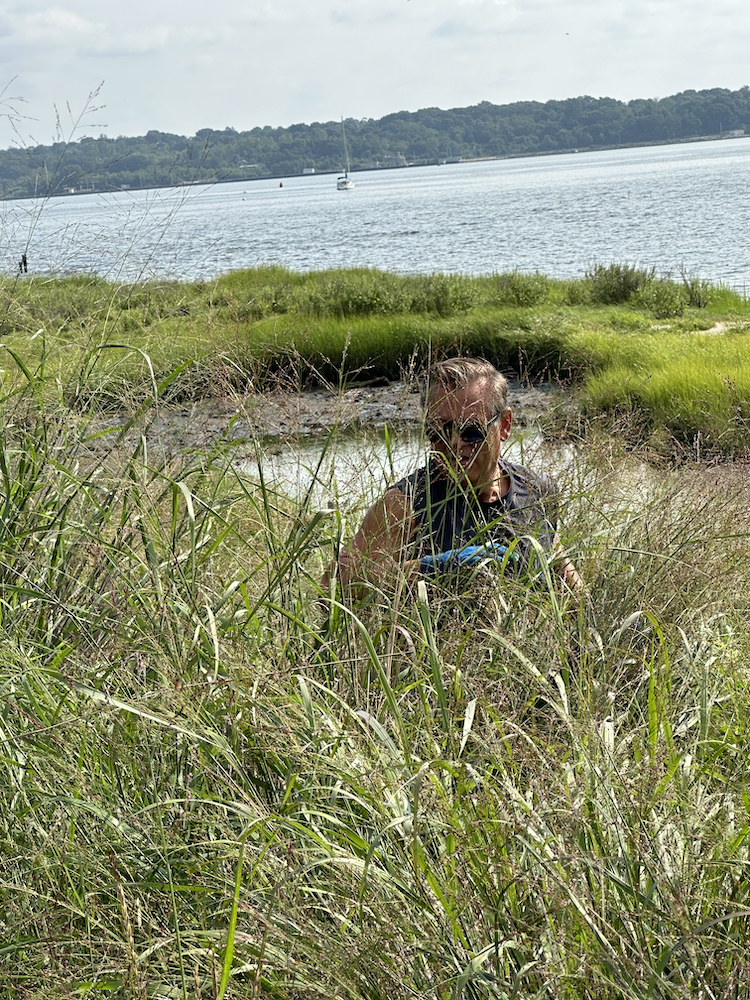
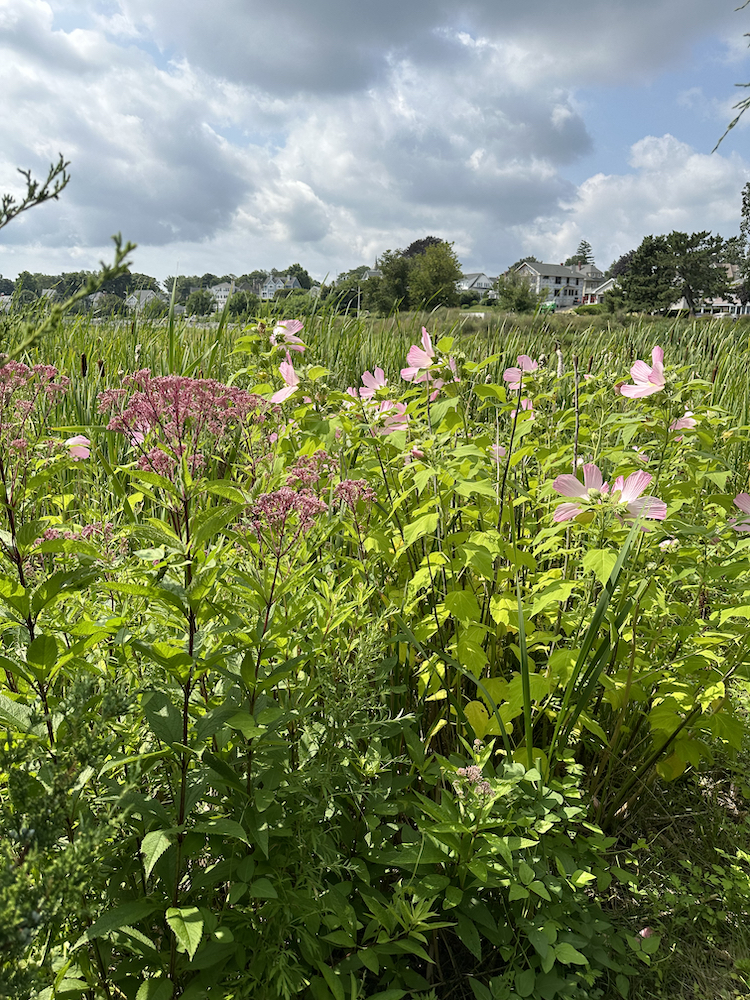
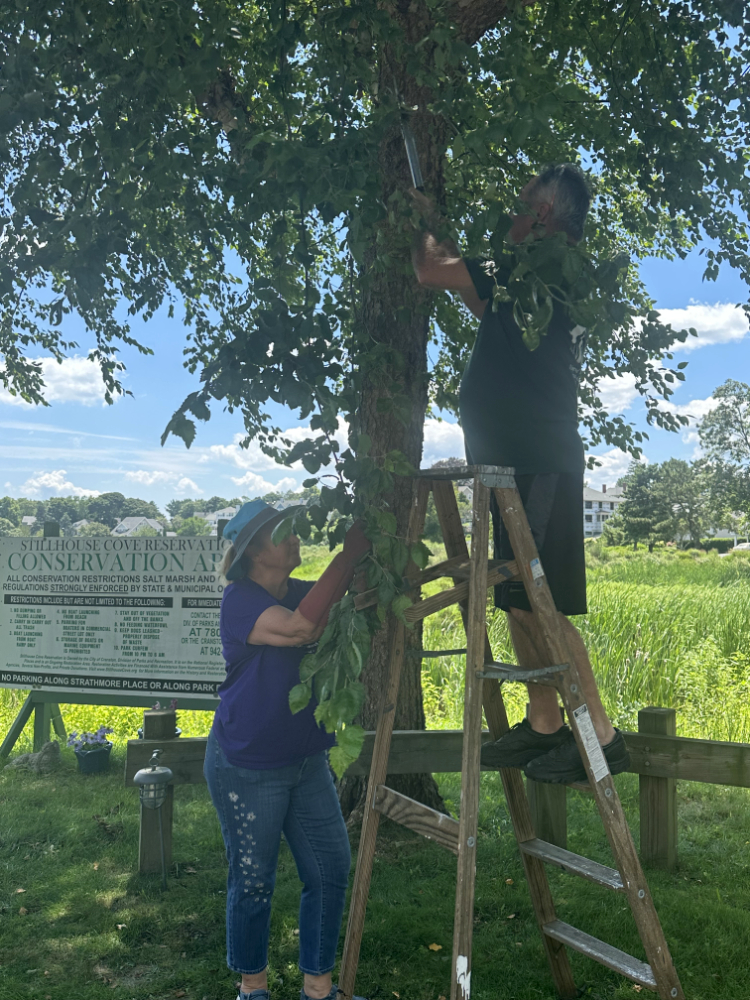
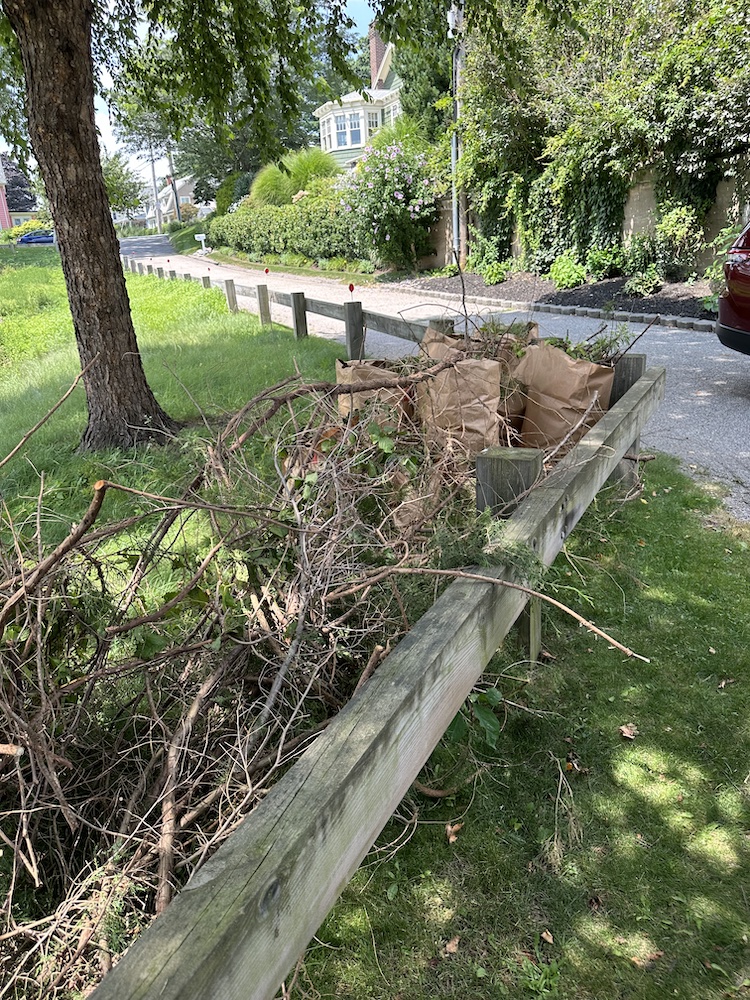
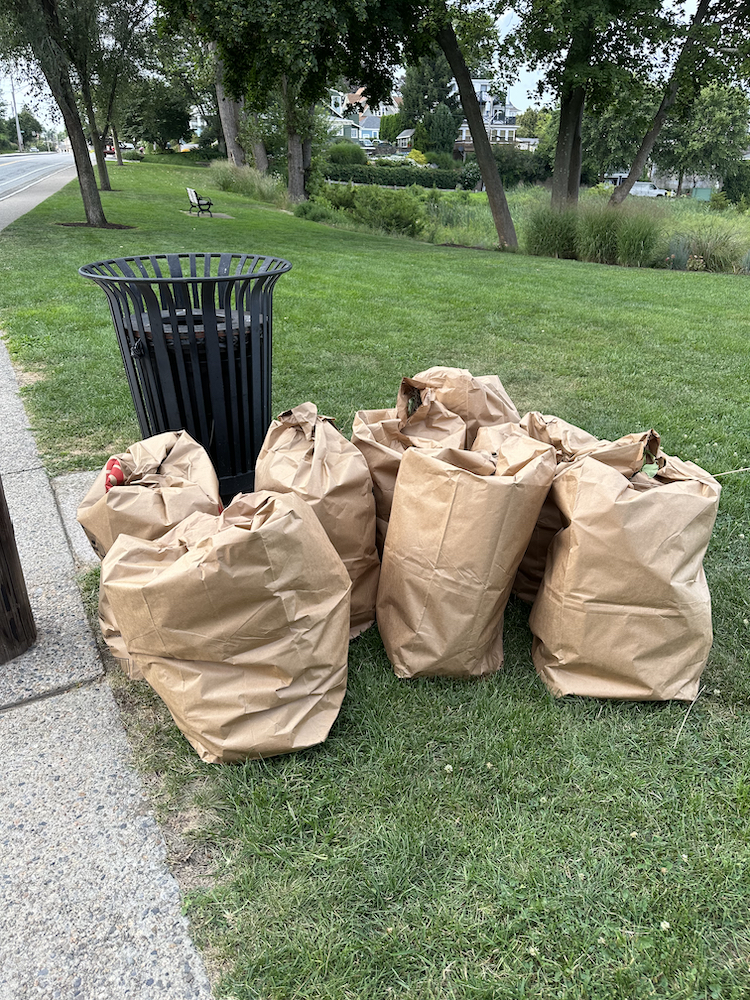
Erstwhile EWPA volunteers showed up on August 5, 2023 to fight back loosestrife and other invasives that have run rampant in the Park and Marsh at Stillhouse Cove. Participants included: Deborah Tellers Palladino, Michelle Maynard, Jerry Long, Andrew Goodale, Steve Johnson, Colin Murphy, Barbara Rubine, and Donna Fieldman. Charlie, Donna, and Barbara carefully trimmed the limbs on Strathmore Place that were hitting cars and trucks.
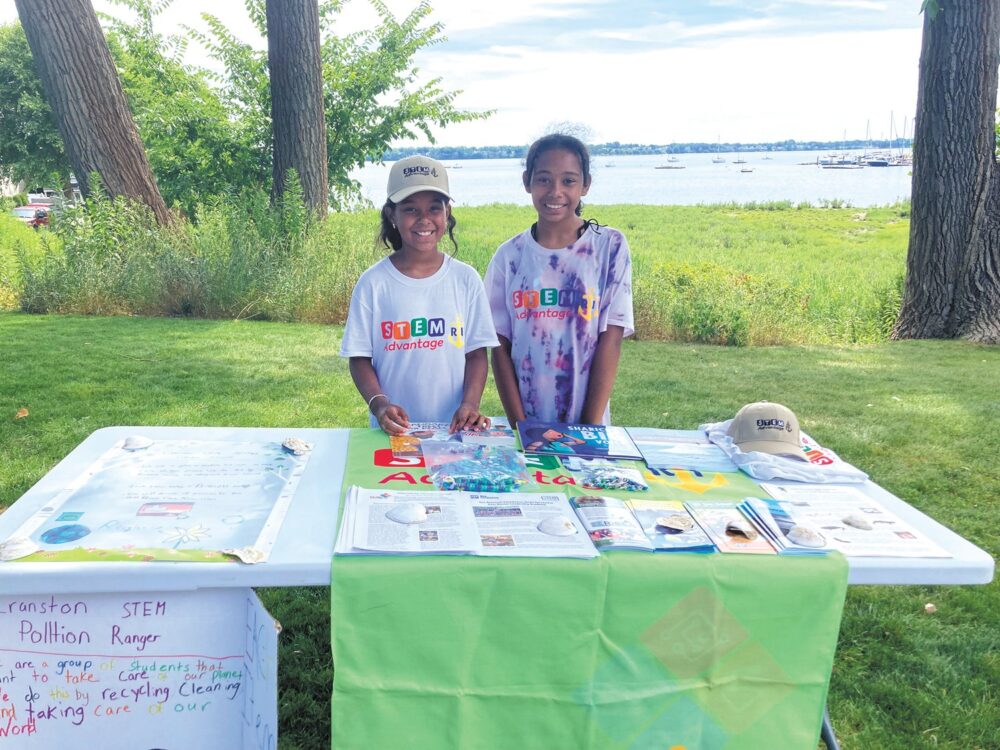
Every Friday morning for the last six weeks, 40 Cranston school kids from all over the city (grades K -6) came to Stillhouse Cove as part of a summer STEM (Science, Technology, Engineering & Mathematics) camp program. Their teachers used the Cove as a laboratory regarding local ecology. EWPA’s Barbara Rubine and Donna Fieldman explained the challenges that erosion poses to the marsh and park and highlighted the different ways the problem is addressed at this location. On the last day of camp, in an effort to support the work of the EWPA, the students sold shells and rocks they had found along the shore and painted.
Exposition was grouped by grade level: K – 1 Group with teacher Berkis Rodriguez and TA Sheryl Peacock; Grades 2 – 3 with teacher Lena Cabral and TA Donna Pagano; and Grades 4 – 6 with teacher Keith Lavin and TA Hedy Tessier. This is the third consecutive year that Stillhouse Cove has hosted a STEM program.
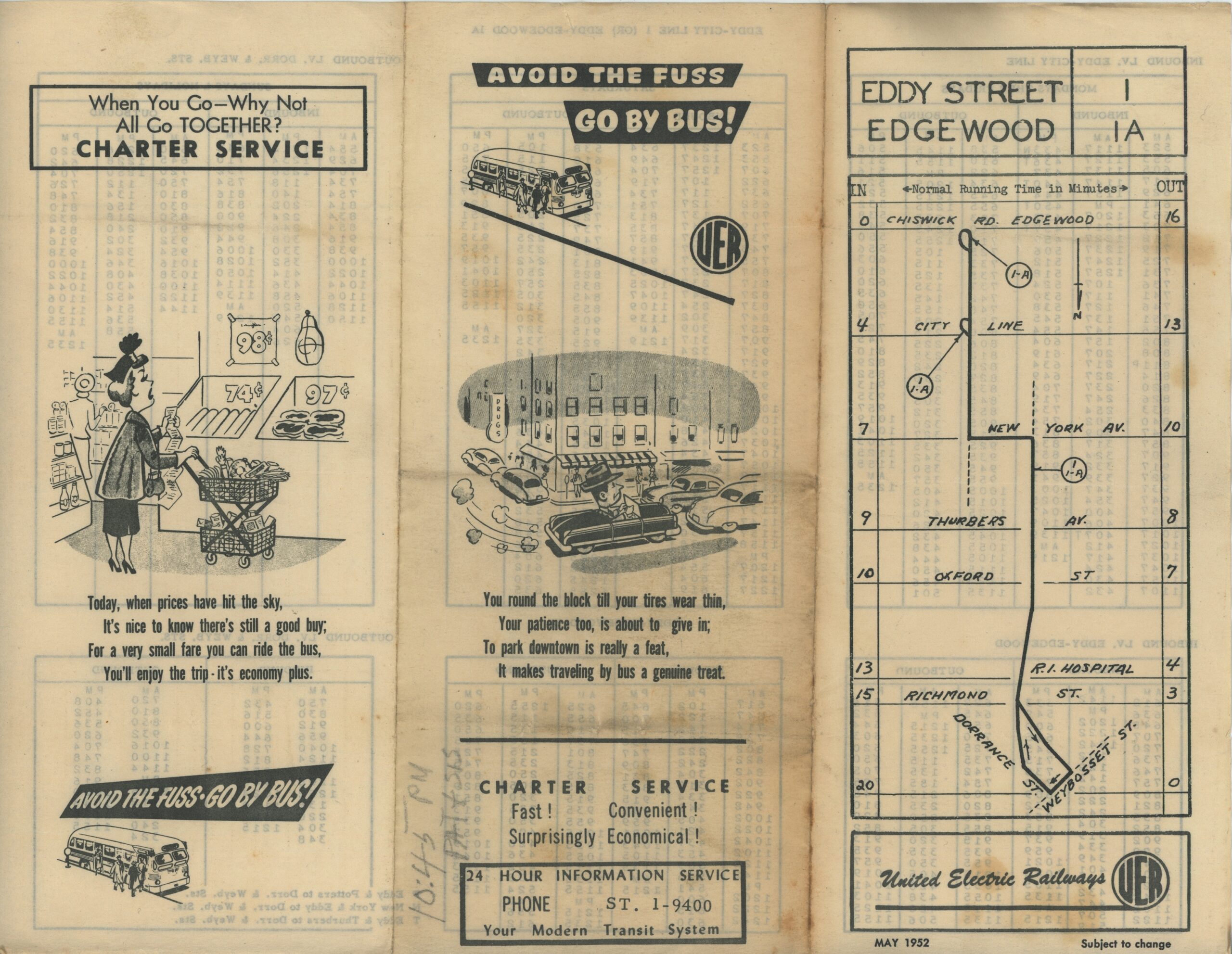
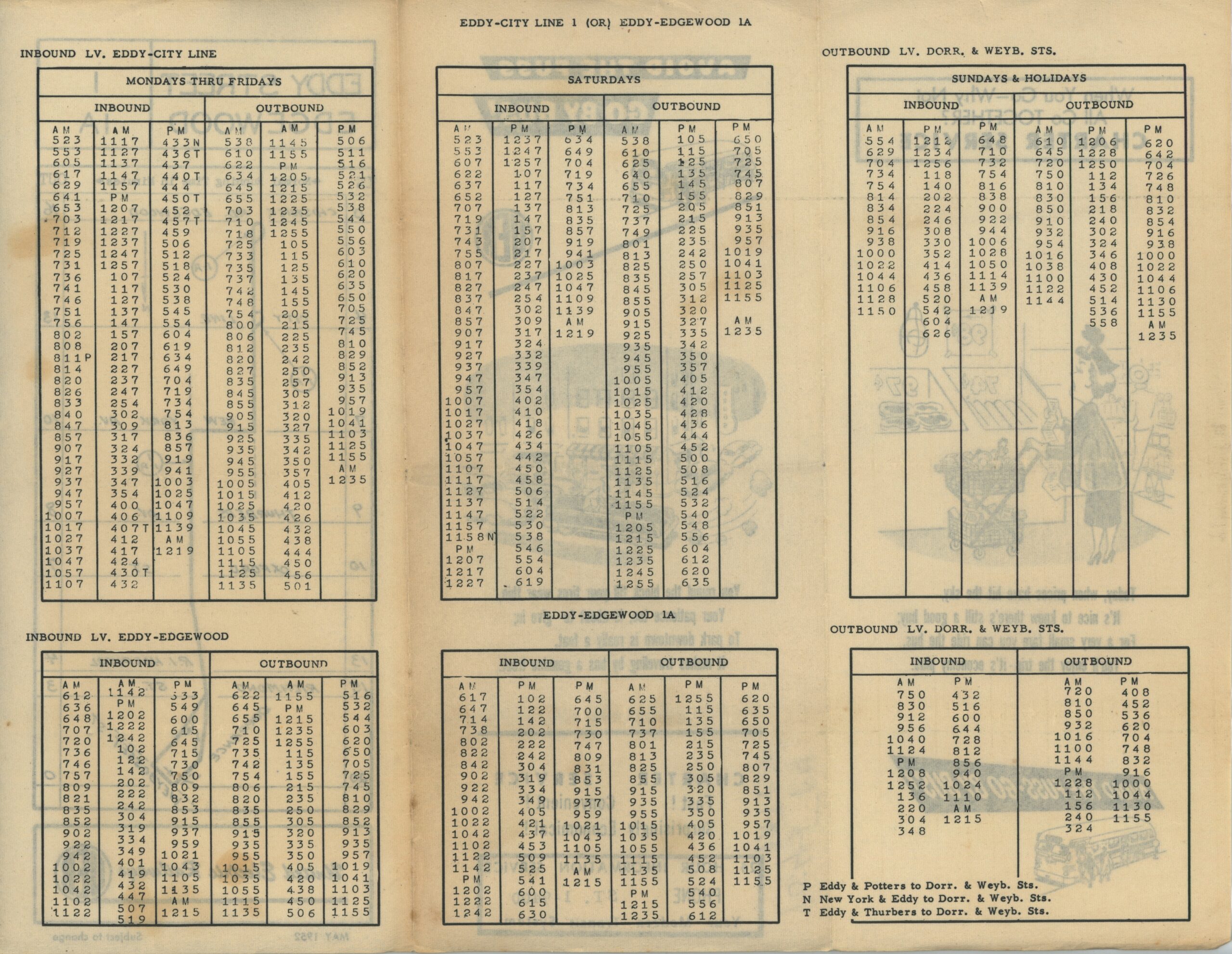
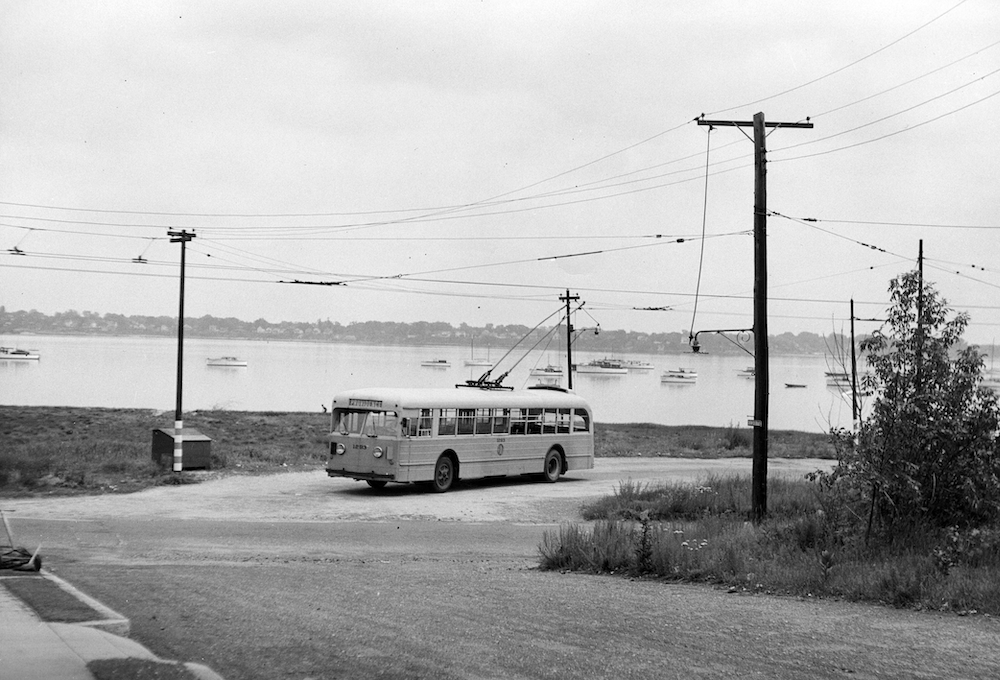
Thanks to Scott Molloy for sending on this 1952 bus schedule for the Edgewood – Eddy Street line. It was a “trackless trolley” that required a turnaround in what is now Stillhouse Cove Park. Note that the first inbound departure was at 5:23 AM and that last outbound bus from downtown arrived at 12:35 AM.
Providence, RI, Chiswick Rd Loop, Edgewood Eddy St. Line. �IRM
On June 17, 2023, several volunteers spent a drippy Saturday morning cleaning up Stillhouse Cove Park. Colin Murphy, Tom Ladue, and Donna Fieldman concentrated on cleaning mold off the Park’s benches. Linda Sardone and Melissa Carden (with son Charlie) focused on the beach area and marsh edges. The benches look great!
Tom Ladue powers offTo be cleaned at a later dateThe outcome
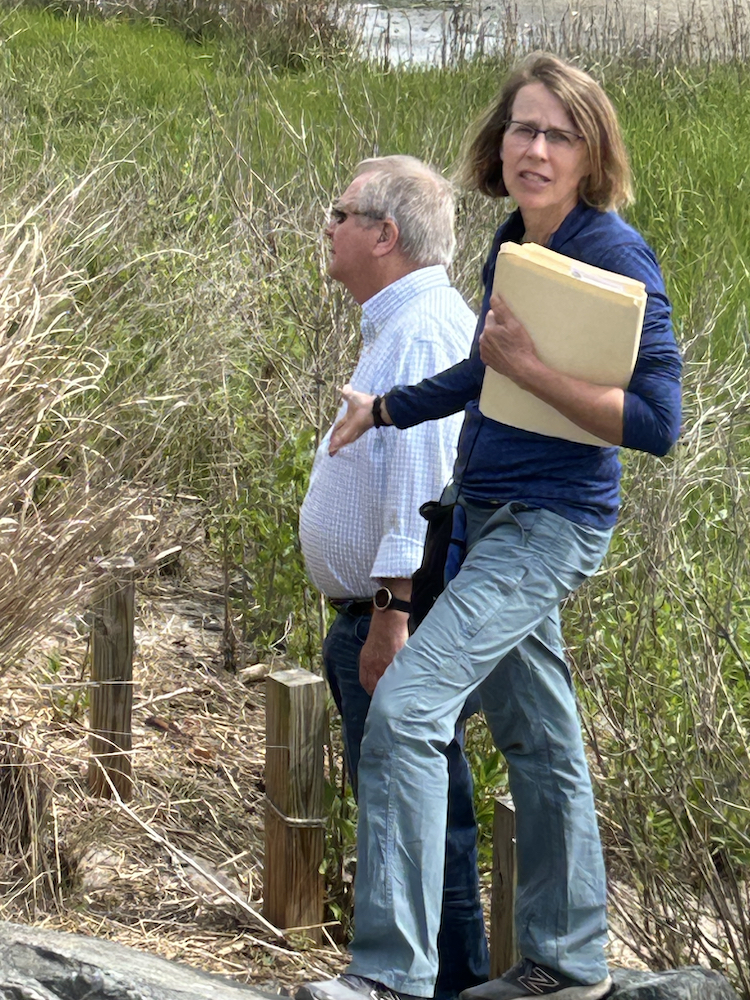
On May 17, 2023, Barbara Rubine and Donna Fieldman of the EWPA met with Wenley Ferguson of Save the Bay and Dave Lager, Team Leader at SUMco. The agenda was to assess the damage caused by the historic December 23, 2022 stormtide to the Park’s infrastructure.
Flooding during the 12-23-2022 storm.12-23-2023 storm damage to the coir envelopes & logs at the base of the Park.
The conclusion was that there was extensive damage to the the coir envelopes that were installed in 2013 to repair damage from Superstorm Sandy. EWPA hopes to be able to repair the bottom coir envelopes, which must be built in place, and re-secure them with added premade coir logs and new 4×4 stakes. The repair will be challenging since it needs to be done from the top of the bank as no machinery is allowed at the marsh level. EWPA will be researching possible funding sources.
Wenley Ferguson of Save the Bay pointing to the damage.
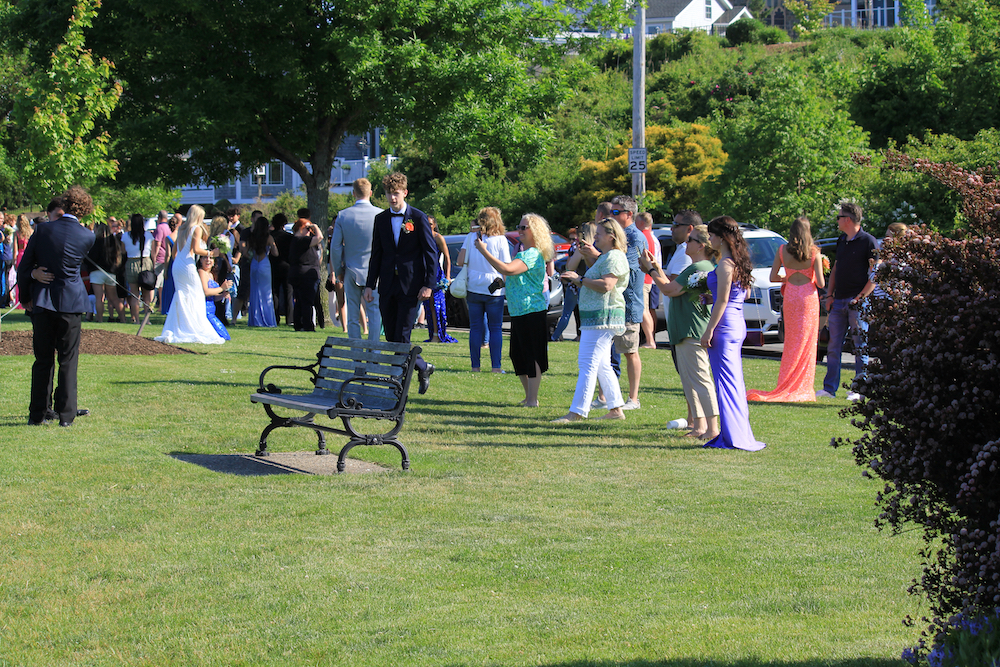
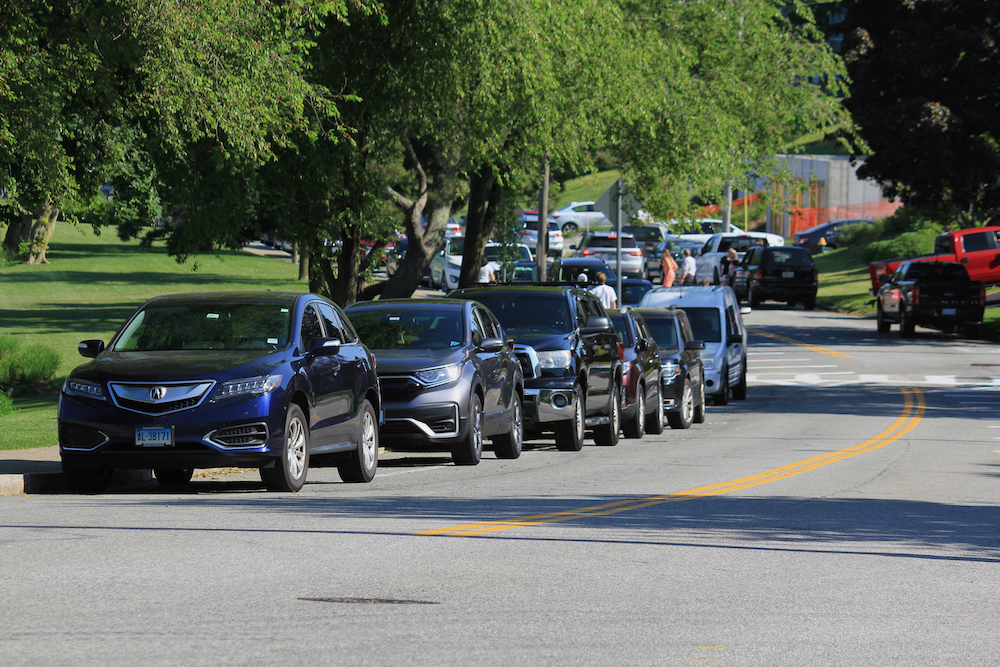
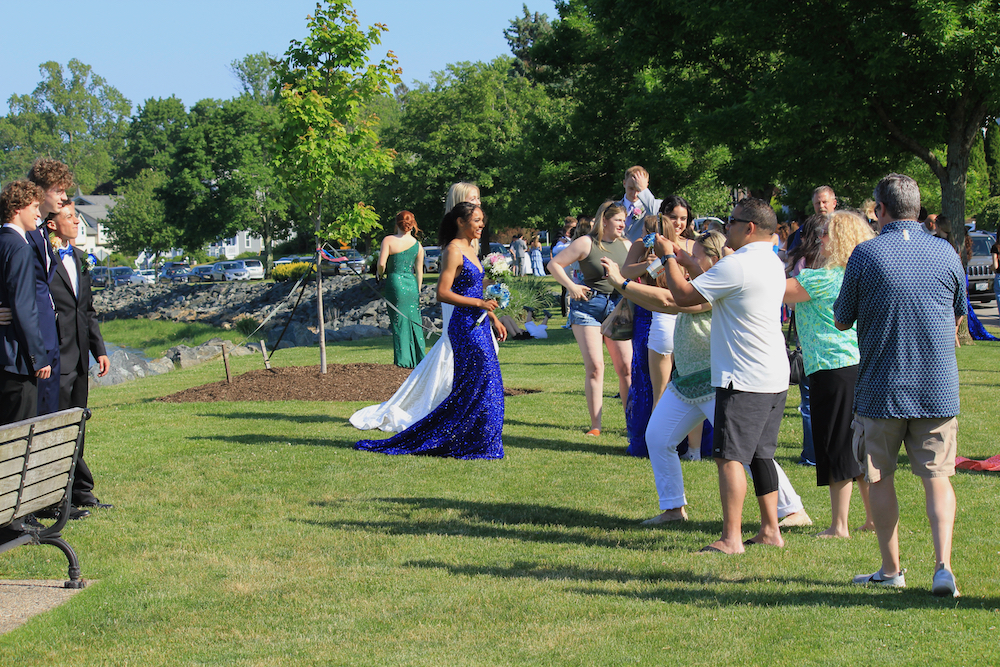
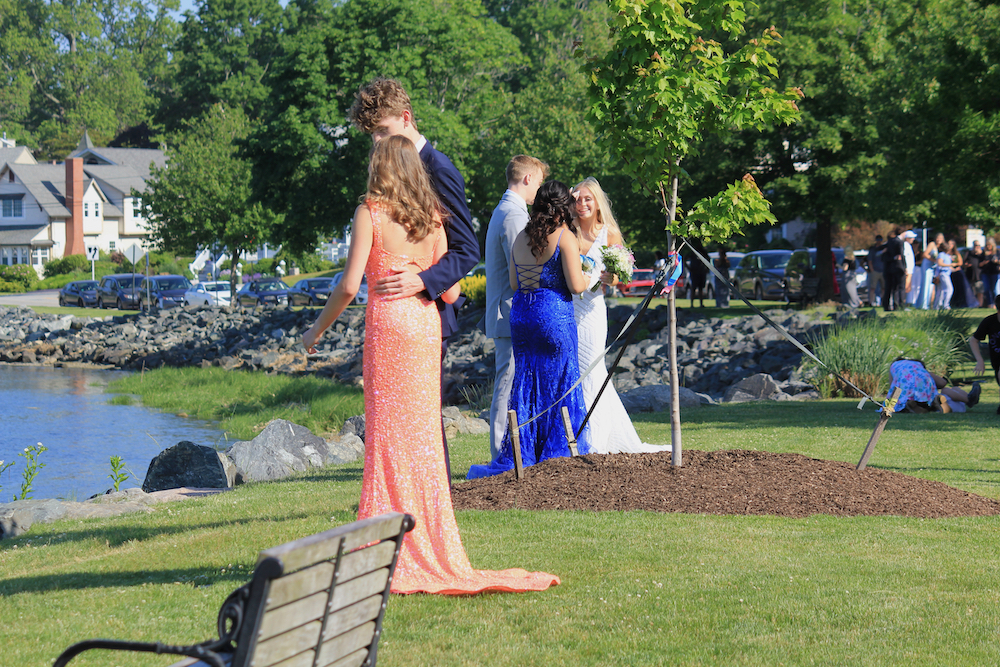
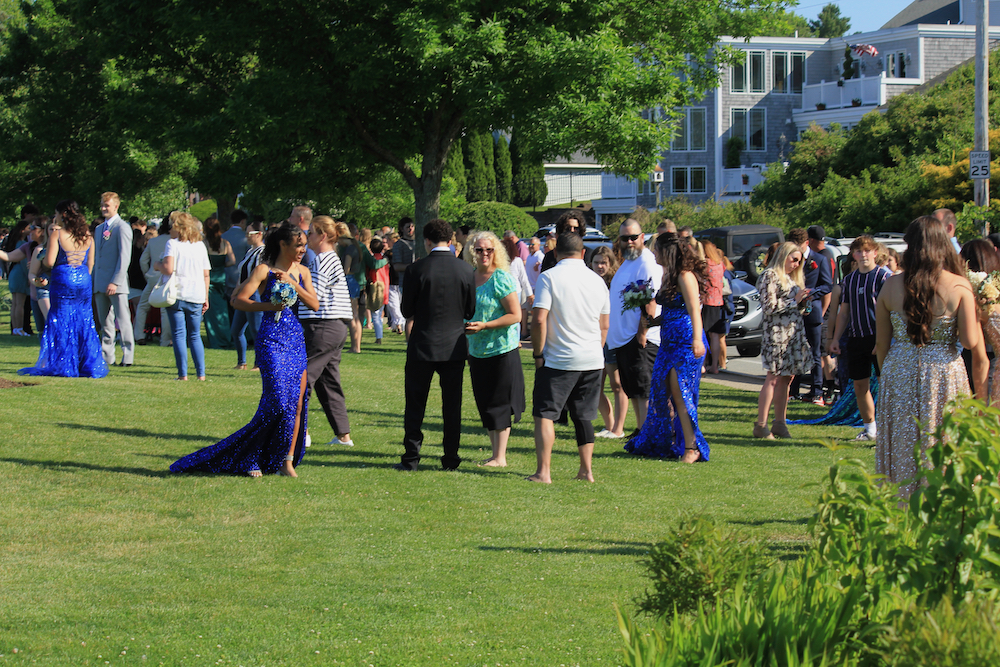
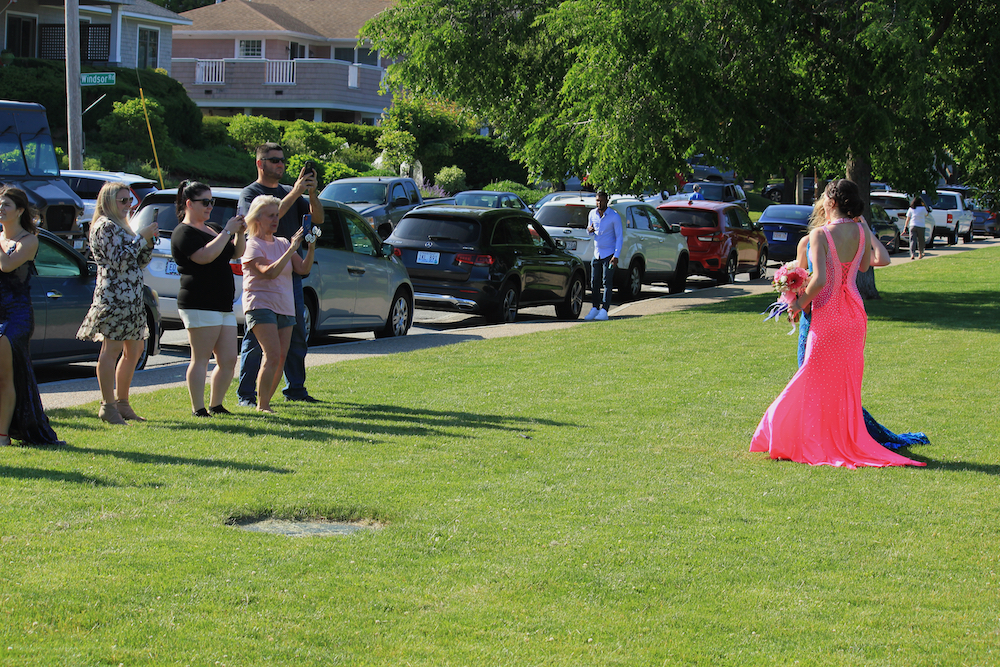
Seniors and their parents from Warwick’s Pilgrim High School descended on Stillhouse Cove on June 1, 2023 to take advantage of the Park’s beauty for prom photos. Traffic nearly came to a standstill on Narragansett Blvd.
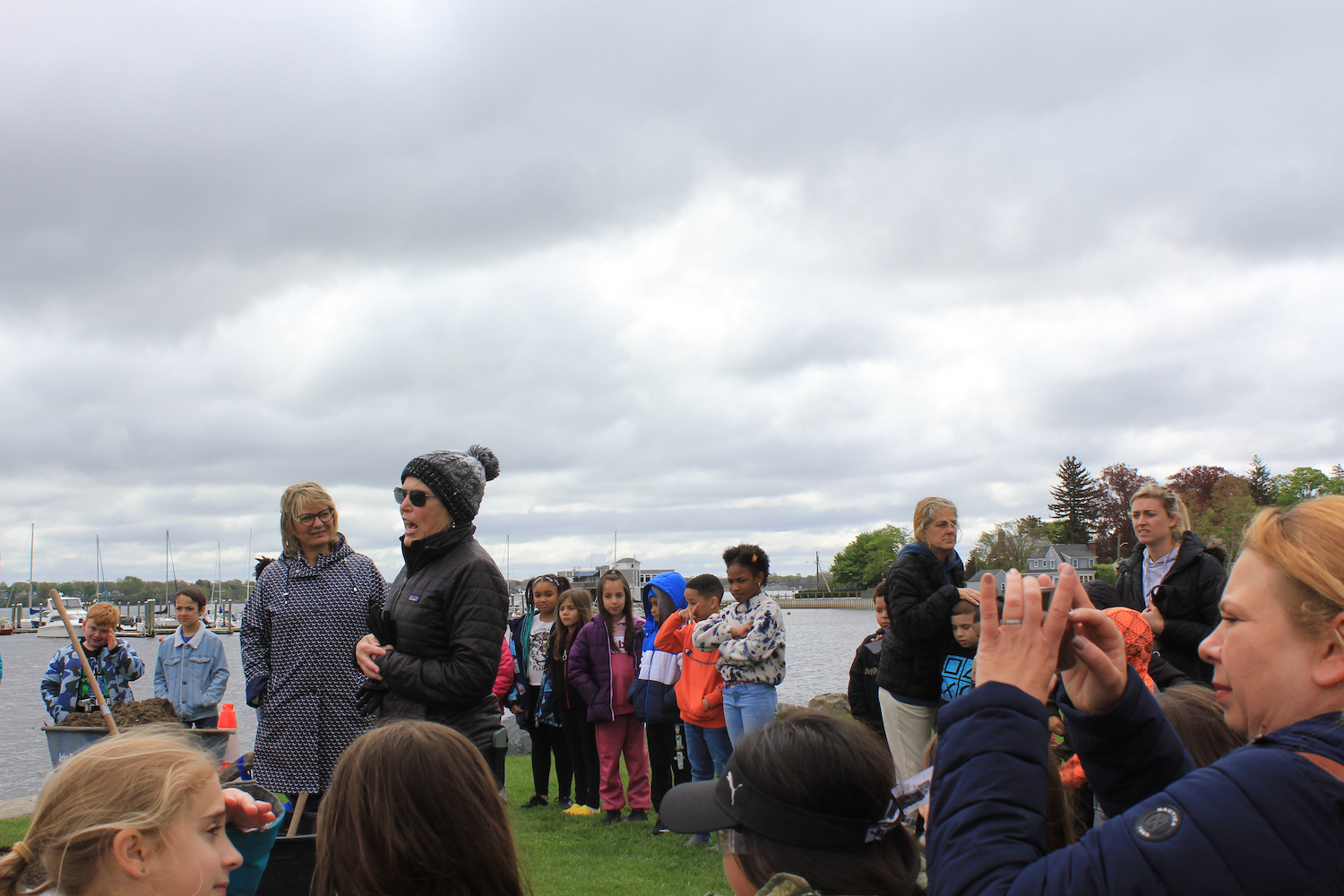
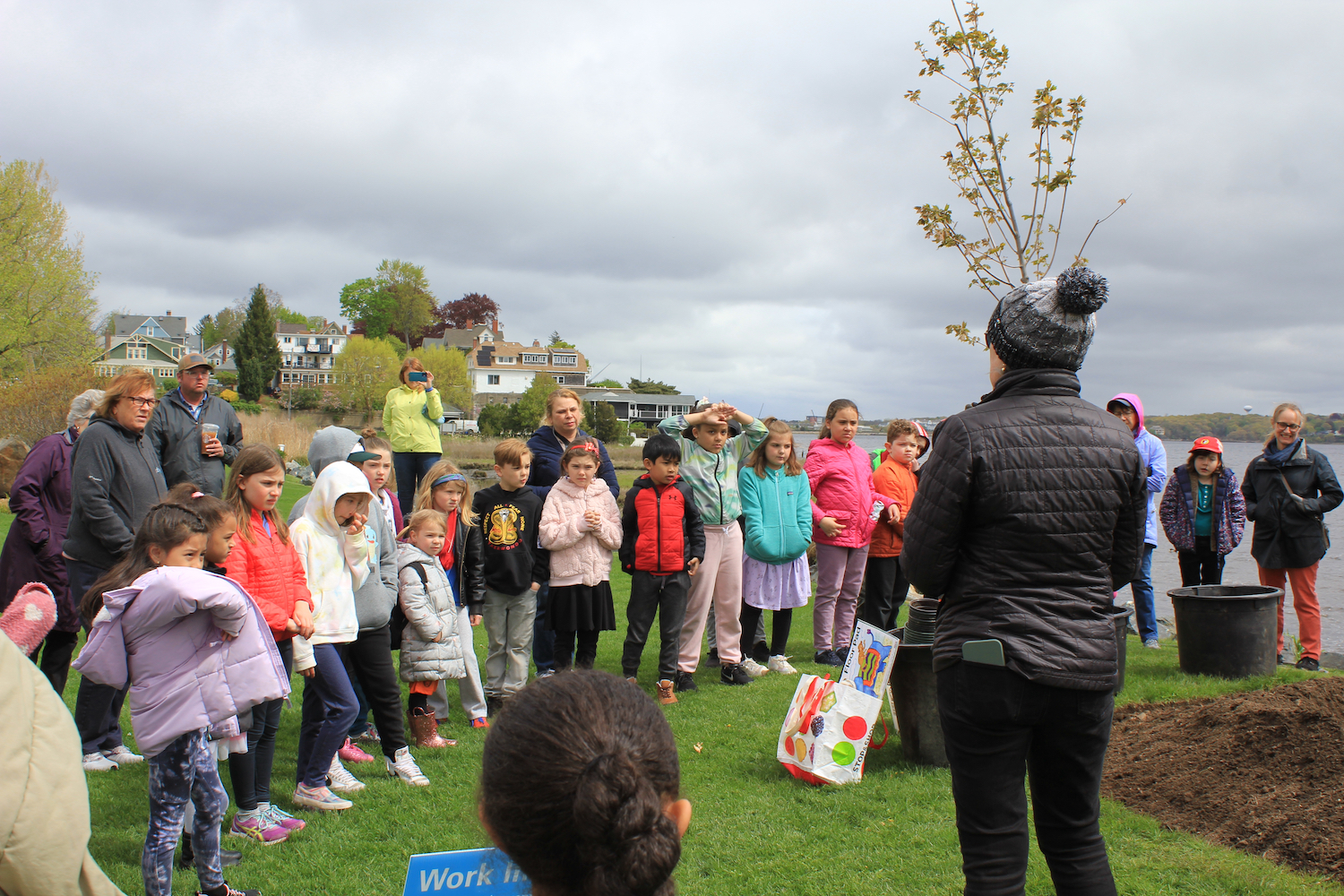
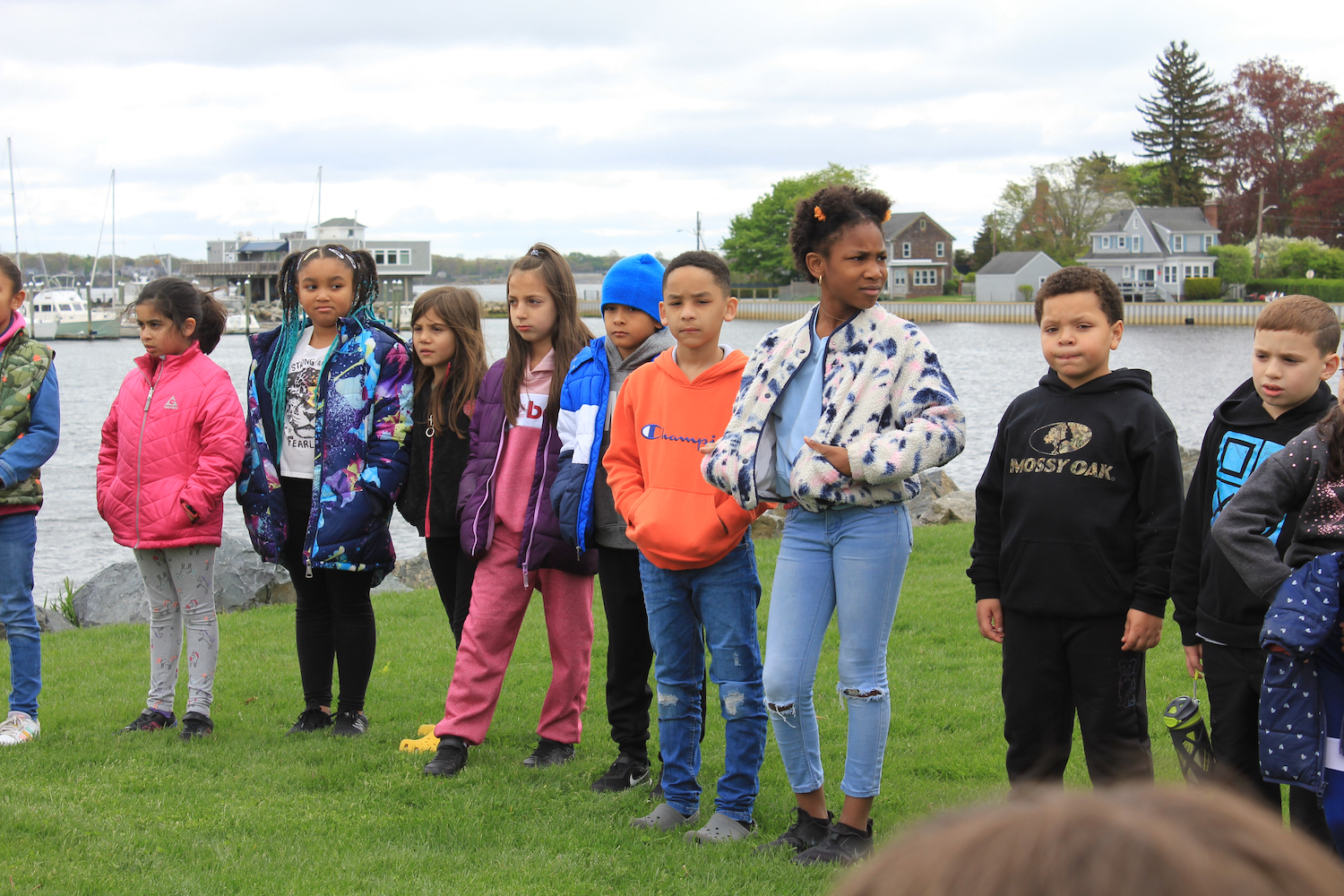
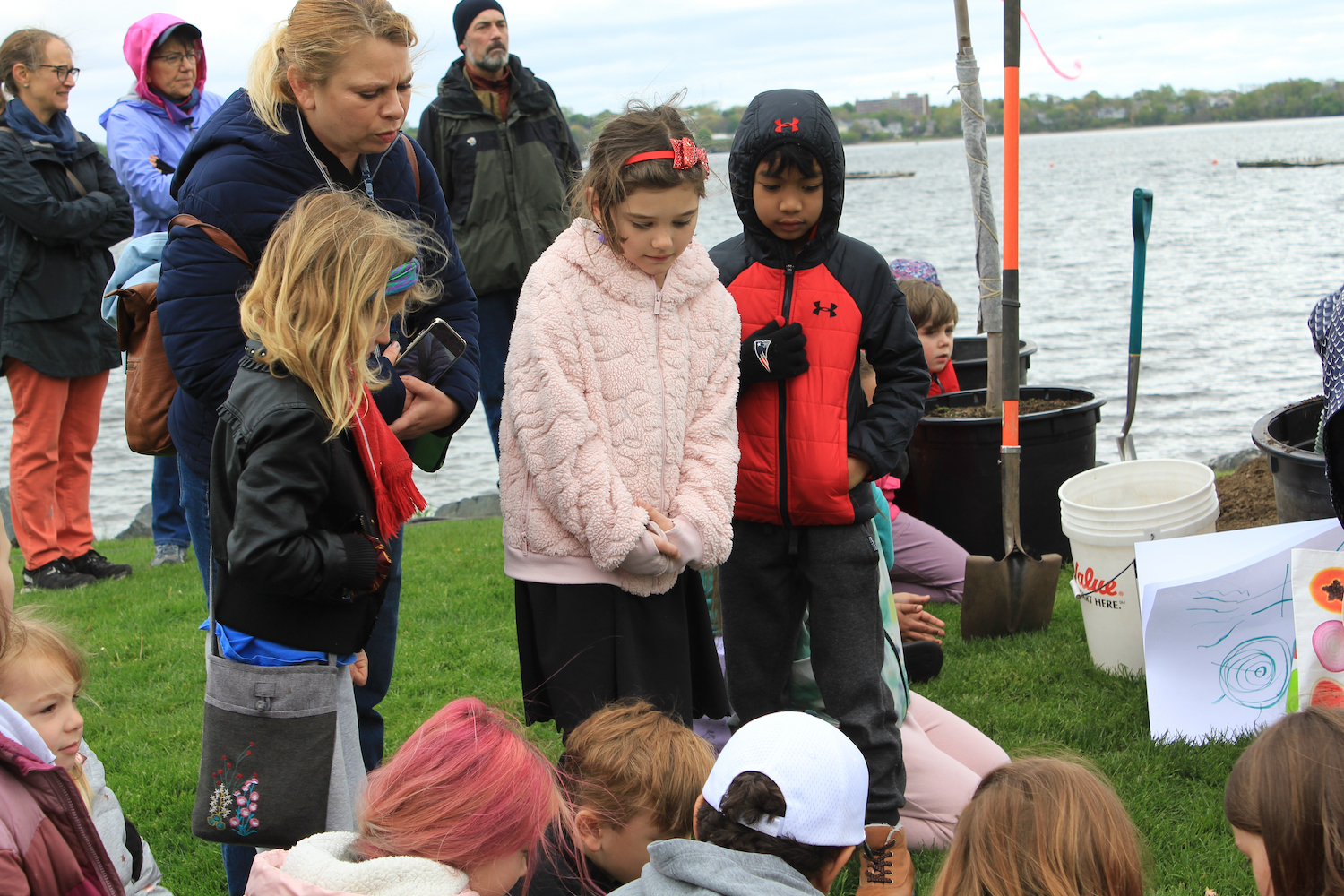
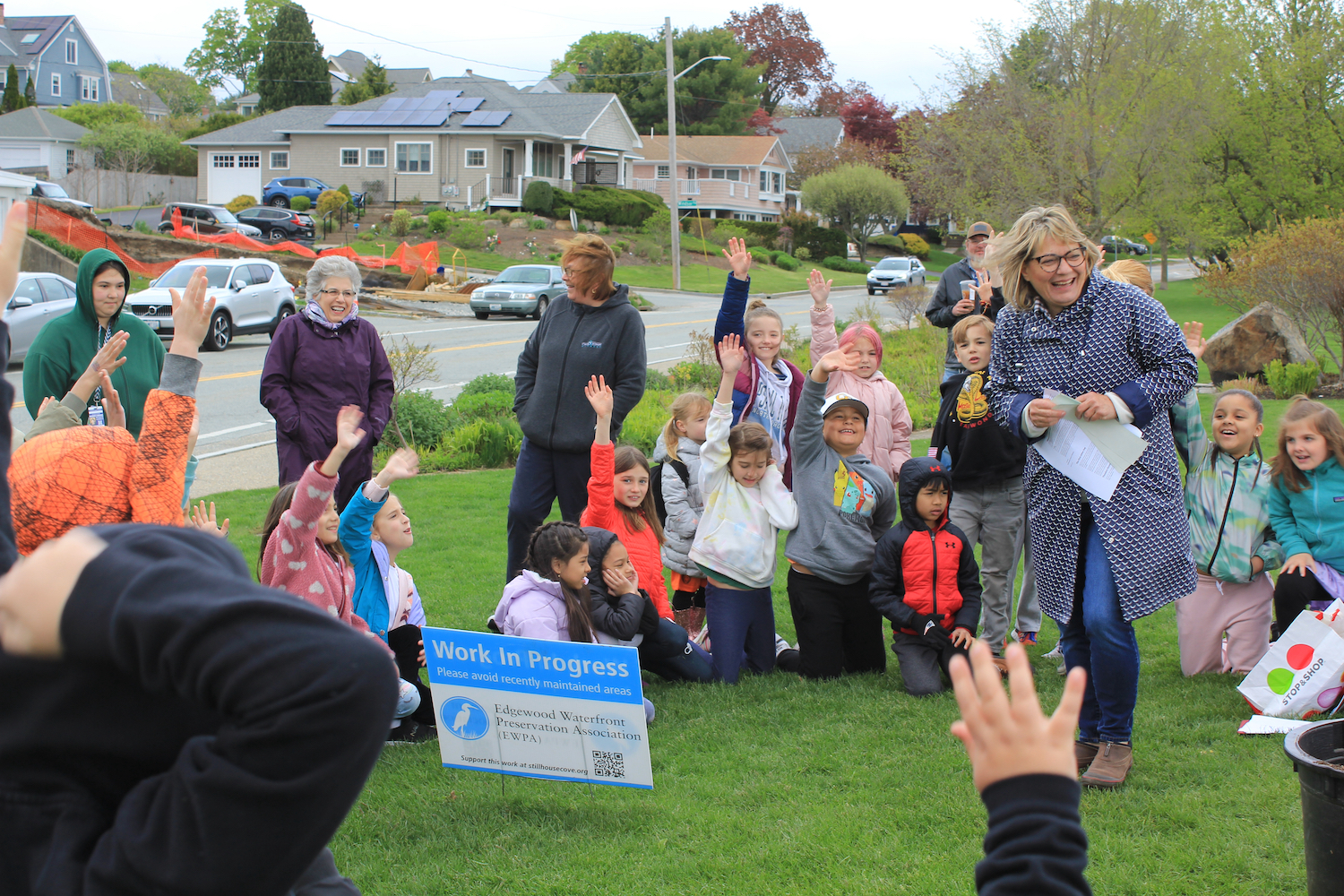
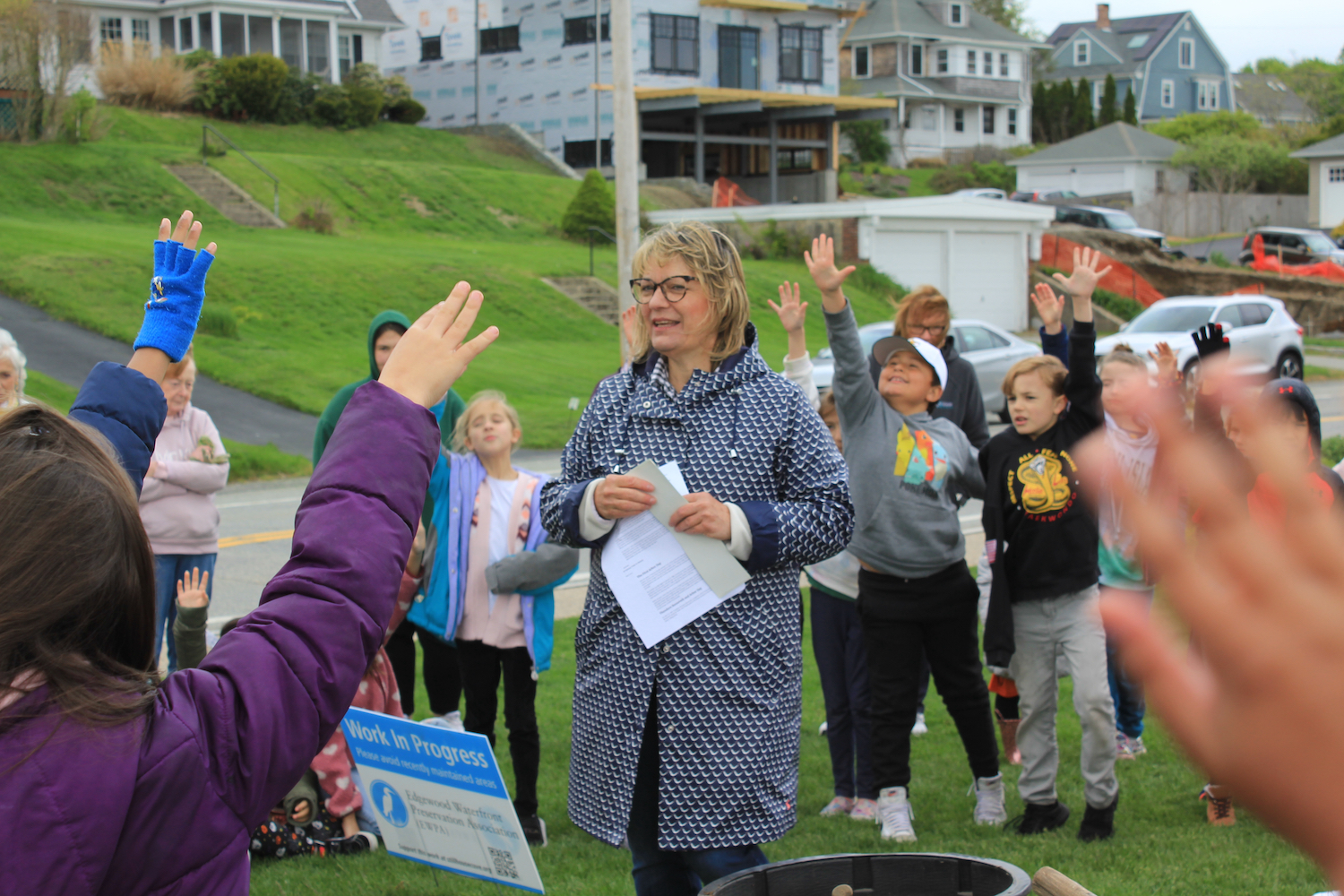
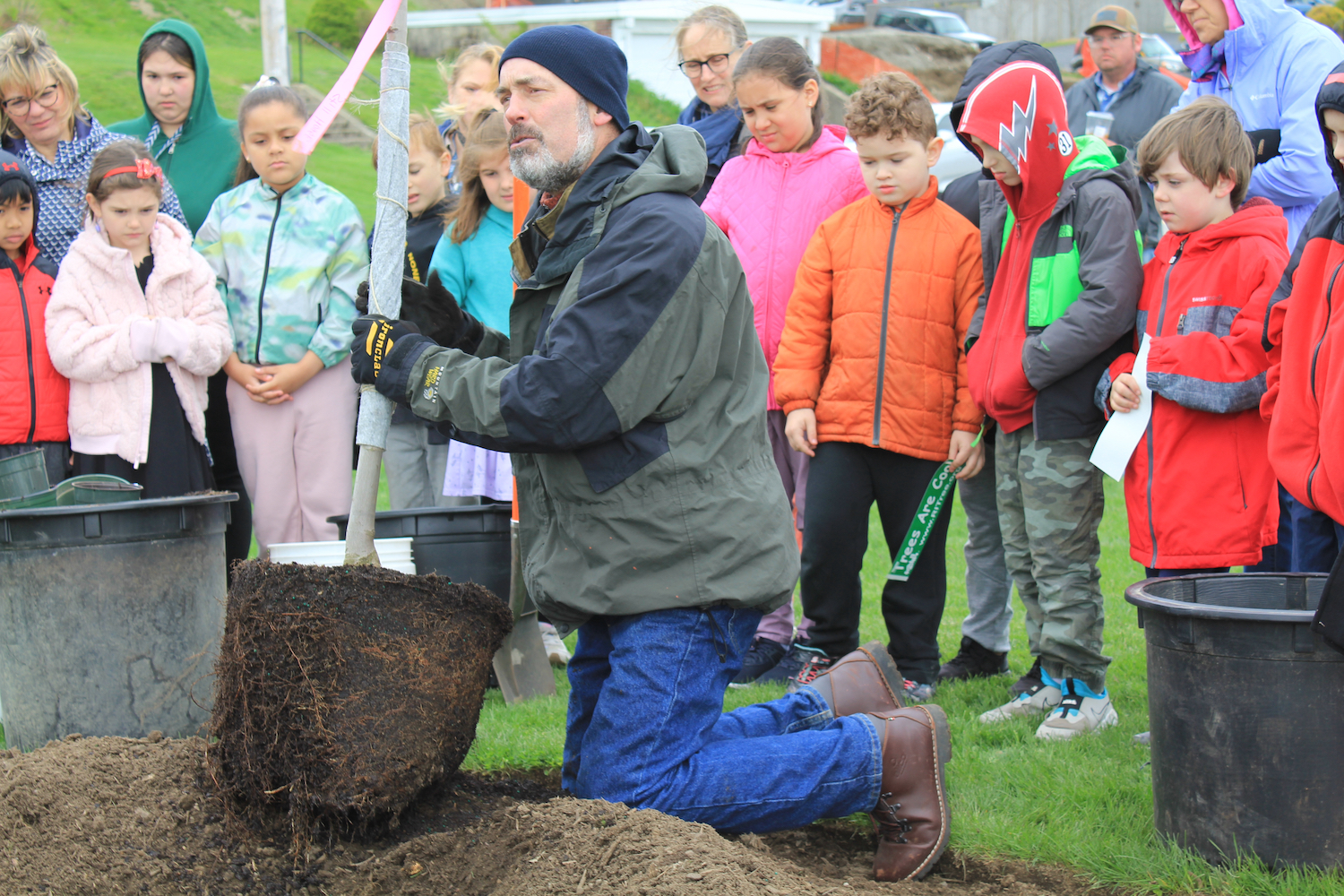
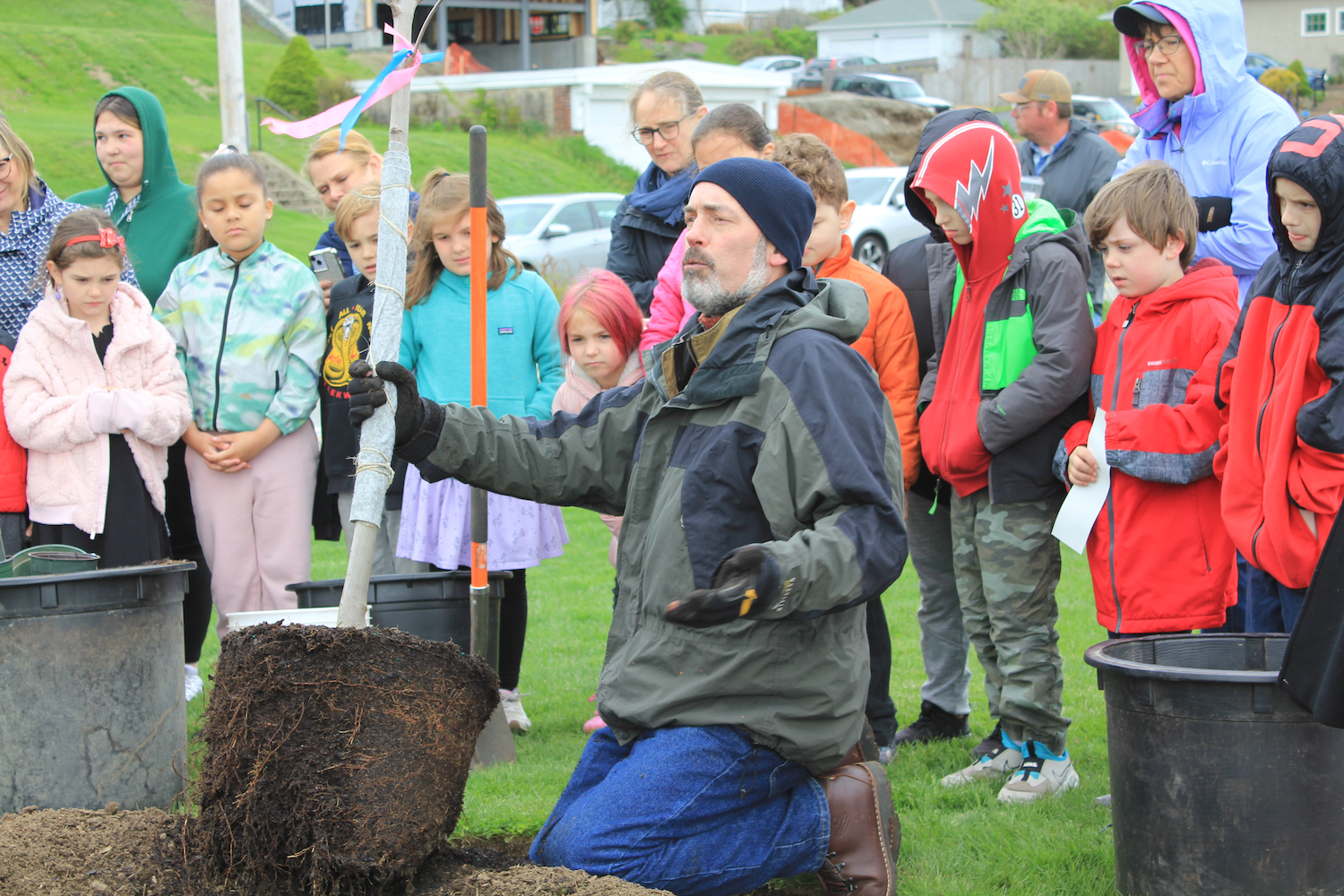
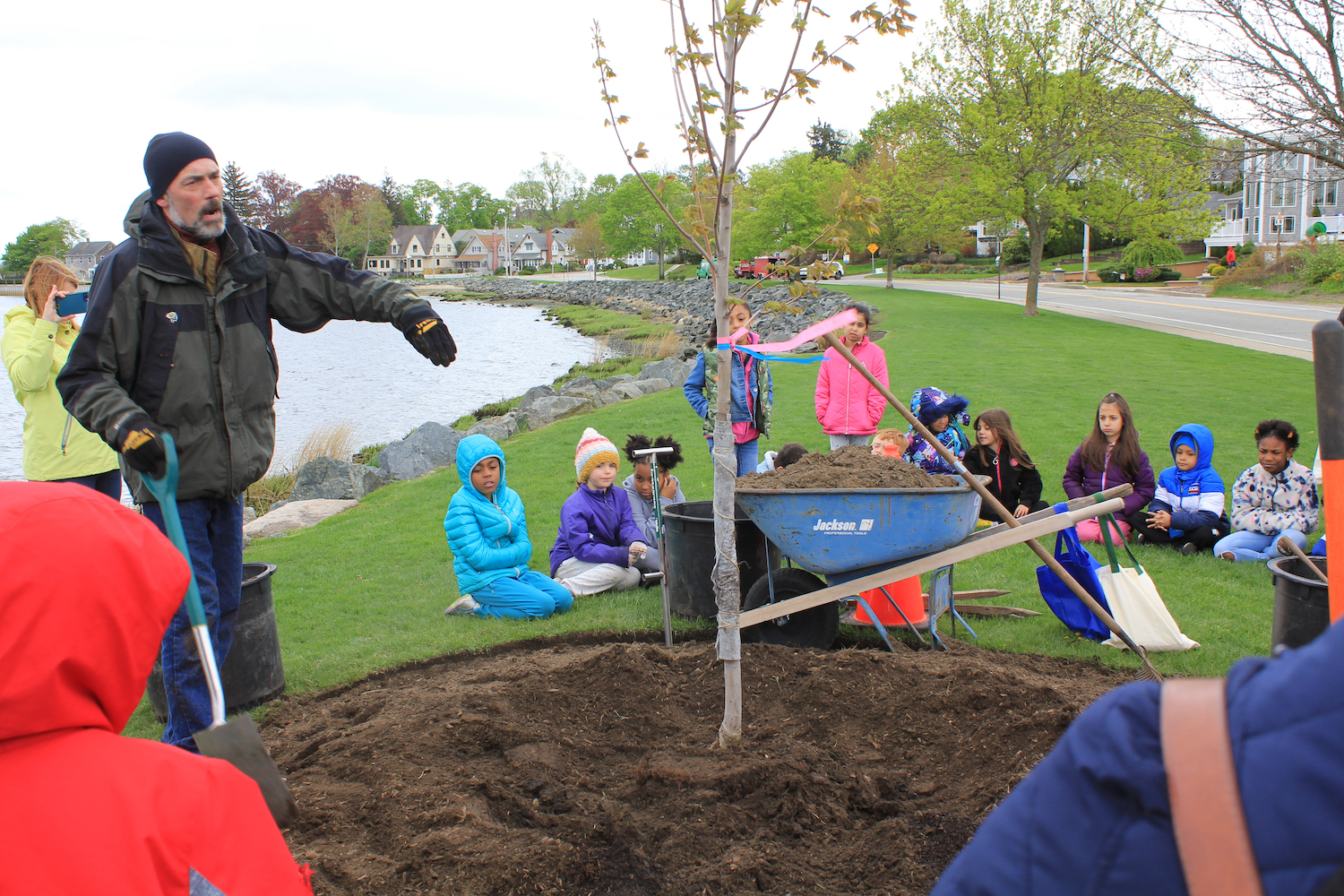
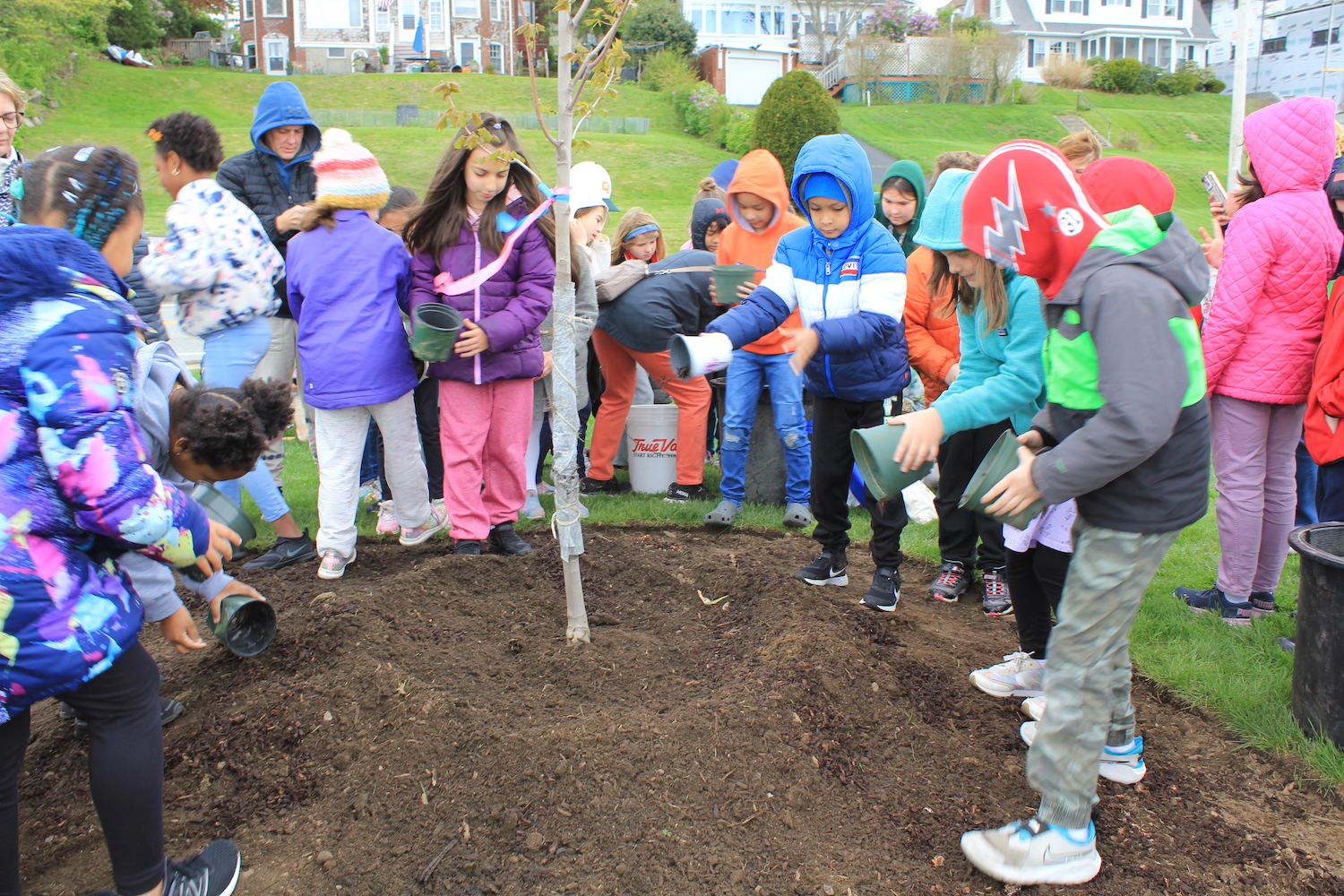
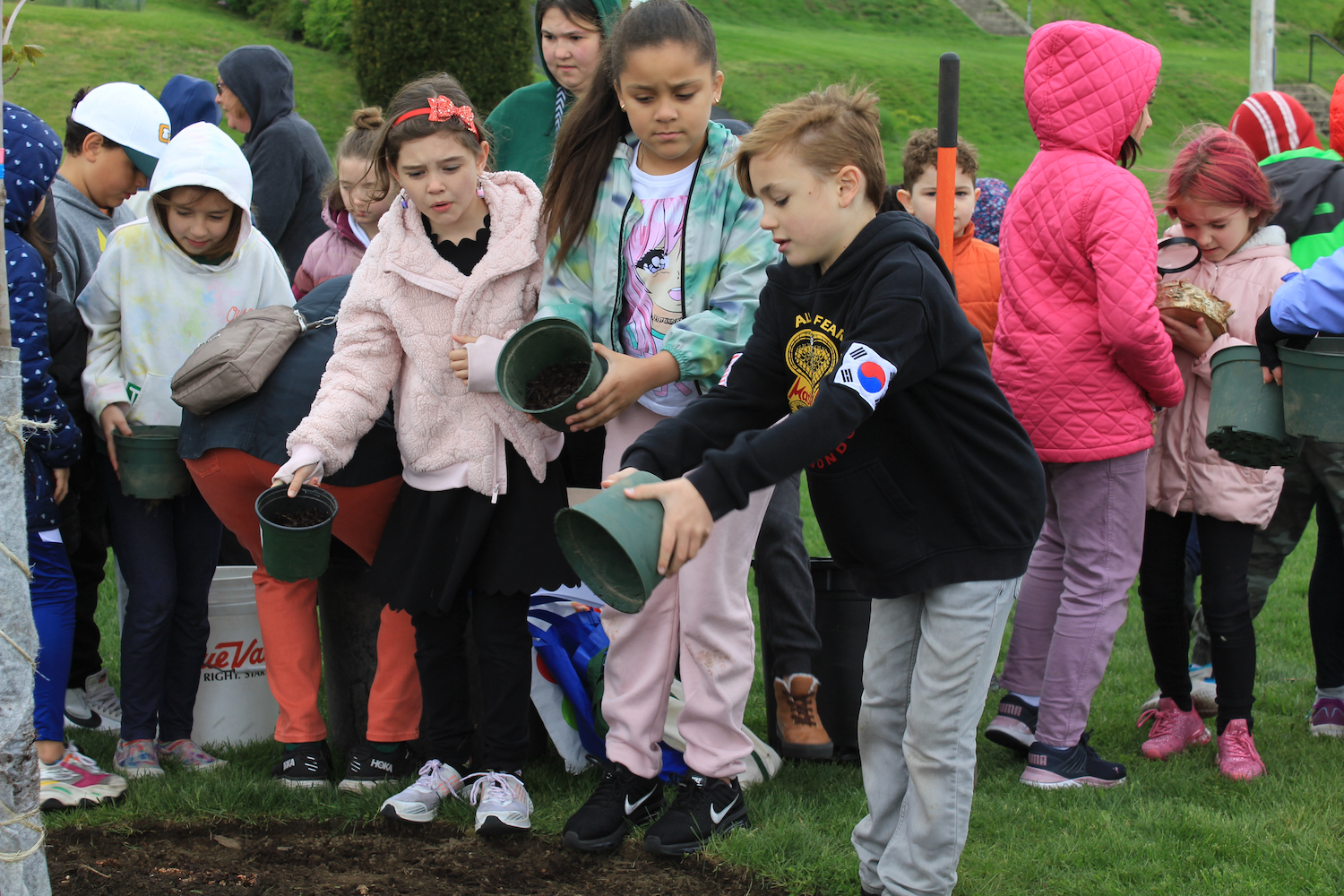
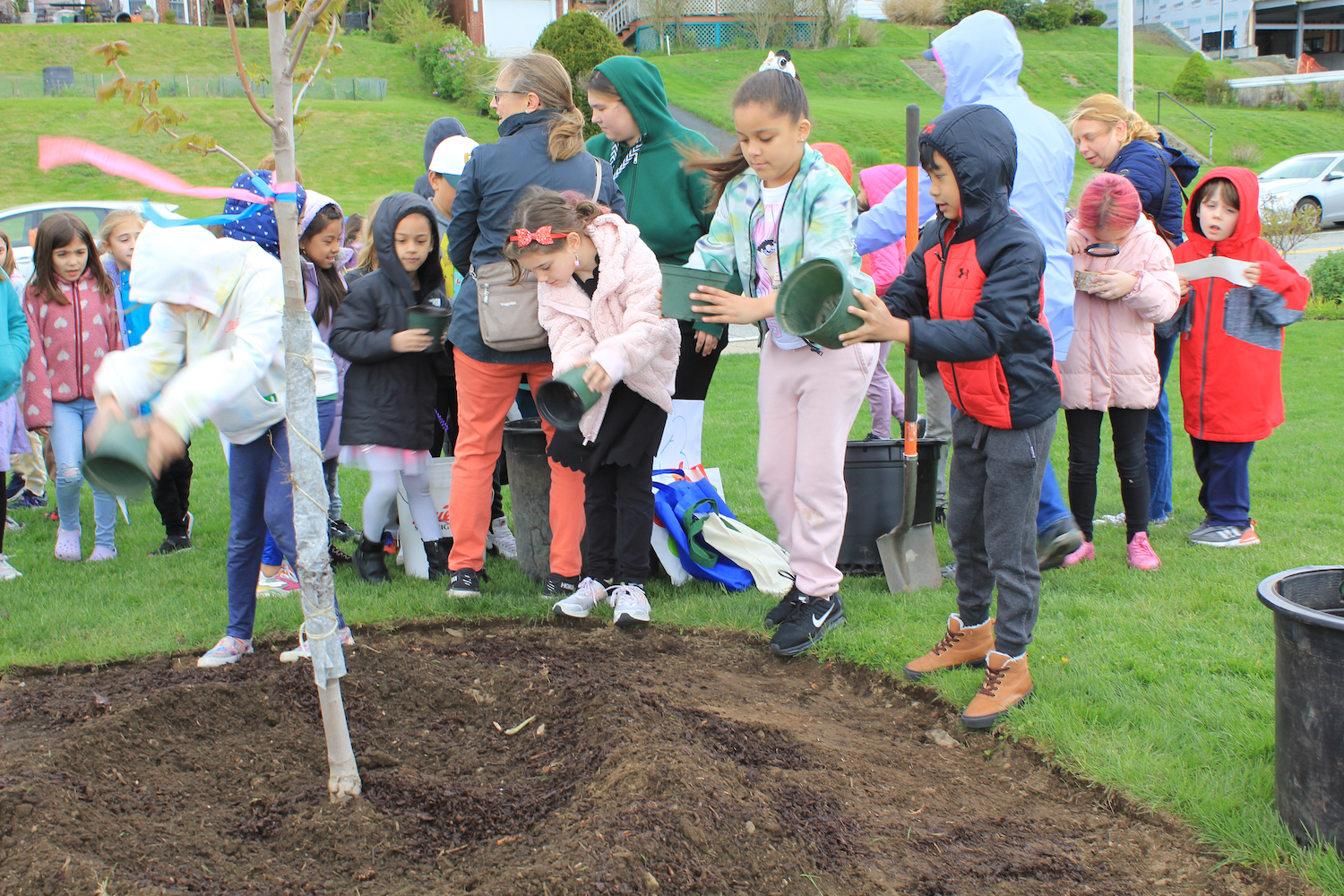
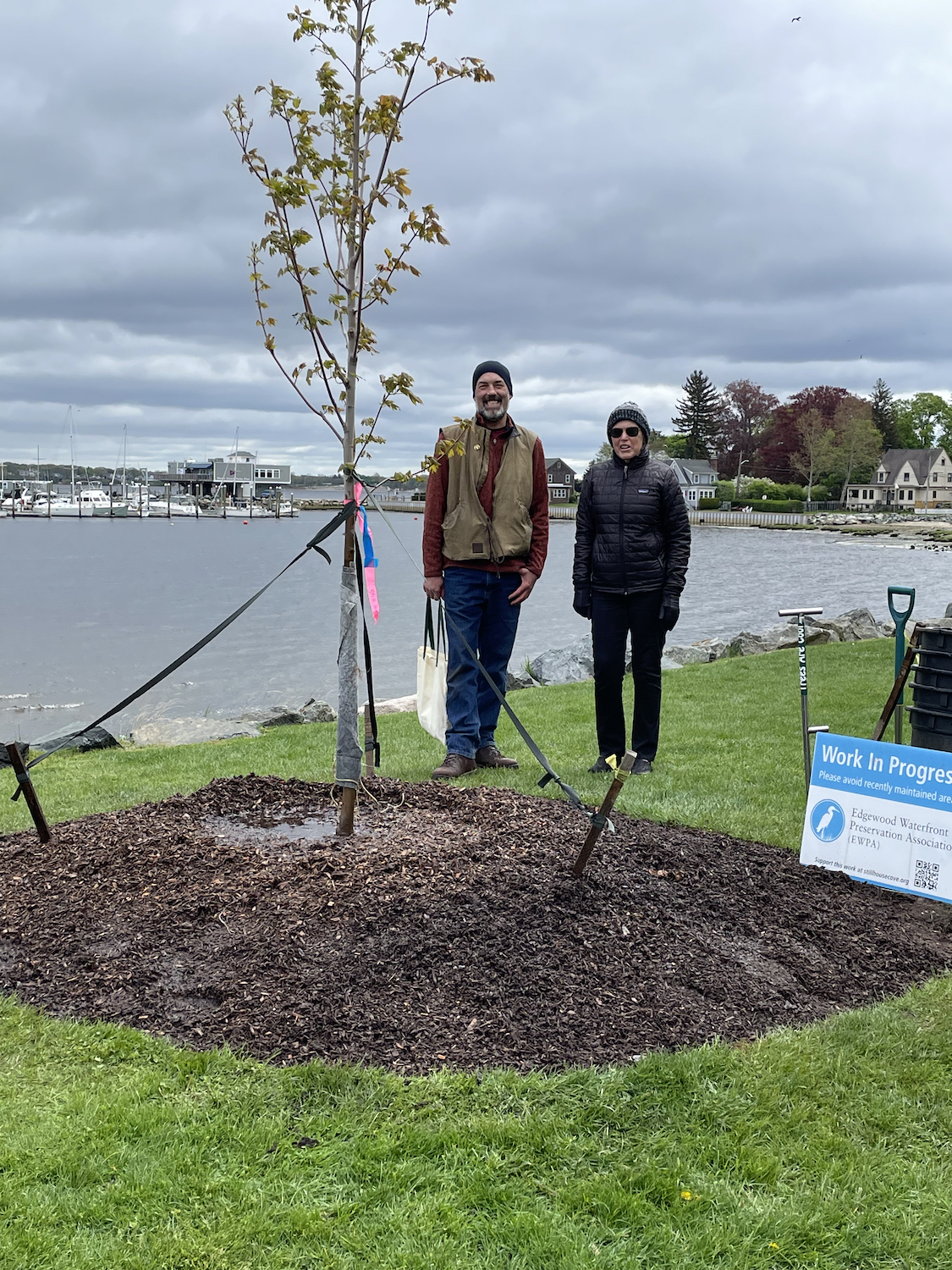
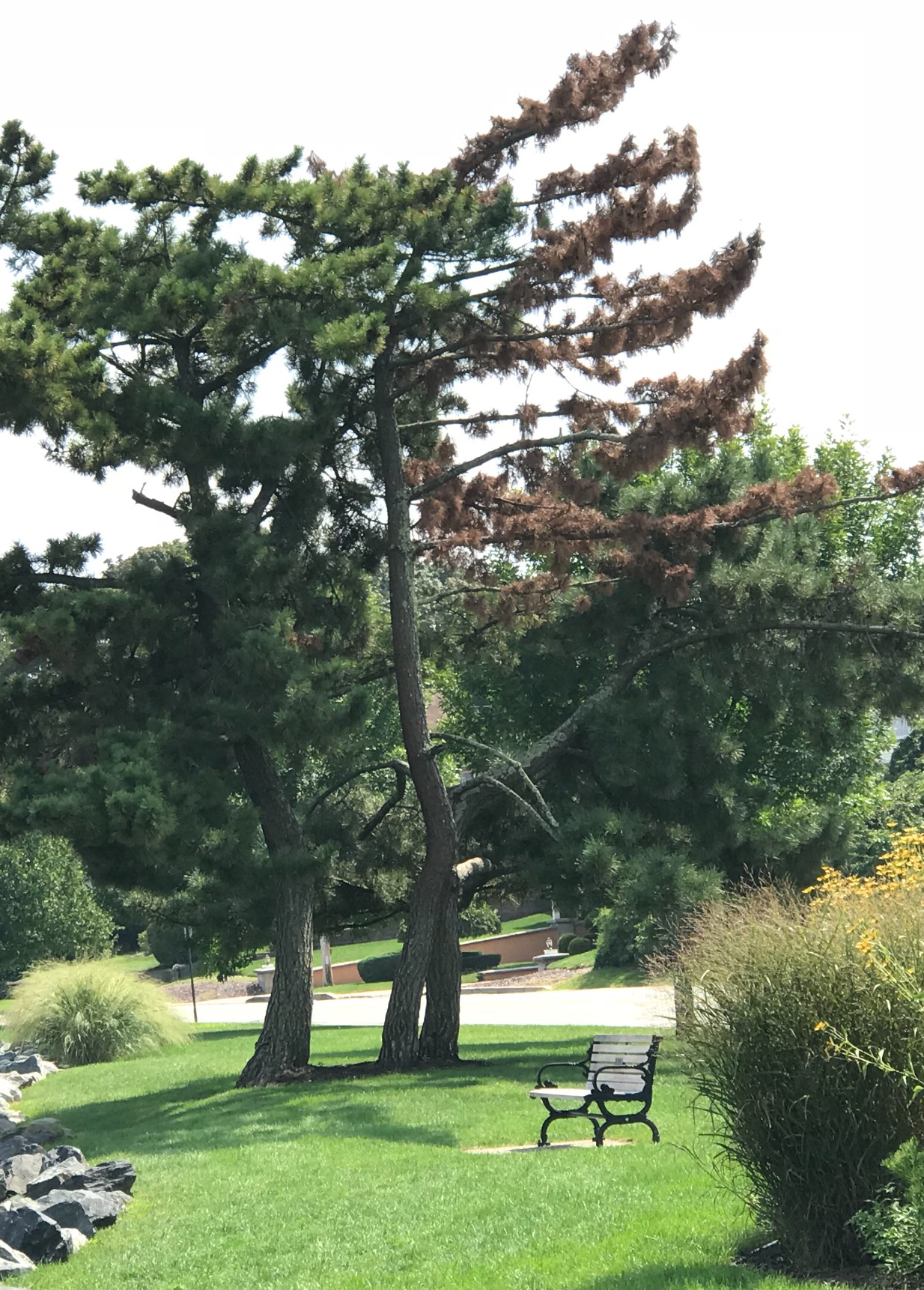
May 4, 2023. Braving chilly temperatures, approximately 50 second grade students from the Rhodes School trooped down to Stillhouse Cove to participate in the first planting of a new tree in the Park in nearly 20 years – an “October Glory” Red Maple. Barbara Rubine of the EWPA explained that the tree was replacing three diseased Black Pine trees that had formerly stood on the site. The new tree is appropriate in dry soil and resistant to insect damage and salt spray. Mary Jo Hines of the Edgewood Garden Club explained the origin of Arbor Day. Then, in a spirited exchange, she then tested the students on their knowledge of the value of trees and the different parts of a tree. Craig Hotchkiss of the of the Rhode Island Tree Council demonstrated how to properly plant a tree while explaining proper tree maintenance practices. Cranston’s tree warden, JohnSkropuski, and Sarah Lee, President, and several other members of the Edgewood Garden Club participated. Also in attendance were teachers Mindy Duquette-DiOrio, Susan Neary, Brittany Gagnon, and Mellissa Medbery.
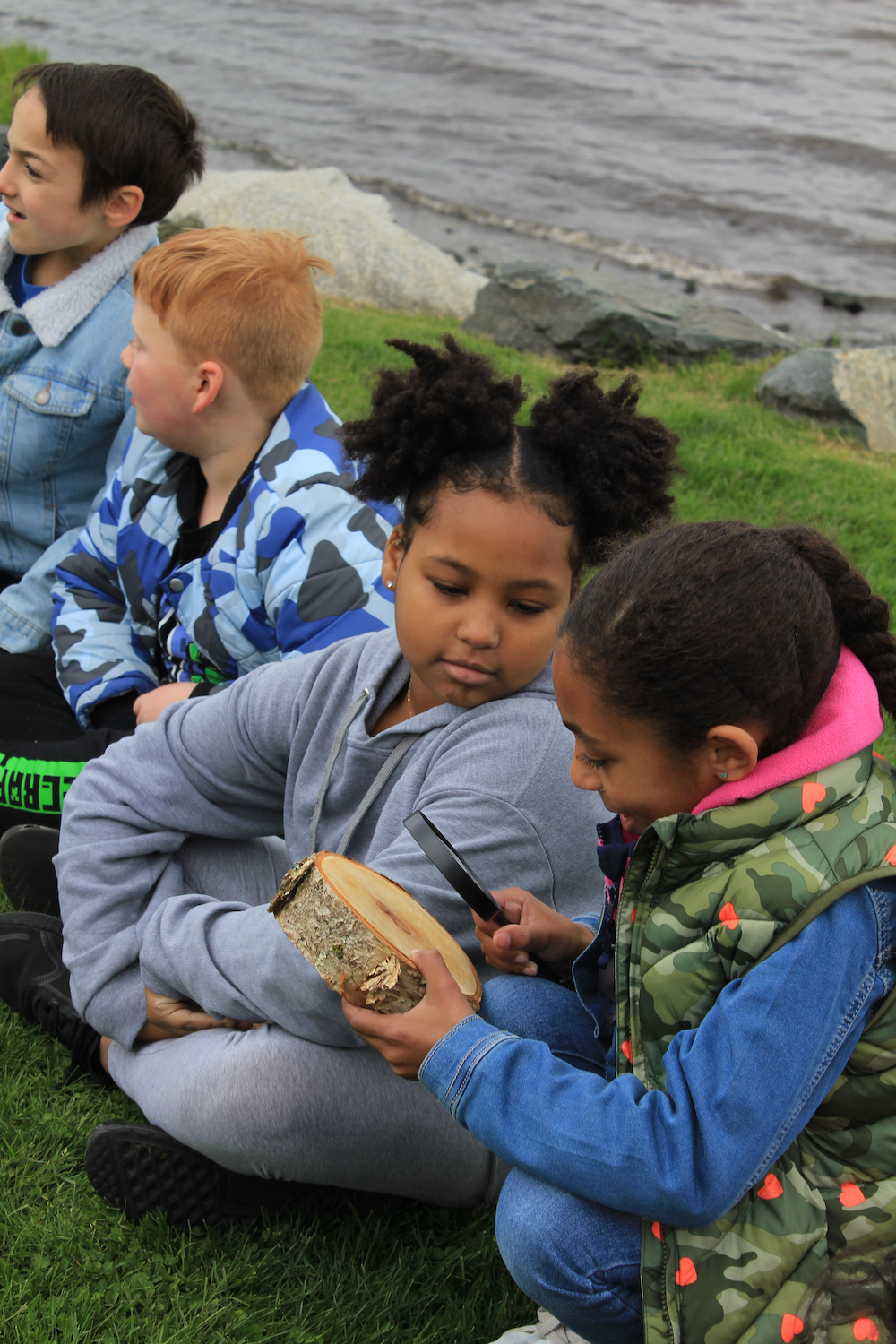
Barbara Rubine speakingBarbara Rubine on the old treesMary Jo Hines on tree partsArbor Day originsMary Jo Hines soliciting answersParts of a tree?Craig Hotchkiss on rootsProper tree careCovering with mulchCovering with mulchCovering with mulchCovering with mulchLearning about tree ringsThe new treeThe diseased Black Pines that were replaced.
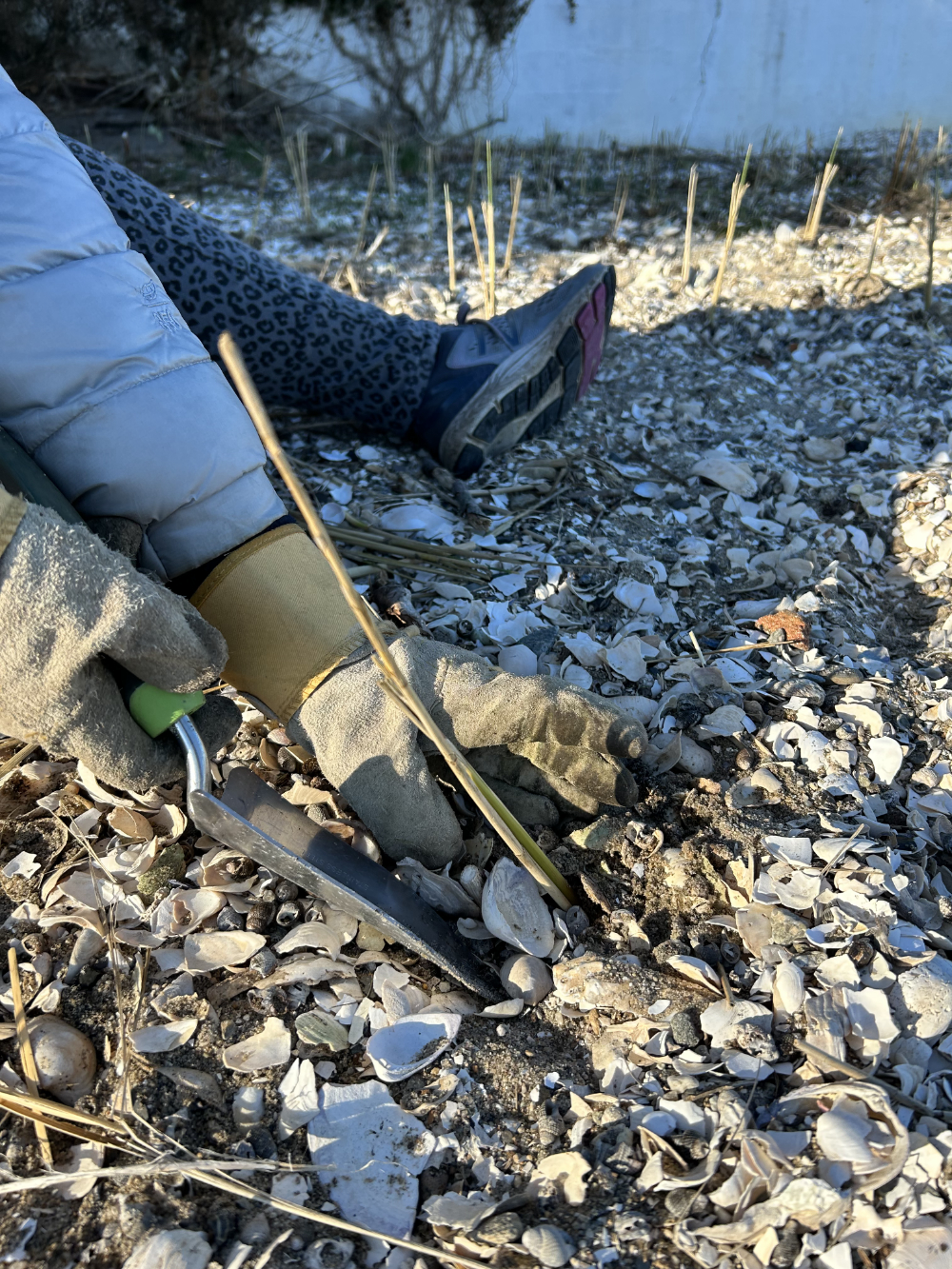
April 29, 2023: After the EWPA Annual Cleanup, Colin Murphy, Richard Finlay, Ray Mooney, and Garrett Quinn pulled a large piece of wood from Stillhouse Cove.
BARBARA RUBINE, PRESIDENT, PRESENTED THIS YEAR’S AGENDA AND GOALS. Approximately sixty community members were in attendance.
PRESENTATIONS ON THIS YEAR’S MEETING THEME: The Future of Trees in Edgewood: Hear from Tree Experts on Where We Are and Where Are We Going. First, a 7-minute film was screened of David Schwartz, an arborist with over fifty years of experience, speaking of the special challenges to trees in urban Rhode Island.
Finally, our keynote speaker, Robert (Lou) Allard spoke about the RI Department of Environmental Management’s programs to encourage the conservation and promotion of urban trees in the State. After the presentation, he answered questions from the audience.
FIND YOUR NEIGHBORHOOD’S TREE EQUITY SCORE HERE: You can even search your own house lot. www.treeequityscore.org
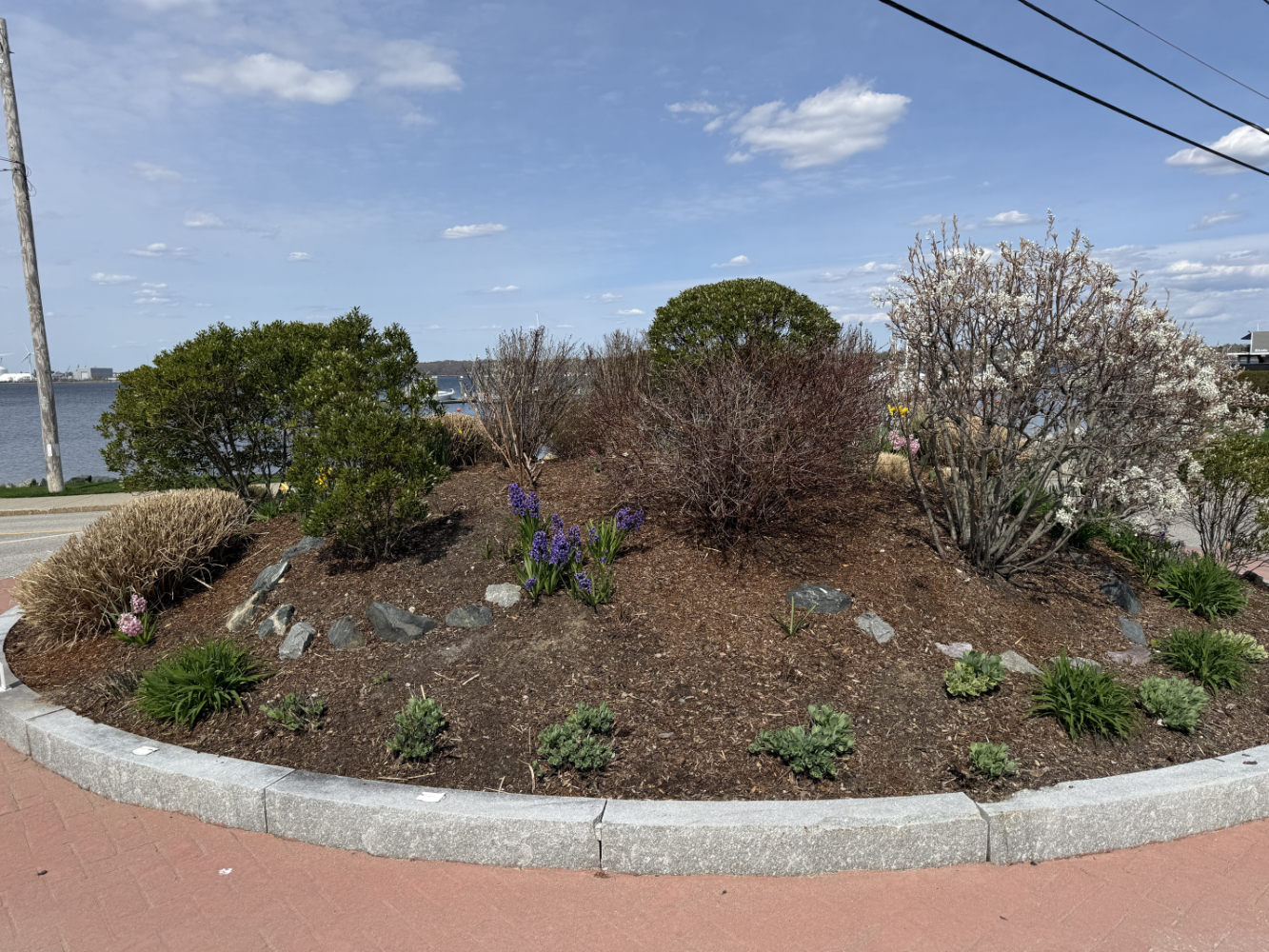
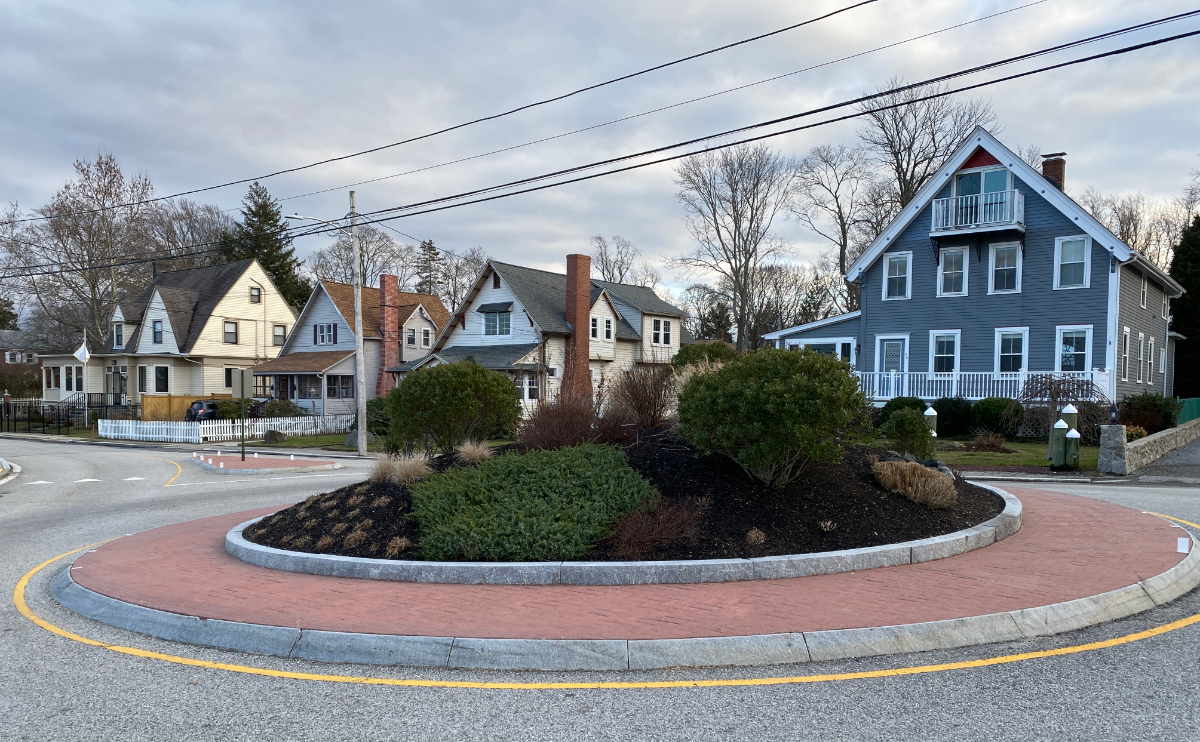
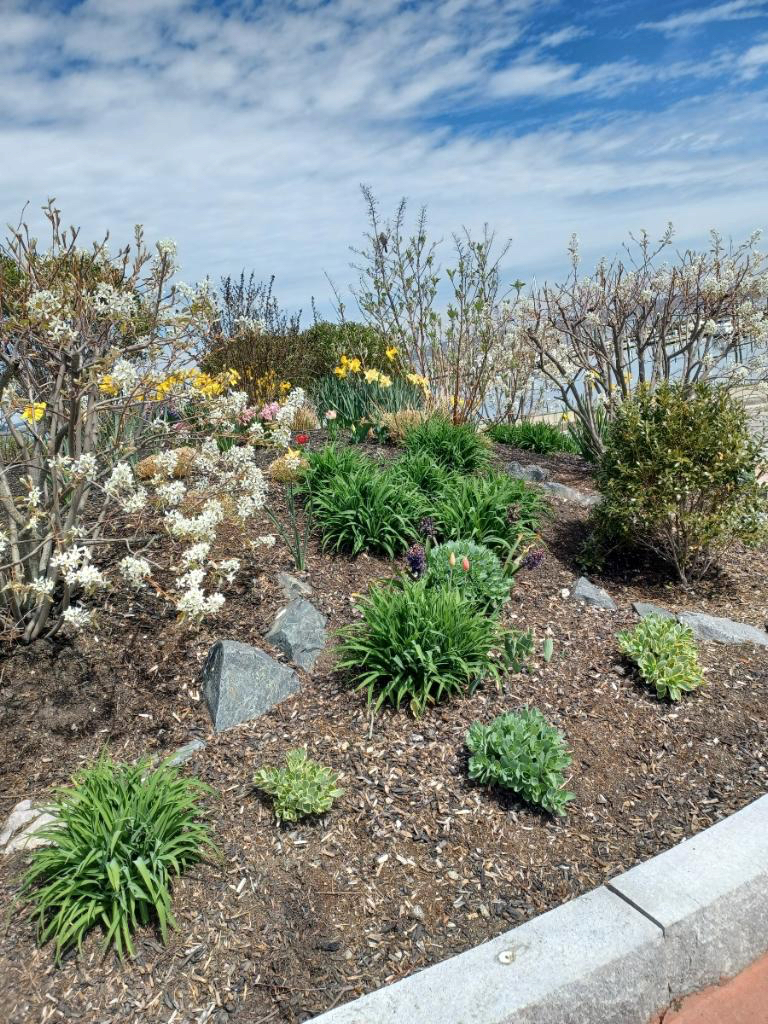
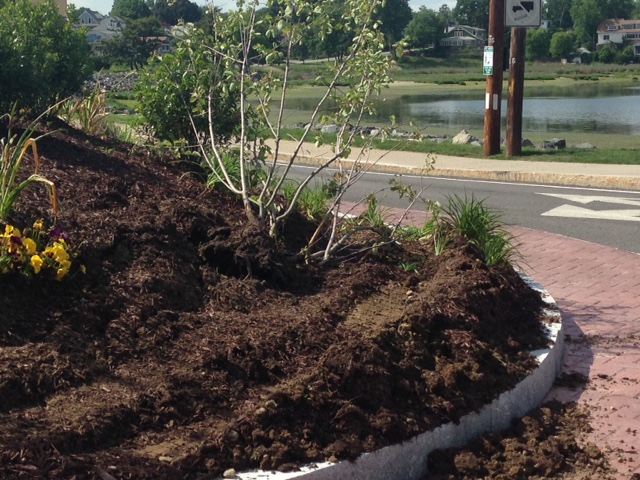
In 2015, the City of Cranston erected a rotary at the junction of Narragansett Blvd. and Ocean Avenue as a traffic calming measure. This followed years of incidents involving inebriated late-night speeders slamming into the area’s yards and houses. Since then, the Edgewood Waterfront Preservation Association (EWPA) has invested a considerable amount of energy and money in maintaining the shrubs and flowers in the rotary garden.
Unfortunately, the site continues to be abused by the same population of out-of-control drivers, resulting in frequent damage to the plantings (and their own vehicles). Neighbors come out to find a Kia or Nissan perched on the junipers. In 2020, a particularly creative driver bounced off the rotary and then proceeded to fly down Ocean Avenue through the barrier and into the Bay! It is not uncommon for large trucks to drive over the garden when they have difficulty negotiating the rotary.
In at least one case, the EWPA is seeking to recover the cost of the damage through a driver’s insurance company. Should the Rhode Island Liquor Stores Association adopt the spot?
Super volunteers Donna Fieldman and Wenley Ferguson planted beach grass off Strathmore Place on a cold, blustery March 30, 2023 to replace the grasses that were washed away during the December 23, 2022 storm.
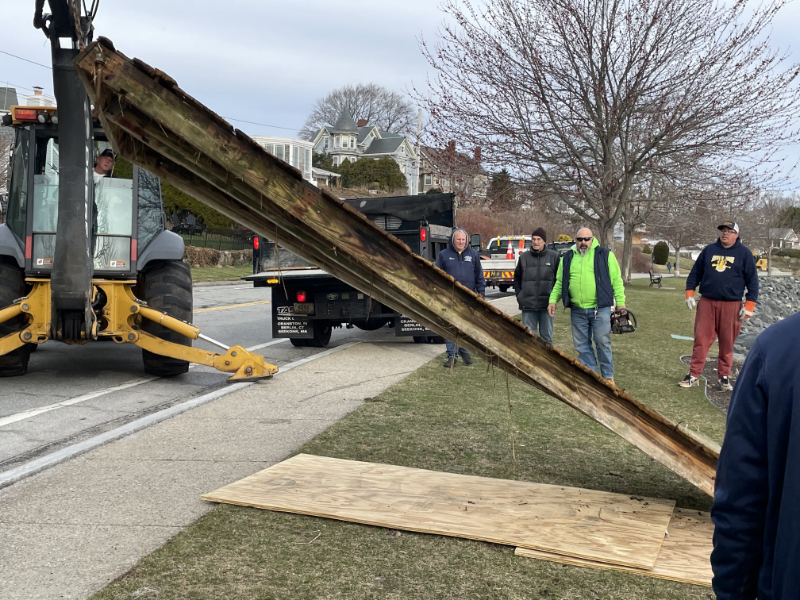
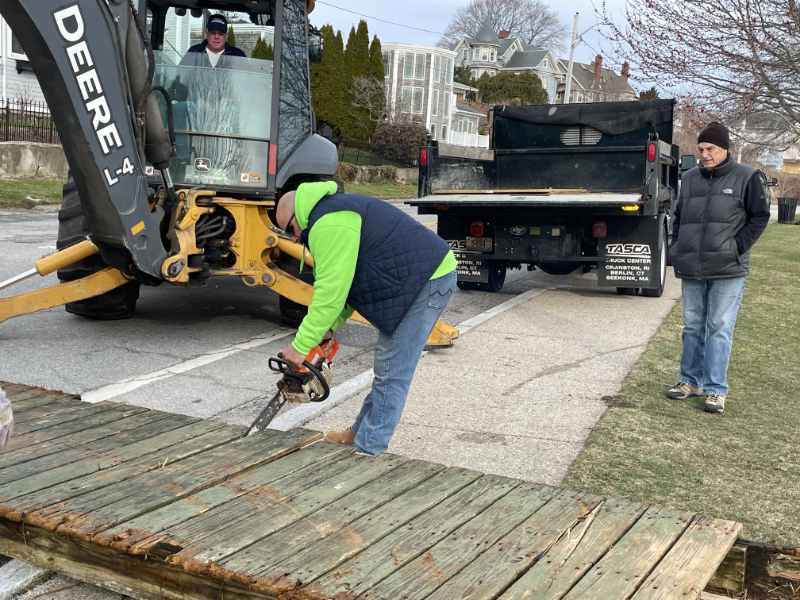
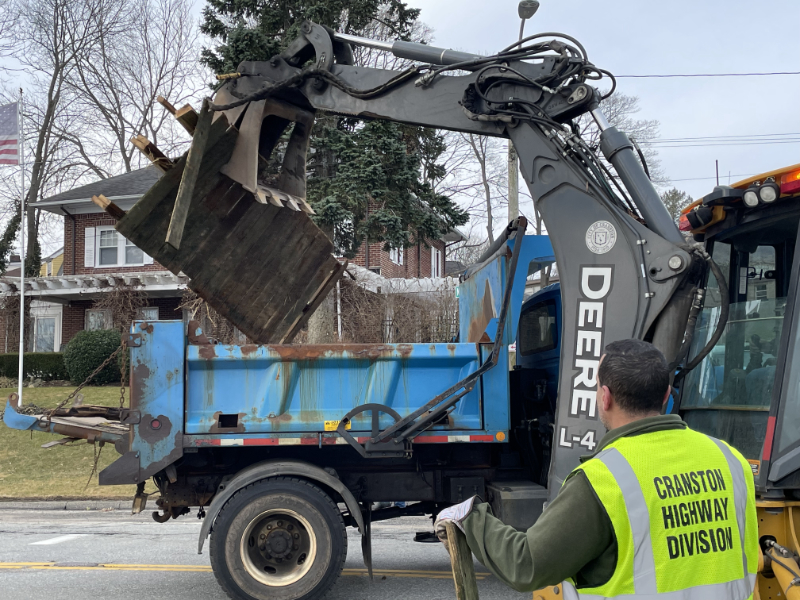
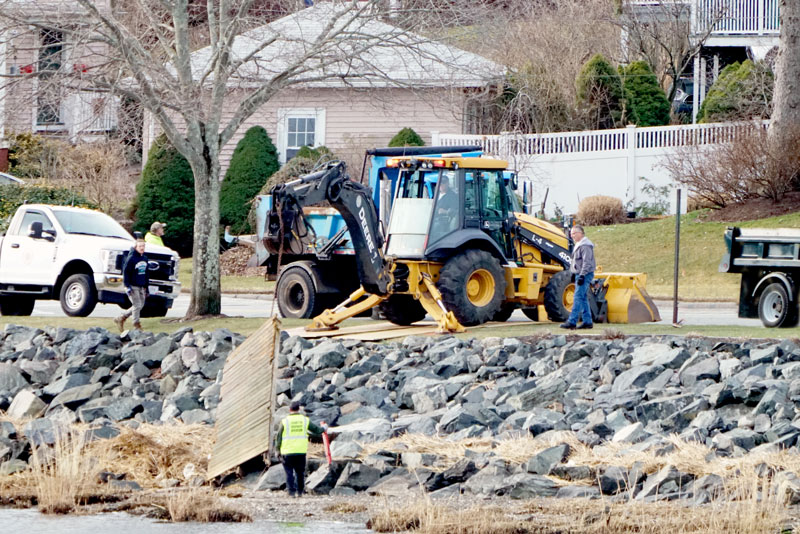
Cranston’s Departments of Public Works and Parks & Recreation brought in heavy equipment last week to clear large objects that were lodged in Stillhouse Cove following the near-record high tide of December 23, 2022. Participating were Ray Tessaglia, Parks and Recreation Director and John Corso, Highway Department Manager. Dennis Conte, City Mason, can be seen cutting up a dock.
Donald Macdonald returns to his childhood neighborhood several times a week to walk along the shore, write poems, and share his verse with new friends.
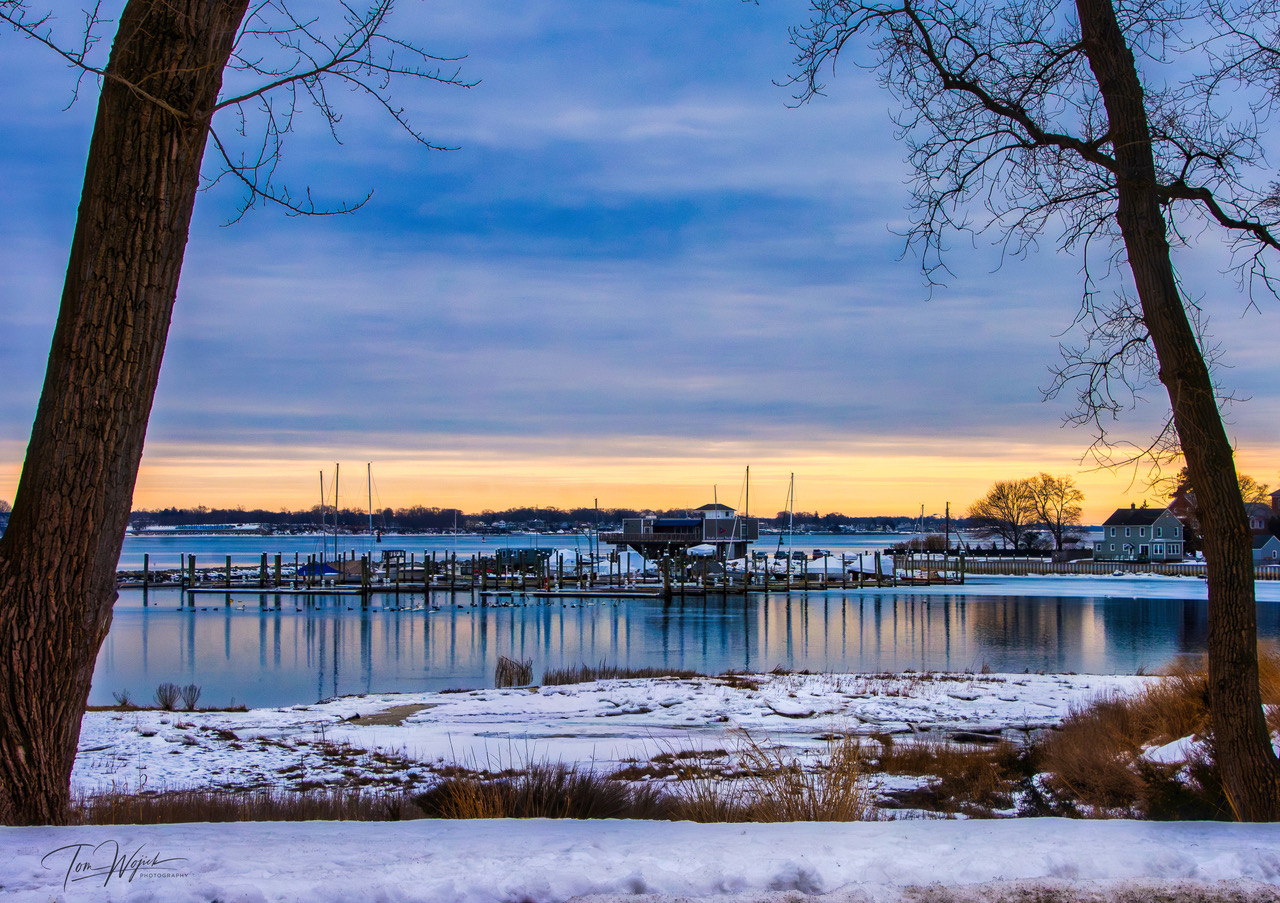
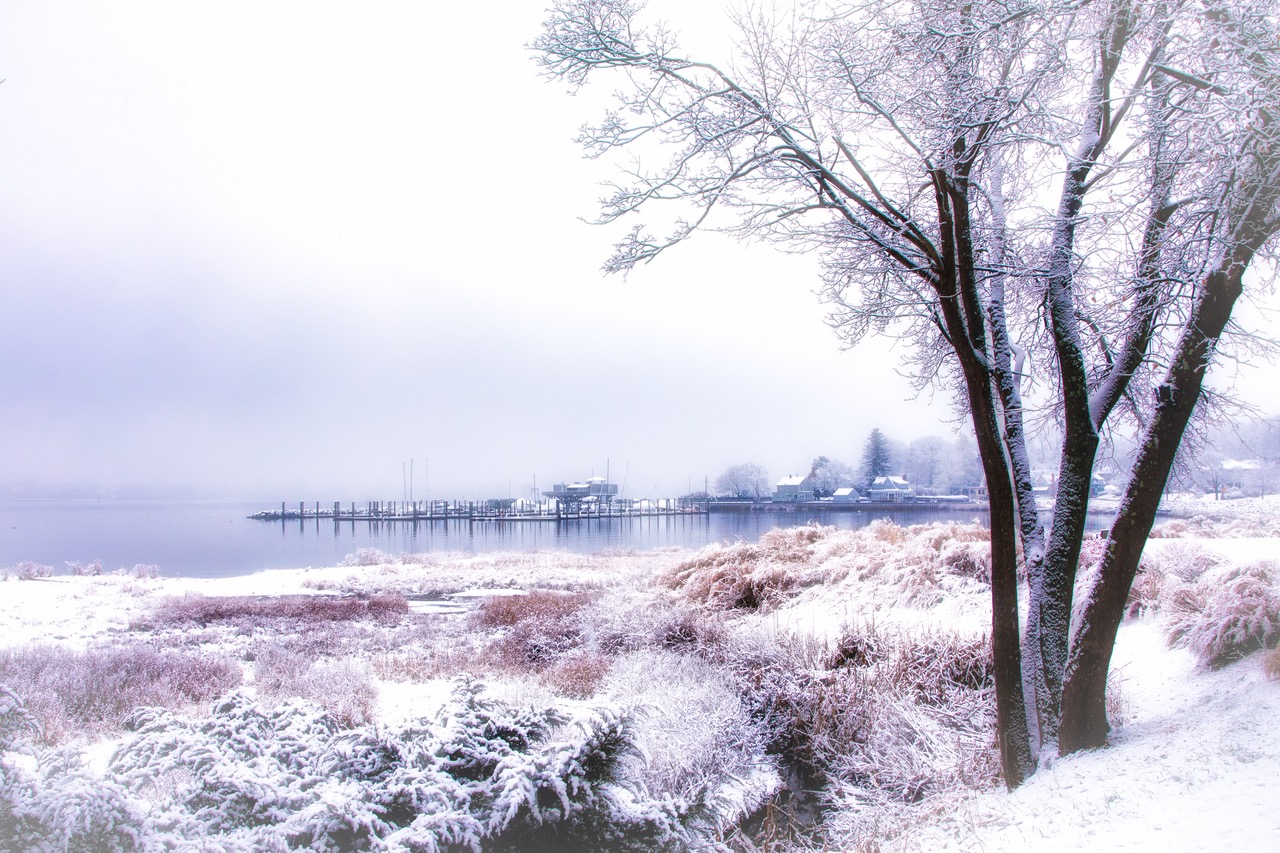
Tom Wojick traverses the same path with a camera capturing wonderful images at all seasons.
In 2022, the EWPA Board instituted monthly maintenance activities. These included the May seeding of the infiltration area; the July removal of invasive loosestrife from the salt marsh; and cleanups of the Park, the infiltration area, the boat ramp and the rotary.
Over the last several years, EWPA has engaged in a number discussions of potential flooding scenarios in our area. On December 23, 2022, we got a full-blown demonstration.
The Fox Point Hurricane Barrier was closed when the water level there peaked at 9.2 feet at 8 a.m. thanks to a 3.79-foot storm surge. It was the ninth-highest level ever recorded at the Fox Point gauge and the highest since Hurricane Bob in 1991.
The photos below demonstrate the flooding’s local impact.
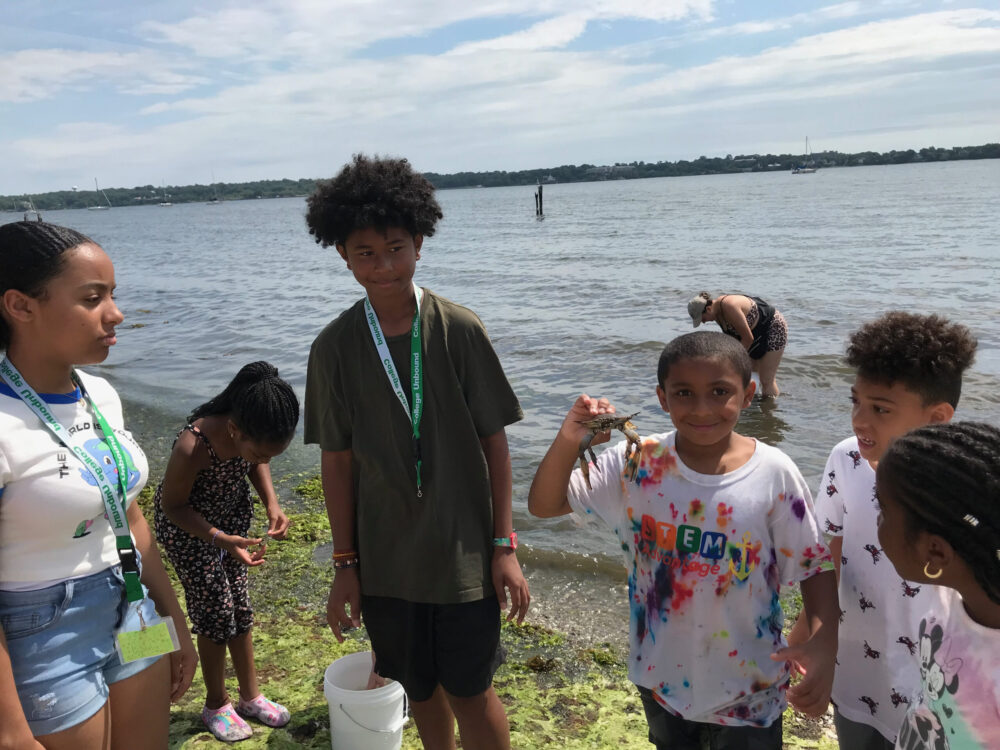
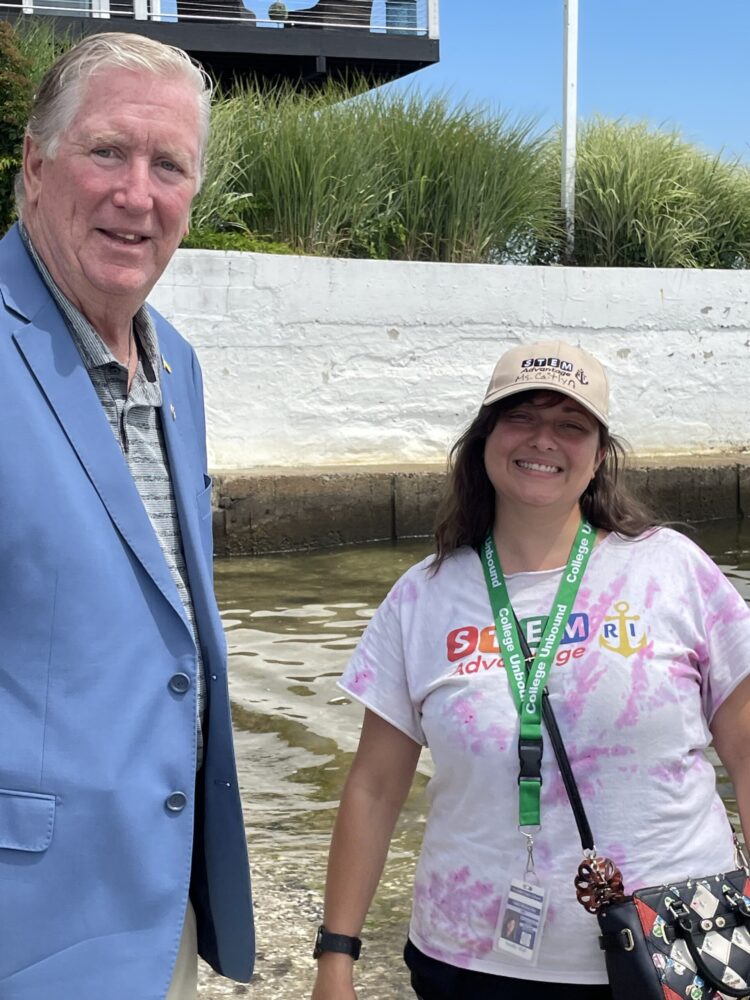
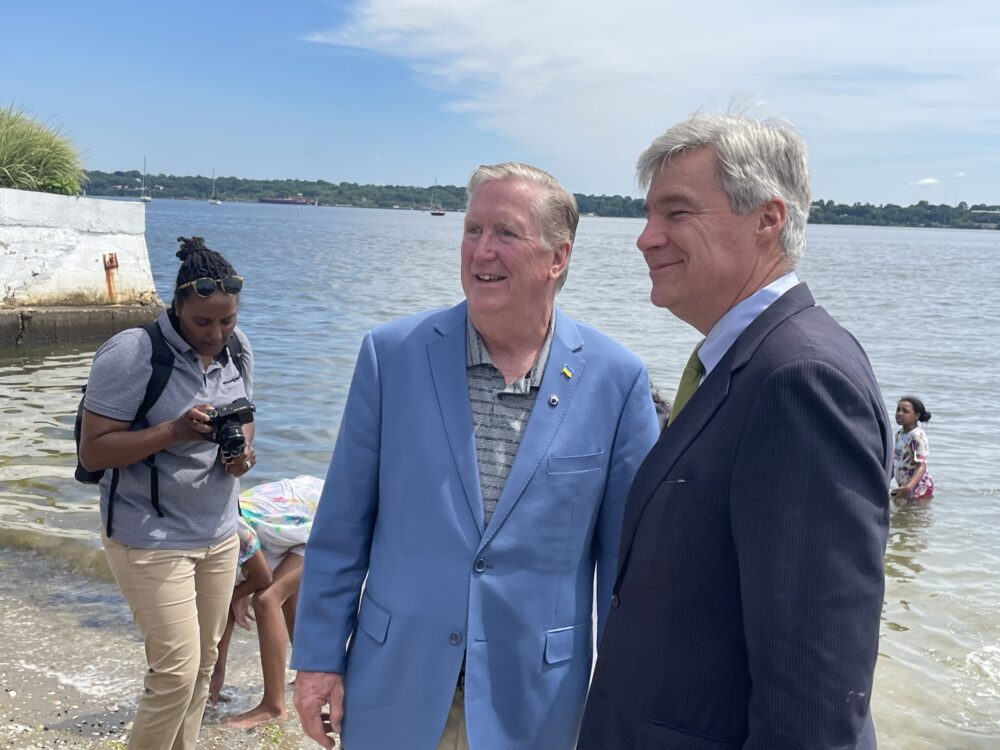
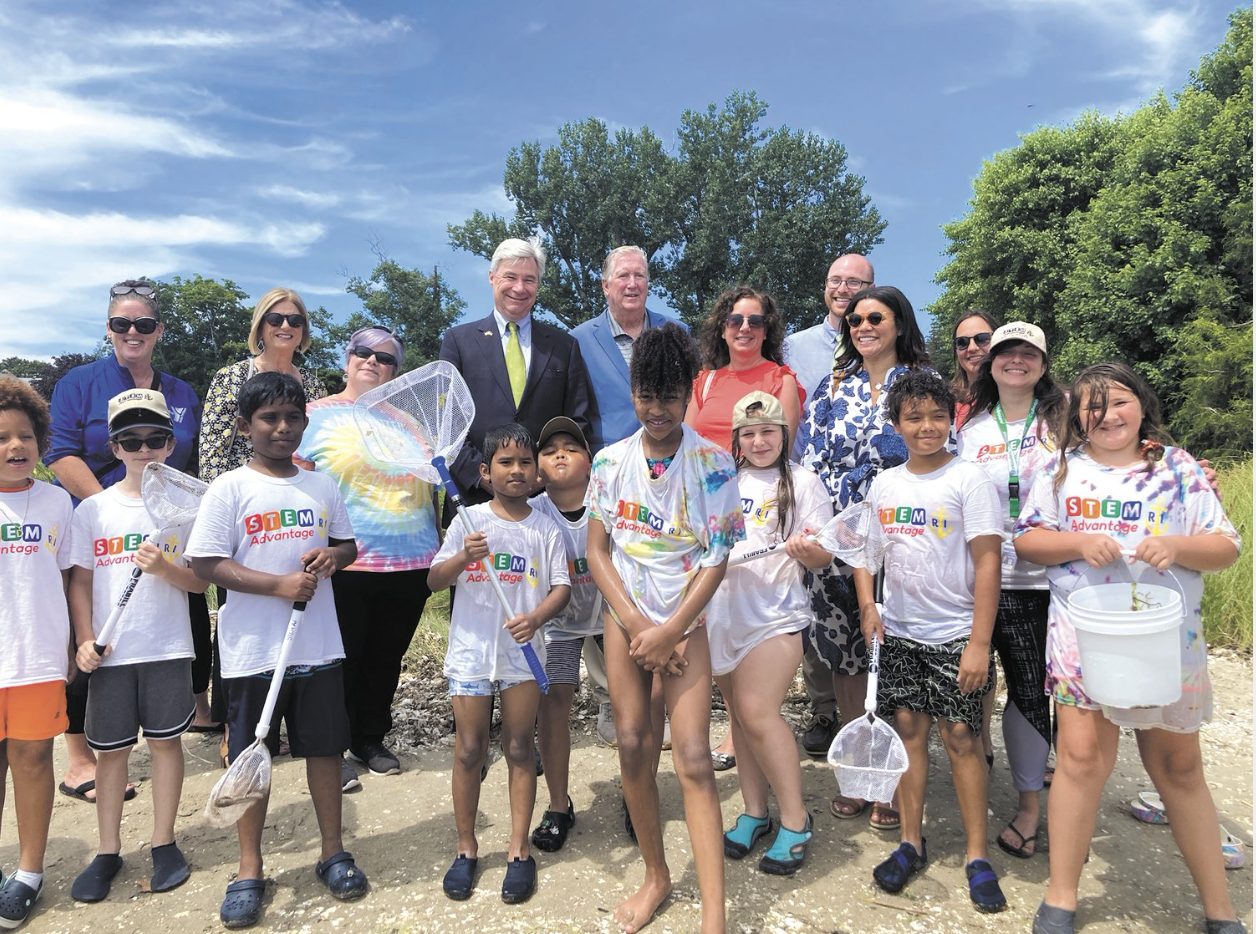
On July 15, 2022, twenty Mystic Aquarium STEM Advantage campers from Cranston public schools (grades three to six) eagerly explored the water, shoreline and grass area at Stillhouse Cove. They proudly showed their friends the large clumps of seaweed and silversides, clams, and crabs they found.
Caitlyn Blankenship, statewide coordinator for STEM Advantage RI, said the campers visited Stillhouse Cove to learn how to be environmental stewards while advancing their knowledge on aquatic research. Campers took water samples to test the Cove’s Ph levels, oxygen and turbidity.
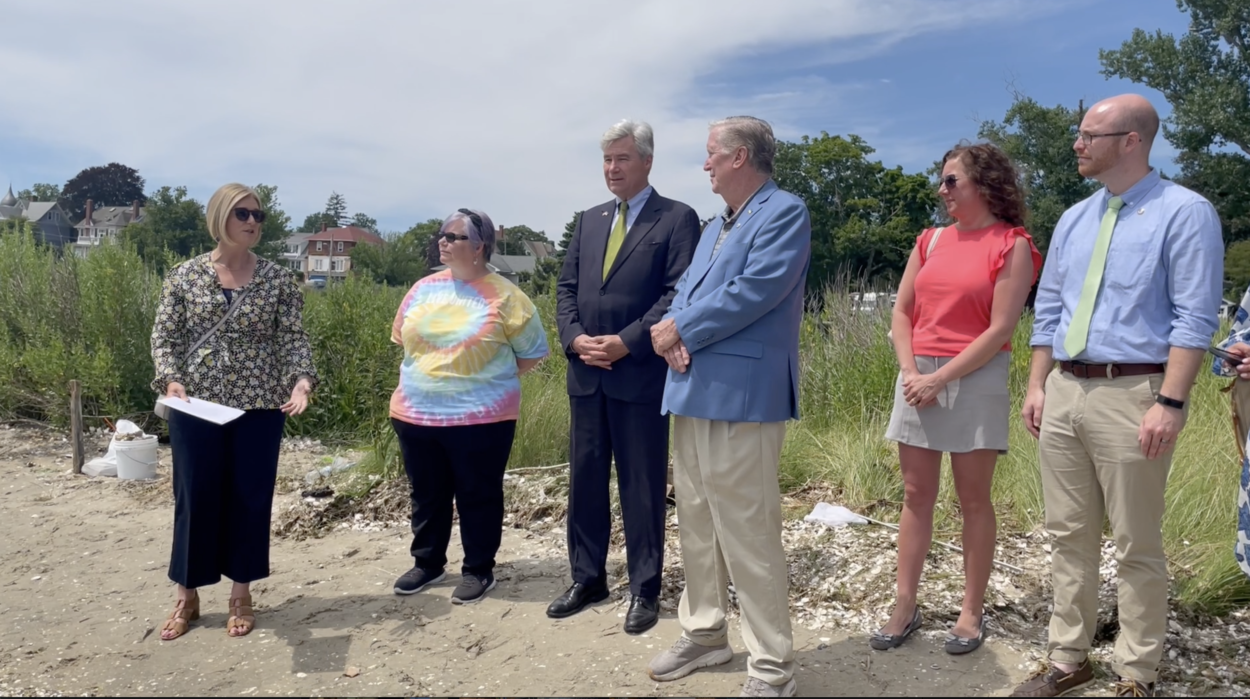
The campers were too engrossed in their activities to pay much attention to their high- profile visitors including Cranston Mayor Ken Hopkins, Senator Sheldon Whitehouse, and Cranston City council members Lammis Vargas, Jessica Marino and John Donegan. Also present were representatives from the United Way, the YMCA, the Rhode Island Foundation, and the Edgewood Waterfront Preservation Association (EWPA).
See the Cranston Herald article below for full details.
From left: Senator Sheldon Whitehouse, Cranston Mayor Kenneth Hopkins, Cranston City Council member Jessica Marino, Council member John Donegan, Council member Lammis Vargas, RI Stem Advantage Coordinator Caitlyn Blankenship, and Christy Clausen of the YMCA.From left President and CEO of United Way of Rhode Island Courtney Nicolato, Marlene Guay of United Way, Senator Sheldon Whitehouse, Cranston Mayor Kenneth Hopkins, Cranston City Council member Jessica Marino, and Council member John Donegan.
On December 7, 2022, more than two years of work by EWPA and a team composed of a filmmaker, an artist, and a mason culminated in the unveiling of the “End of the Line” trolley sculpture and historic marker.
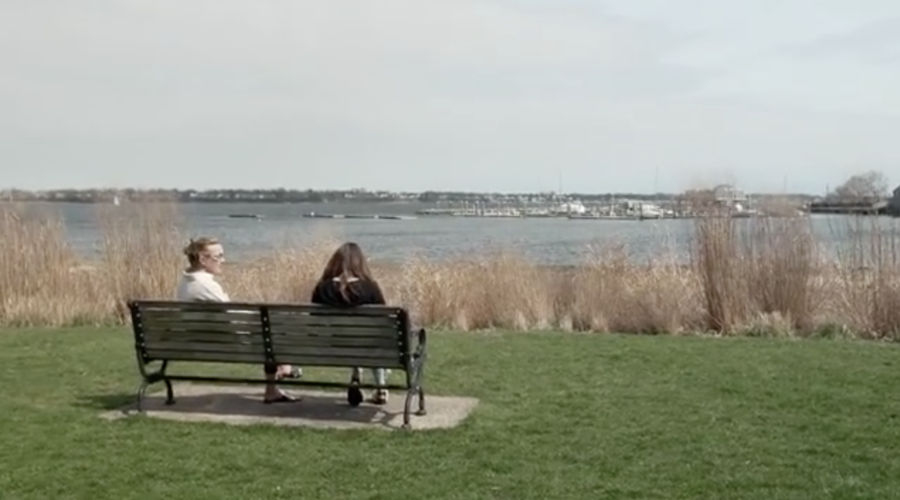
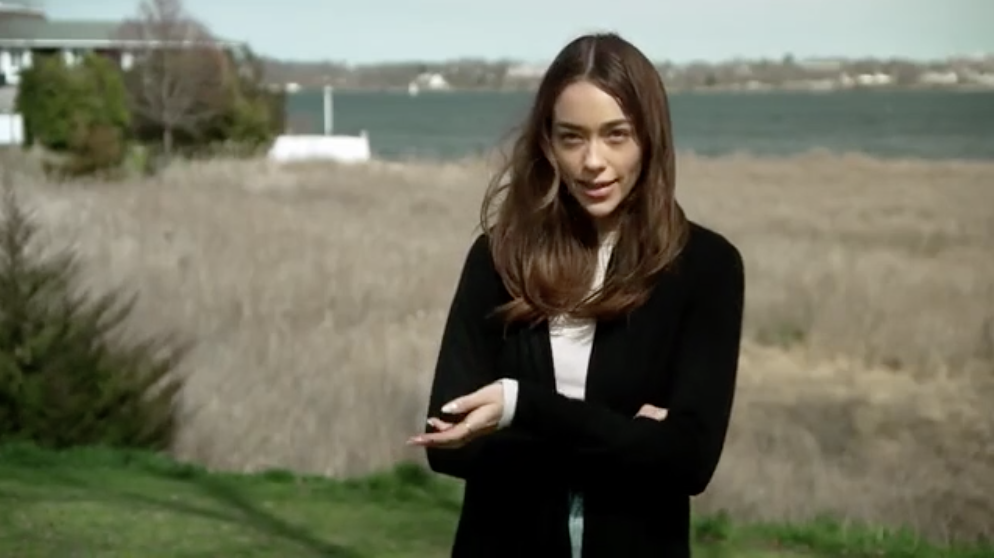
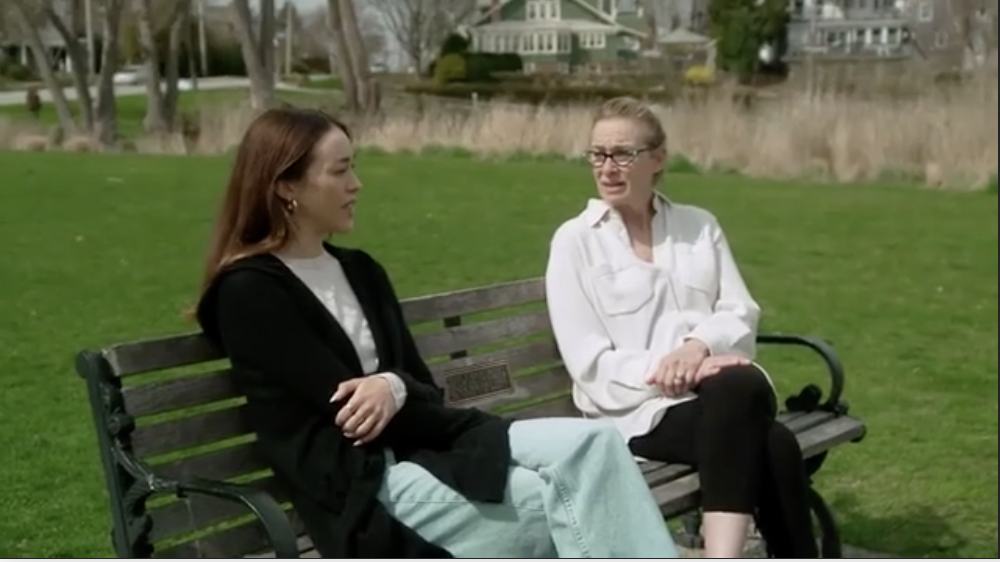
In the most recently released episode of The Culpo Sisters, former Miss Universe Olivia Culpo and her two sisters come home to their parents’ Edgewood home. It appears to have been filmed early in the Spring of 2022. During the episode, the youngest sister Sophie Culpo and their mother Susan walk down to Stillhouse Cove and observe that the swans must be about to lay their eggs (followed by a shot of Canada Geese in Pawtuxet Cove). They then sit on one of the park benches and engage in a deep conversation about the perils of fame. The full episode can be viewed here: (https://www.dailymotion.com/video/x8hccwn.
Perhaps the production company might think about making a contribution to the EWPA which installed the bench and maintains the Park.