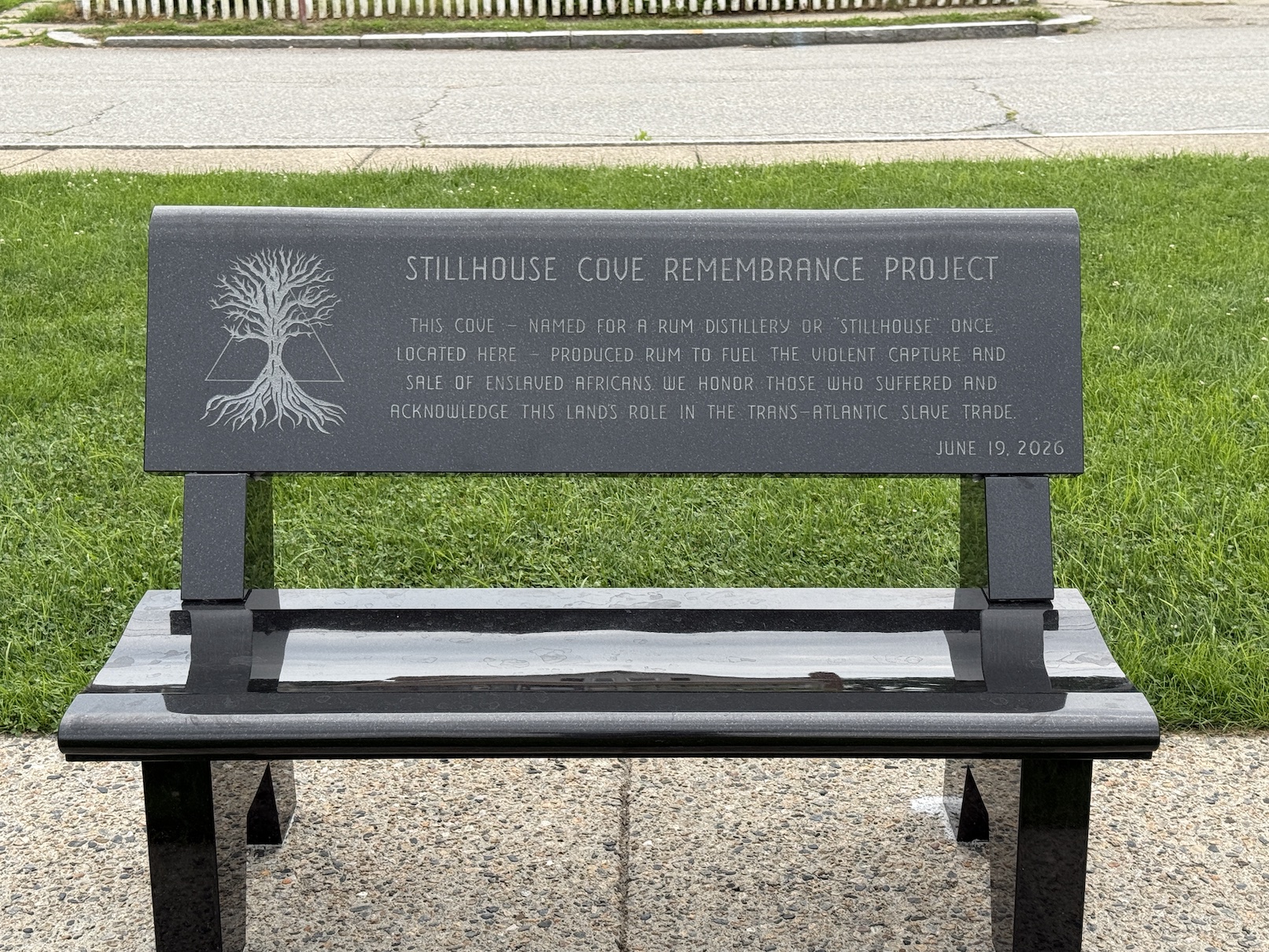
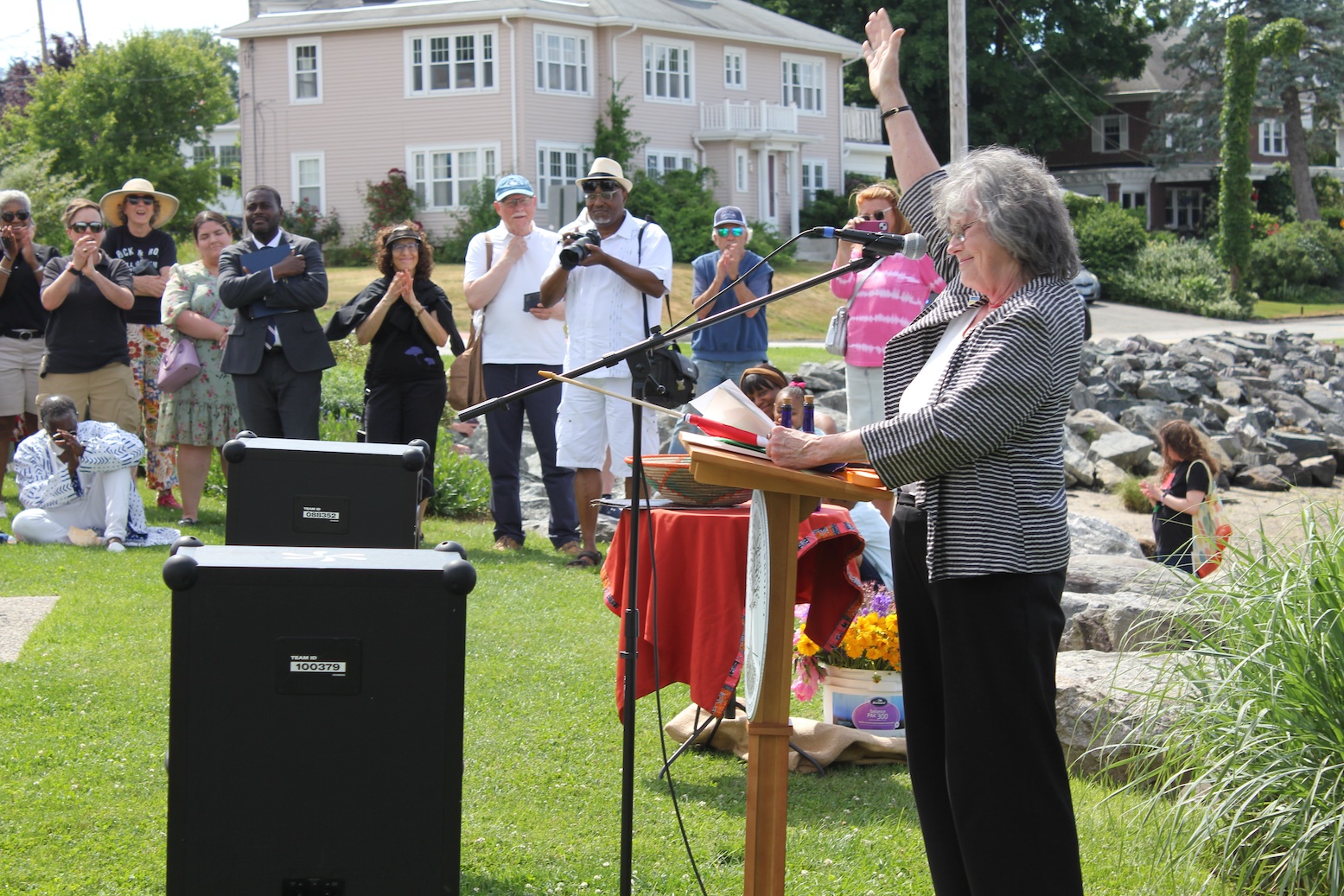
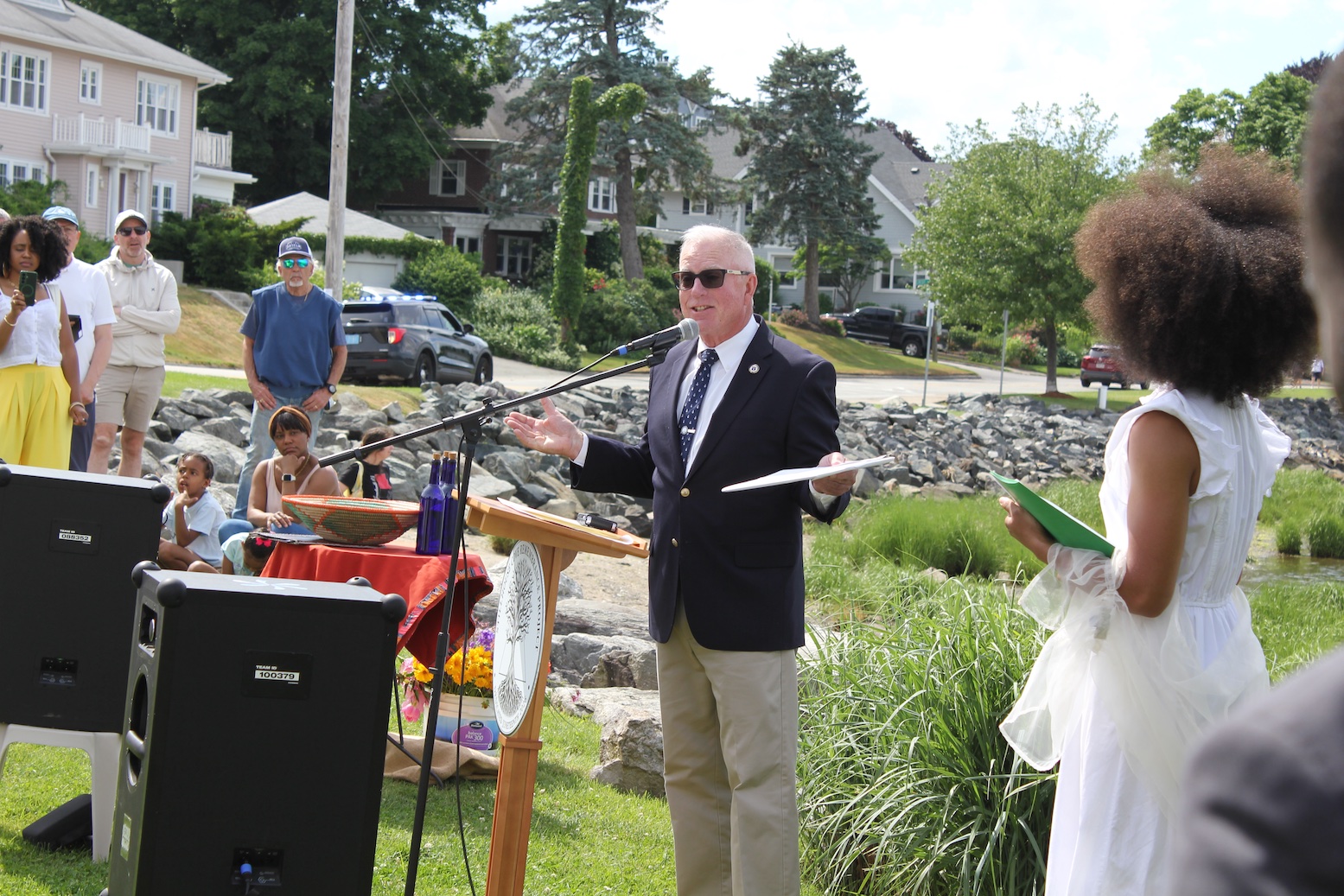
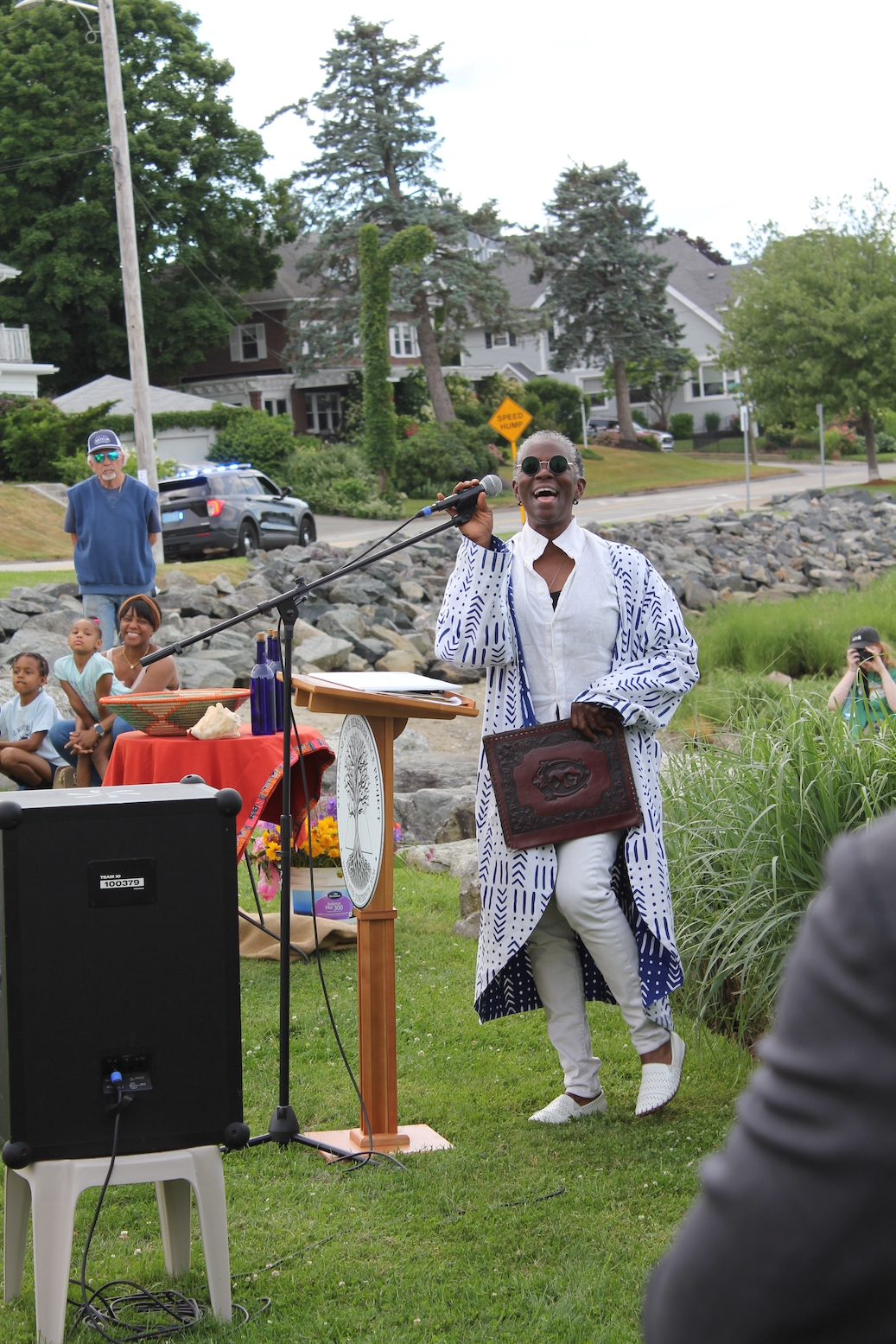
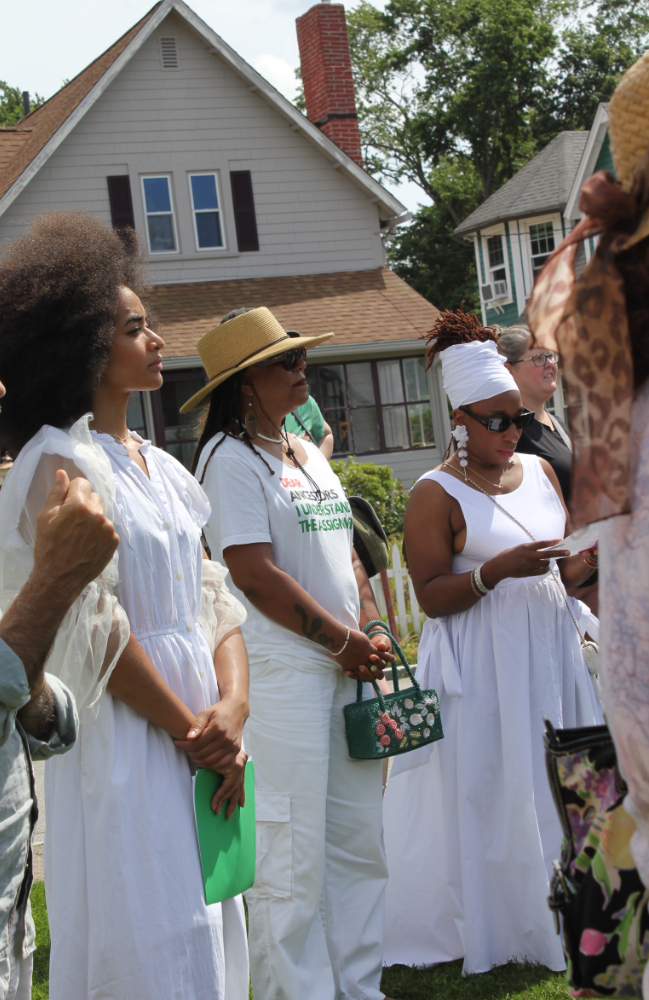
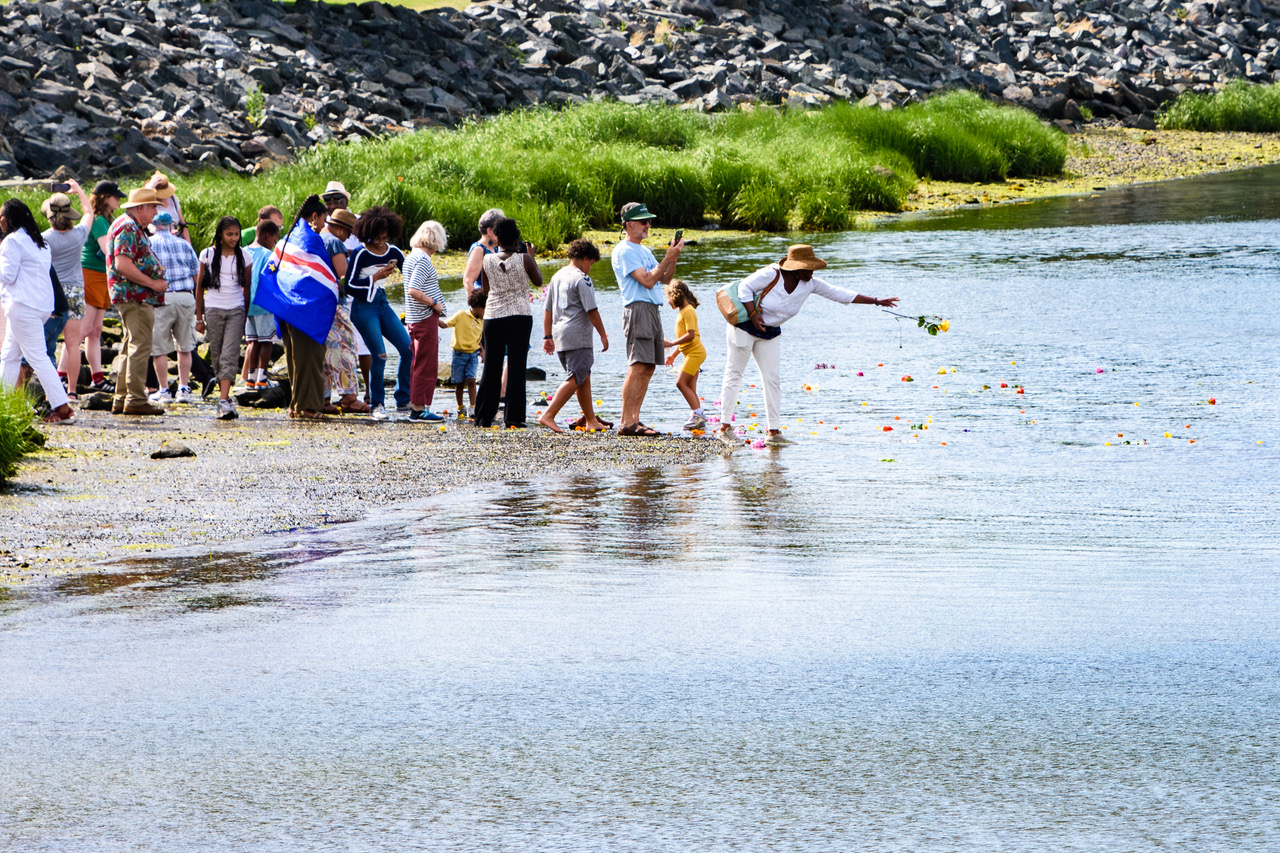
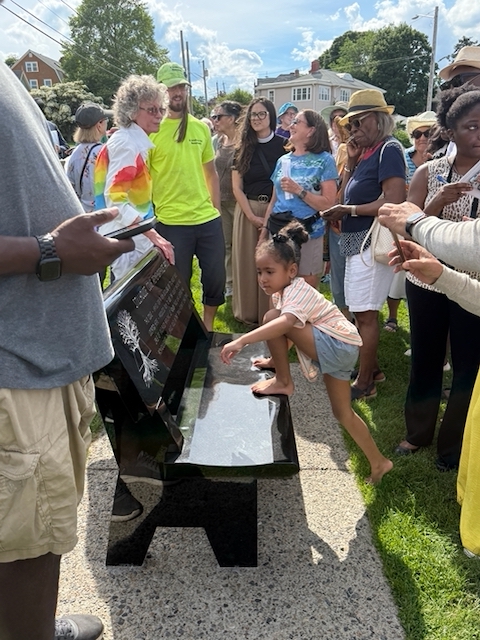
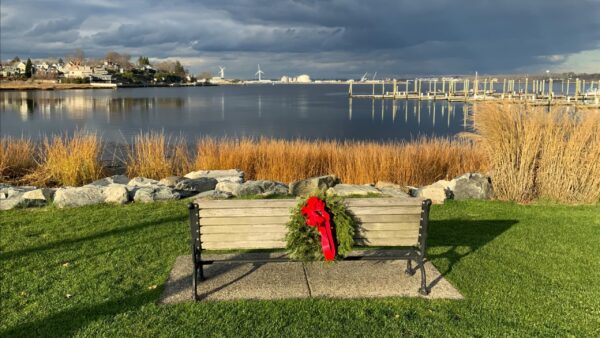
Earlier this year, at a neighborhood EWPA presentation, a participant asked about the historic location of the “stillhouse” on the Cove. Barbara Rubine replied that it was approximately where the Ocean Avenue roundabout now stands. “I wish it was still there,” the individual joked. Now a black marble bench reminds us of the terrible role played by that stillhouse and many others up and down the shores of Narragansett Bay in the 18th century. Those distilleries produced rum from molasses grown on Caribbean plantations where the average lifespan of slaves was only seven to nine years after their arrival. The rum produced along the shore of our beautiful cove was then loaded into barrels manufactured in Pawtuxet village and placed on ships that embarked for West Africa to be exchanged for more slaves.
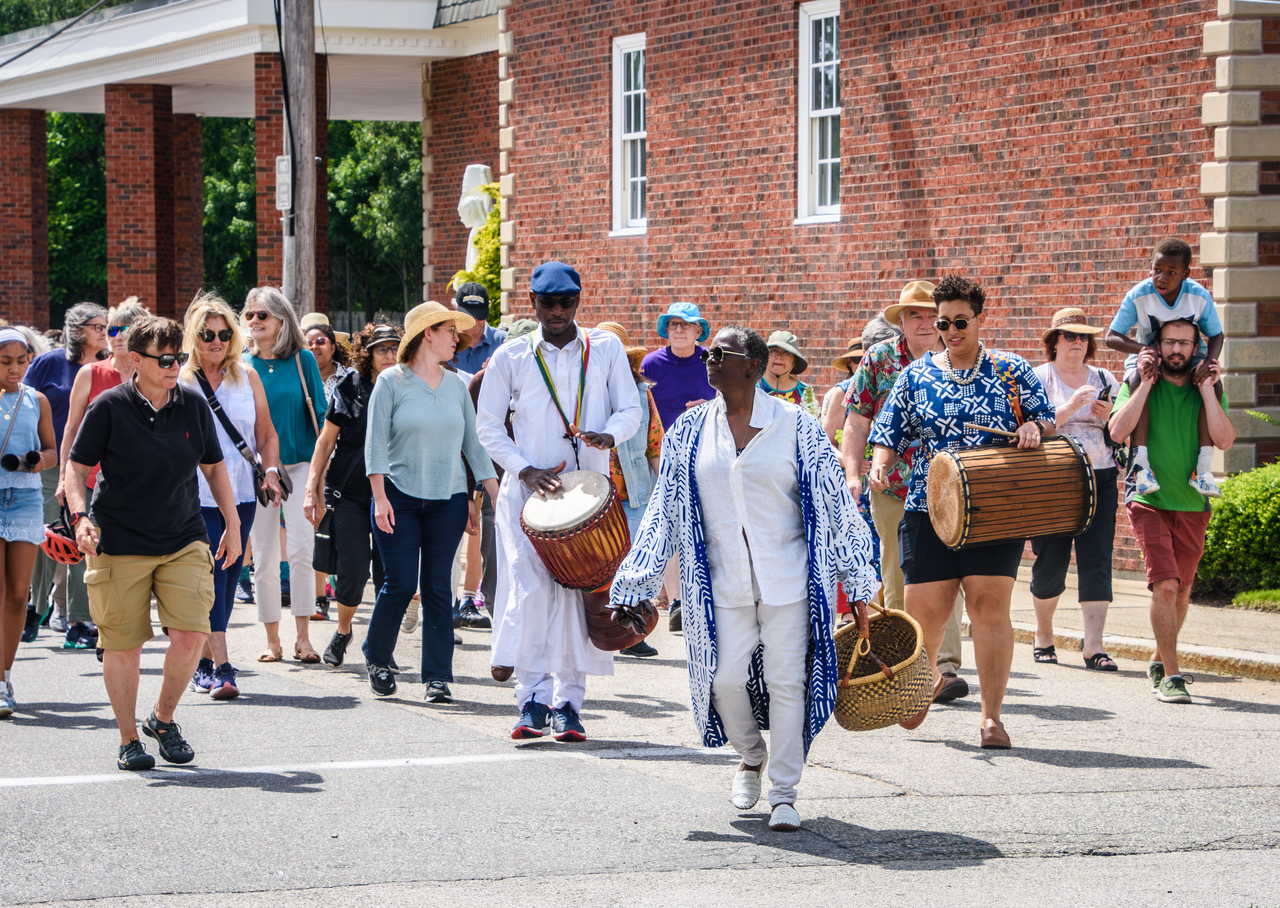
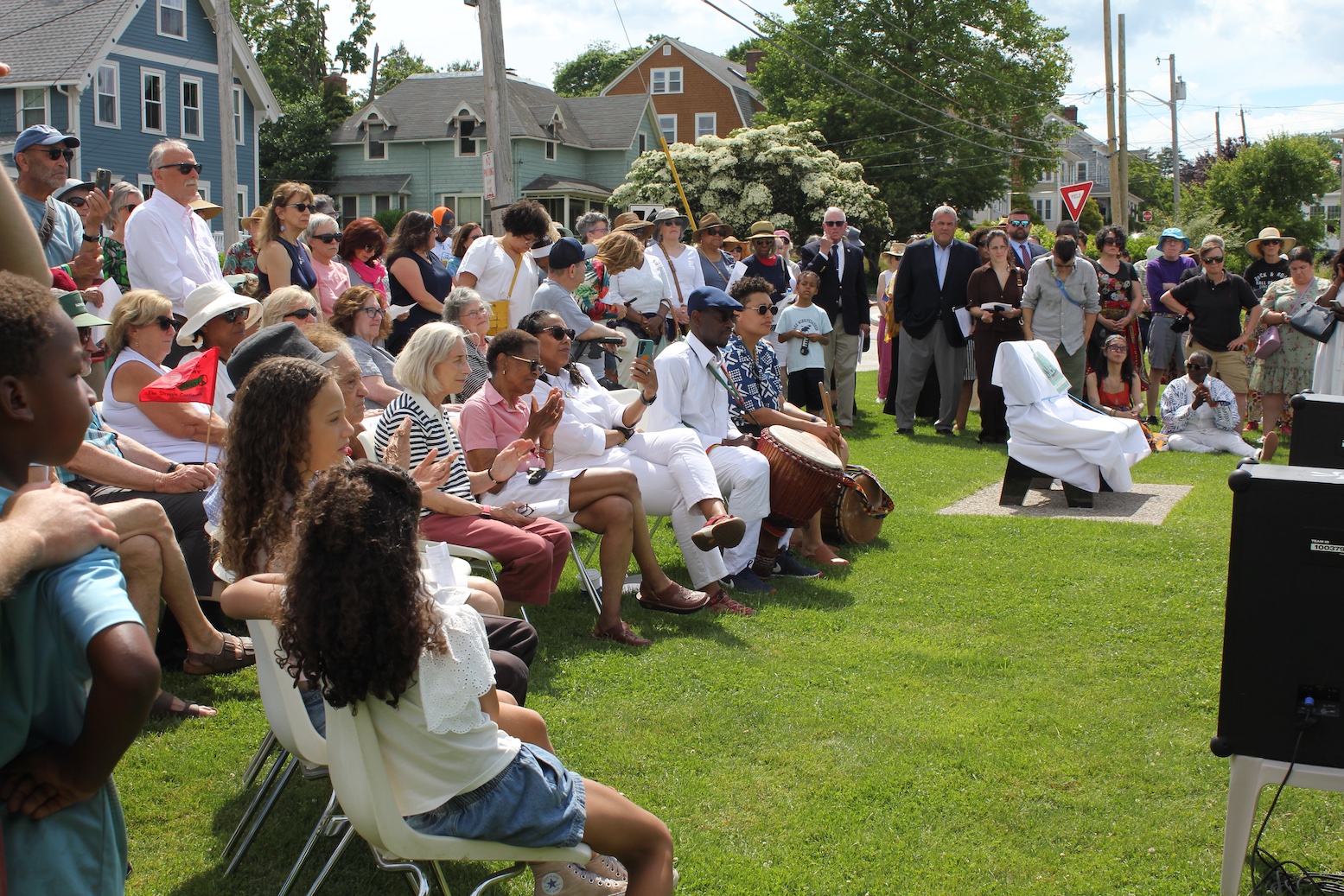
Tasuma Goodwin (SCRP) leads the procession
In other parts of the country, Rhode Island’s prominent role in the Atlantic Triangle Slave Trade is well recognized and documented, but here we have been reluctant to face the truth. At the June 19th unveiling, speaker after speaker pointed out the terrible irony of the sinking of the Gaspee in 1792. We celebrate it each year as a first strike for American freedom, but ignore the fact that its most prominent leaders were slave traders.
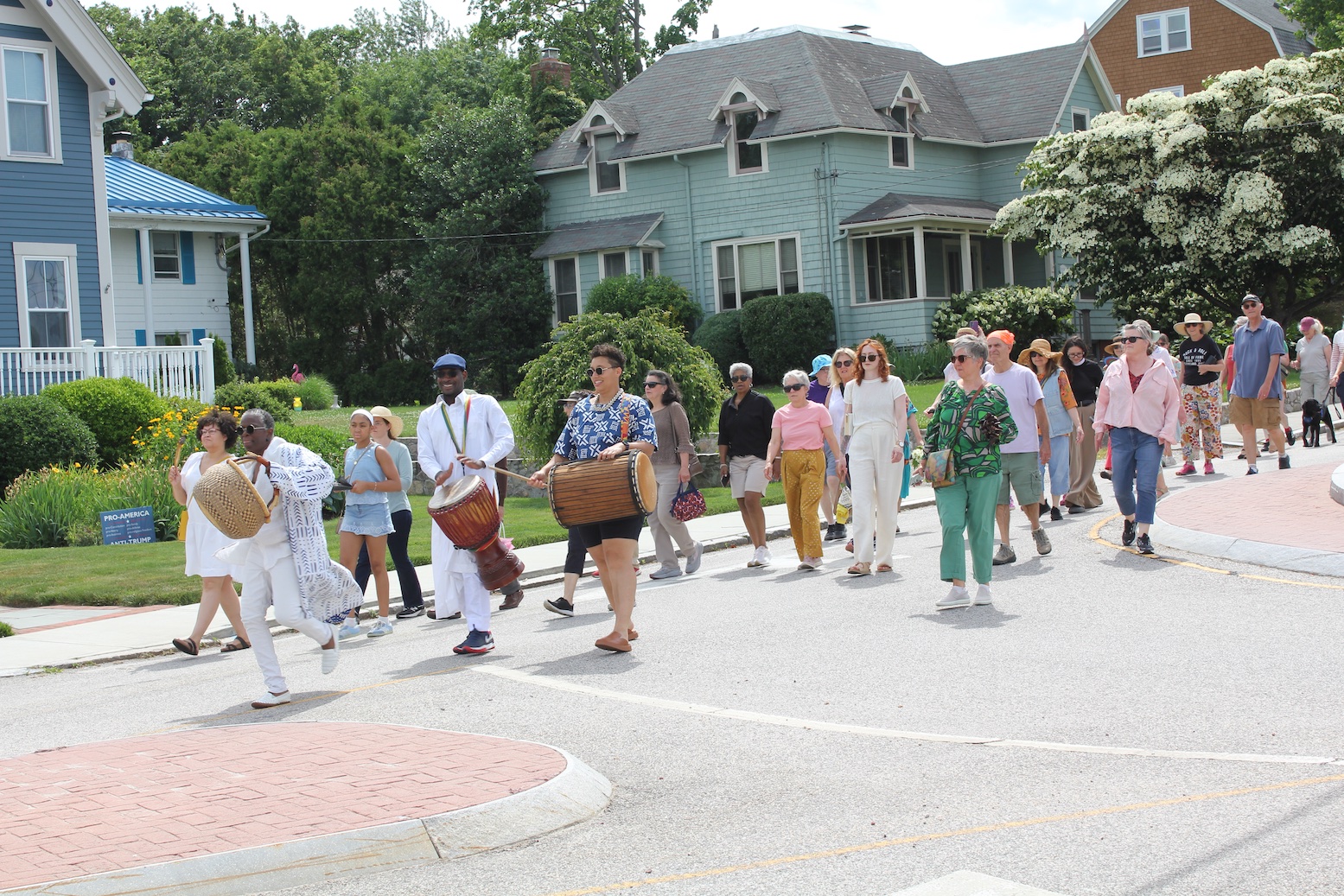
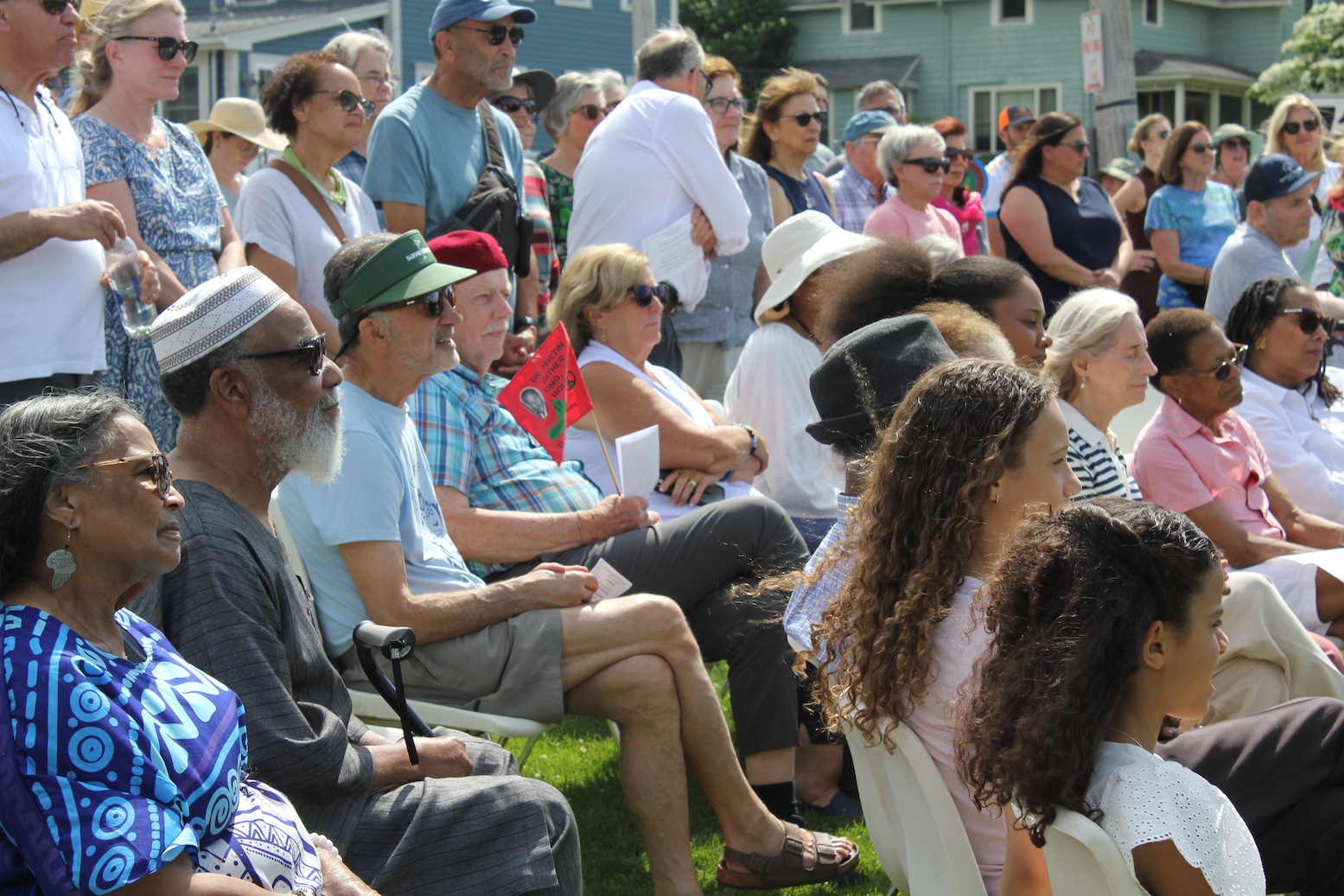
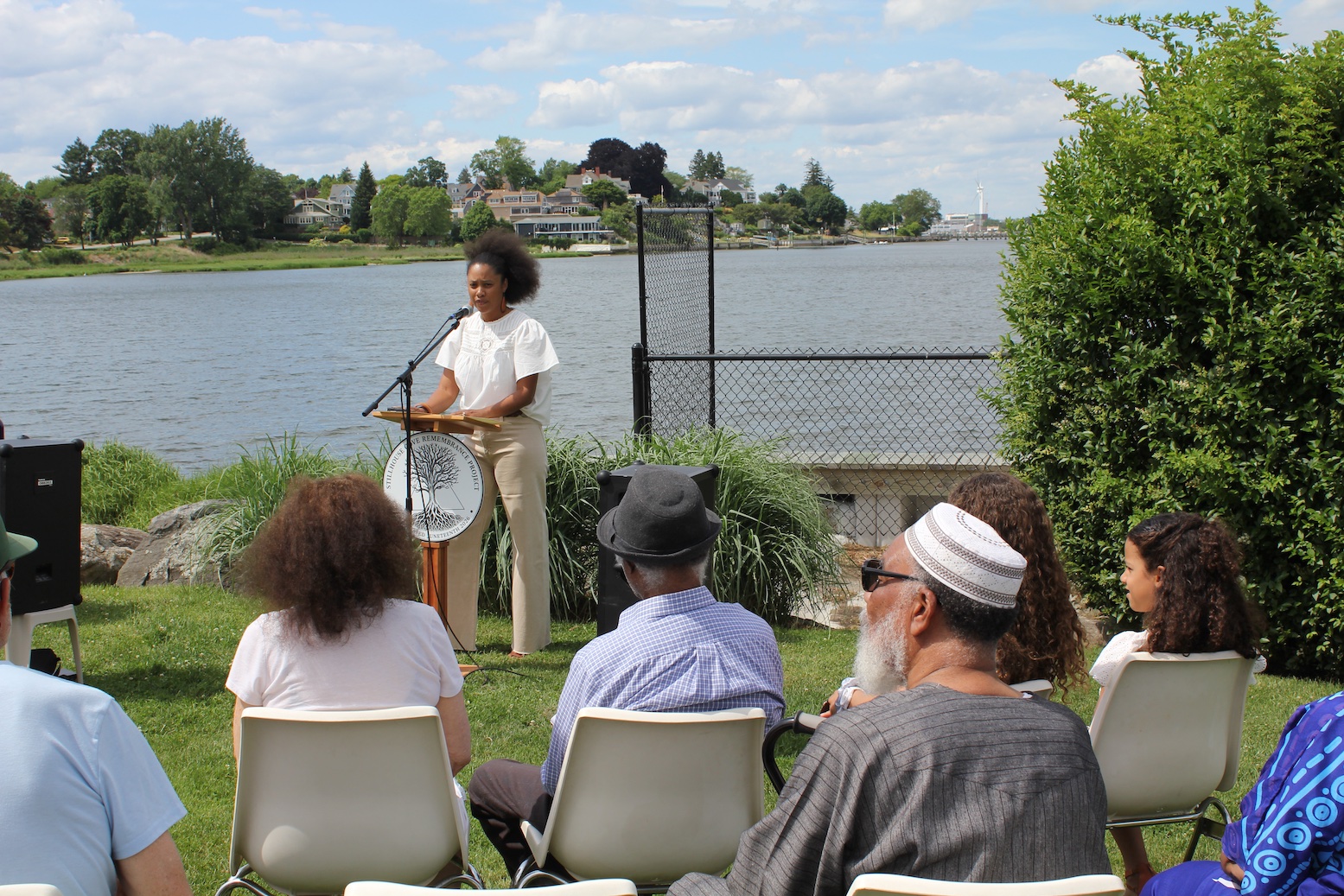
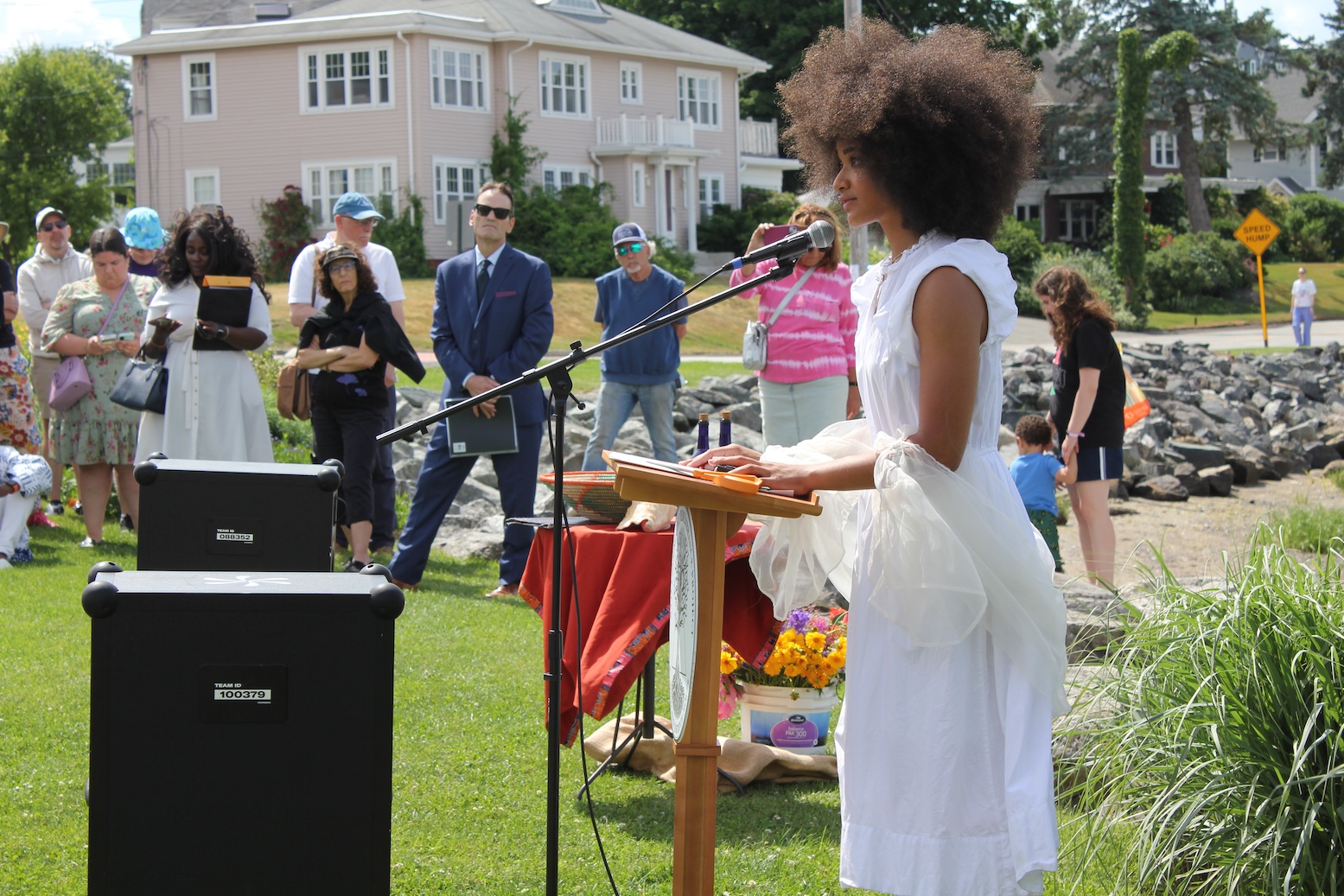
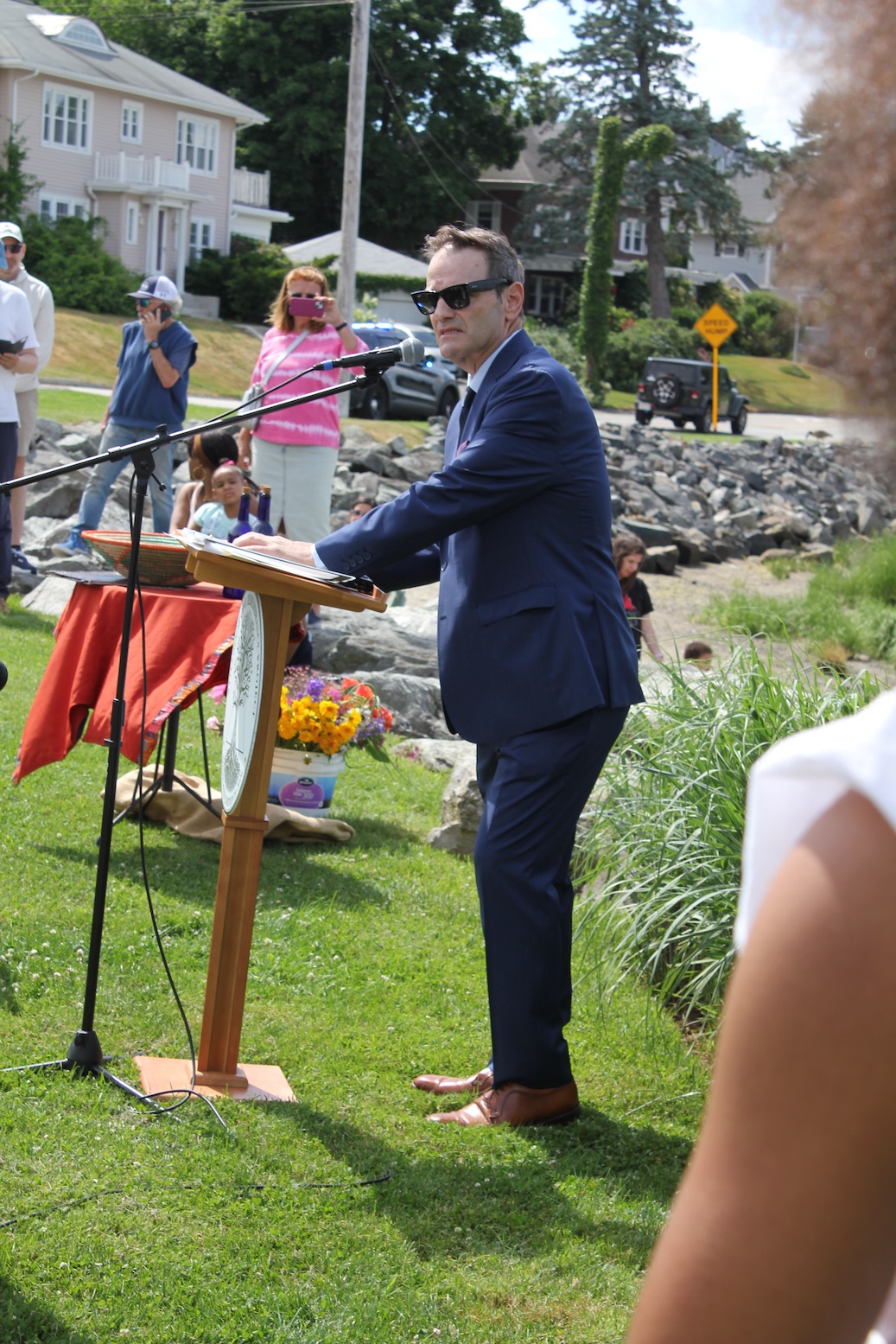
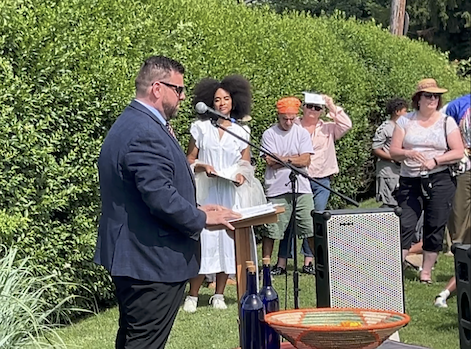
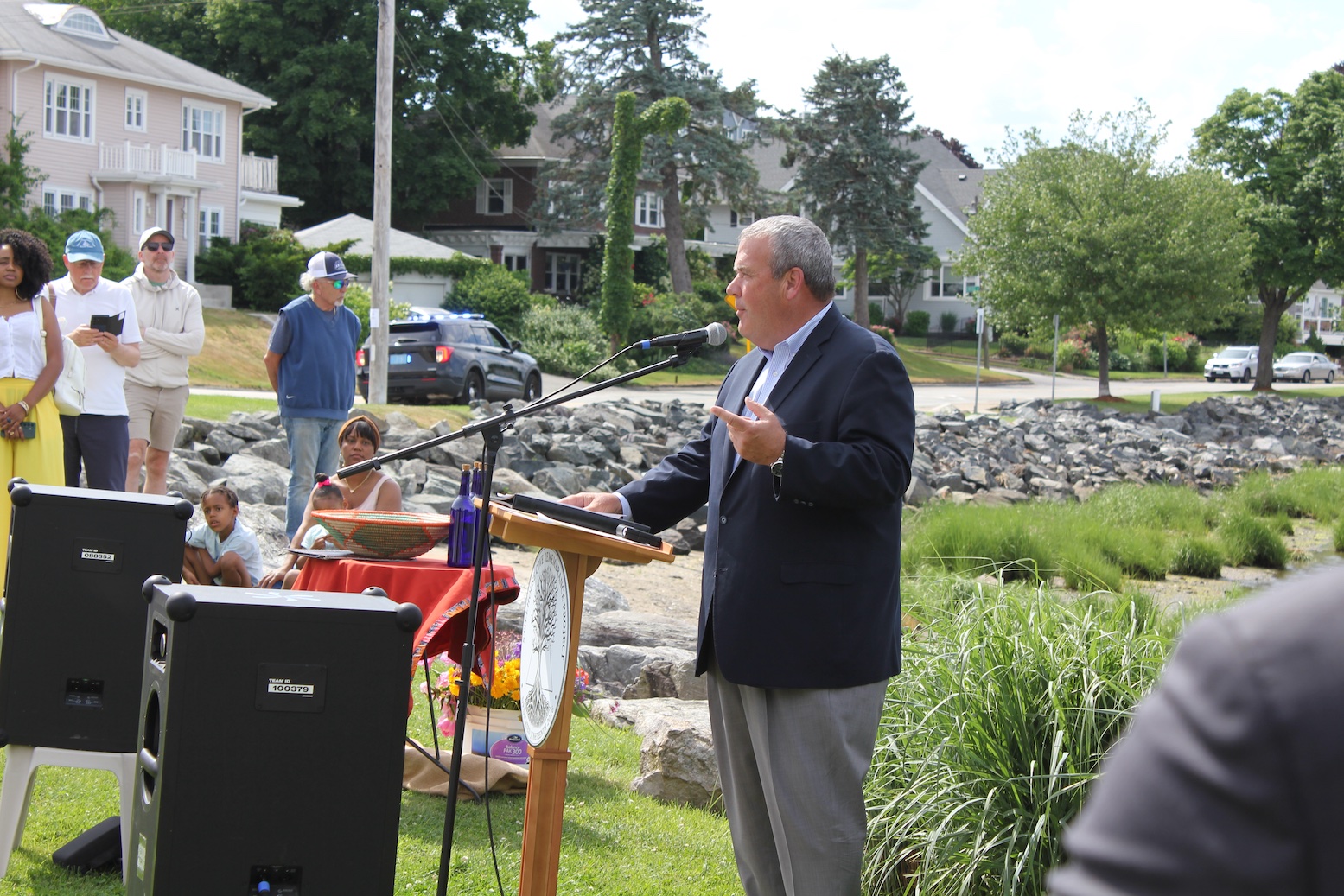
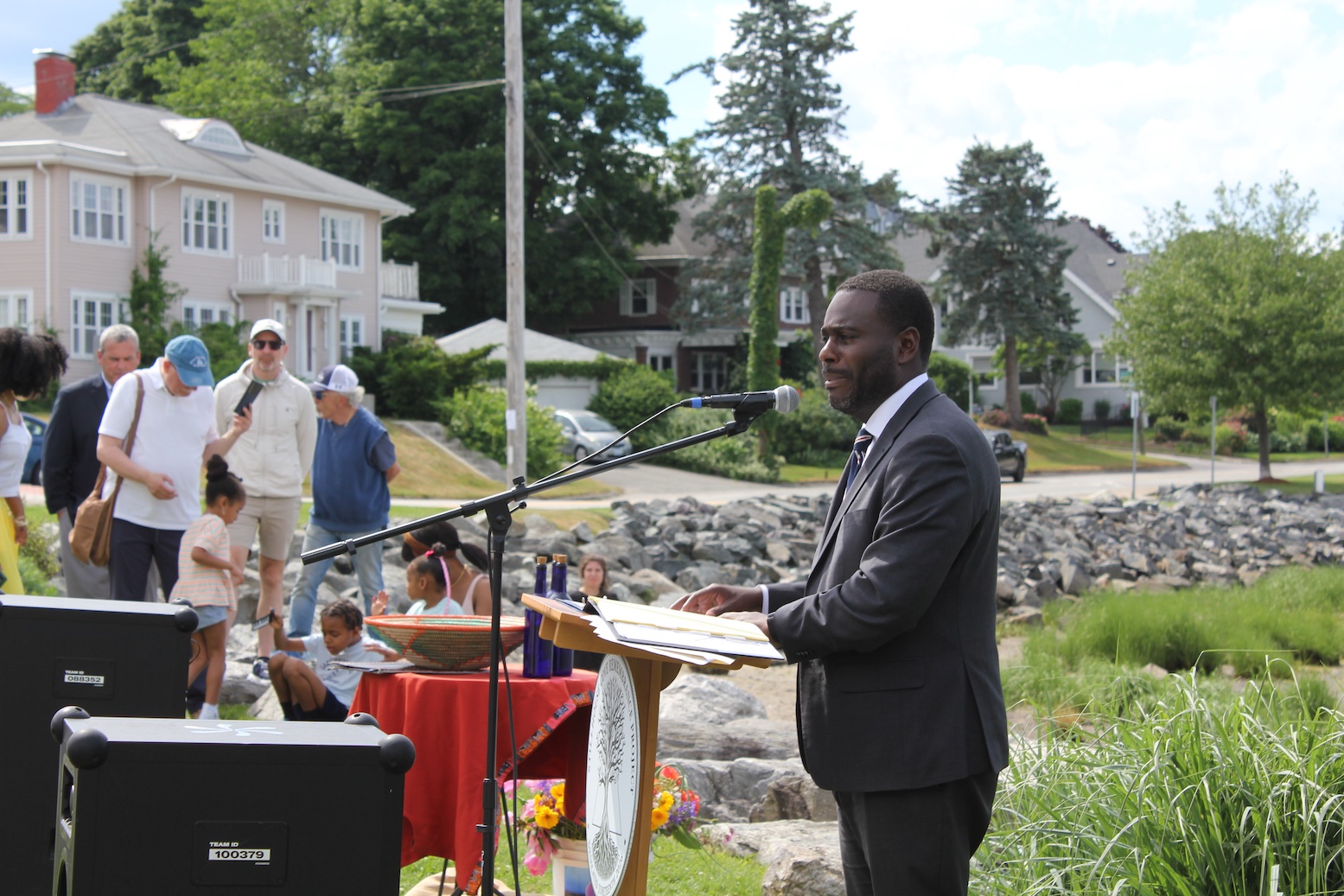
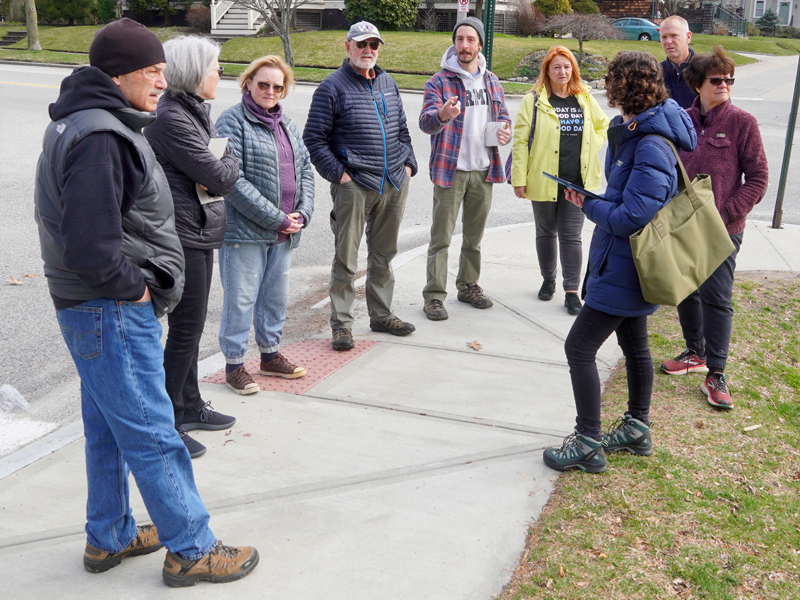
For a number of years, a coalition of academics, activists, and neighbors fought for a local recognition of our complex historical heritage. The Stillhouse Cove Remembrance Project(SCRP) worked with the Edgewood Waterfront Preservation Association (EWPA) and the City of Cranston to make it happen. On Juneteenth, 2026 a procession took place from Broad Street down to Stillhouse Cove where a large number of people gathered for the unveiling of the remembrance bench designed by Jheneire Loreus. A commitment was made to bring this lesson to our schools and to ensure that future generations learn from it.
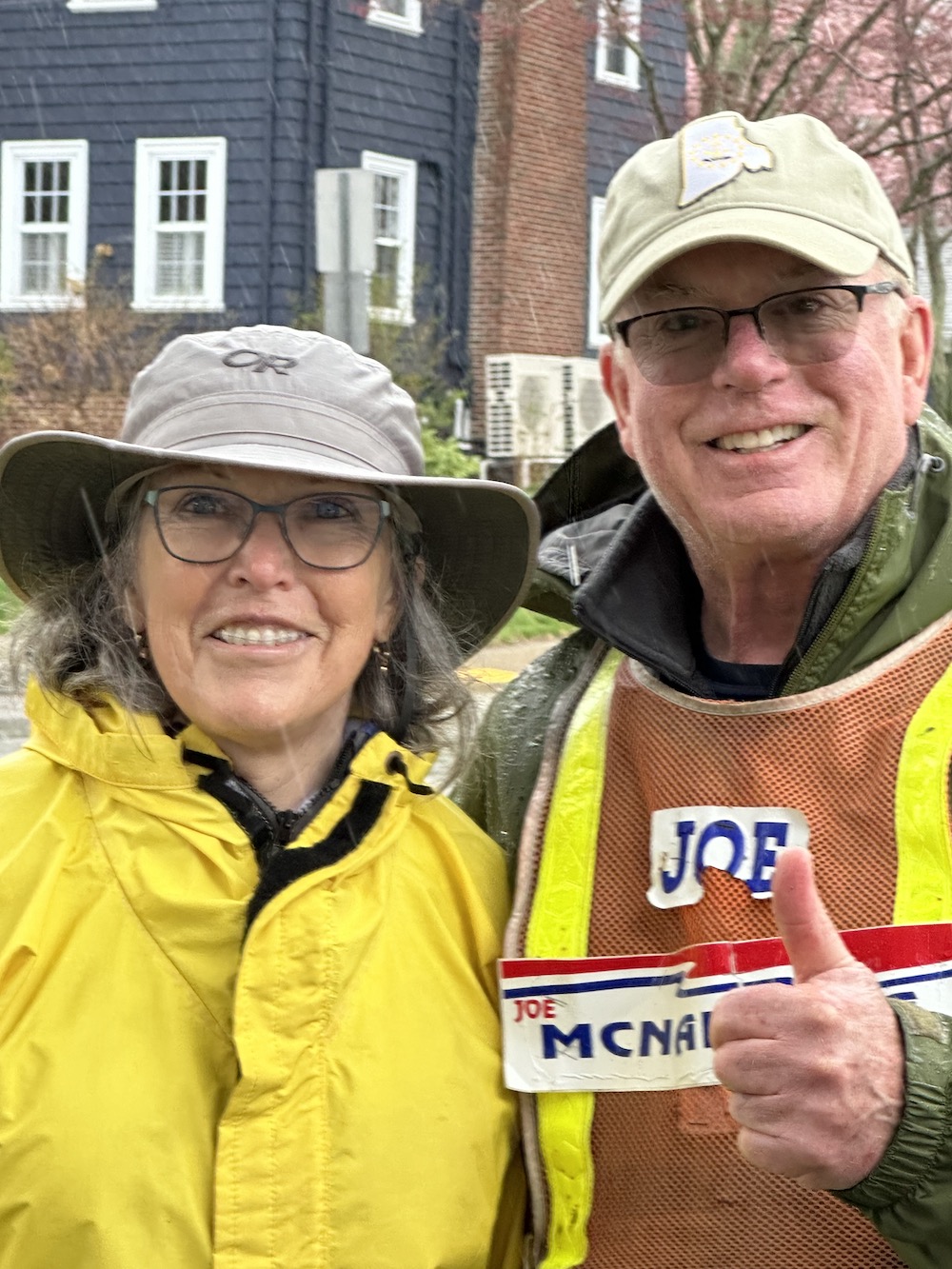
Emlyn Whipple of the SCRP opens the ceremonyMelaine Ferdinand-King (SCRP) of the African-American Museum of RIBrian Moretti (EWPA)Chris Paplauskas, City of CranstonGregg Amore, Secretary of State, RIGabe Amo, Congressman, RICarolyn Fleur-Lobban (SCRP)Joe McNamara, RI House
Tasuma Goodwin (SCRP) closed the ceremony with a very moving account. She is the owner of the last standing still house in Pawtuxet village on North Fair Street. As a descendant of slaves, she recounted the personal pain of living in a place that produced the liquid that was traded for her own forbearers. One room in the house was a blacksmith’s shop that probably produced rum barrel staves and the manacles used to bind recently free people during the Middle Passage.
Most of Edgewood’s 1,621 street trees were judged to be in relatively good condition. However, a vast majority suffer from conflicts with power lines and sidewalks. There is a paucity of young trees on our streets indicating that many older trees will not be replaced. And there is a striking lack of diversity among our public trees. More than fifty-five percent of the trees are comprised of just two invasive and exotic species: Norway Maples (32%) and Callery Pears (24%). This means that the canopy is highly vulnerable to disease and pests. Whatever their shortcomings, these trees are crucial to the health of our community by providing the following:
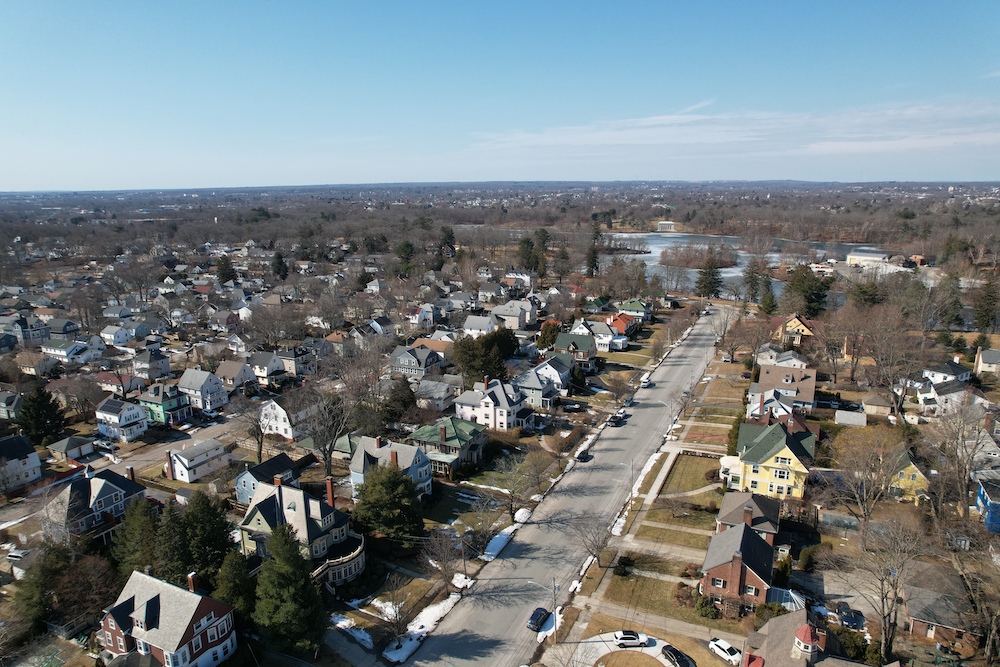
These are some of the conclusions of a recent inventory of the trees along our neighborhood’s roadways that was initiated by the Edgewood Waterfront Preservation Association (EWPA).
Edgewood’s street trees
TO ACCESS THE FULL REPORT OF THE EDGEWOOD TREE INVENTORY, CLICK BELOW:
In the Fall of 2023, the EWPA recruited eighteen neighborhood volunteers to conduct an inventory of the area’s “public trees”. Funded by an Urban & Community Forestry Grant from the RI Department of Environmental Management, Doug Still of This Old Tree Consulting trained the volunteers in tree identification, measurement, and assessment as well as the use of the Forest Metrix tree inventory software on mobile devices. For purposes of the 2023 Edgewood tree inventory, “city-owned trees” were defined as being within six feet of the street curb. Cranston’s Tree Warden, John Skorupski, participated in the training. The inventory results will be provided to the City of Cranston to populate a database to be used by the Tree Warden and Engineering Department to manage existing trees, and will be GIS compatible. The data will also serve as a baseline for future assessment of the growth or decline of Cranston’s tree resource. While this was a pilot project, EWPA hopes that the street tree inventory effort will be extended to all neighborhoods in Cranston in future years. The City has recently applied to the RIDEM for an RI Urban Forests for Rhode Island Technical Assistance grant that would address Cranston’s entire tree canopy, especially its disadvantaged communities. Cranston’s “tree equity” score of 86 (out of 100) is one of the lowest in the State. If accepted, the city would receive funds for assessment, planning, and tree planting.
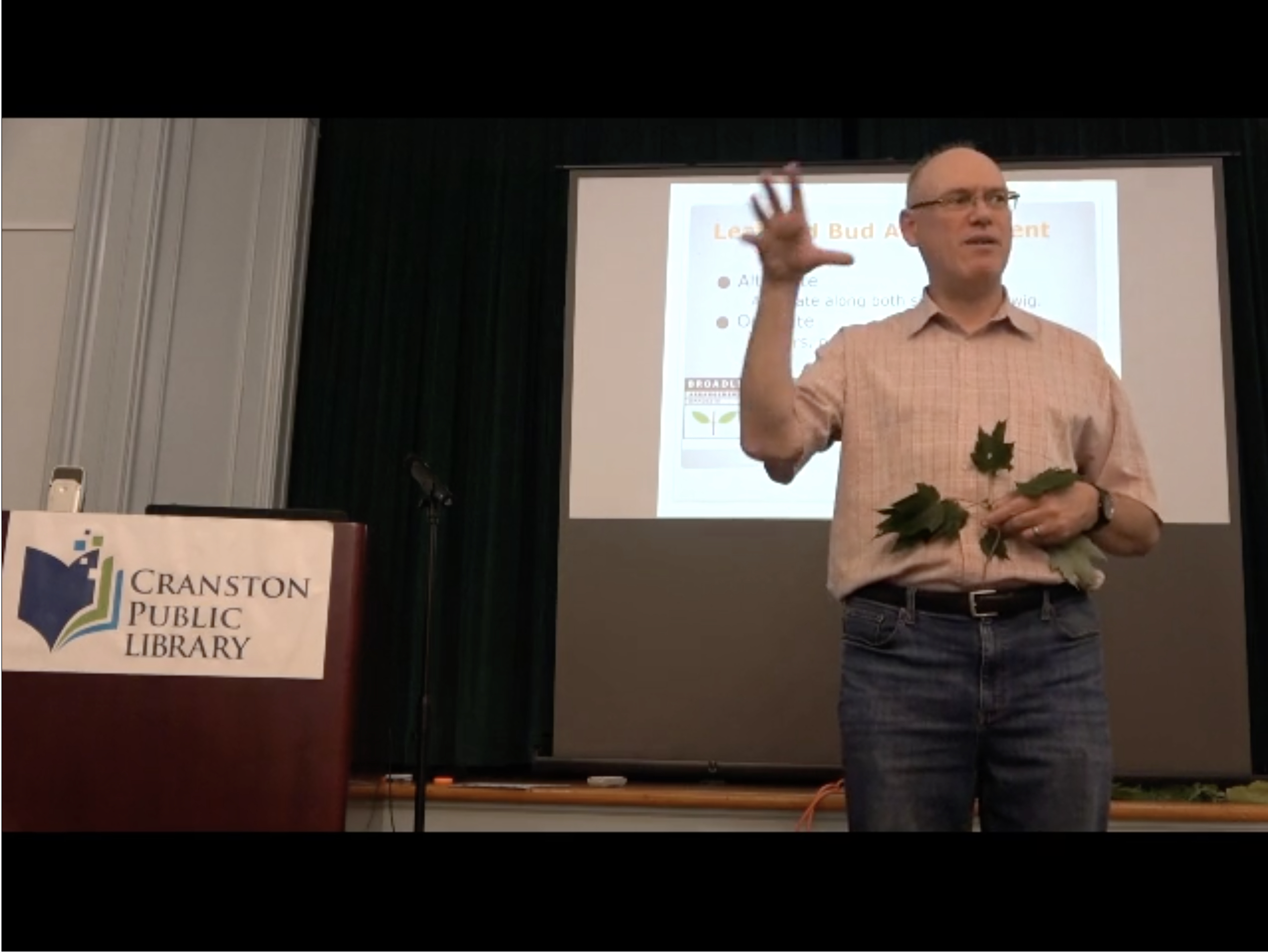
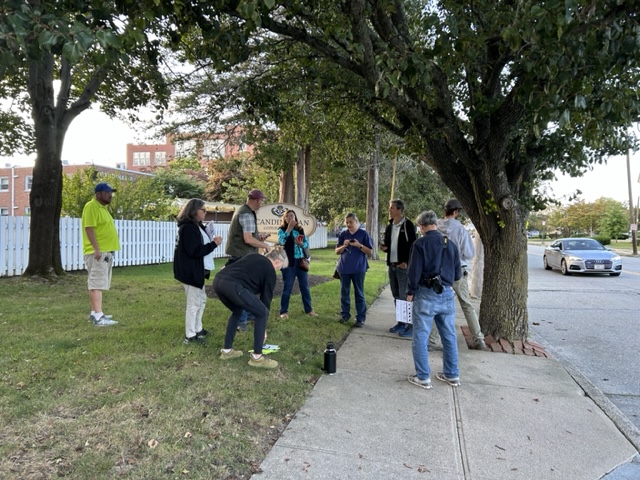
Doug Still describing the leaf bud patterns of different tree species.
The inventory covered the Cranston neighborhood between the Providence line and the Pawtuxet River, and between Narragansett Bay and Interstate 95. The area was mapped and divided into 9 different survey zones. The survey did not include trees on private property, at public institutions, or in parks. Each pair of volunteers was assigned a zone of contiguous streets typically requiring a total of approximately 20 – 24 hoursto complete. To supplement their tree identification skills, surveyors made use of flora identification applications on their phones.
Doug Still providing training to the volunteers
Lessons Learned from the Inventory Process
The Volunteers all complained of the challenge posed entering the Forest Matrix software data using a small phone screen and strongly recommended using tablets in the future. Some found judging tree condition challenging so that will merit more attention in future trainings. As the inventory crews worked their zones wearing their safety vests, they encountered a range of responses from local inhabitants. Most were very interested and supportive of the project. However, in some cases, suspicions were voiced: What were they doing there? Were they going to cut down the trees? During future inventories in other Cranston neighborhoods, advance public education should be a key component.
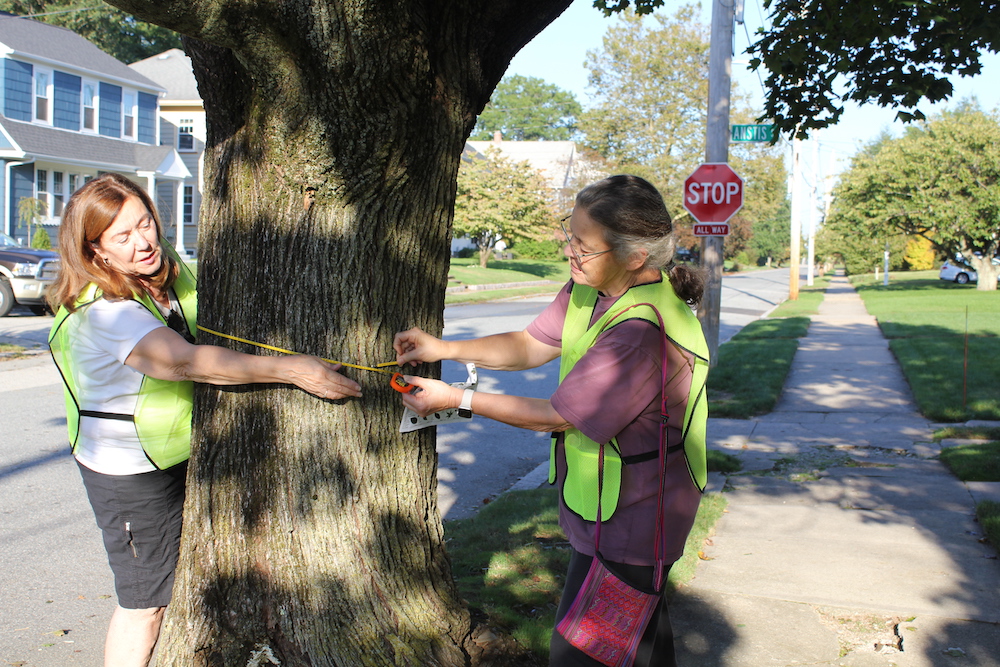
Maria Wall and Andrea Klimt measure a maple tree on Glen Avenue
Findings of the Tree Inventory
Edgewood’s street tree canopy lacks diversity. This makes the area’s trees vulnerable to disease and other threats. For example, Edgewood could lose 48.9% of its trees to the Winter Moth. As a rule, it is recommended that an urban forest should not be made up of more than 10% of a single species, 20% of a single genus, and 30% of single family. In Edgewood, more than 55% of the trees are comprised of just two invasive and exotic species: Norway Maples (32%) and Callery Pears (24%). Maples as a family dominate with approximately 45% of Edgewood’s public trees. Forty-seven percent of the neighborhood’s inventoried “leaf area” is made up of invasive species. Despite their shortcomings, the trees have a replacement value of $3.41 million.
The area’s trees are in relatively good condition. Two-thirds of the trees were judged to be in either excellent or good condition. However, twenty-five dead trees were found.
The size of Edgewood’s trees does not portend well for the future of the canopy. Tree size was measured by DBH (diameter at breast height). For replacement purposes, the smallest class of trees (0 – 6 inches DBH) should predominate. In Edgewood’s case, these young trees constitute only 18% of those inventoried.
Most of Edgewood’s trees suffer from conflicts. Trees are challenged by utility wires, sidewalk incursion, and other factors.
The majority of the area’s trees do not have sufficient room to grow. Only Twenty-six percent of Edgewood’s street trees have room to grow properly. 54% of trees are constrained within 4’ by 4’ plots.
If you interested in getting involved in the crucial issue of Cranston’s tree canopy, contact Donna at donna.fieldman@stillhousecove.org
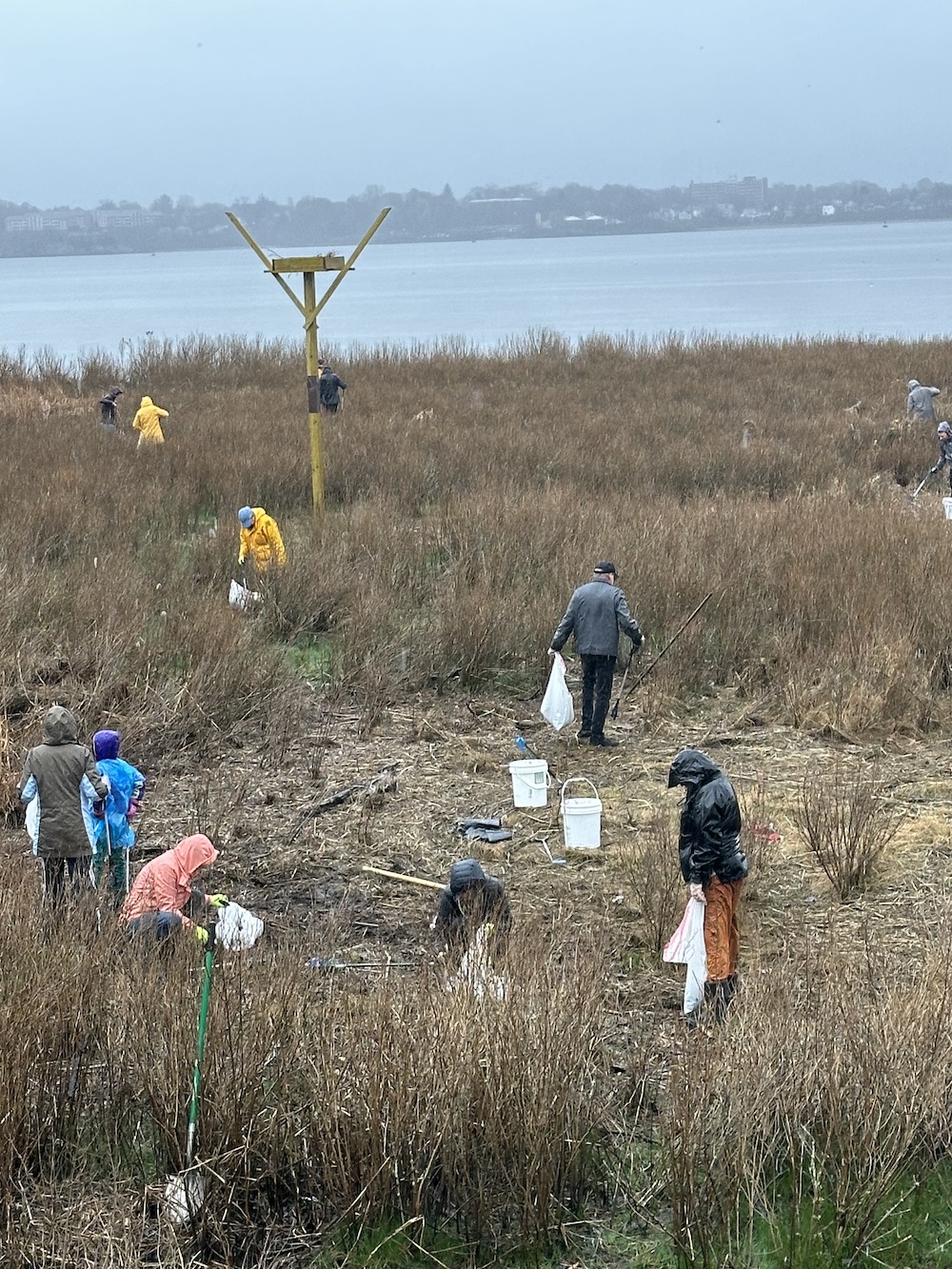
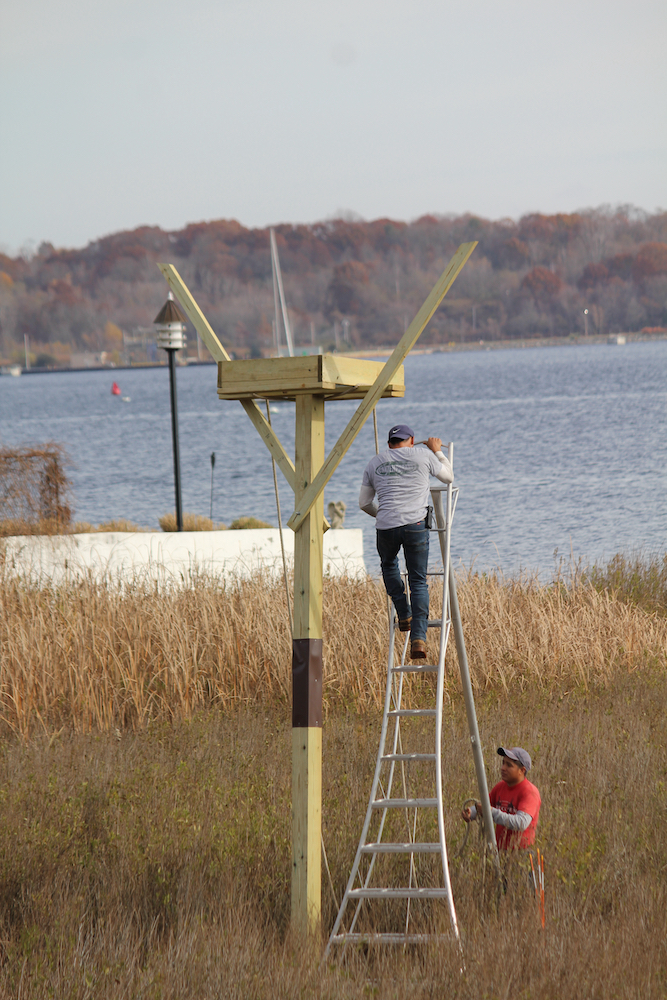
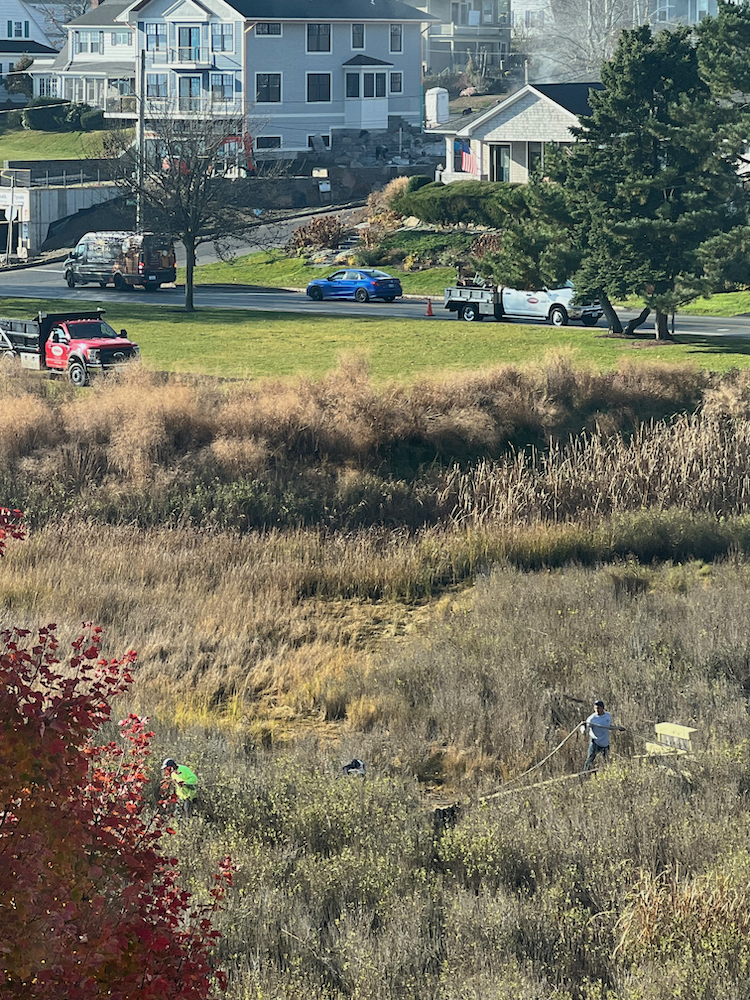
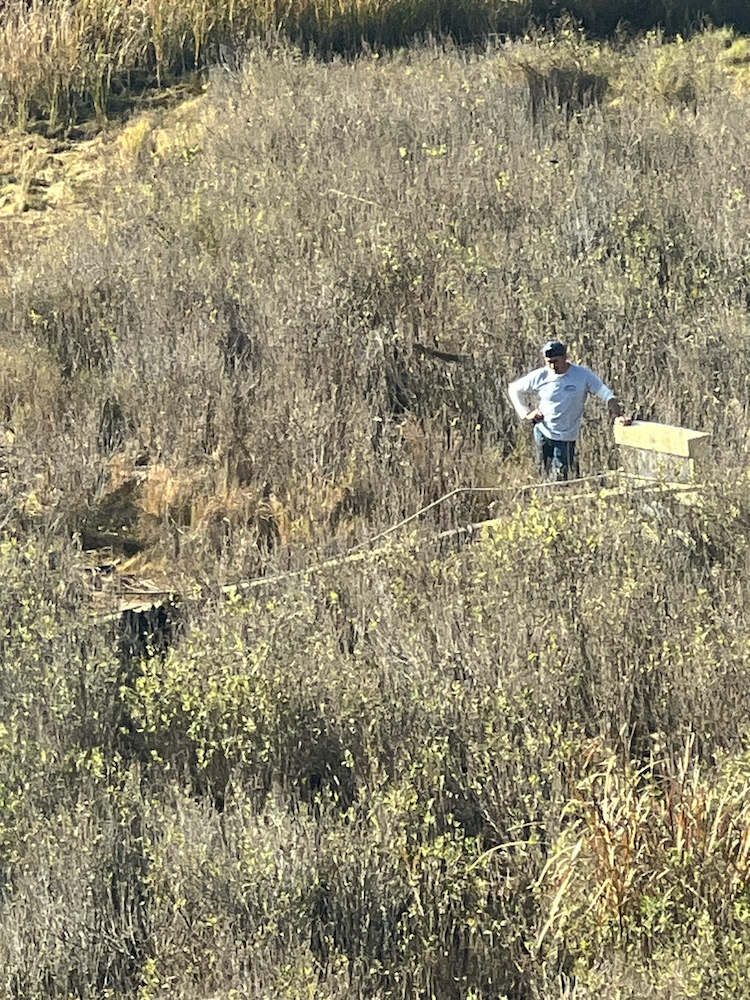
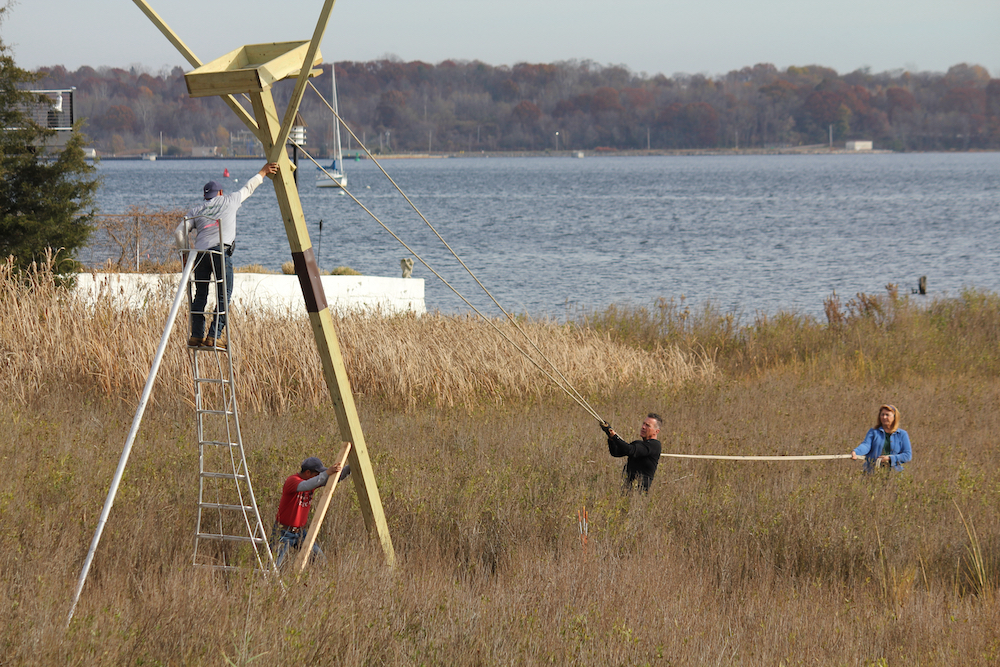
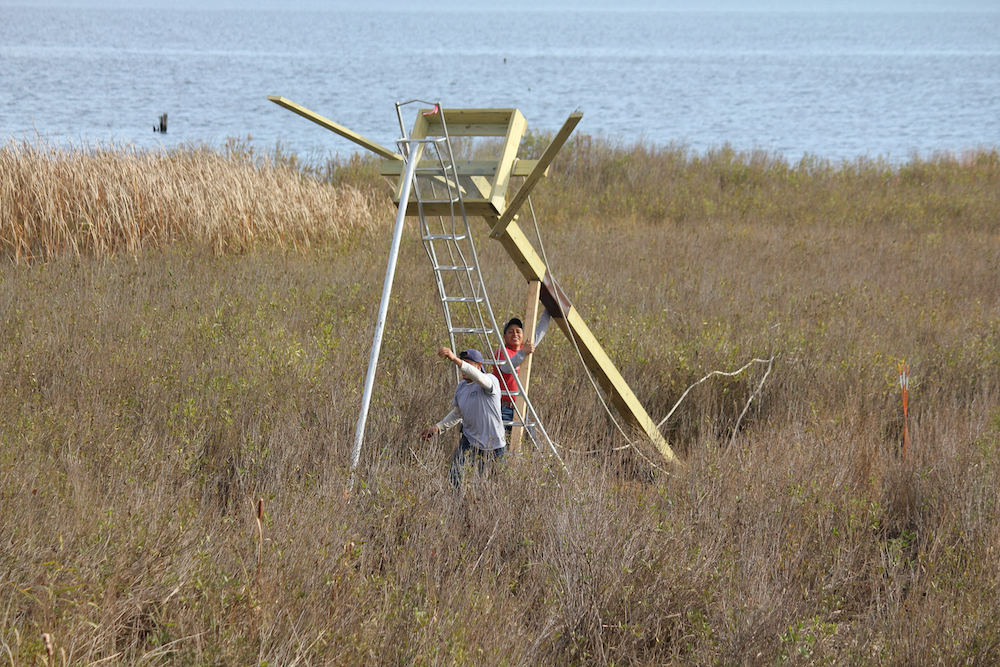
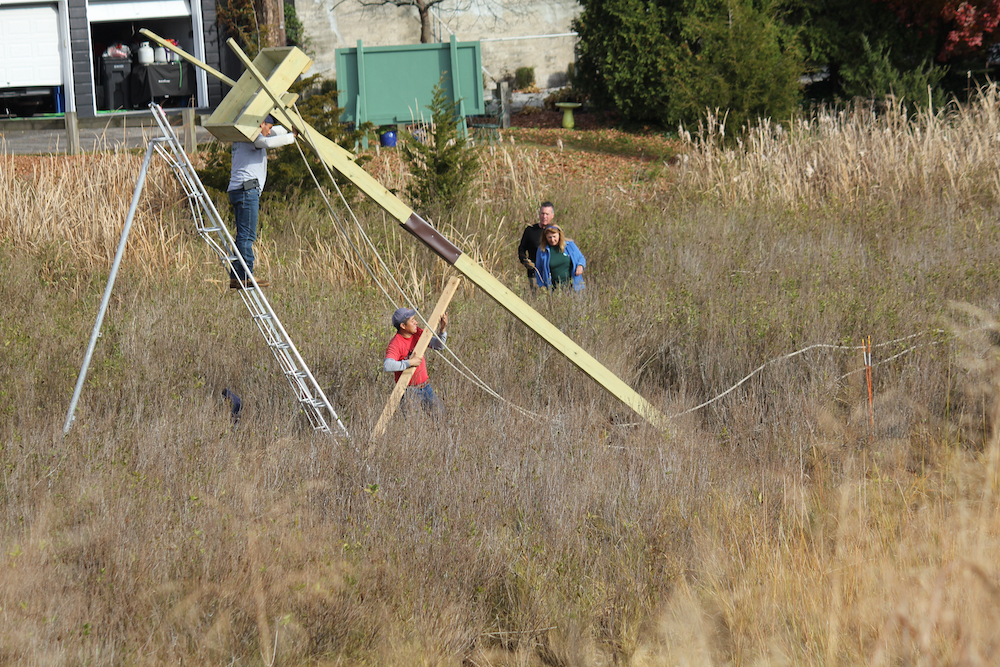
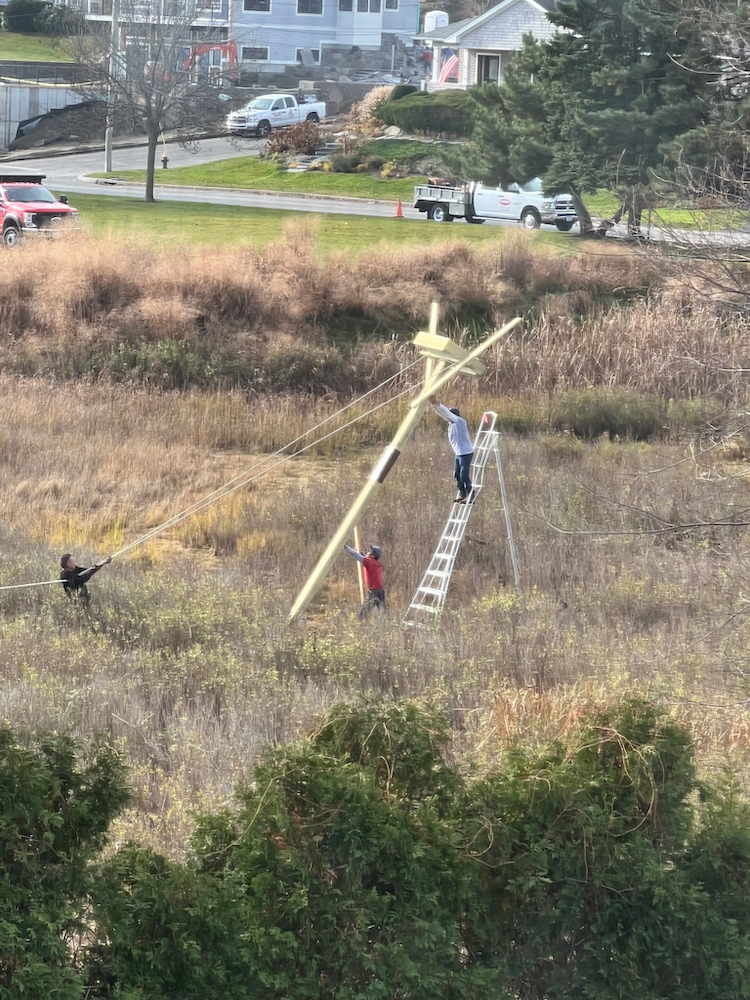
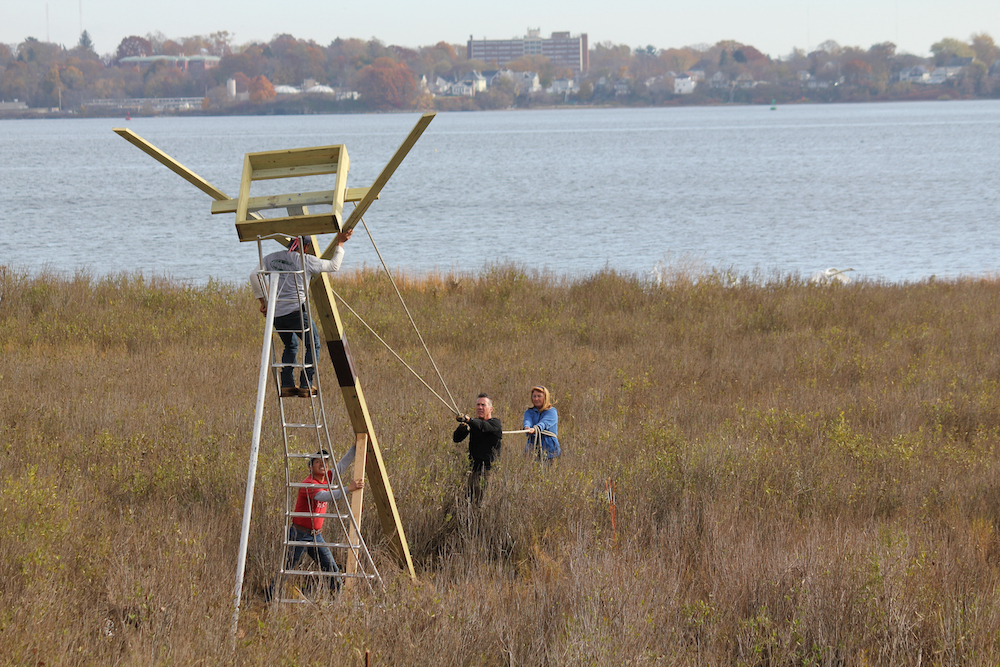
We’ve all heard of Rhode Island’s housing shortage. According to the Rhode Island Audubon Society, it also applies to our local water raptors. Consequently, the Edgewood Waterfront Preservation Association (EWPA) recently erected a nesting tower in Stillhouse Cove Marsh. Qualified tenants will be welcomed next Spring.
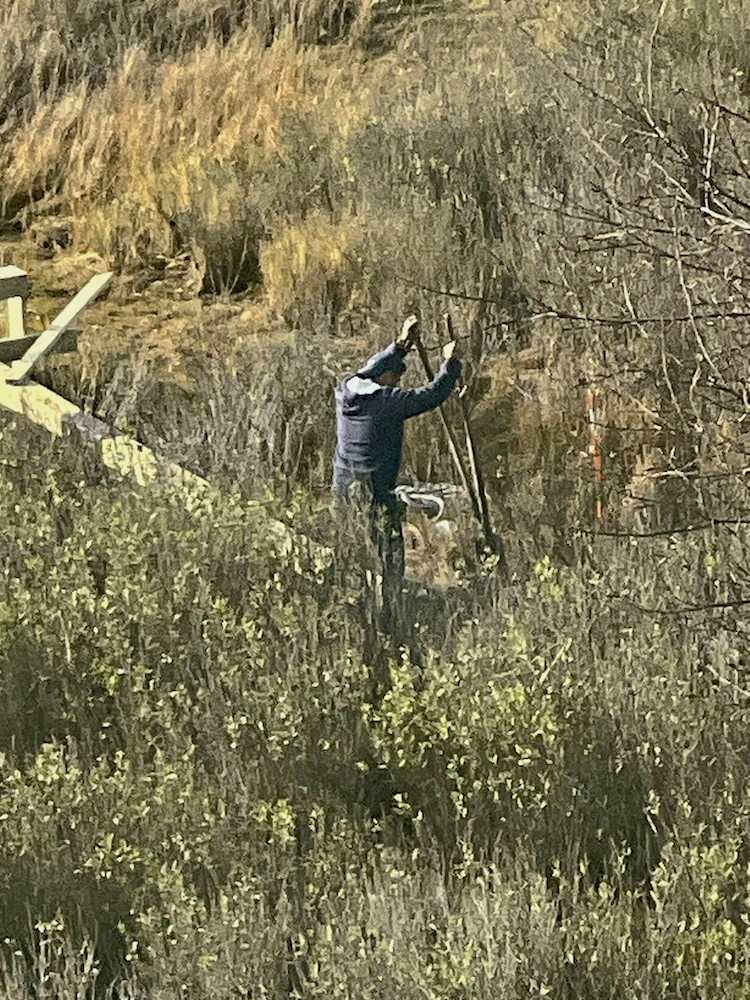
EWPA worked with Charles Clarkson from RI Audubon and Wenley Ferguson of Save the Bay to identify the most suitable site in the Marsh. EWPA purchased the materials and volunteer Charlie assembled the platform and post. We obtained a permit from the RI Coastal Resources Management Council (CRMC). And just prior to Thanksgiving, Eddy and Augusto from Contemporary Landscaping dug a hole for the post and erected it during a low tide with strong assistance from EWPA board member Donna and new neighbor John.
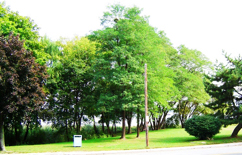
The trees in Stillhouse Cove Park that provide us with shade and beauty require constant care and EWPA and its partners have recently performed several critical tasks.
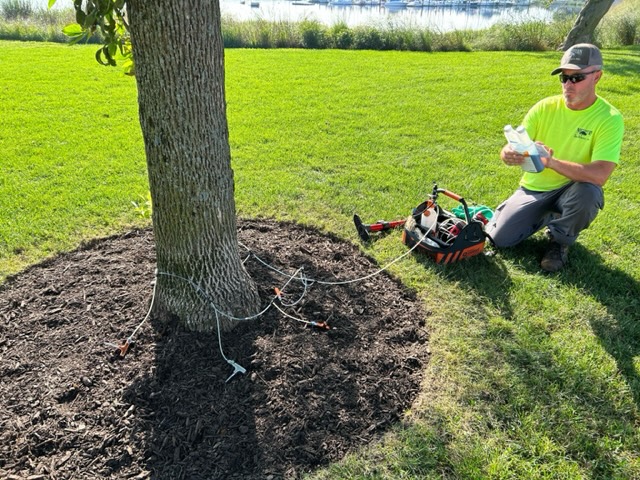
Three Ash trees were treated on 8.12.23 for Emerald Ash Borer. One tree was already infected, but treatment should help prevent further damage. Damaged parts will need to be pruned to make the damage less noticeable. Steve and Scott of Northeast Tree made the injections which were paid for by City of Cranston through the funds available to the City Tree Warden John Skorupski.
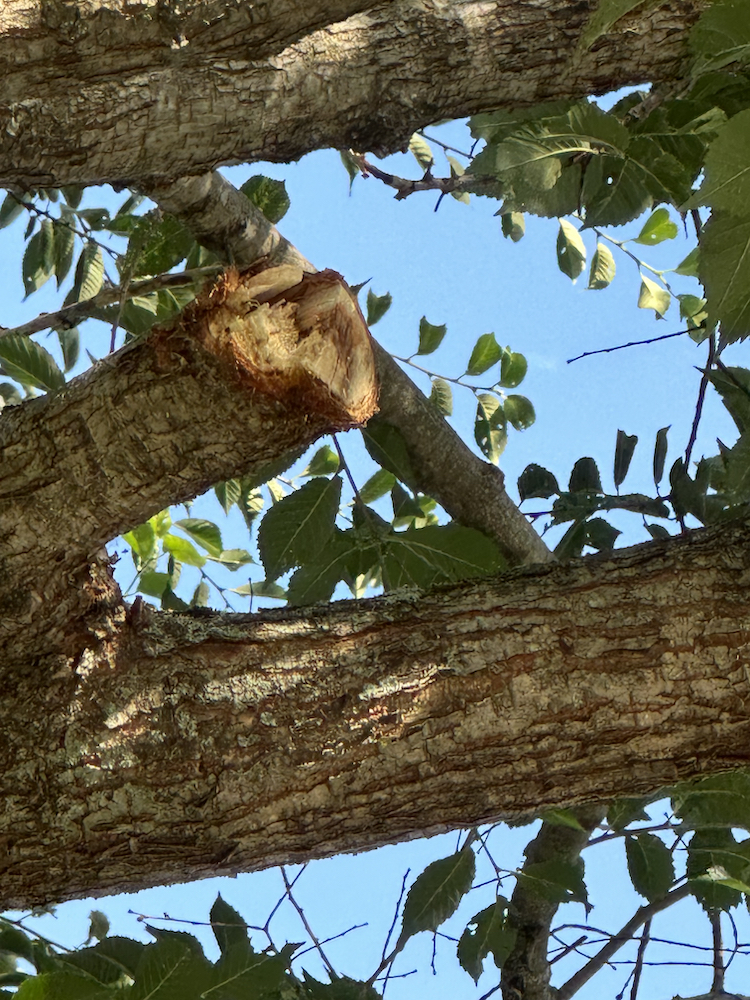
Schwartz Tree and Landscaping donated services trying to repair several bad pruning cuts performed at some point on these same Ash trees in an effort to limb up low lying branches.
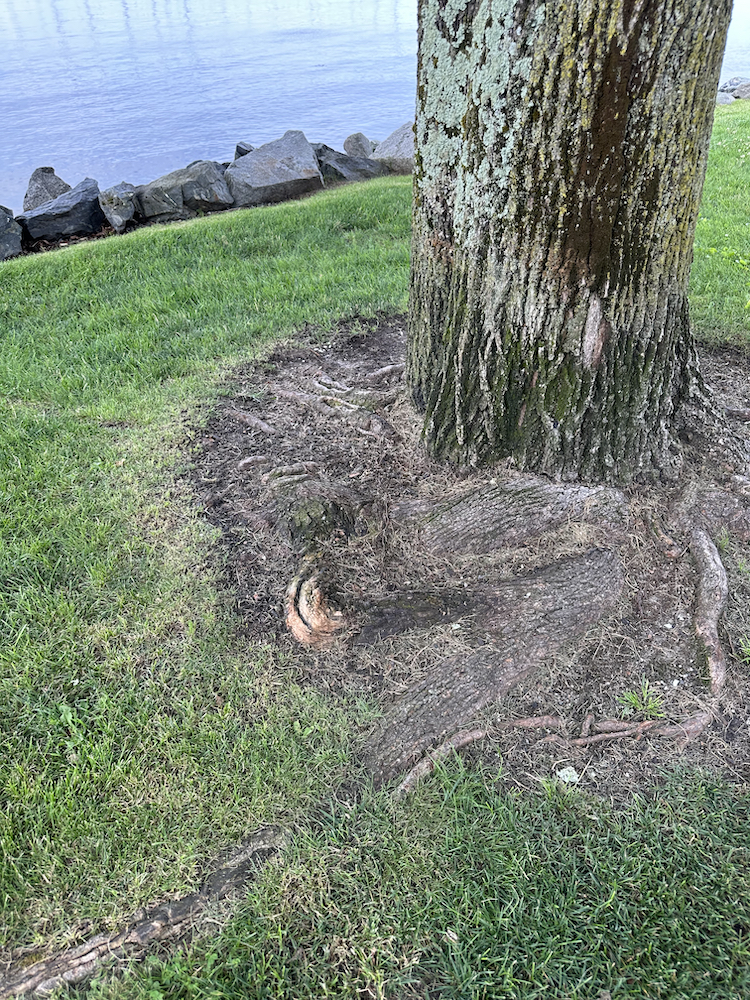
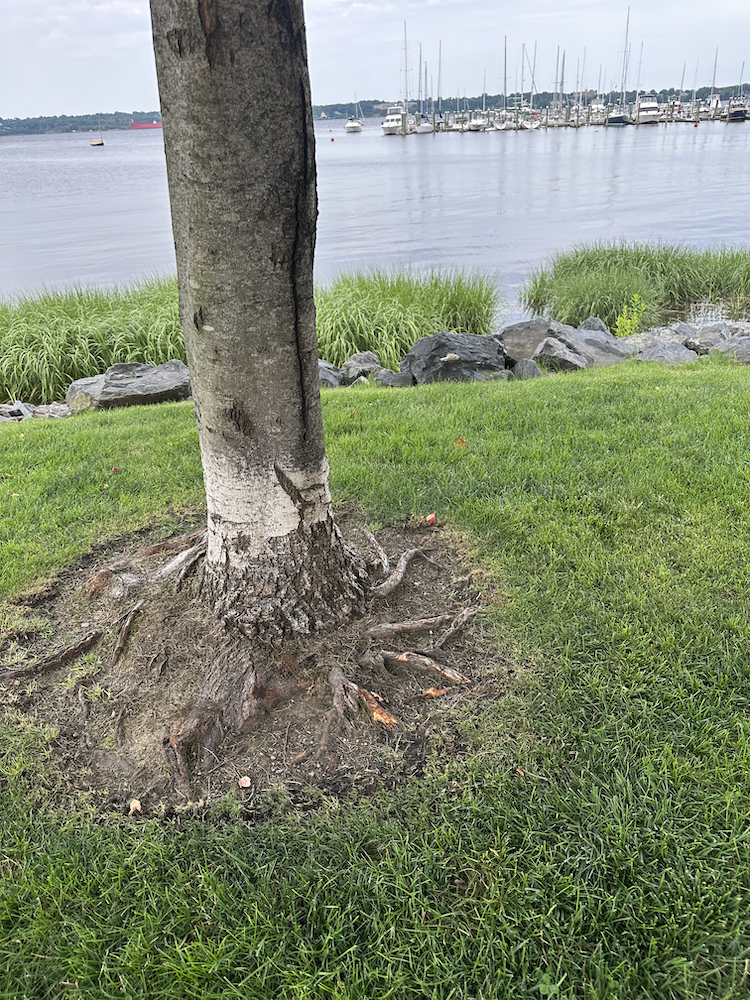
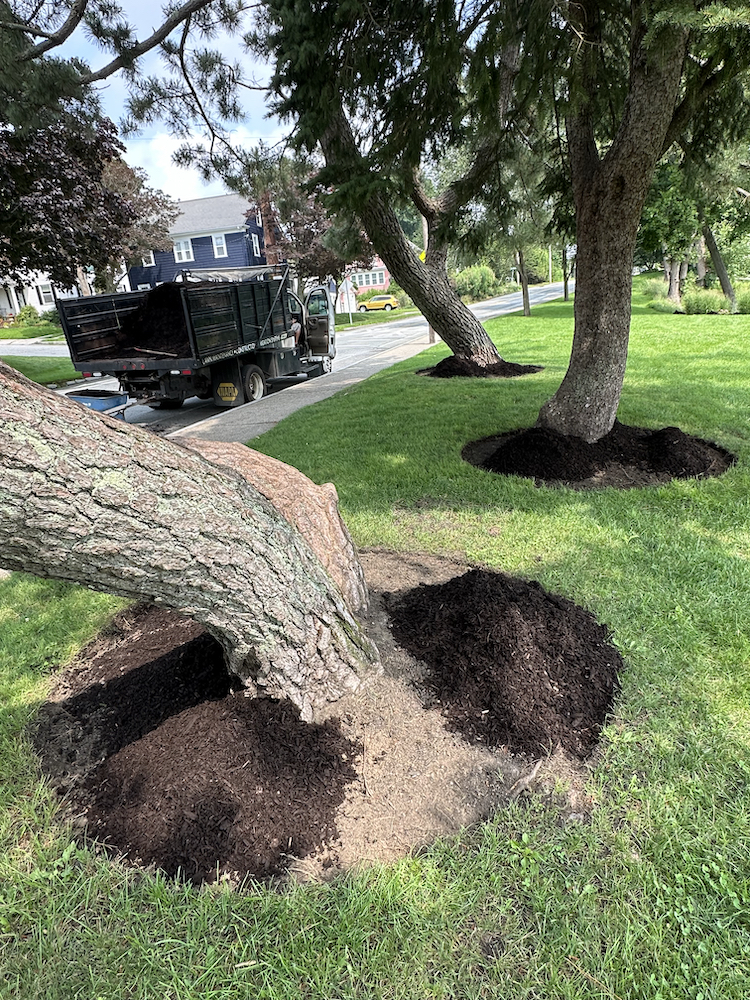
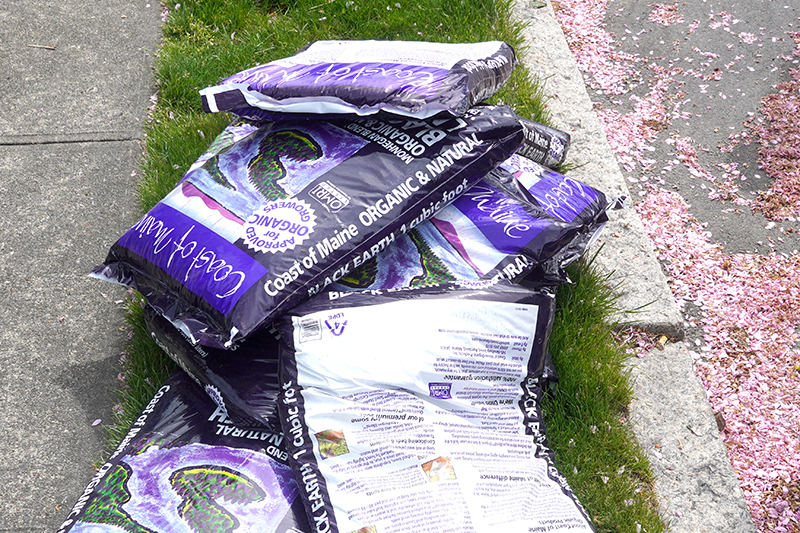
For the first time EWPA invested in mulching around almost all of the trees in the park. This was done at the recommendation of the RI Tree Council to create a larger ring around the trees to protect their surface roots. The effort is more than aesthetic mulching: mulching encourages insect activity and protects the roots from damage from mowing, and it does look nice. Mulch also keeps the soil moist which hydrates the trees and enables the trees to absorb stormwater better than dry compacted soil.
It was observed that several juniper trees that self seeded on the banks under the cottonwood trees were subjected to unauthorized pruning. The person who did this cut the tops off of the trees and threw the branches into the creeks behind the trees in an effort to hide the branches. The Cranston Tree Warden has been notified of the unauthorized cutting of native juniper virginiana trees growing on the edges of the salt marsh that are vital to erosion control. EWPA has a healthy working relationship with City personnel and seeks authorization every time we need to address tree issues that include, but are not limited to, removing invasive trees and seedlings, spraying trees for infestations, and limbing up trees that cause issues for vehicles and pedestrians, etc.
We will also be working on removing invasive white pear trees and Tree of Heaven seedlings at our October cleanup. Approval from the Tree Warden will be sought in advance.
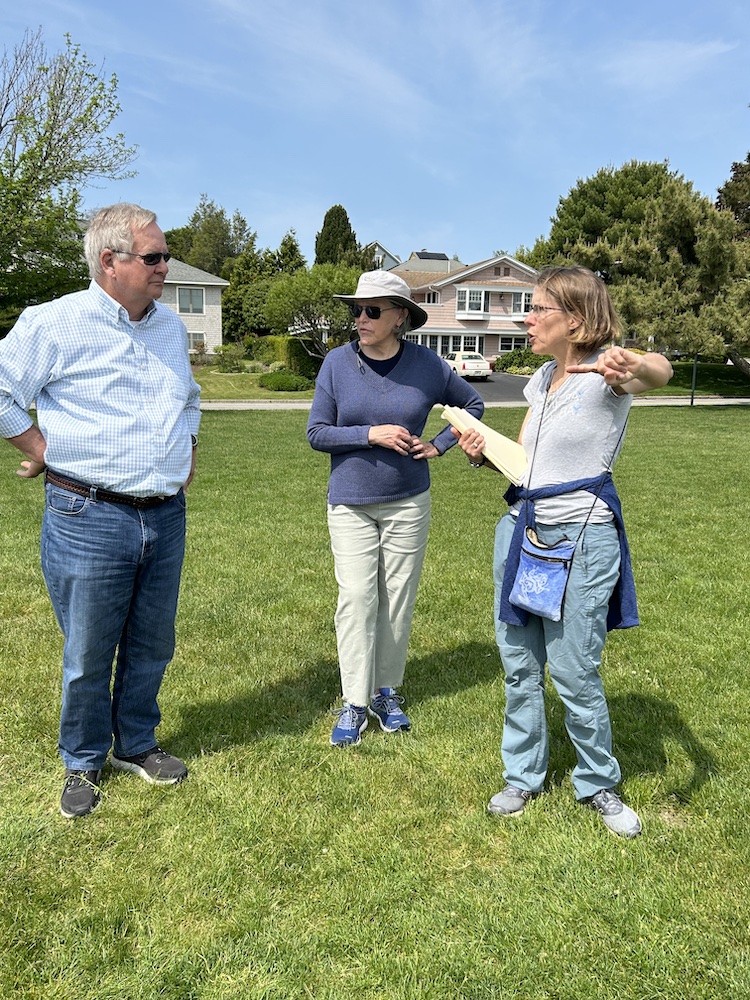
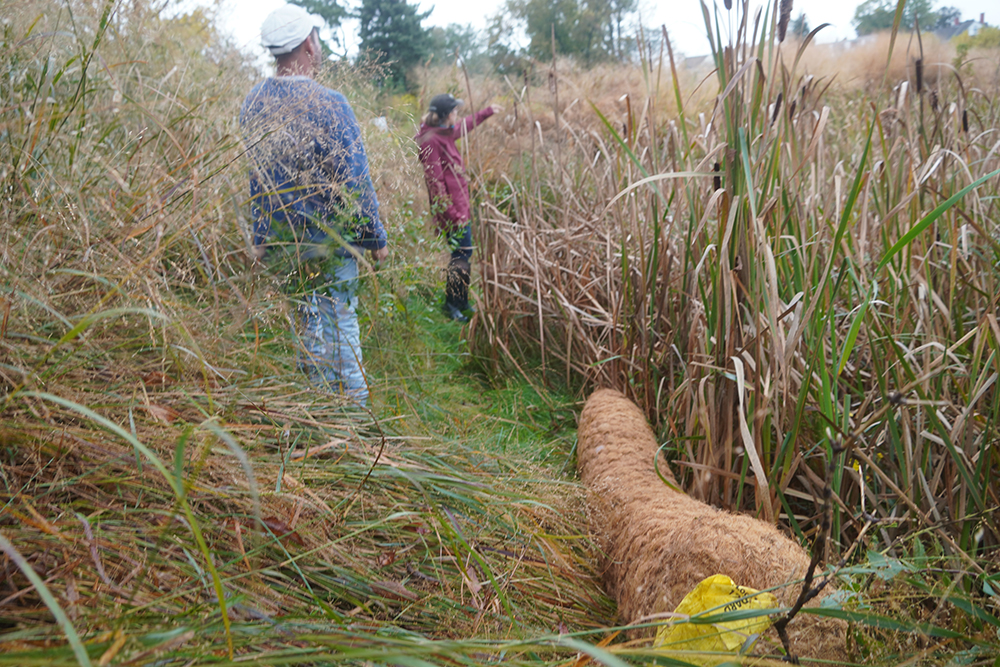
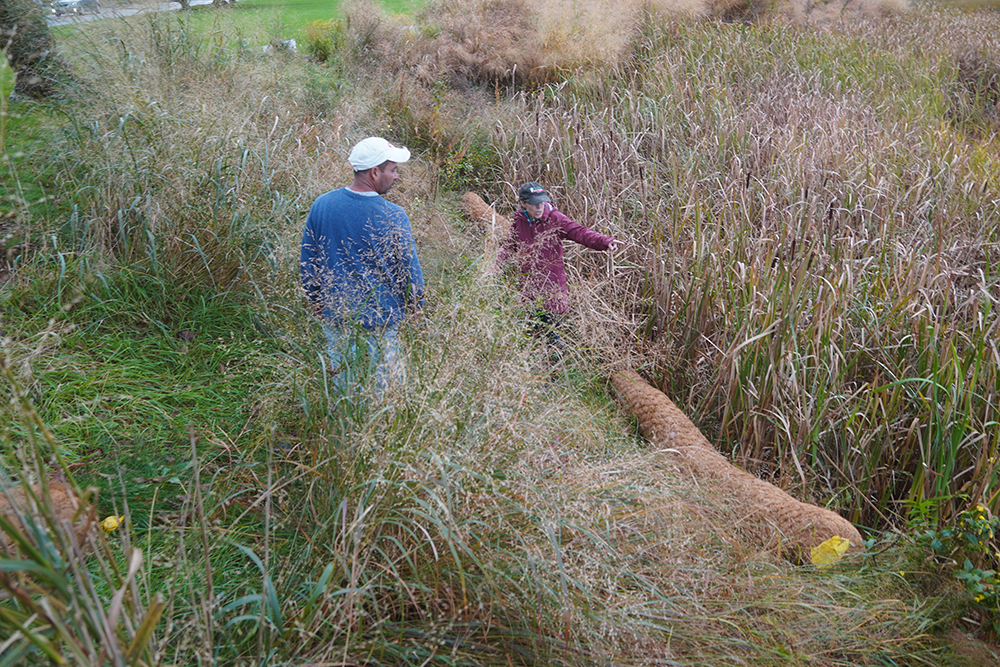
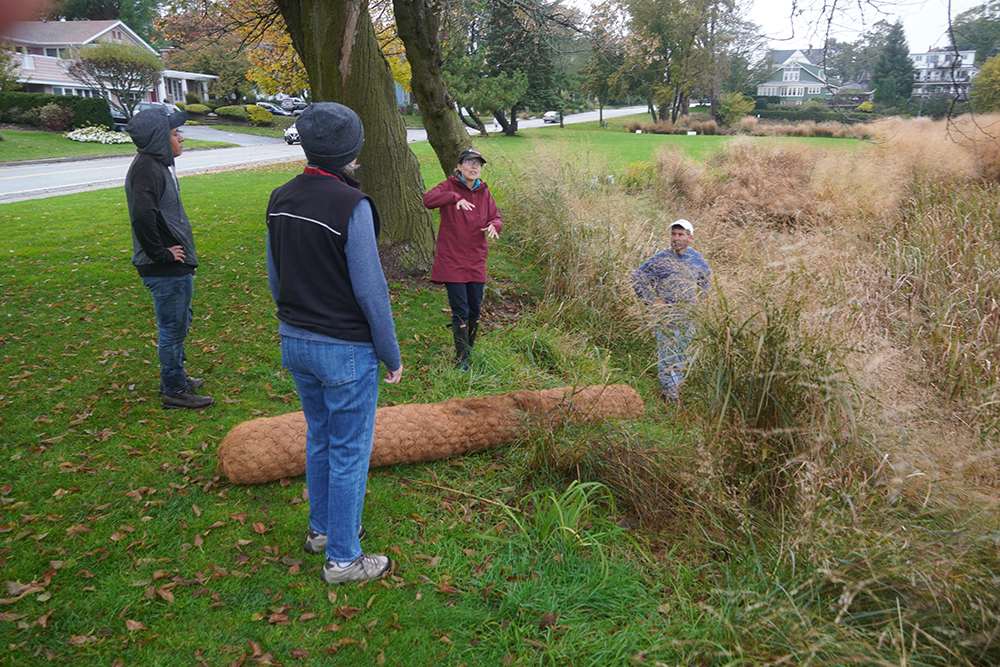
On May 17, 2023, Barbara Rubine and Donna Fieldman of the EWPA met with Wenley Ferguson of Save the Bay and Dave Lager, Team Leader at SUMco. The agenda was to assess the damage caused by the historic December 23, 2022 stormtide to the Park’s infrastructure.
Flooding during the 12-23-2022 storm.12-23-2023 storm damage to the coir envelopes & logs at the base of the Park.
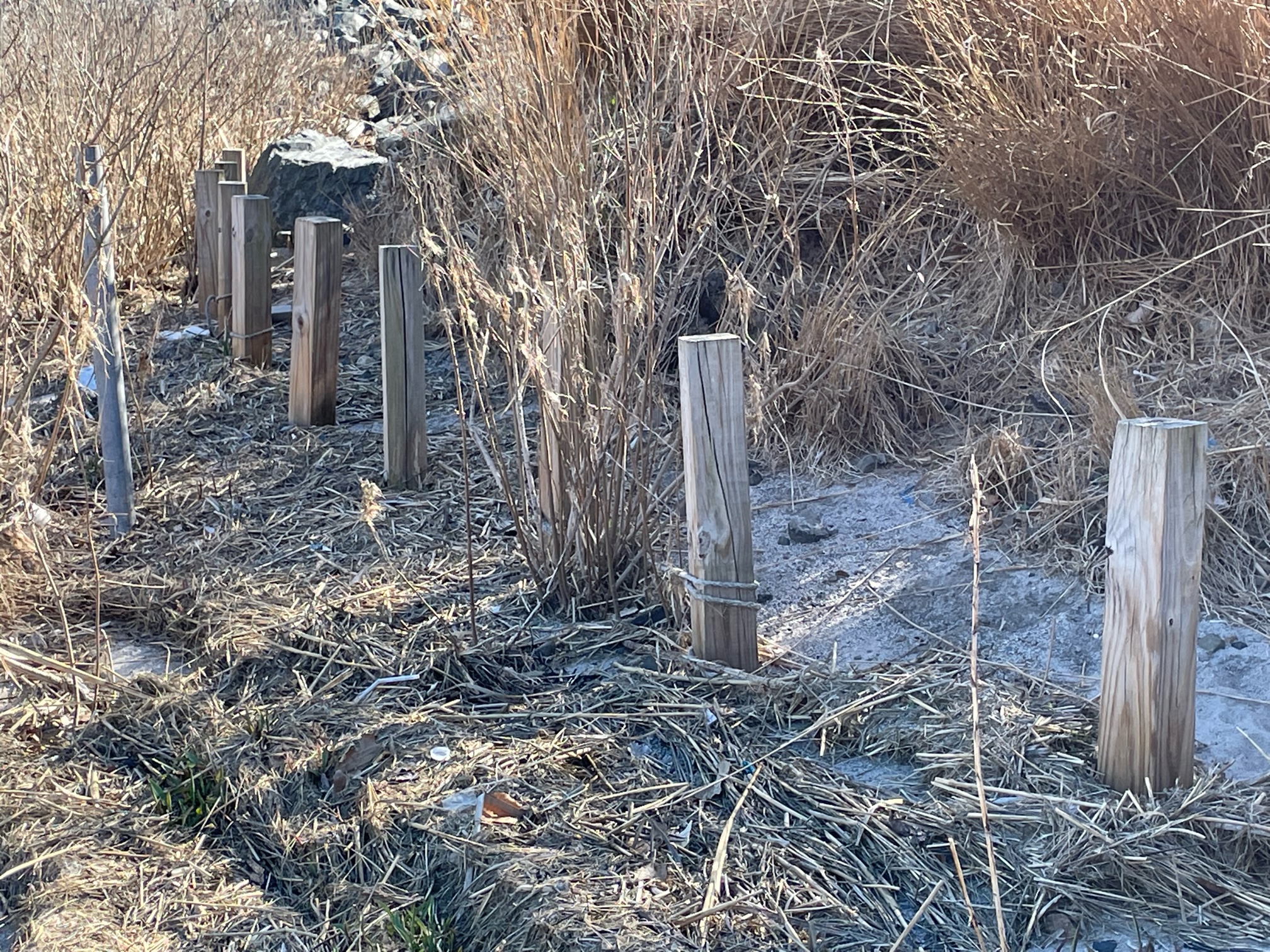
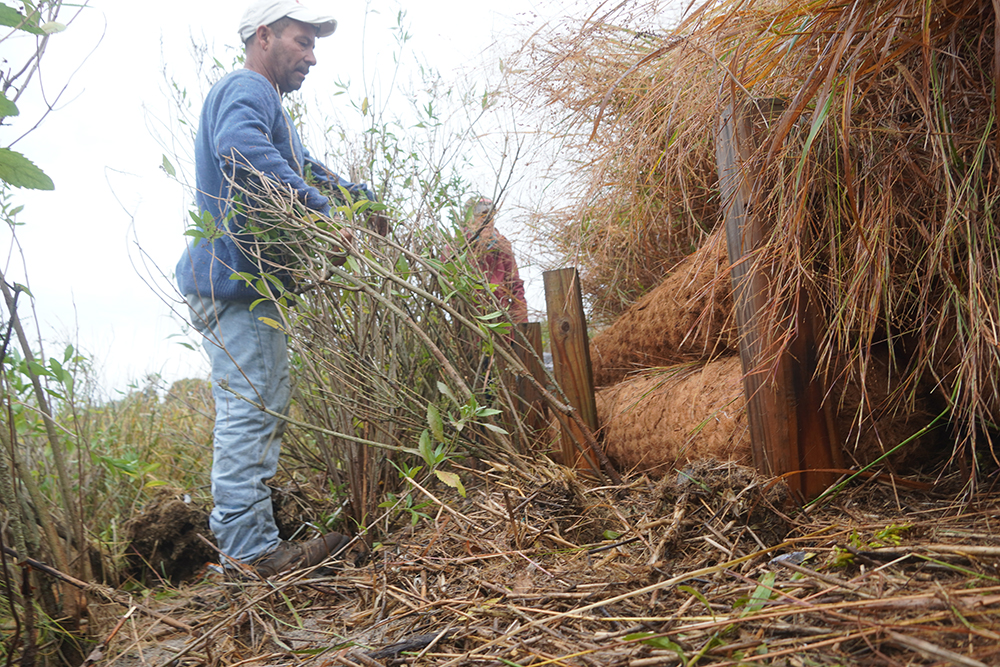
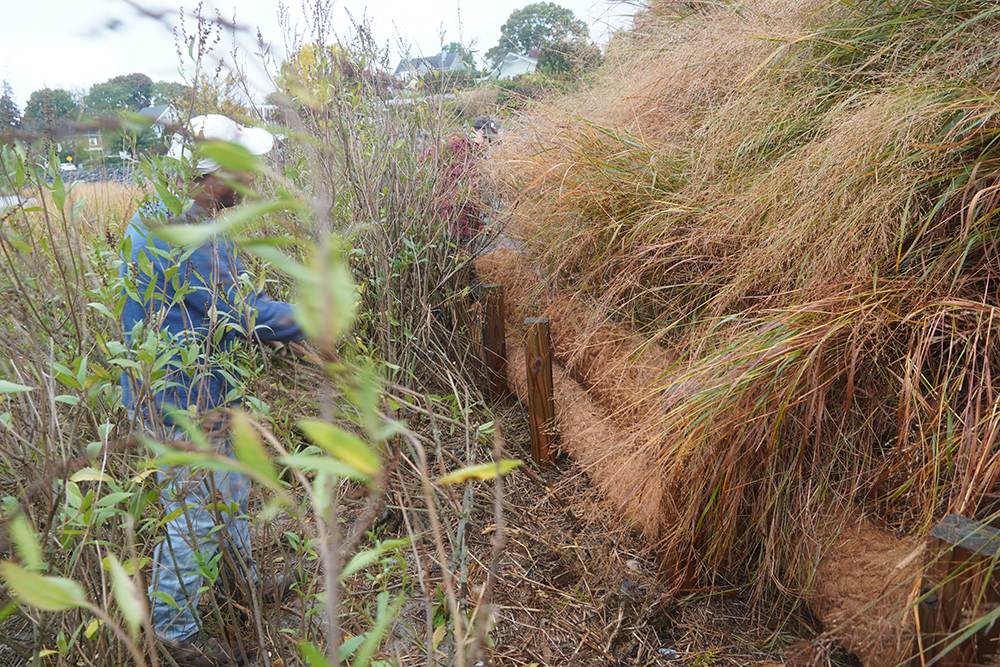
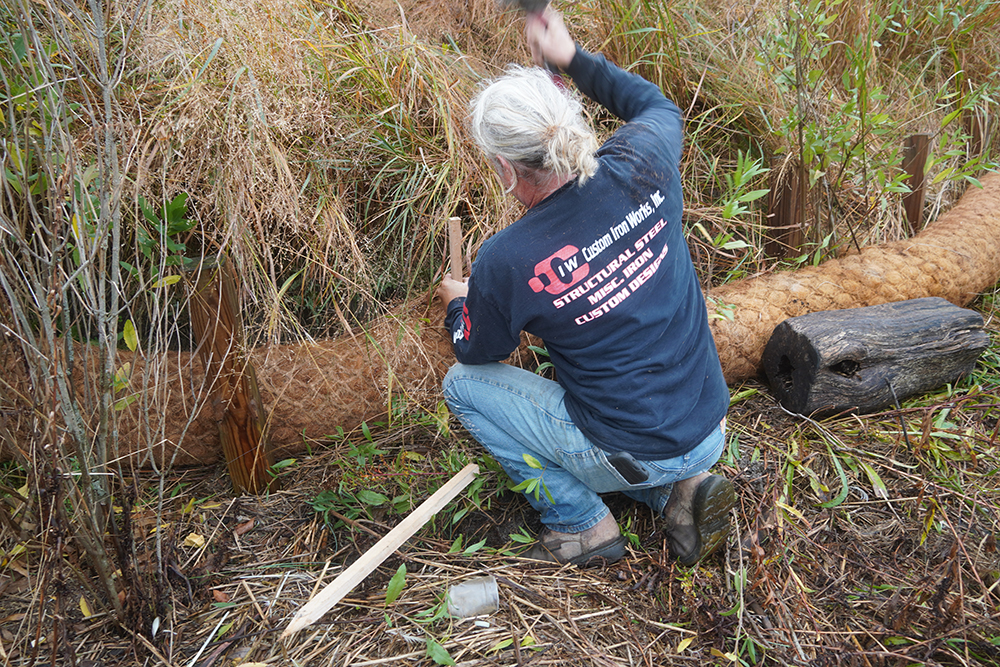
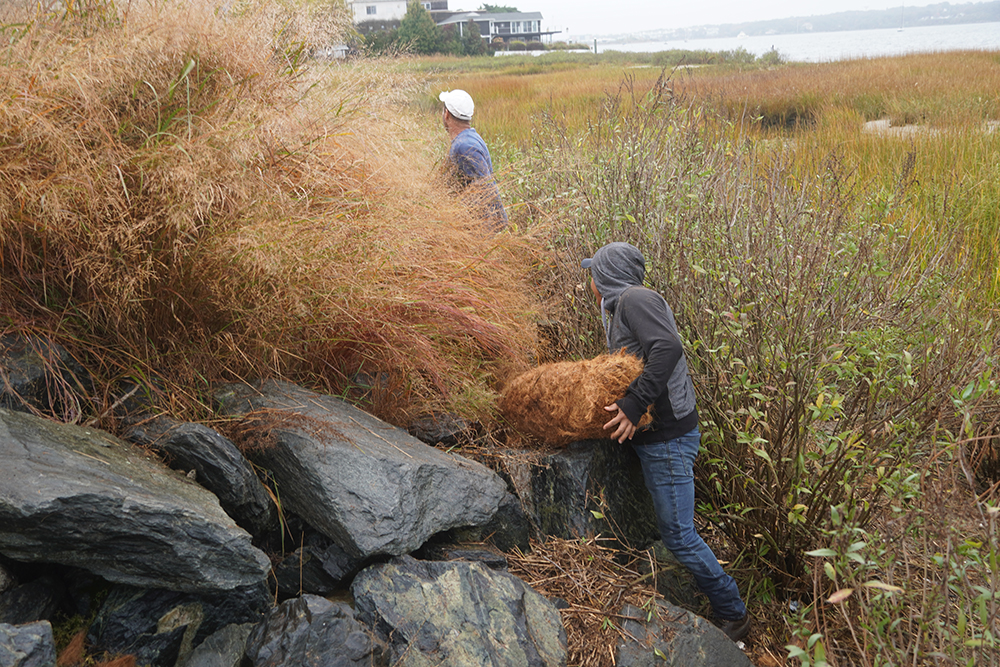
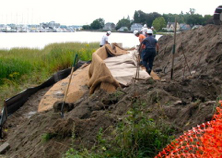
The conclusion was that there was extensive damage to the the coir envelopes that were installed in 2013 to repair damage from Superstorm Sandy. EWPA hopes to be able to repair the bottom coir envelopes, which must be built in place, and re-secure them with added premade coir logs and new 4×4 stakes. The repair will be challenging since it needs to be done from the top of the bank as no machinery is allowed at the marsh level. EWPA will be researching possible funding sources.
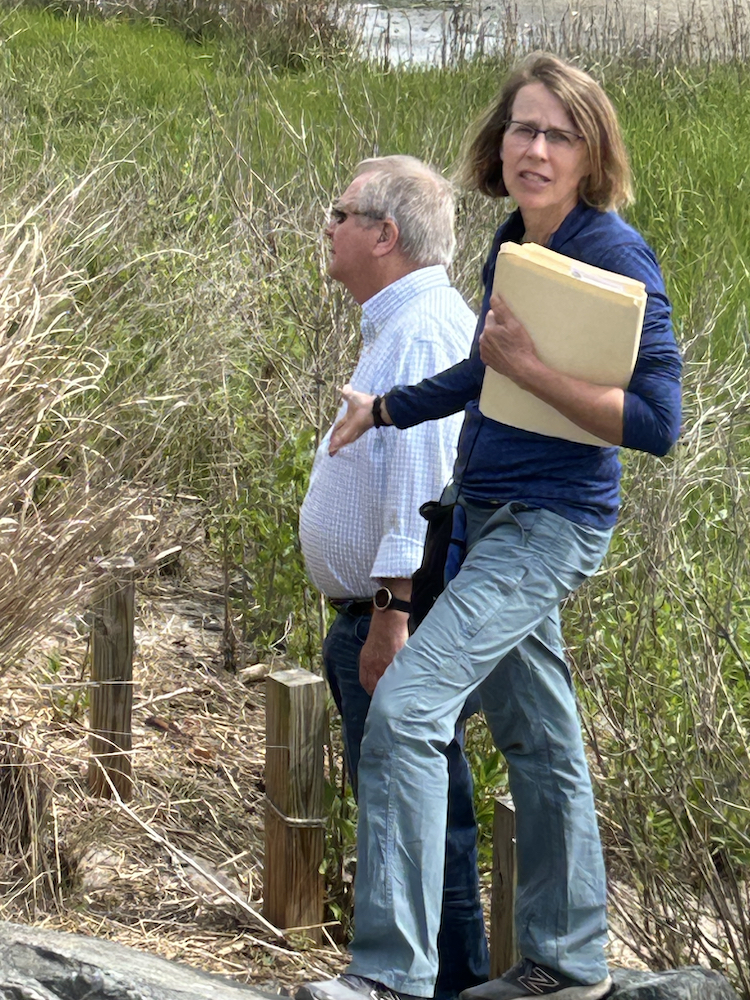
Wenley Ferguson of Save the Bay pointing to the damage.
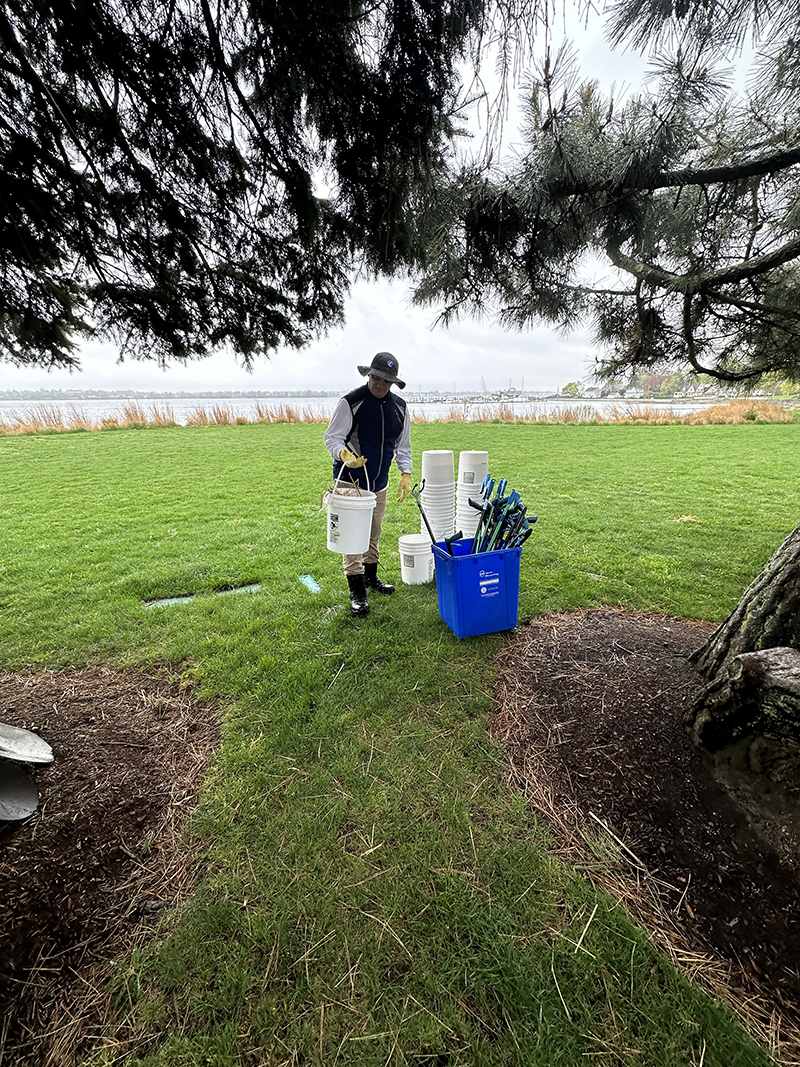
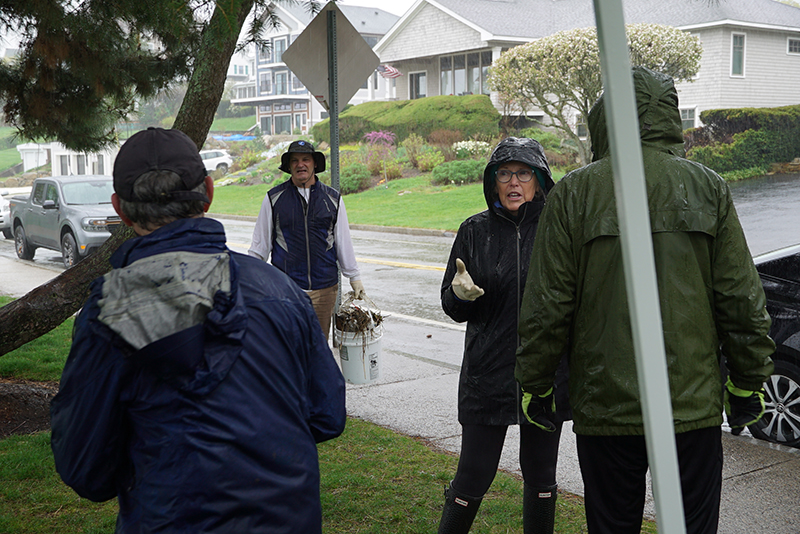
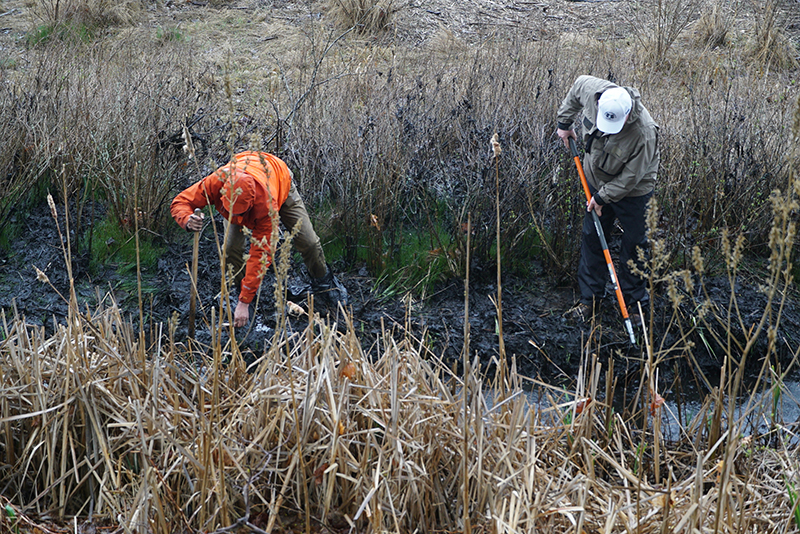
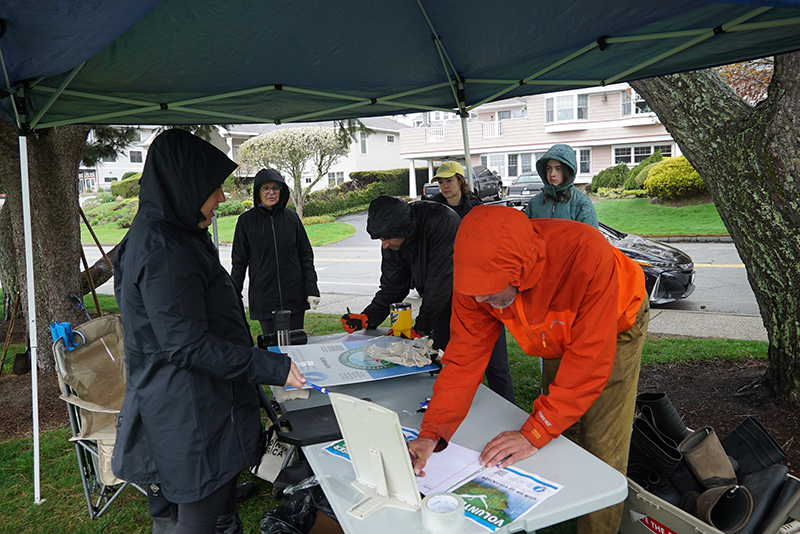
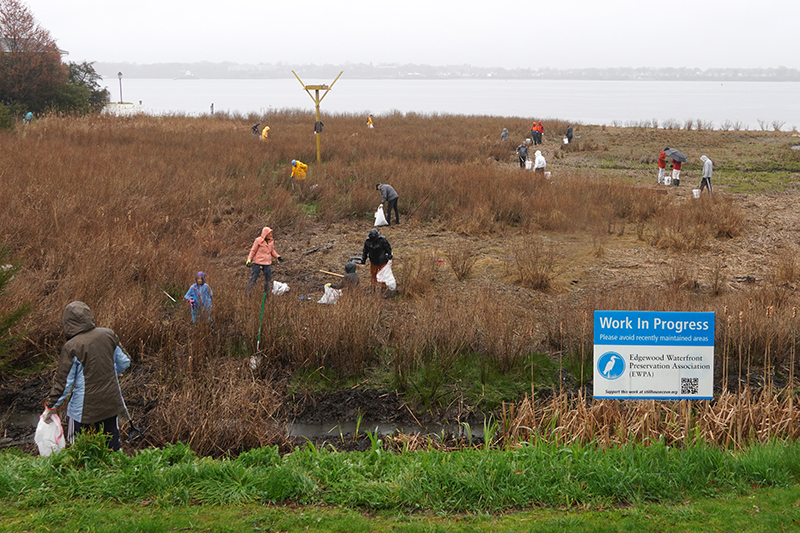
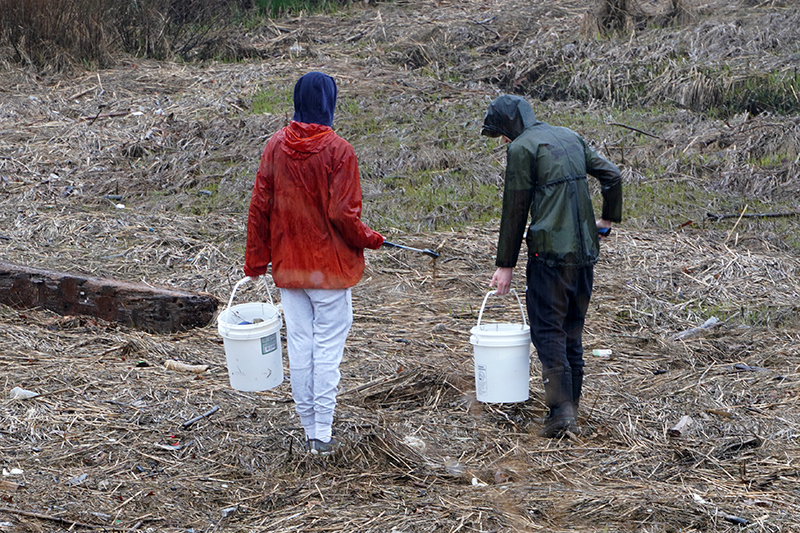
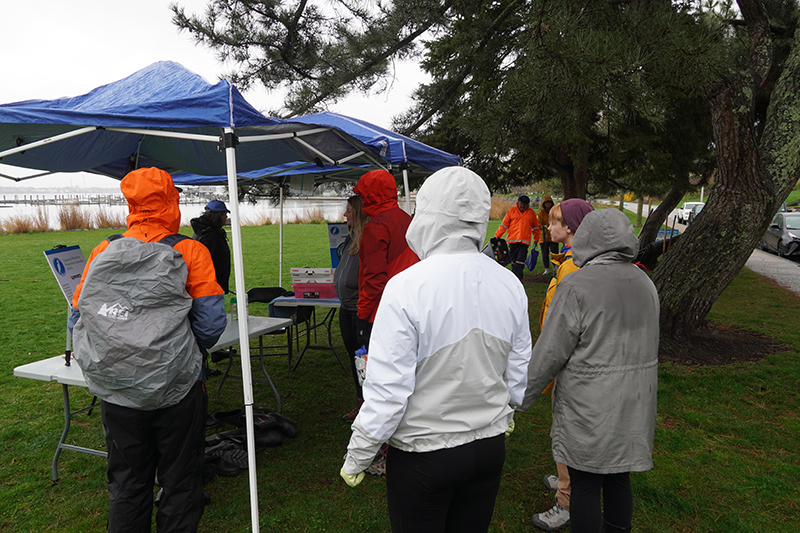
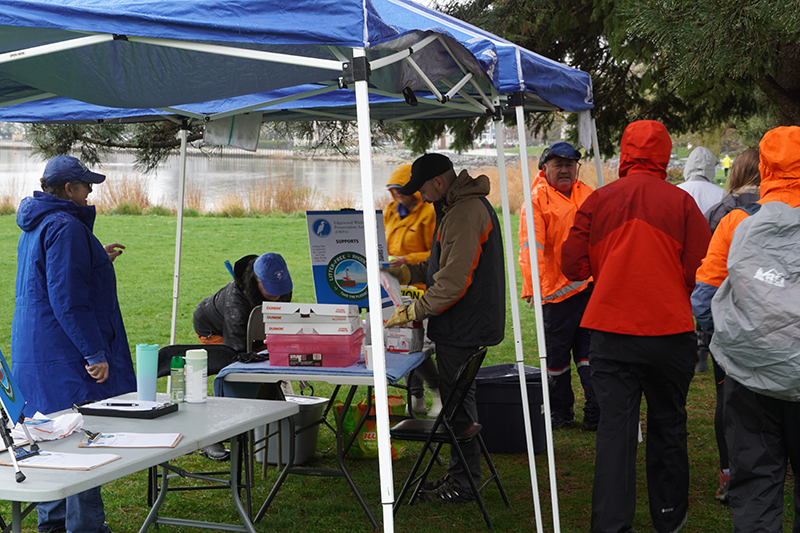
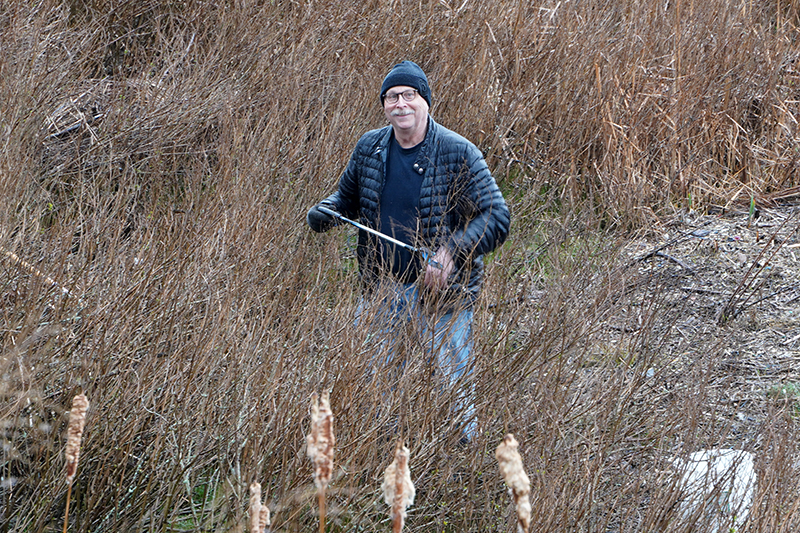
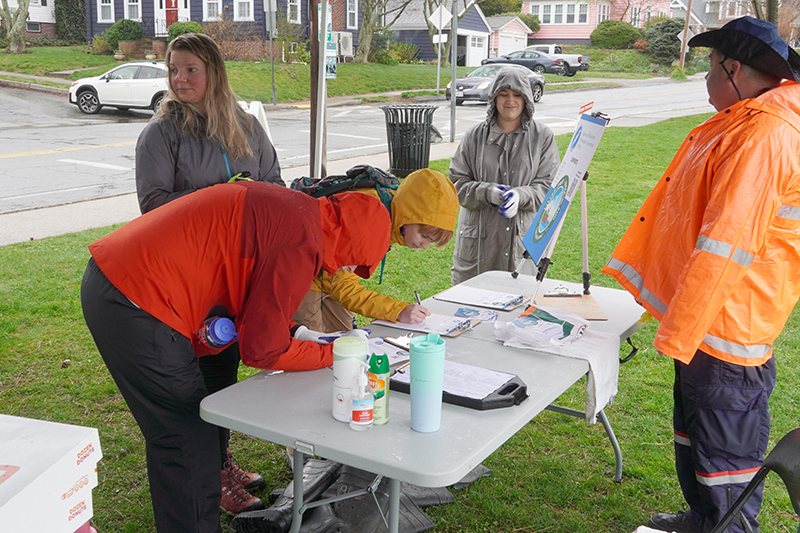
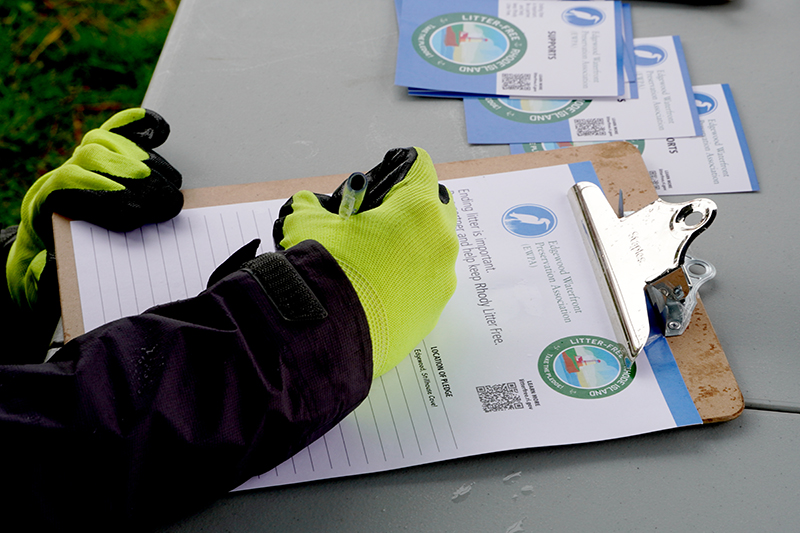
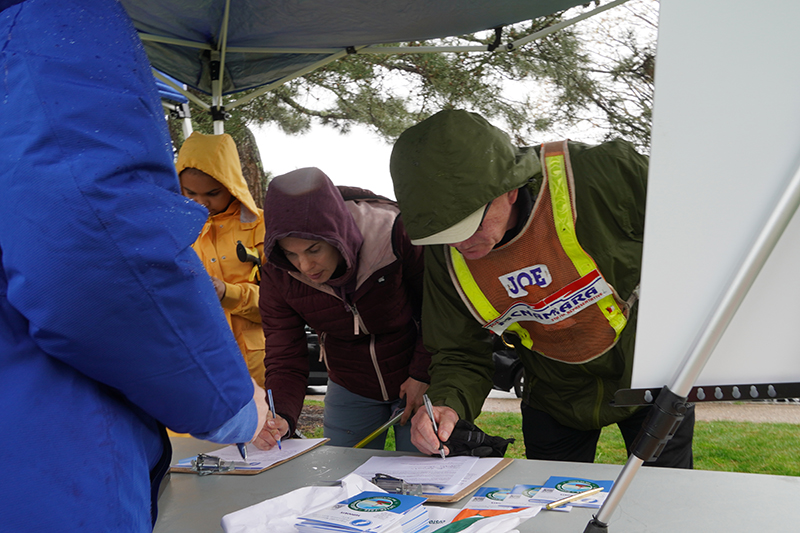
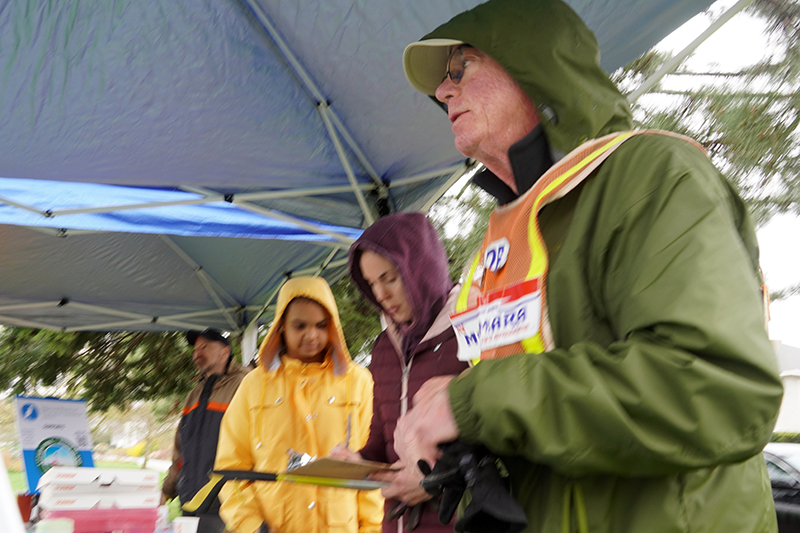
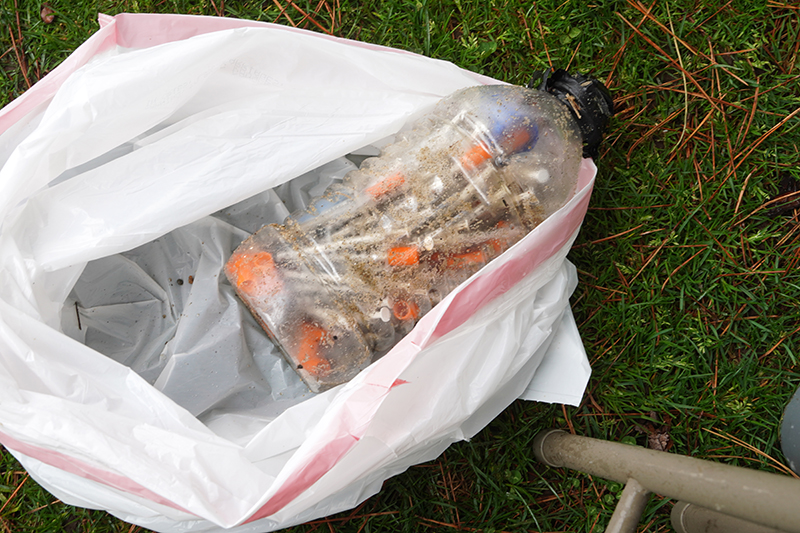
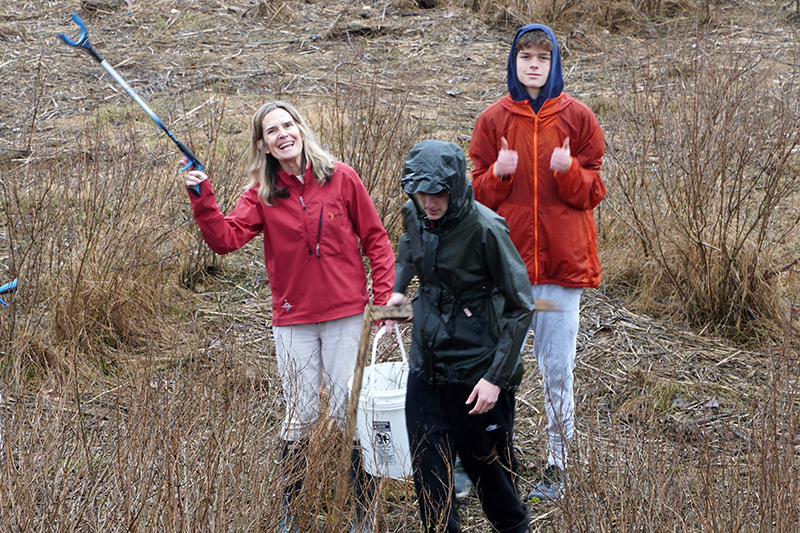
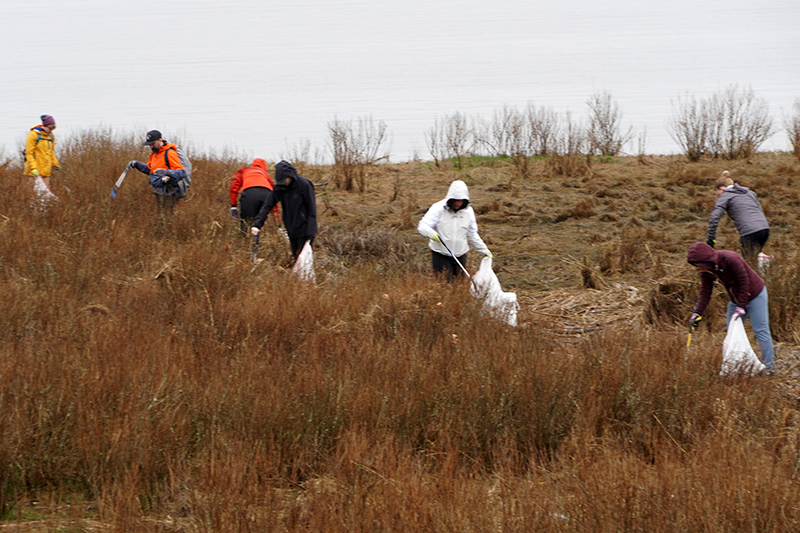
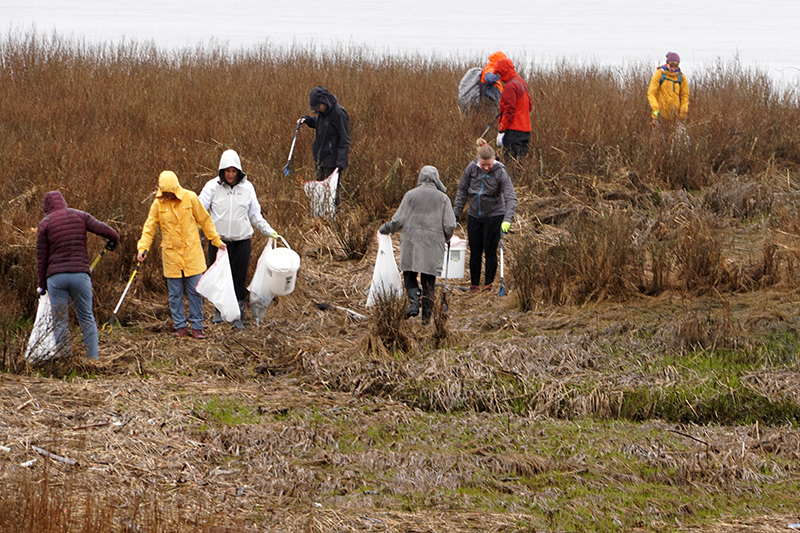
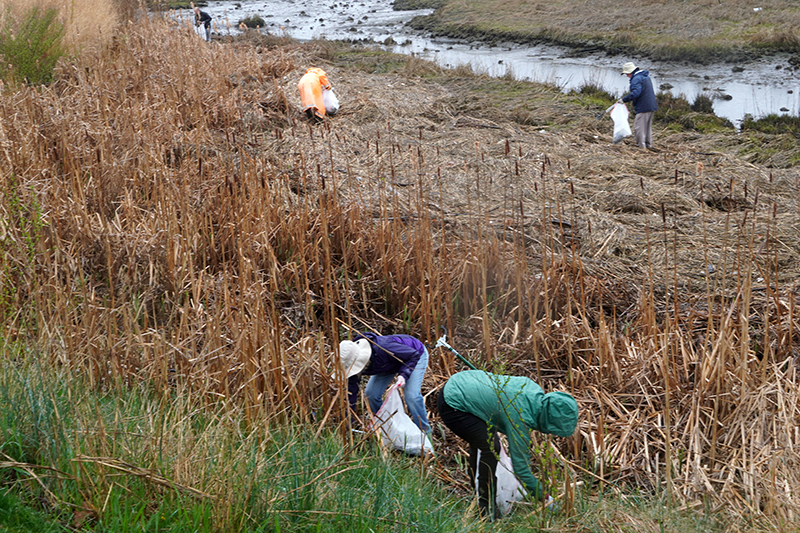
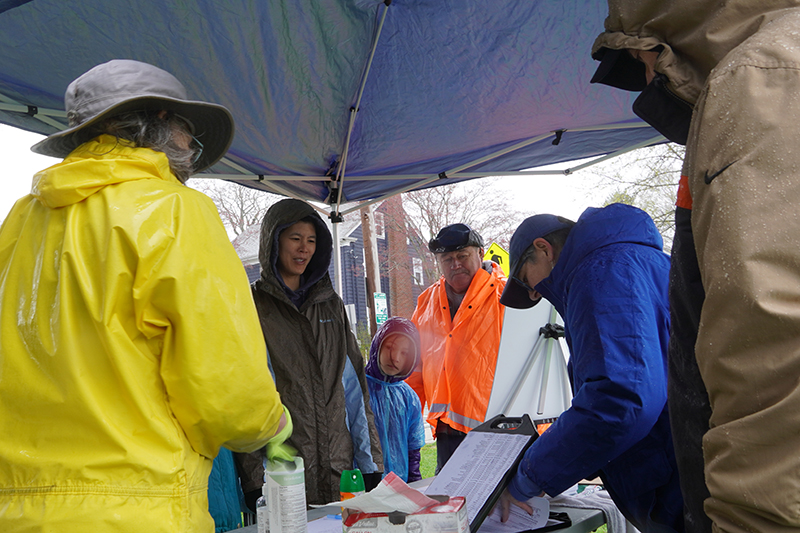
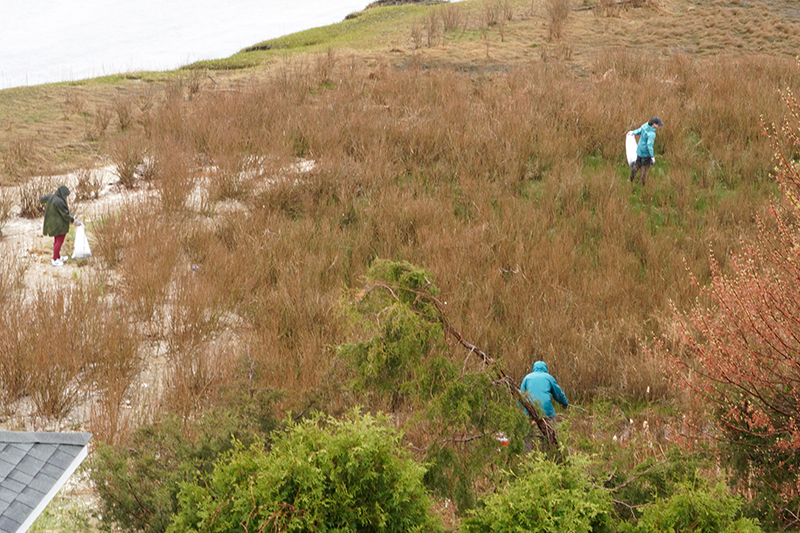
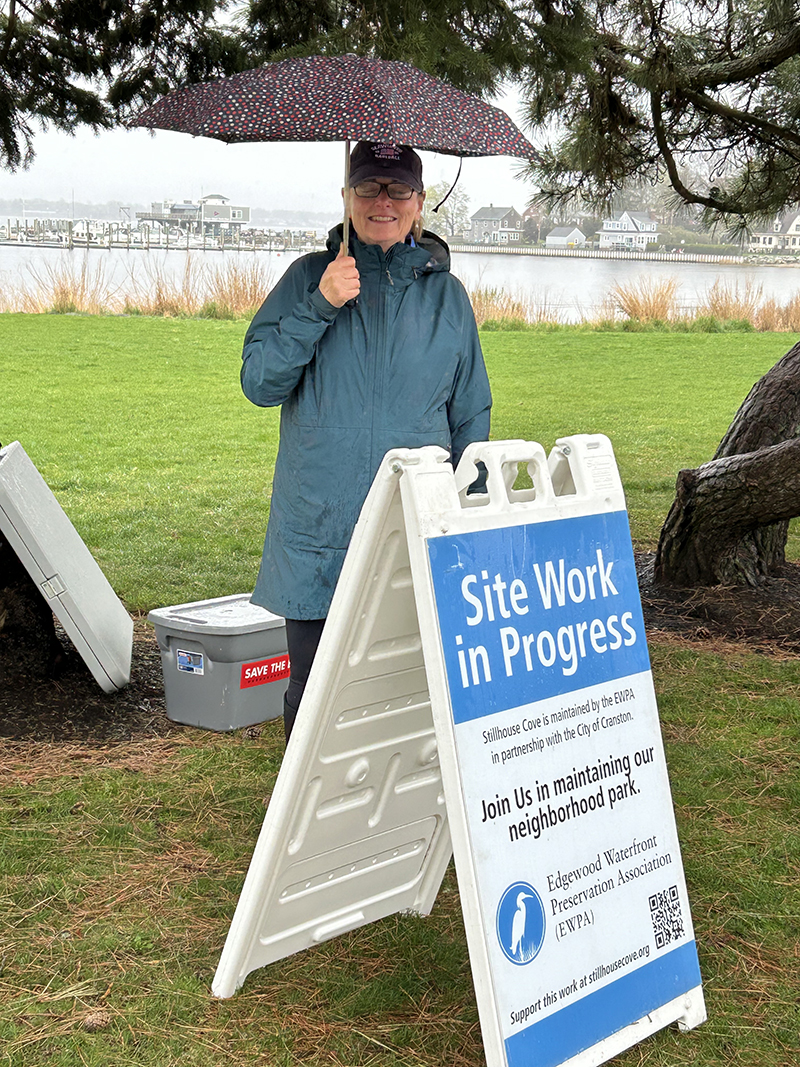
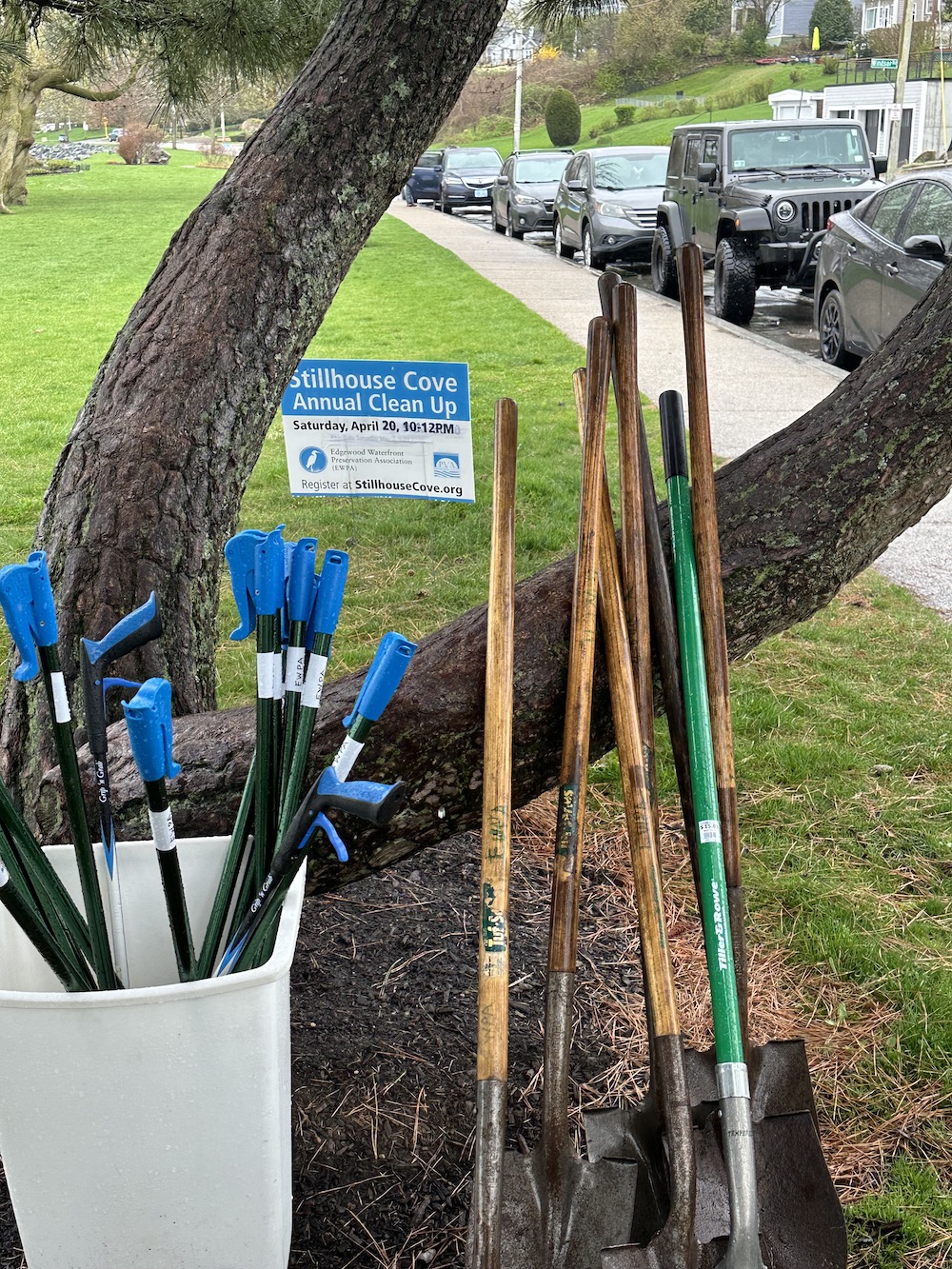
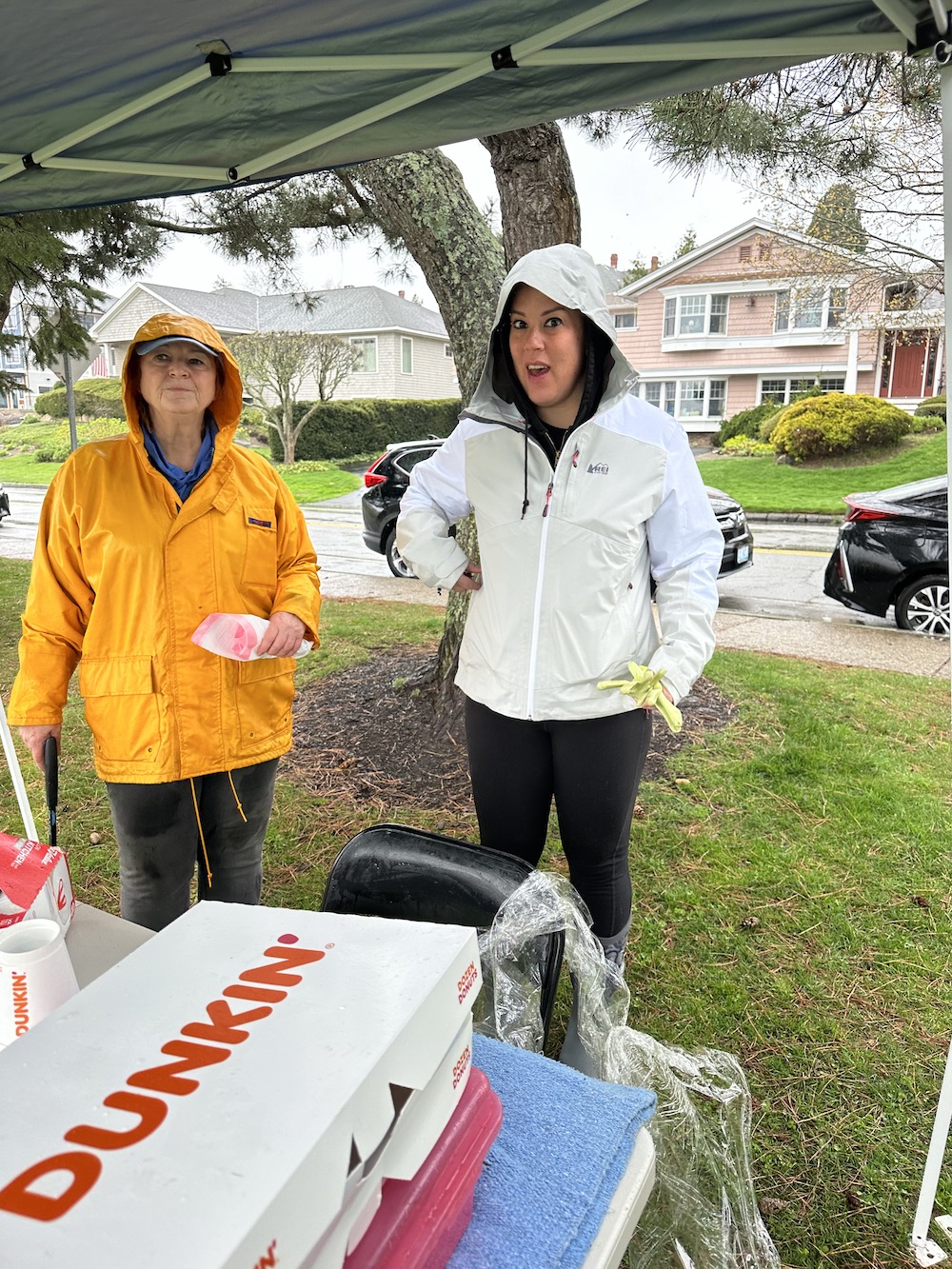
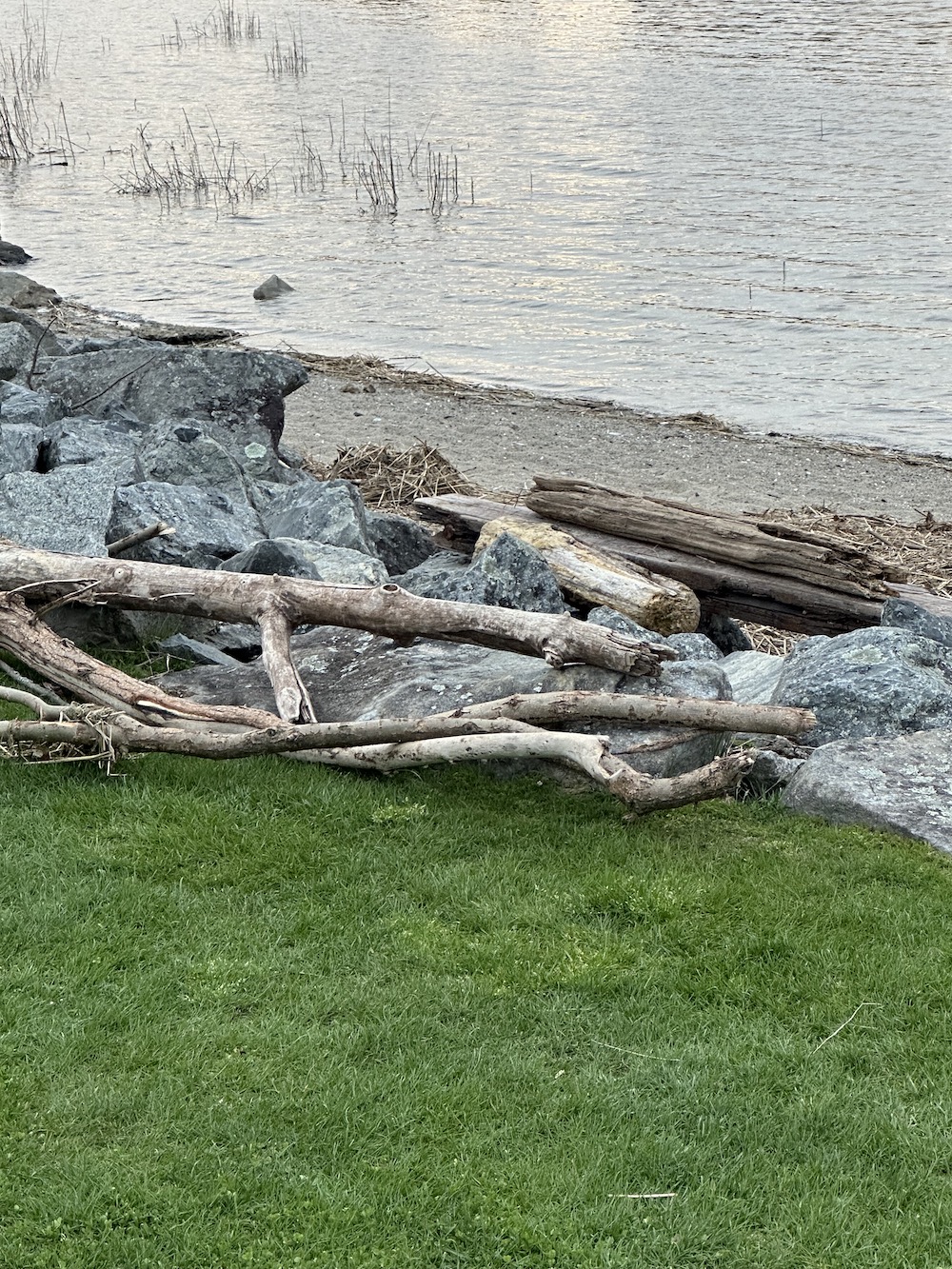
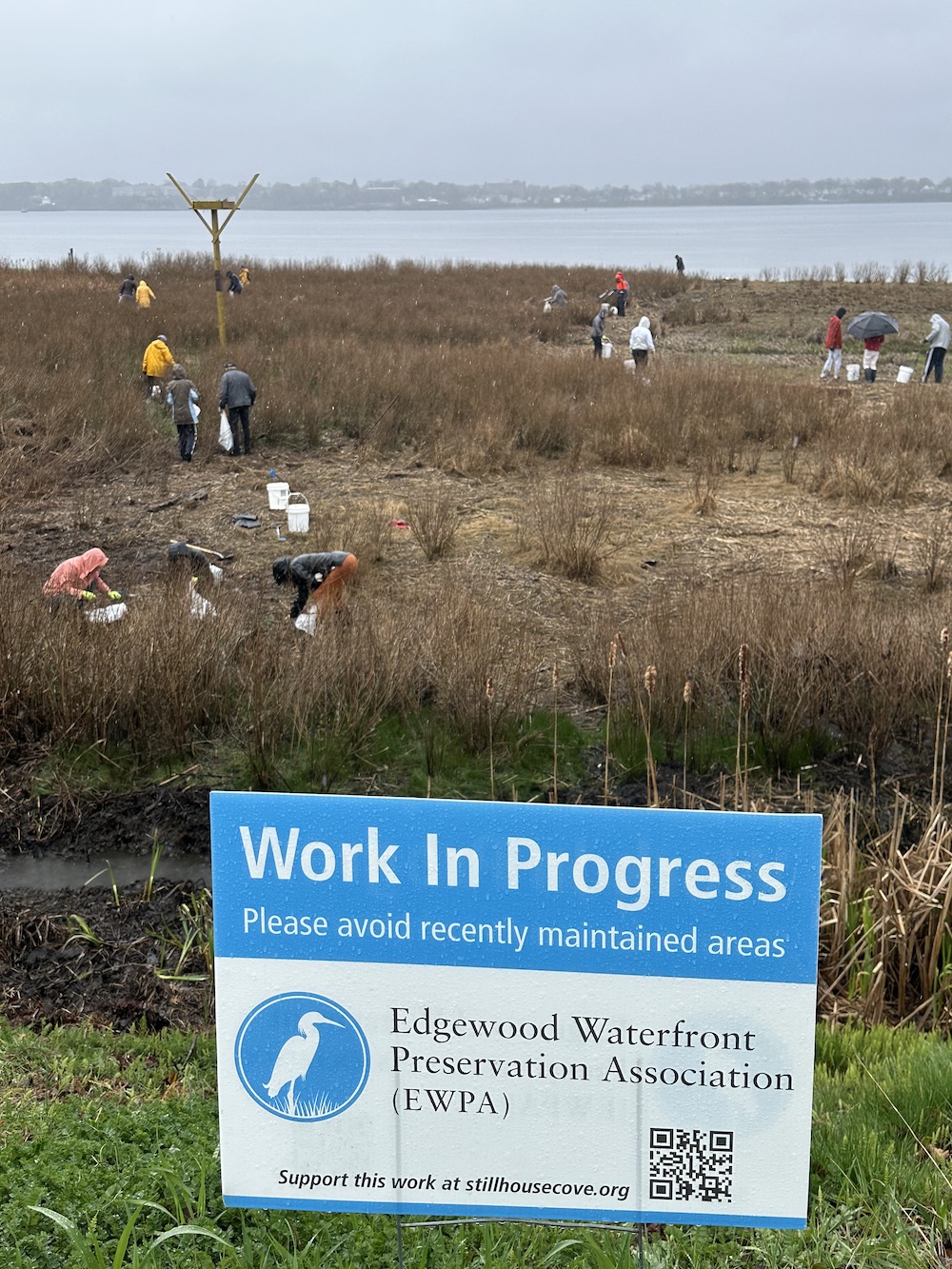
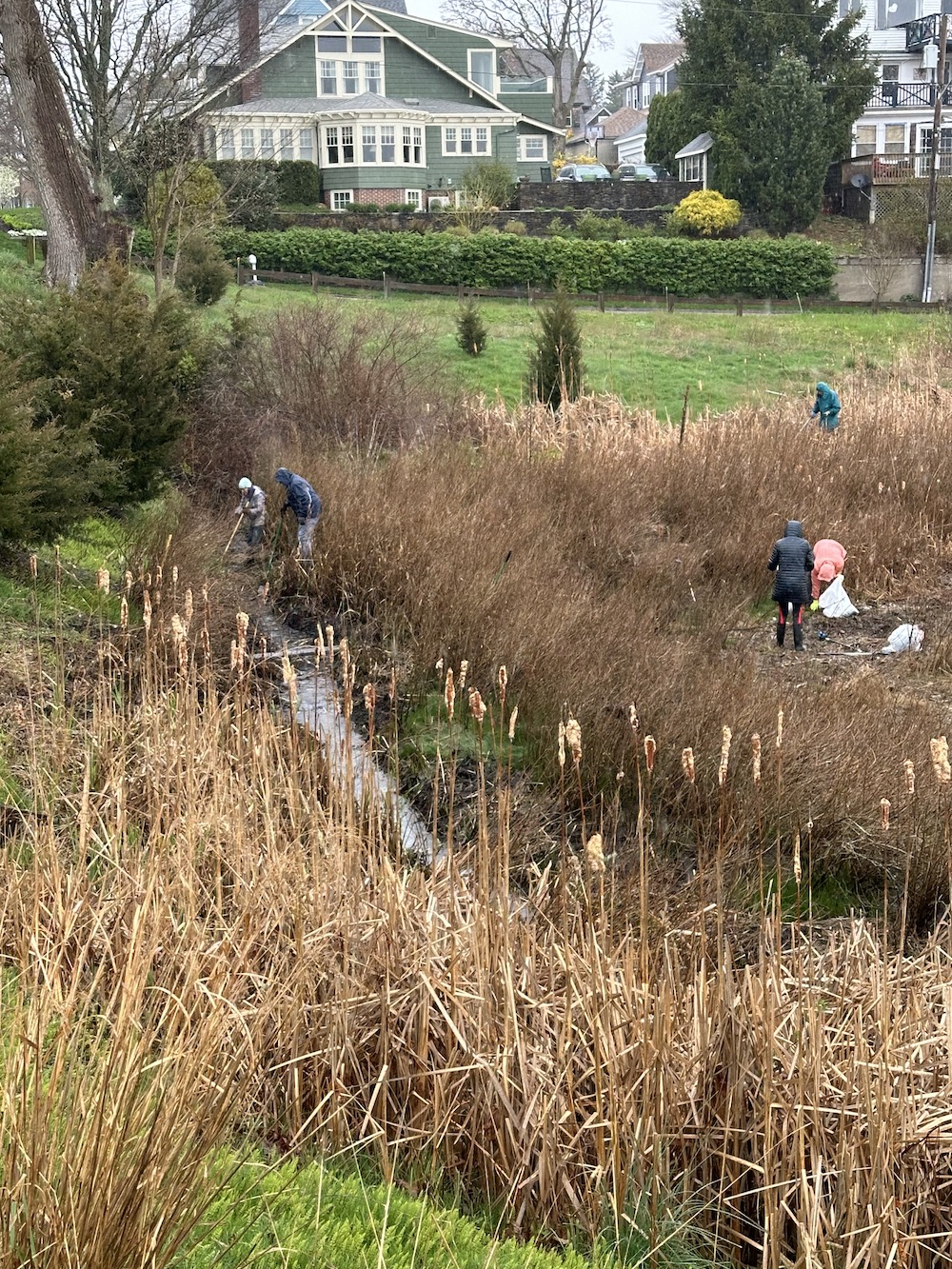
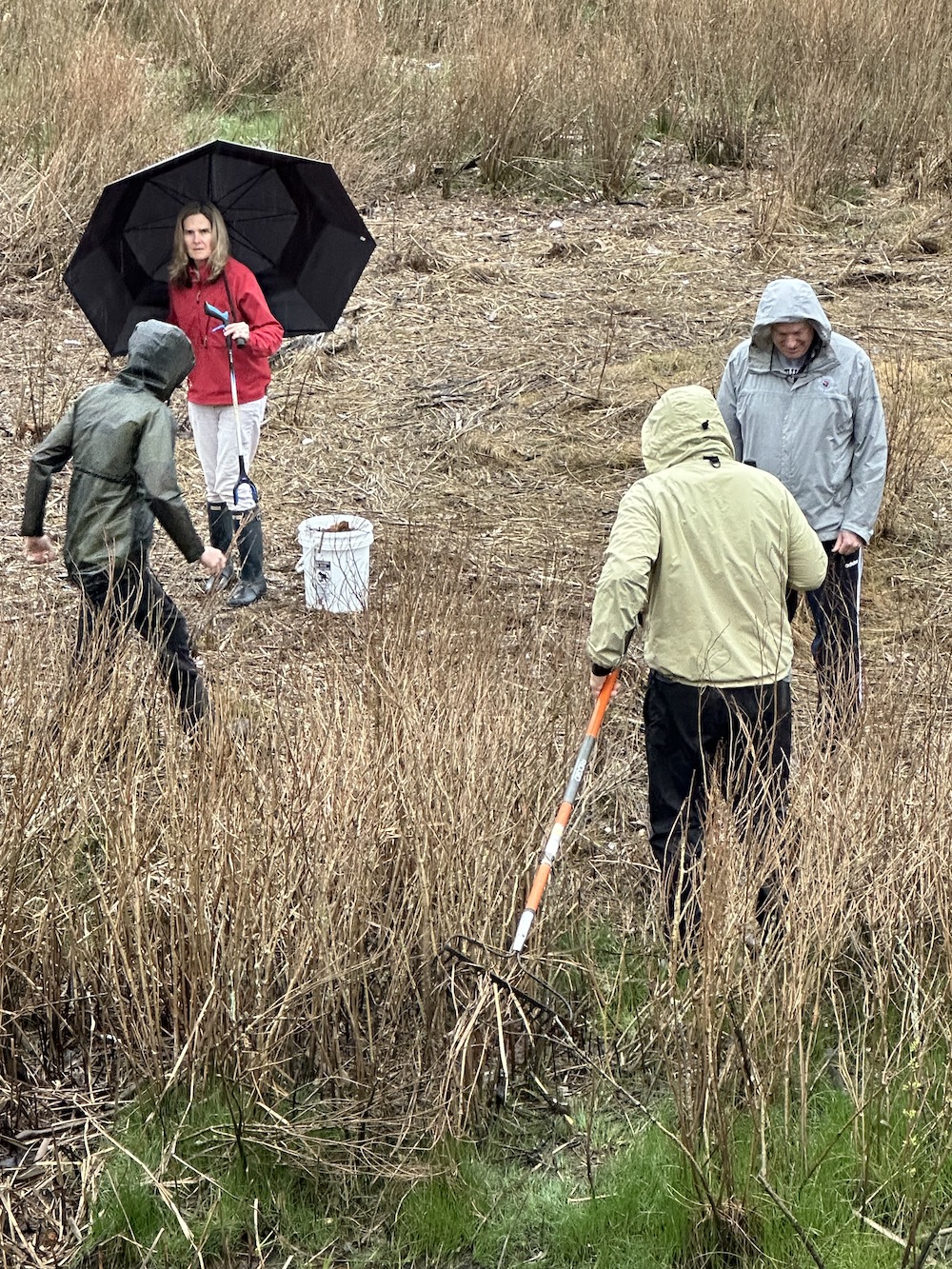
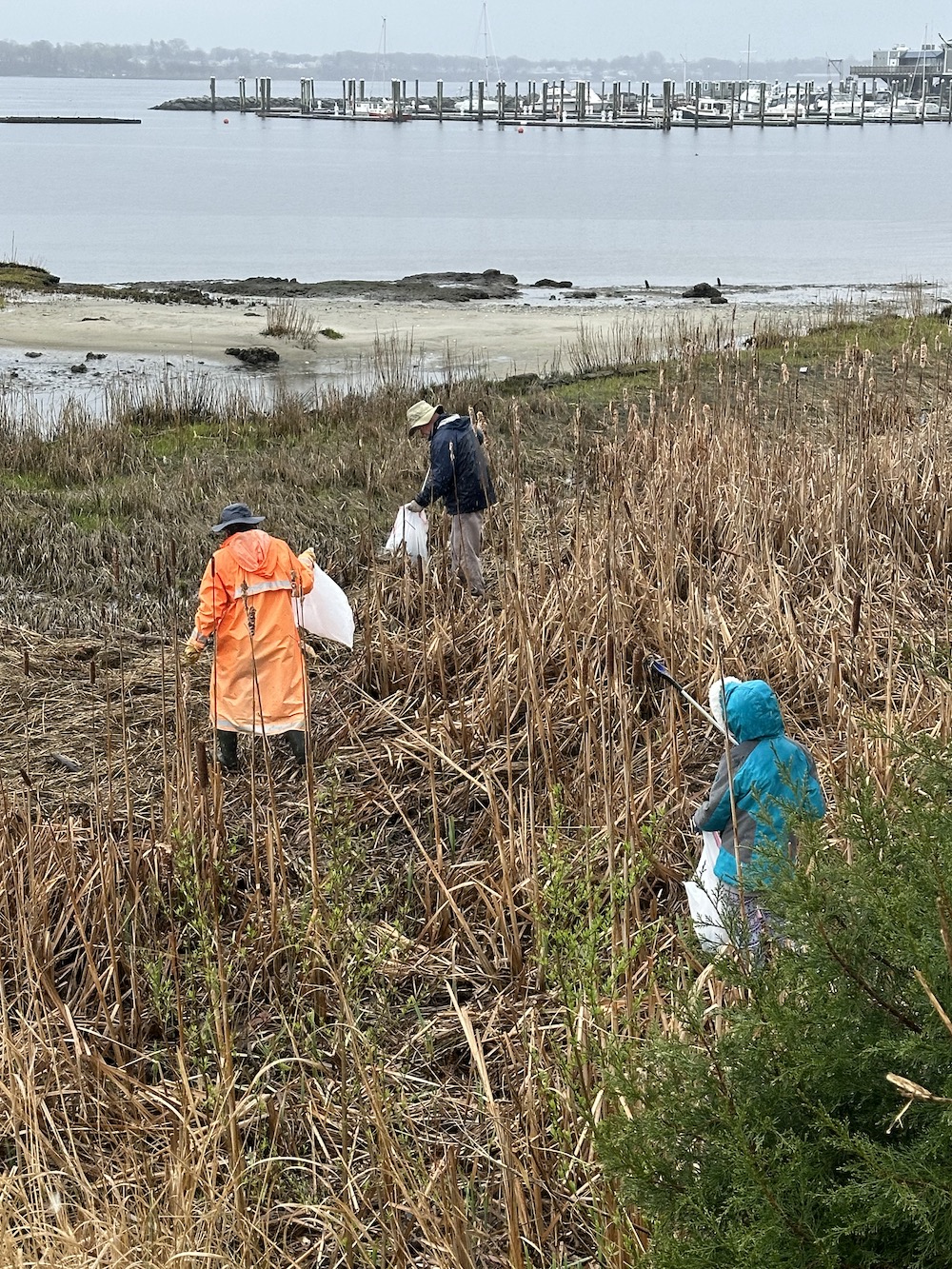
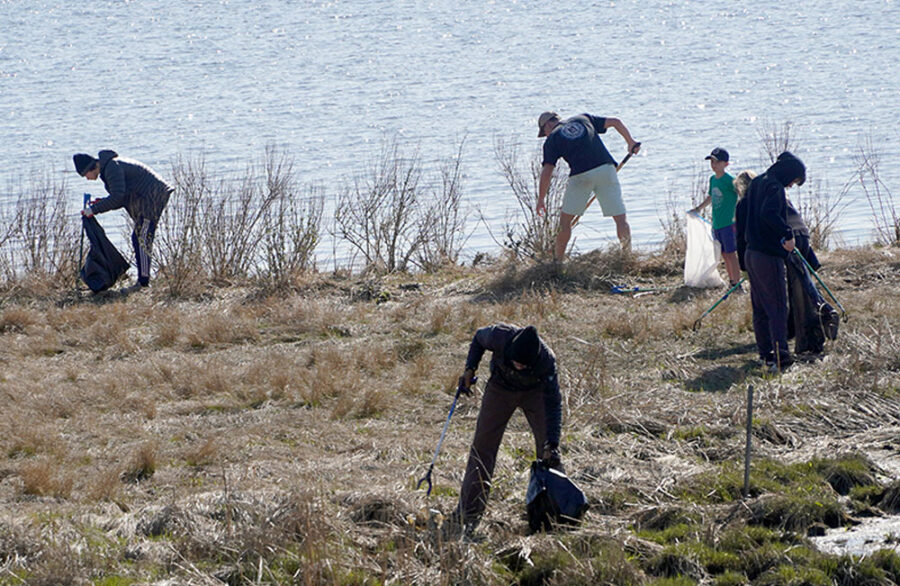
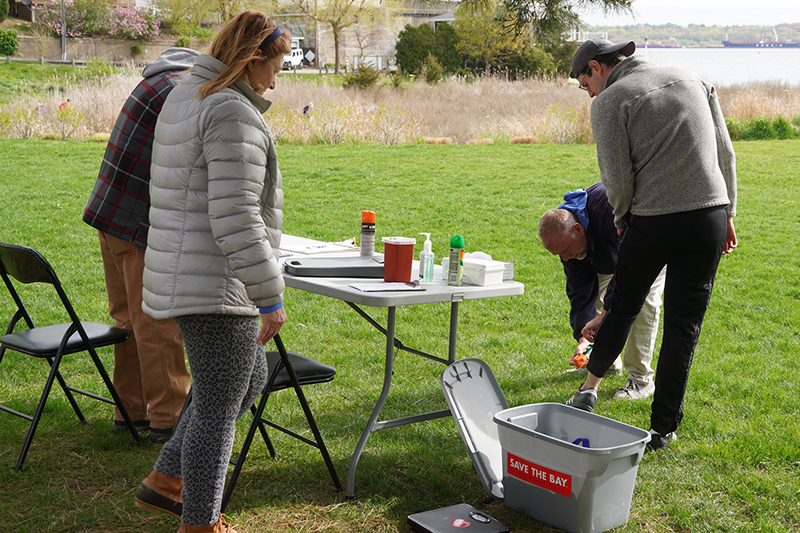
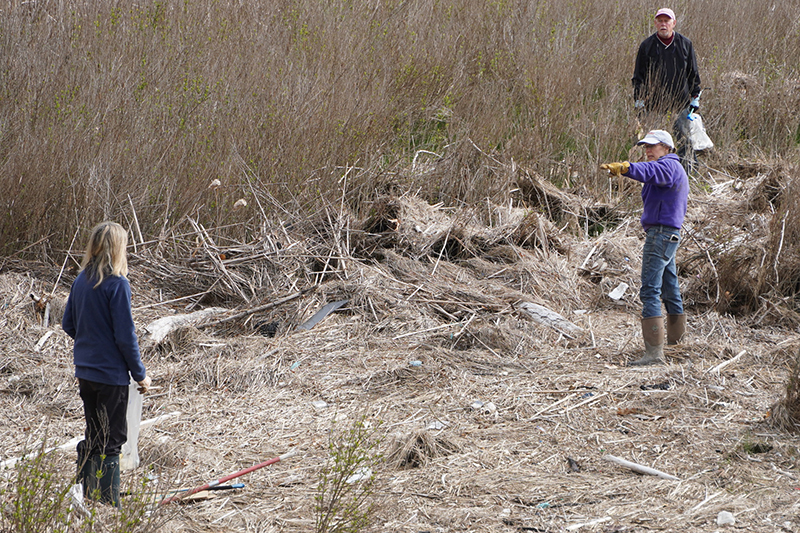
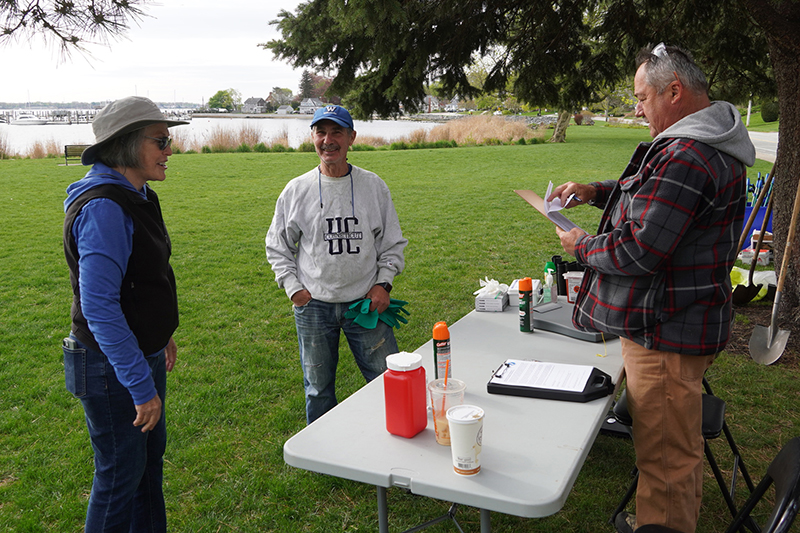
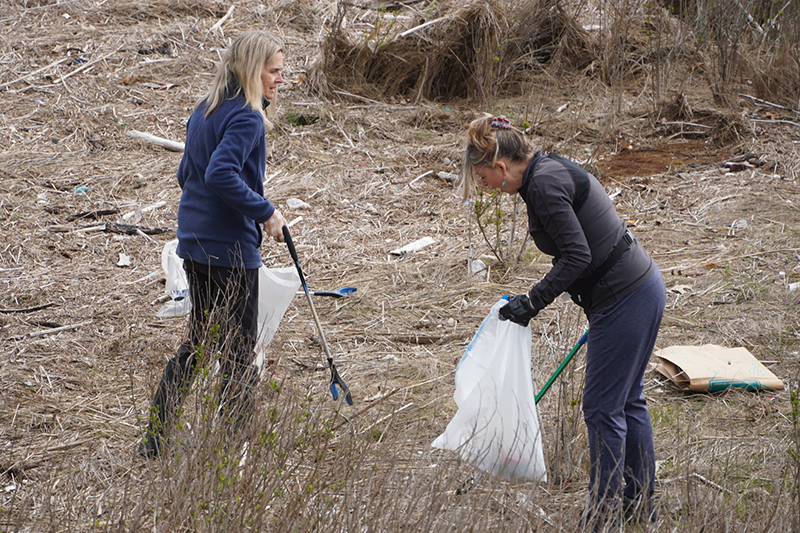
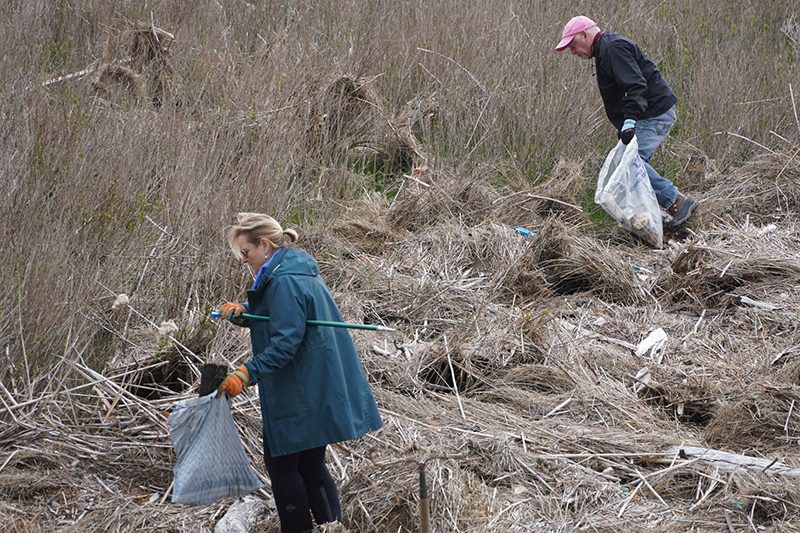
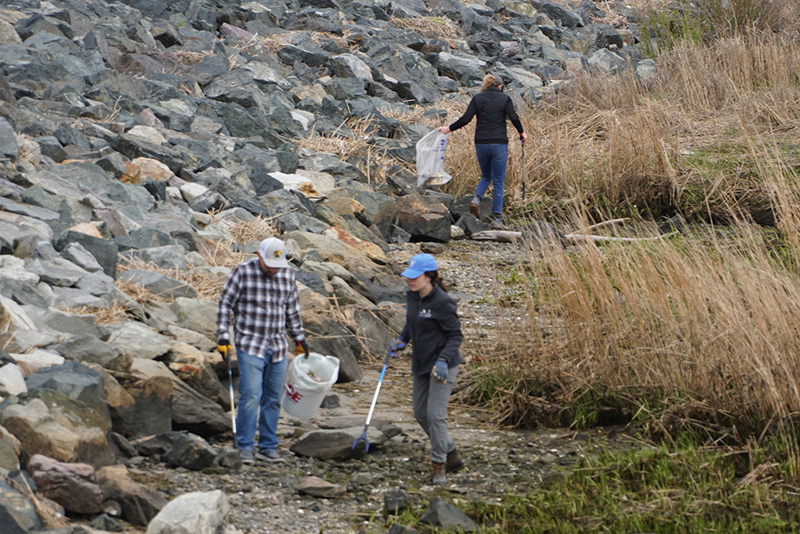
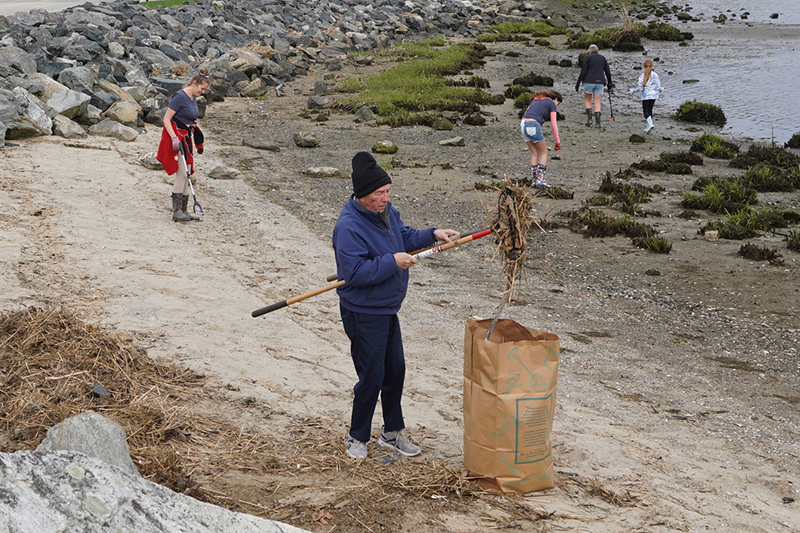
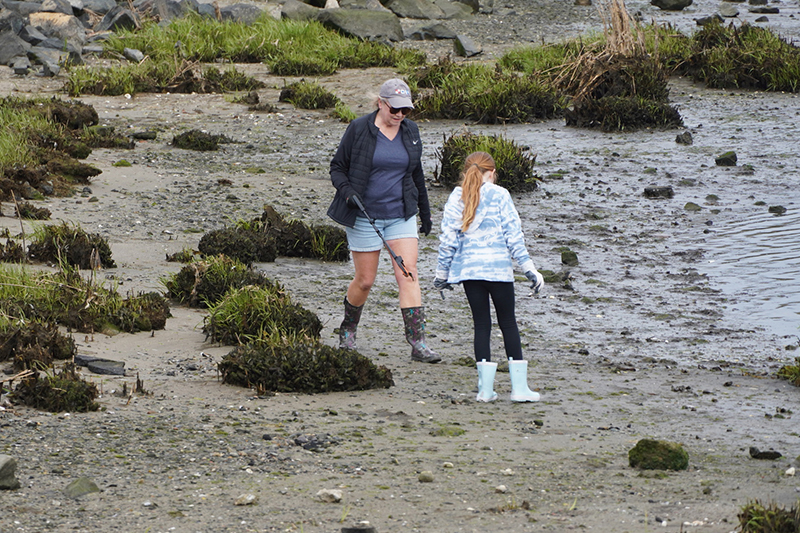
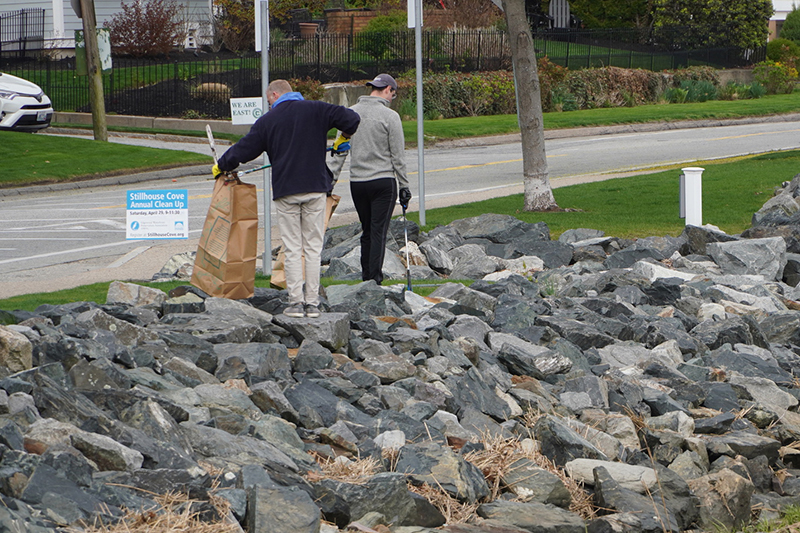
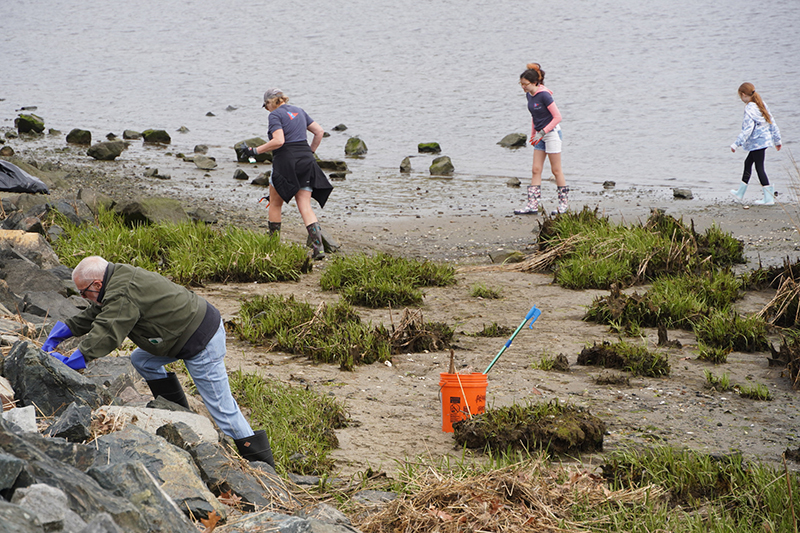
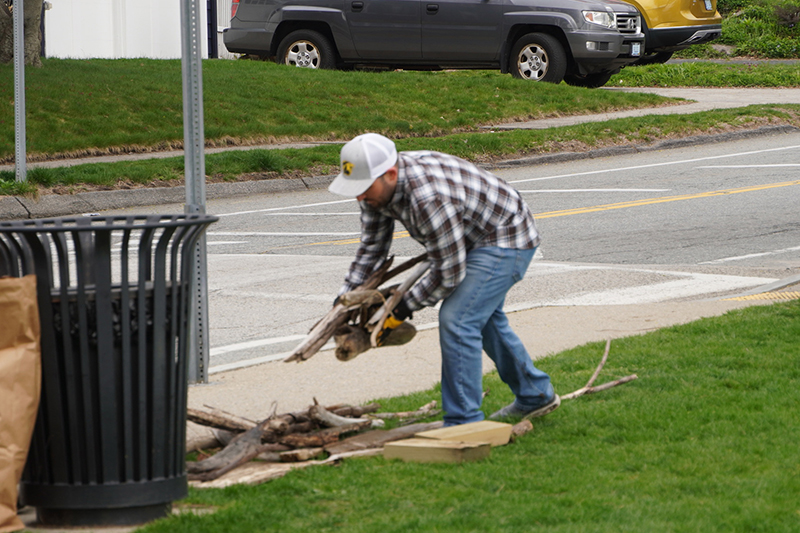
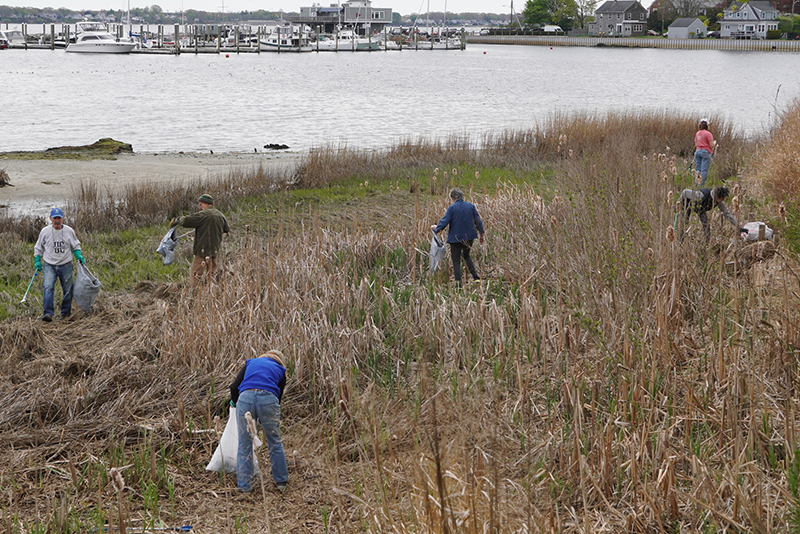
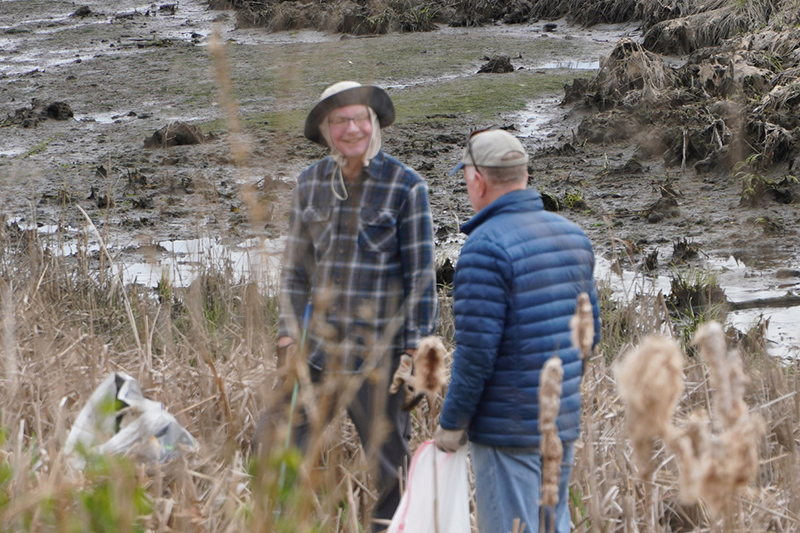
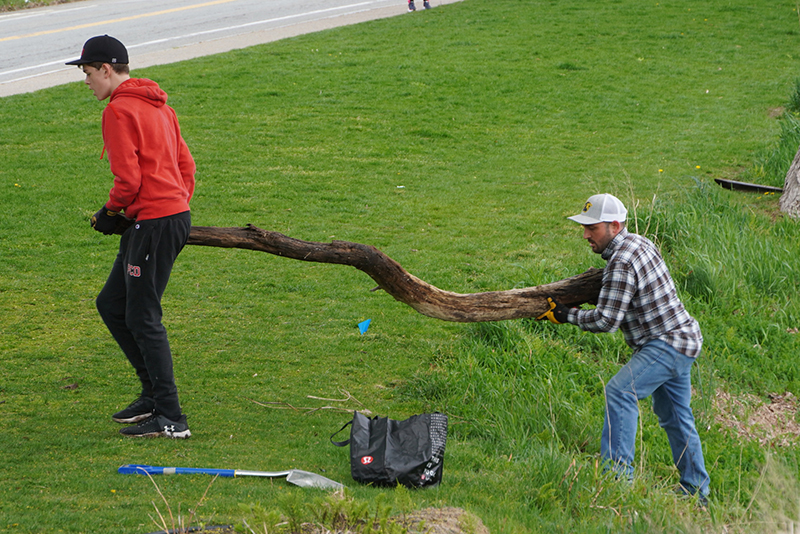
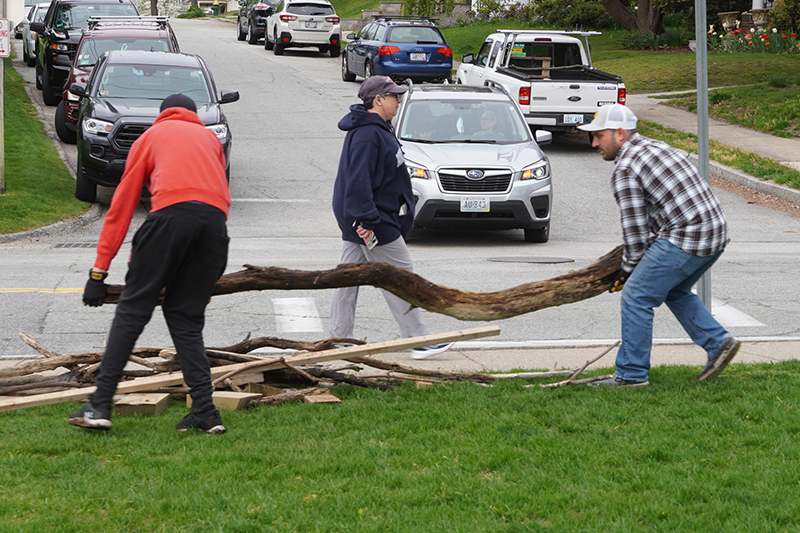
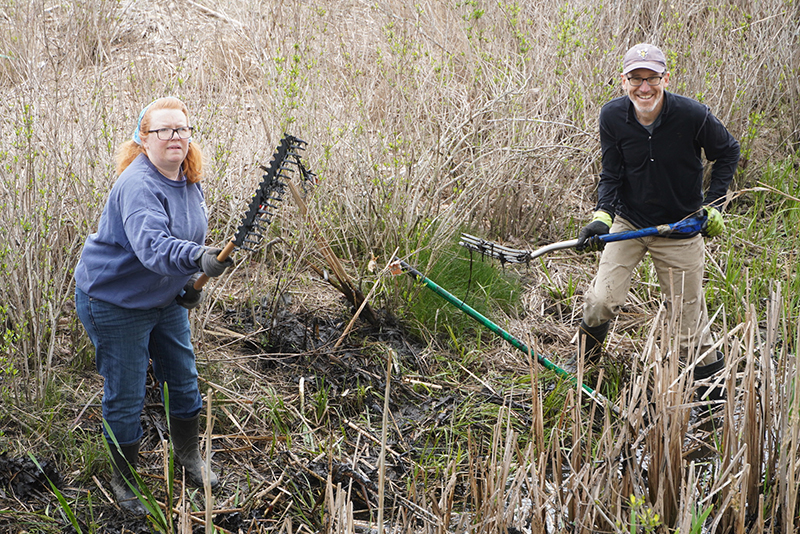
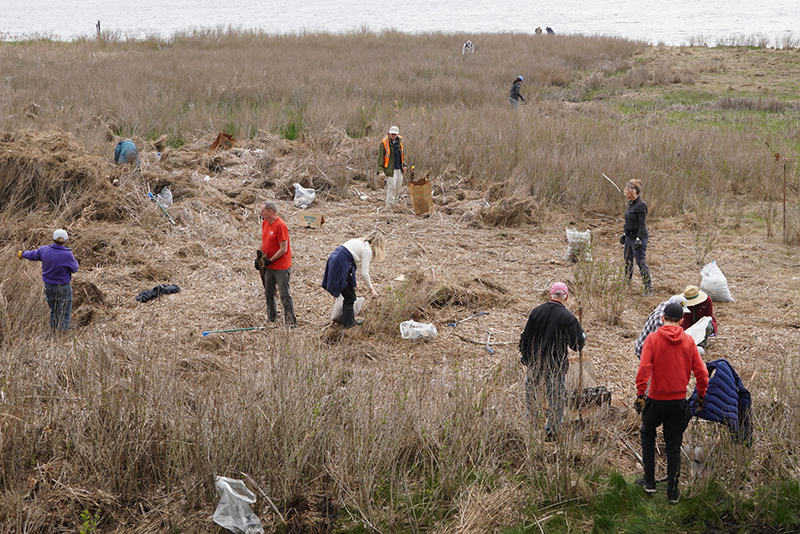
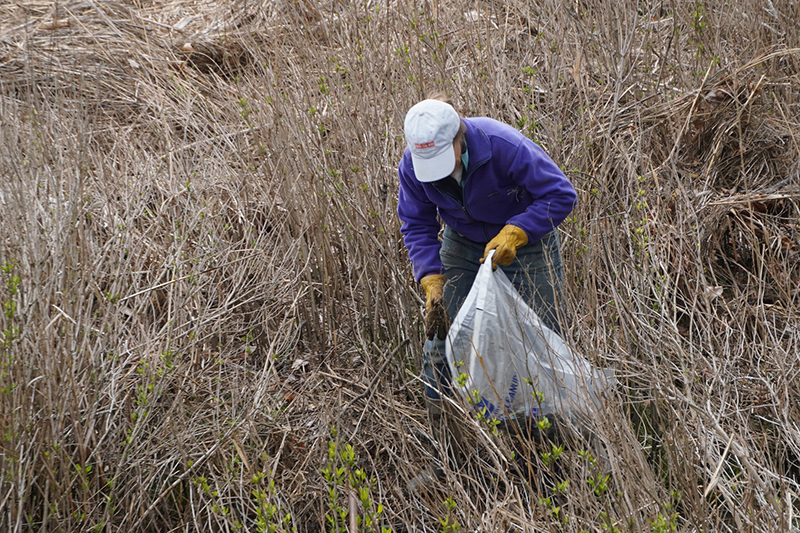
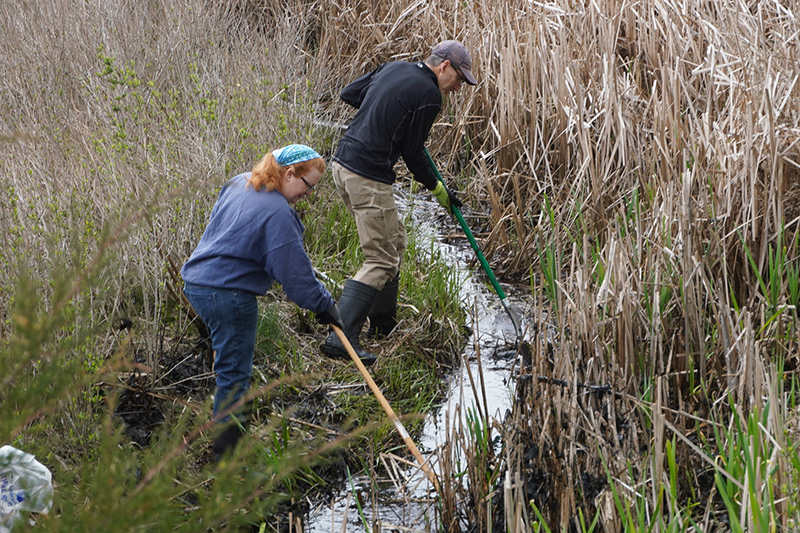
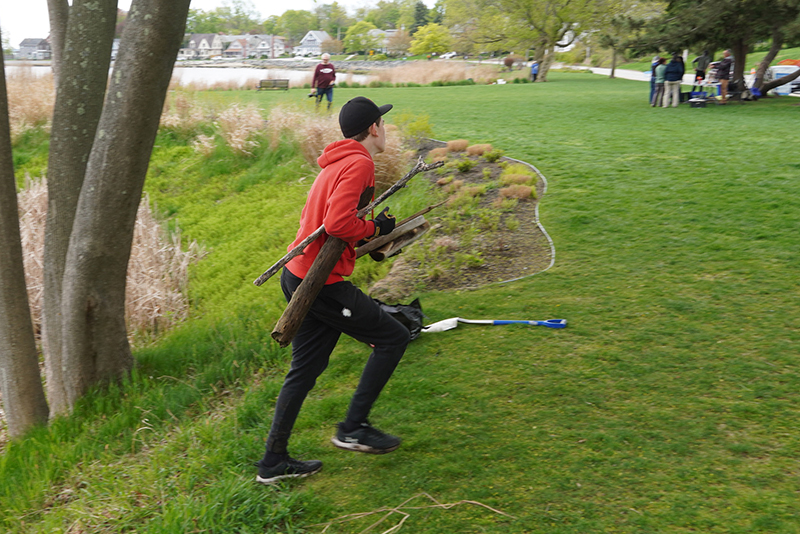
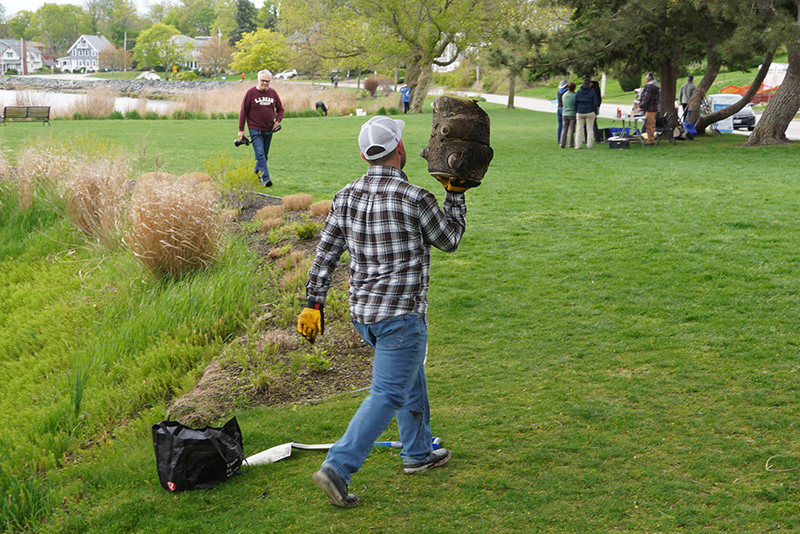
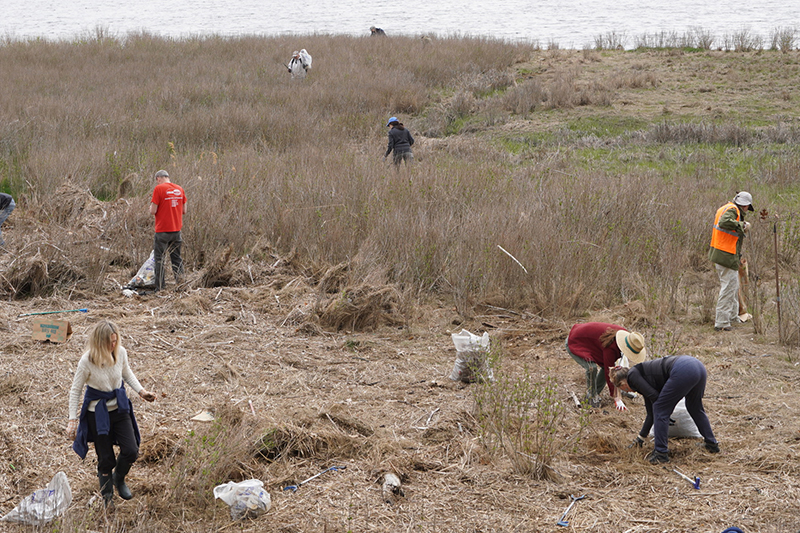
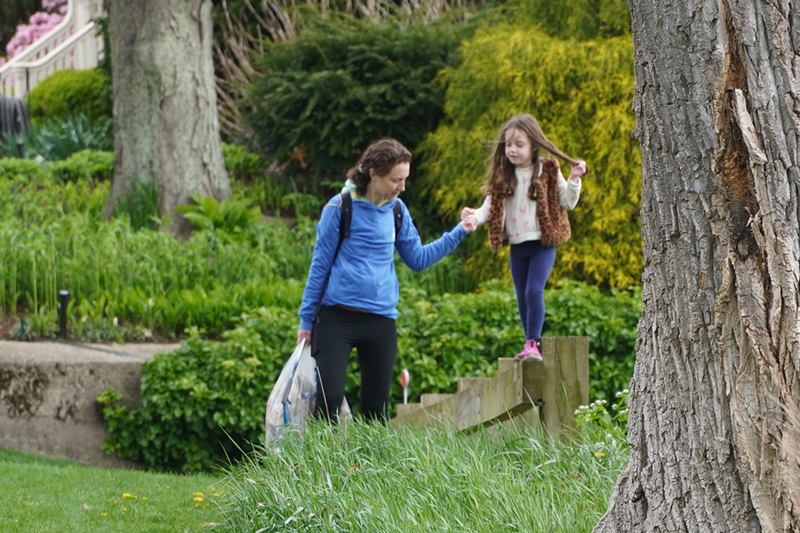
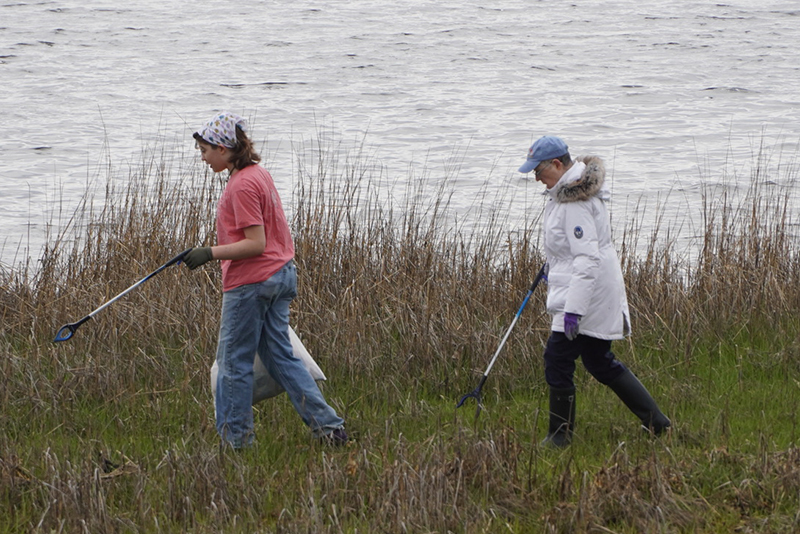
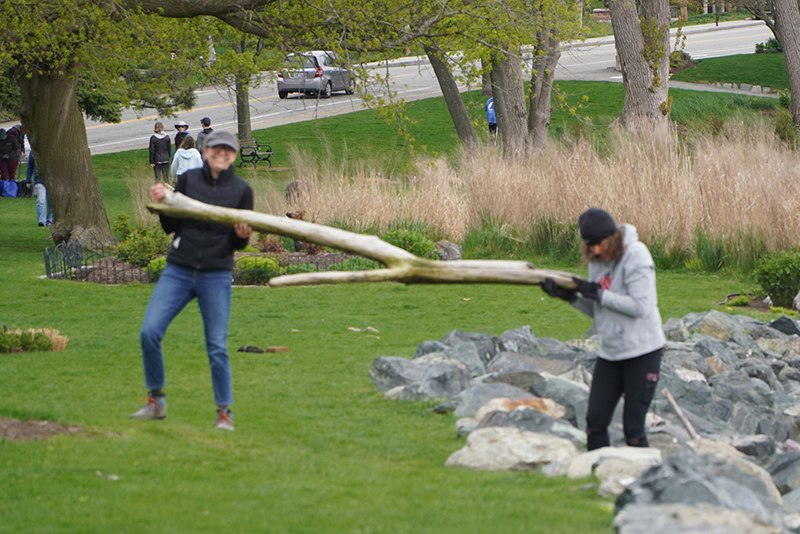
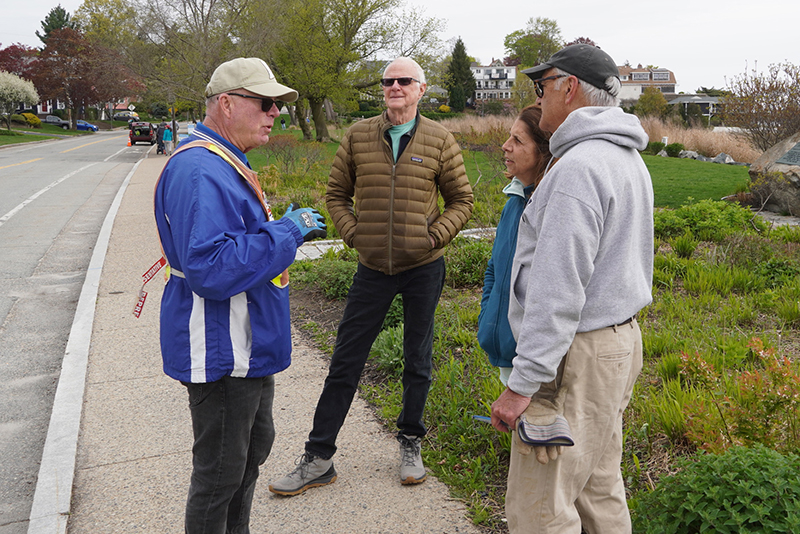
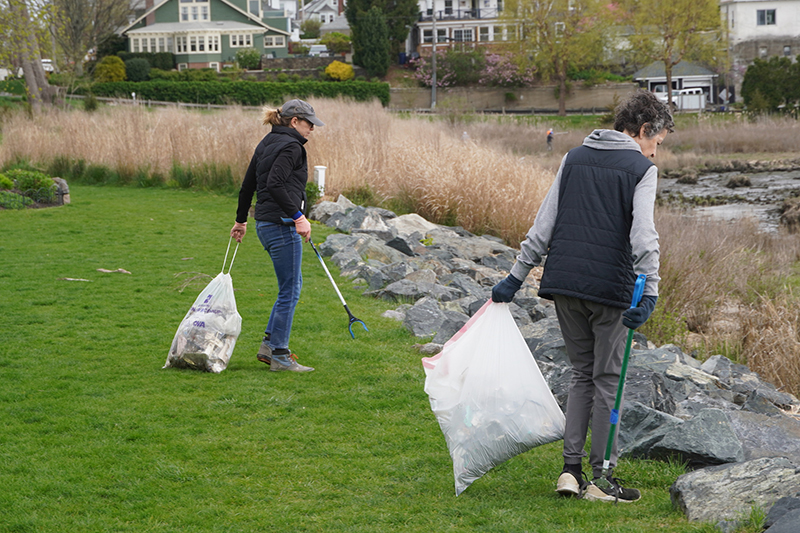
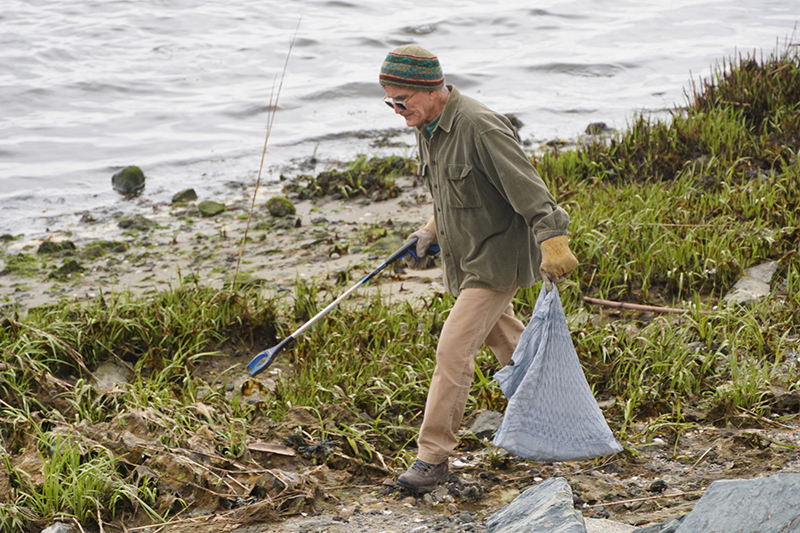
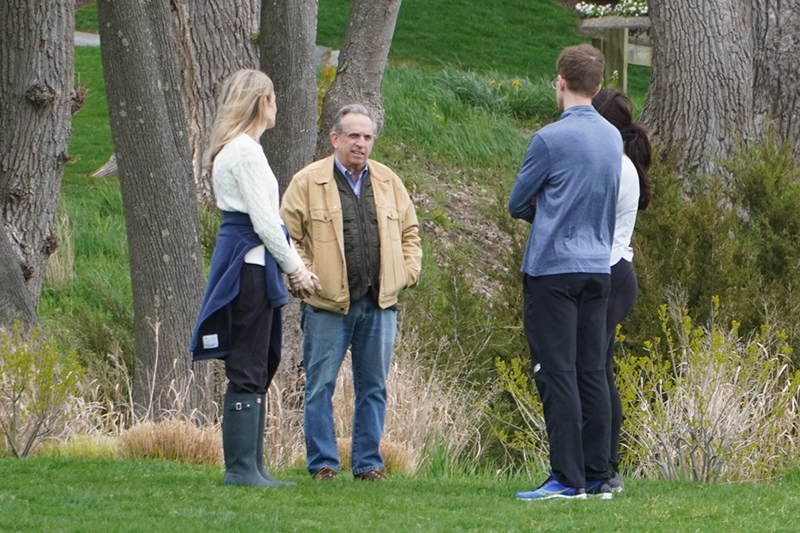
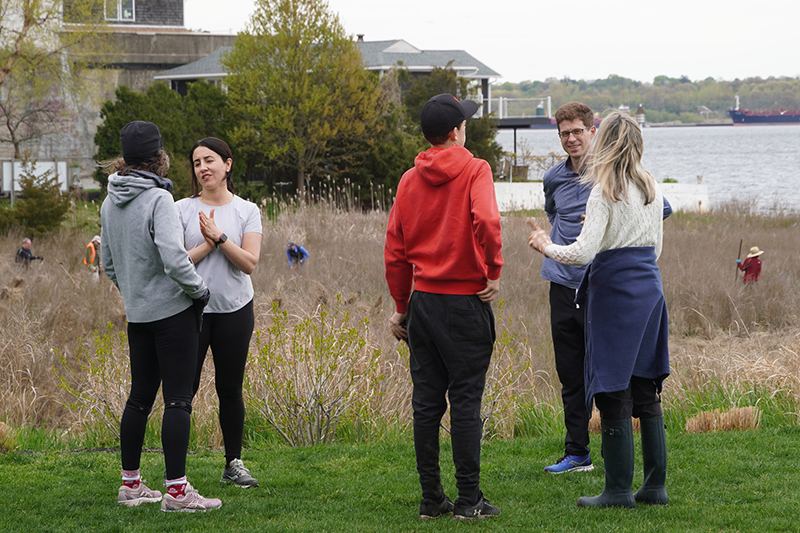
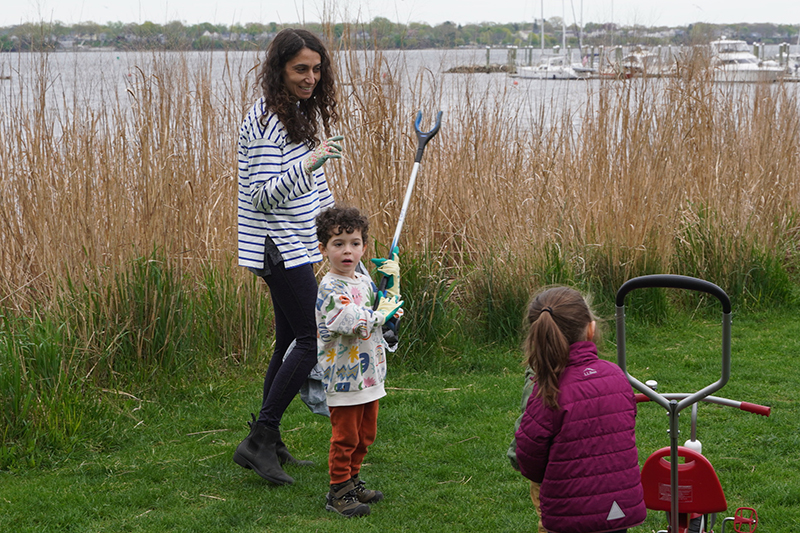
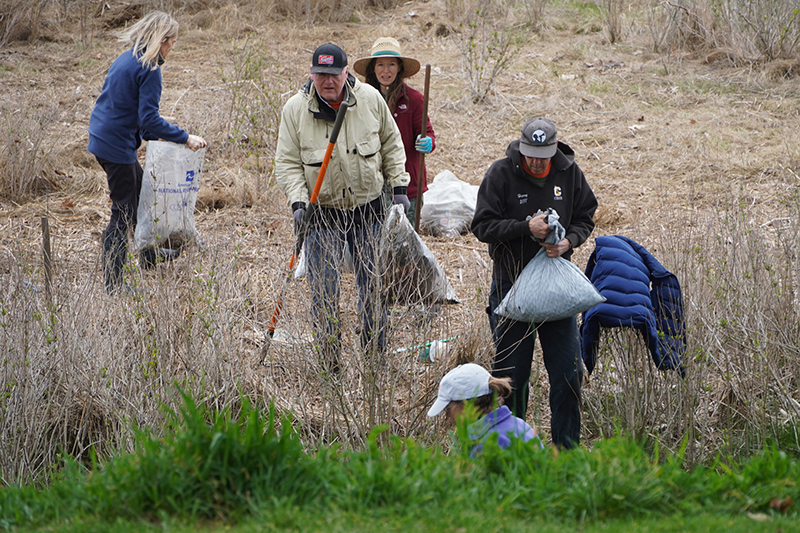
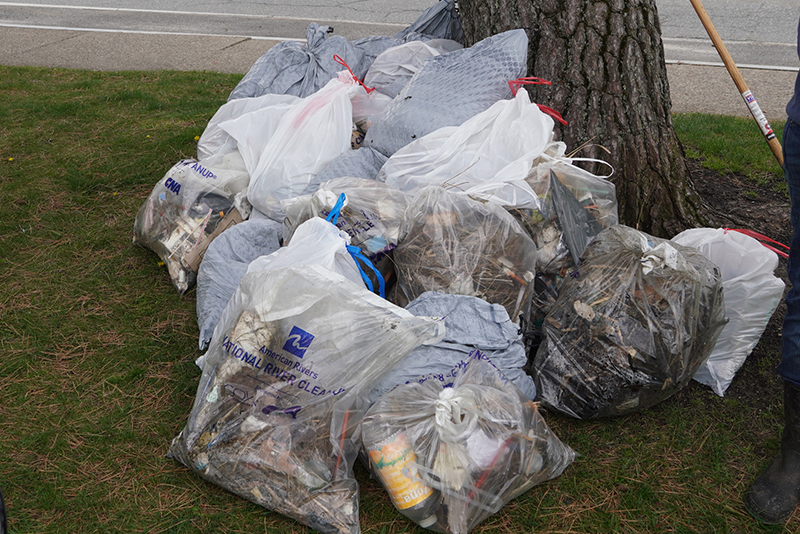
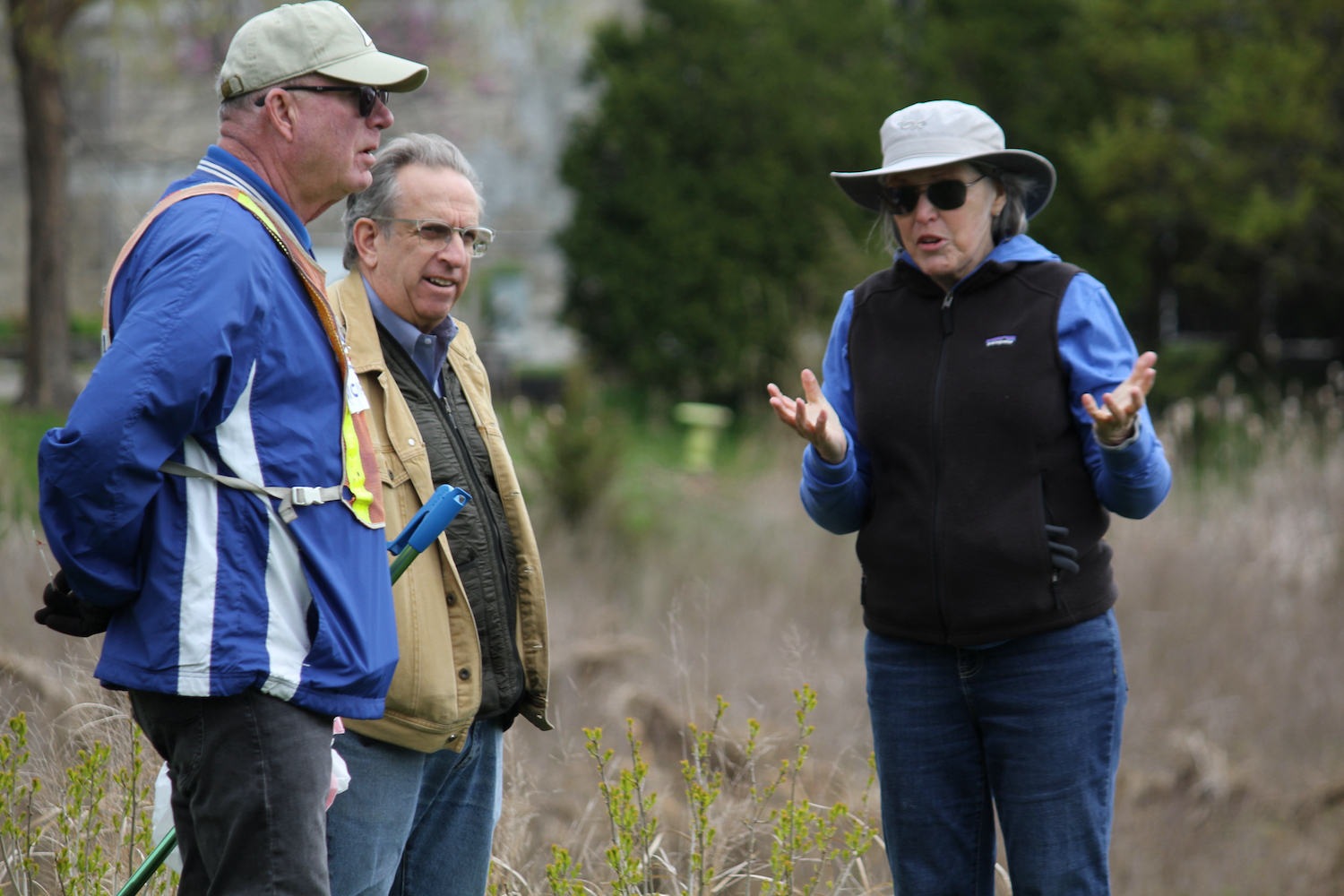
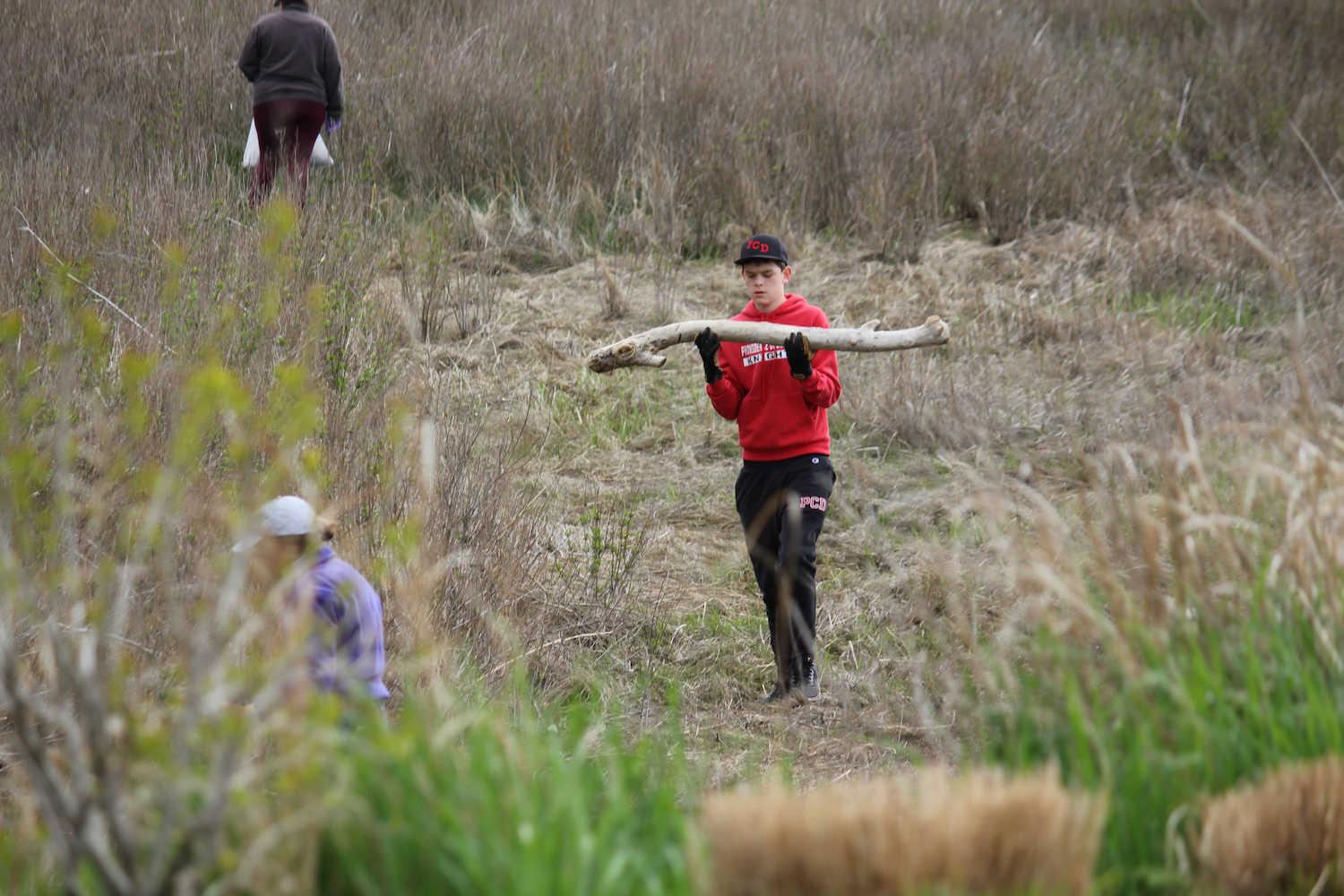
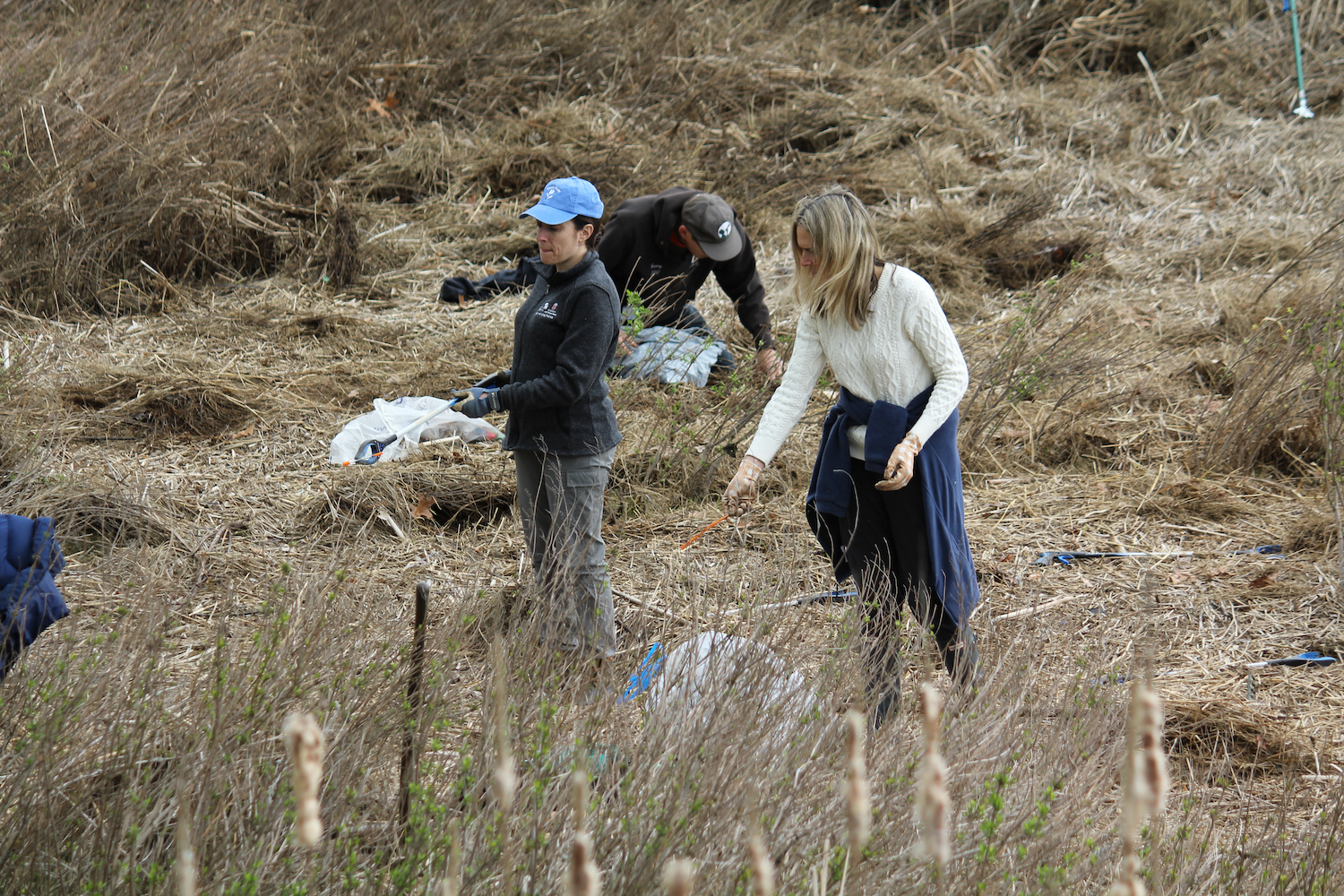
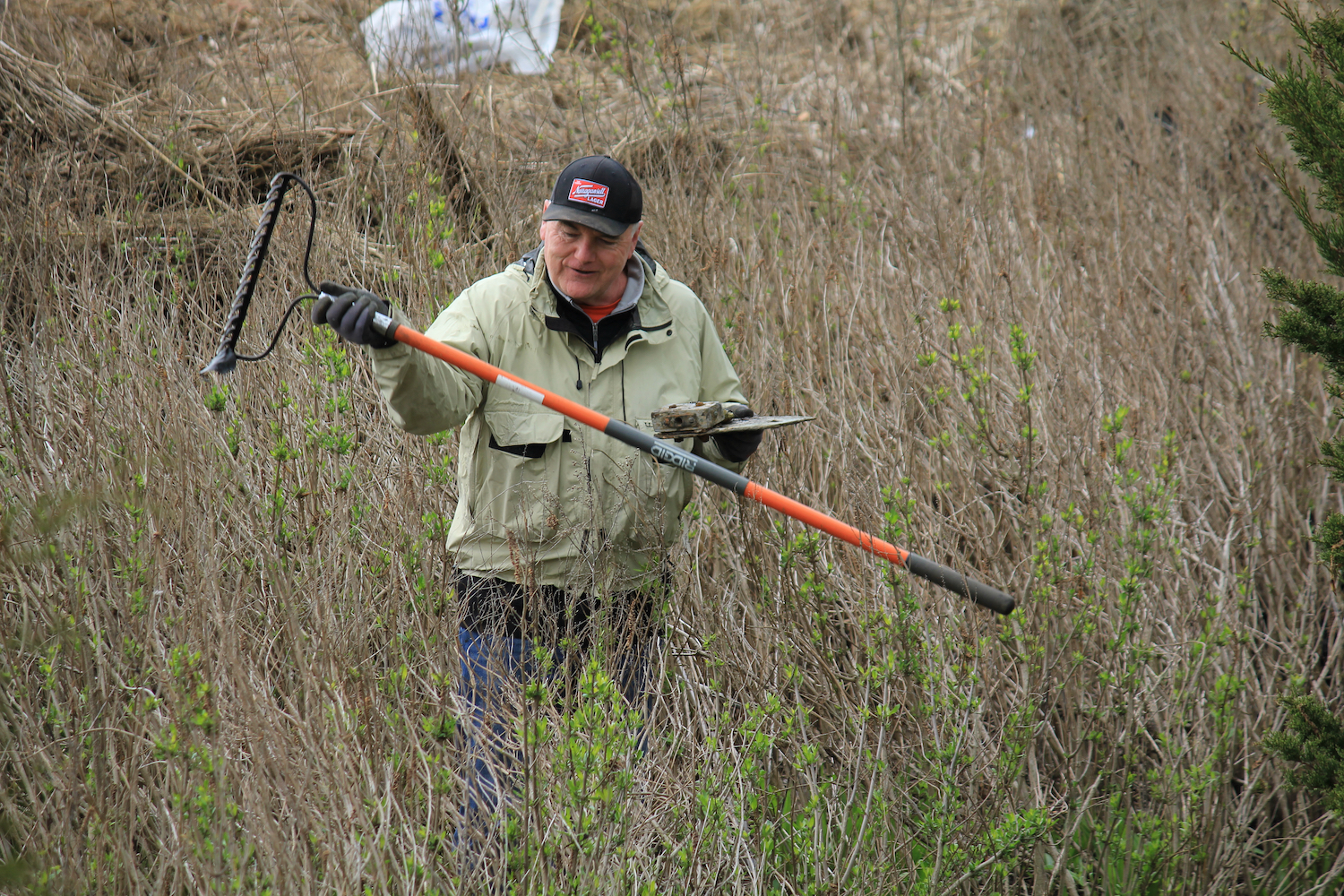
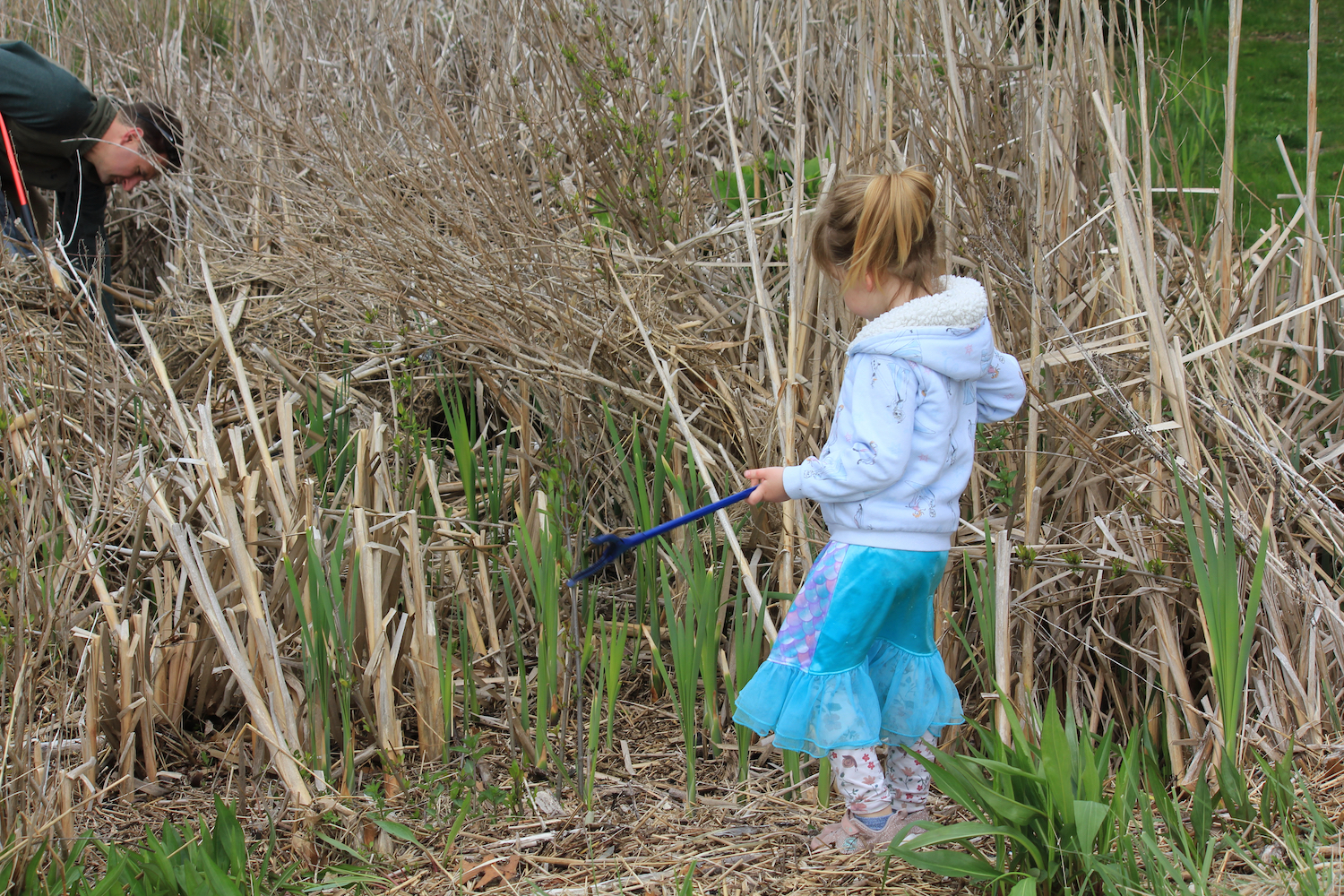
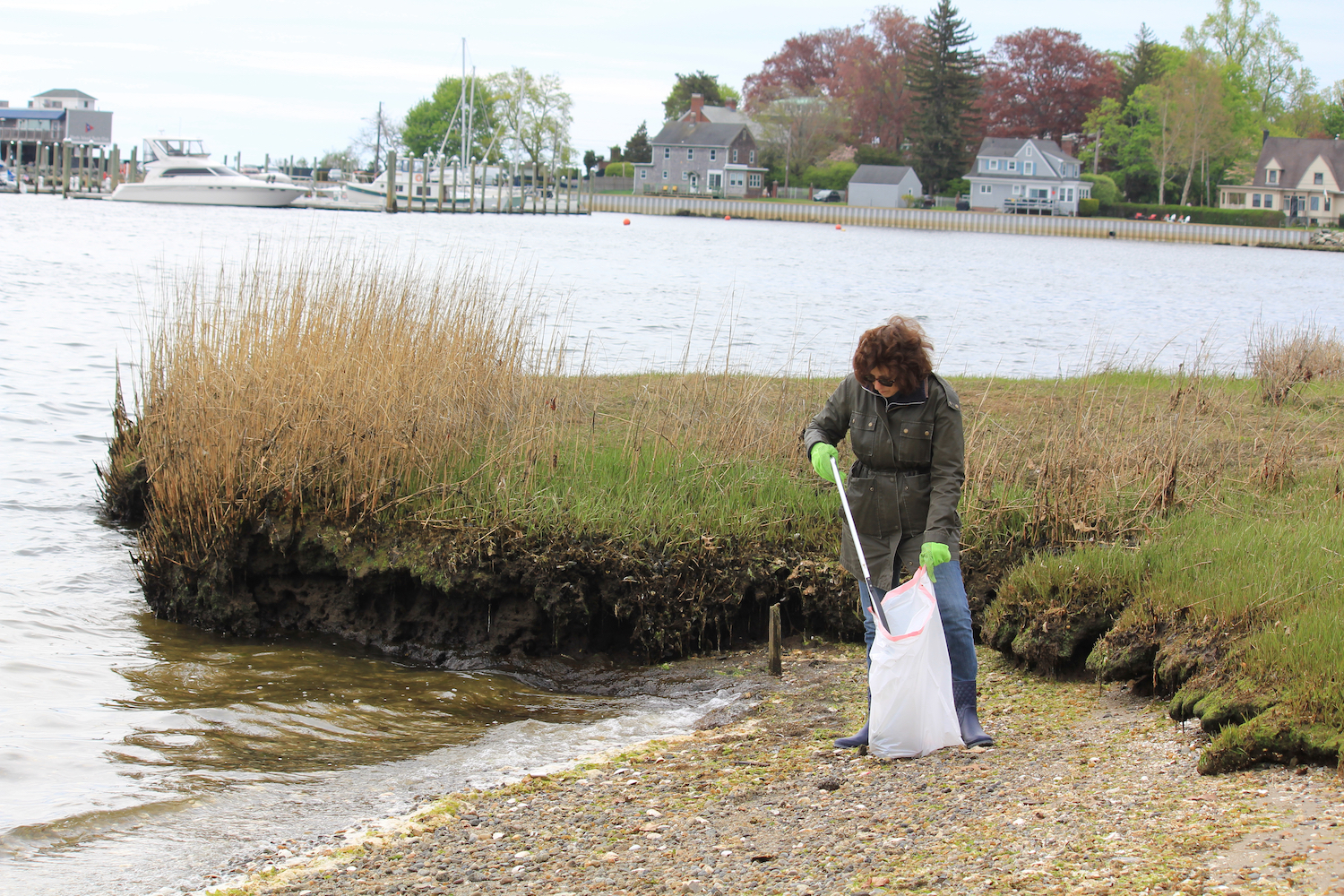
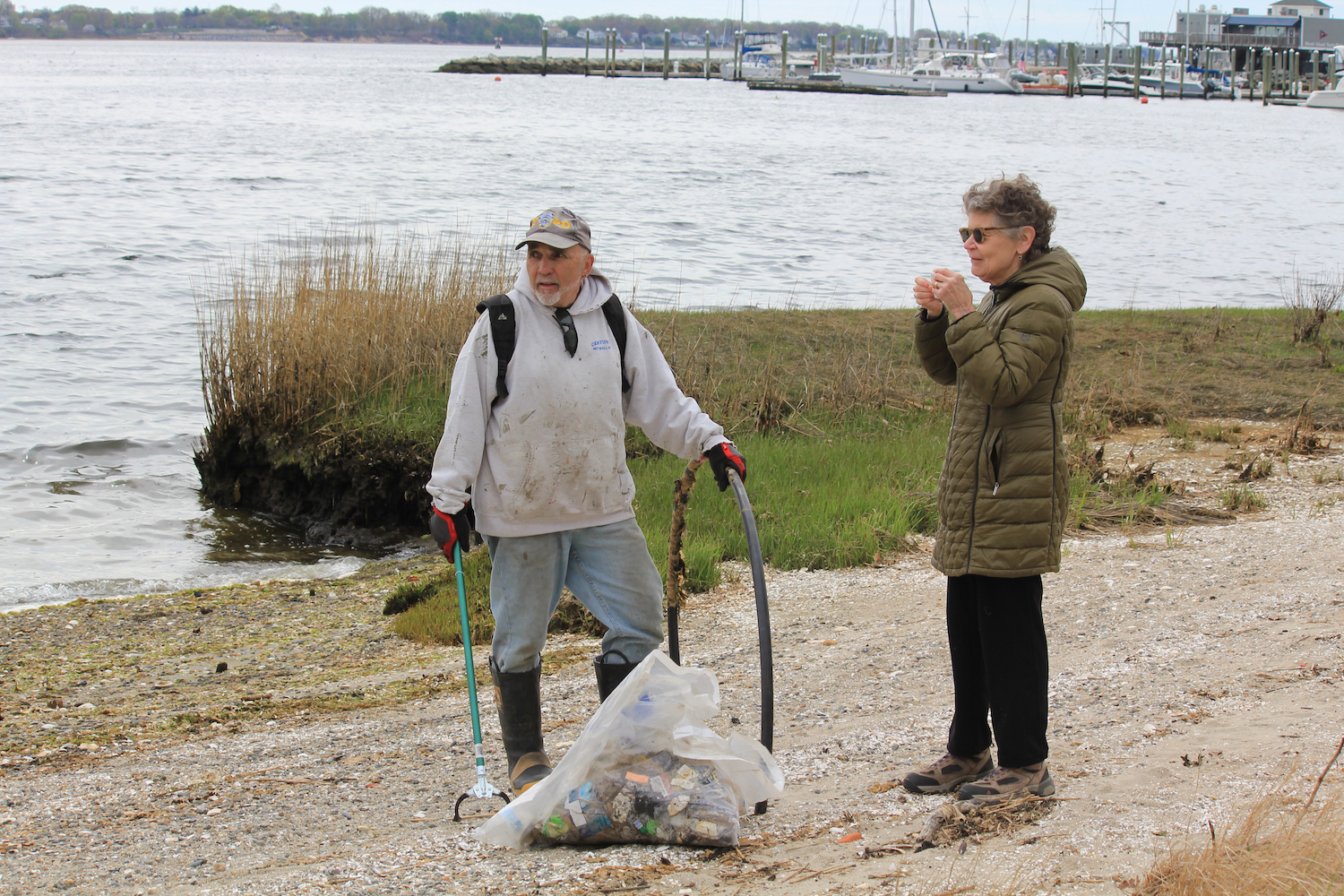
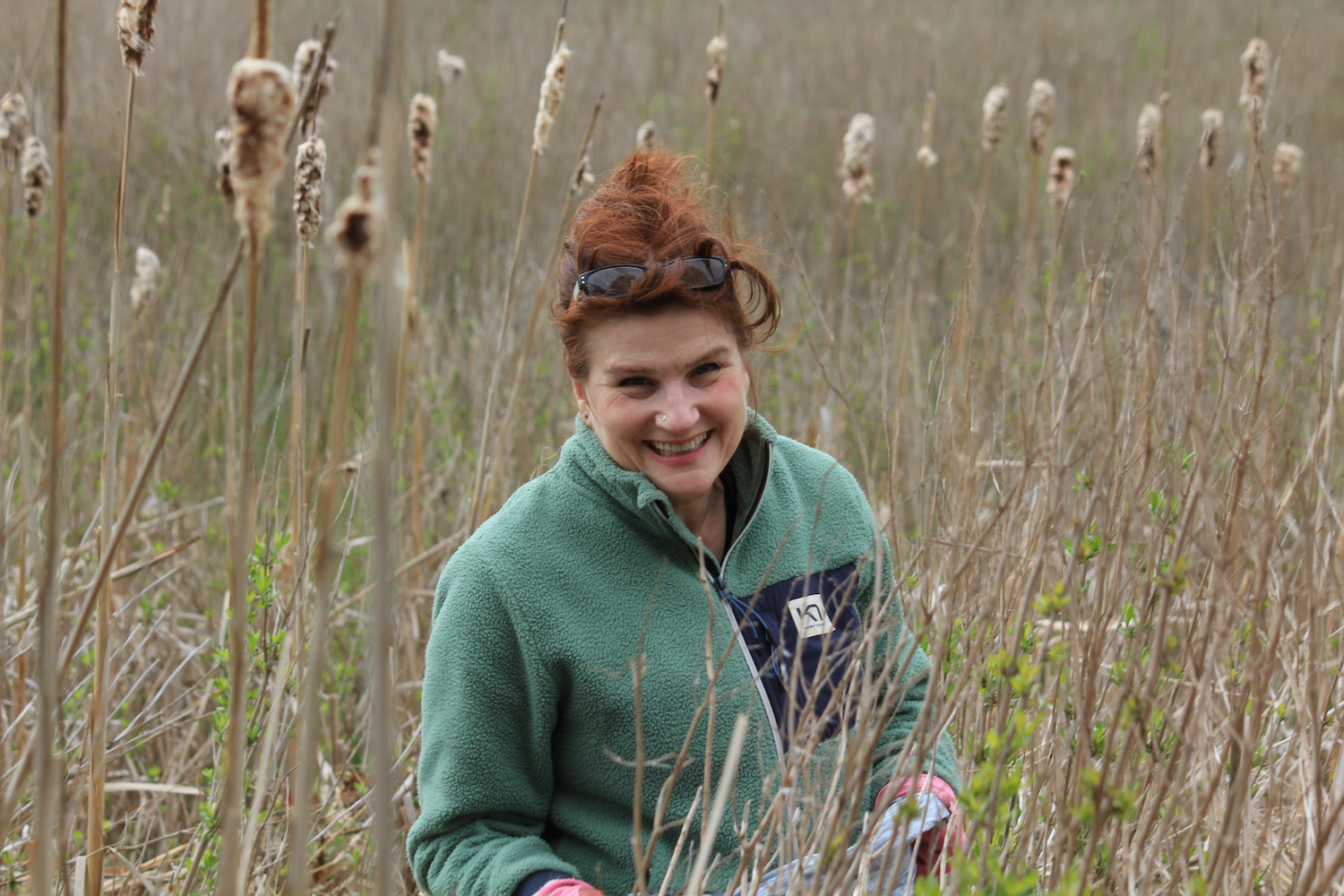
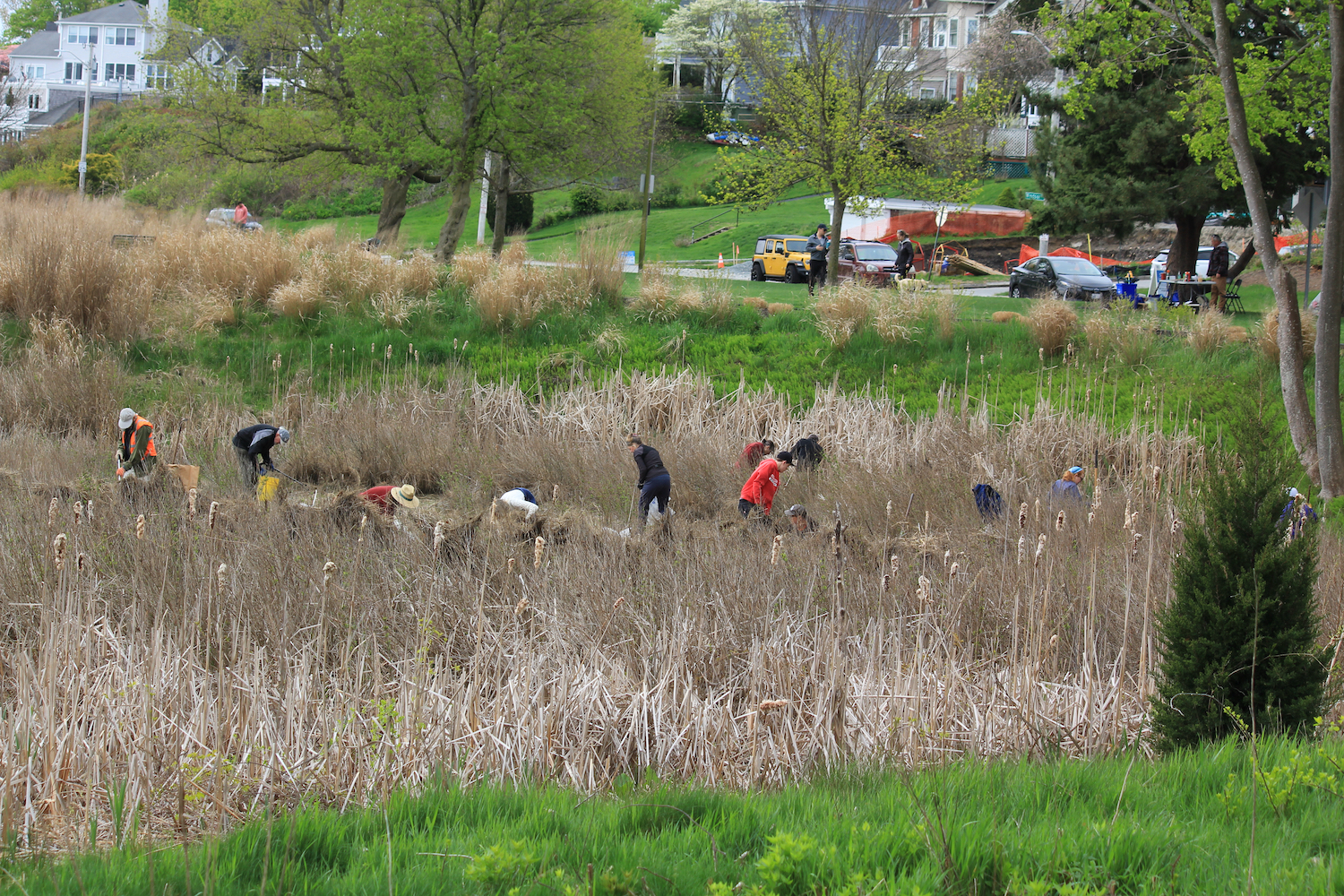
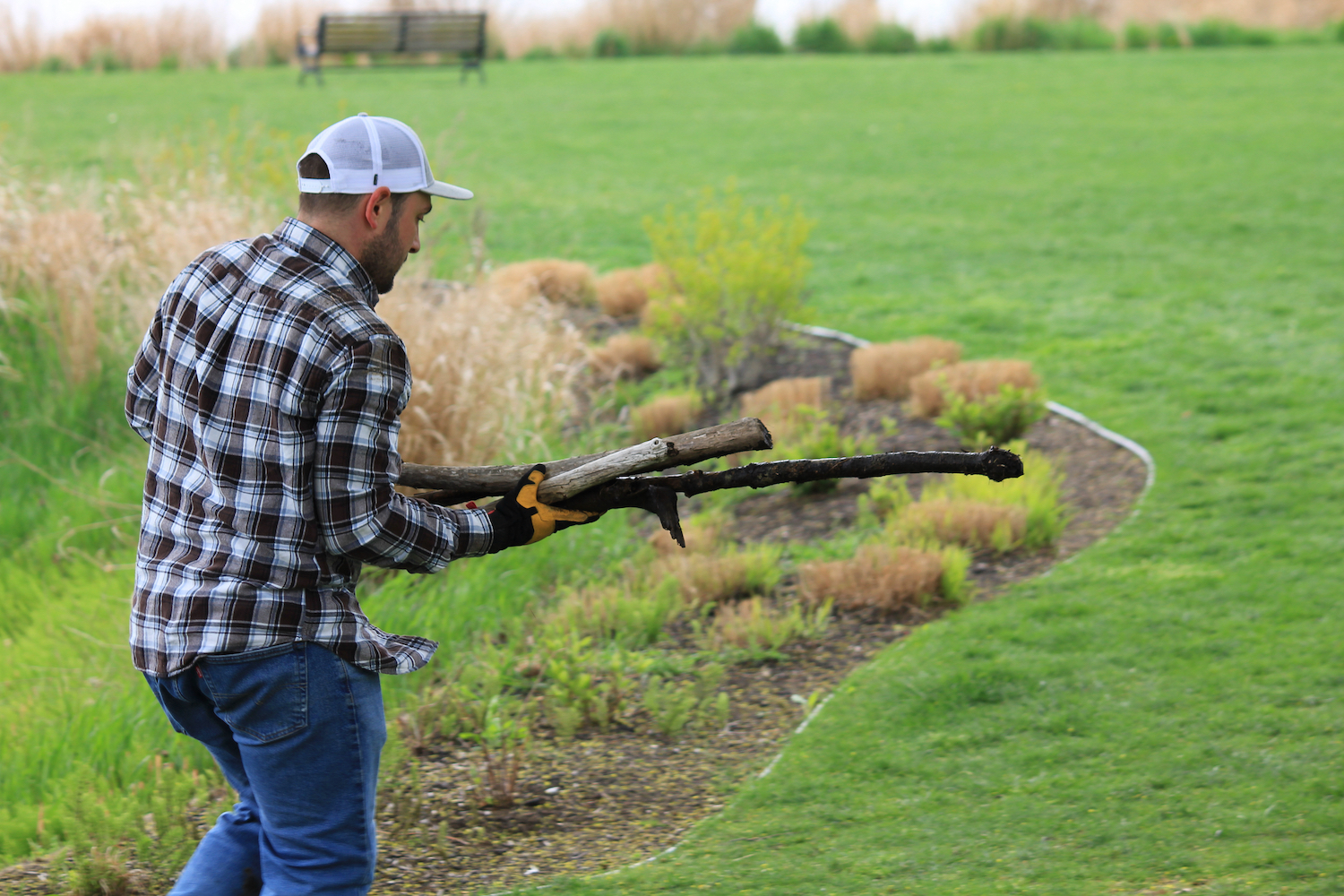
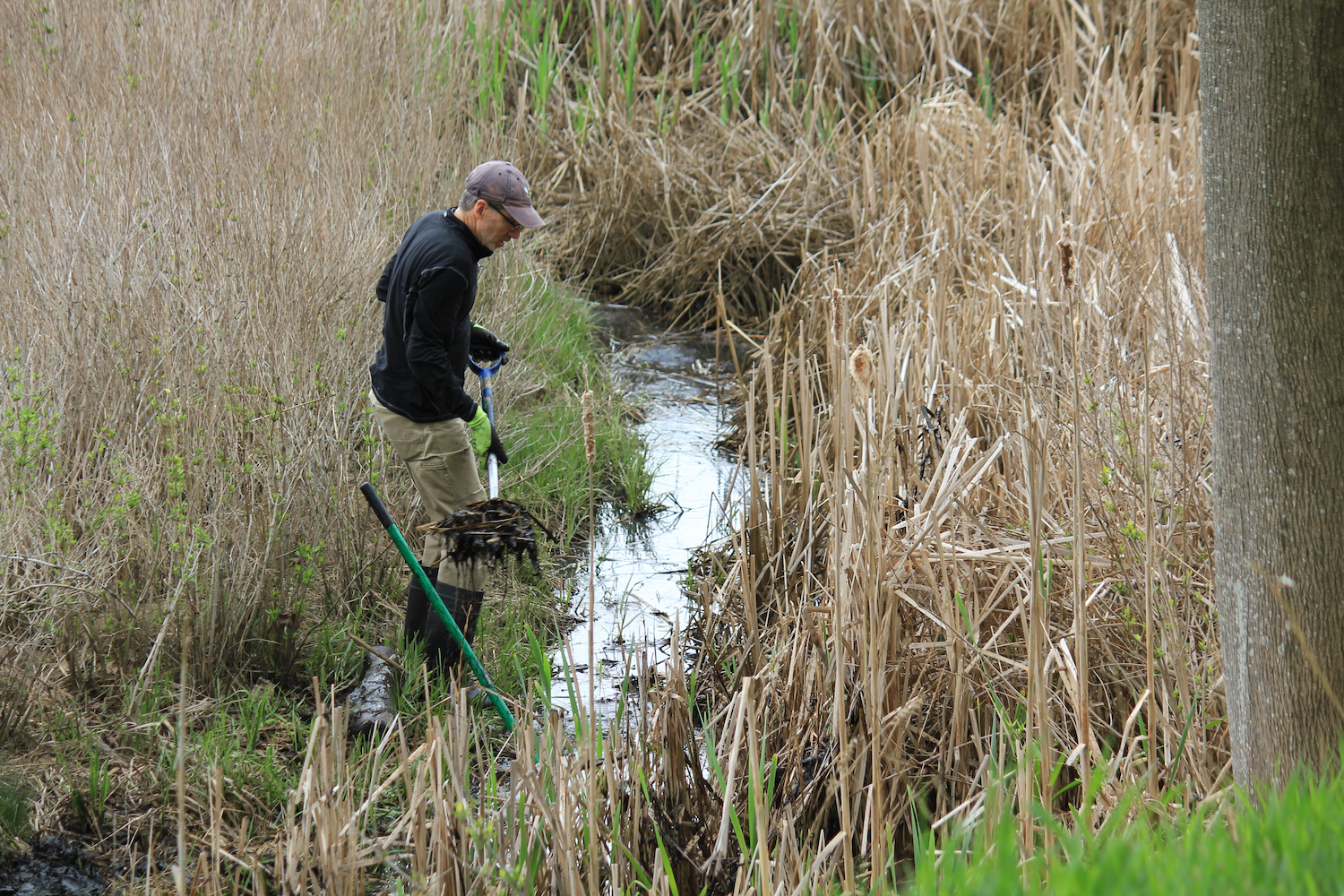
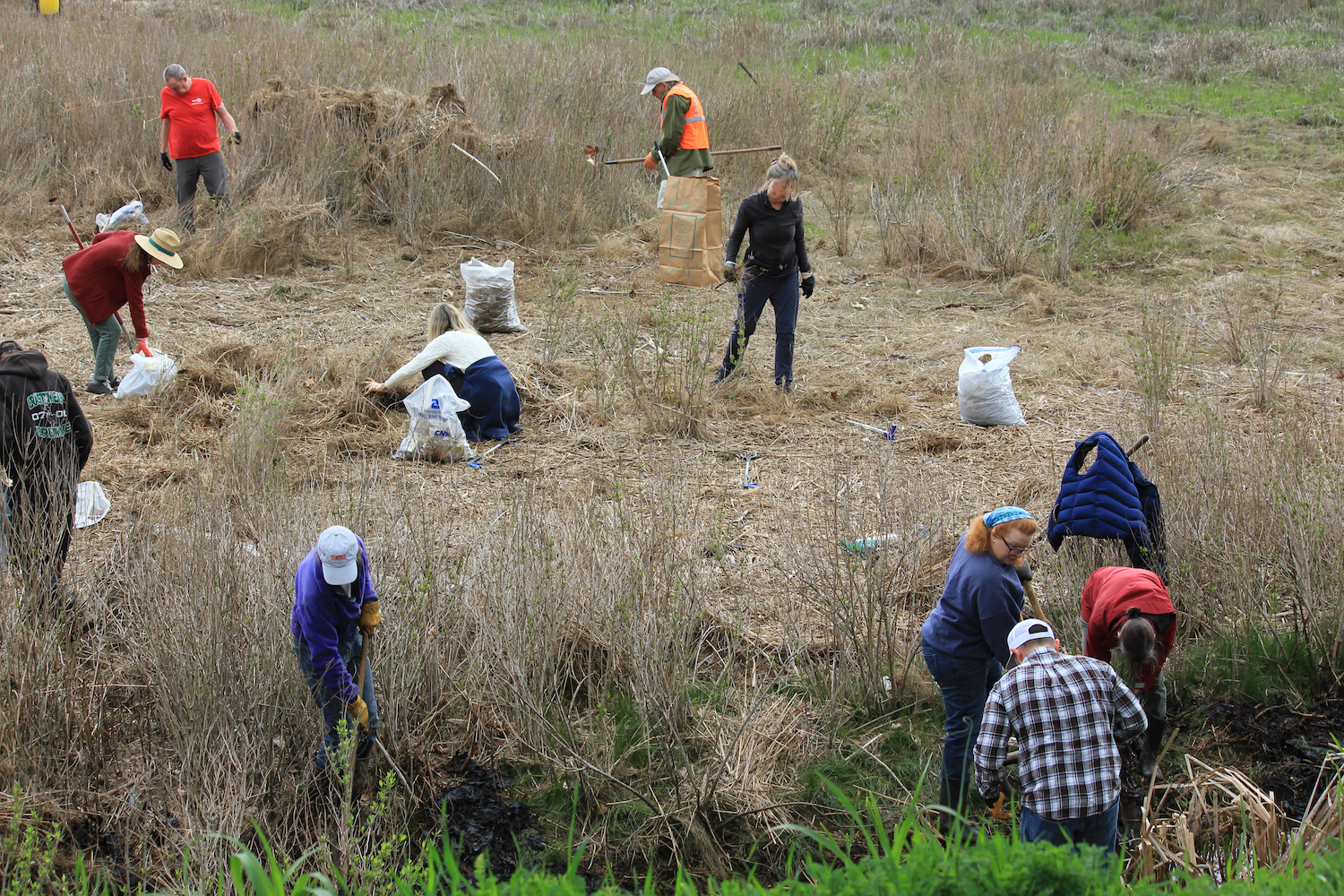
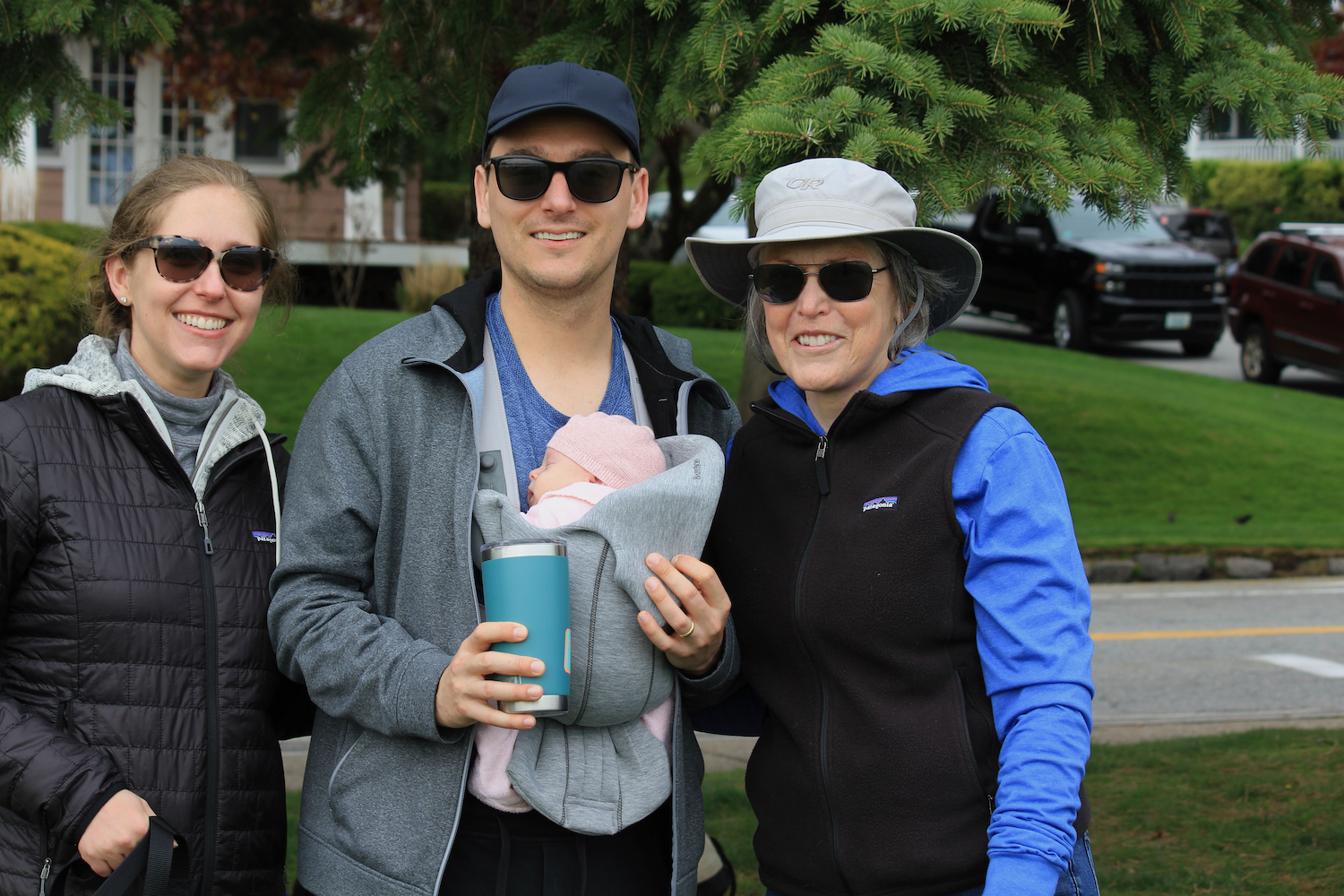
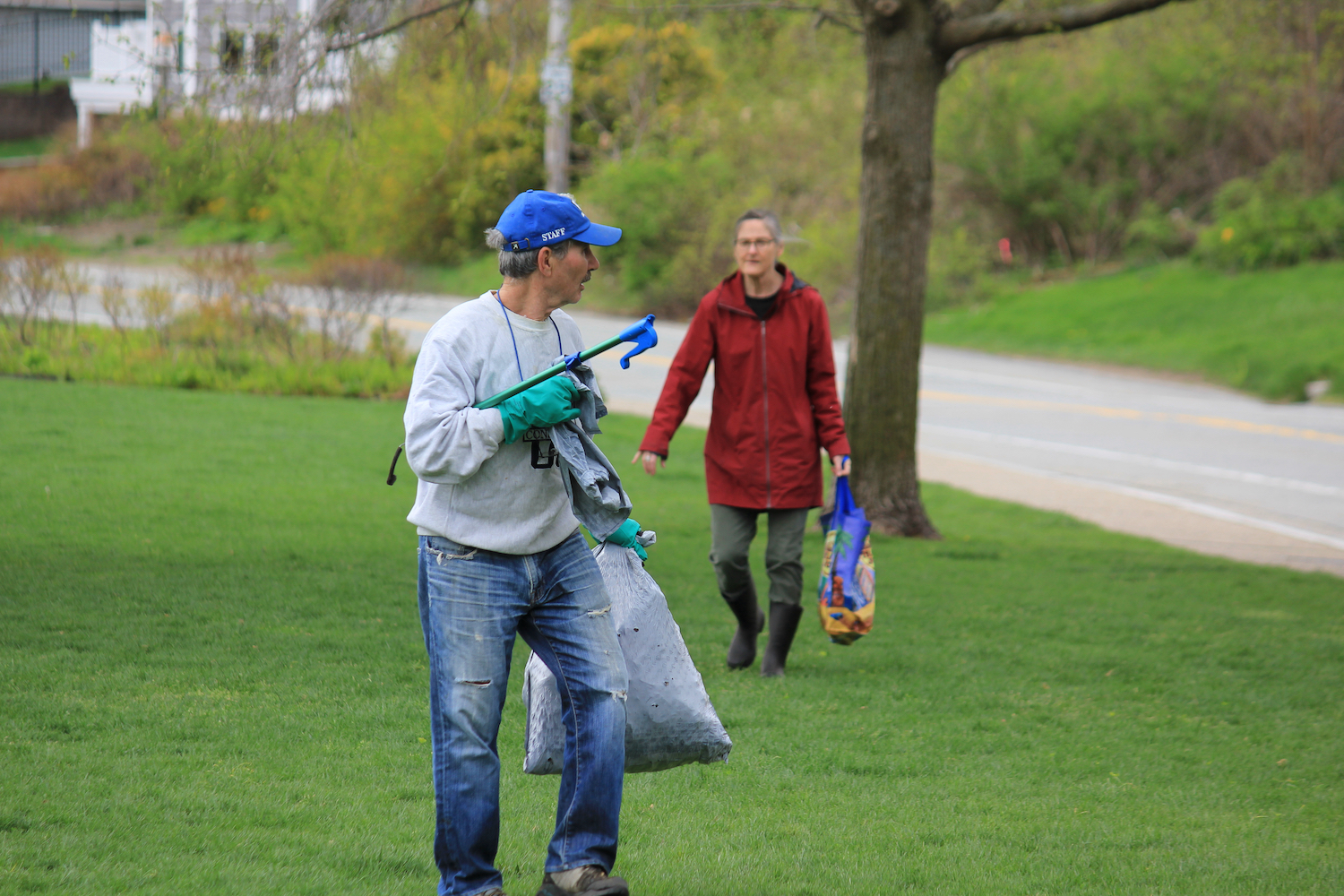
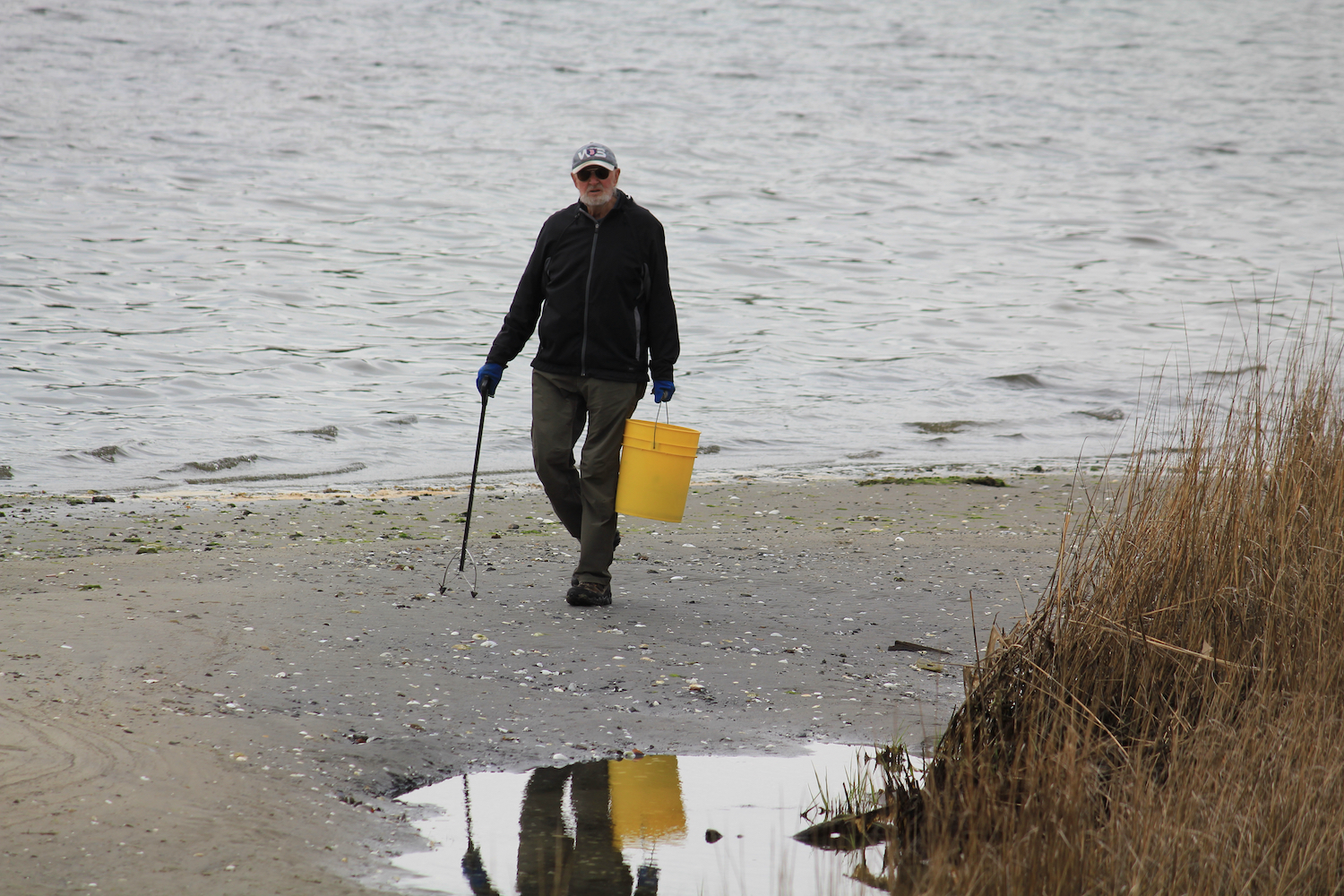
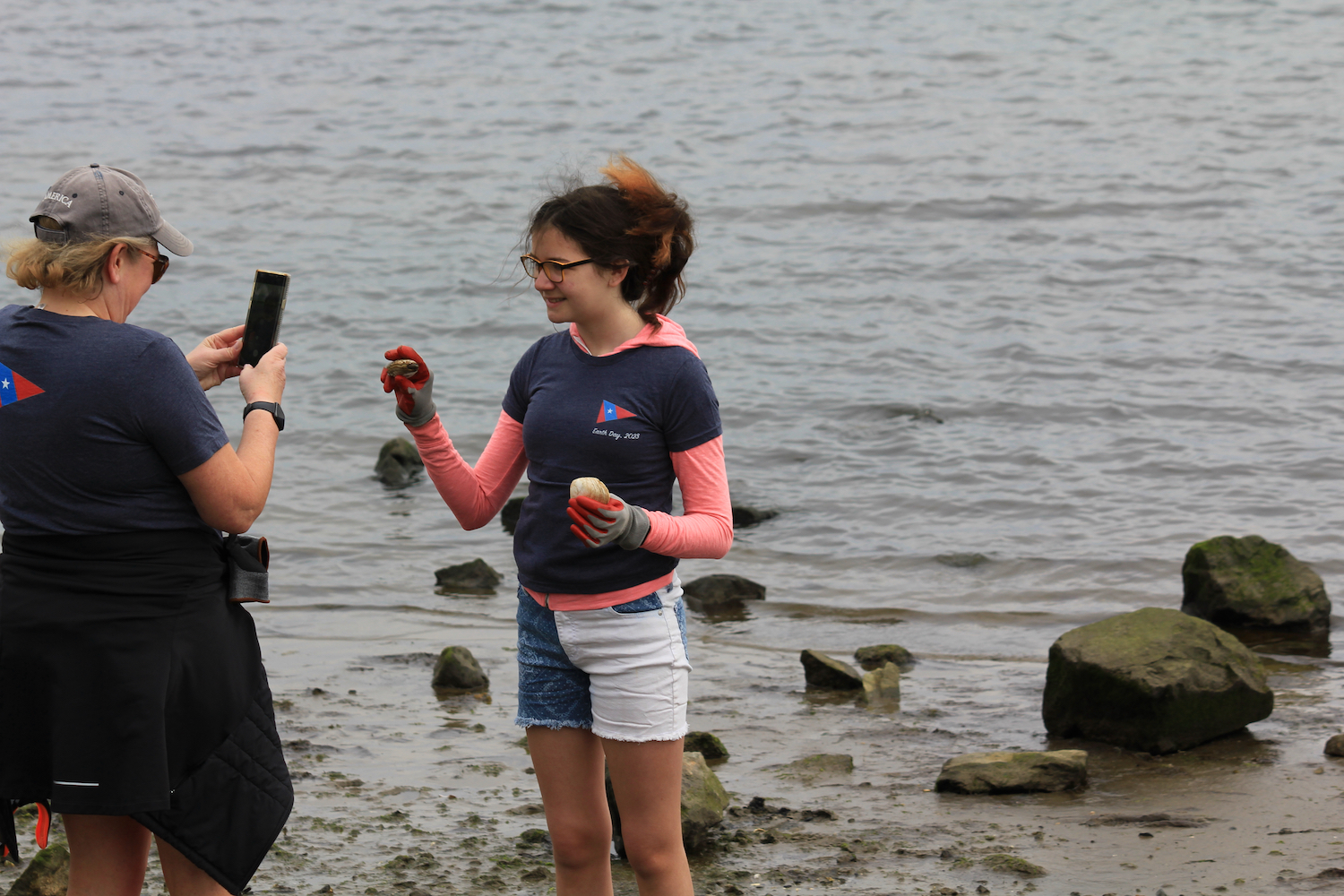
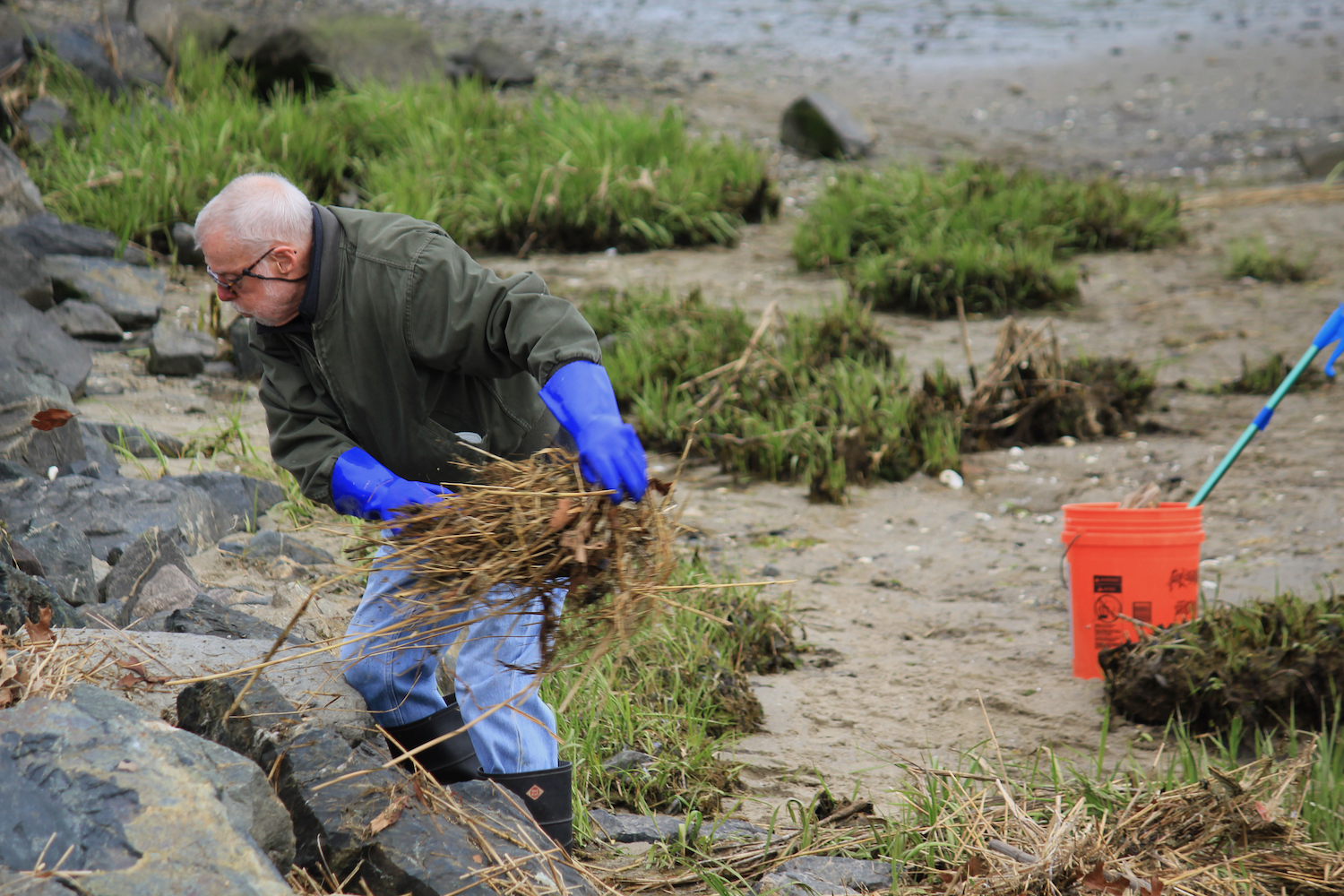
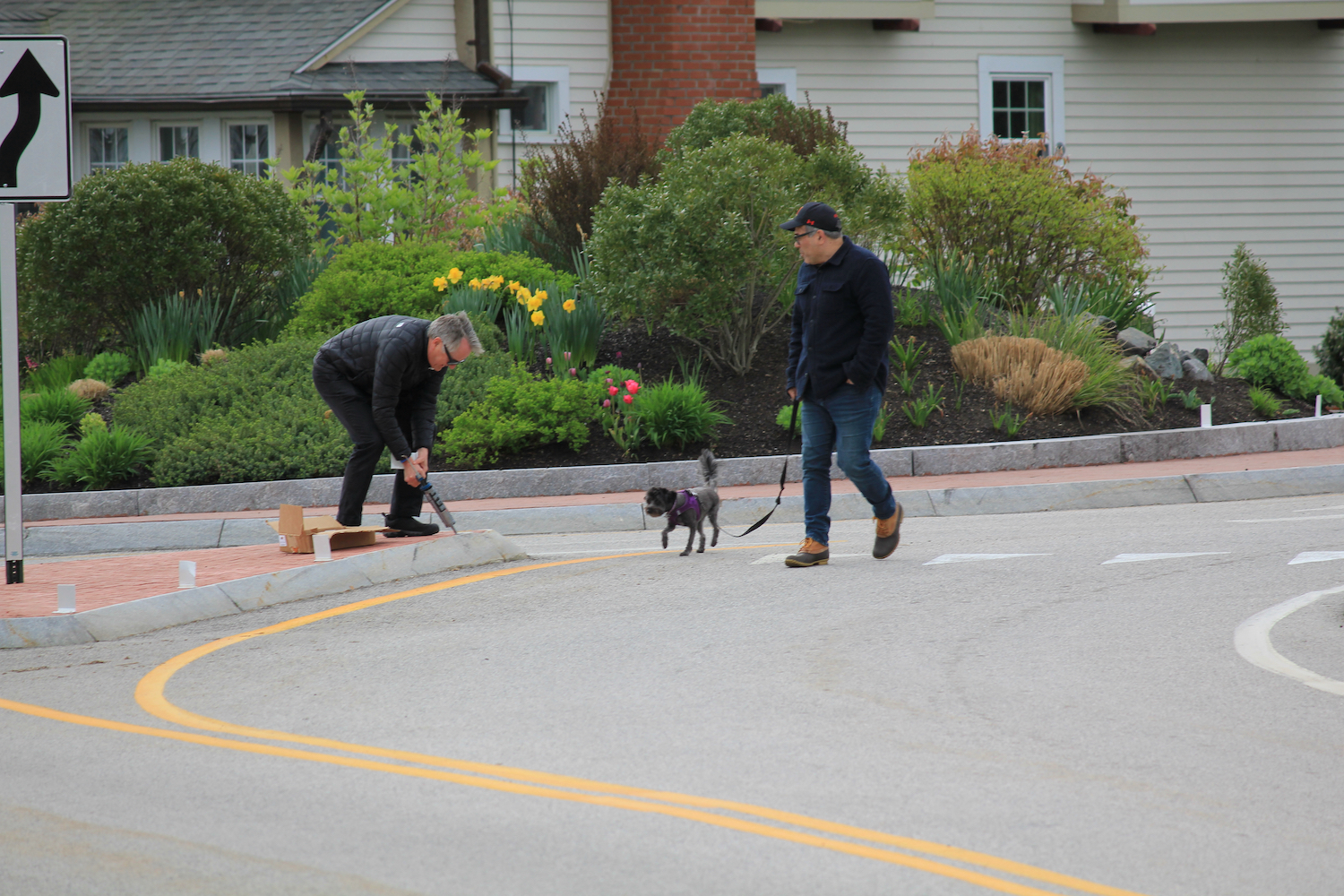
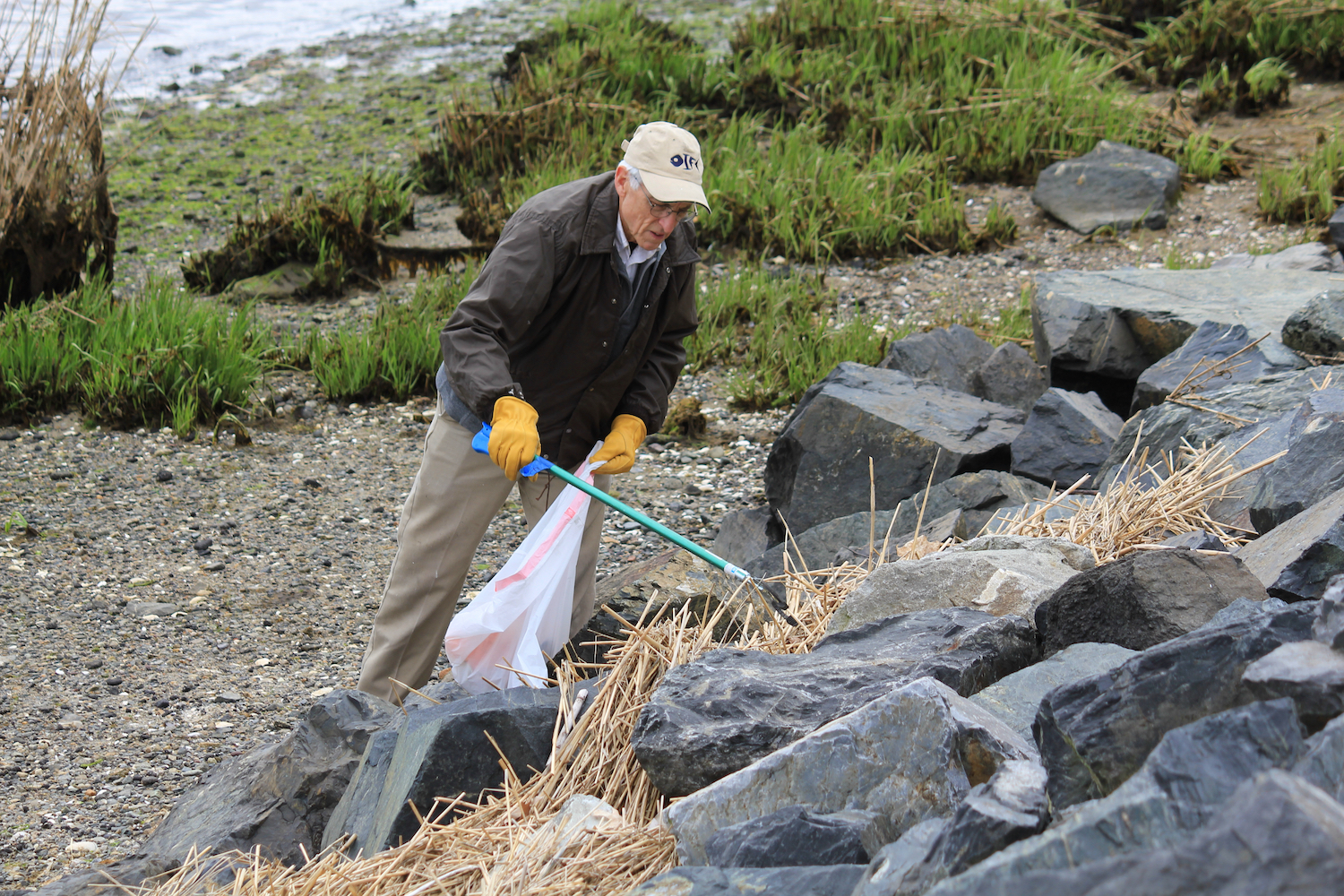
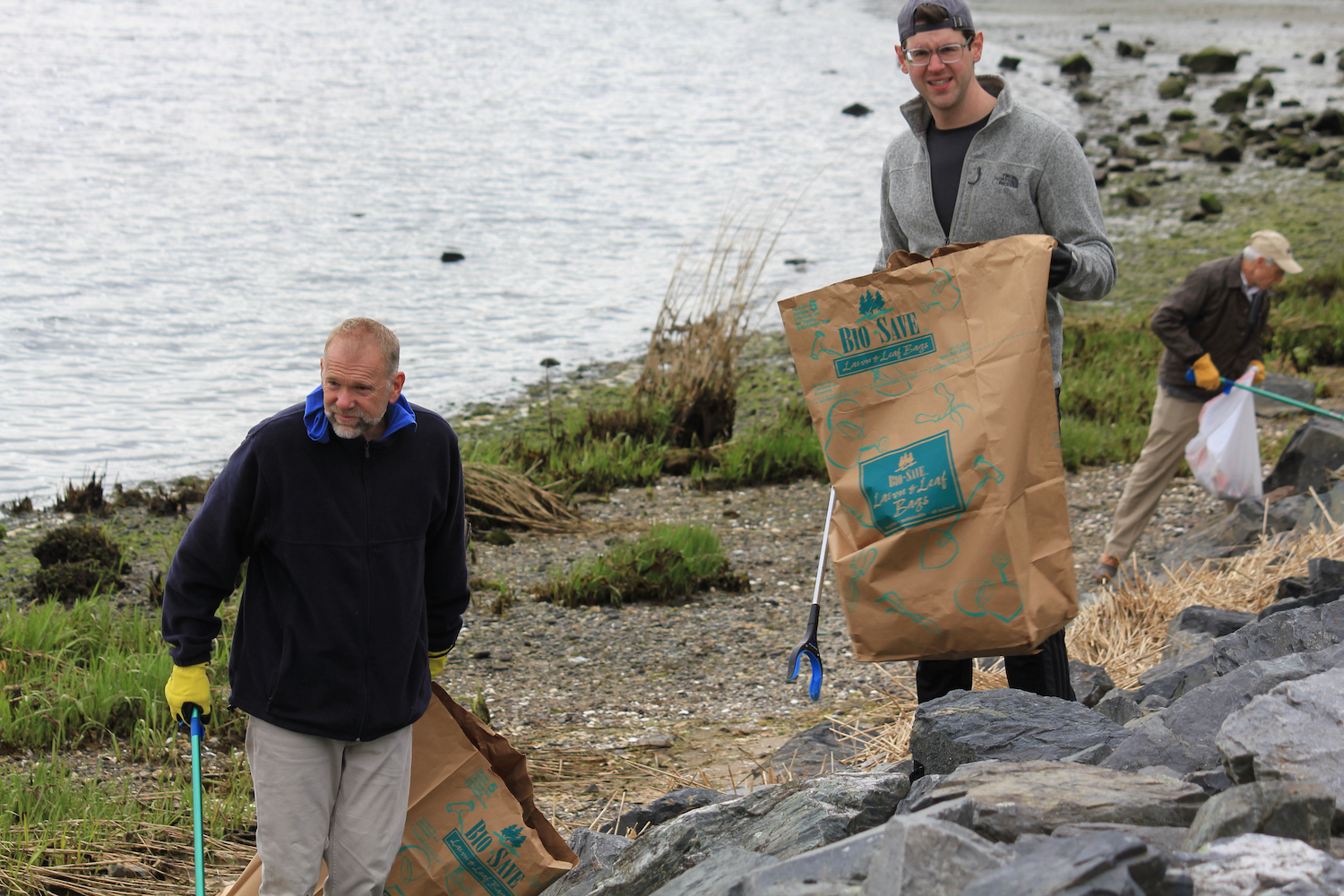
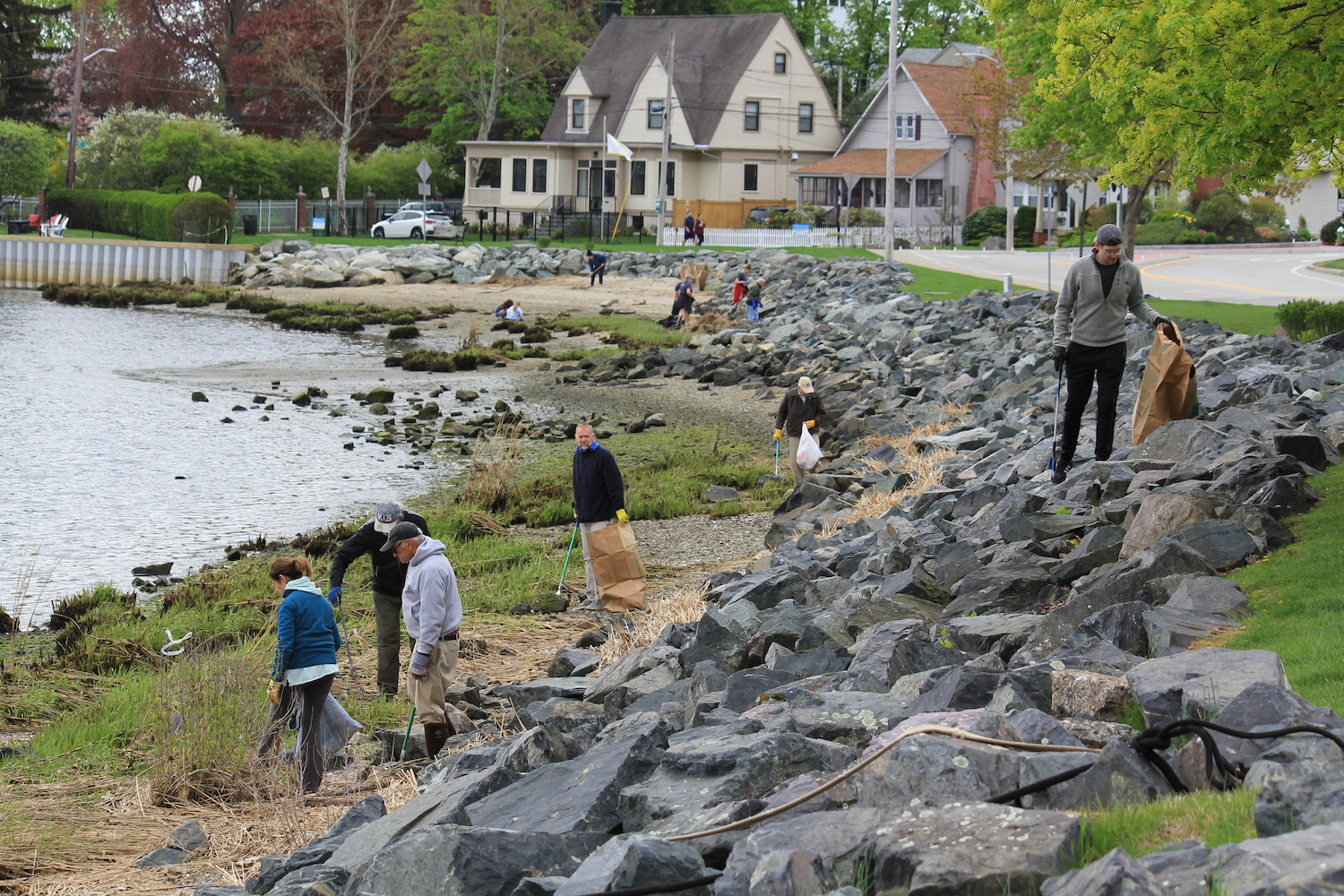
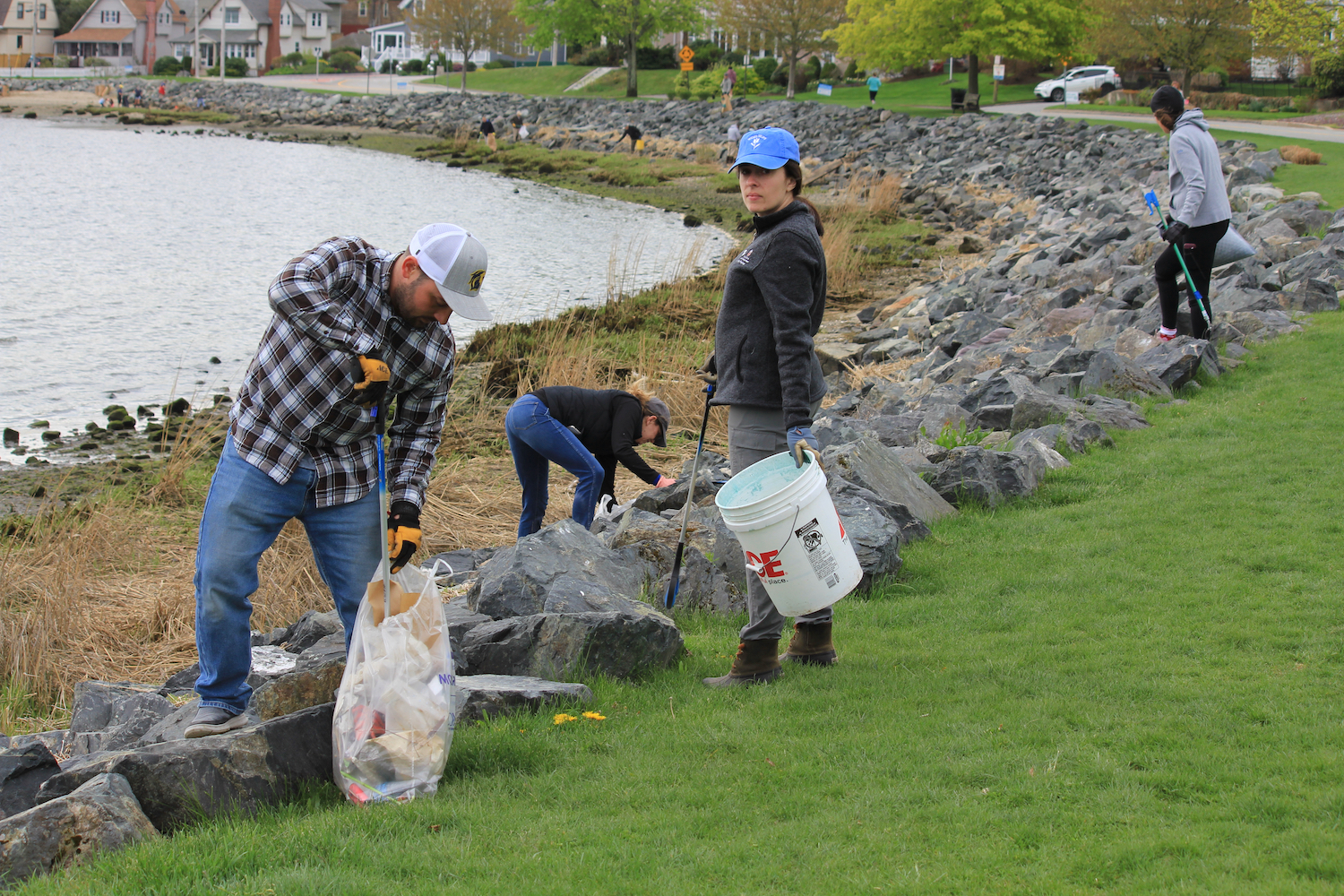
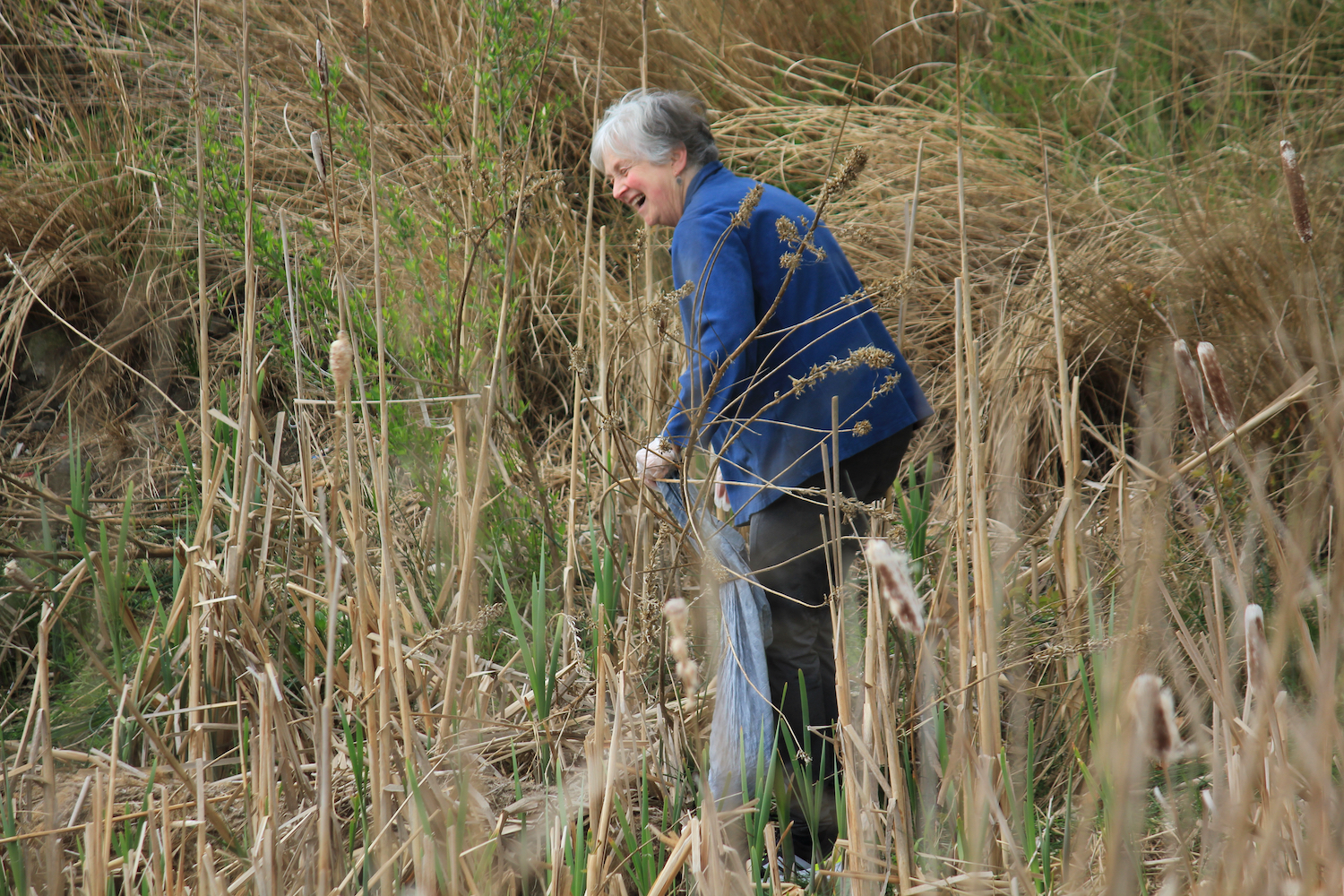
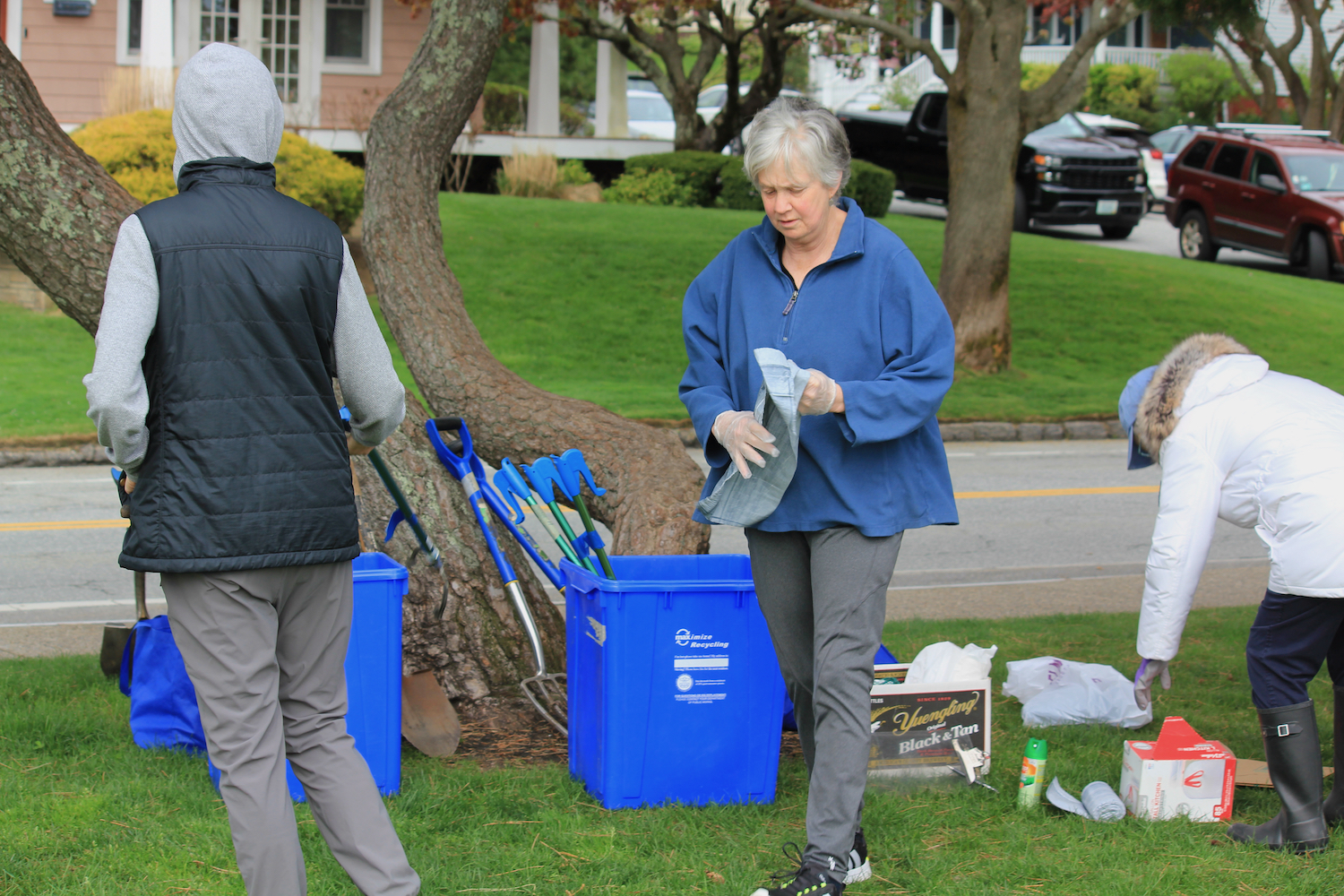
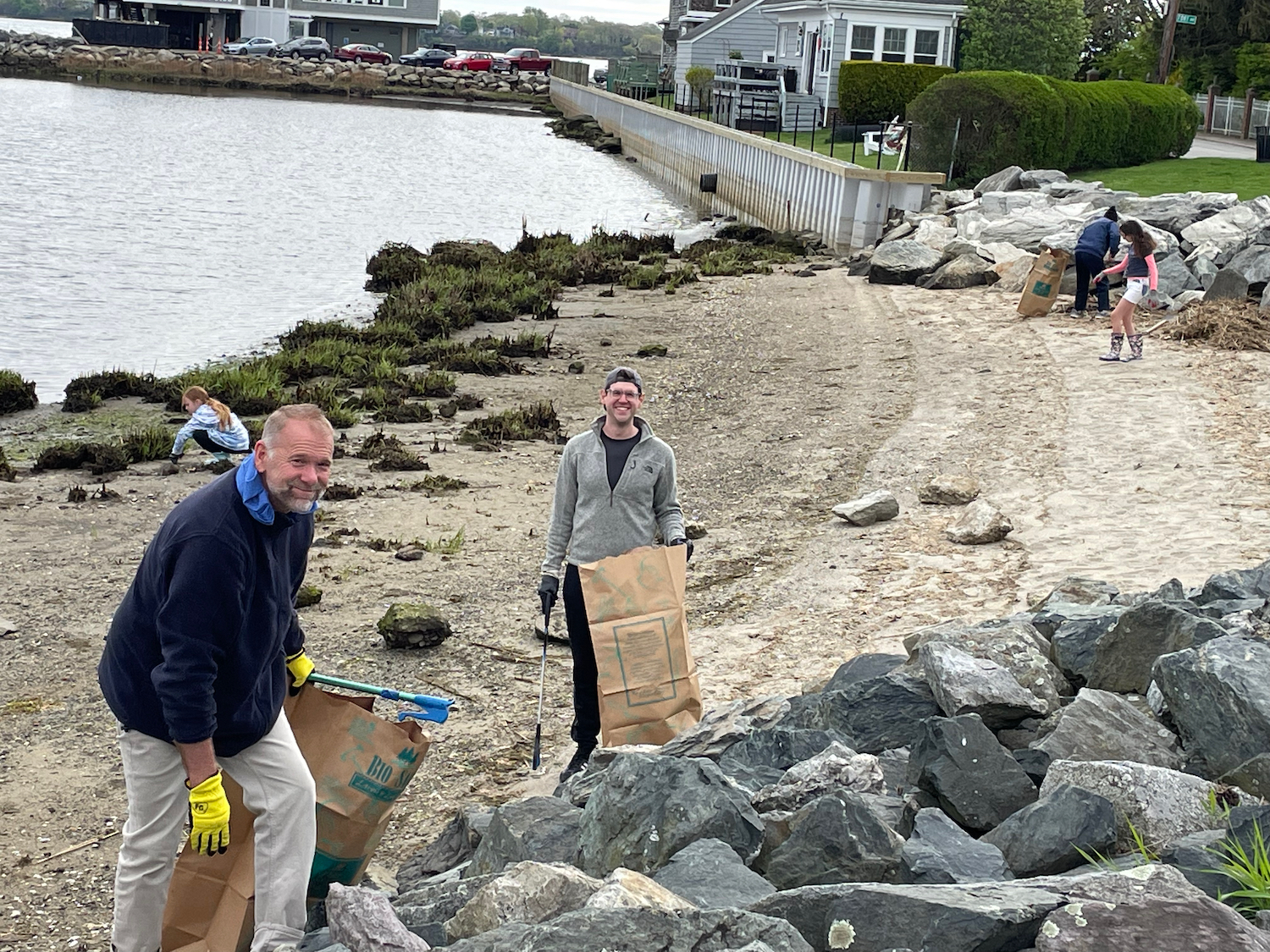
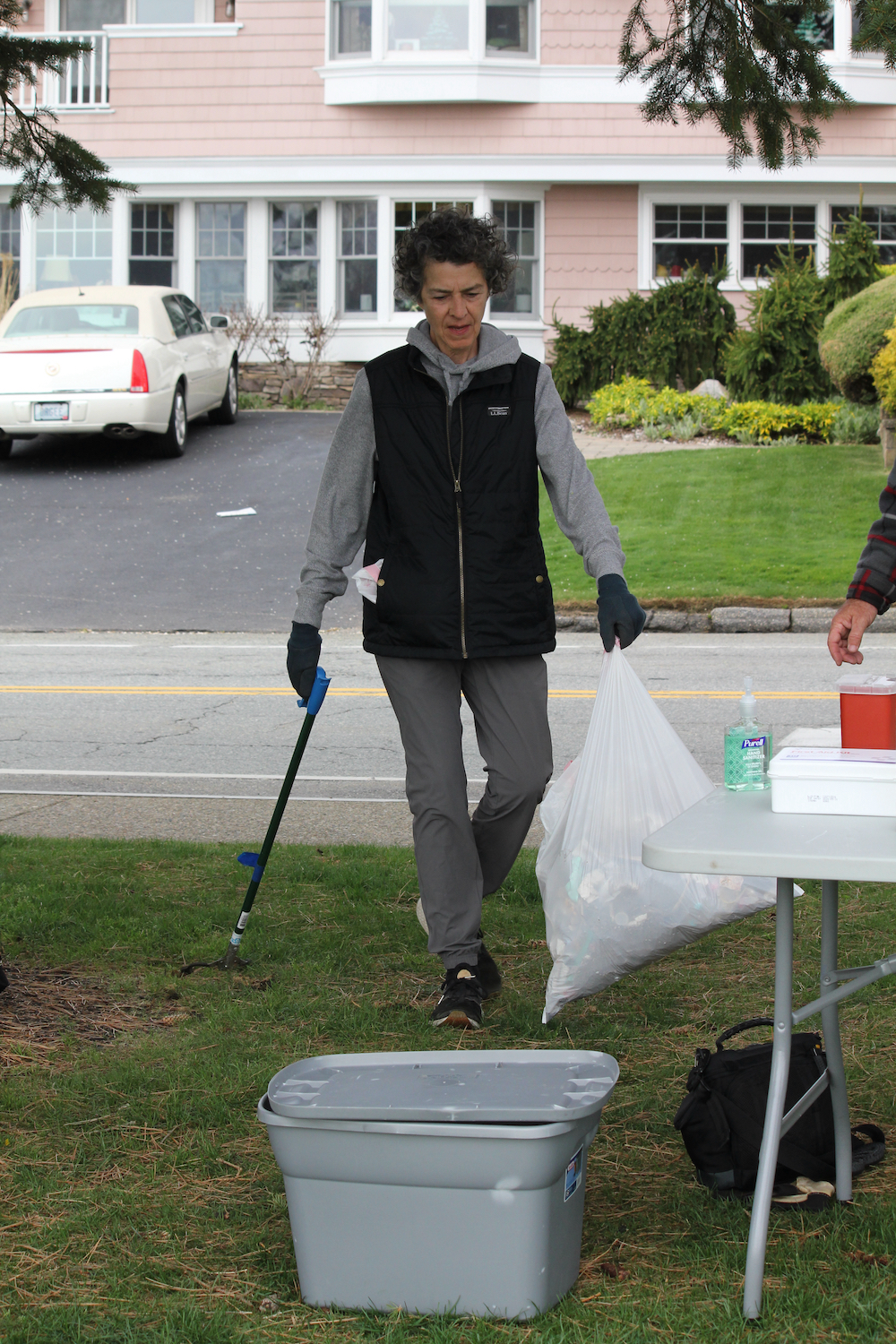
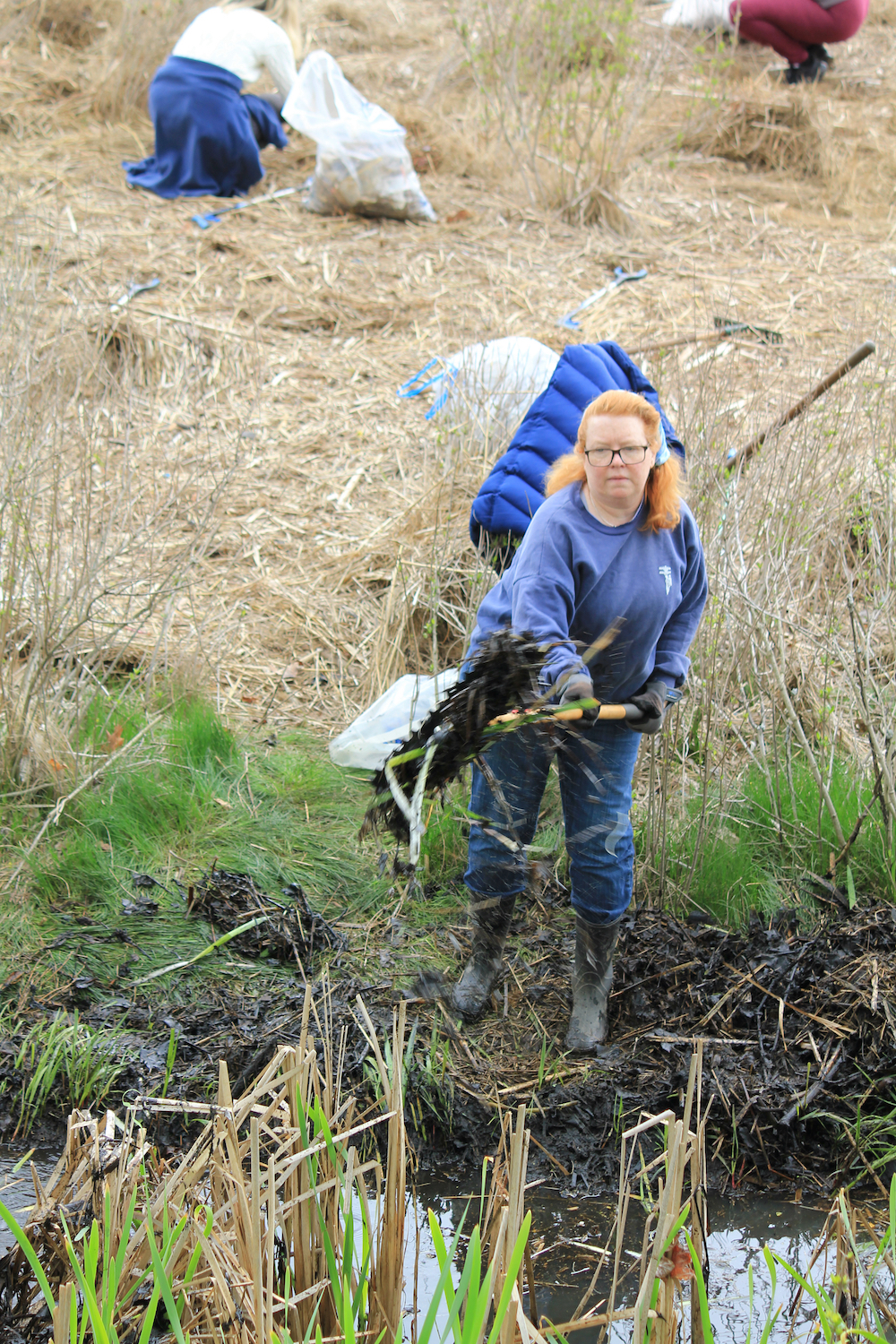
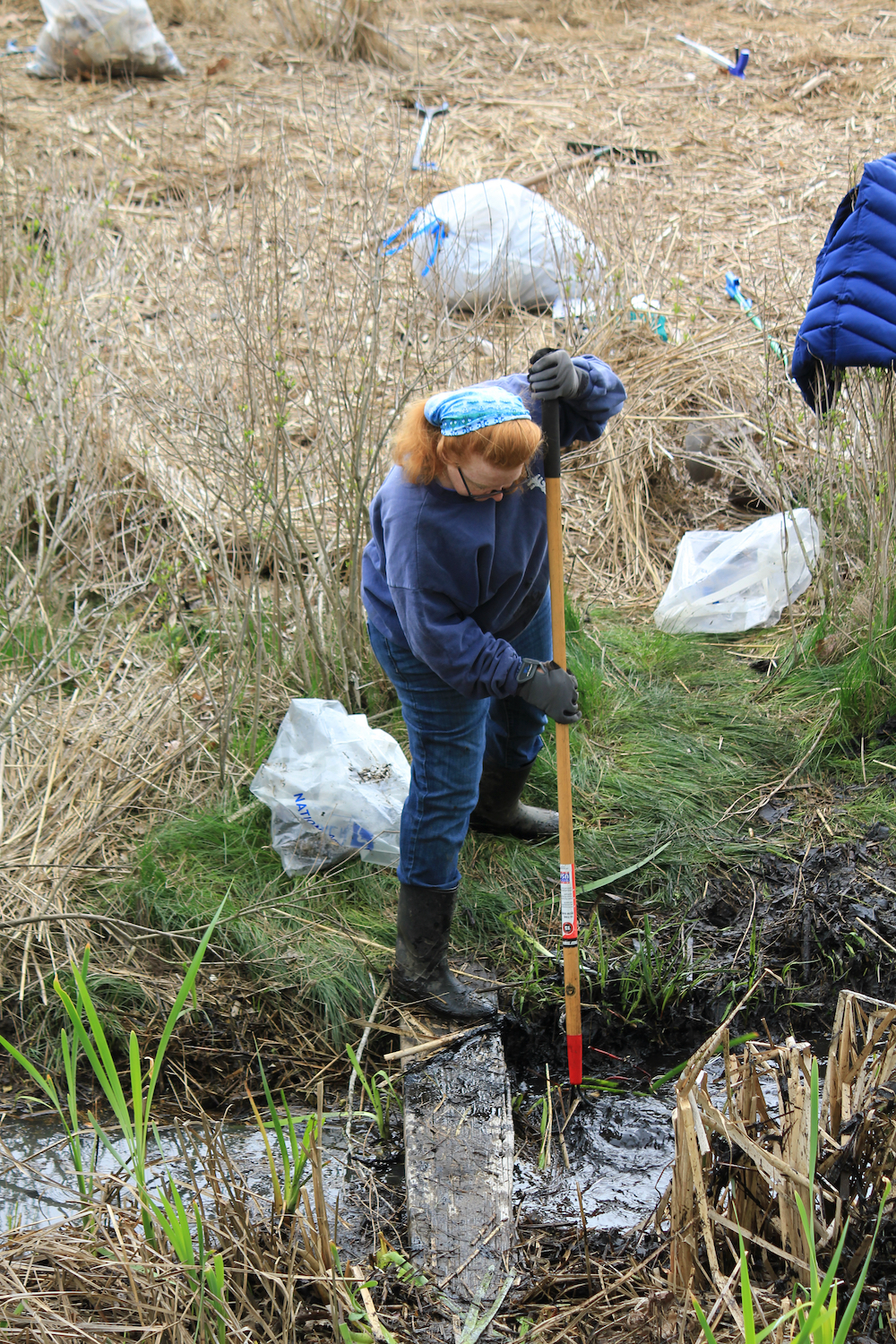
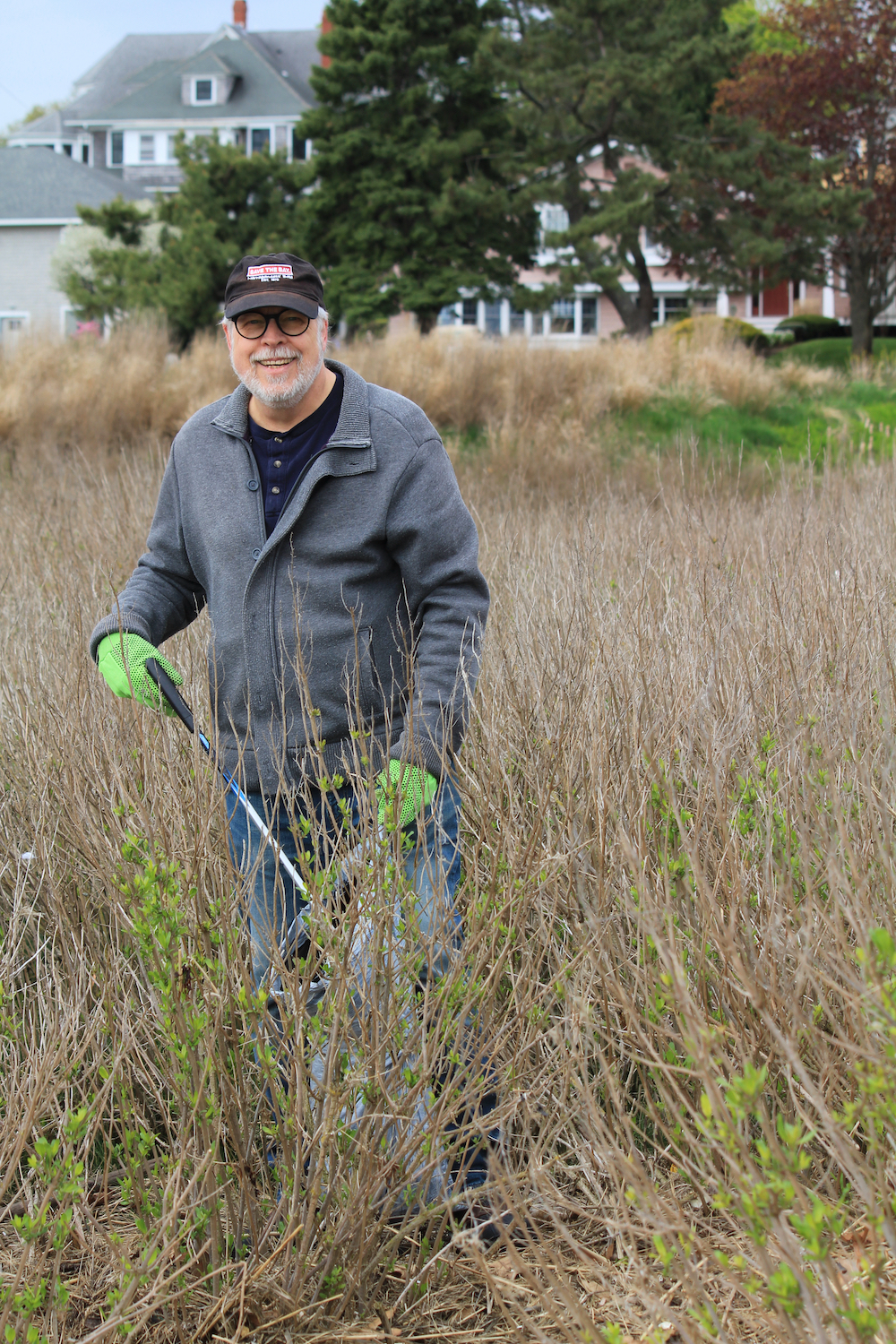
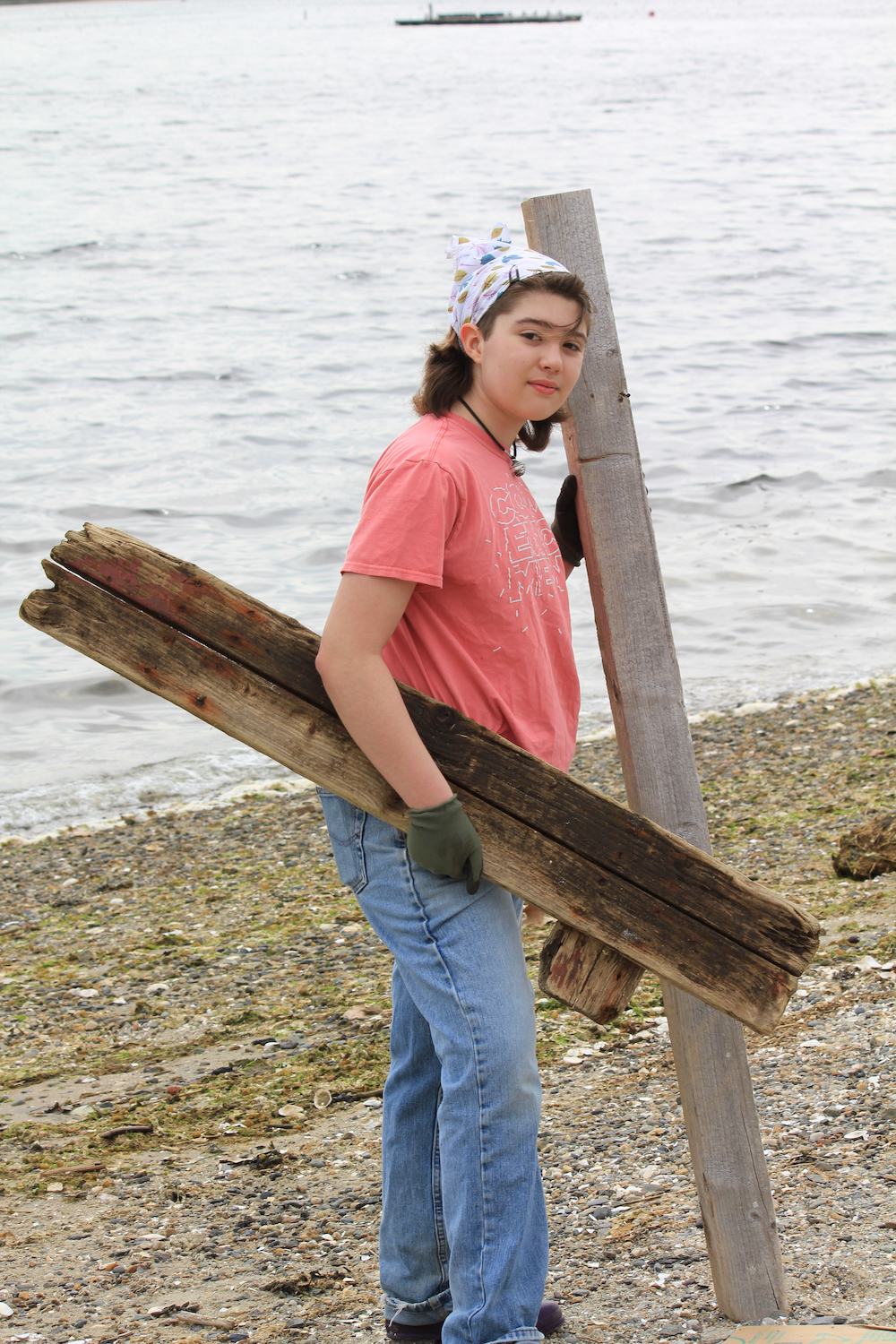
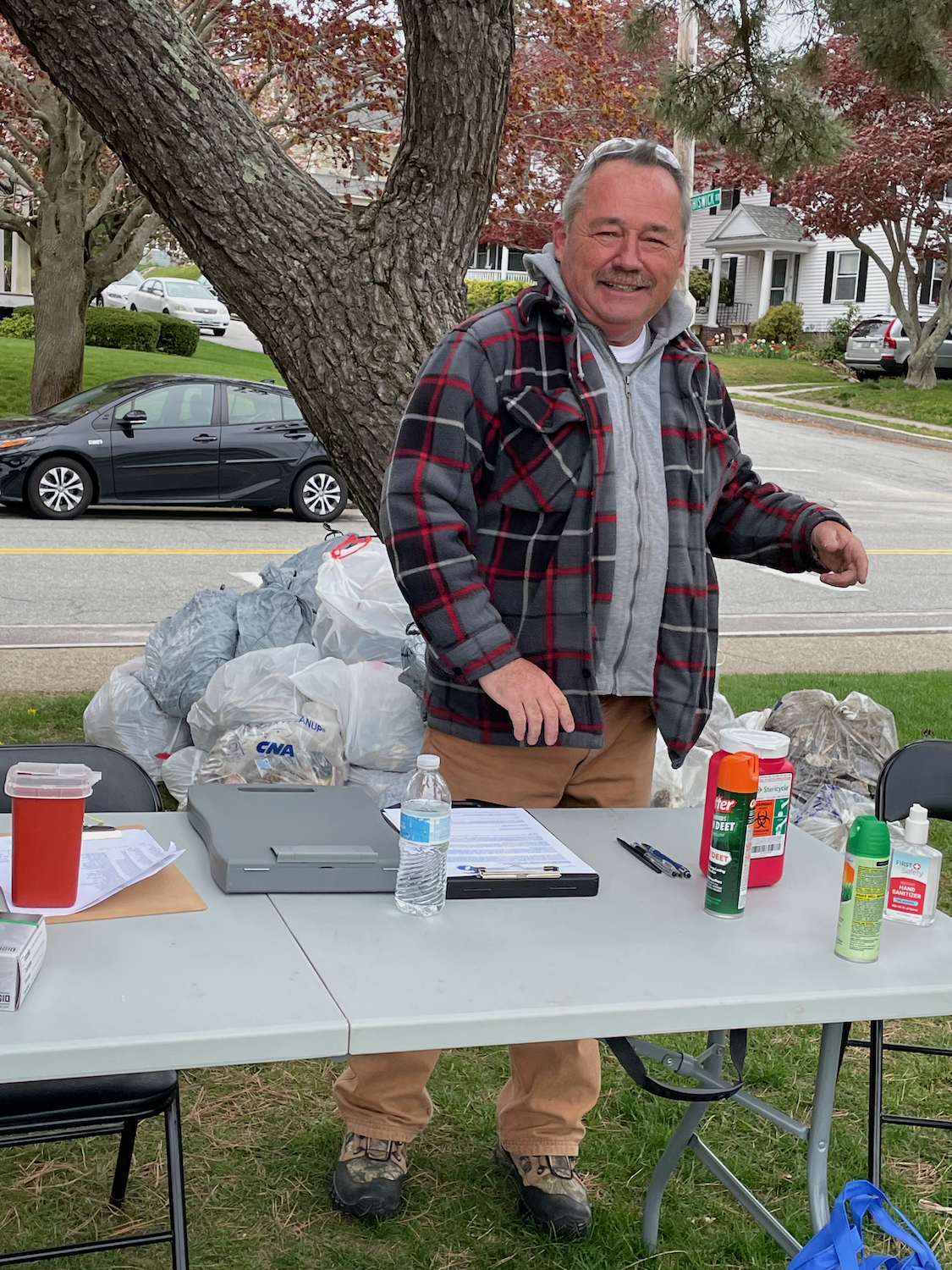
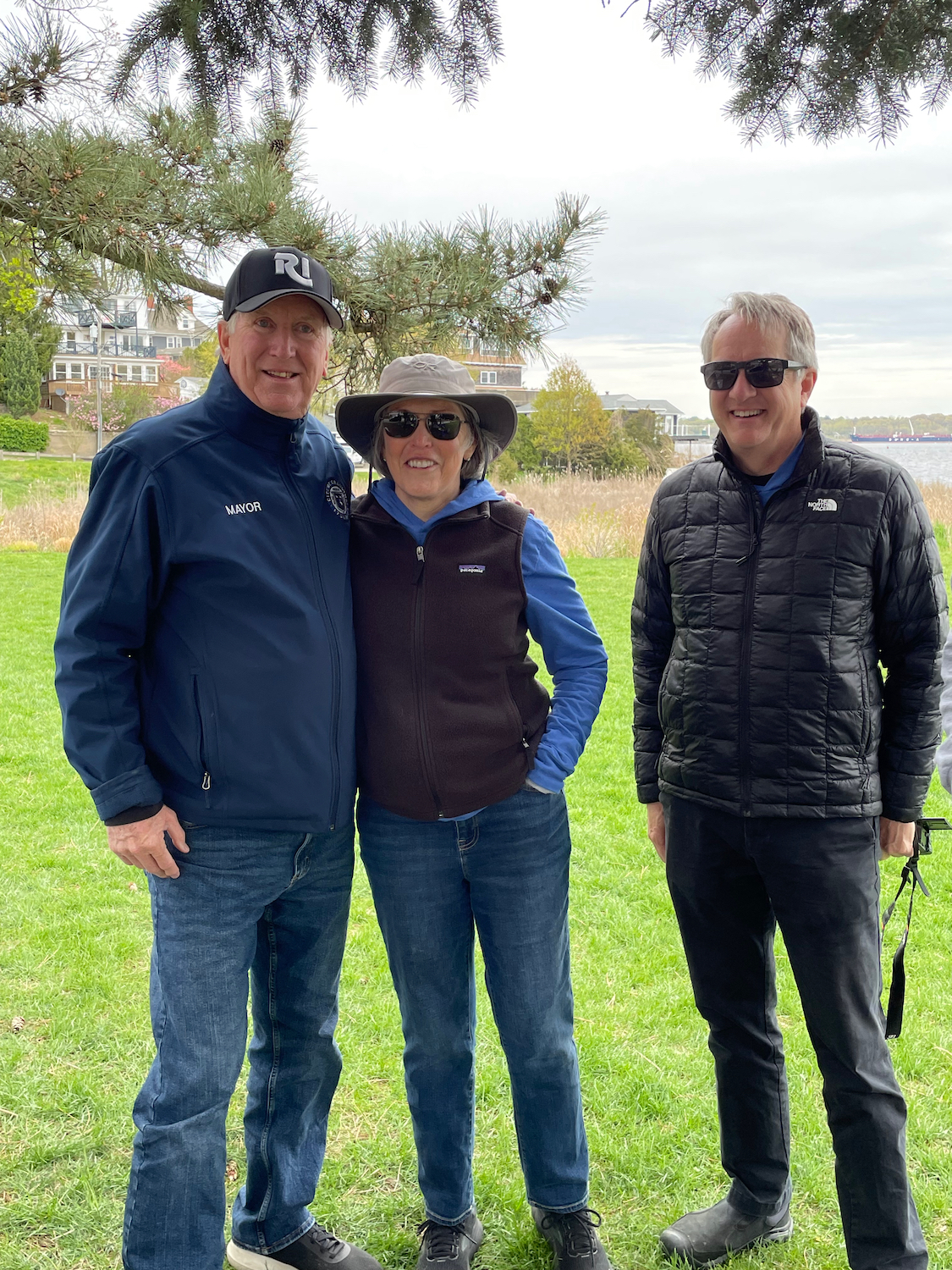
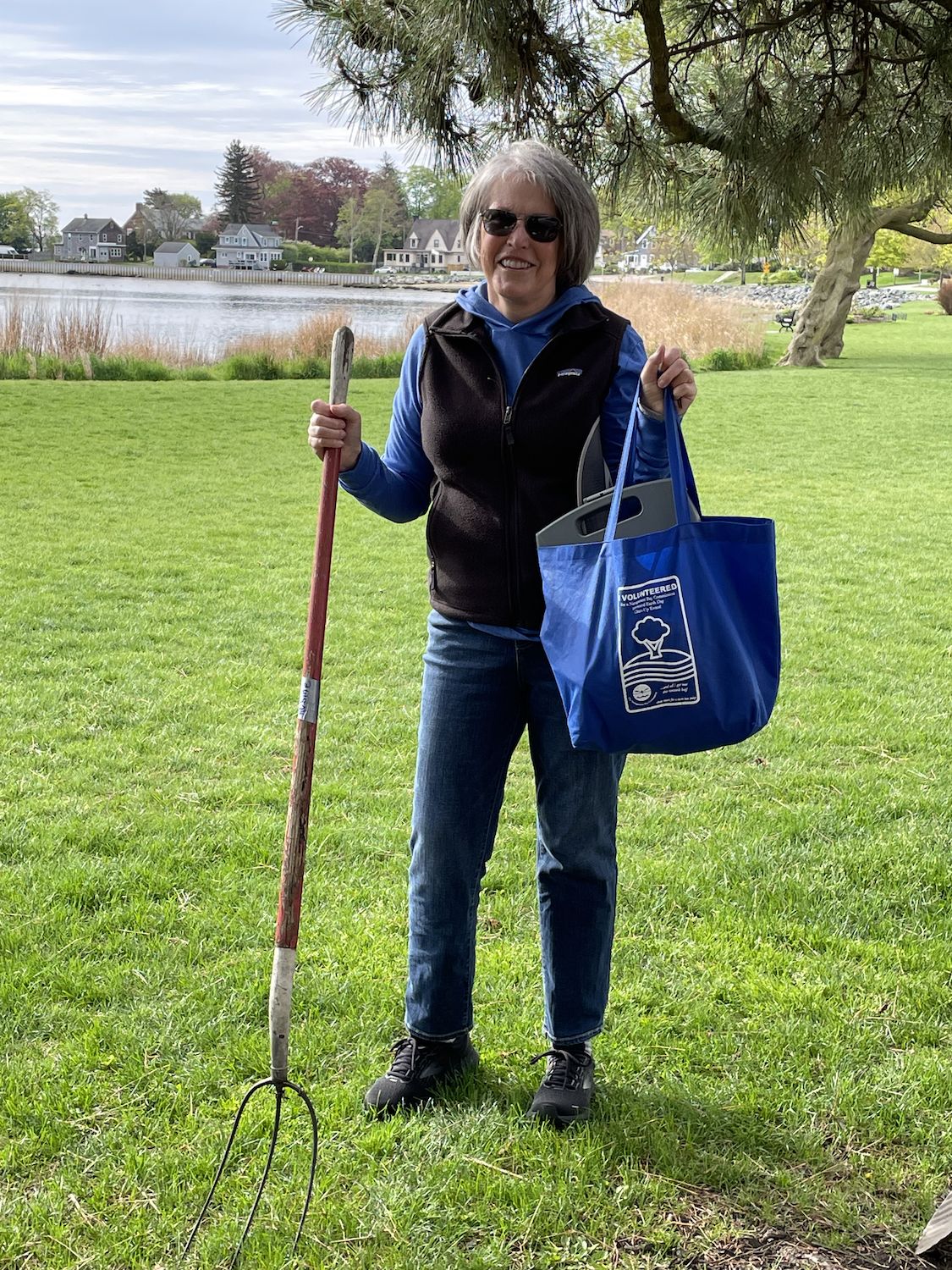
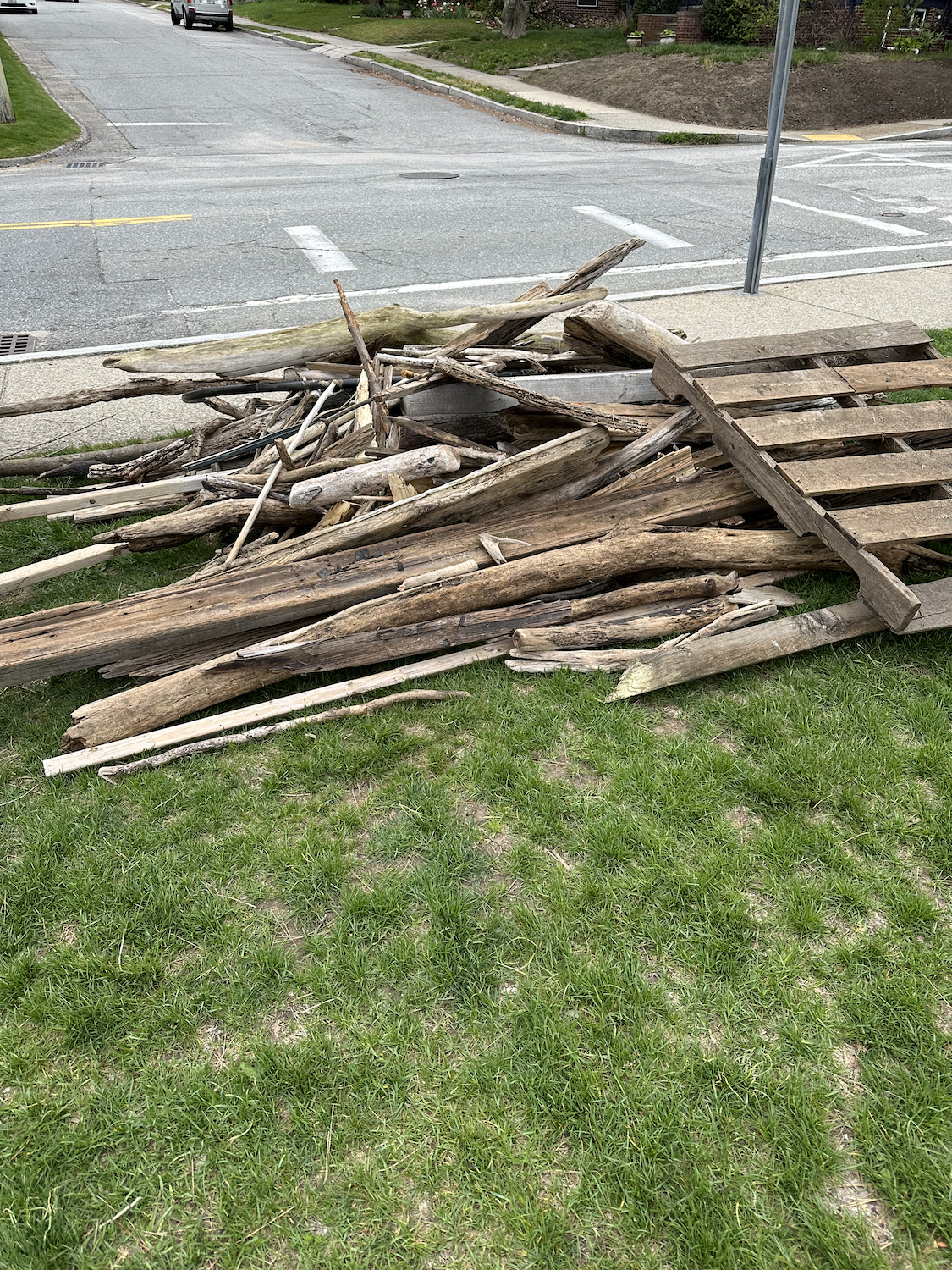
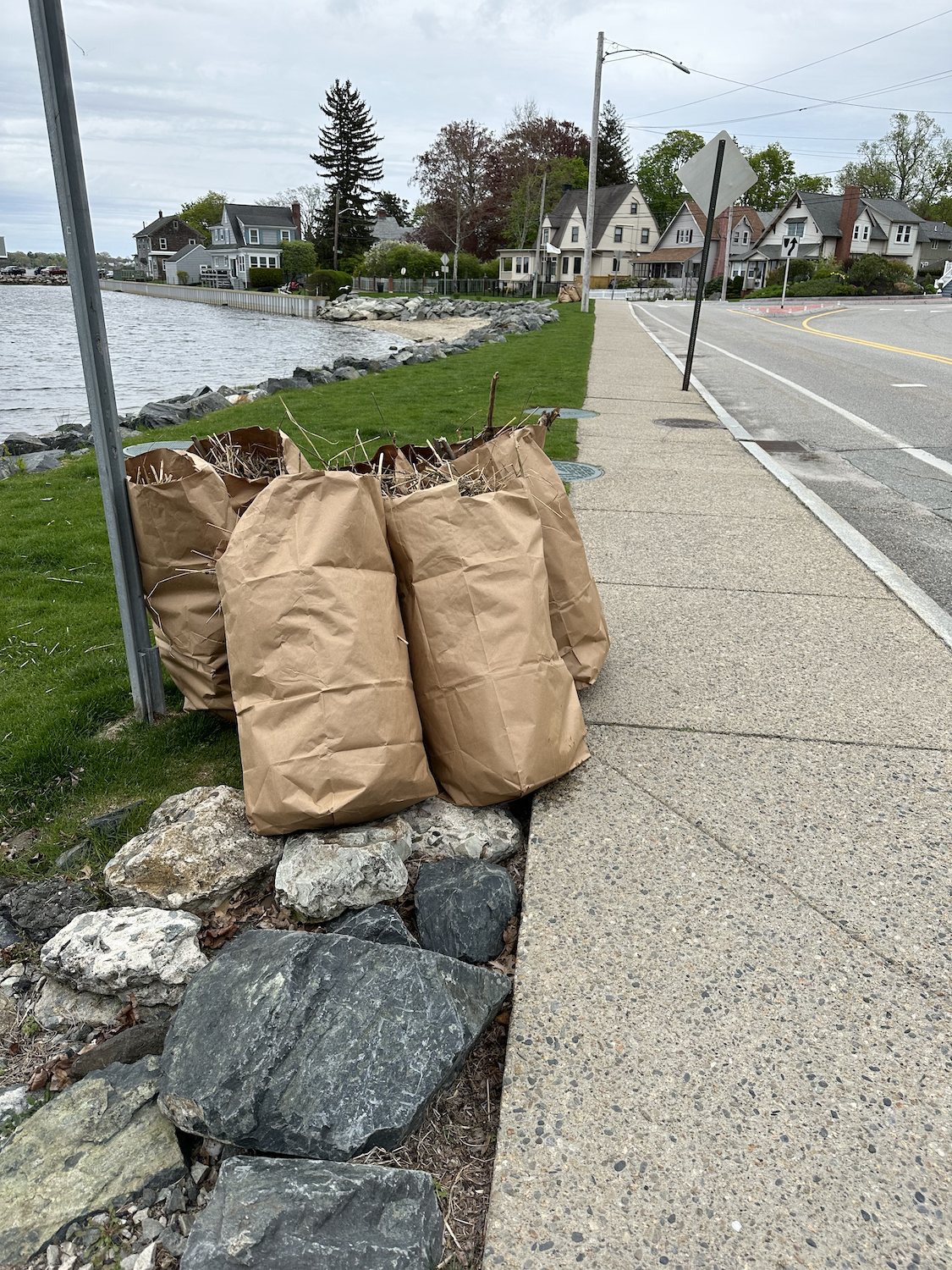
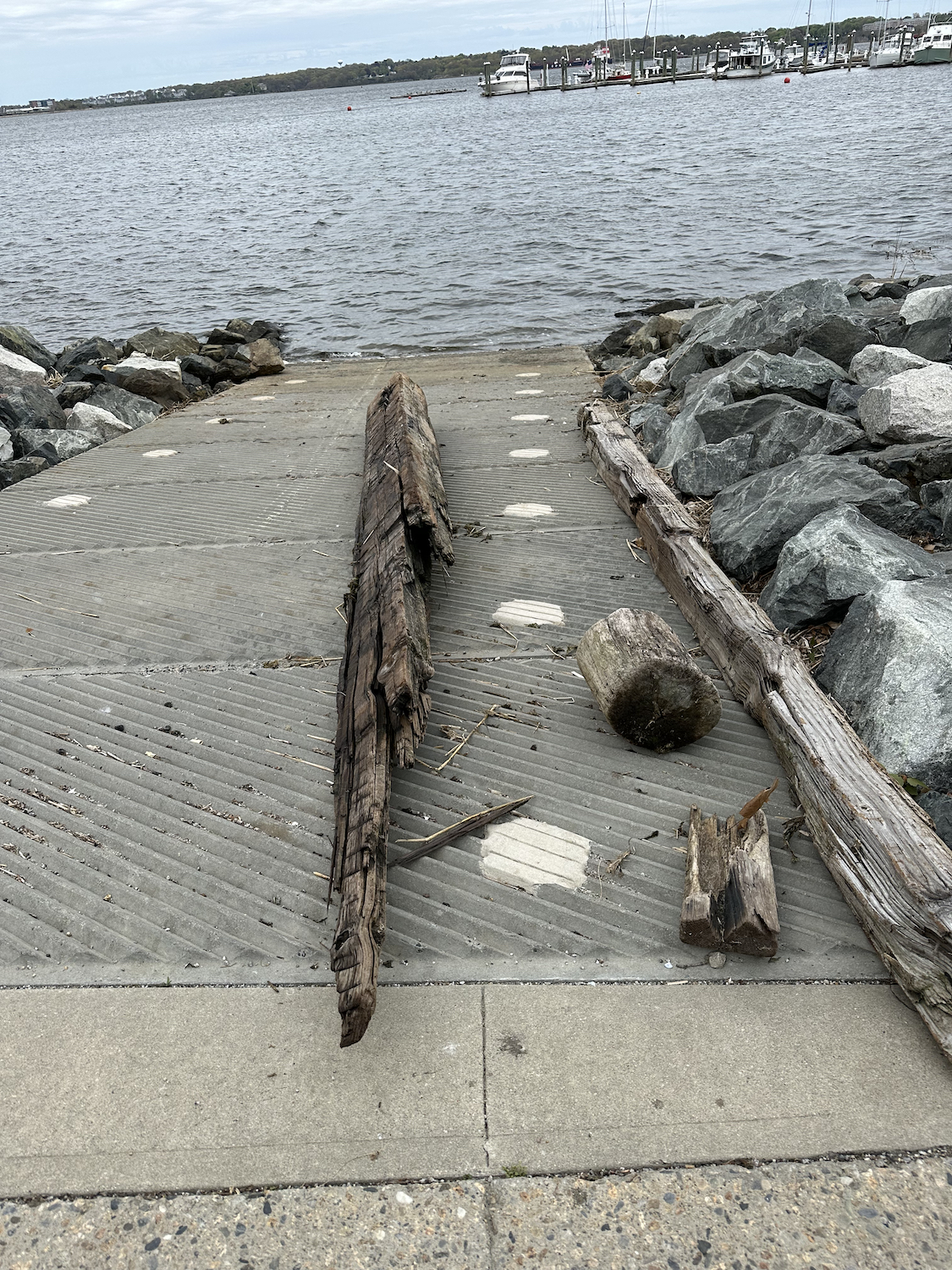
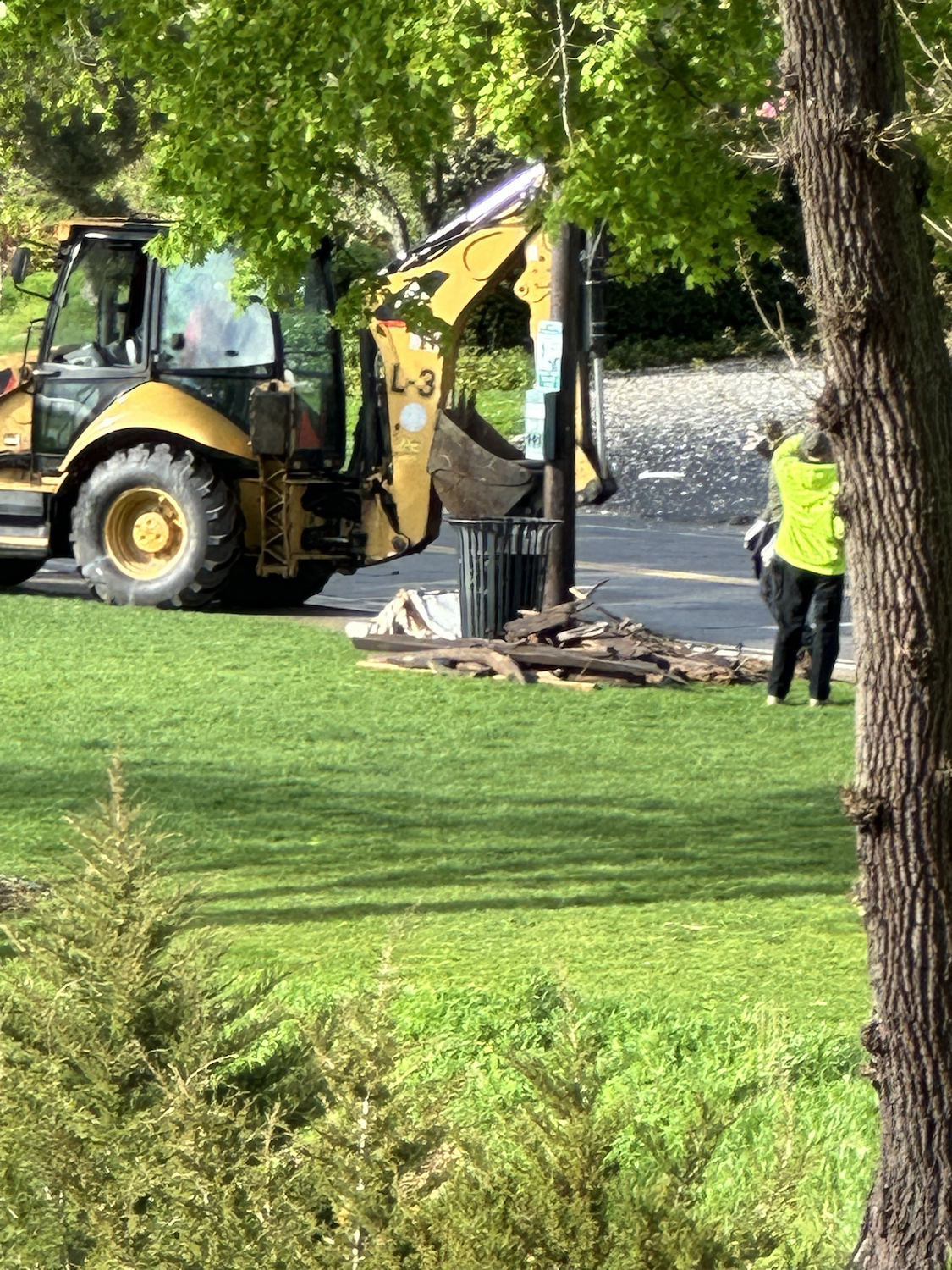
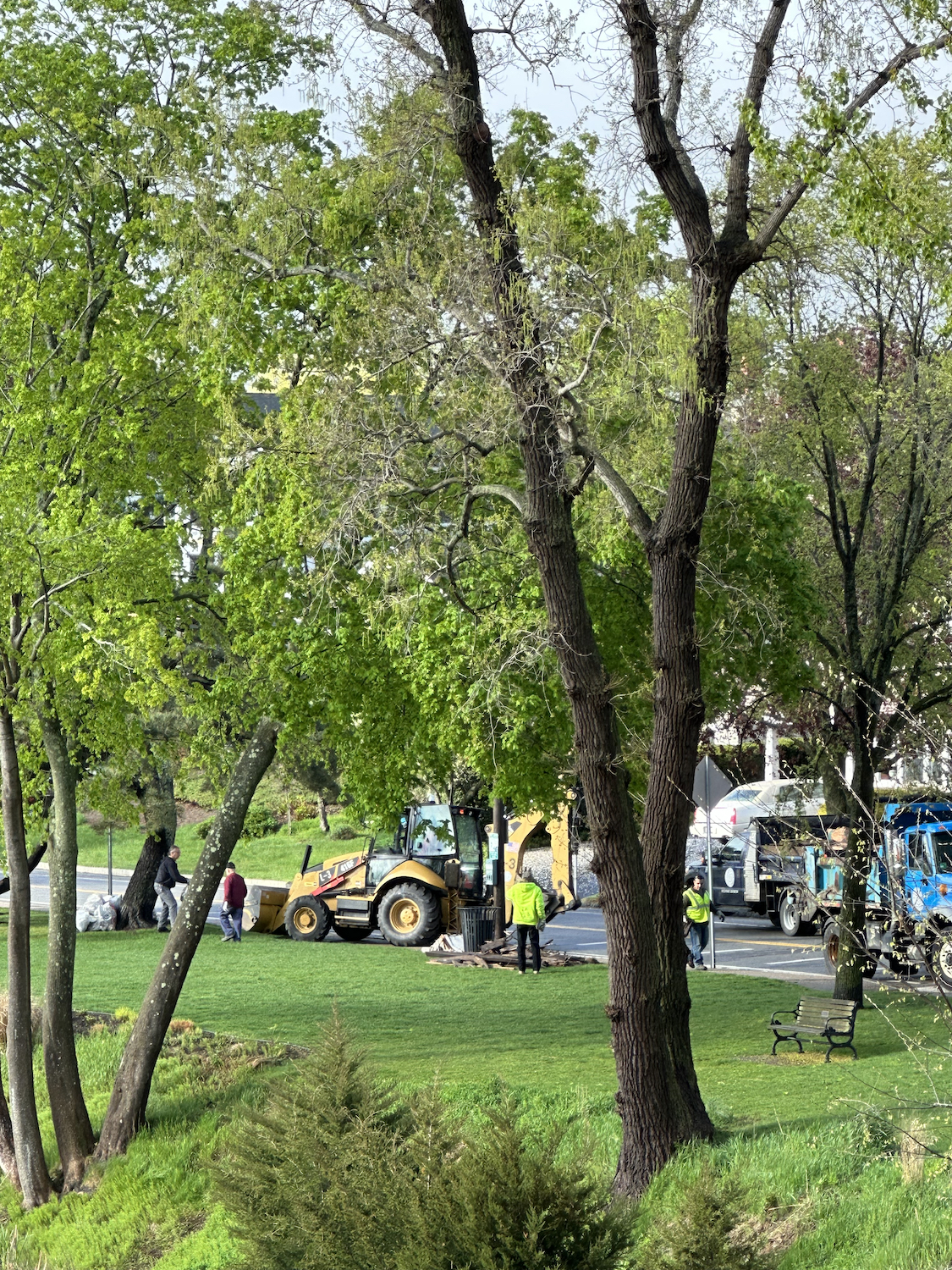
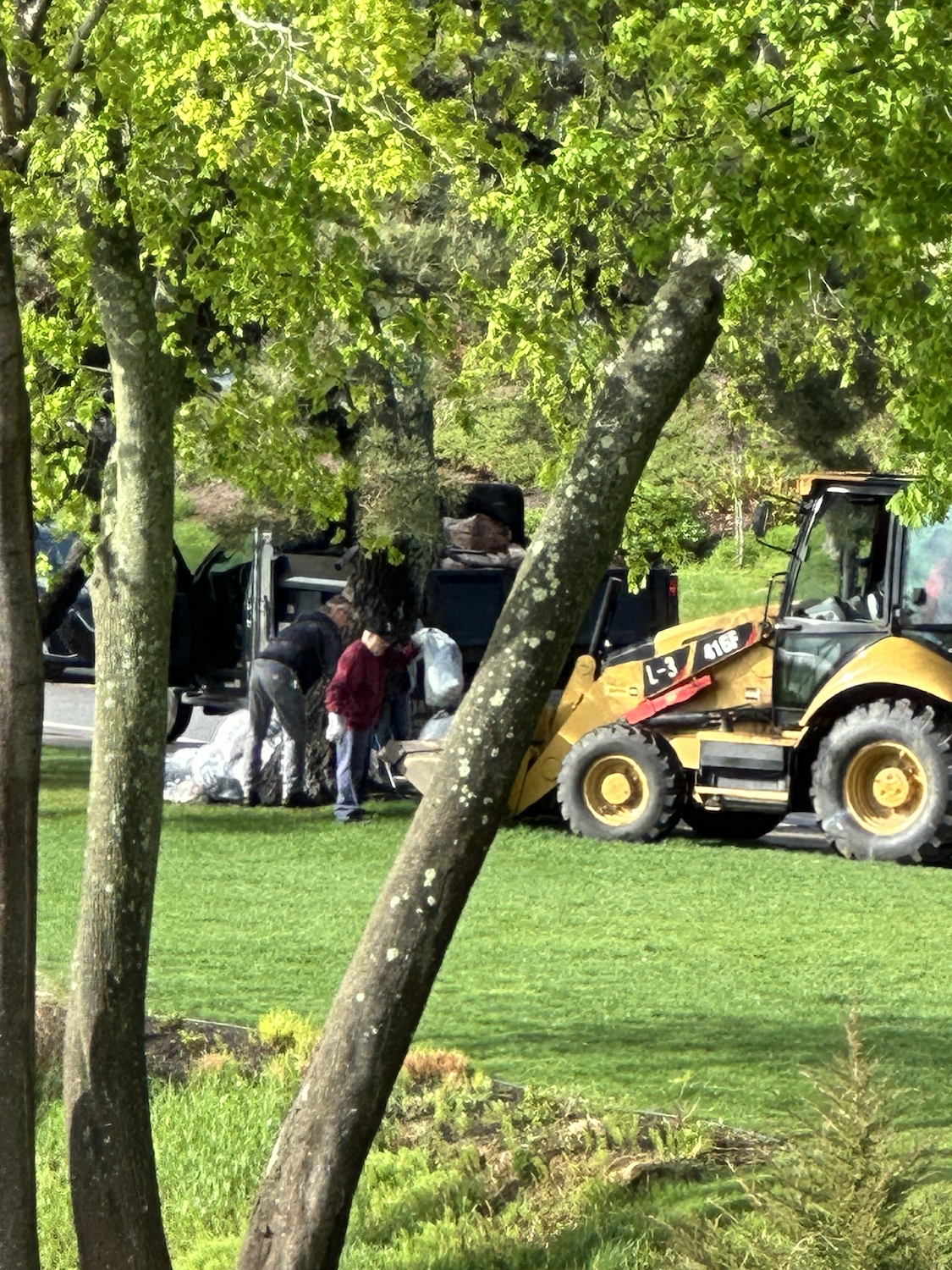
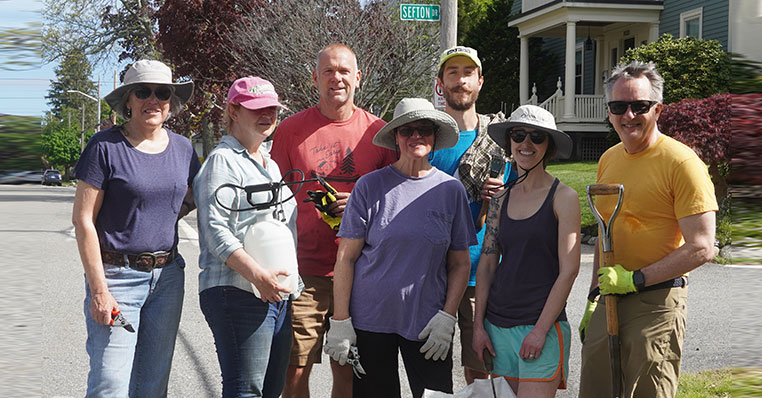
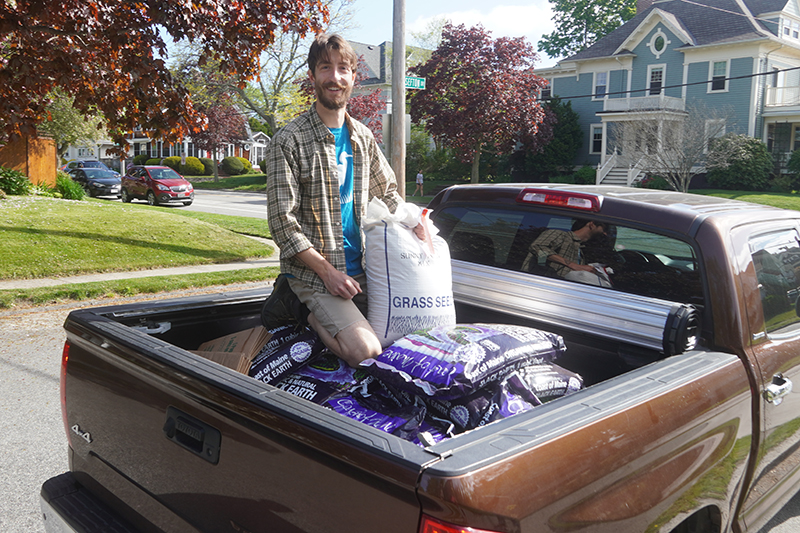
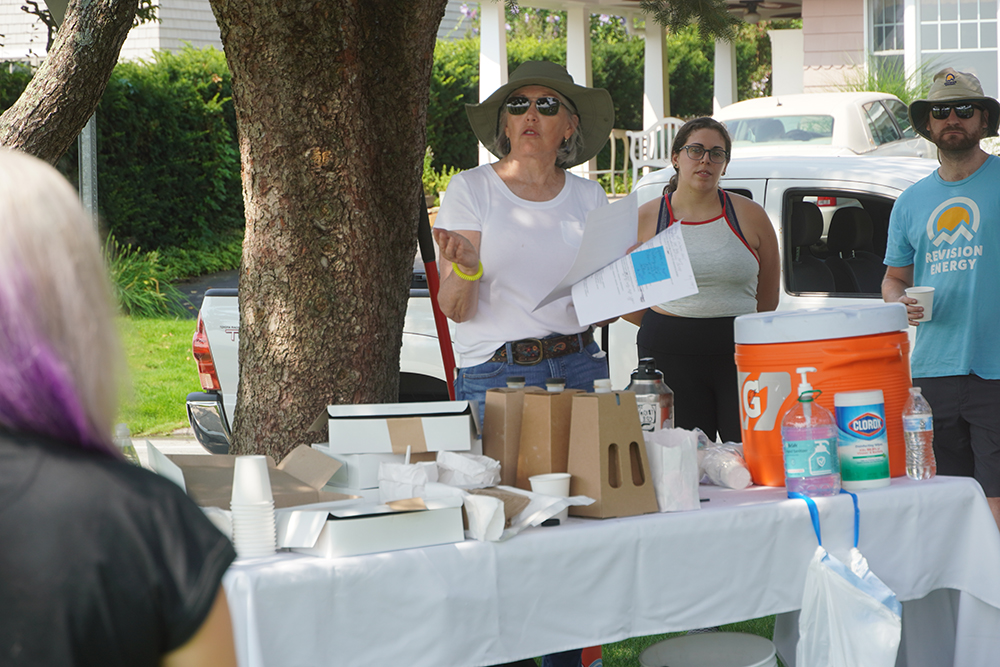
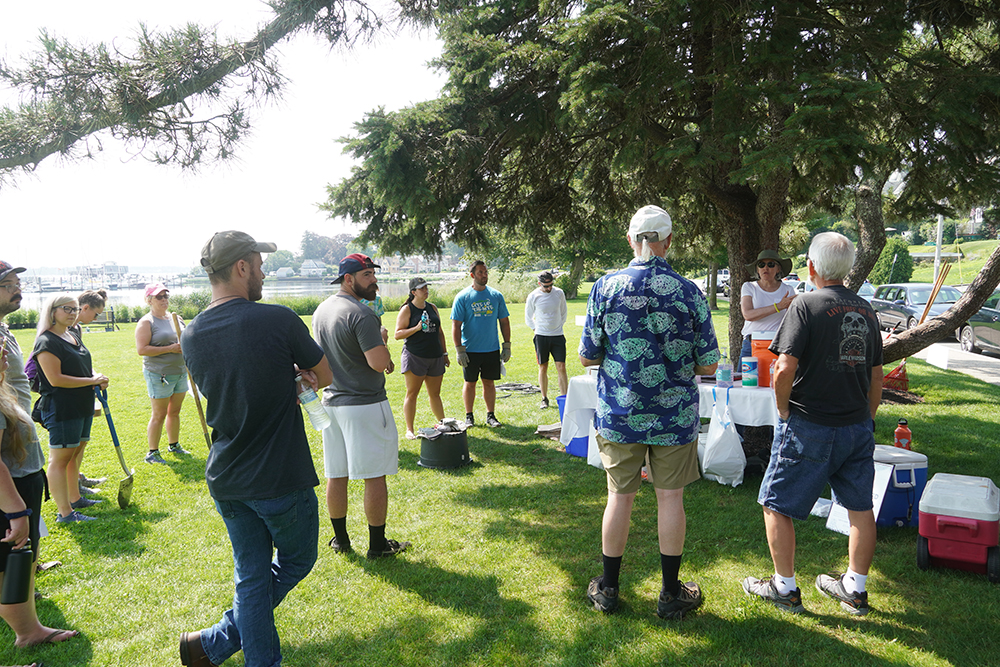
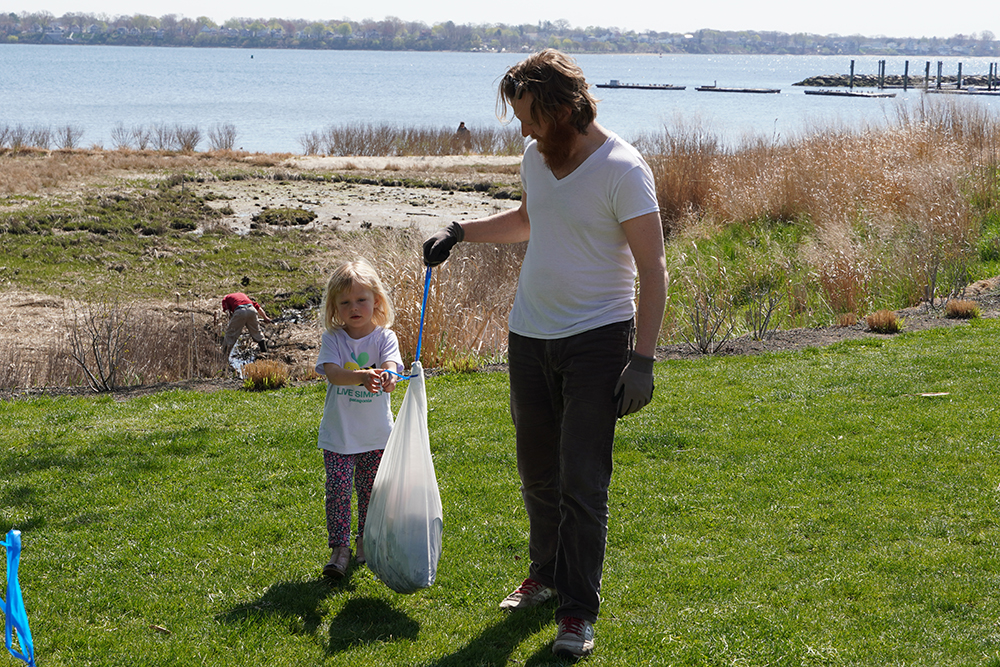
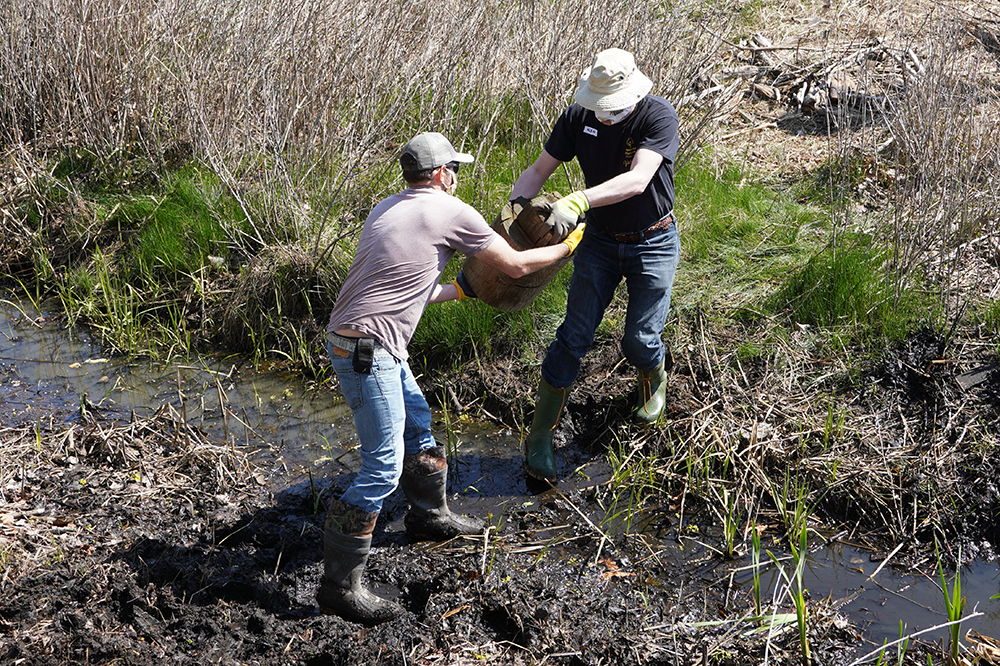
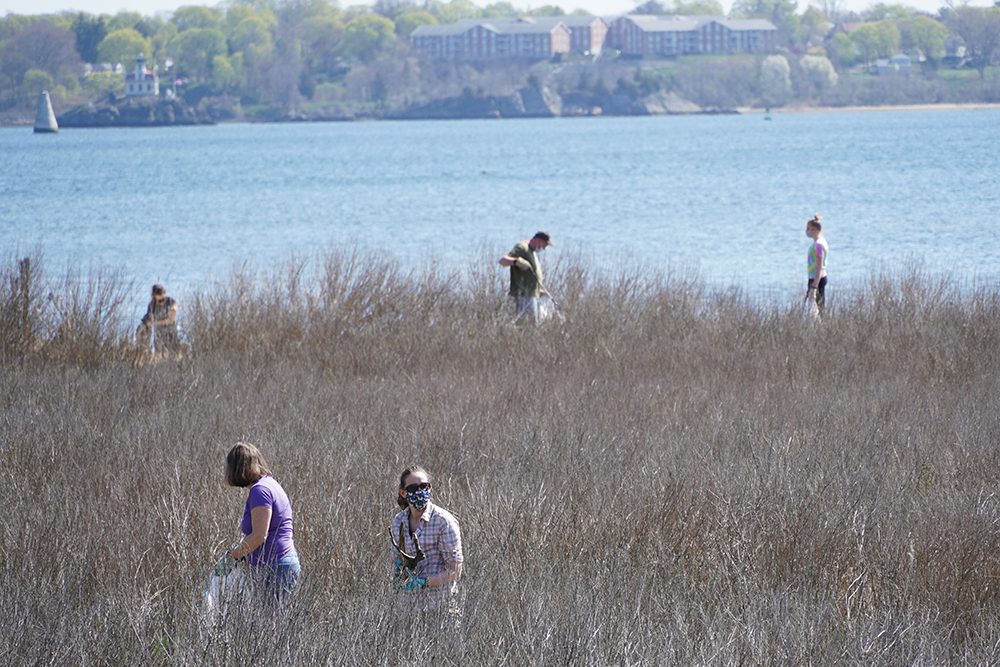
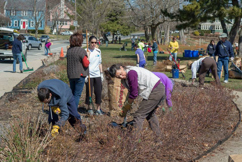
Over 60 neighbors and friends joined the Edgewood Waterfront Preservation Association (EWPA) at Stillhouse Cove Salt Marsh and Park for our Annual Clean Up. Hundreds of pounds of trash and debris was removed including plastics, syringes, and lumber. Thanks to everyone that participated in the clean up.
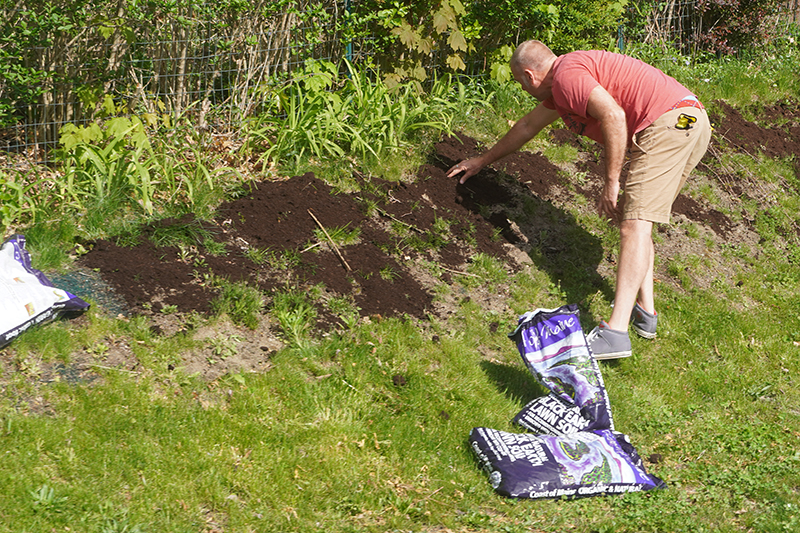
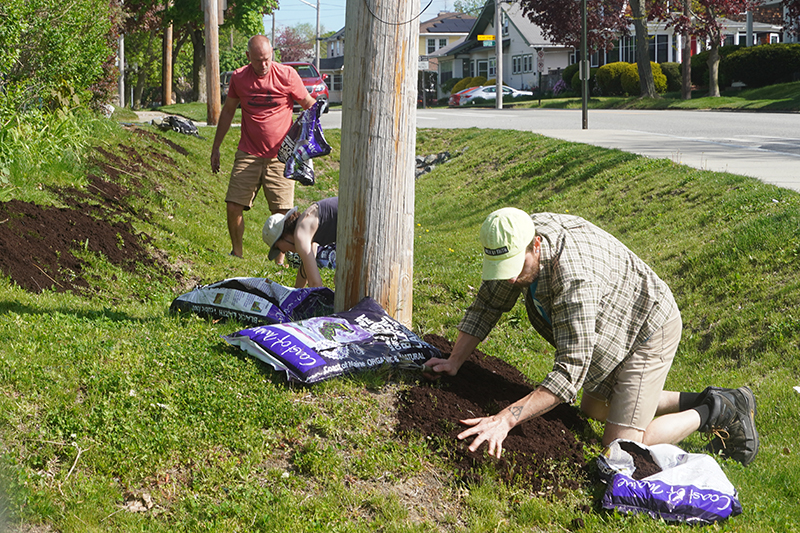
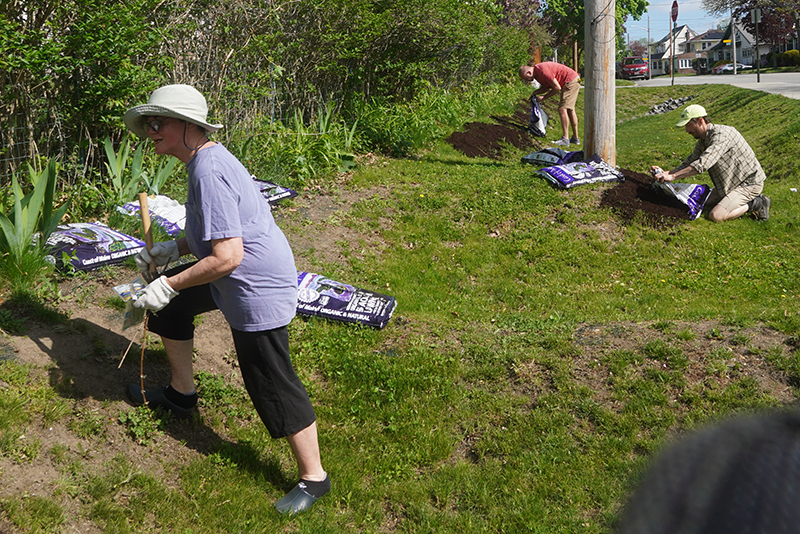
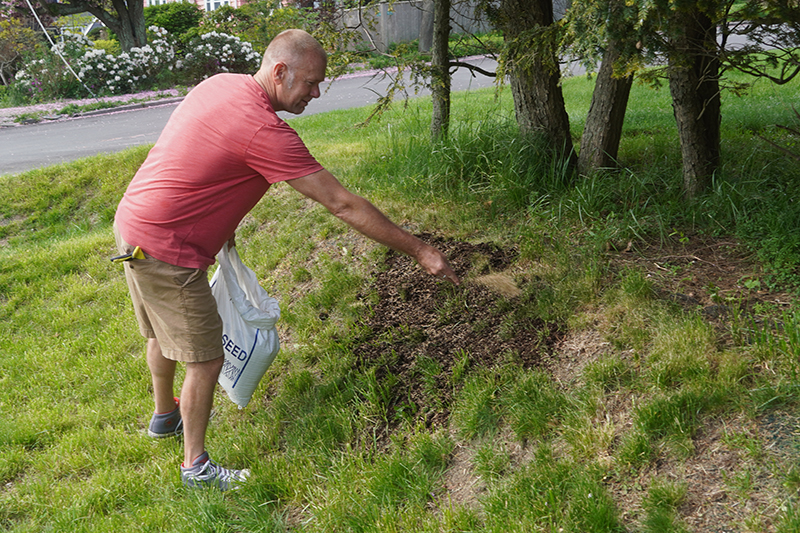
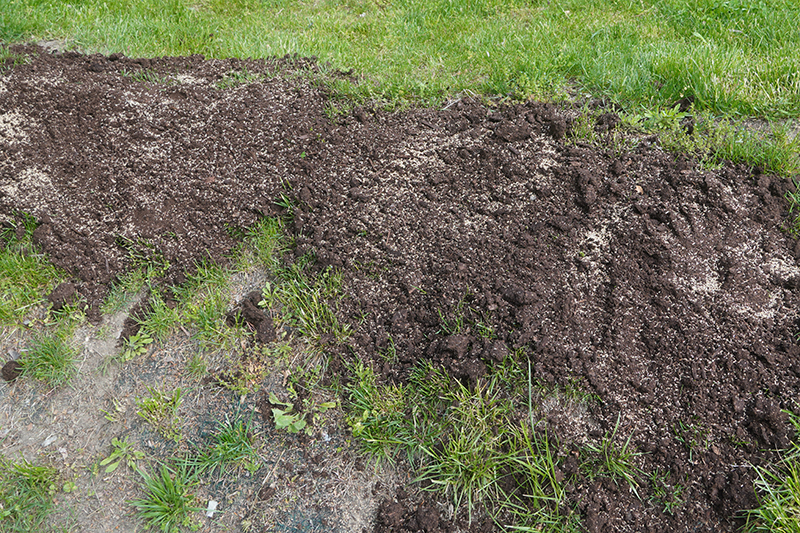
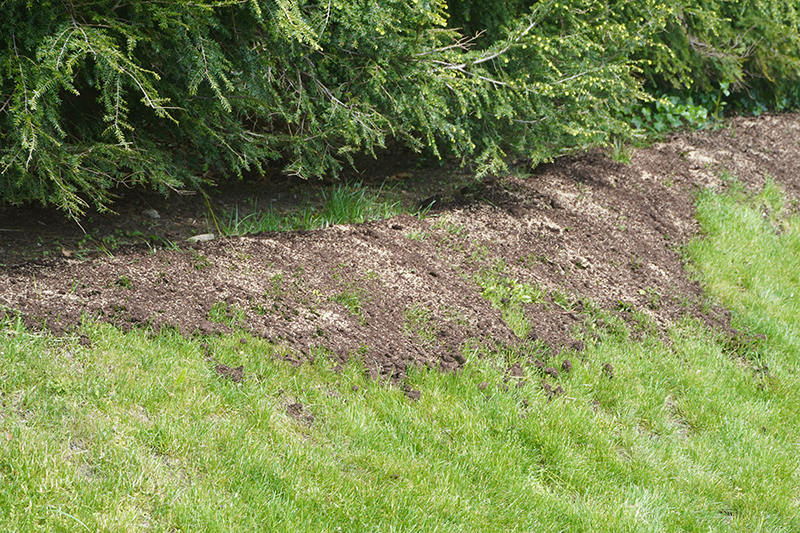
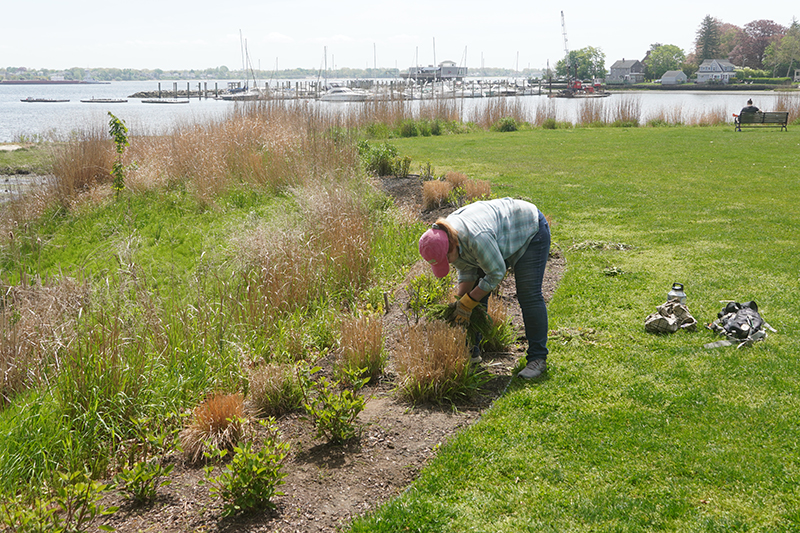
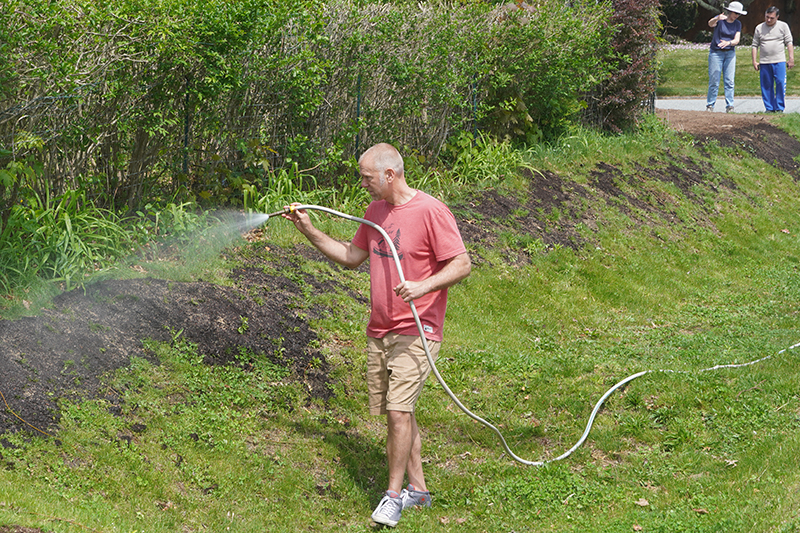
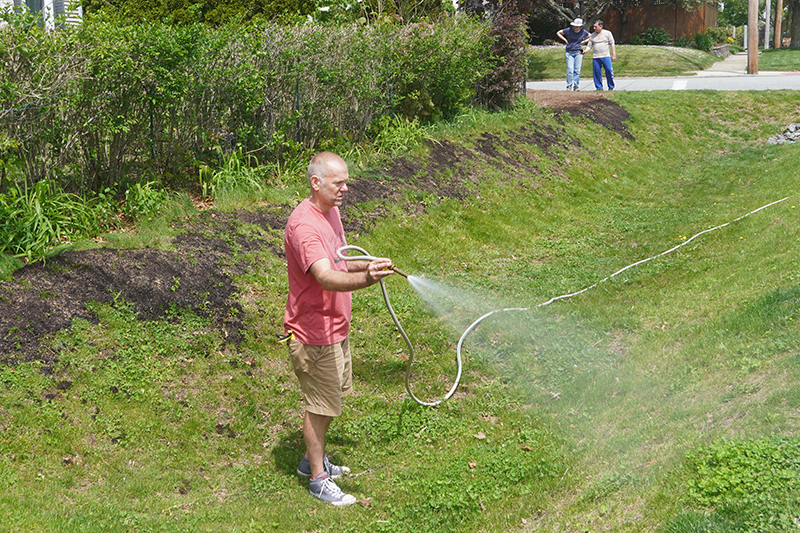
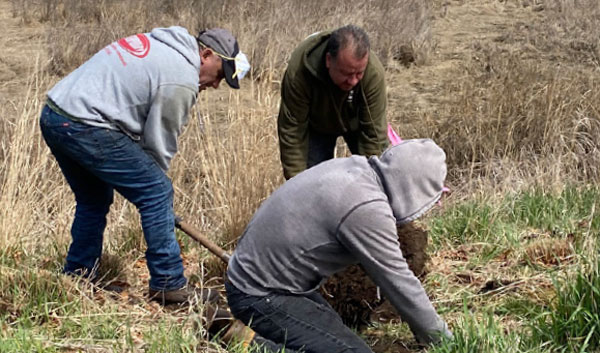
The Site Committee, including board members and volunteers, spent a productive morning seeding the infiltration area damaged over the winter.
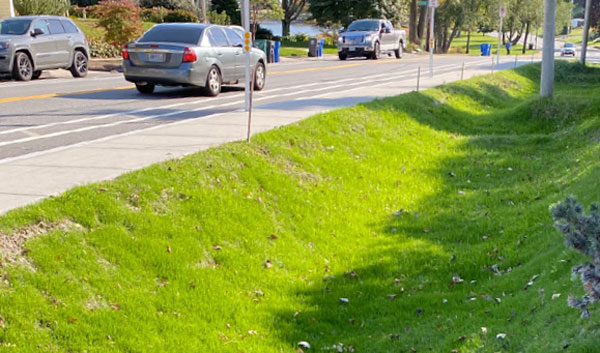
The infiltration area acts as a natural filter for storm water that flows into the bay. Catching bacteria and other organisms and larger items like trash before the water flows into Stillhouse Cove, this important feature protects the cove from bacterial or other blooms as well as from trash and plastics.
Thanks to the volunteers and board members that showed up to do this important work.
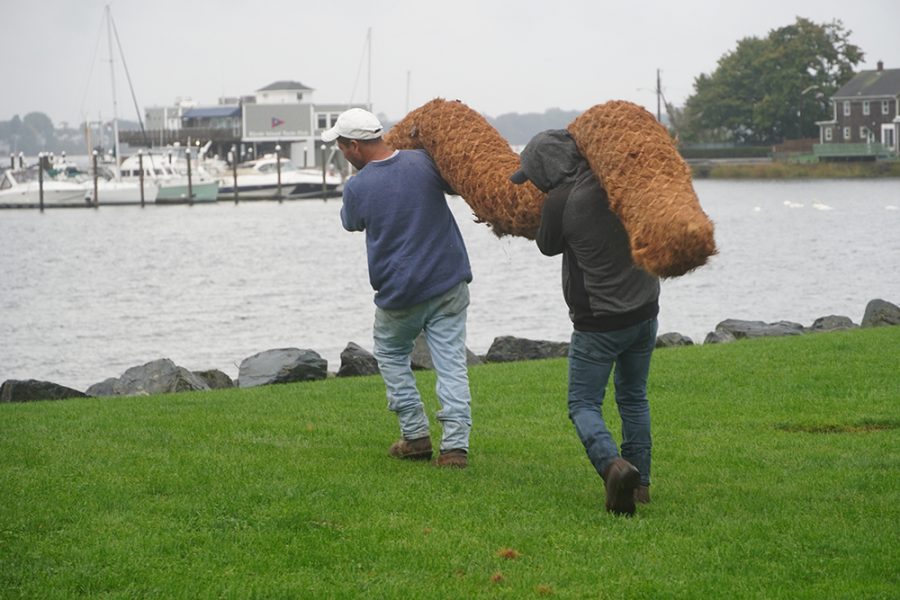
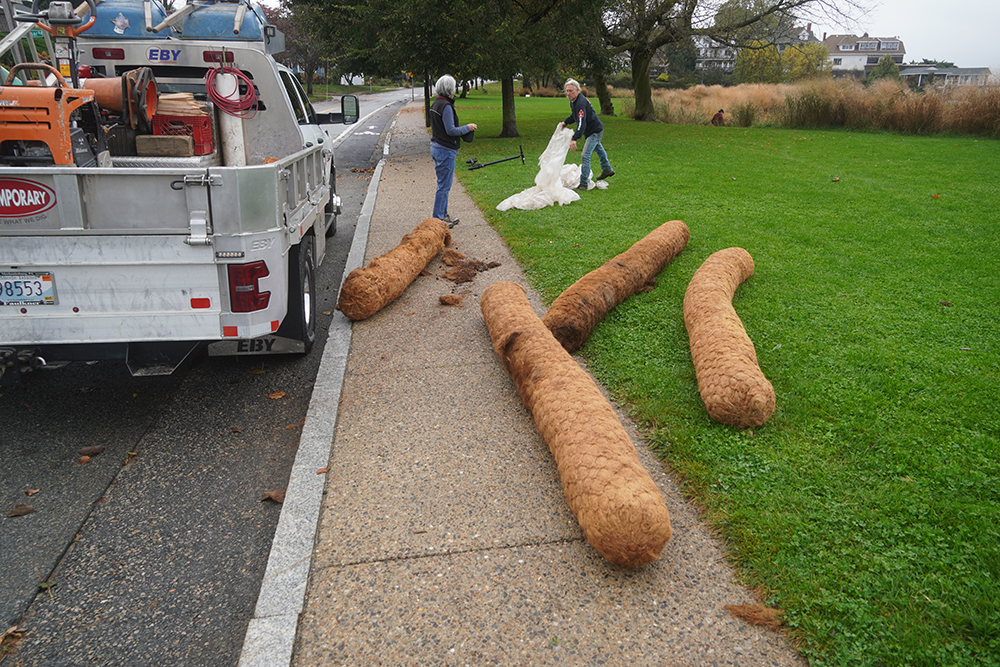
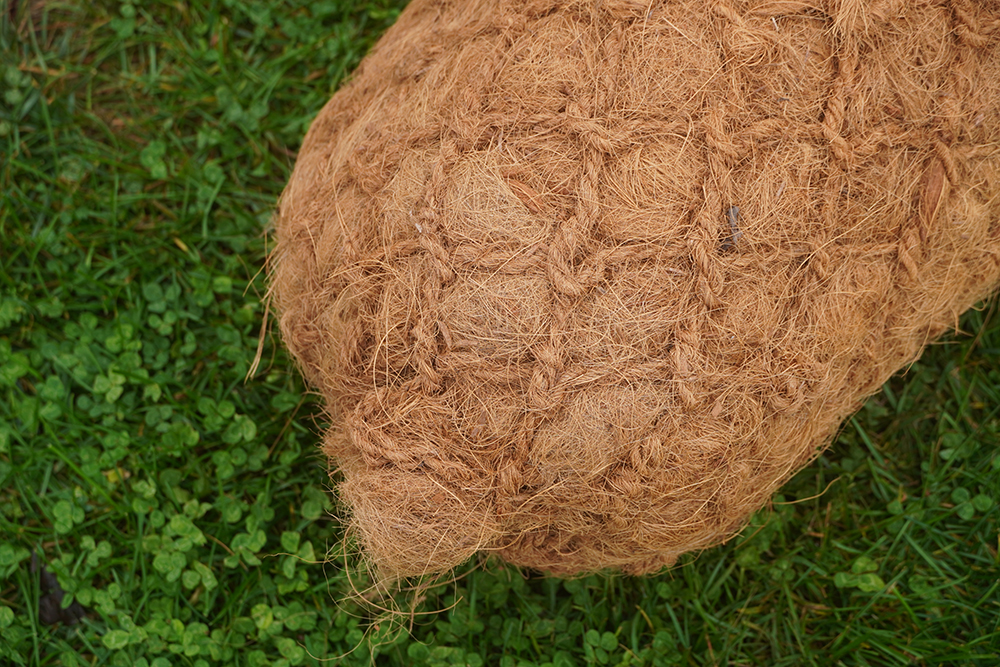
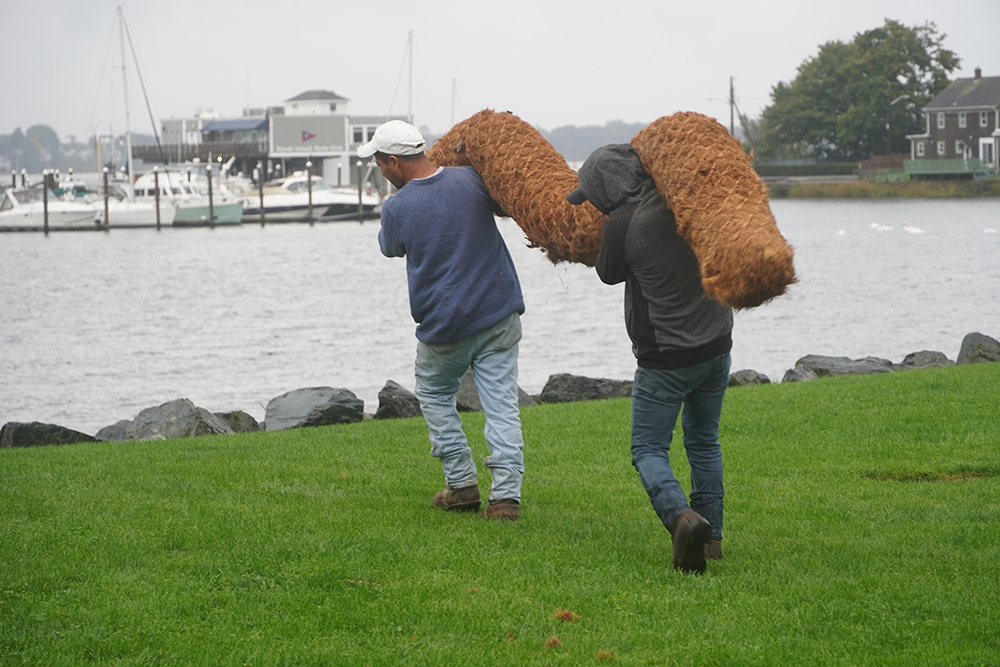
Coir logs perform an important function in the cove. Made to control erosion and protect the cove in the event of a significant storm, these “logs” help the cove stay stable and healthy.
And Ray and Wenley? Ray Mooney and Wenley Ferguson have been supporters of the EWPA for many years, adding expertise and helping out in many ways and lately heling in acquiring and installing coir logs in the cove.
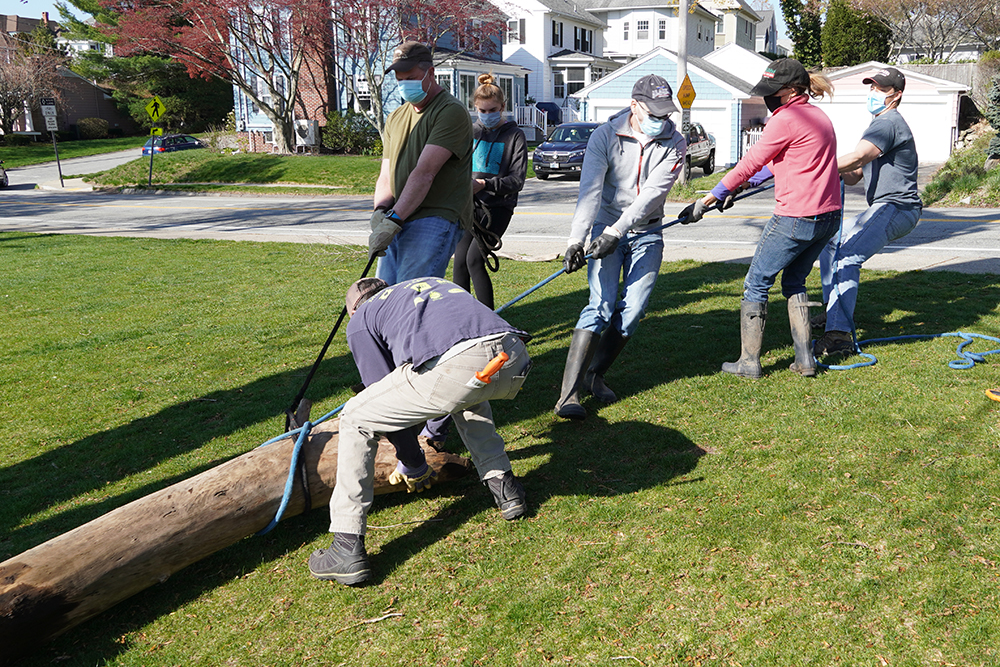
This spring Ray saw logs posted on a social media site for a price substantially below what we have spent for similar items in the past. Given the Covid-19 situation and the difficulty of transporting them to Rhode Island, we passed on these items this spring. However, Ray noticed last week that they were still available. He drove to New Hampshire with his trailer and brought 15 logs back.
Wenley is lending her expertise in how these should be installed to gain the greatest benefit from them. She will advise the landscaping company that will be installing them.
The work of EWPA couldn’t happen without the assistance of such important friends of EWPA and we thank them for their generous and important efforts.
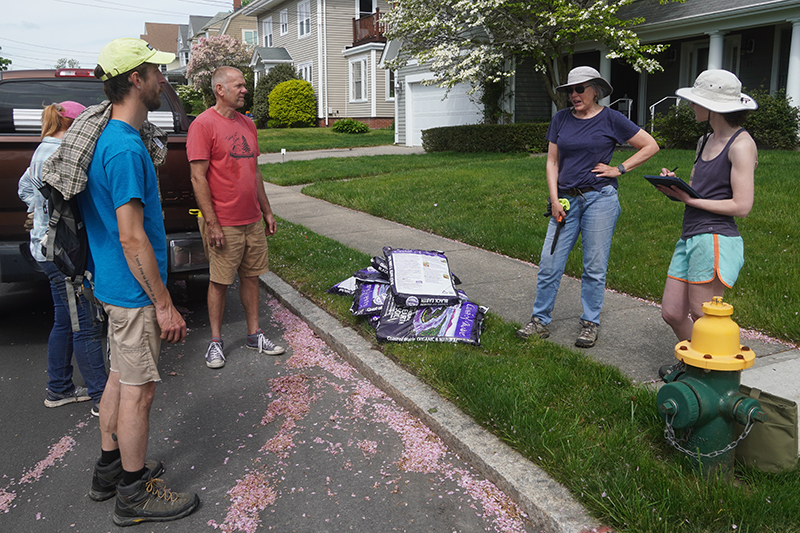
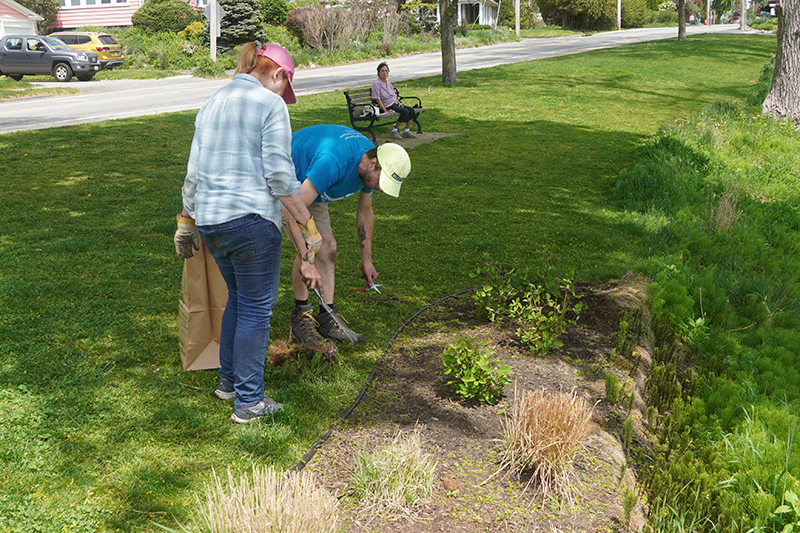
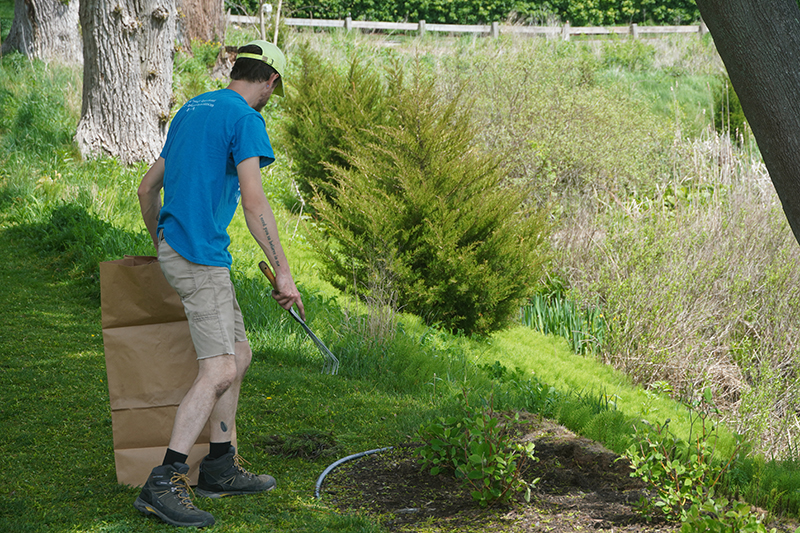
Maintaining the park includes keeping a close eye on the plants that are doing well and the ones that need some help. It also means always improving.
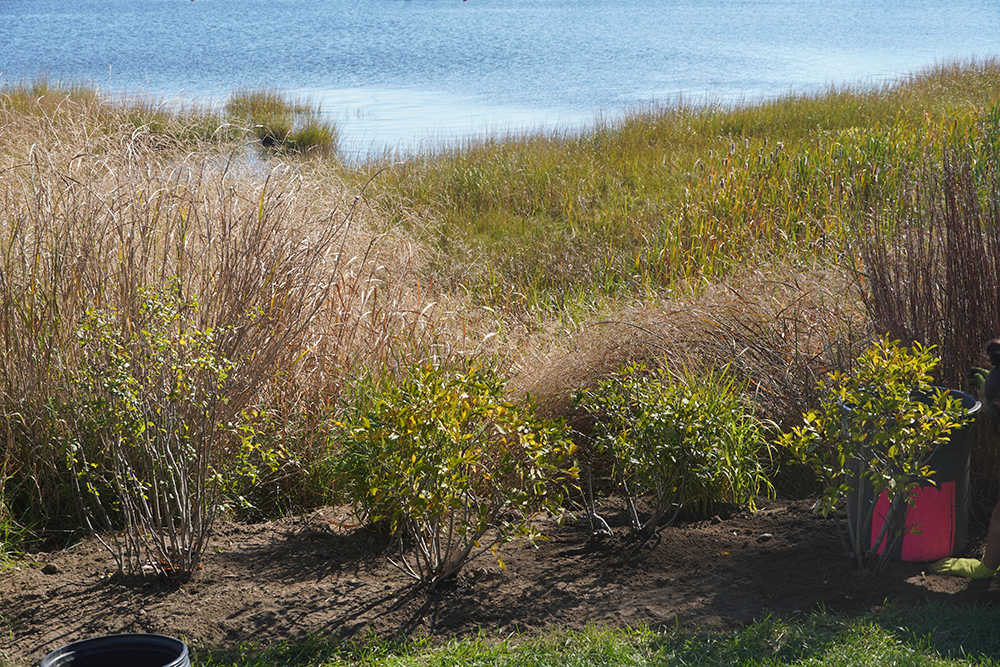
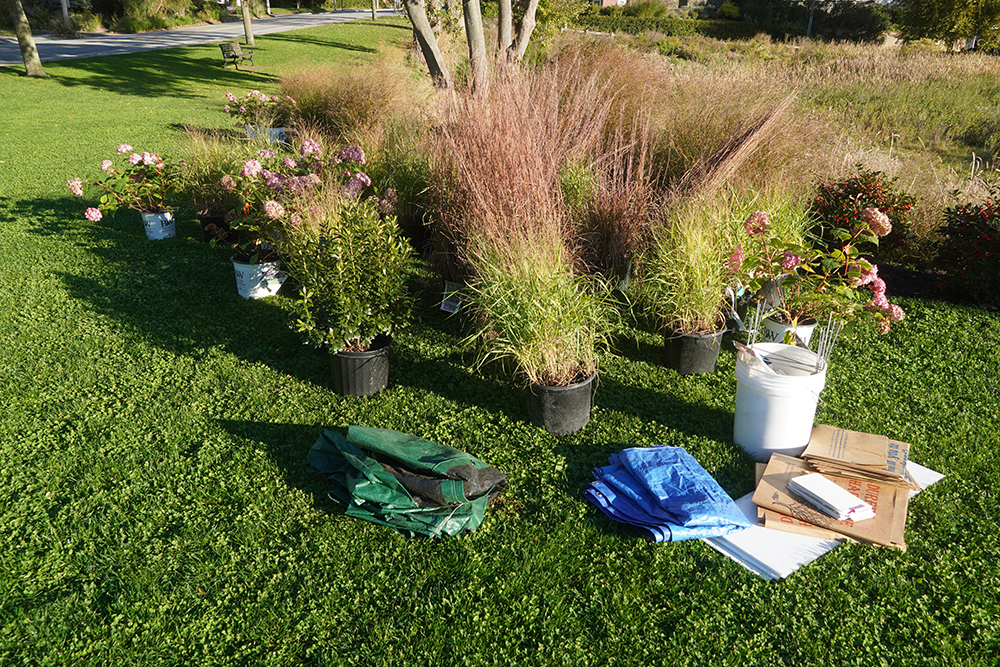
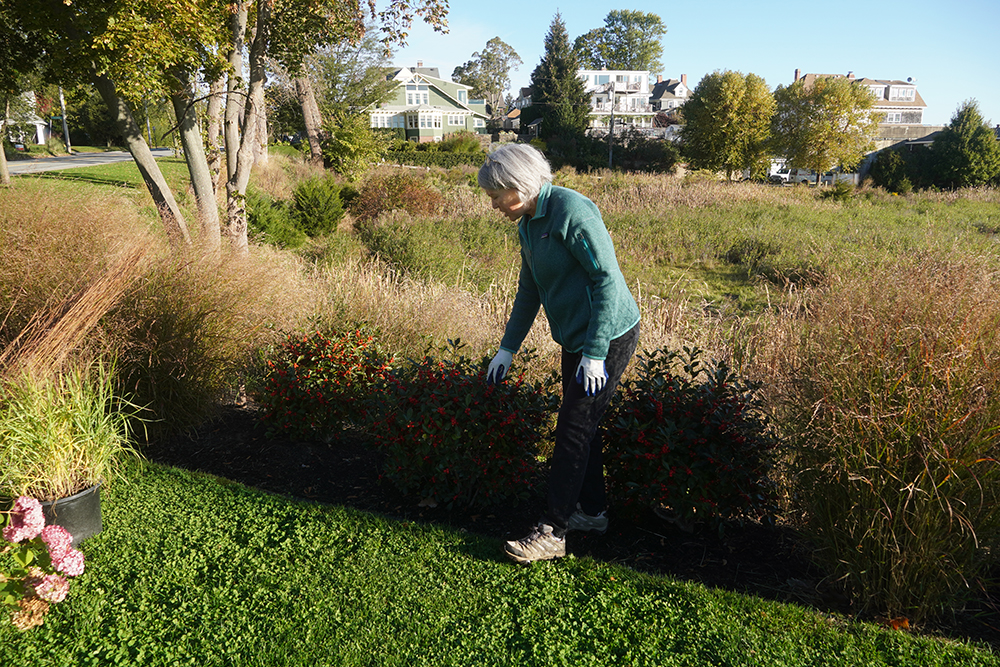
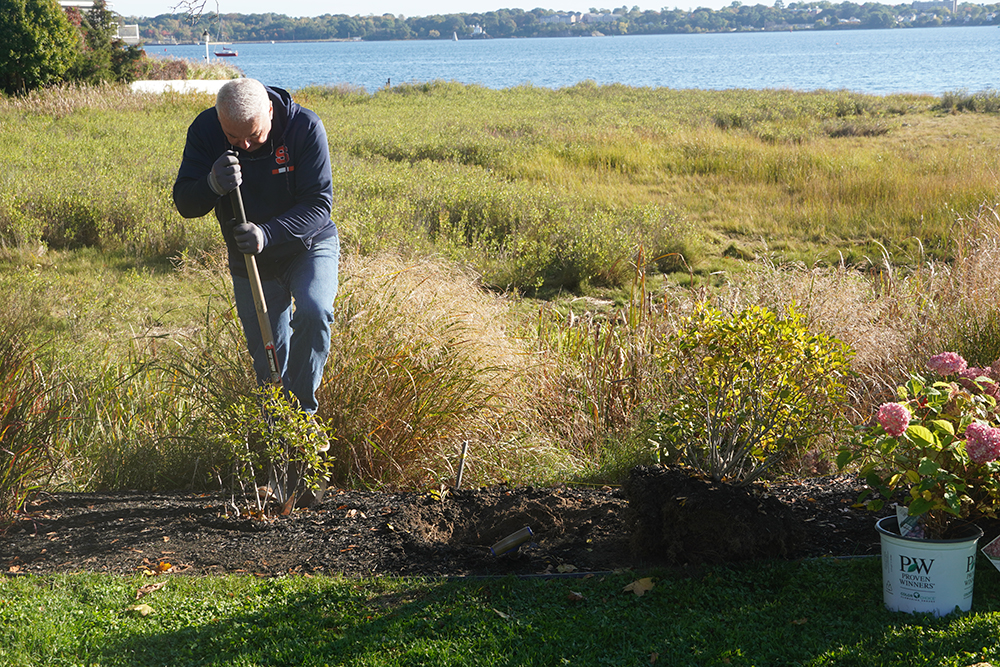
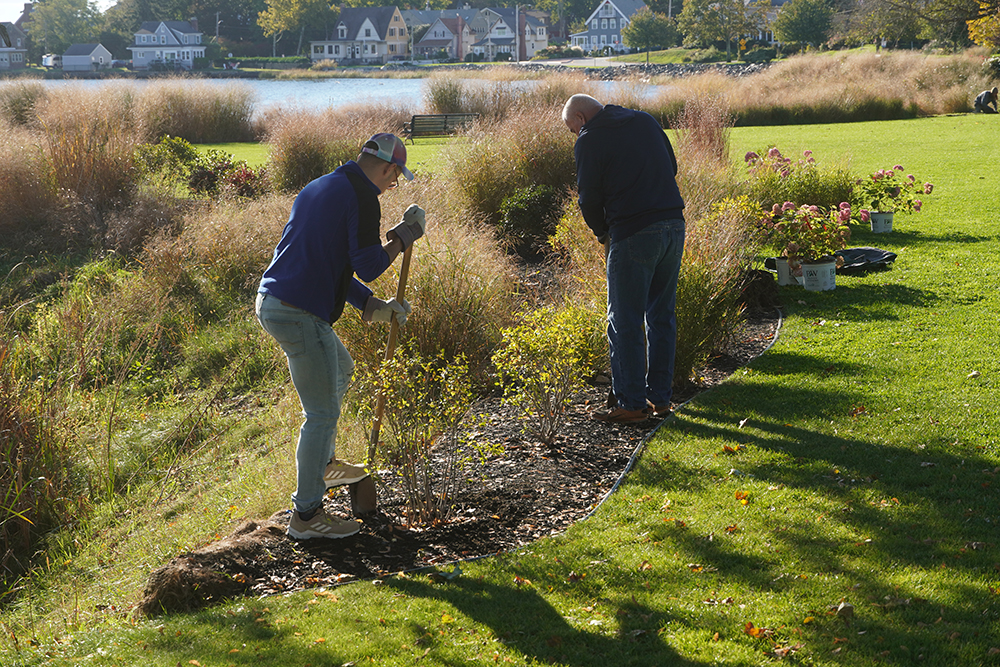
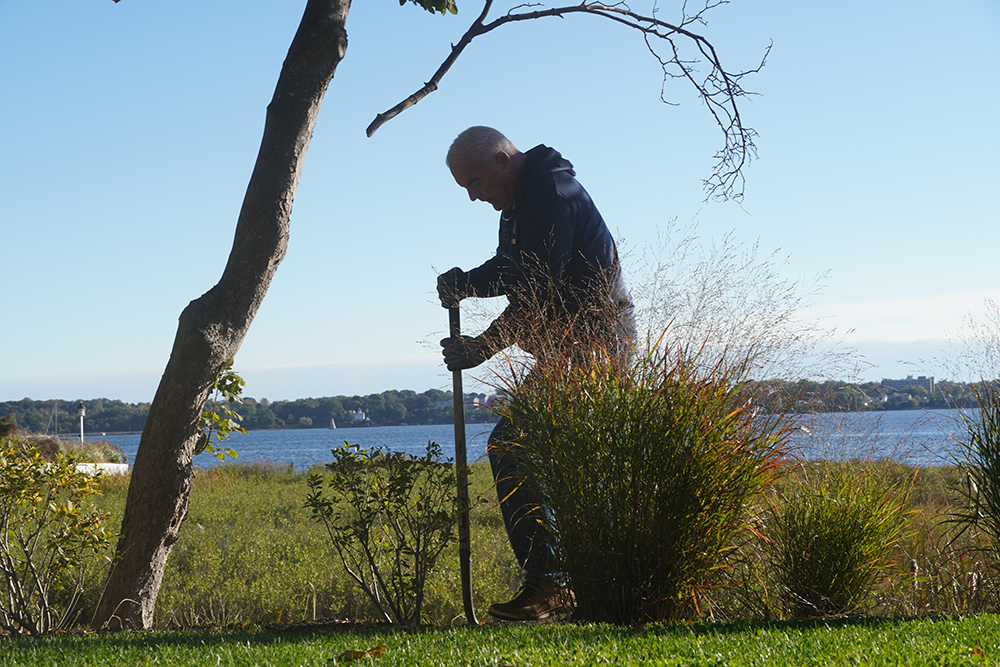
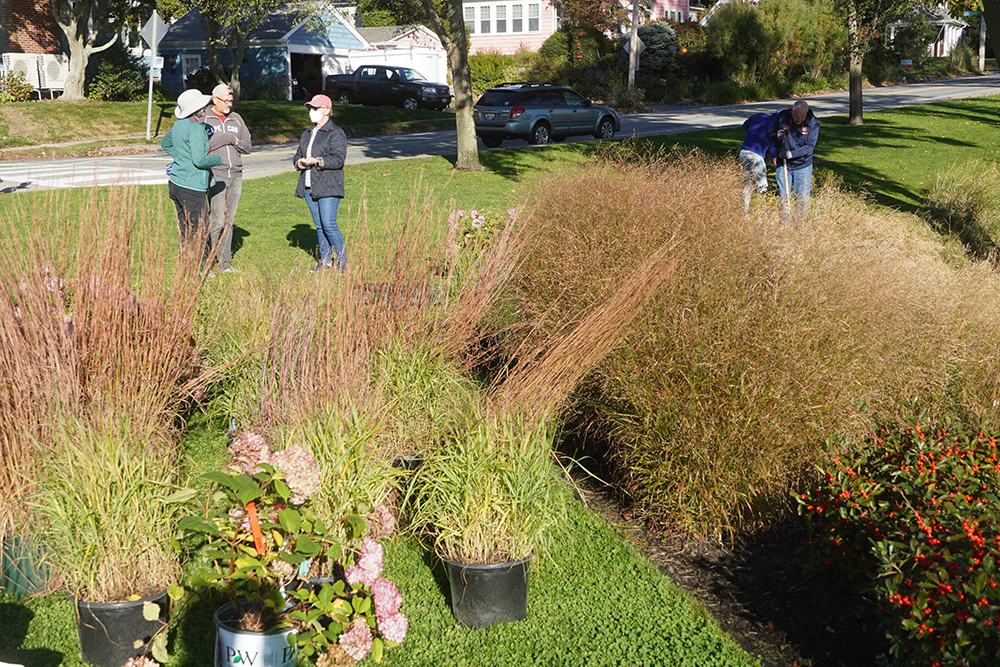
Last year Winterberry were planted in the northern curve of the park. The berries feed the birds throughout early winter and add a nice look to the edge of the park. Several of the plants did quite well while a few seemed to struggle.
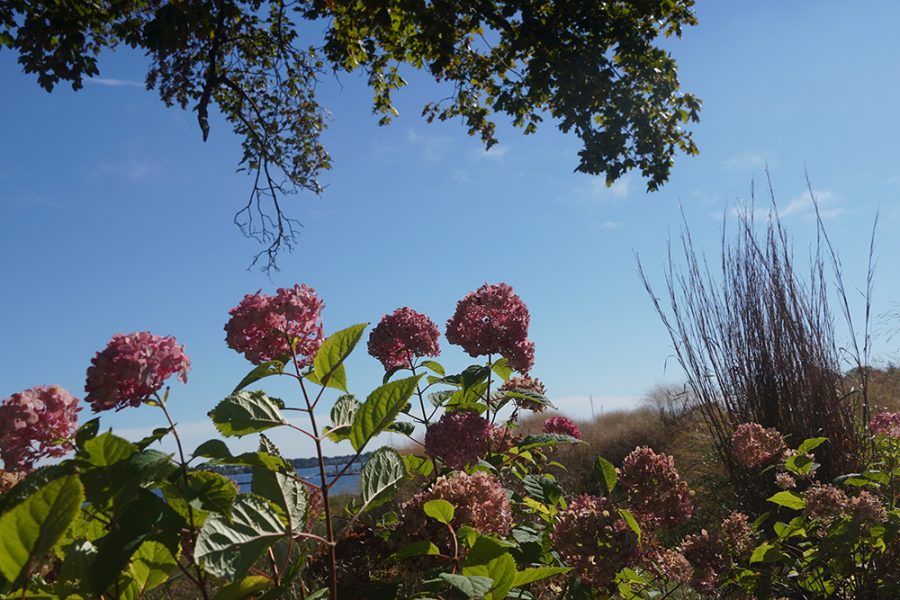
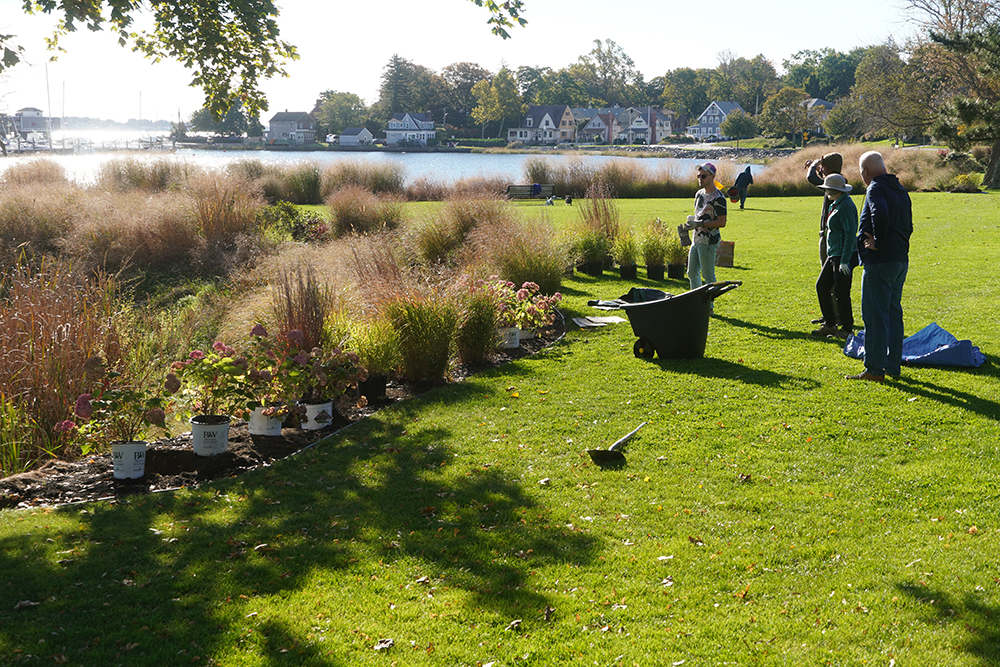
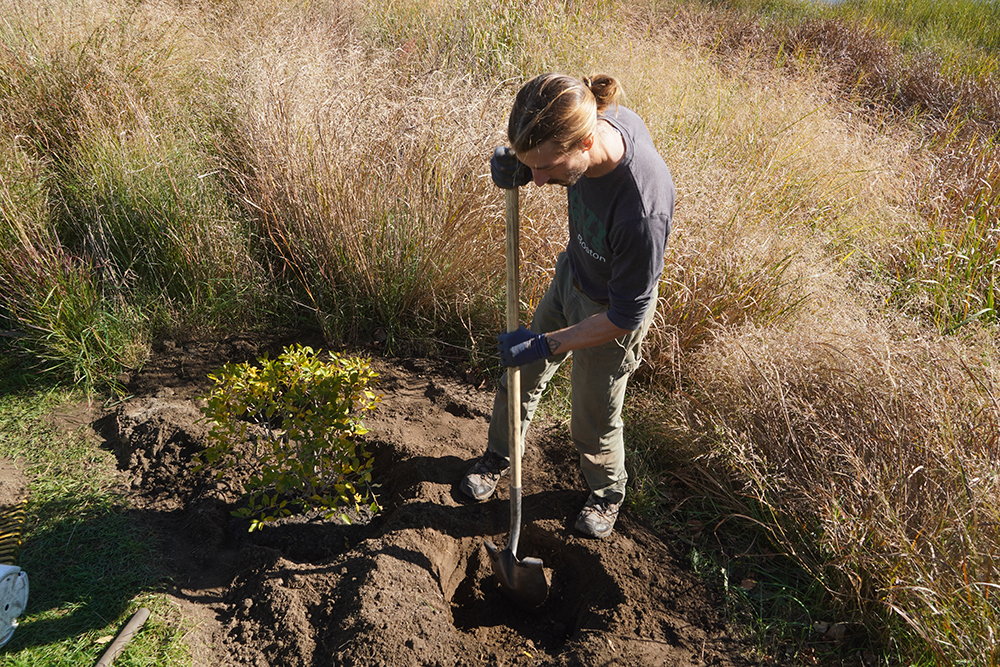
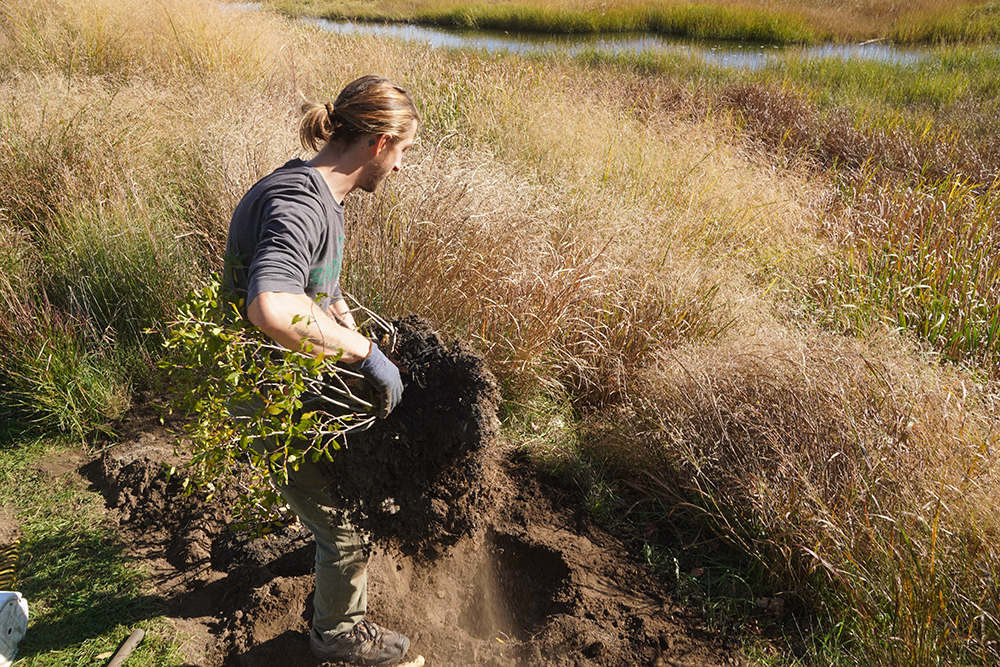
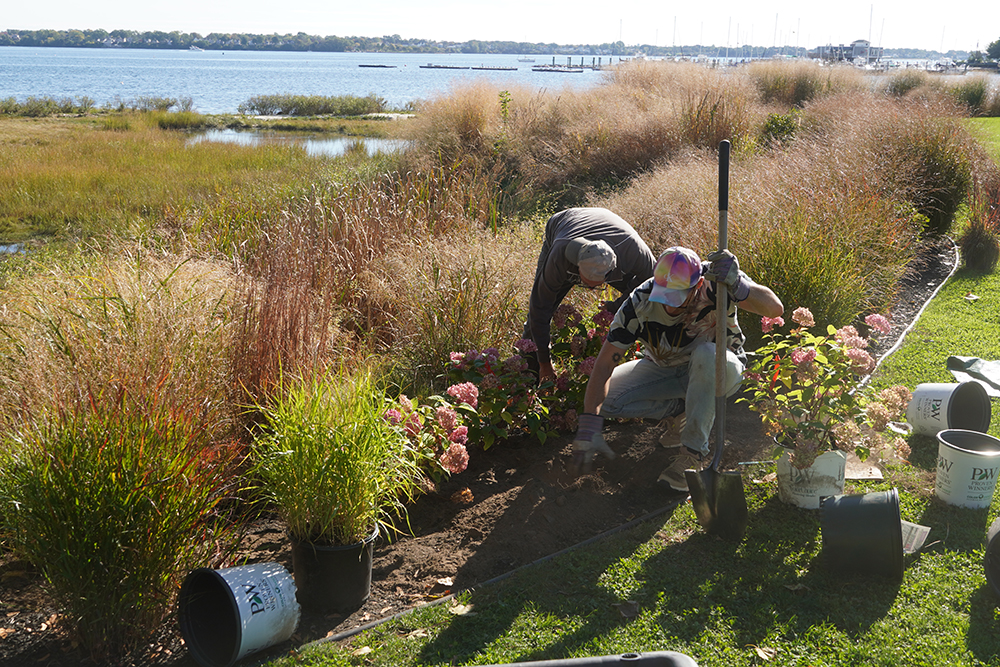
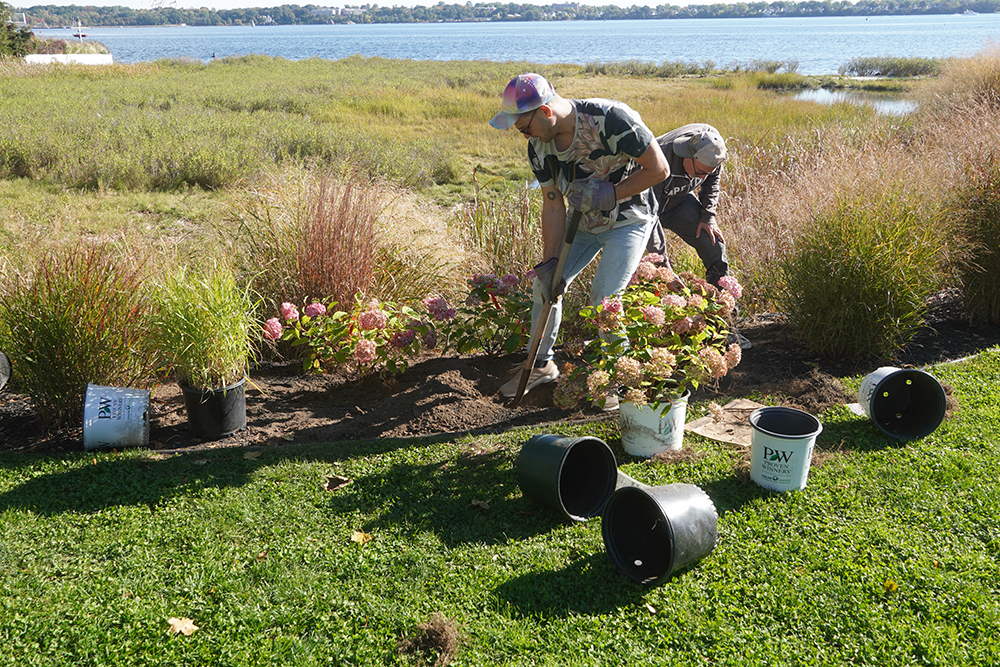
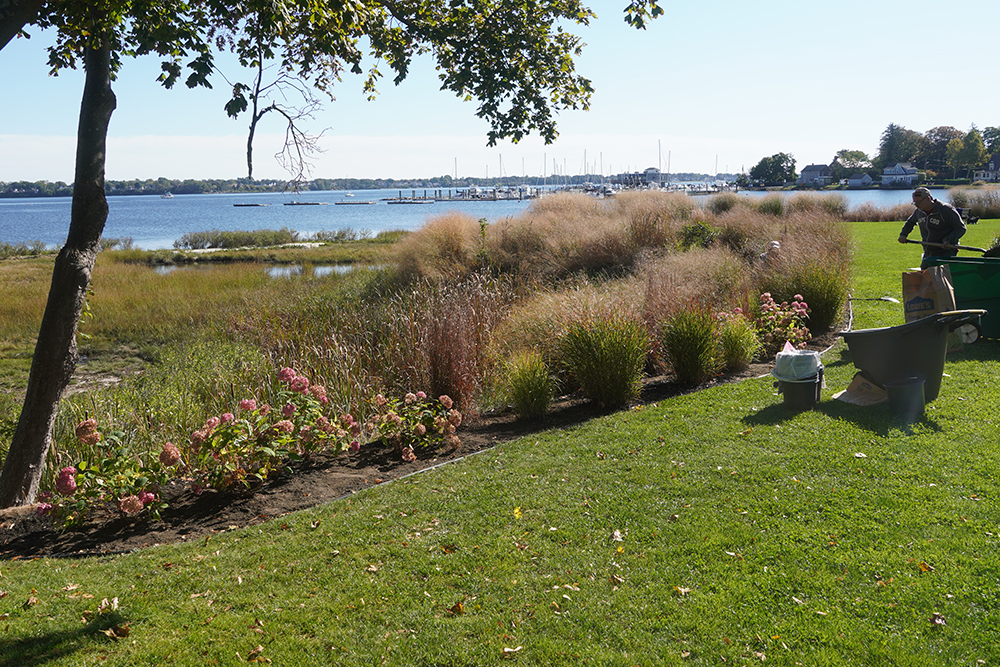
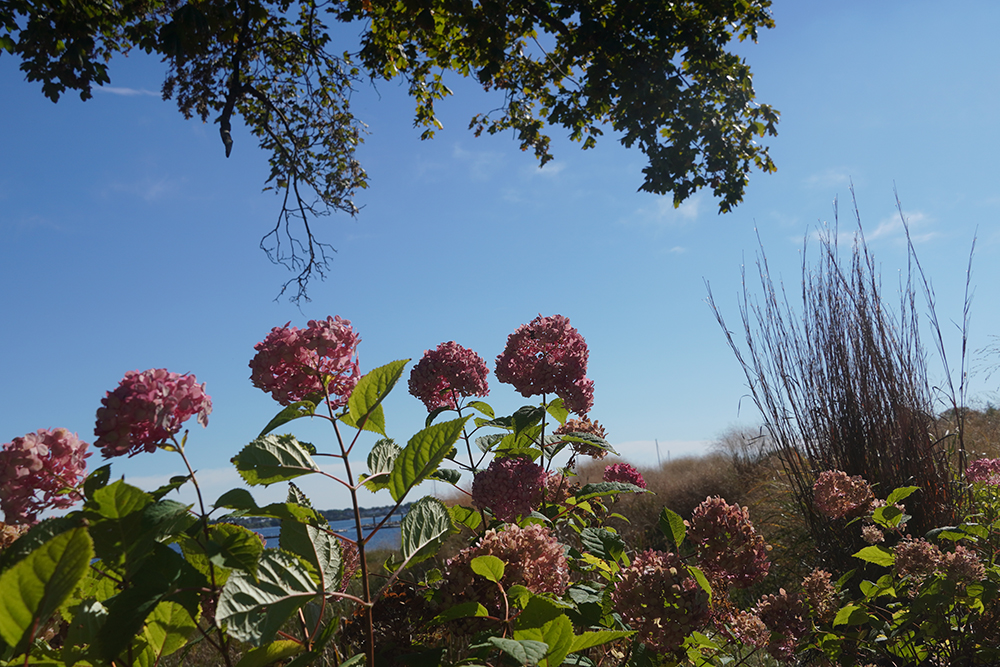
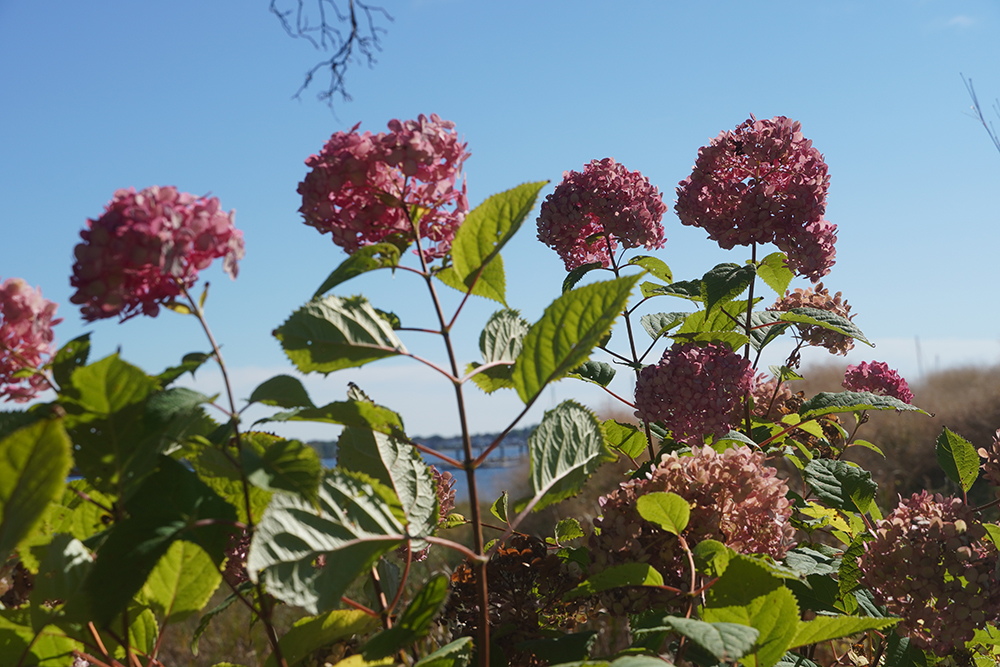
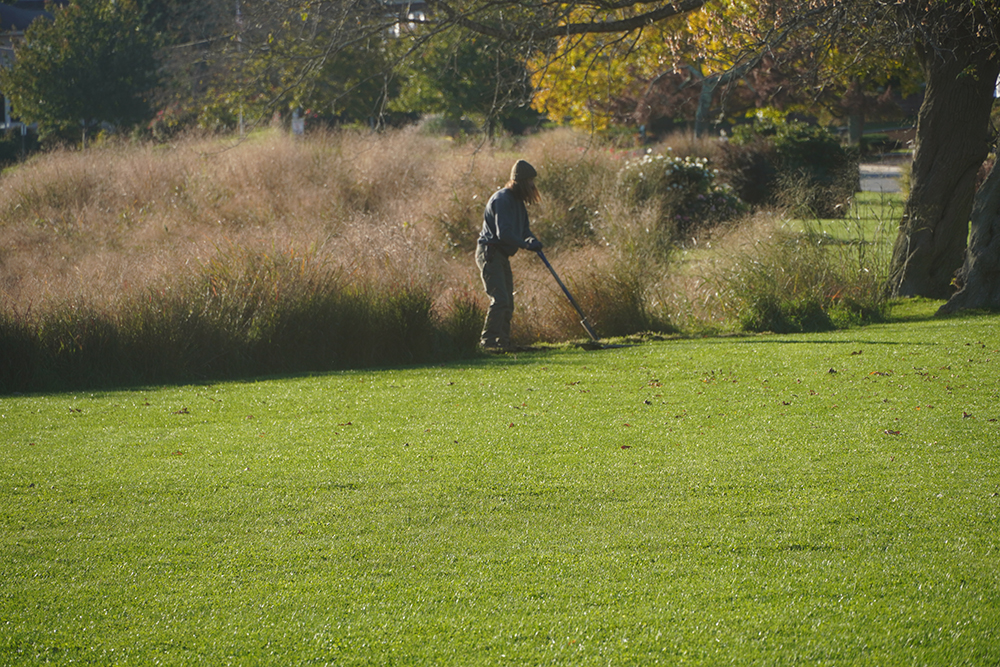
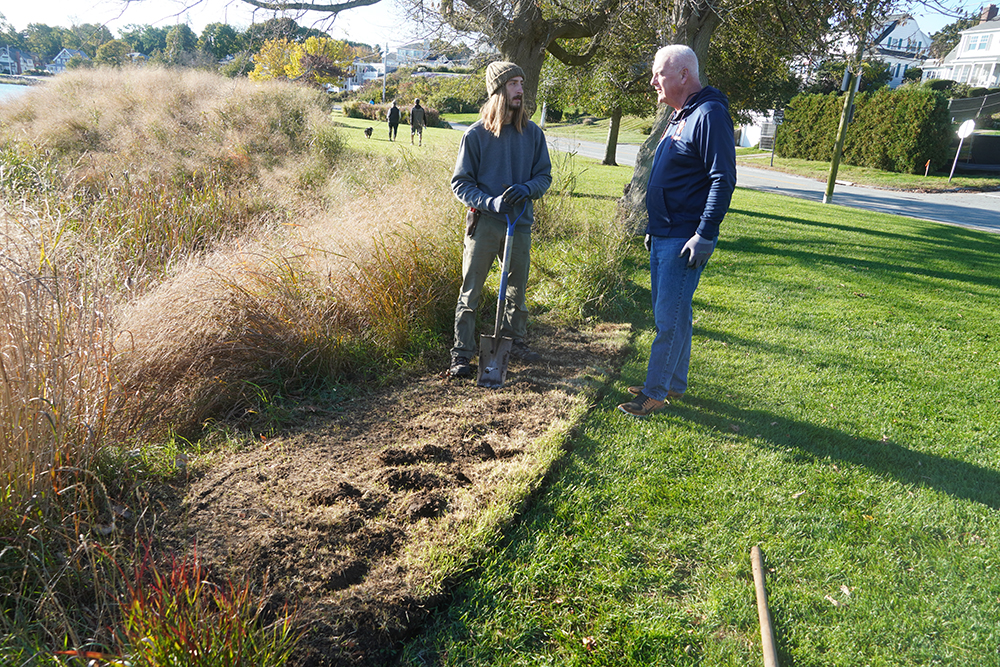
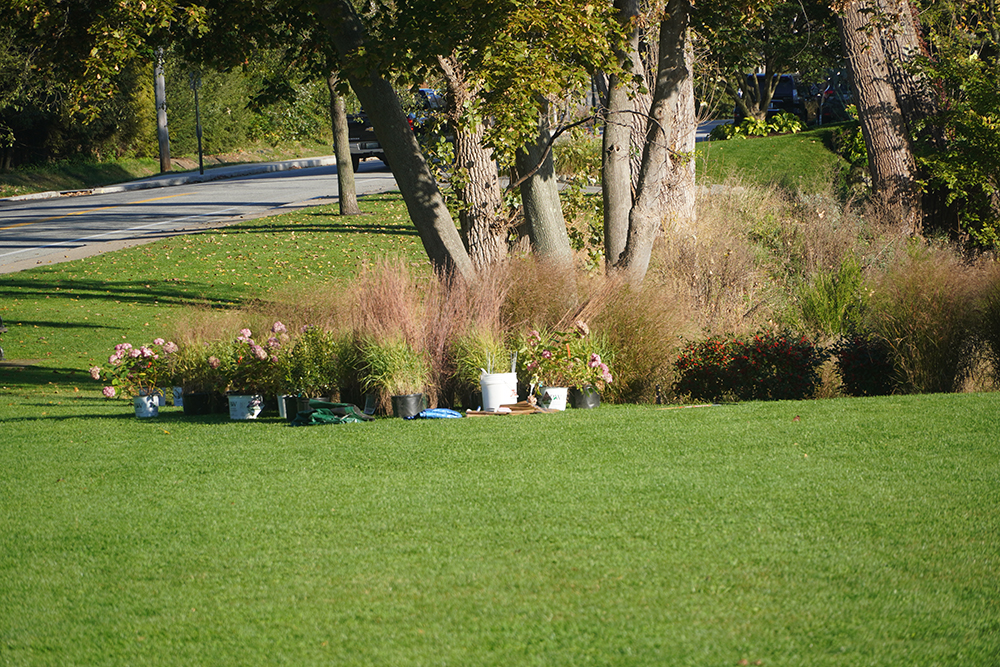
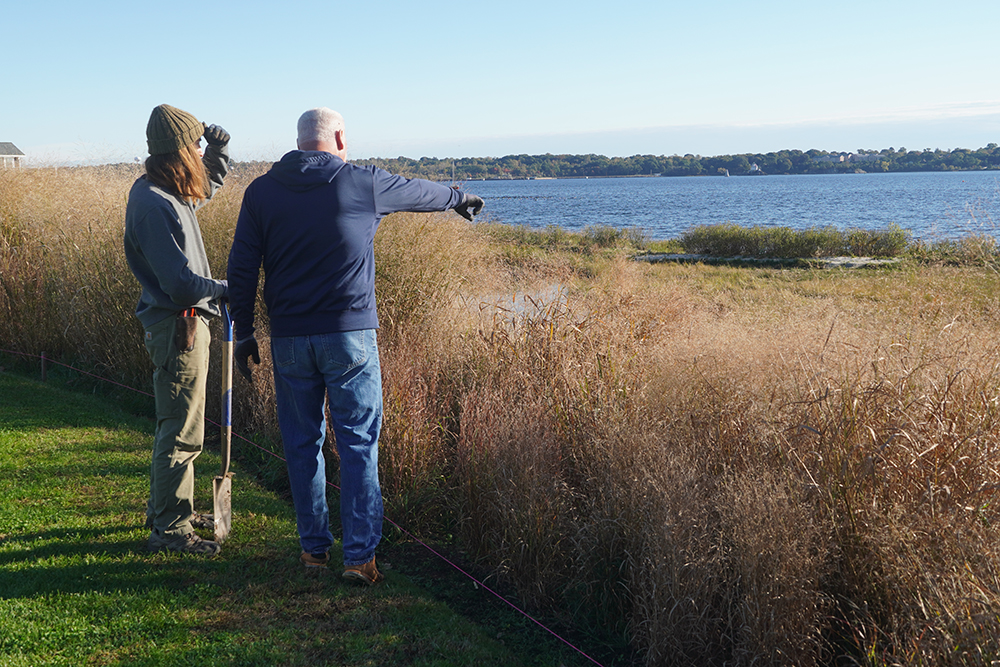
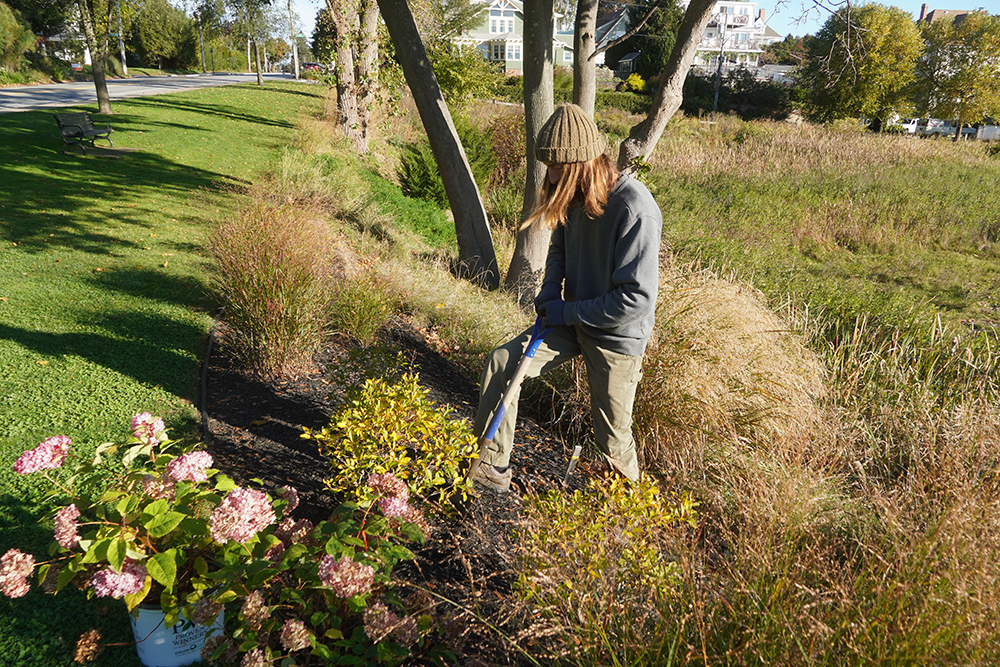
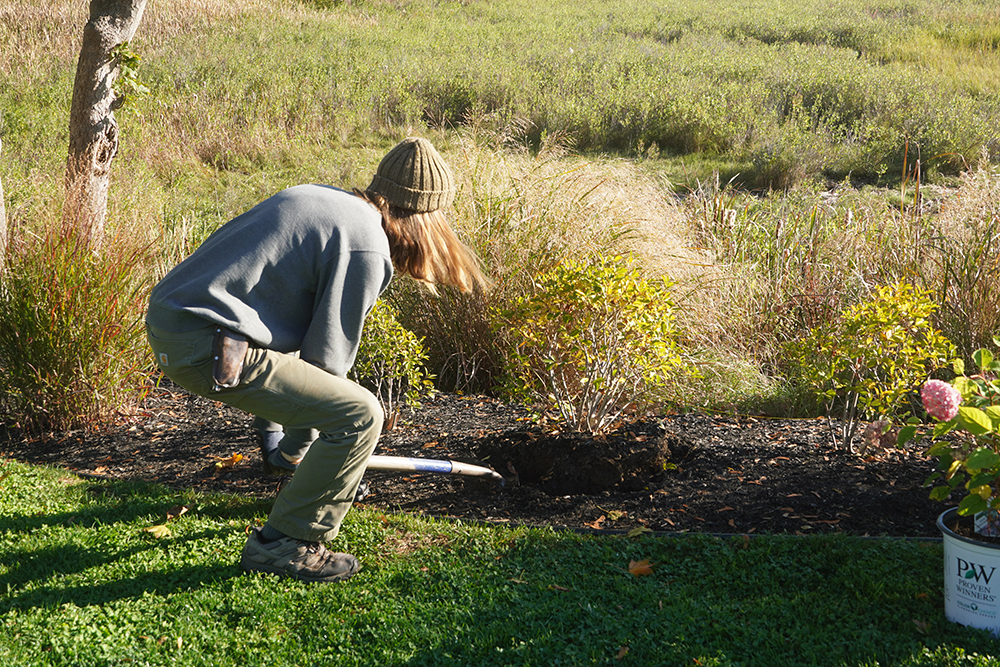
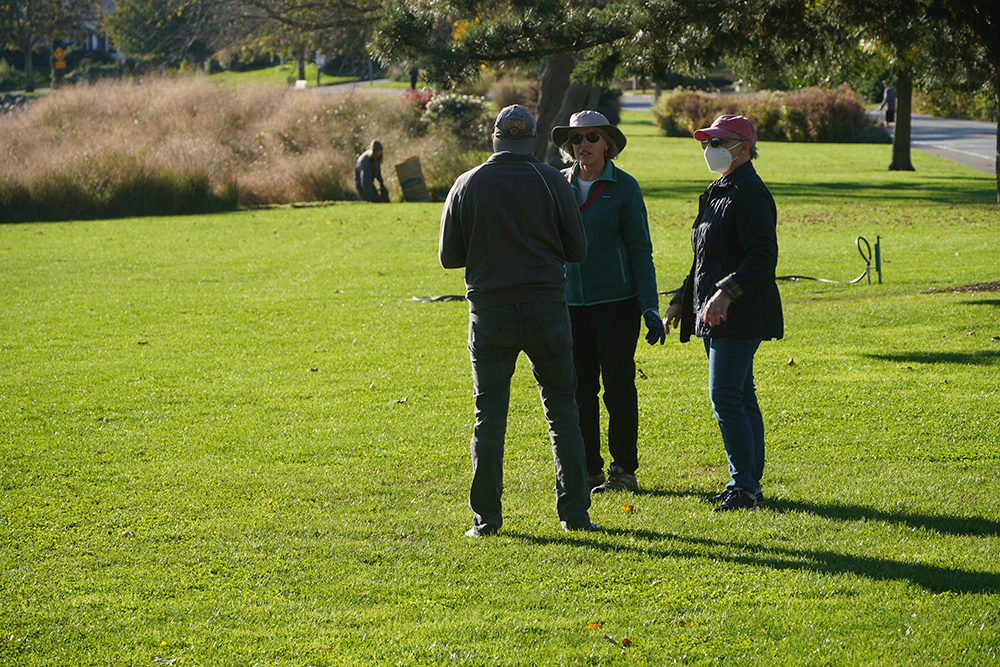
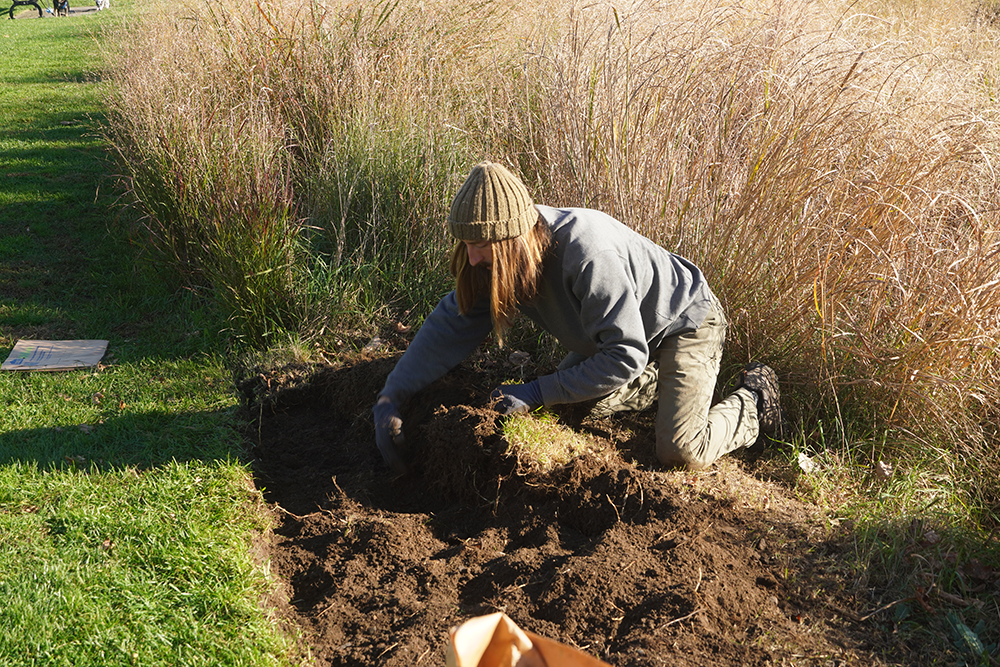
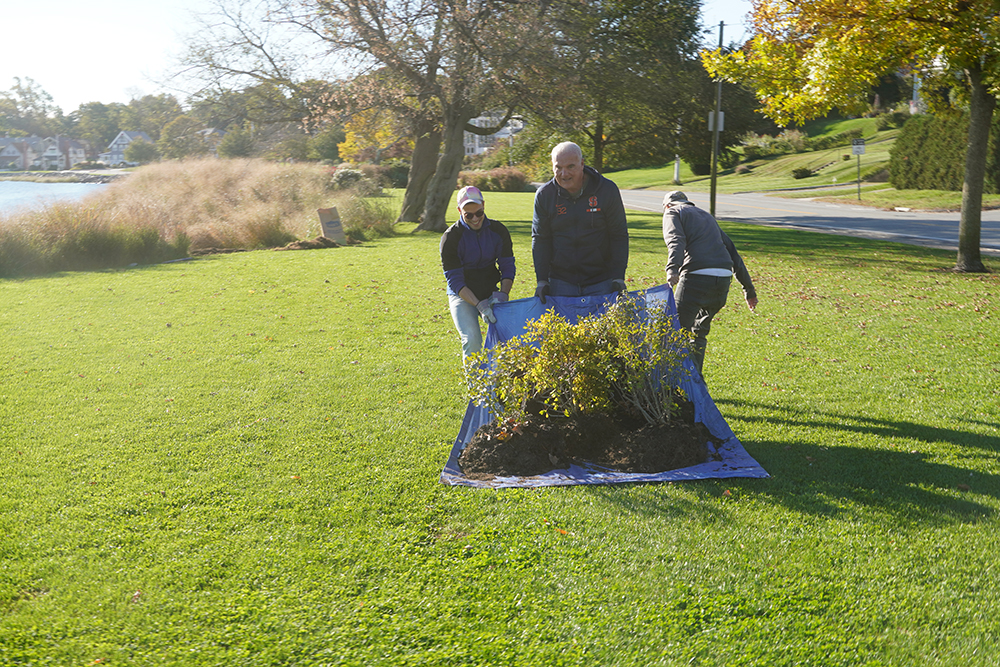
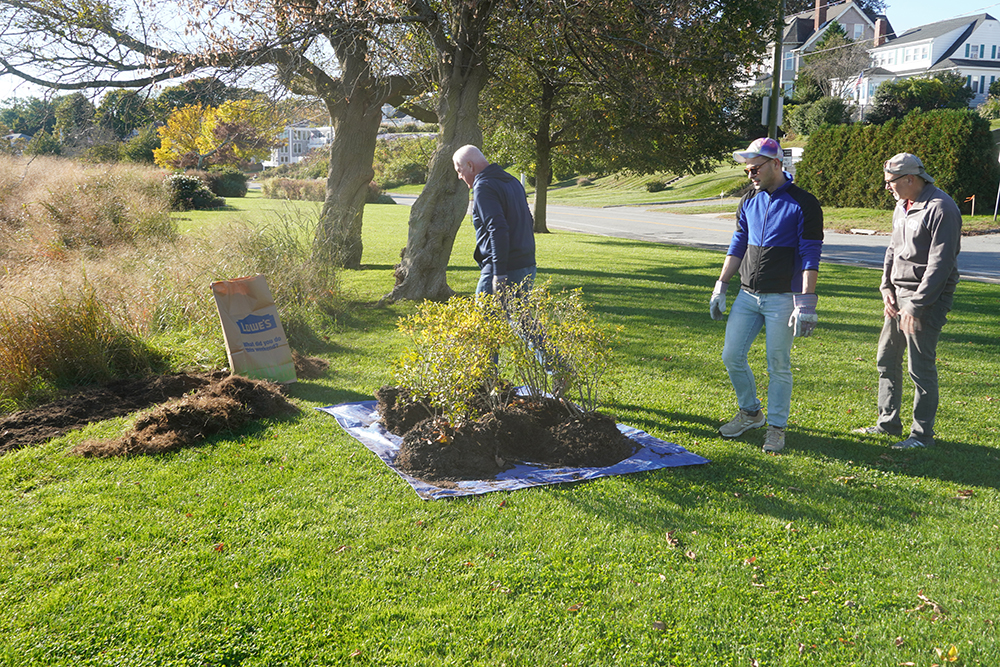
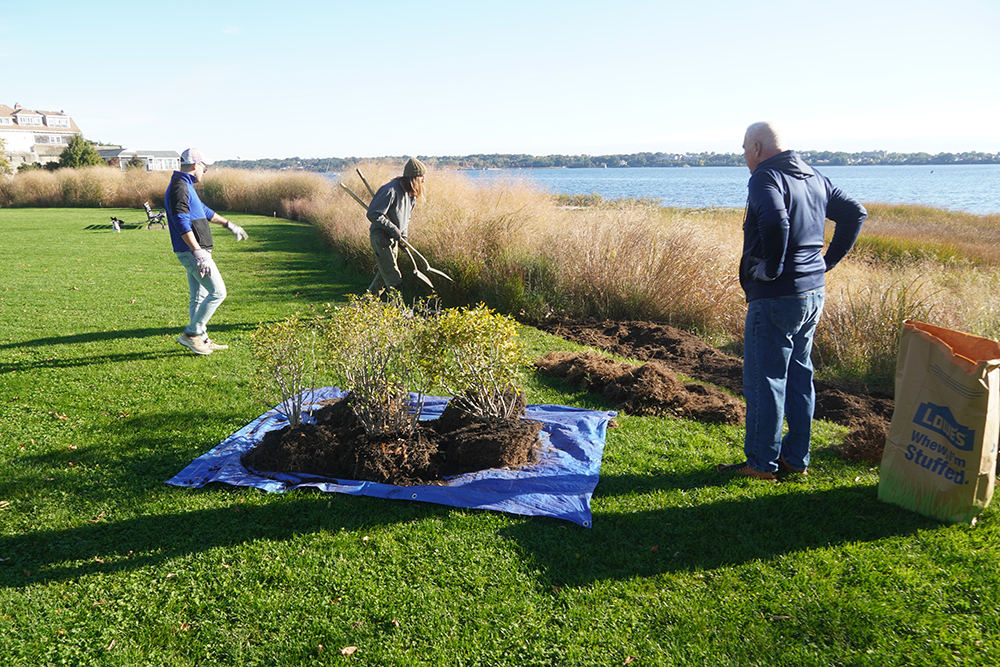
In an effort to give them a better location to thrive, we, led by Nick Cokonis, moved the winterberry to a location a with more sun and less competition for water. Where the Winterberry were removed, they were replaced by a variety of smooth hydrangea called ‘Invincibelle Ruby.’
A Better Hydrangea for Pollinators (including Bees!)
“The pollinators love these Hydrangeas” said Nick Cokonis. He continued explaining that the variety of hydrangea chosen to replace the spots where the Winterberry were have reproductive organs and nectar available. Most commercial hydrangea are cultivated to lose the nectar and reproductive organs so they won’t produce nectar or pollen. In these commercial plants, the sterile flowers can be four times the size, making them thirstier.
Asphalt: The Nasty Gift that Keeps on Giving
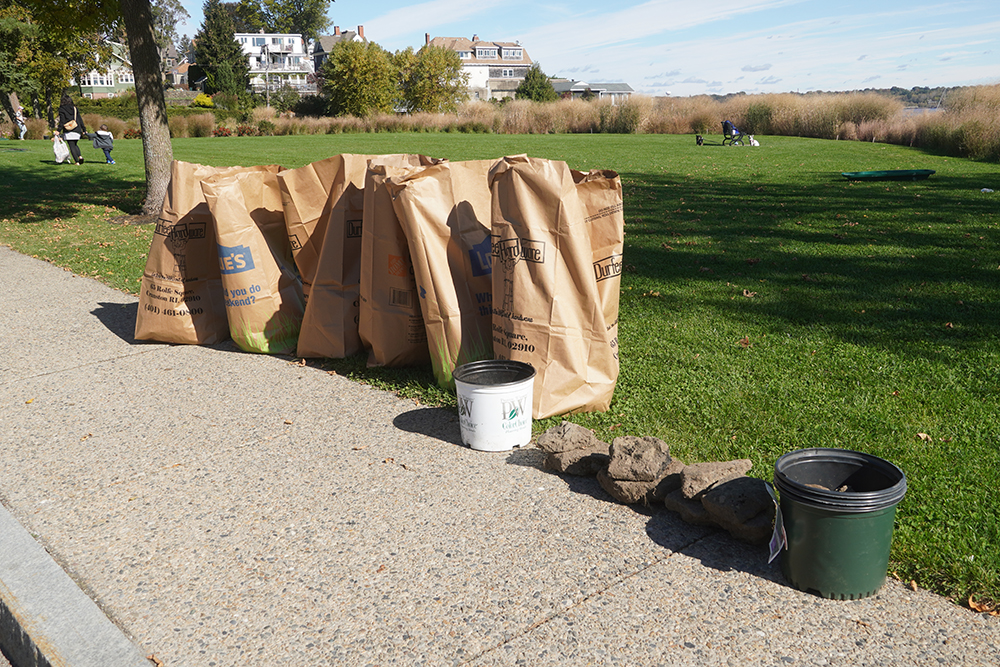
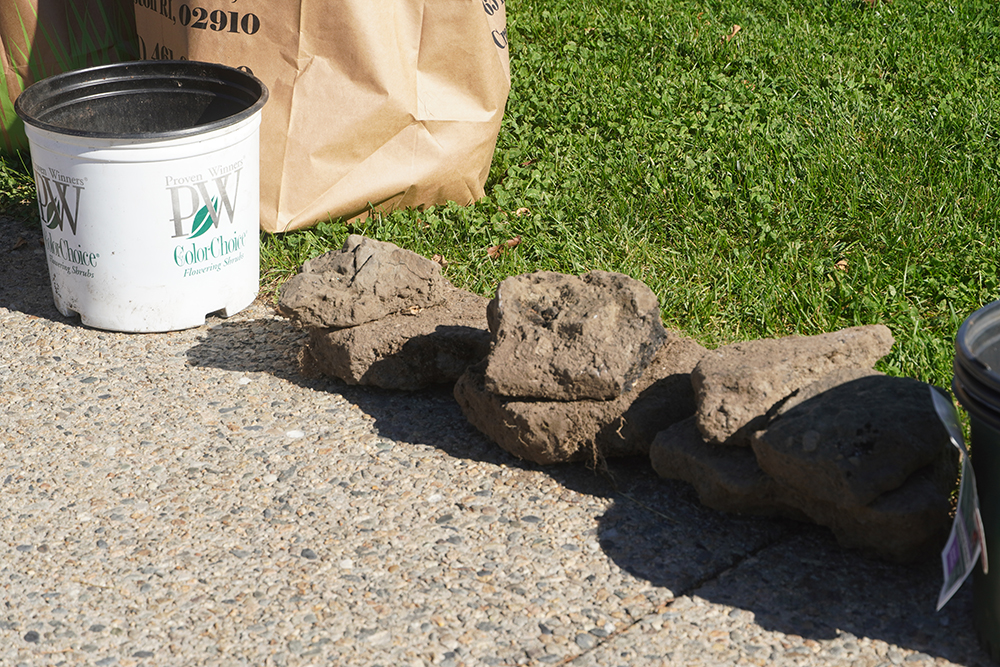
The slow release of petroleum from asphalt dumped on the site years ago is the nasty gift that keeps on giving. While preparing beds, the crew took the time to remove as much of the tar that they could find.
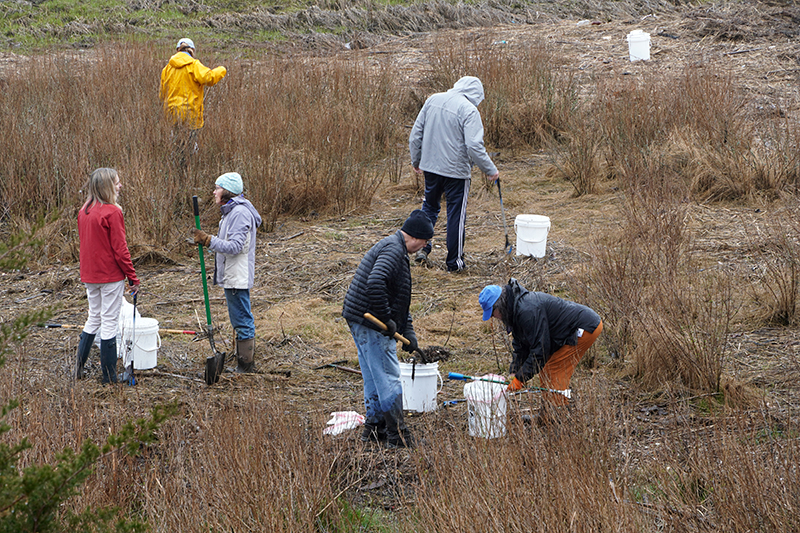
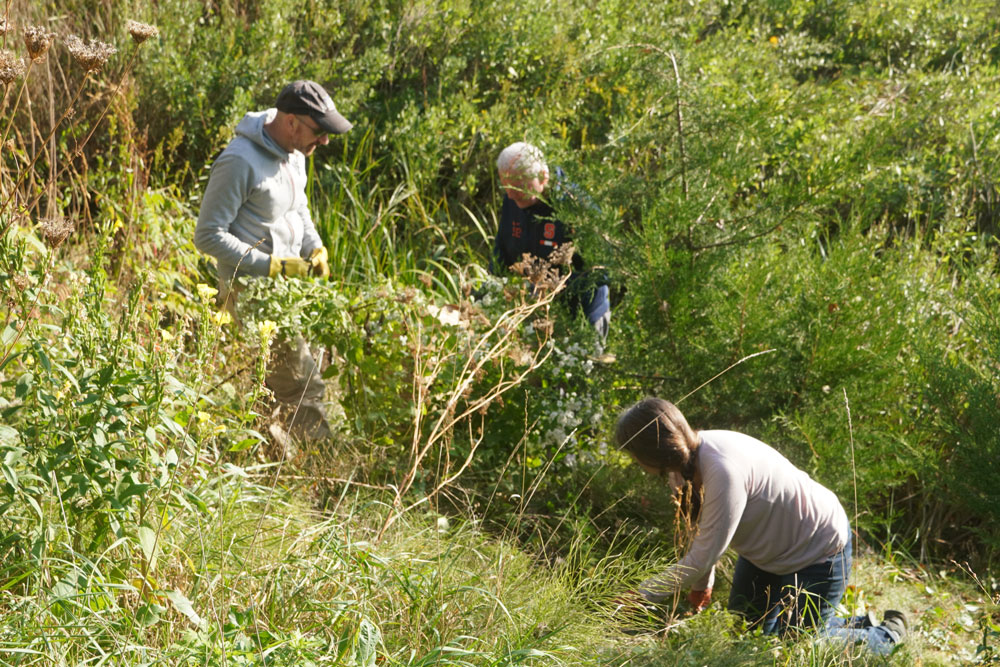
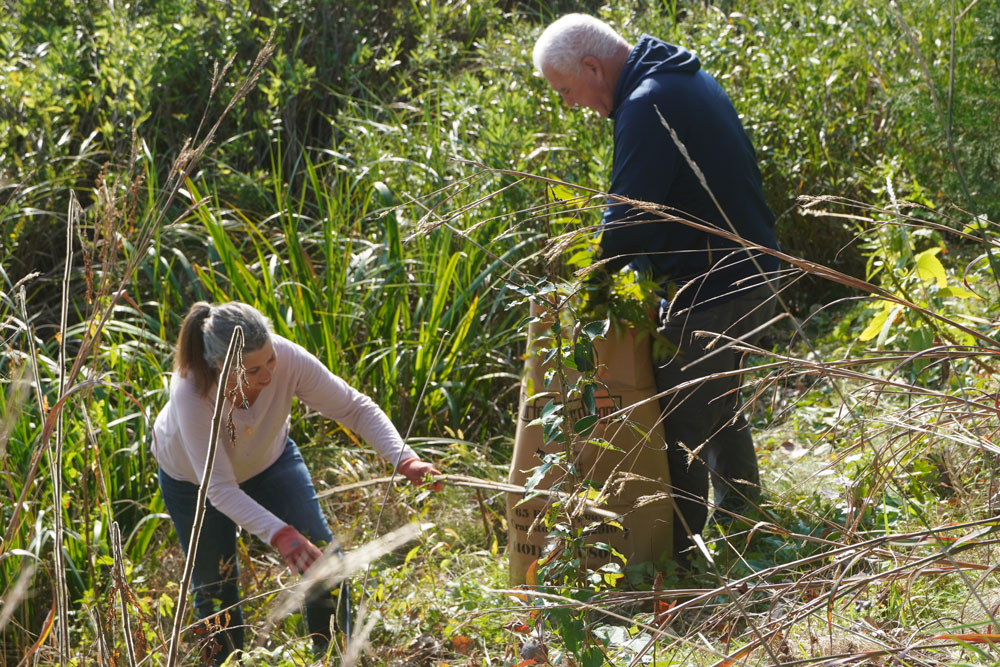
On Saturday, October 2, 2021 Board Members from the EWPA worked in the early morning sun to remove invasive growth from the cove. This removal, done once per year, allows the naturally occurring growth room to thrive. The removal included a surprising number of young “pear” trees, that, according to understanding, are a variety that never actually produce pears!!
Board Members Lynn, Richard and Joe deep in the marsh removing invasive growth Board President Barbara applying solution to invasive to inhibit regrowth. Board Members Lynn and Joe removing invasive growth from the cove.
EWPA has hosted this local historic and art project. Donating on this page supports continued maintenance of the site. If you would like to donate to support the work of EWPA please visit http://stillhousecove.org/donate/
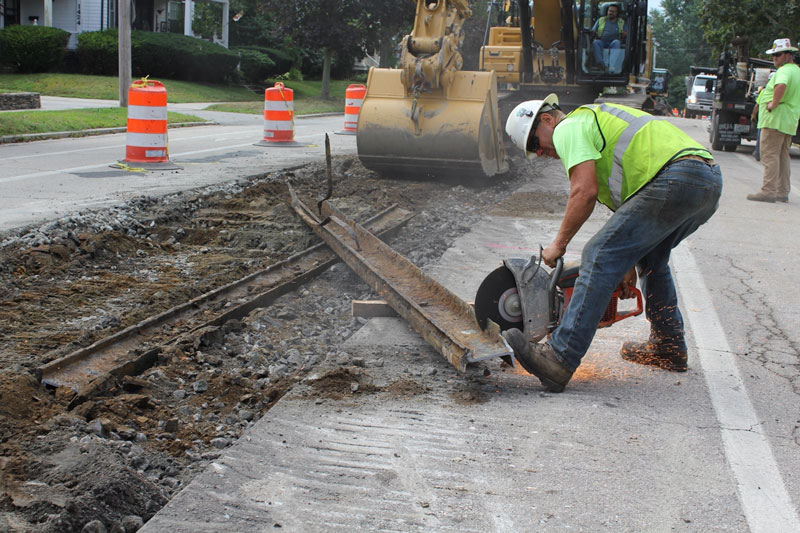
2017 Removal of tracks from Narragansett Blvd.
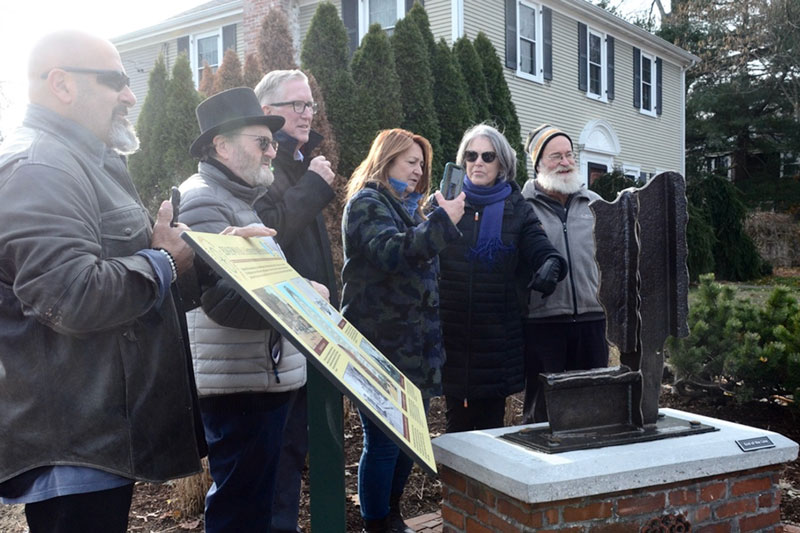
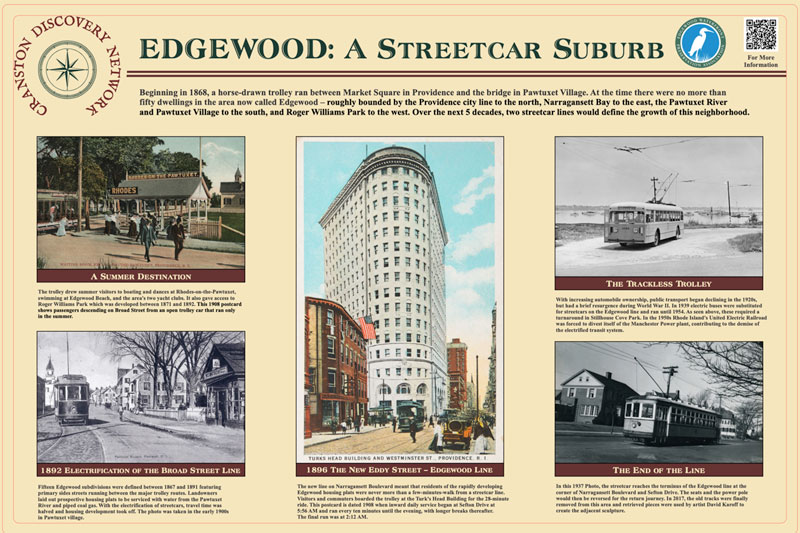
The sculpture and historic marker at the corner of Narragansett Boulevard and Sefton Drive stand at the precise terminus of the former ‘Eddy Street – Edgewood’ streetcar line. The site commemorates the 1890s trolley routes that transformed Edgewood from farmland and recreation area into the neighborhood we know today.
After Filmmaker David A. Goldenberg witnessed the removal of the rails from the Boulevard in 2017, he retrieved some pieces and asked sculptor David Karoff to weld them into a monument. Then, using a myriad of archival sources, Goldenberg produced a documentary film: End of the Line: The Tracks That Shaped Our RI Streetcar Suburb. In the documentary, local voice-over artists recreated period descriptions of the routes that traversed our neighborhood, as well as accident reports, realty advertisements, and transport procedures. A link to the film is provided below.
It was critical to connect the project with the waterfront and public park in a site sensitive manner and the Edgewood Waterfront Preservation Association (EWPA) partnered with Goldenberg and Karoff on the promotion, siting, design, and landscaping of the “End of The Line” project and played a key role in completing it. As with all its preservation efforts, the EWPA also coordinated with the City of Cranston and local representatives. EWPA also provided the funding, with some help from donors, to complete the project. The site is located next to another EWPA project – the Stormwater Bioretention Area.
The unveiling of the Trolley Site on December 4, 2022.
Mason Dennis Conte built the base and created the brick surround. Community members supported the project with materials and financial contributions.
The sculpture, made from rails from the former trolley line, is an interesting historical artifact that brings together art and history along a busy promenade within sight of historic Stillhouse Cove. This effort was consistent with EWPA’s mission to educate the community and to protect and preserve publicly-owned property within the waterfront area.
The “END OF THE LINE” historic marker
Please send your tax-deductible contributions to EWPA (Edgewood Waterfront Preservation Association) 1438 Narragansett Blvd. Cranston RI 02905 and mark checks “trolley memorial” or select the link below
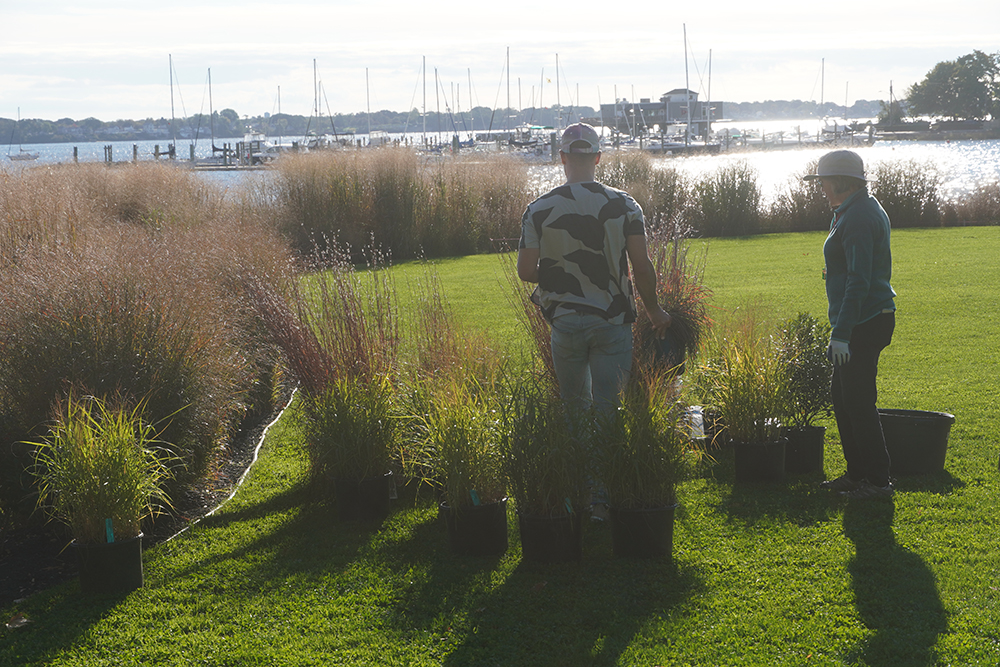
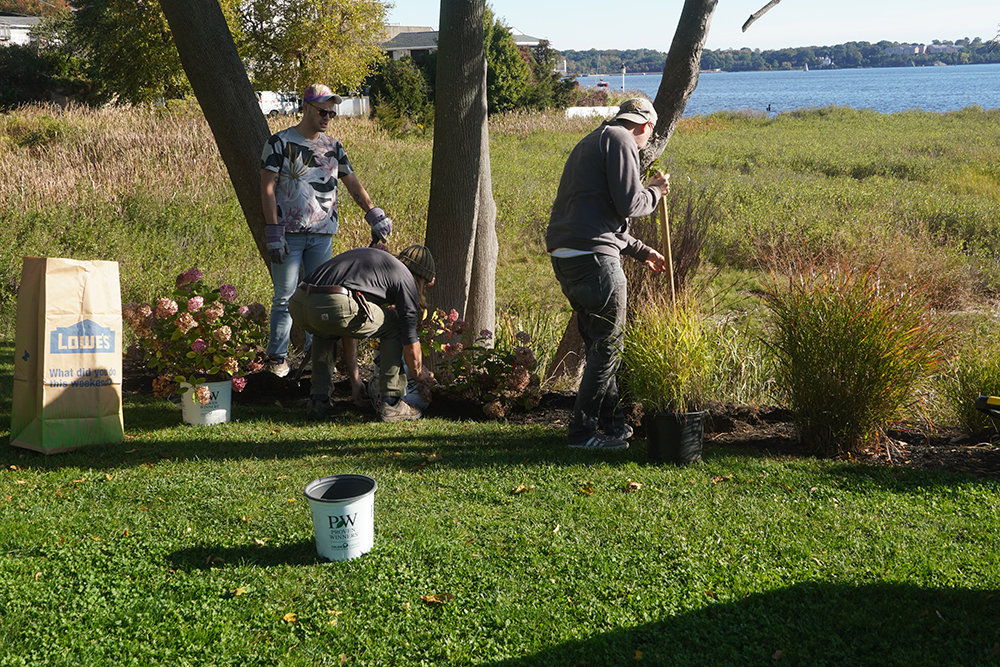
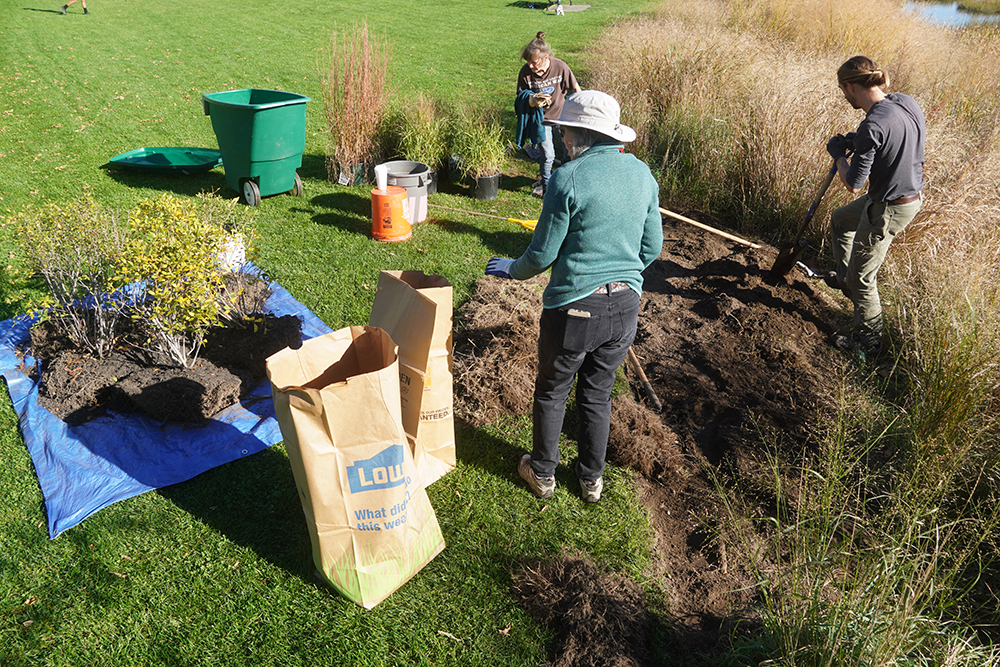
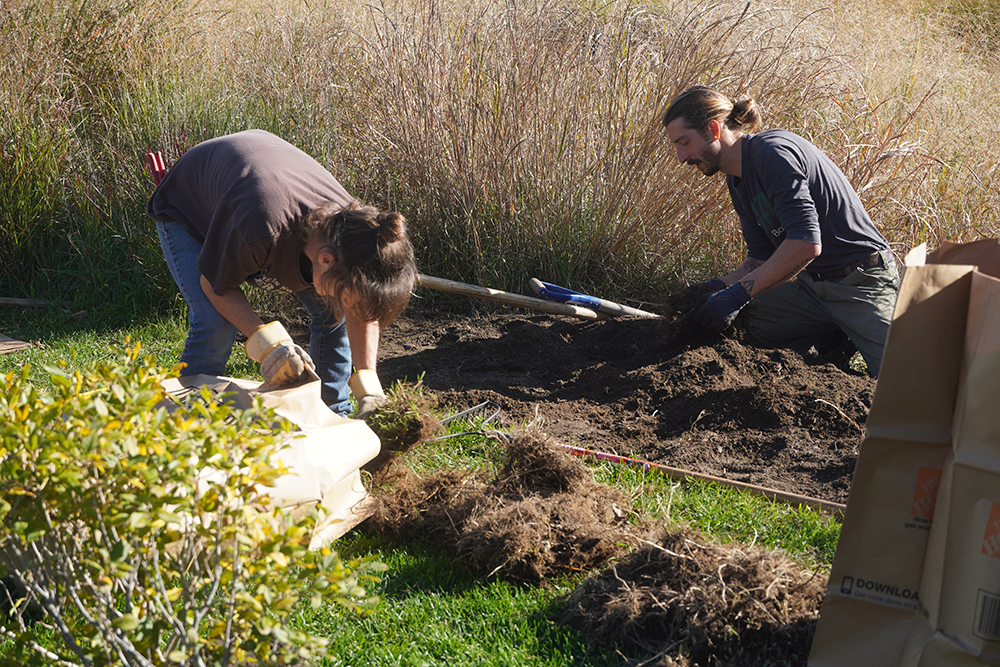
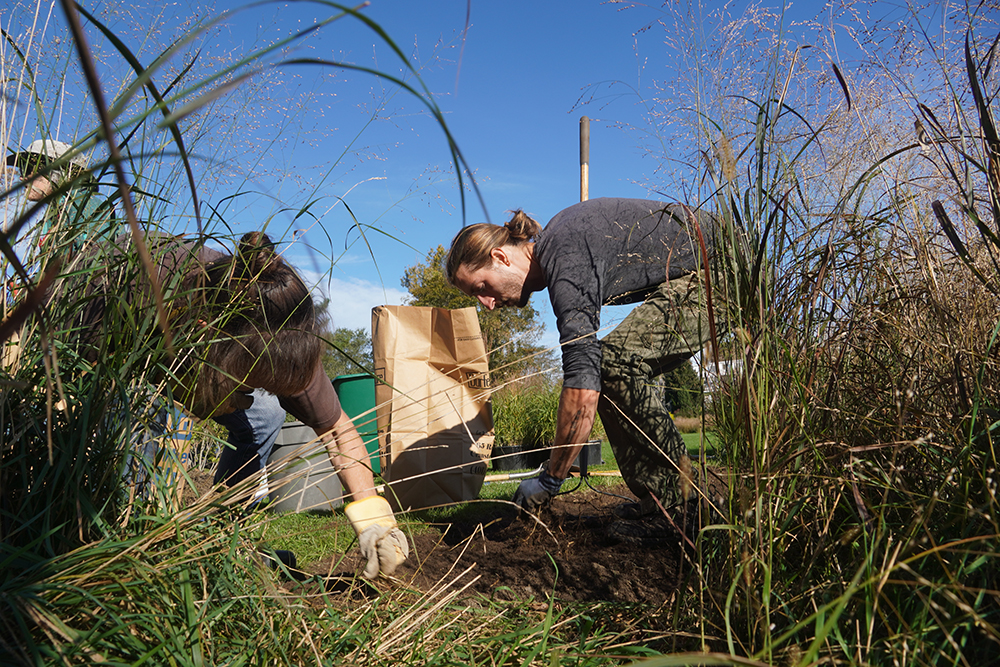
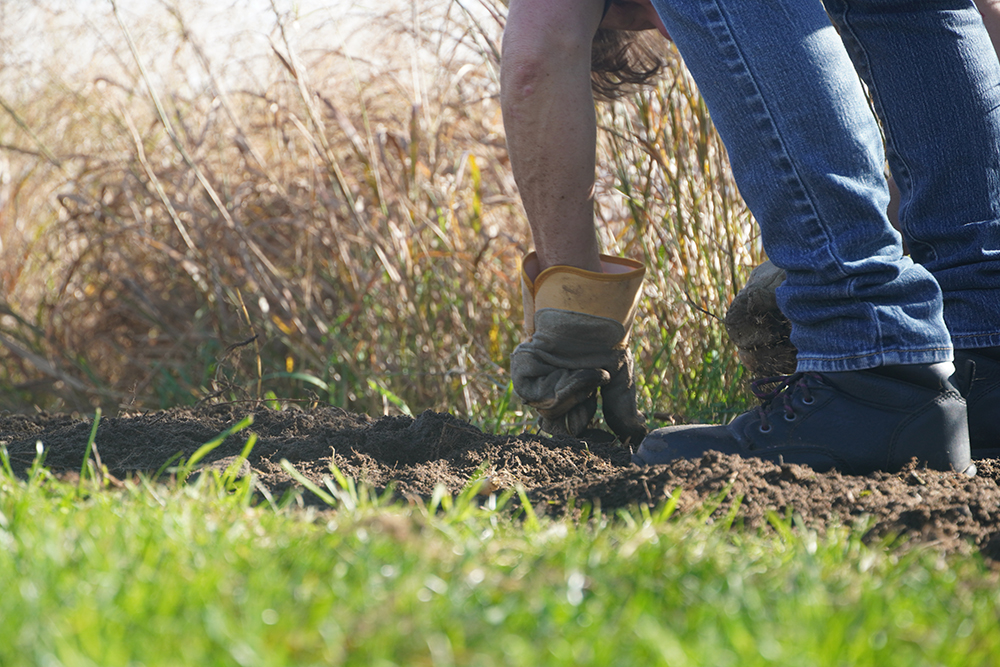
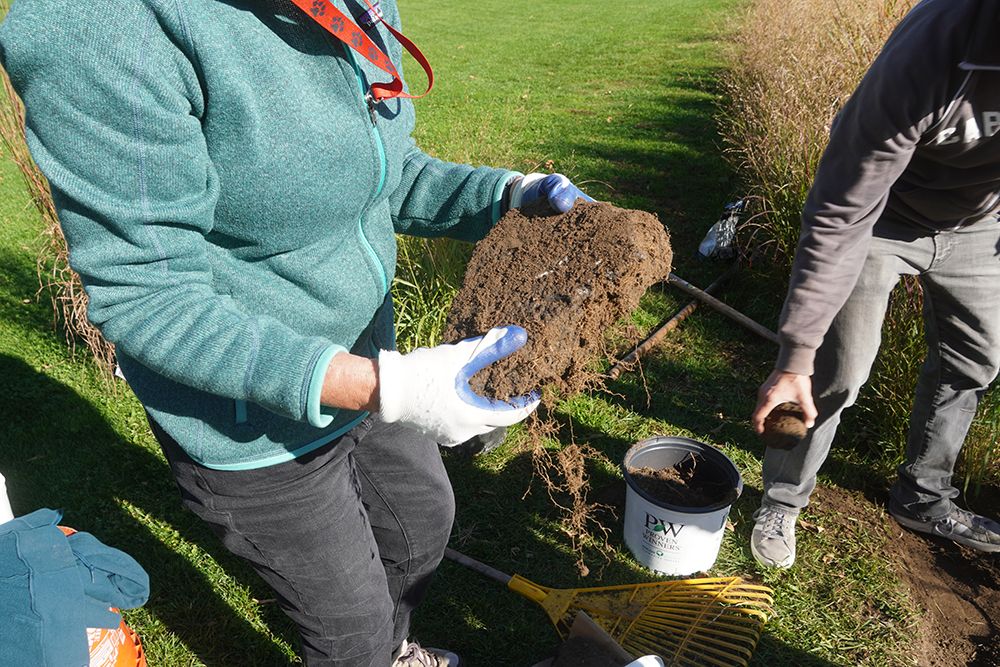
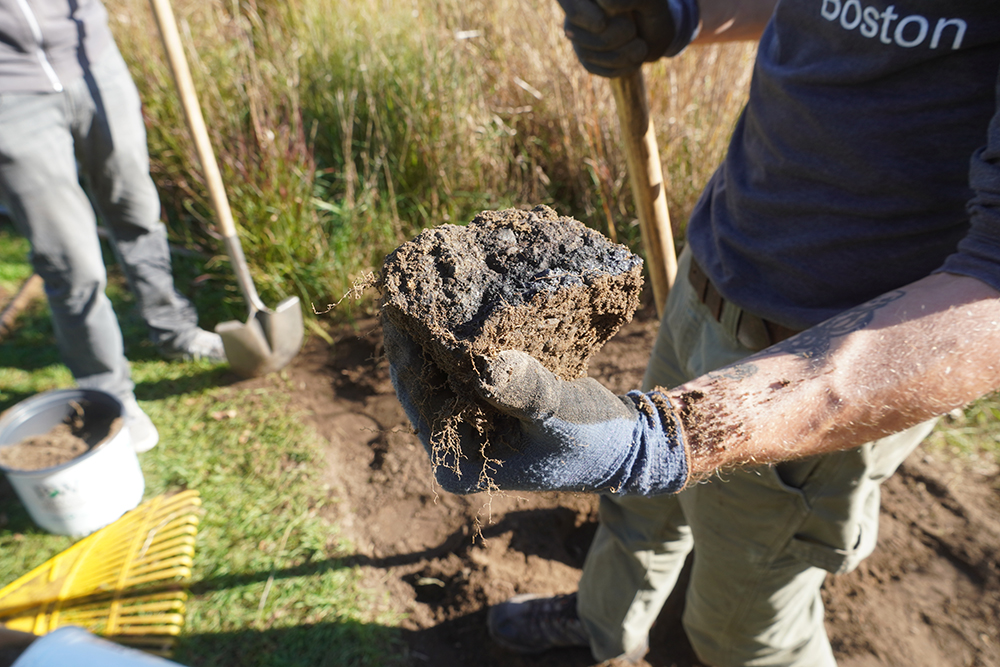
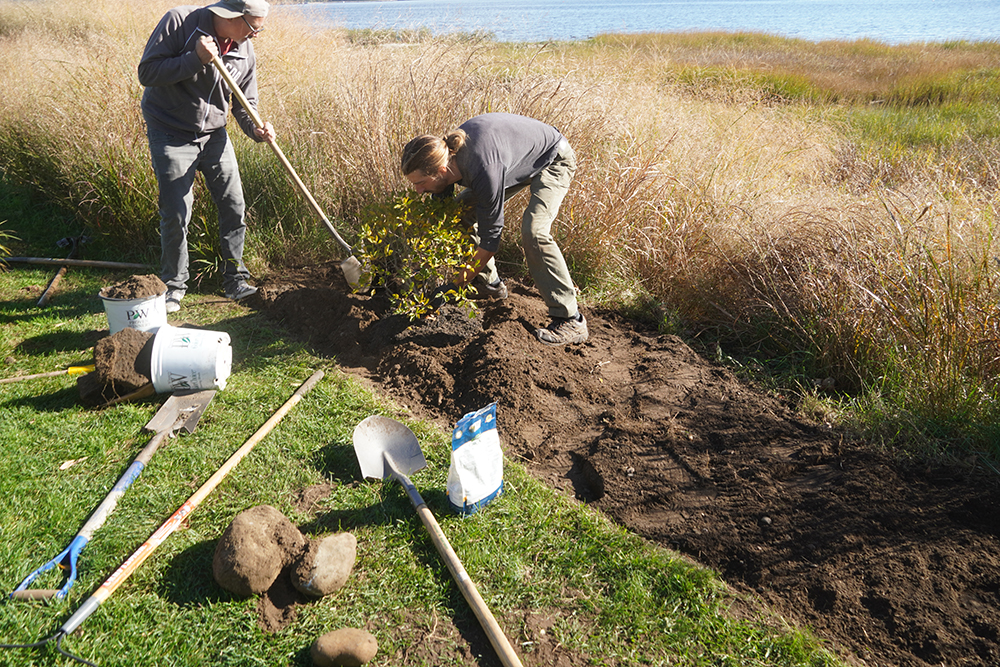
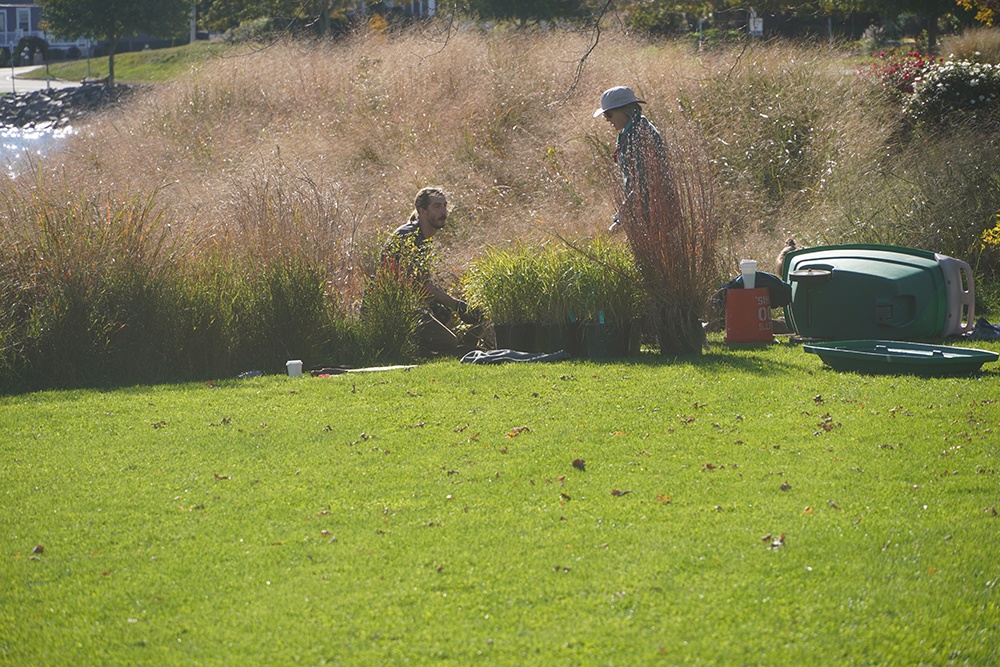
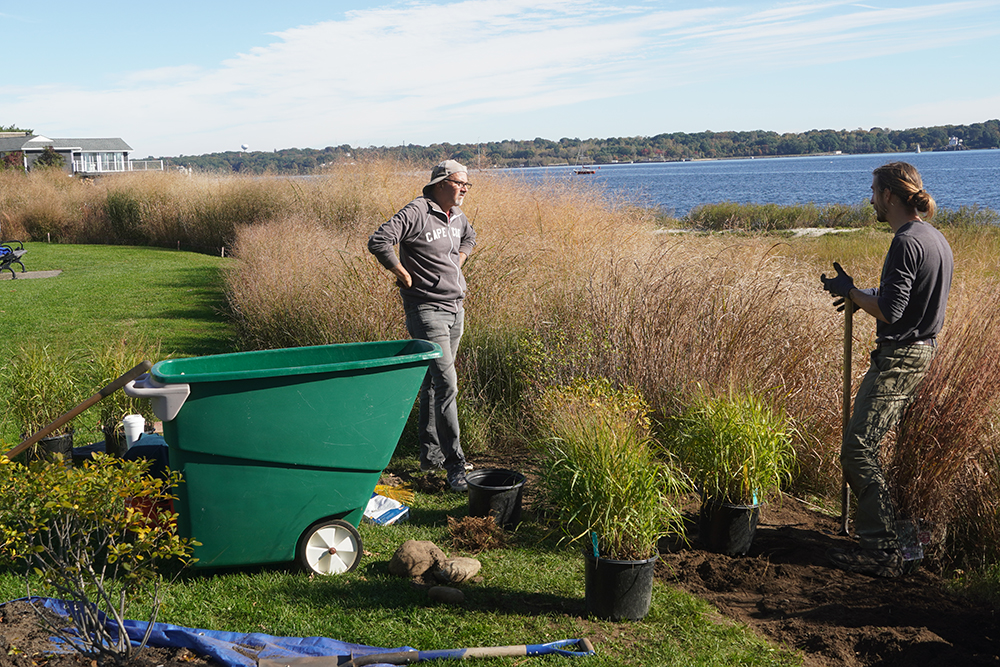
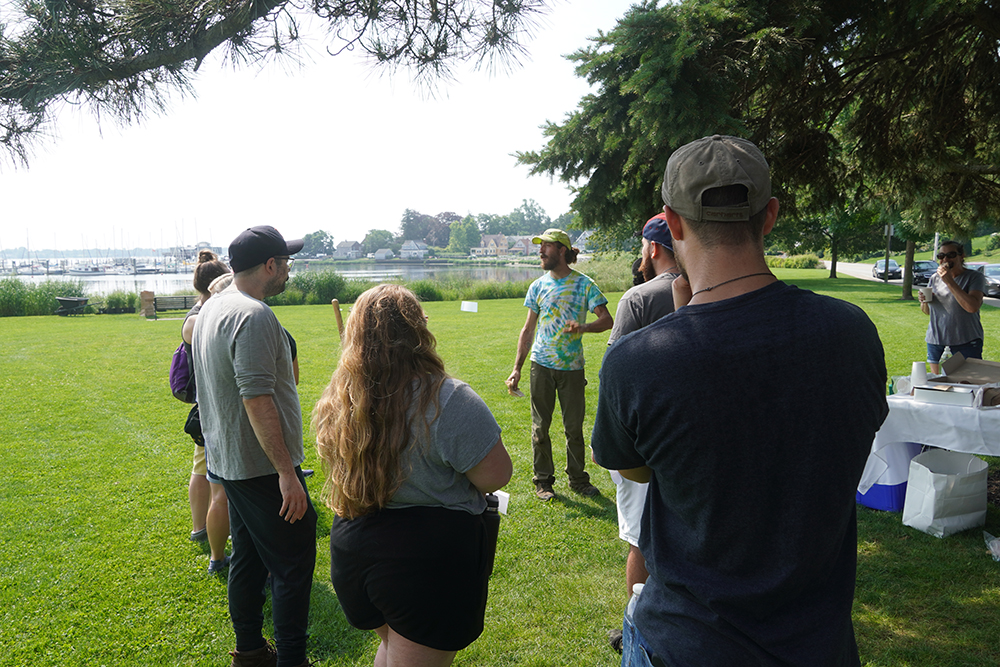
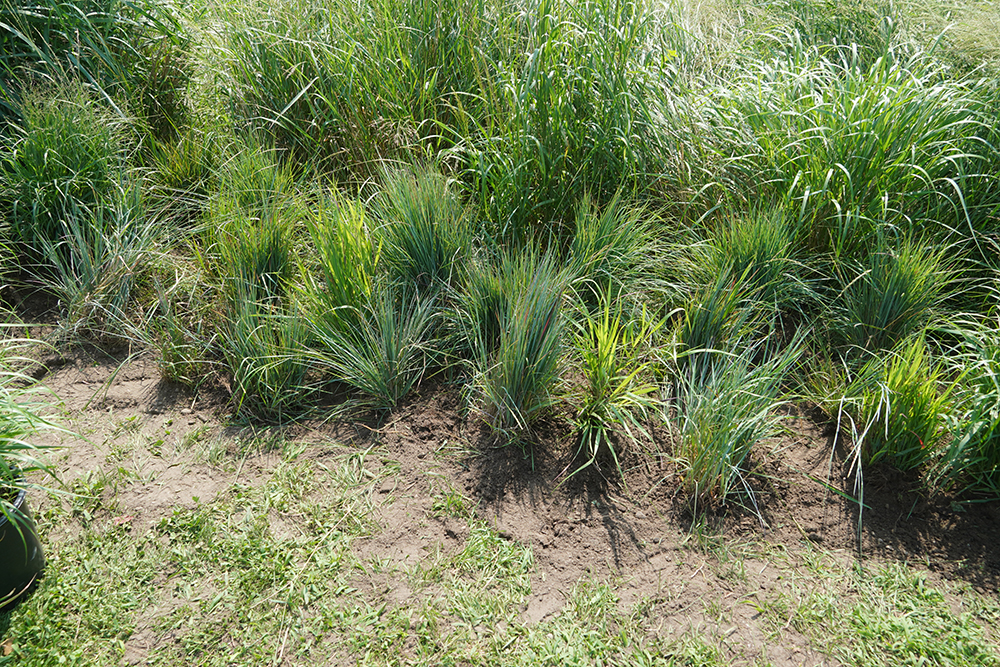
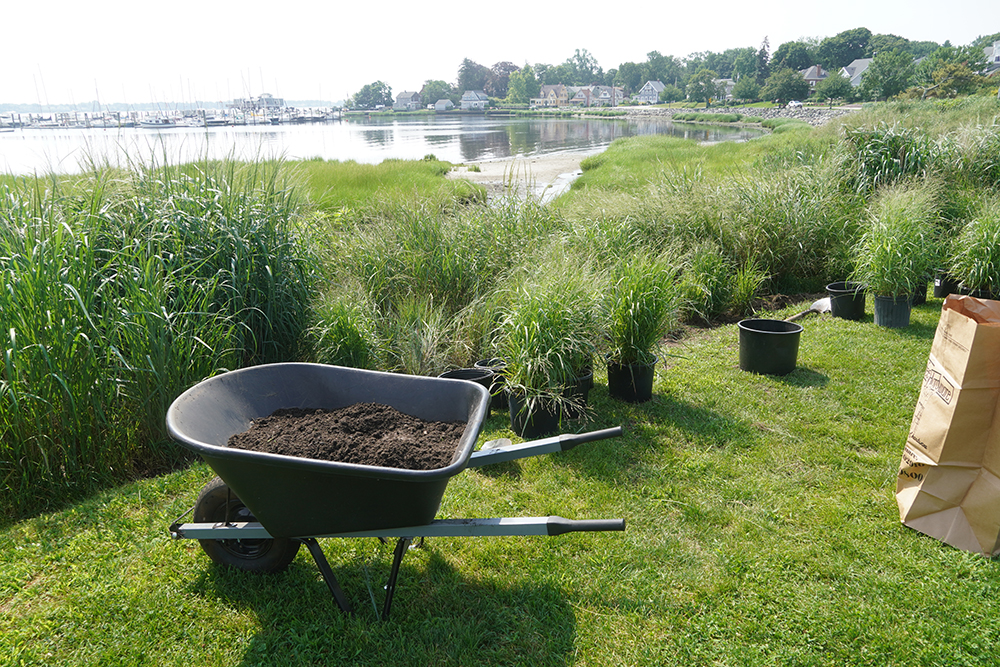
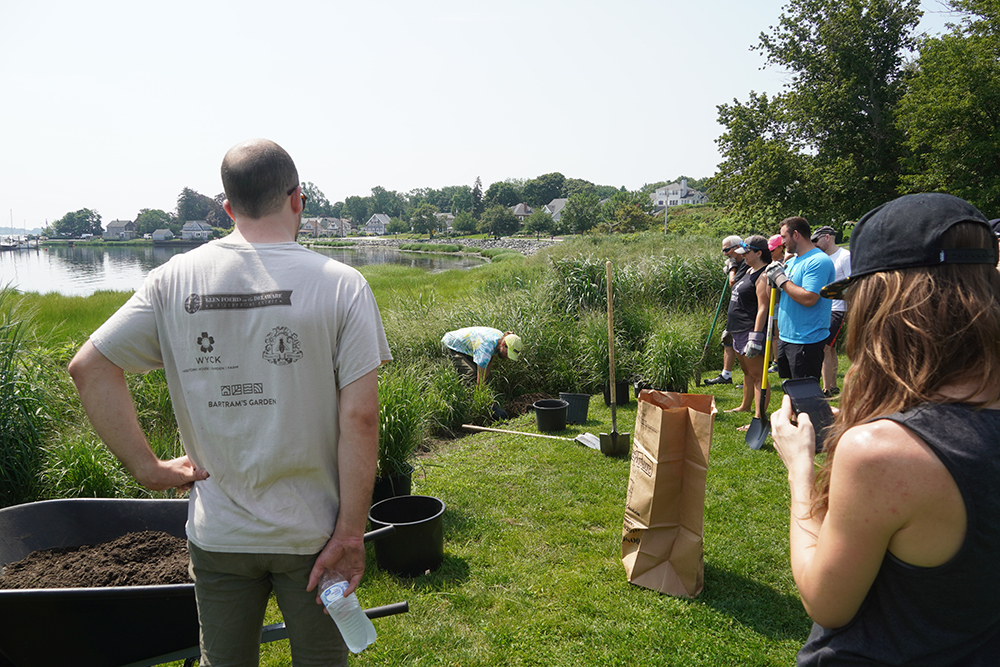
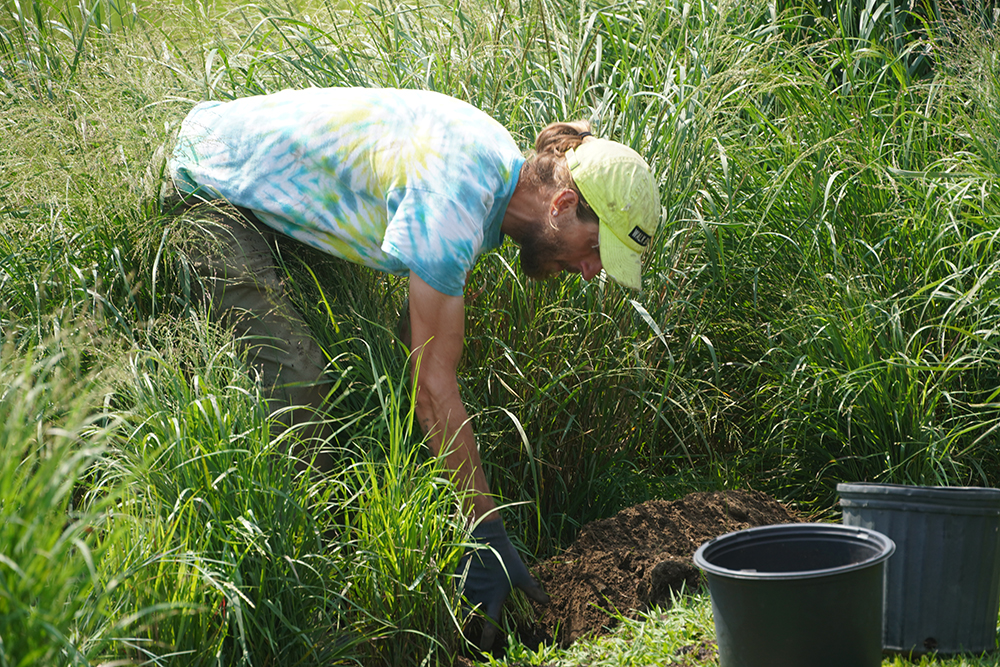
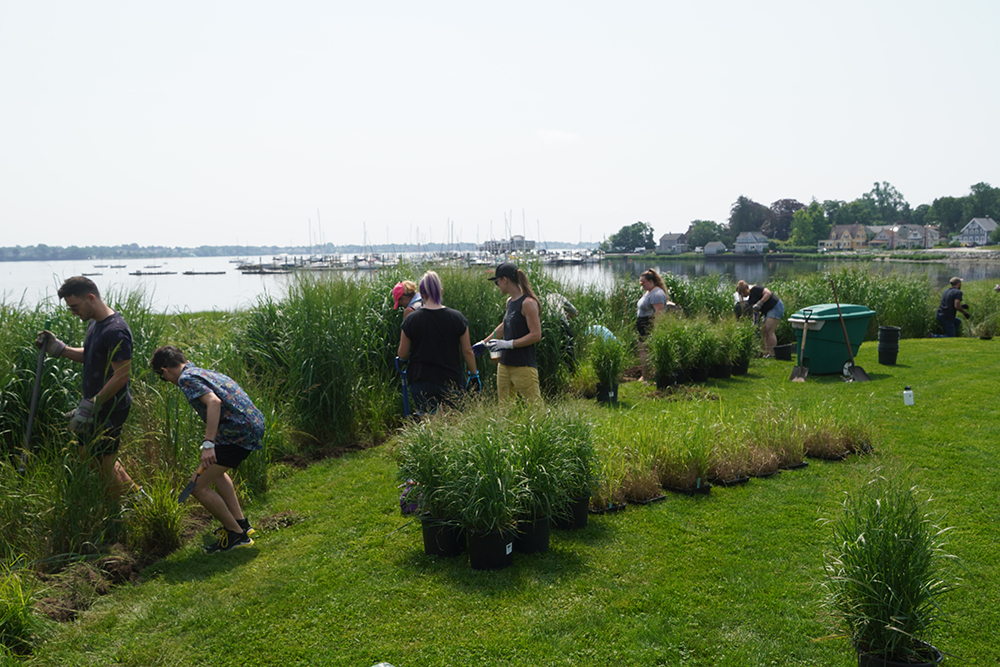
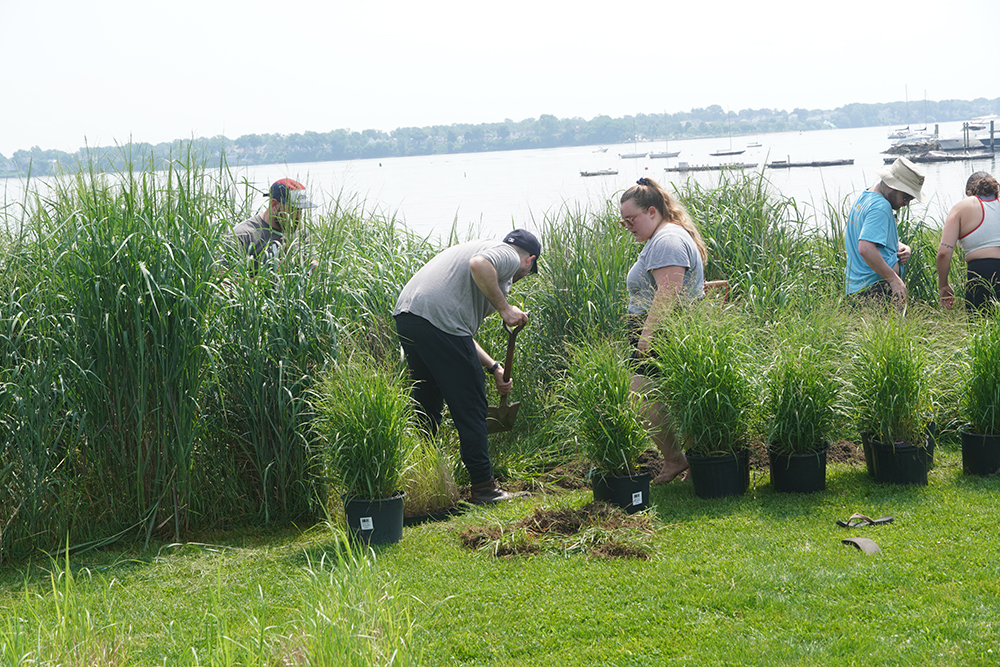
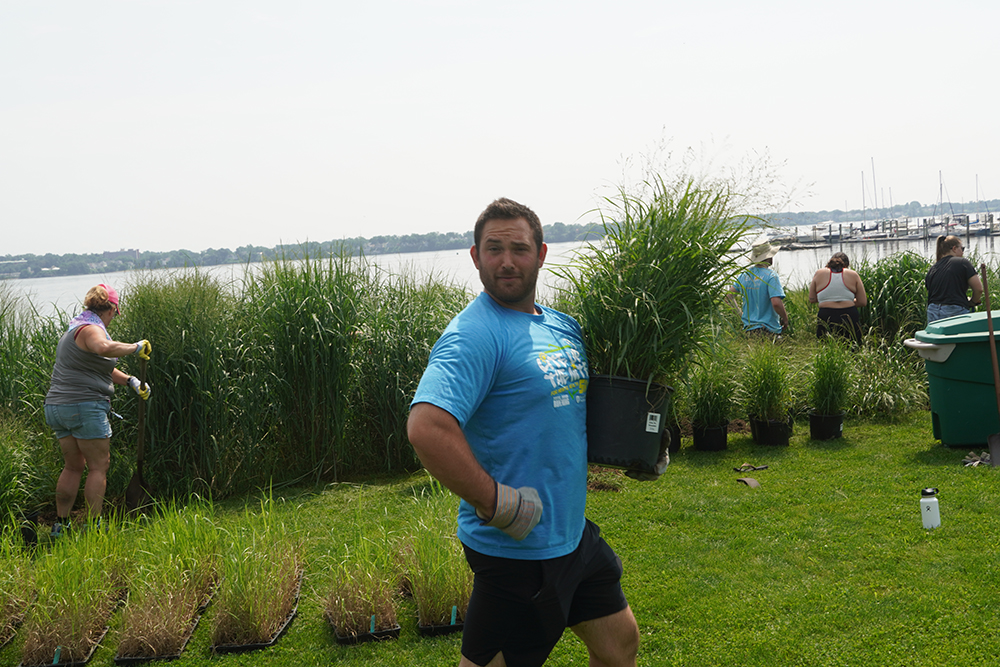
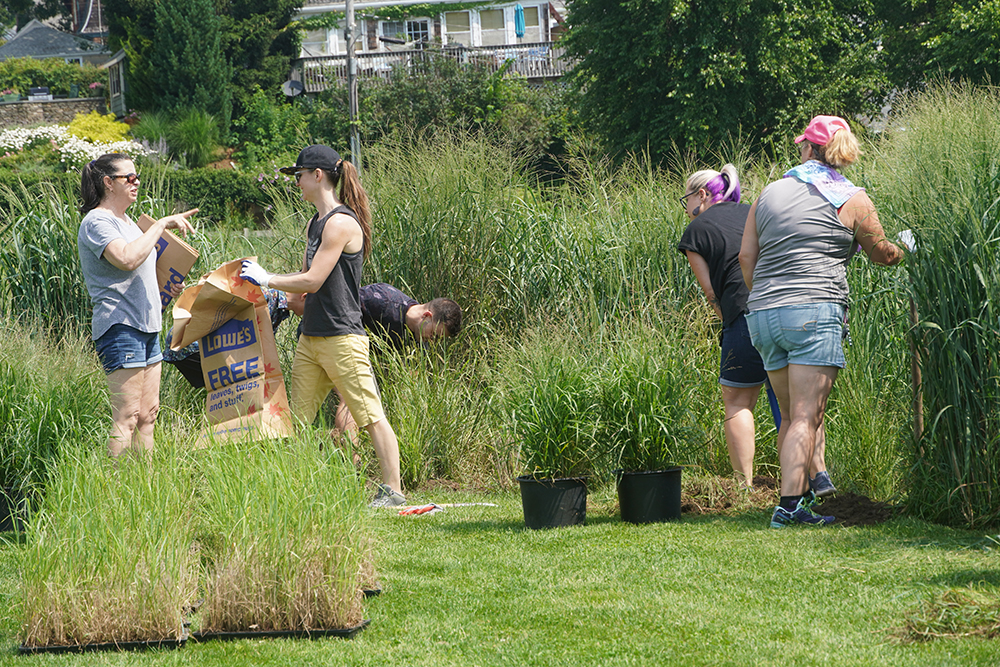
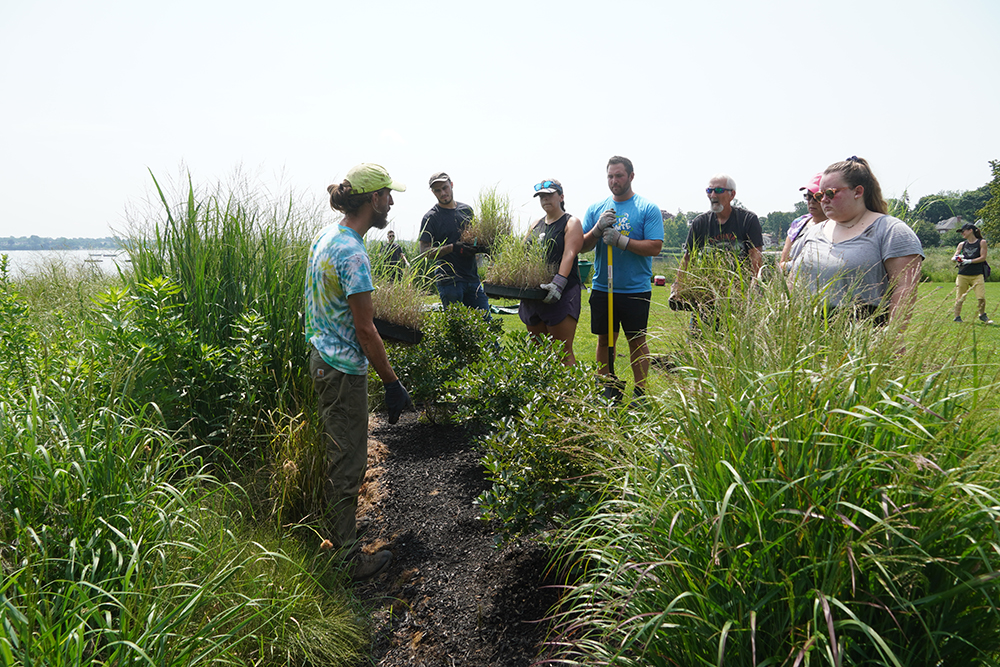
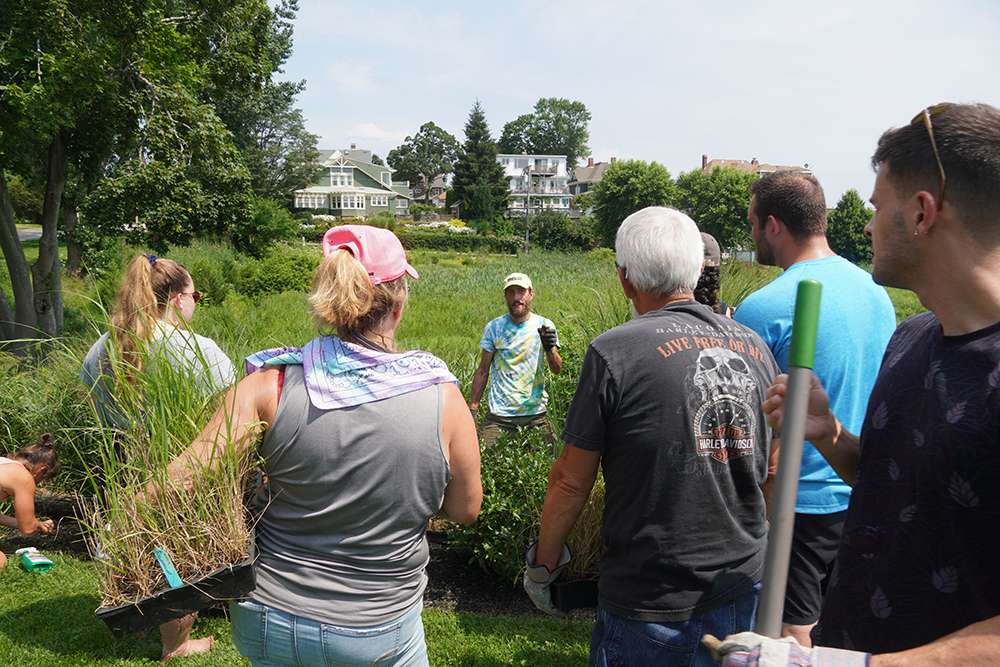
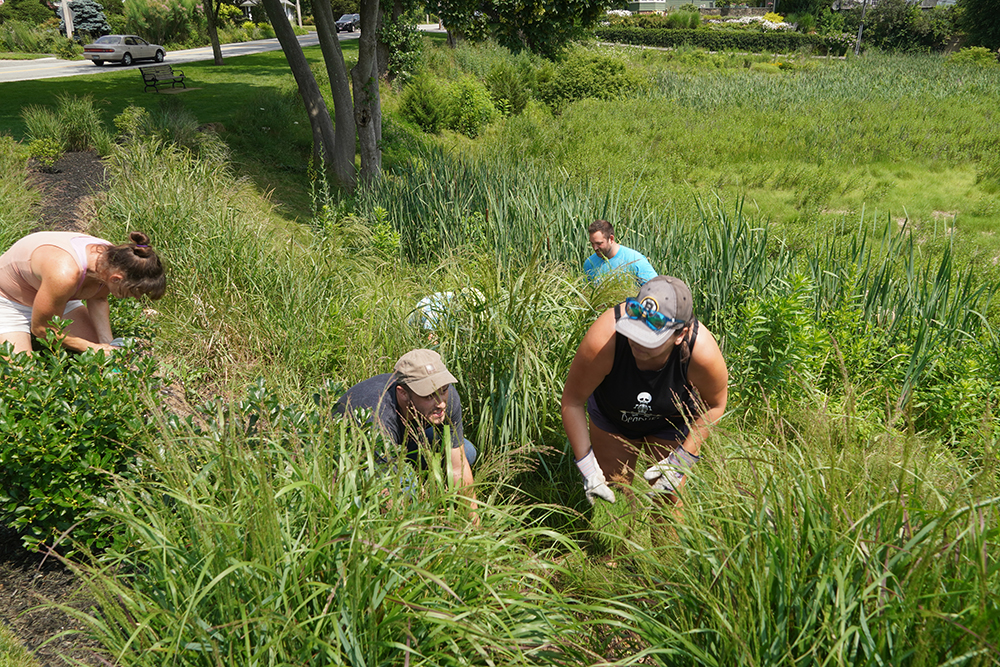
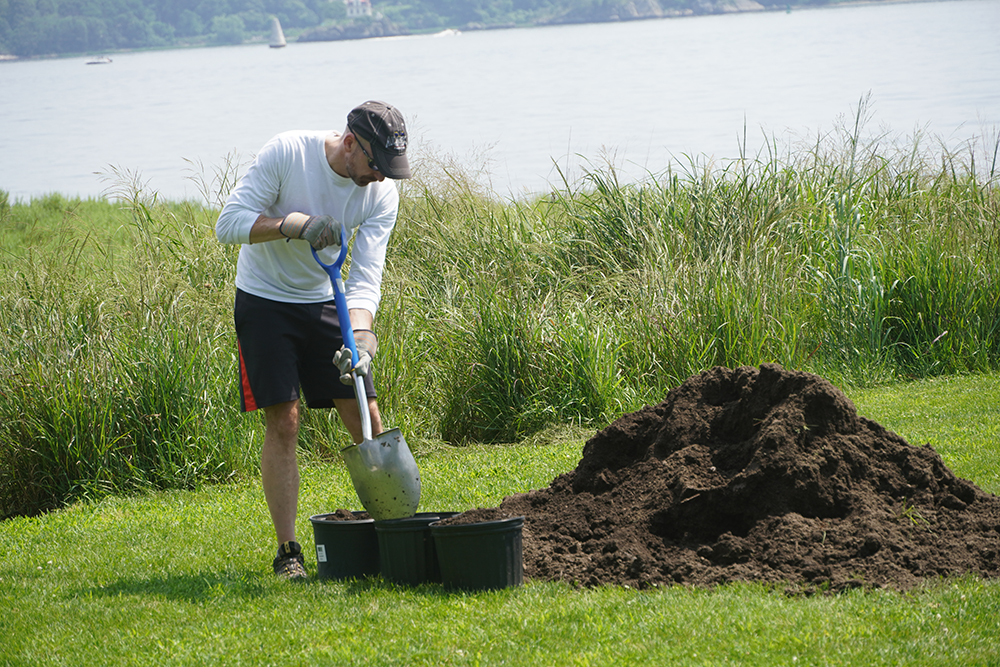
In July with the help of a large number of volunteers led by Nick Cokonis, we planted Switchgrass (Panicum virgatum ‘Shenandoah’) and Little Bluestem (Schizachyrium scoparium ‘Standing Ovation’) grasses on the top of the banks.
Both grasses are prairie grasses that are recognized in the category of “warm season grasses” known for their long roots to control erosion and their drought tolerance. These were chosen to protect the embankment from erosion and for their color in the fall to add more interest to the park.
Save The Bay generously donated over 400 plugs of Switchgrass to our planting effort to help patch in spotty growth in existing Switchgrass stands and to control erosion. They are all native plants used where the soil is dry and nutrient deficient.
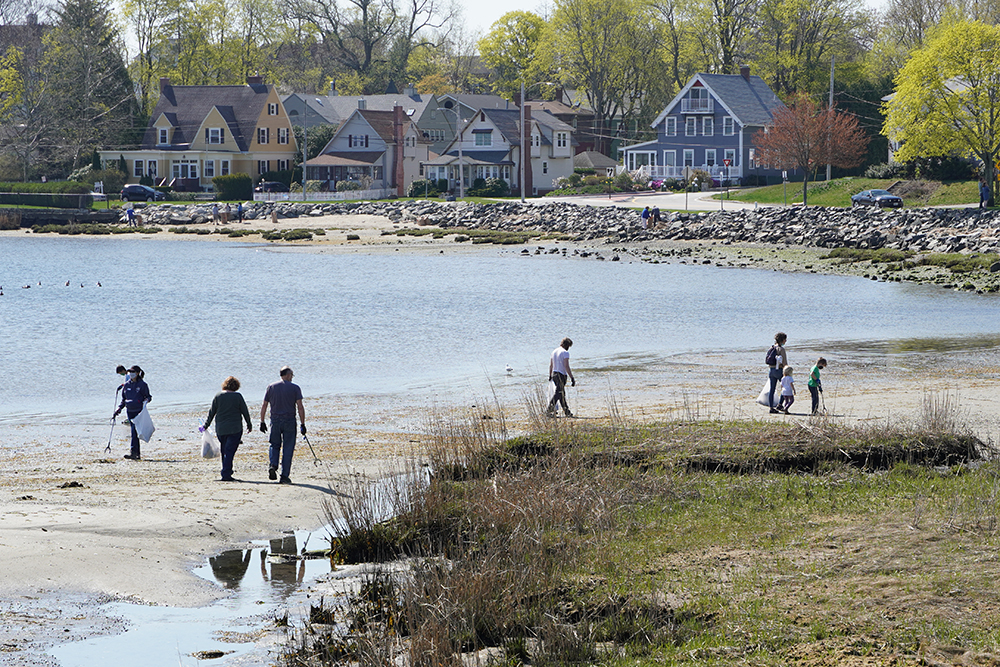
Over 80 neighbors joined together at this socially distanced outdoor clean up on April 24th, 9:30-11:30 am.
Teams worked on clean ups at Stillhouse Cove, Pawtuxet Park, and Sheldon Street.
With cooperation from the Pawtuxet Village Association, Save the Bay, RI Yacht Club, Cranston Rotary Club, Pawtuxet Cove Marina, Edgewood Garden Club, the City of Cranston and the City of Warwick the clean-ups were a huge success.
With everyones cooperation, we followed RI Department of Health guidelines. Thanks to everyone for the great event.
2020 saw a significant increase in the use of the park at Stillhouse Cove. Your support enables us to protect and preserve Stillhouse Cove, our local environmental treasure.
Some of What We Did in 2020 with Your Help
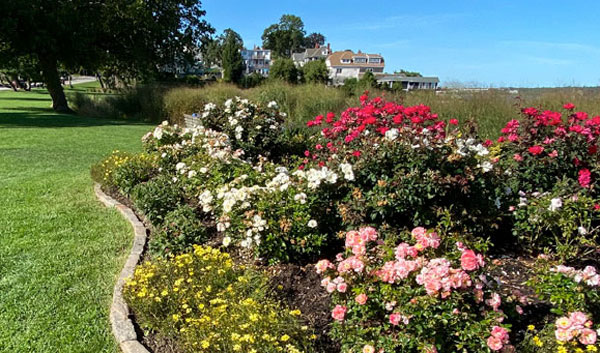
Completed the new rose garden with stepping stones and a plaque recognizing our supportive donor.
Protected the marsh and conservation area at Stillhouse by treating and removing invasive weeds and seedlings.
Re-planted 5 gardens and the rotary with native plants that withstand drought and attract bees.
Re-hydroseeded the stormwater infiltration area with our City of Cranston partner and Save the Bay.
Repaired the vandalized sprinkler system and damage to the park lawn.
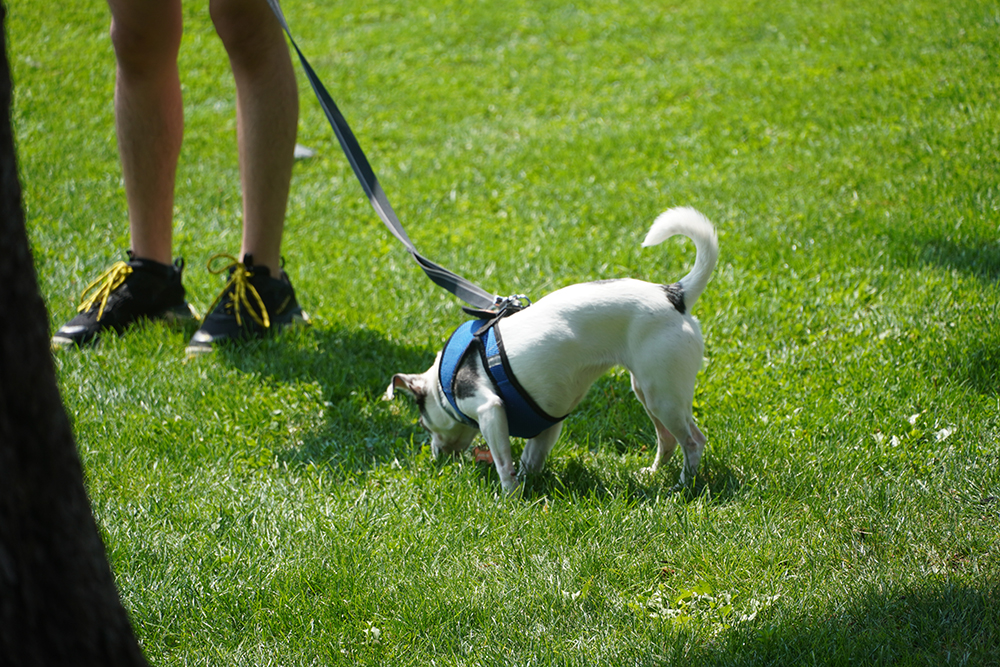
Provided dog waste bags to neighbors and visitors, including adding a third dispenser to the park this spring when demand increased and maintained walkways to the beach area.
Each year, we need to raise $10,000 to sustain improvements and to keep Stillhouse Cove the clean, beautiful, and safe waterfront park it has become.
Please give today. Donations are collected through a secure PayPalpayment.
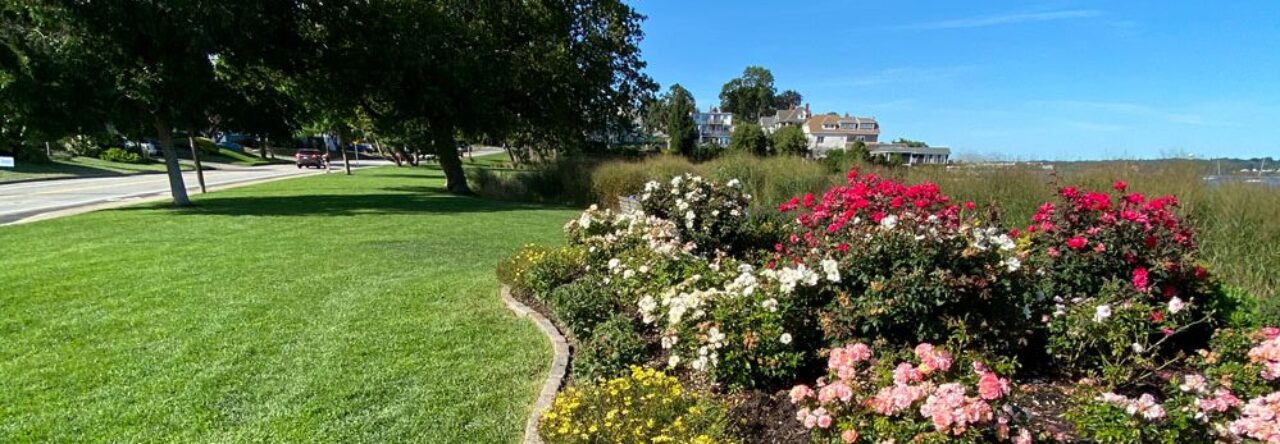
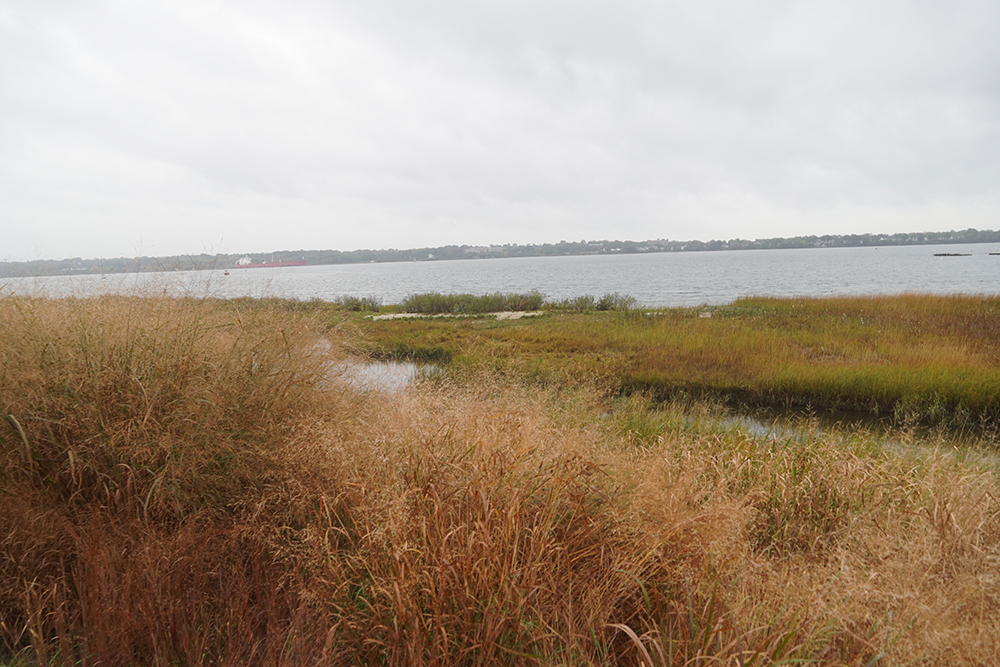
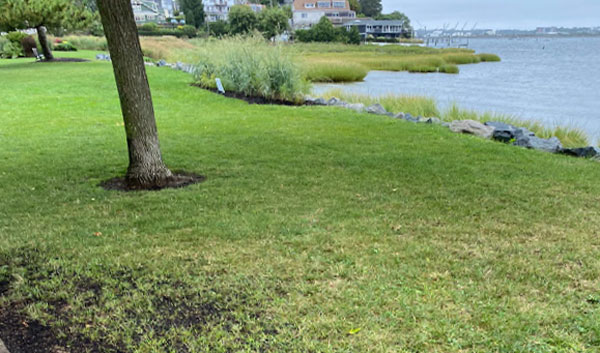
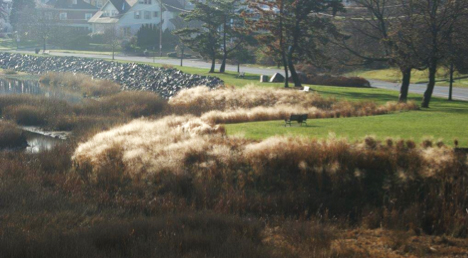
Stillhouse Cove, along Narragansett Blvd. Restored salt marsh is at right.
Pawtuxet’s Stillhouse Cove has undergone a remarkable transformation. Since 2004, almost $1 million has been invested in projects that have restored the 3-acre salt marsh, protected the embankment from erosion, enhanced the parkland, replaced a derelict boat ramp, and calmed traffic.
Stillhouse Cove Park is managed by the Edgewood Waterfront Preservation Association (EWPA), a non-profit incorporated in 1996. EWPA has developed partnerships with agencies and organizations critical to the funding and installation of these great projects. Partners include: Save the Bay, the City of Cranston, DEM, CRMC, the US Natural Resource Conservation Service, the Narragansett Bay Commission and the Edgewood Garden Club.
2003 2015
Improvements in a coastal zone are very expensive, require environmental permits, and have to be carefully managed. Projects are complicated and time-consuming. However, EWPA and its partners have been tenacious. The result? Note the following projects and milestones completed in the past fourteen years:
2004
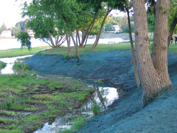
Coastal erosion project. Stone rip-rap was installed on about 1000 linear feet of the southern embankment, and the embankment to the north was cleared and planted with special “warm season” grasses, with root systems capable of holding the steep slope in place.
2004-5
Salt marsh restoration project. The invasive phragmites grasses were cut away. The
streambed channels were dug out, removing accumulated sediment, and restoring infiltration of salt water critical to allowing native marshland ecology to recover.
Vortechnics catch basin unit installed, 2005
2005
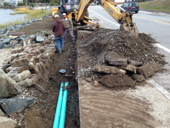
Installed “Vortechnics” catch basin units in the lawn area, capable of filtering out sand, metals and other contaminates before reaching the marsh.
Installed new sidewalks and granite curbing on Narragansett Boulevard.
2005-09
Installed six memorial benches, for park patrons to enjoy.
2008
Garden improvements installed by the Edgewood Garden Club
Additional channels dug to control mosquitoes and increase salt water infiltration
2012
Installed wooden fence at northern end of park
2013
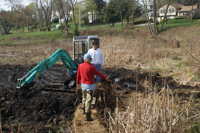
Recovery from Hurricane Sandy
Hurricane Sandy grant enabled stabilization of embankment
2014-15
EWPA wins National Historic Register designation for Stillhouse Cove
EWPA wins Hurricane Sandy restoration grant for new erosion project
Water service installed at site, 2015
Water service and sprinklers installed on lawn area, which was regraded and reseeded as well.
Narragansett Boulevard traffic calming installed, including two speed tables and a new rotary at the intersection with Ocean Avenue.
New boat ramp installed.
Ten new gardens planted on site.
Annual Cove Clean Up, 2015
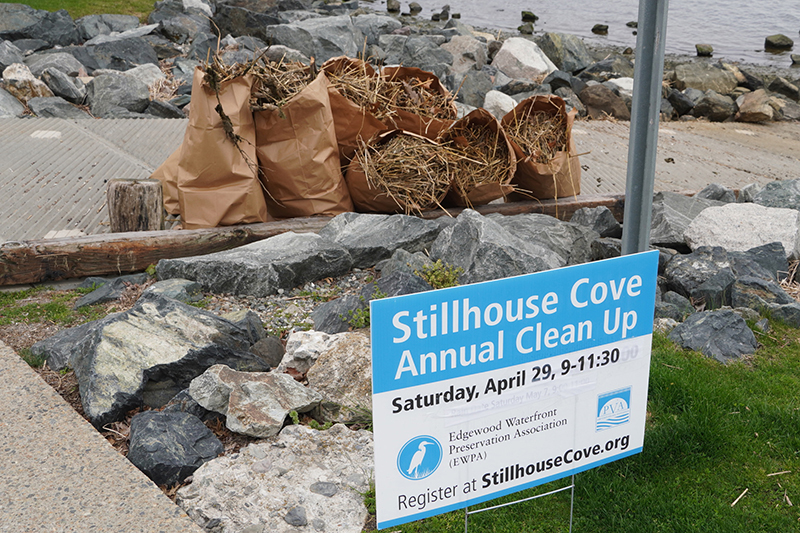
EWPA has ongoing initiatives and the annual Cove Clean Up every April. Pawtuxet neighbors who use or appreciate Stillhouse cove are encouraged to check out www.stillhousecove.org and sign up to become a member. Thanks for your support!